

Medicinal Teas - Stacking Functions with Synergistic Herbs to Create Botanical Infusions That Heal and Improve Quality of Life
This post offers a number of recipe ideas for medicinal tisanes (herbal and mycological infusions in hot or cold water) that address specific health issues or enhance specific bodily functions

This post serves as the 38th post which is part of the (Stacking Functions in the Garden, Food Forest and Medicine Cabinet : The Regenerative Way From Seed To Apothecary series).
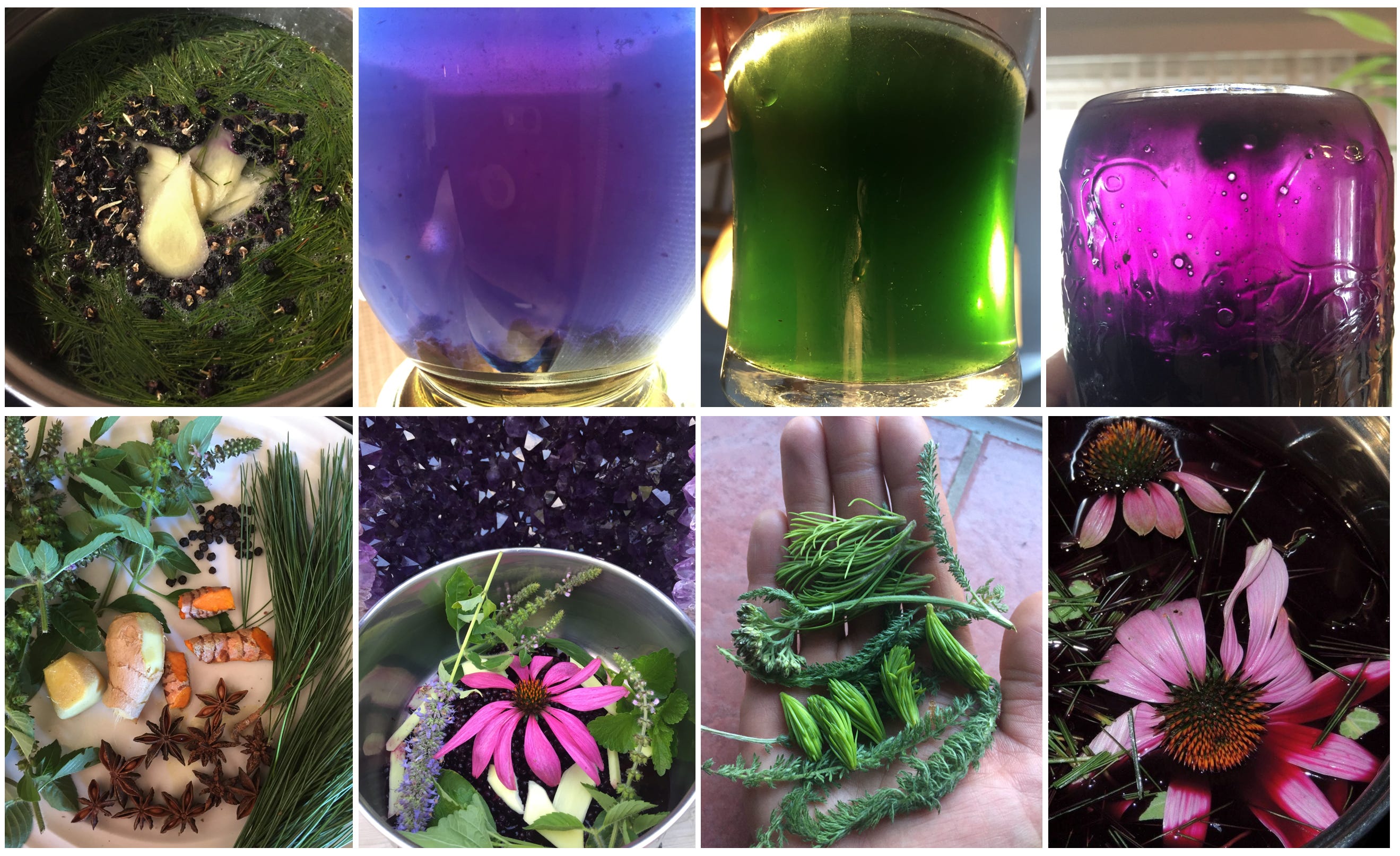
As I have taken steps to learn to perceive, access and synergistically combine the contents of nature’s medicine cabinet to stay healthy, heal (and sometimes enhance the function of my mind and body) I have found that making medicinal tea is a simple yet powerful tool in embracing health sovereignty.
For someone that is both learning to grow as much medicinal herbs in my own garden as possible, while also learning to recognize wild medicinal plants and fungi in the forest around where I live, drying herbs and fungi for enjoying as tea throughout the year is one the most effective modalities where I can plan ahead for combining these herbs and fungi to create delicious and medicinally potent herbal infusions.
I can enjoy them year round and in the summer I can make my herbal infusions and hot tea into ice tea (quenching thirst while also nourishing/replenishing my muscles, nervous system, circulatory system, adrenal glands, bone health, eye health, reproductive health, cognitive function and detoxing).
If you’ve ever made a cup of tea with a tea bag then you’ve made an herbal infusion. Teabags are certainly convenient, but if you want to prepare your own stronger herbal blends or concentrated medicinal teas, then learning how to use dry herbs (or source out dried herbs) and use them in the form of infusions and decoctions, is indispensable. Buying herbs in bulk, or growing and gathering your own, is also substantially cheaper than purchasing teabags (and tea bags often contain small oxidated pieces of herbs with less medicinal potency than larger dried whole herbs). Personally, I love the sensory pleasures of preparing dried herbs— homemade tea blends enhance my enjoyment of each herb’s texture, color and aroma.
Before we delve into the recipes and the details of tea preparation and recipes let’s take a look at the benefits (and the few downsides) of water extraction as a delivery method for medicinal botanicals. Tea is one of the most ancient forms of medicine and can be very comforting and pleasurable to drink. It is cheaper than capsules and the body is able to assimilate it easily. That said, some medicinal herbs and fungi have a strongly unpleasant flavor, so most people opt to ingest these herbs in the form of capsules or tinctures. Certain herbs, however, can help to mask these bitter flavors: ginger, mint, cinnamon (Cinnamomum verum and cassia , Lauraceae), cardamom (Elettaria cardamomum, Zingiberaceae), and licorice (Glycyrrhiza glabra, Fabaceae) are a few examples.
Medicinal teas also have the potential added benefit of hydration, except, of course, if the herbs are diuretic (promote water loss). Water is an excellent solvent for minerals, mucilage, volatile oils, and most medicinal constituents, although it doesn’t easily extract resins or some alkaloids. For that reason, alcohol is the preferred solvent for resinous herbs, such as poplar buds or balm of gilead (Populus spp., Salicaceae) and a number of other species I will describe below in the section pertaining to mixing tincture in with your tea.
If you have the time, make your tea fresh daily. I will typically prepare a about 1-2 liters of tea in the morning (depending on time of year and planned activities) and slowly sip on it all day. It is easy to bring your tea out and about with you in a glass mason jar, thermos, or stainless steel beverage container. Tea will keep fresh at room temperature for about twelve hours. Many people find it more convenient to make three days worth of tea at a time, I will do this sometimes for larger batches of medicinal ice tea for enjoying while working in the summer (and keep in airtight mason jars in fridge to minimize oxidation based nutrient/flavor degradation). You can make a triple batch of tea and place it in the refrigerator. Many beverage teas are quite enjoyable cooled in the summer heat, and if you have a big batch in the refrigerator it is easy to reach for a cup.
Also, another fun trick I use it preparing ice cubes of potent herbal teas. I freeze Goji berry (Lycium barbarum, Lycium chinense and/or Lycium ruthenicum/black goji), Golden Root, hibiscus (Hibiscus sabdariffa, Malvaceae) and schisandra (Schisandra chinensis, Schisandraceae) tea into ice cubes, and then on busy days I pop them into my water container as I’m heading out the door.
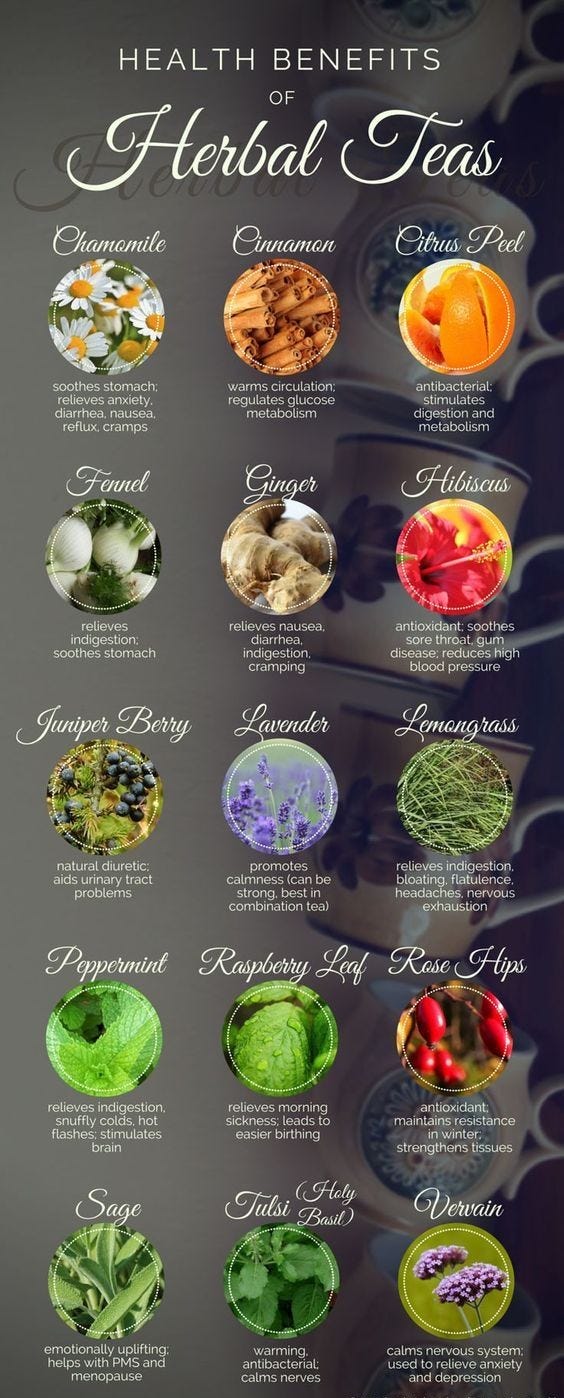
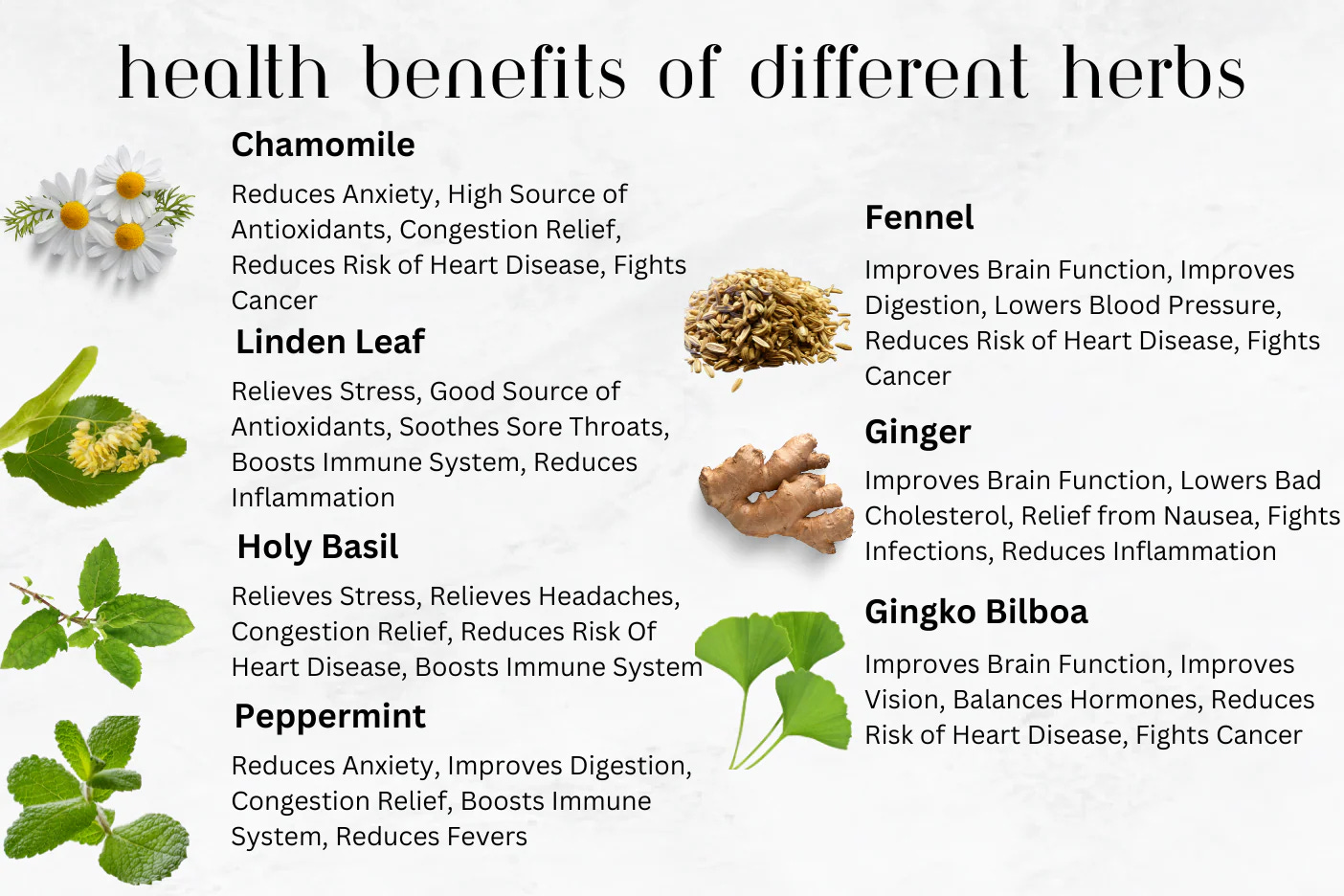
I will be including both more well known tea ingredients as well as lesser known herbs, spices and fungi including but not limited to the following items:
(This list is by no means an encyclopedic list. I just had to stop adding new items at some point or I would have been writing this article for months. If you have a herb you suggest I add, drop a comment and i’ll look into it when I have time)
Sage
Valarian
Hibiscus tea (made with the dried, deep-red calyces (the protective cup-shaped part of the flower that encloses the seed pod) of the Hibiscus sabdariffa plant, also known as roselle.
Moringa tea (made from dried or fresh leaves of the Moringa oleifera tree)
Cannabis (You can use raw cannabis here, as the boiling water used for making tea is not hot enough, nor does it heat the material for a long enough time, to effectively decarboxylate the cannabis and activate the THC. In other words, raw cannabis tea is non-intoxicating, but does offer a long range of health benefits)
Goji Berries/leaves
Eastern White Pine (Pinus strobus)
White fir (Abies concolor)
Grand fir (Abies grandis)
Noble fir (Abies procera)
Western Red Cedar (Thuja plicata) - (cedar and juniper tea should be avoided during pregnancy/lactation and consumed in moderation (1-3 cups/week) due to compounds like thujone).
White Cedar (Thuja occidentali)
Coast redwood (Sequoia sempervirens) - (obviously, please harvest respectfully from species like this that have had such a tough time due to human exploitation, do not harvest the terminal shoots, which are the new growth at the top of young trees, only take lateral branch foliage from trees tightly spaced that need better airflow and would die off anyways, same goes for other conifer species)
Eastern Hemlock (Tsuga canadensis) - (Eastern, Western and Mountain Hemlock tree needles are edible and can also be used for tea, though not to be confused with poison hemlock which is a highly toxic plant and not a tree.)
Scots Pine (Pinus Sylvestris)
Swiss Stone Pine (Pinus cembra)Spruce Foliage (aka “needles) from species such as Sitka Spruce (Picea sitchensis), Black spruce (Picea mariana), White Spruce (Picea glauca), Blue Spruce (Picea pungens) and Norway Spruce (Picea abies)
Peppermint
Tulip Tree bark
Lindon Leaf
Bee Balm (Monarda fistulosa and Monarda didyma)
Seaweed/Kelp (species like Chondrus crispus, Saccharina japonica, Fucus vesiculosus, Palmaria palmata and Nereocystis luetkeana))
Yerba Mate
Bacopa monnieri
Ginseng
Sage
Turmeric (Curcumin)
Green tea
Chaga mushroom
Shiitake mushroom
Turkey Tail mushroom
Reishi Mushroom
Cordyceps mushroom
and many more!
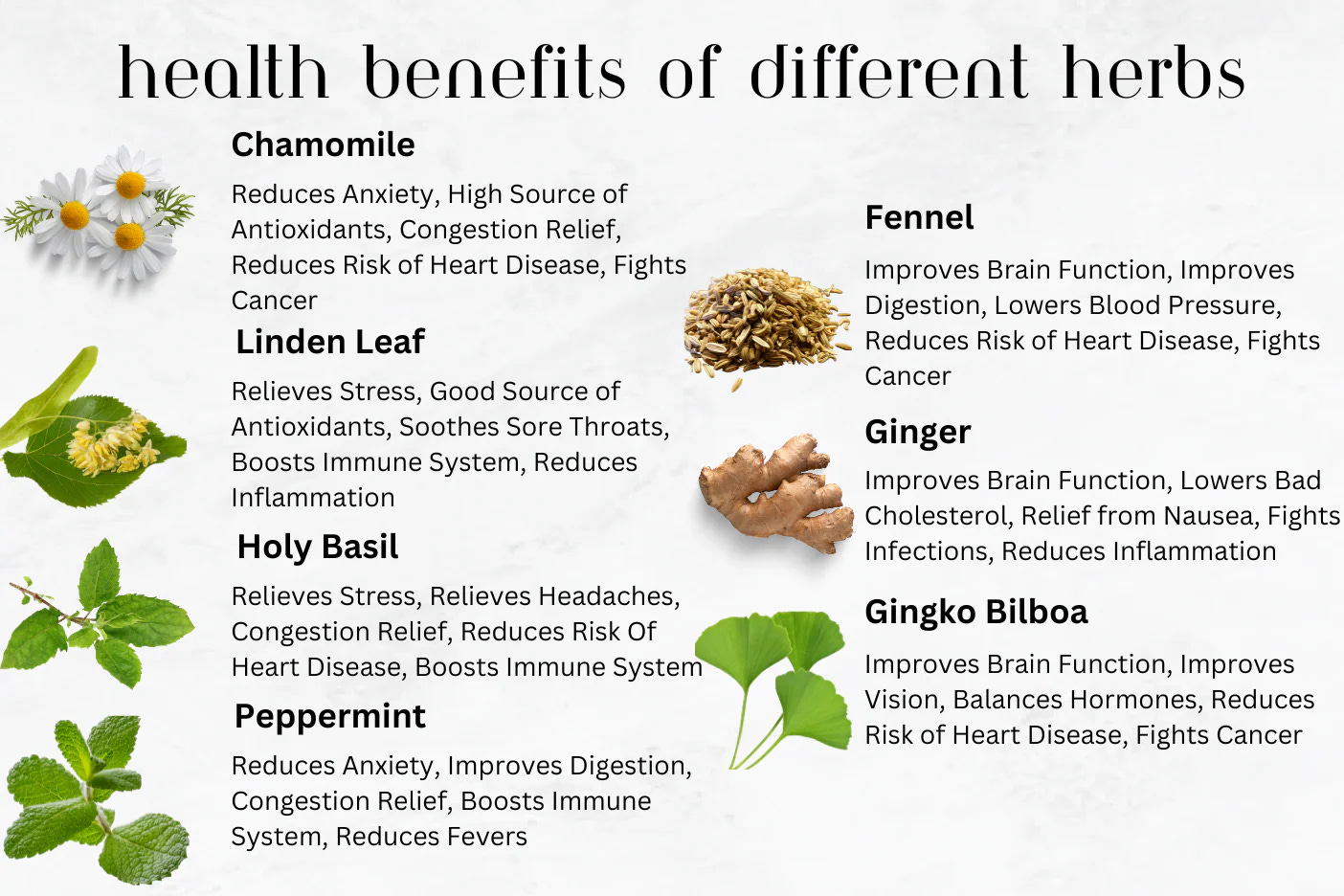
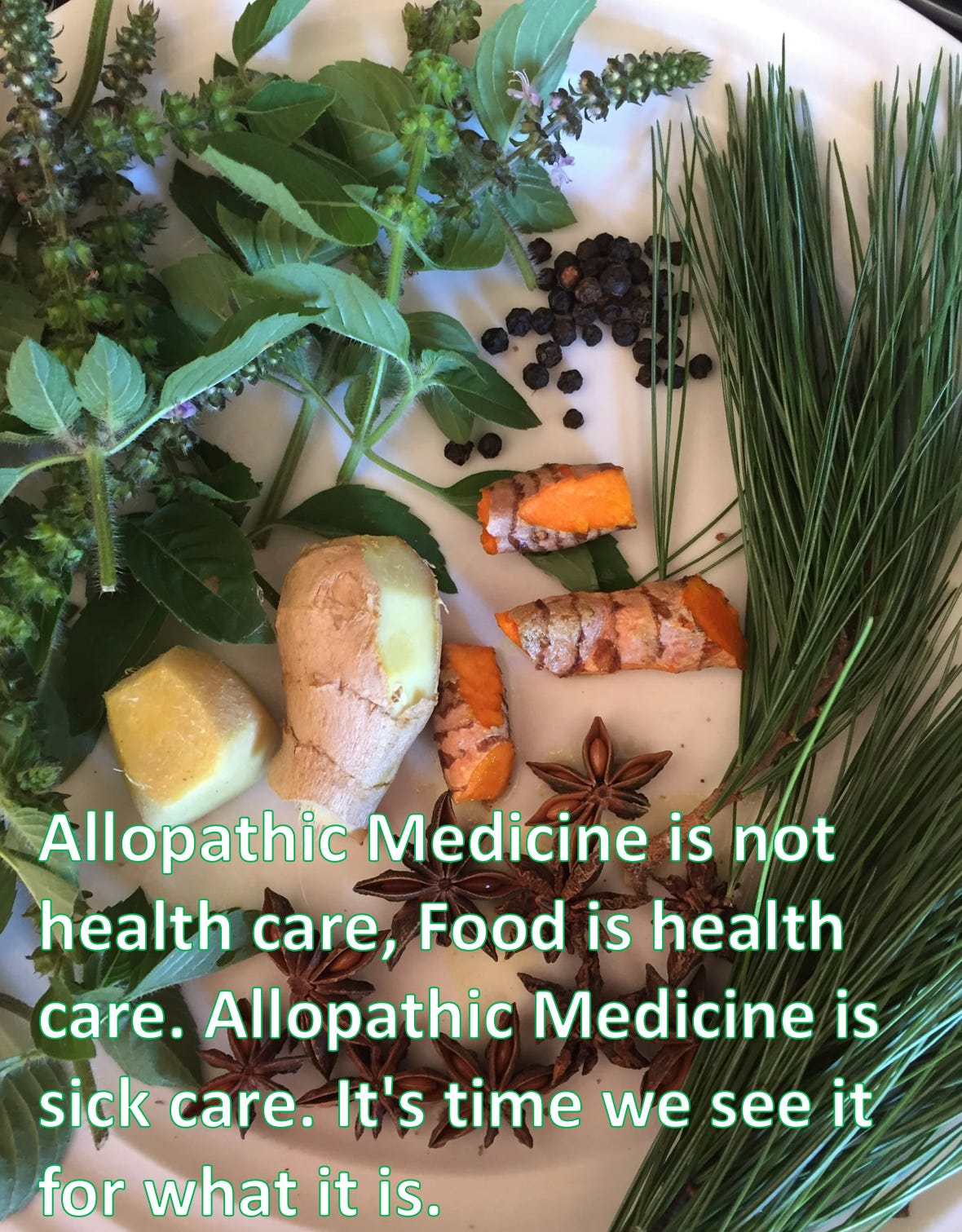
I think it is worth noting that while some MDs take the initiative to educate themselves about nutrition the institutions that certify those professionals place their emphasis on synthetic pharmaceutical drug interventions rather than maintaining optimal health through preventative measures (using food as medicine). Many men and women asking their MDs about the topic of nutrition (and especially healing herbs) will receive scant (if any) solid nutritional info (unless they happen to work with an exemplary individual that chose to learn about the importance of nutrition on their own).
This was not always the case in the medical professional field it was not too long ago that health care specialists would have emphasized the importance of whole food nutrition and herbs to support health (as opposed to invasive procedures and synthetic lab made supplements/chemicals).
As I explored in my article on the true nature of Big Pharma, it was around the turn of the century that the AMA, the Rockefeller Foundation, and the Carnegie Foundation forged their partnership and began to turn medical professionals away from preventative medicine and towards symptom covering drugs. They put their money into drug-based research (oil derived pharmaceuticals) and made that the main focus of “healthcare”—a move that turned “healthcare” into “sickness management.” The Rockefellers and other prominent banking elite (and the shareholders of their subsidiary pharmaceutical corporations) have been able to control and profit enormously from the drug industry.
Now, all medical doctors in the USA are trained in medical schools that are run and/or accredited/sanctioned by the AMA. Of 129 medical schools in America, only 22 require even what amounts to basic rudimentary courses in nutrition. Medical students are not trained to see the connections between many degenerative diseases and malnutrition. Instead they are taught only how to treat with surgical or pharmaceutical methods but do not cure or alleviate the root problem or ailment. Similar numbers are reflected in medical education here in Canada. In this way, they are assured of life-long customers. Surveys conclude that over 66% of all Americans regularly take prescription drugs (with only slightly lower numbers being reflected here in Canada as well).
This is one of the reasons I felt compelled to put in the time to do this research and provide you all lists like these, as the people we were raised to trust with giving us health advice for important topics like using food and herbs as medicine are (often through no fault of their own) often quite ignorant when it comes to this dynamic of human health.
I hope this information below can serve to be helpful all of you out there working with their health care provider (whether they are allelopathic MDs, homeopaths, nutritionists and/or herbalists). I encourage people that are seeking to make specialized medicinal herbal teas to address specific issues (and their health care providers) to do their own homework (do not take my word for it, dig into the well references at the bottom of this post and confirm what I have shared here independently for yourselves).
Synergistic Medicinal Tea combinations for optimizing the function of certain parts of the body and/or addressing specific health issues
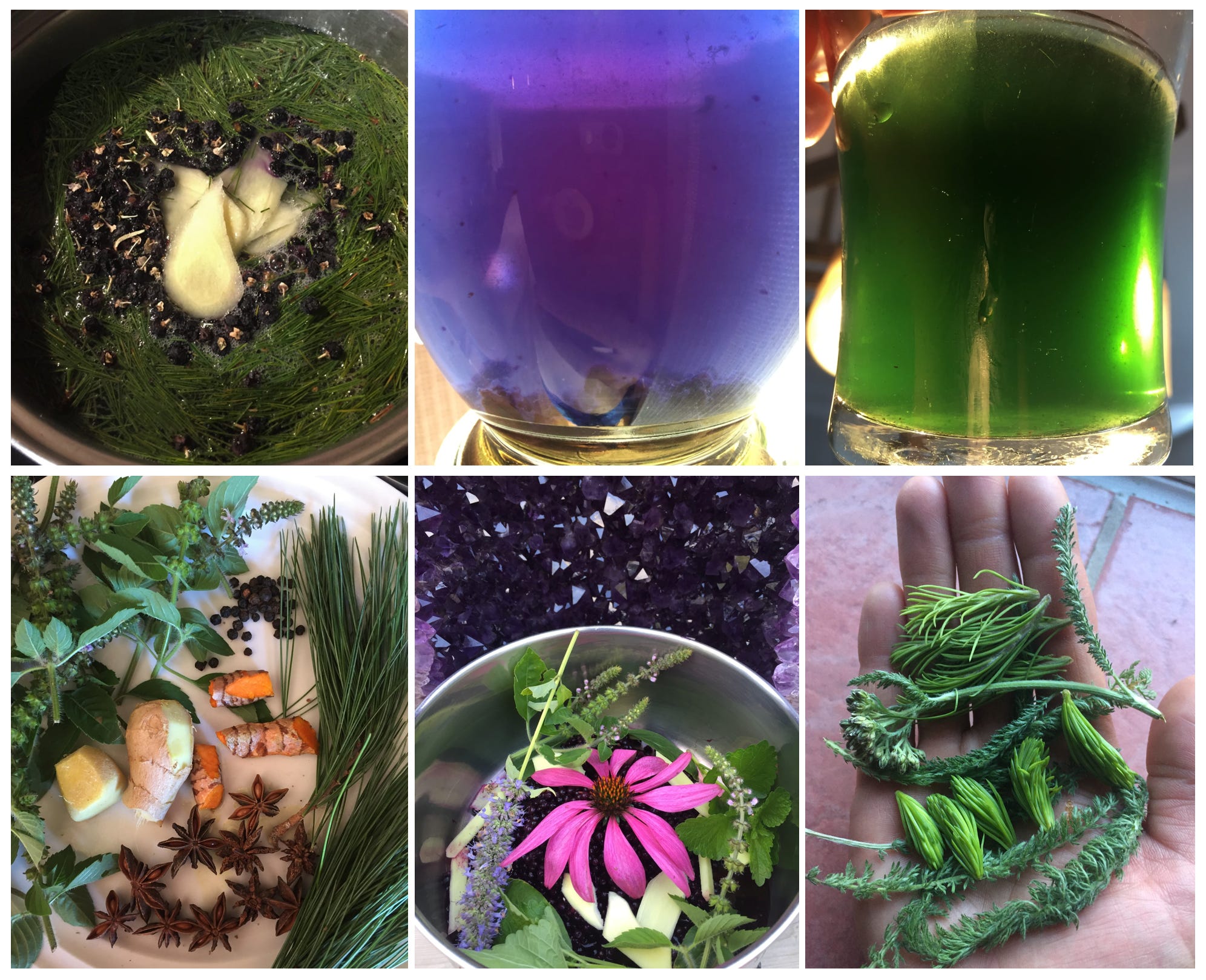
I often custom tailor the tea I make to bring to work or the one I enjoy in the evening to optimize the function of specific parts of my body or cognitive function that I will be using to a higher degree depending on the task of the given day/evening.
For instance, my go to day time work tea blend typically consists of some Regeneratively Farmed loose leaf Yerba Mate (or loose leaf organic green tea leaves/matcha), sliced ginger rhizome, mint, nettle, a pinch of holy basil and a handful of dried garden berries (serviceberries, Goji berries or black currants for sweetness and antioxidants). From that foundation, if am expecting a day of heavy lifting and tasks requiring intense cardiovascular / endurance output, I might add in some Golden Root (Rhodiola Rosea), Cordyceps mushrooms and Five Flavor Fruit (Schisandra Canadensis).
Or, if my day is going to be one that requires less physically intense labor and more mental focus, I might add some Gingko, Black Goji berries, Bacopa monnieri, Ginseng, Sage, Turmeric (Curcumin) and Lion’s Mane mushrooms.
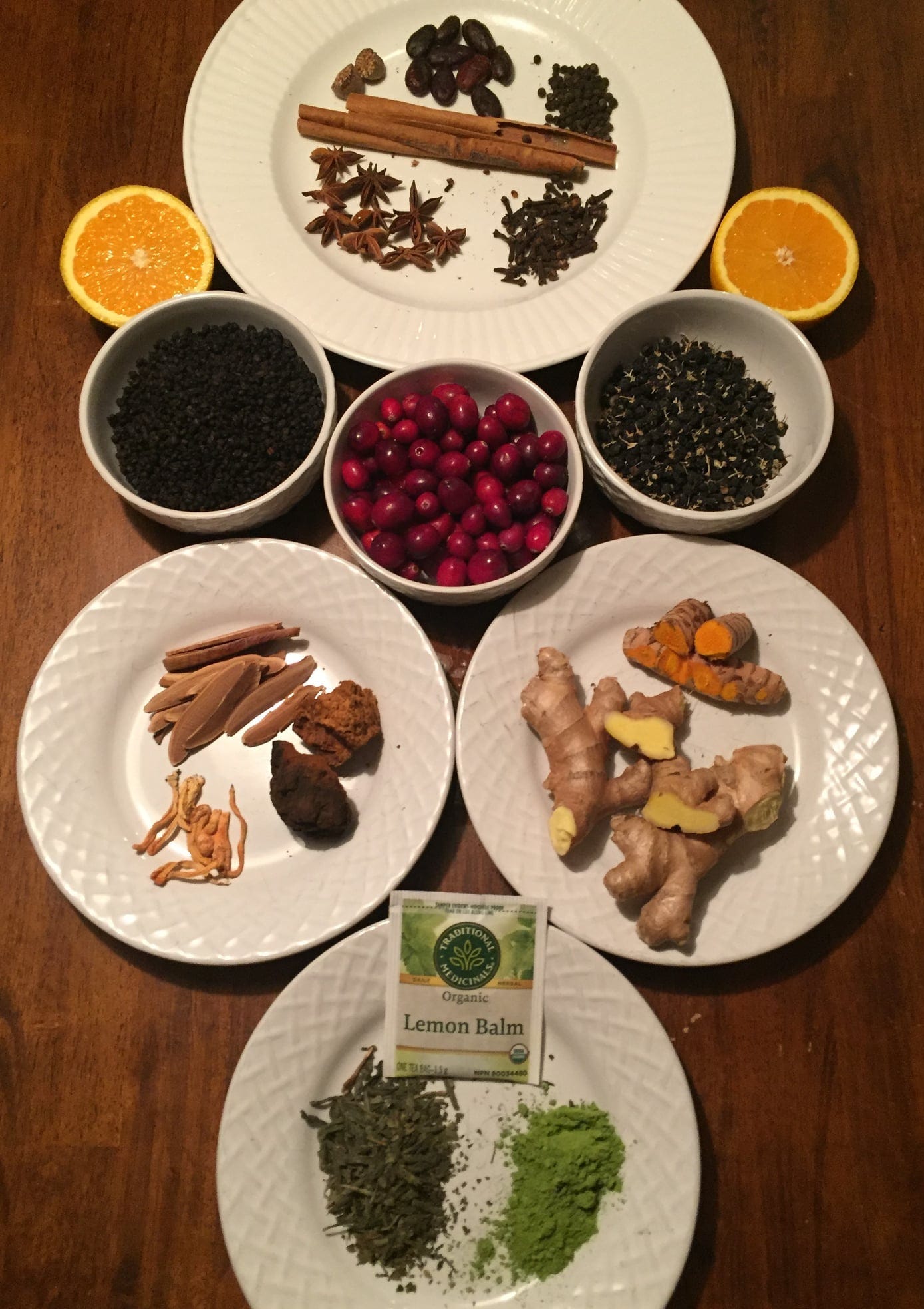
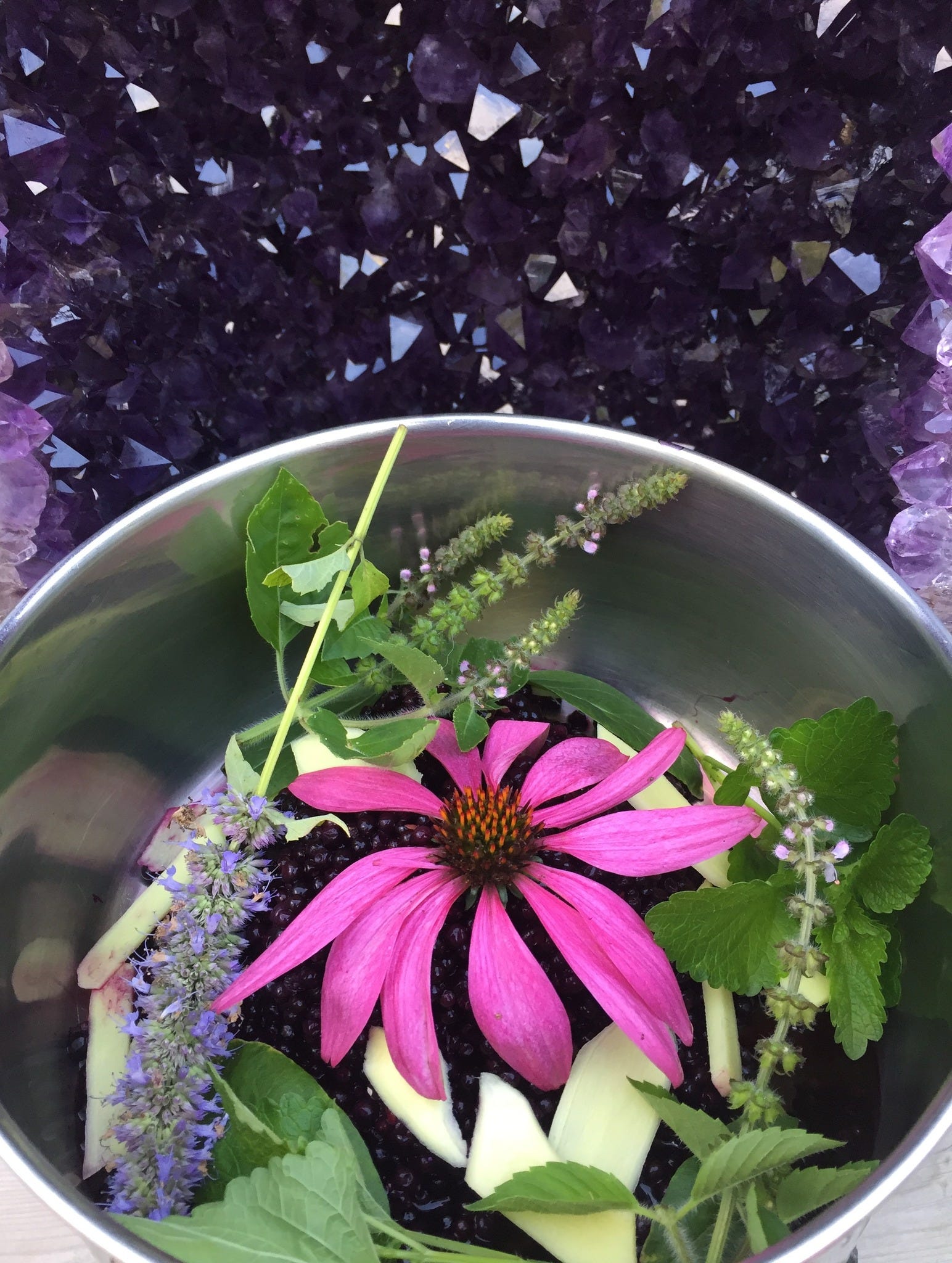
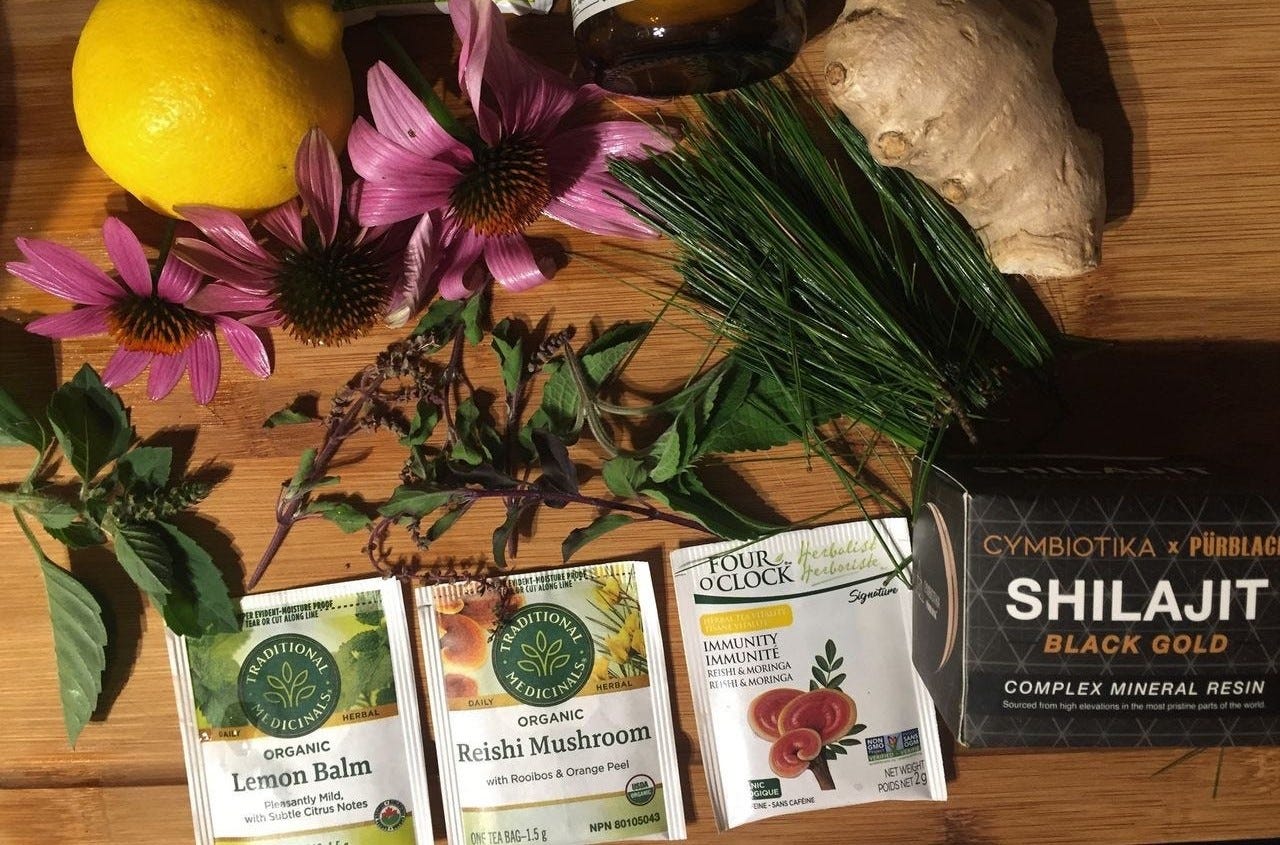
In another instance, if I I feel a sore throat, stomach issue or respiratory infection starting I might increase the quantity of ginger, add echinacea, pine needles, Chaga mushroom, Anise Hyssop, Yarrow and Bee Balm.
Not all of these teas designed for very specific outcomes medicinally speaking taste good, but many of them can be tailored to be enjoyable with practice. The important thing to me, is that I can embrace health sovereignty through a reciprical relationship with the forest and gardens I tend, and making medicinal teas is one pathway that empowers me to do just that. So, sometimes I`ll drink some tea with lots of Anise Hyssop in it (even though I do not like the flavor of licorice at all) because I know it will cut my recovery time from a cold in half.
That said, again, with practice one can include ingredients that would not taste good at all by themselves to most, and blend them in a way that you barely notice its presence or do not notice it at all.
Below i’ll share lists of ingredients you can use to make tea which optimize the function of specific bodily functions, organs or embark on a path to healing them. There will be significant overlap in these lists (as we are working with some very potent and versatile medicinal herbs and fungi in the list above) but that is a good thing as it means you can both get over a cold while also helping your brain to focus on the task at hand or accelerate the healing of an internal wound/post surgery healing while also relaxing and getting a good night’s sleep.
Through customizing items from the lists below to suit your unique situation you can create holistic medicines that address multiple issues simultaneously and/or support the optimal function of multiple body functions so you can be your best self.
First up.
Innate Immune System and Respiratory Health Optimizing Tea Ingredients:
1.
Here Is A List of Some Of My Favorite Immune System Boosting and Adaptogenic Plants and Fungi that are tea compatible:
- Anthocyanin rich tea compatible foods (blue butterfly pea (Clitoria ternatea), black gojis, dried blueberries, dried service berries, purple “krishna” tulsi etc)
- Astragalus (Astragalus membranaceus)
- Conifer foliage from the species listed above (such as spruce, some pine and fir species as well as larch)
- Bee Balm (Monarda fistulosa and Monarda didyma)
- Blueberries (Vaccinium angustifolium)
- Black Currant (Ribes nigrum) berries and leaves
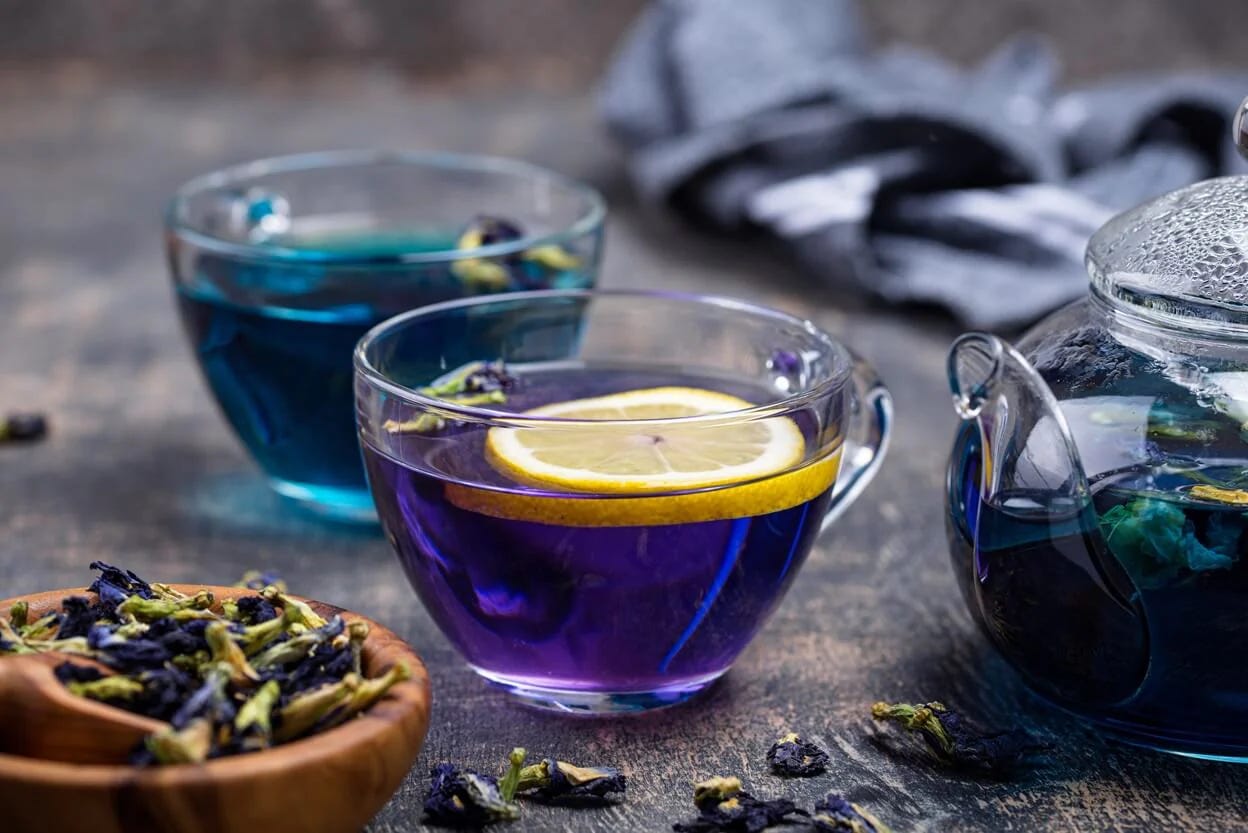
- Blue butterfly pea blossom tea (Clitoria ternatea)
- Birch Leaf (Betula pendula - Betula nigra- Betula papyrifera - Betula alleghaniensis)
- Cinnamon (Cinnamomum verum)
- Citrus fruit (particularly lemons and limes)
- Cloves
- Cranberries (Oxycoccus)
- Echinacea (Echinacea spp.)
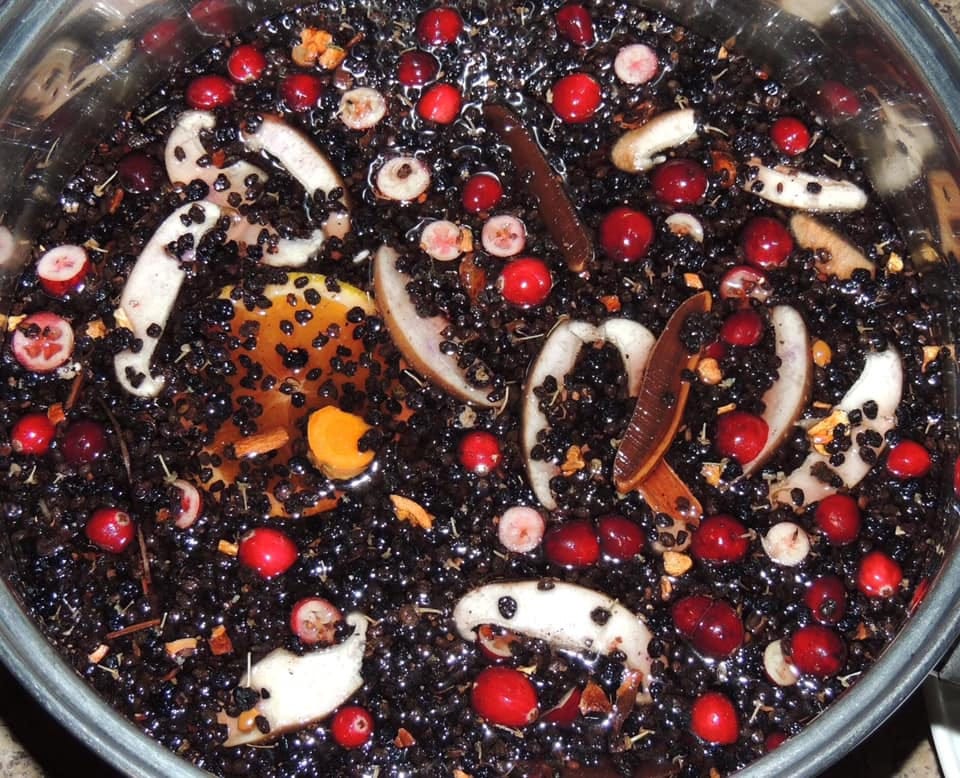
- Elderberry (Sambucus nigra)
- Goji Berries (Black Goji Berries ‘Lycium ruthenicum’ and Red Goji berries ‘Lycium barbarum’)
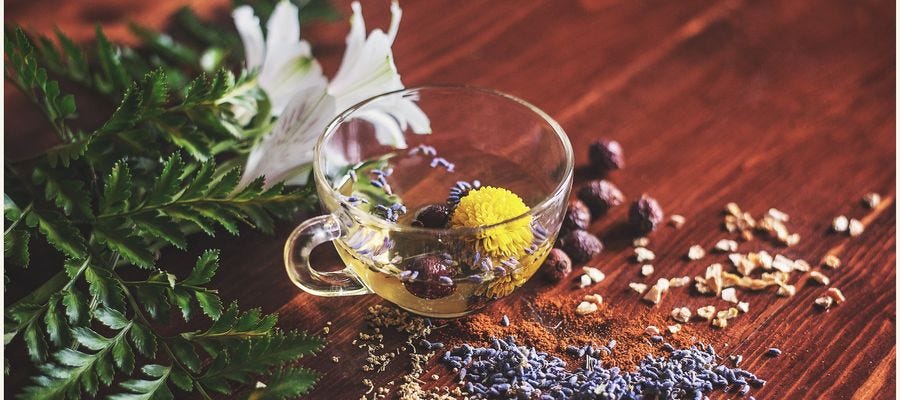
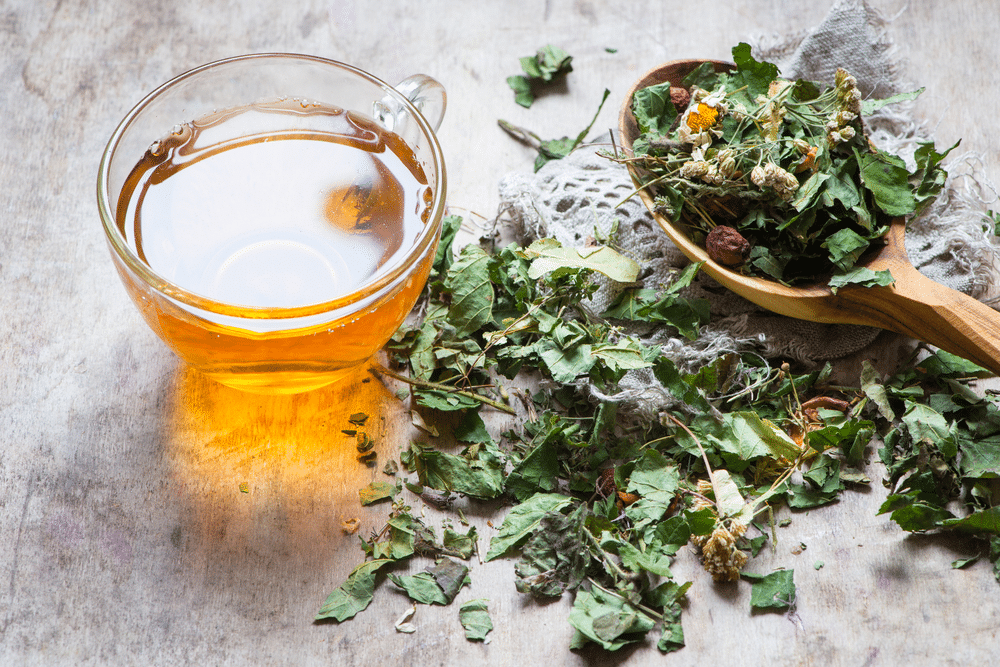
(note below shows a cup of Black Goji Berry tea I made to enjoy as I wrote this article)
- Schisandra chinensis (aka “five flavor fruit”)
- Garlic (Allium sativum)
- Ginger (Zingiber officinale) and (Asarum canadense)
- Ginkgo biloba
- Ginseng (Panax quinquefolius)
- Black Currants (and leaves)
- Green tea (Camellia sinensis)
- Lemon Balm (Melissa officinalis)
- Agastache foeniculum (aka Anise Hyssop)
- Rose Hips (the ripe red flesh surrounding the seeds that are part of the fruit produced by roses)
- Service Berries/ Saskatoon Berries
- Stinging Nettle (Urtica dioica)
- Star Anise (Illicium verum)
- Turmeric ( Curcuma longa)
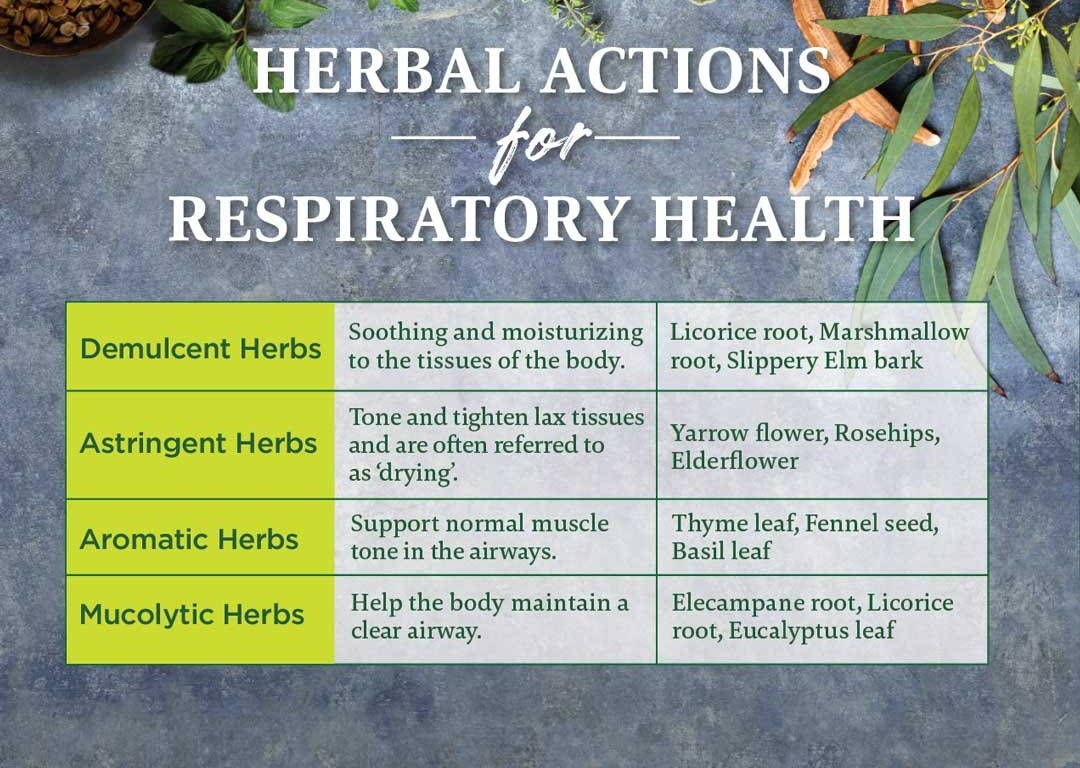
- Yarrow
- Thyme leaf
- Licorice Root
- Marshmallow root
- slippery elm
- Staghorn Sumac berries
- Shilajit
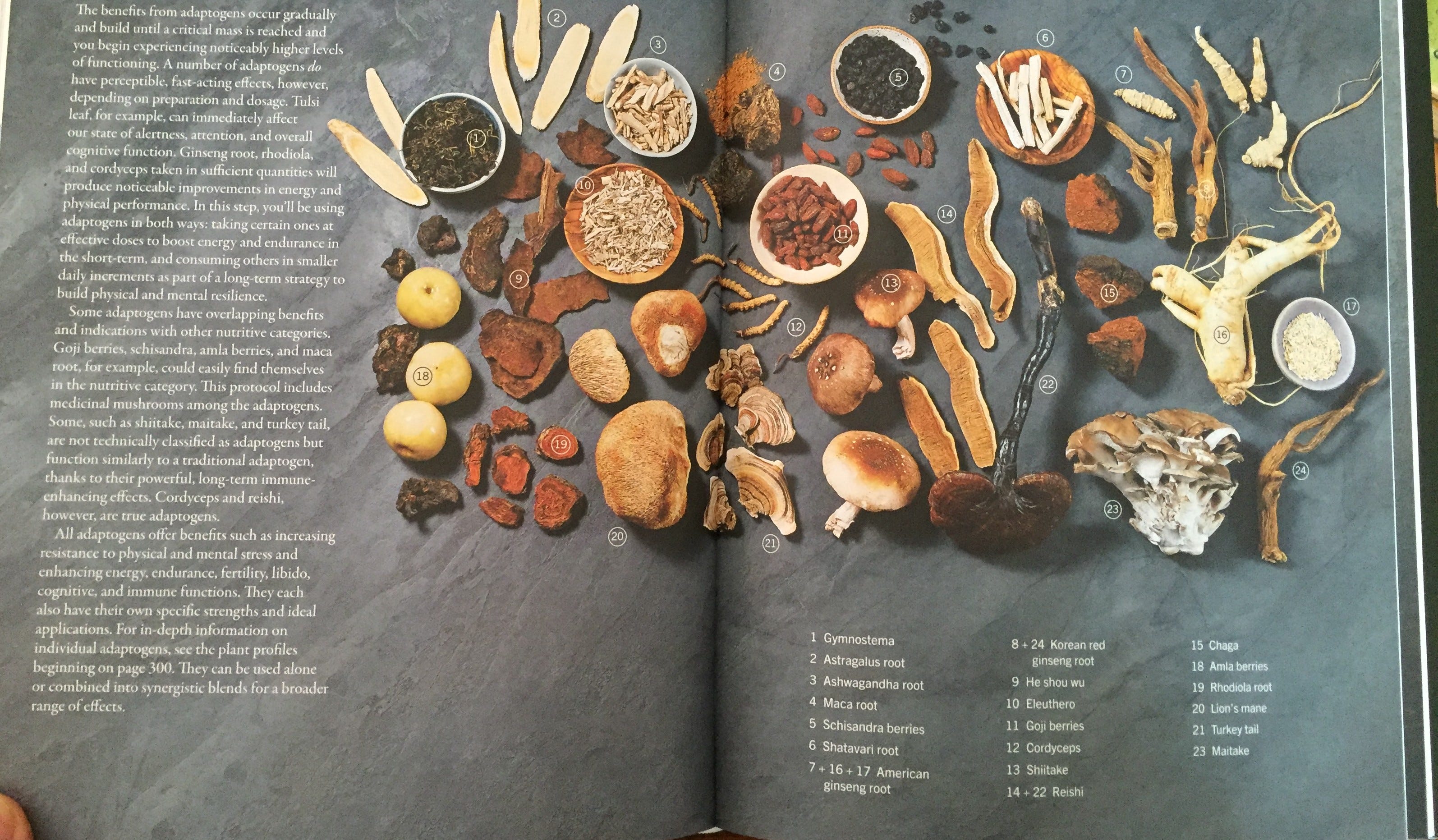
- Amla Berries
- Astragalus root
- Ashwagandha root
- Broadleaf cattail, bulrush, common bulrush or common cattail (aka Typha latifolia) pollen
- Tulsi aka Holy Basil
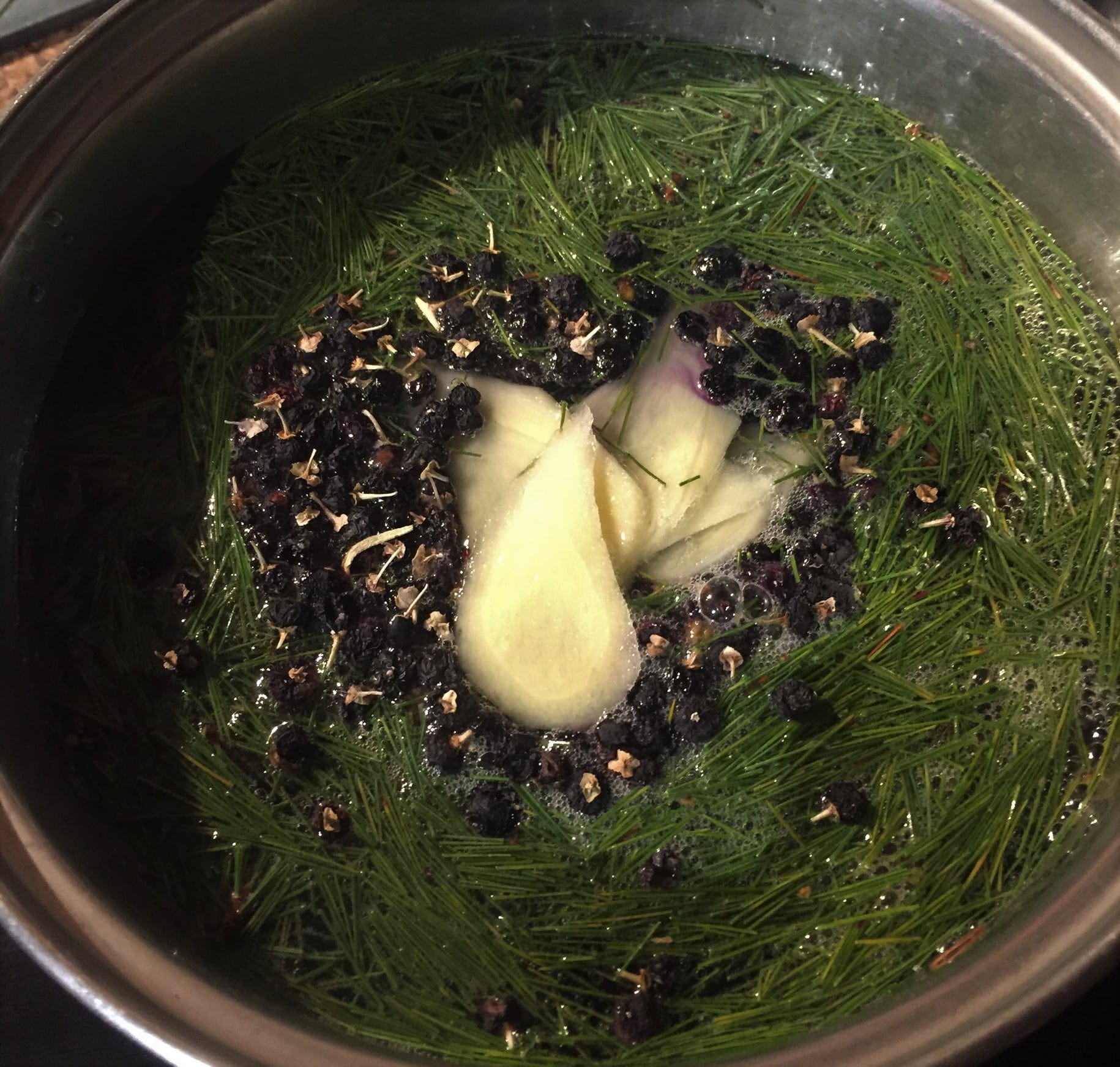
- Eastern White Pine Needles
- Pine pollen and foliage from a range of other species (including Pinus strobus, Pinus monticola, Pinus resinosa, Pseudotsuga menziesii, Larix, Tsuga canadensis, Tsuga heterophylla, Pinus Sylvestris, pinus koraensis, Pinus cembra (and Pinus cembra ssp. sibirica) and Pinus monophylla)
- Golden Root (Rhodiola Rosea and Rhodiola integrifolia)
Medicinal Fungi:
-Shiitake (Lentinula edodes)
-Reishi (Ganoderma lucidum)
-Cordyceps (Cordyceps militaris)
-Turkey Tail (Trametes versicolor)
-Chaga (Inonotus Obliquus)
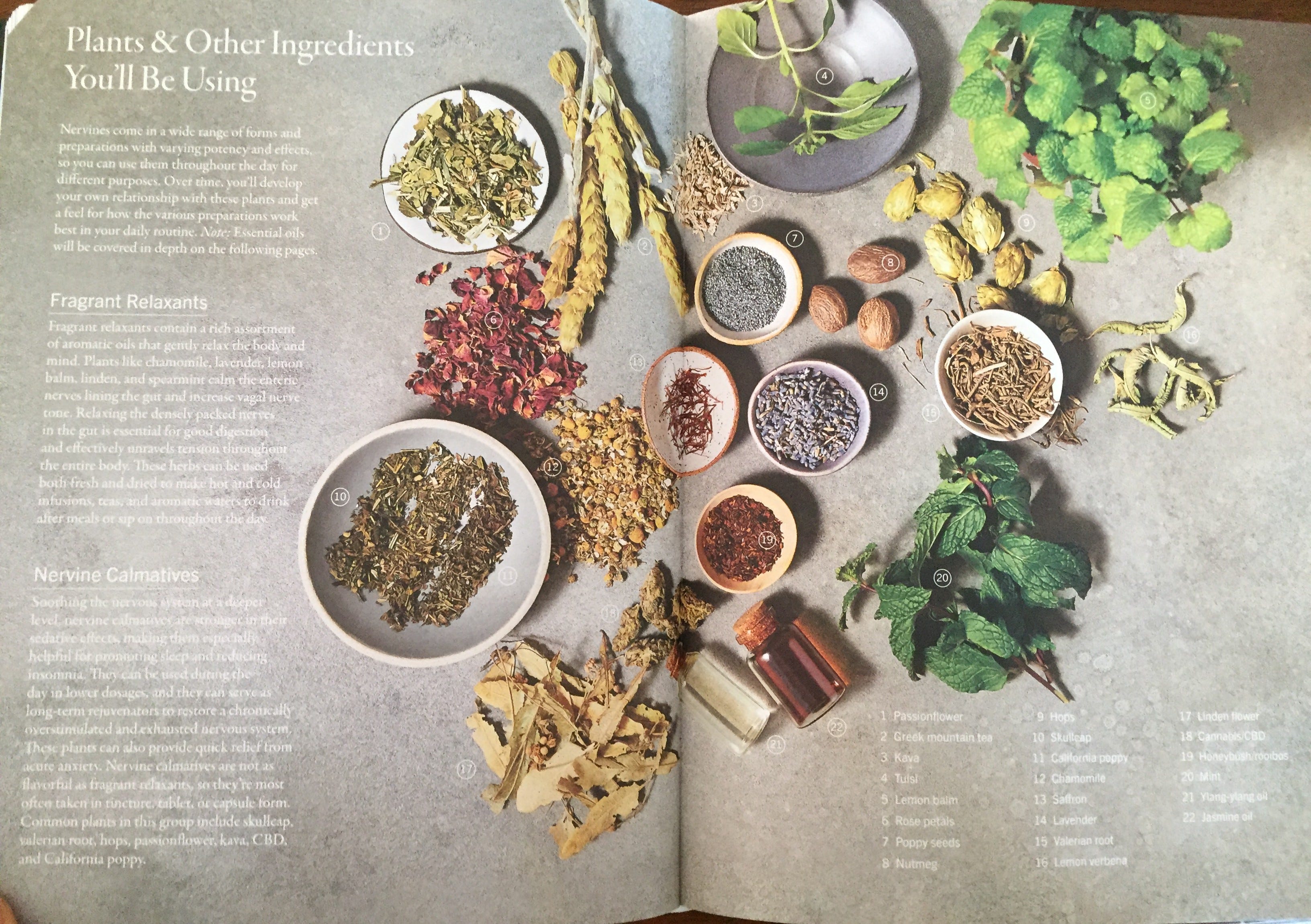
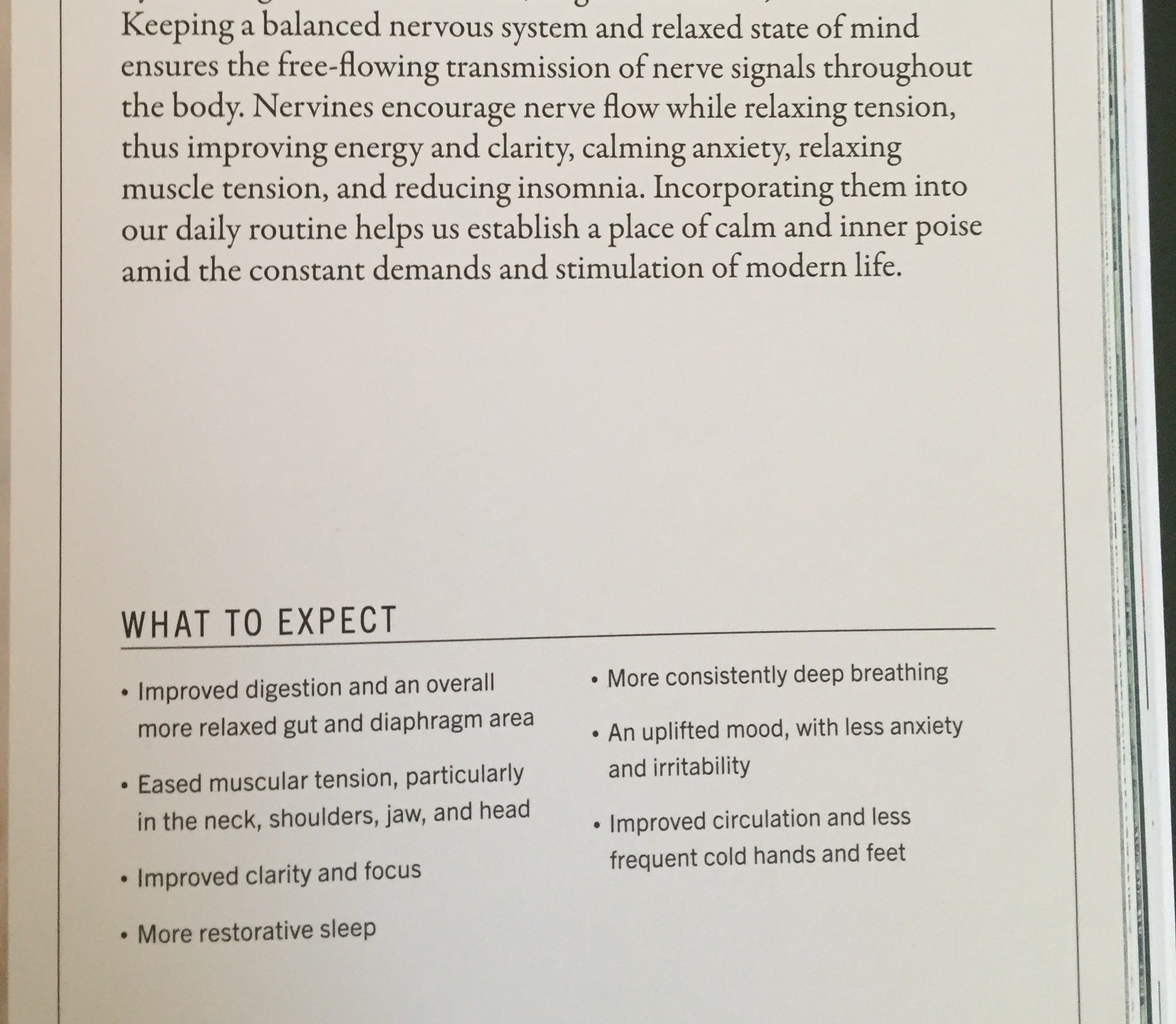
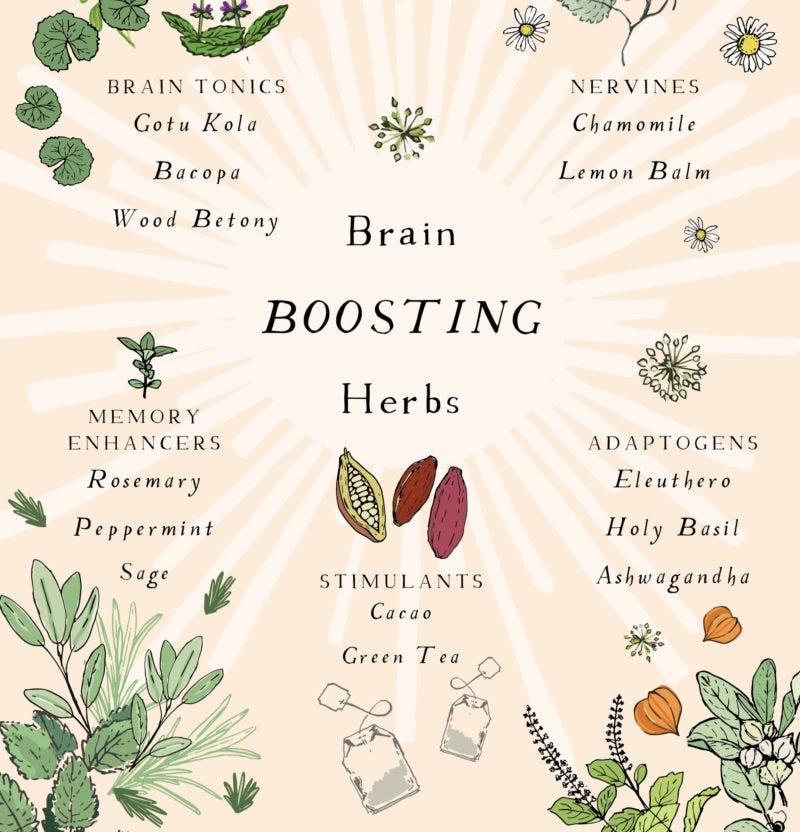
2. Brain Health and Cognitive Function Enhancing (aka “Nootropic”) as well as Nervine Tea Ingredients:
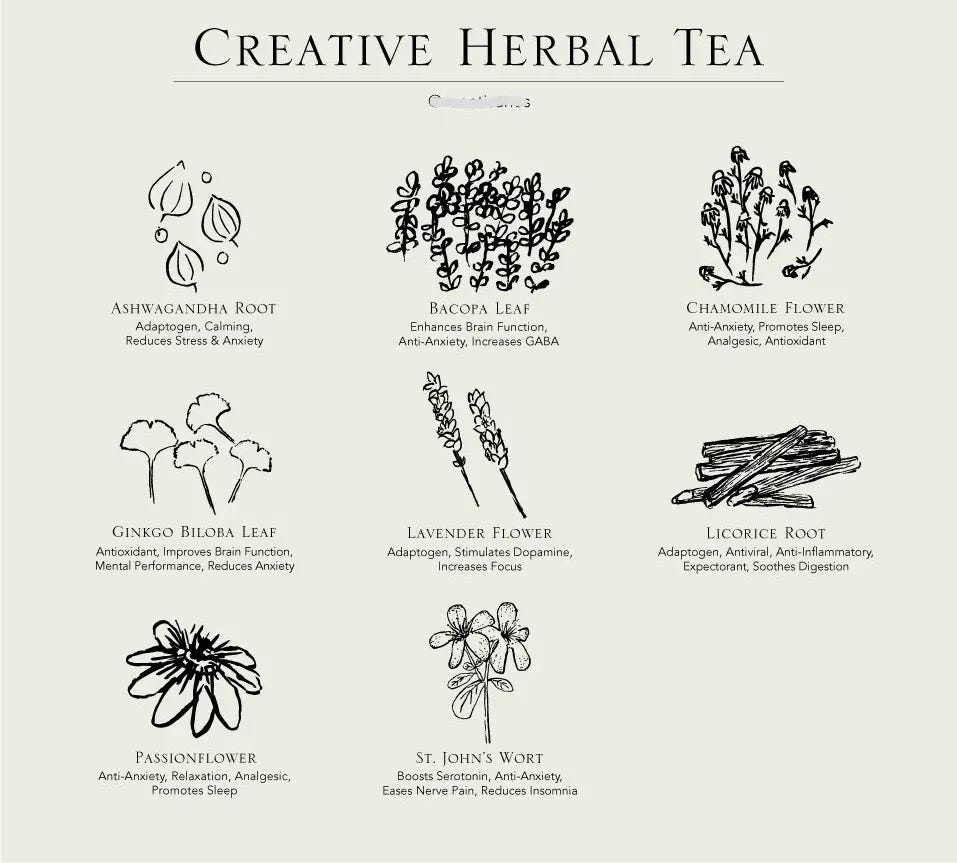
Ashwagandha: Another staple in Ayurvedic medicine, Ashwagandha is known to reduce stress and anxiety, indirectly enhancing cognitive function. It also promotes neurogenesis, the formation of new brain cells.
Anthocyanin rich tea compatible foods (blue butterfly pea (Clitoria ternatea), black gojis, dried blueberries, dried service berries, purple “krishna” tulsi etc)
Apples (protect your brain and contains compounds that stimulate the production of new brain cells (increasing the rates of neurogenesis)
Bacopa monnieri: This herb is traditionally used in Ayurvedic medicine. Research has shown it can improve memory and cognitive function and reduce anxiety and stress [2].
Hot peppers can be used to make a spicy, warming, and brain health optmizing, circulatory system enhancing and immunity-boosting tea. Recipes vary by personal heat tolerance, using fresh peppers or ground cayenne to provide the desired kick.
Chamomile:
This herb supports brain health primarily by reducing anxiety, stress, and improving sleep through its compound apigenin, which binds to brain receptors to promote relaxation and calm overactive minds, acting as a mild tranquilizer. It also offers antioxidant and anti-inflammatory benefits that protect brain cells, boosting memory and nerve formation as you sleep.
Cinnamon -
Cinnamon tea offers benefits like optimizing brain function, regulating blood sugar, improving heart health by lowering blood pressure and cholesterol, reducing inflammation, boosting immunity, aiding digestion, and and weight management,
Clitoria ternatea (Blue Butterfly Pea Blossom)
Supports brain health by boosting acetylcholine (improving memory/focus), reducing anxiety via calming effects, and protecting brain cells with powerful antioxidants (anthocyanins) from oxidative stress and slowing age-related decline.
Ground up Cacao Beans
Commonly referred to as brewed cacao or cacao tea. It offers a rich, chocolatey aroma and flavor, similar to a light dark chocolate, and is a popular, low-calorie alternative to coffee or traditional hot chocolate, providing a gentle energy boost from theobromine instead of caffeine.
Ginkgo biloba: Known for improving blood flow to the brain, Ginkgo biloba has been shown to enhance cognitive function and memory.
Lavender:
This aromatic flowering perennial herb benefits brain health by reducing anxiety, improving sleep, and potentially boosting memory and cognition through compounds like linalool, acting as a natural calming agent, improving focus. Tea and extracts are also showing promise in managing symptoms of depression, epilepsy, and even Alzheimer’s disease.
Ginger Rhizome (and leaves)
Goji berries (black and red)
Gotu kola: Used in traditional Chinese and Ayurvedic medicine, Gotu Kola is believed to improve memory and cognitive function by enhancing blood circulation and reducing oxidative stress.
Lemon balm: Traditionally used to reduce stress and anxiety, Lemon Balm can also improve cognitive function and mood. It has been shown to enhance memory and alertness [3].
Lion’s Mane mushroom (Hericium erinaceus) -
Magnolia (Magnolia officinalis and Magnolia obovata) bark
Panax ginseng: Known for its potential to enhance memory, improve mood and boost energy levels, it has been used in traditional medicine for centuries.
Psilocybin mushrooms (for more info read this)
Golden Root (Rhodiola Rosea and Rhodiola integrifolia) : Often used to combat fatigue and enhance mental performance, Rhodiola Rosea is known for its adaptogenic properties. It helps improve memory and concentration.
Green Tea (L-Theanine) -
Promotes brain health by inducing relaxation without drowsiness, boosting alpha brain waves (calm alertness), reducing stress/anxiety, improving mood, attention, and memory to enhance focus and cognitive function. It achieves this by modulating neurotransmitters like GABA, glutamate, dopamine, and serotonin, while catechins in green tea add antioxidant protection for brain cells.
Rose Petals:
Rose petals benefit brain health by reducing stress, improving mood, and offering neuroprotective effects through their rich antioxidants and calming aroma, supporting mental clarity, focus, and potentially even helping with conditions like anxiety and depression.
Nutmeg: (use in moderation)
The compounds in nutmeg enhance neurotransmitter function and stimulate brain activity, which could improve memory, concentration, and mental clarity.
Nutmeg contains the essential oils myristicin and macelignan, which slow the cognitive decline associated with neurodegenerative diseases like Alzheimer’s and Parkinson’s.
Hops:
Hops contain compounds like xanthohumol and bitter acids (IAAs, MHBAs) that improving memory, reducing inflammation, and protecting against neurodegenerative diseases like Alzheimer’s. This is acheived via primarily by boosting BDNF, influencing neurotransmitters (dopamine, norepinephrine) and activating the vagus nerve leading to benefits in relaxation, focus, and mood.
Cannabis:
Cannabis tea rich in cannabinoids like CBD, offer neuroprotective effects, reducing inflammation, anxiety, and improving cognitive function. Cannabinoids also shield neurons, fight inflammation linked to depression and boost mental clarity (when it is high CBD dried plant material and low THC or raw plant material).
Rosemary: This aromatic herb has been associated with improved concentration and memory. Some studies suggest that rosemary’s scent alone can enhance cognitive performance [4].
Sage: This common kitchen herb has been shown to improve memory and cognitive function. Sage contains compounds that may help preserve acetylcholine, a neurotransmitter that supports memory.
Hot peppers can be used to make a spicy, warming, and brain health optmizing, circulatory system enhancing and immunity-boosting tea. Recipes vary by personal heat tolerance, using fresh peppers or ground cayenne to provide the desired kick.
Saffron (Crocus sativus) Stigma
Shiitake mushroom (Lentinus edodes)
Turmeric: The active compound in turmeric, curcumin, has powerful anti-inflammatory and antioxidant properties. Curcumin can enhance brain function and protect against cognitive decline.
Turkey Tail mushrooms(Trametes versicolor) -
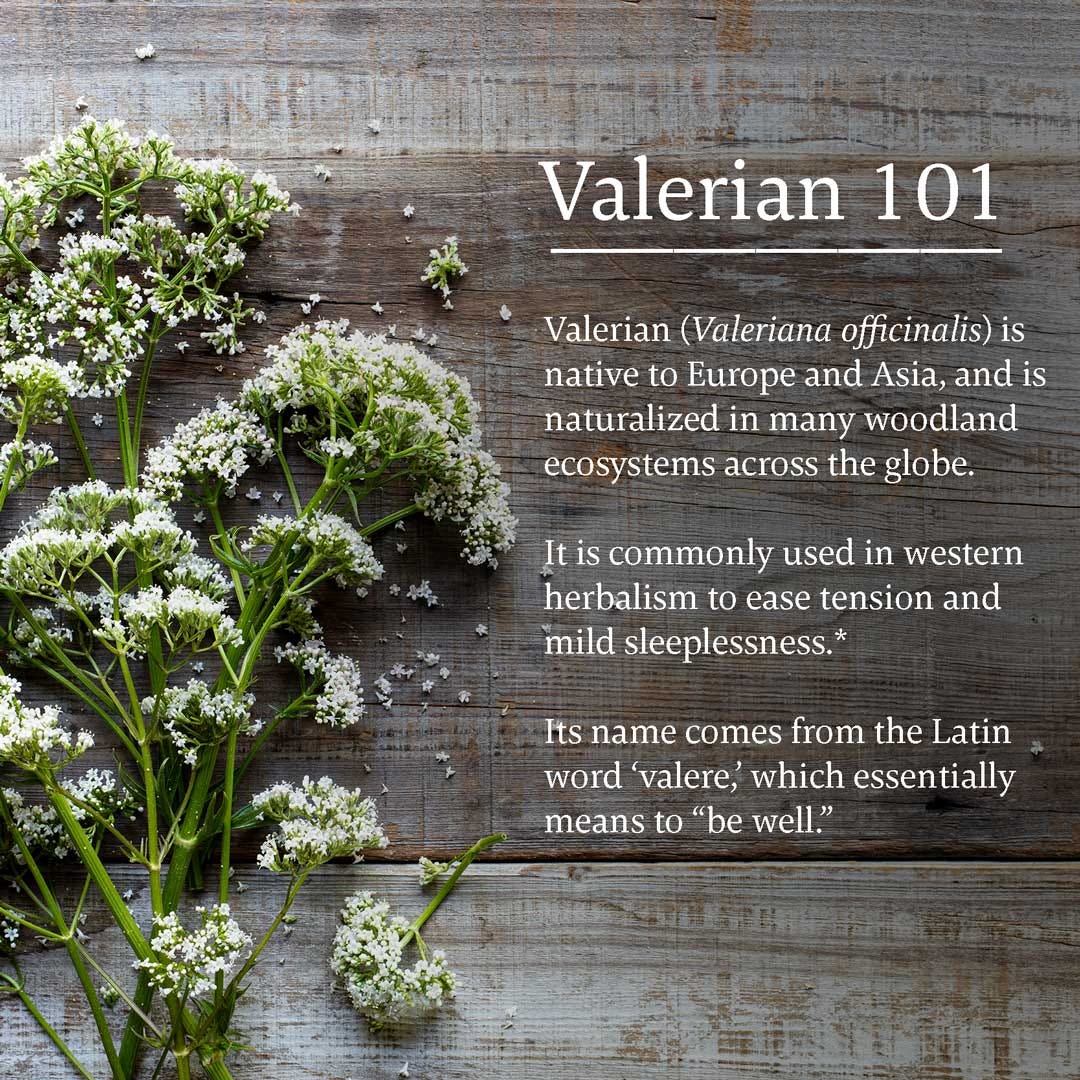
Yerba Mate (Ilex paraguariensis)
Wood betony (Stachys officinalis)
Eye Health Enhancing Tea Ingredients (herbs that offer Ocular-Regenerative and Ocular-Protective benefits)
These herbs not only help improve eyesight and prevent macular degeneration, they also help with protecting retinal photoreceptors against the damage of artificial “blue light”).
- Turmeric
- Gotu kola (Centella asiatica)
- Ginger
- Nettle
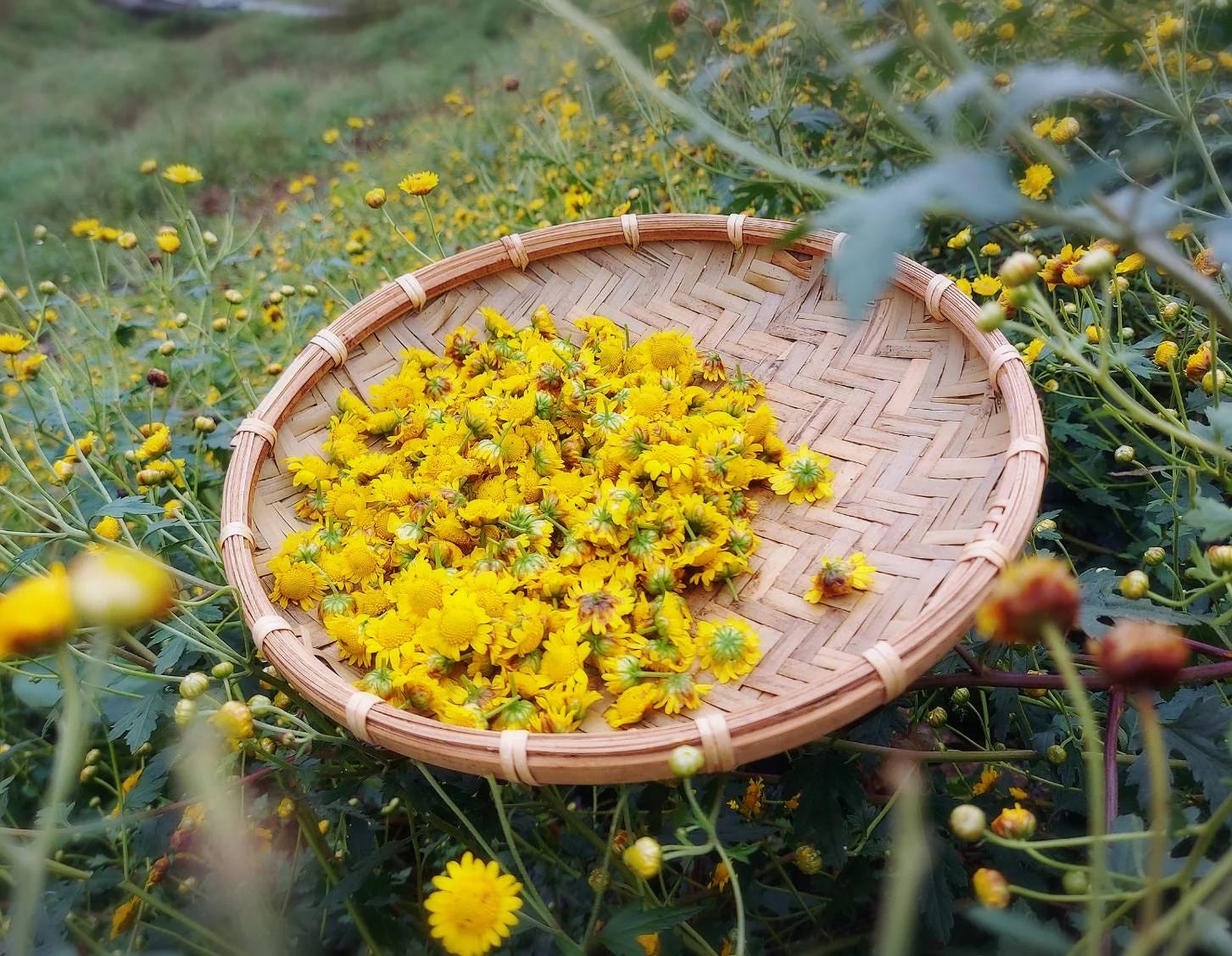
- Chrysanthemums (aka Mums)
- Bilberry (Vaccinium myrtillus)
- Dandelion Flowers and Greens
- Golden Seal (Hydrastis canadensis)
- Calendula (aka Marigold)
- Eyebright (Euphrasia)
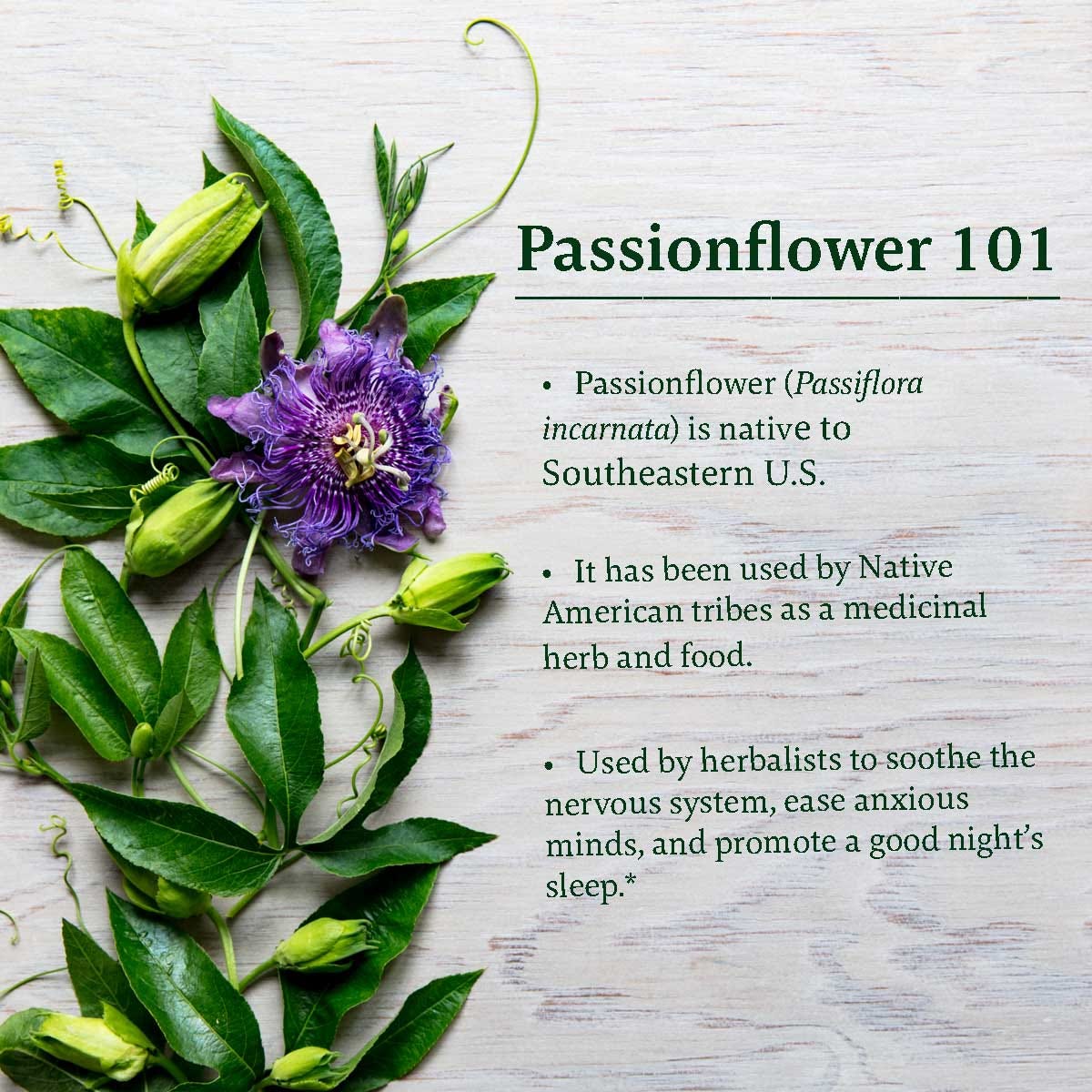
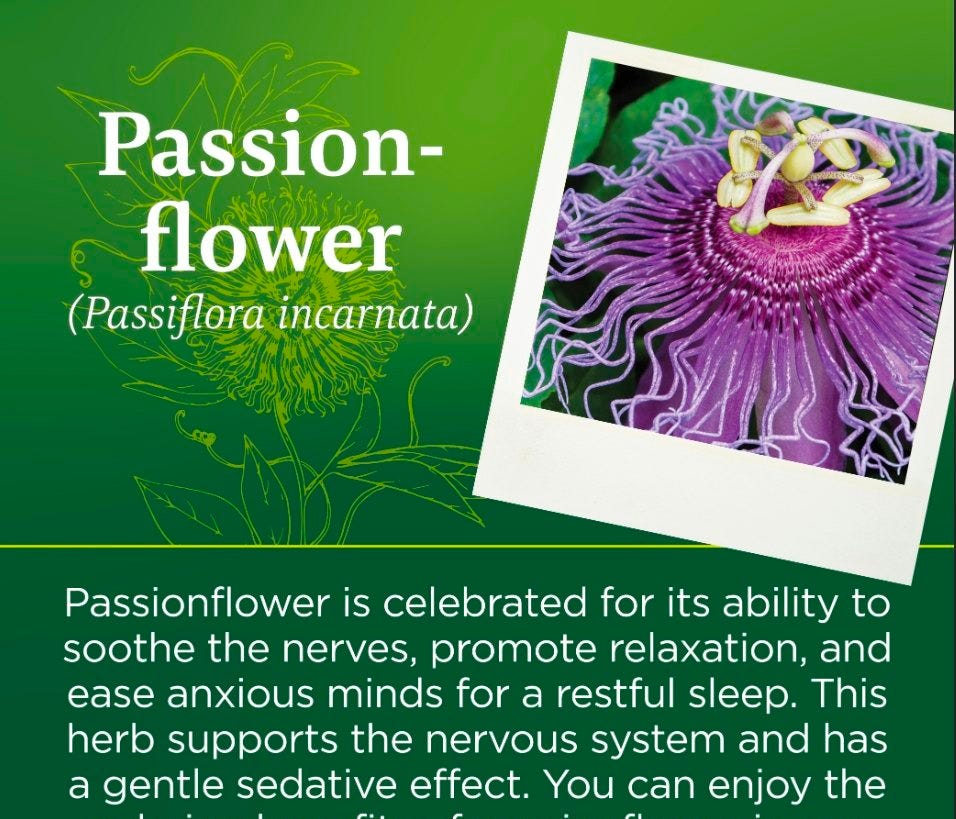
- Passionflower : It is known to relax the blood vessels in the eyes.
- Lavender ( can also simultaneously be used as a warm (not hot) compress, soothing tired, dry, or irritated eyes due to its anti-inflammatory and calming properties)
- Fennel (Foeniculum vulgare)
- Sea buckthorn berries (Hippophae rhamnoides)
- Green Tea
– Ginseng
- Chamomile ( can also simultaneously be used as a warm (not hot) compress, soothing tired, dry, or irritated eyes due to its anti-inflammatory and calming properties)
- Rooibos Tea
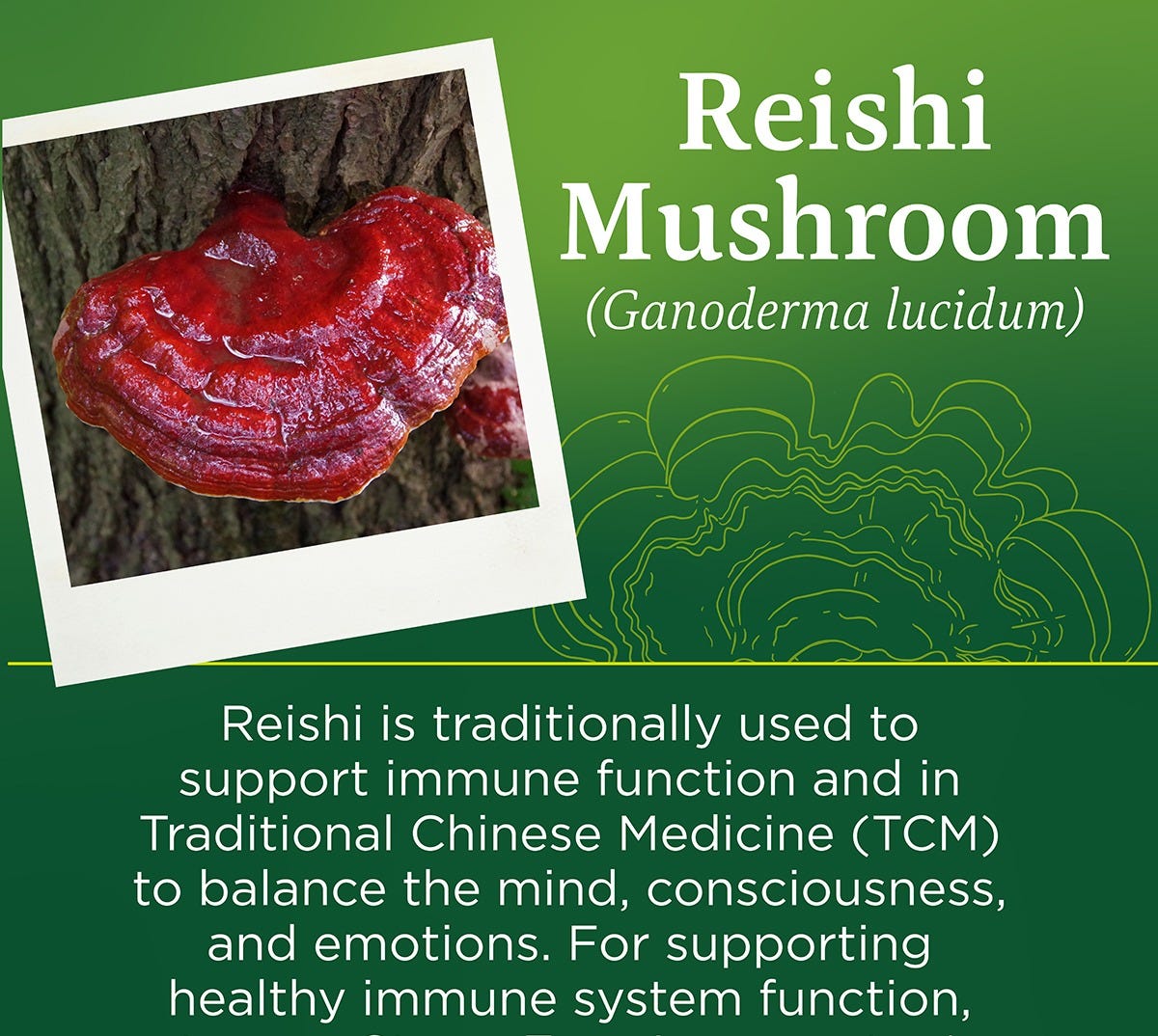
- Reishi Mushroom:
The Adaptogen for Eye Health.
Reishi supports healthy blood circulation to the eyes, which is vital for delivering oxygen and nutrients to delicate eye tissues.
Reishi’s antioxidant properties help combat oxidative stress, a key contributor to age-related macular degeneration (AMD). These antioxidants help slow the progression of AMD.
- Cordyceps Mushroom:
Protecting Your Eyes from the Inside Out.
Their potential has also been highlighted in recent studies. Their unique blend of bioactive compounds offers advantages for eye health due to potent antioxidants that protect eye cells from oxidative damage, a major factor in eye diseases.
Persistent inflammation contributes to many eye problems. Cordyceps helps ease inflammation, supporting treatment for various eye conditions related to inflammatory processes.
- Lion's Mane Mushroom:
Promoting Optic Nerve Health.
It’s gained attention for its potential benefits in brain health and for stimulating nerve growth factor (NGF) production according to studies. Healthy optic nerves are crucial for transmitting visual signals to the brain. Lion’s mane protects optic nerves from damage and even promote their regeneration, making it helpful for conditions like optic neuropathy.
Like many other medicinal mushrooms, lion’s mane provides antioxidant and anti-inflammatory benefits. These properties help protect the delicate structures of the eyes.
Bone Health Enhancing Tea Ingredients (Osteoprotective and Osteoregenerative tea herbs)
The tea herbs listed here not only help maintain bone density, but also accelerate the healing of bone injuries and the regeneration of internal tissues after surgery of injury. Many of the same herbs and food that heal bones also accelerate the healing of inner tissues (like cartilage , muscles and tendons ) via supporting endogenous collagen production.
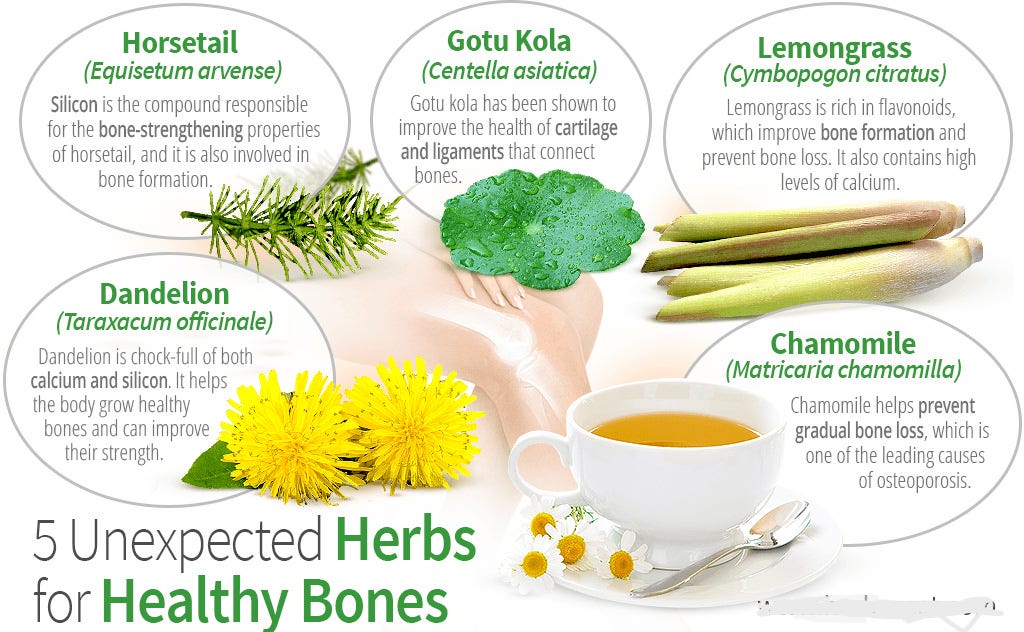
Horsetail
Oatstraw
Chamomile
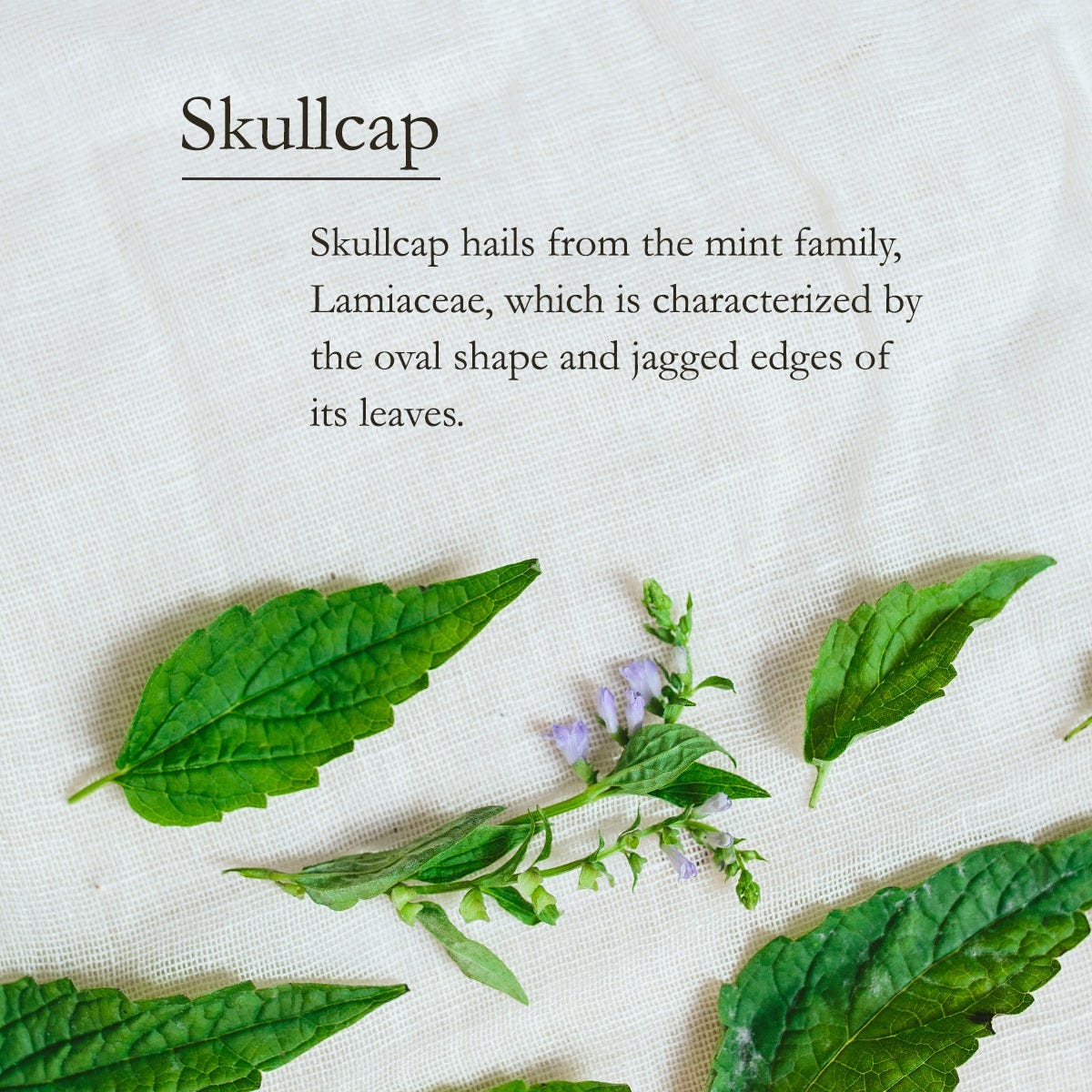
Skullcap
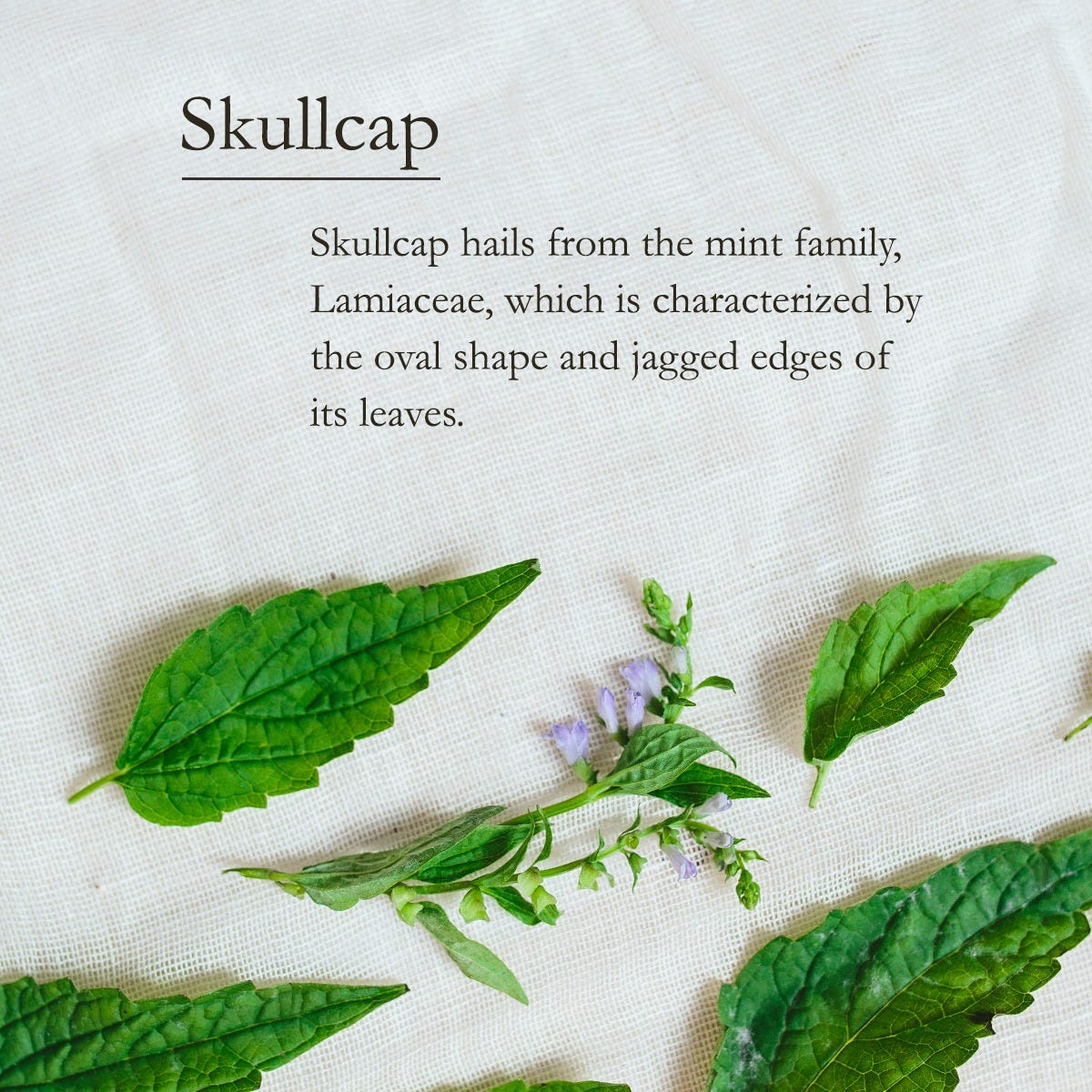
Turmeric
Sambucus nigra (Elderberry)
Zingiber officinale (Ginger)
Punica granatum L. (Pomegranate seeds and peel)
Golden Root (Rhodiola rosea)
Coriolus versicolor (Turkey tail)
Reishi Mushrooms
Chaga (Inonotus obliquus)
Taraxacum (dandelion)
Green Tea (Camellia sinensis leaves and buds)
Ashwagandha:
Gotu Kola
Moringa oleifera
Ginkgo Biloba
Raspberry leaf
Lemon Balm
Fertility and Reproductive Health Enhancing Tea ingredients:
The list below offers detailed breakdowns of tea ingredients that are specifically helpful for female reproductive health and fertility, and then a separate list for enhancing male reproductive health and fertility for those looking to start a family.
Female Reproductive Health:
Green Tea
Its rich polyphenol content provides potent antioxidant and anti-inflammatory benefits—helping protect egg quality, improve insulin sensitivity, and support healthy ovulation.
Many women want to cut back on caffeine but struggle to go completely cold turkey. Green tea is a gentle, hormone-supporting alternative to coffee with about 30 mg of caffeine per 8-oz cup (compared to ~100 mg in coffee).
Matcha is especially great for its L-theanine content, a calming amino acid that helps promote relaxation and focus without overstimulation.
Matcha’s combination of L-theanine and caffeine is ideal for supporting energy and a healthy nervous system, which plays a major role in reproductive health.
The research:
Study 1 - Green tea improves oocyte and embryo quality by protecting reproductive cells from oxidative stress and supporting metabolic health essential for fertility.
Study 2 - Moderate tea intake (1-2 cups per day) is linked to a 27% reduced risk of infertility. Just half a cup of tea per day was associated with improved fertility!
Study 3 - Green tea reduces oxidative stress, enhances gamete quality, and supports successful fertilization and embryonic development.
Best for:
-Enhancing antioxidant protection
-Supporting ovarian health and egg quality
-Reducing caffeine consumption while maintaining energy
Anthocyanin rich tea compatible foods (blue butterfly pea (Clitoria ternatea), black gojis, dried blueberries, dried service berries, purple “krishna” tulsi etc)'
Lemon Balm Tea
This gentle herb can help quiet an overactive stress response, ease inflammation, and improve sleep quality—all essential for creating the safe, balanced internal environment your body needs to support conception.
Because chronic stress can disrupt ovulation, hormone production, and egg quality, supporting the nervous system is one of the most overlooked (but powerful) steps in optimizing fertility.
Lemon balm is a simple, evidence-based way to do just that.
Many notice calmer evenings, better sleep, and reduced tension when they make it part of their routine.
The research:
Study 1 - Lemon balm enhances GABA activity, reducing anxiety and promoting calm.
Study 2 - Demonstrates anti-inflammatory effects that support overall hormonal balance.
Study 3 - Improves sleep quality, which plays a critical role in reproductive success.
Best for:
-Lowering stress and anxiety
-Reducing inflammation
-Supporting deeper, more restorative sleep
Red Raspberry Leaf:
Known as “the women’s herb,” it tones the uterus, rich in minerals, and supports overall uterine health, easing cramps.
This powerhouse is often hailed as “the woman’s herb” for good reason. It acts as a phenomenal uterine tonic, meaning it helps to tone and strengthen the uterine muscles. This is largely thanks to a unique compound called fragarine.
For centuries, Native American and European herbalists have turned to Red Raspberry Leaf for women’s wellness. It’s particularly famous for its role in preparing the body for labor, as many midwives recommend it during the third trimester of pregnancy to encourage effective contractions and potentially reduce complications during birth. Studies have even suggested it might reduce the need for medical interventions during delivery.
Chasteberry (Vitex):
Helps regulate hormones, balance progesterone, and alleviate PMS and irregular cycles by influencing pituitary hormones.
Nettle is a herb that has been traditionally used to improve fertility and increase the chances of conception. It has some fantastic detoxification properties which are essential for maintaining a healthy reproductive system as it helps eliminate toxins from the body.
The leaves of the nettle plant are rich in vitamins and minerals, including iron, calcium, and magnesium, which are important for reproductive health. These nutrients can help regulate menstrual cycles, improve overall fertility, and increase the chances of conception.
Nettle leaf also contributes to the toning of the uterus. A toned uterus is important for supporting a healthy pregnancy and facilitating the implantation of the fertilized egg.
Nettle also Improves Lactation In Nursing Mothers.
Nettle is traditionally used as a galactagogue, meaning it helps increase breast milk supply in nursing mothers
A clinical study completed in 2018 found that mothers who drank an herbal tea containing Stinging Nettle saw an increase in milk production after seven days.
Packed with essential vitamins and minerals (like folate) to nourish the body and support reproductive wellness.
Lady’s Mantle (Alchemilla Vulgaris) For Reducing Tension:
Step into the world of Lady’s Mantle, steeped in traditional medicine for its fertility-promoting virtues. Recent research identifies it as a potent vasorelaxant, effectively reducing tension in blood vessels. This unique quality contributes to easing menstrual pain and cramping, to create a healthy reproductive environment.
Lemon Balm (Melissa Officinalis) For Reducing Stress and increasing desire, arousal, lubrication and orgasm :
In the intricate tapestry of hormonal intricacies, Lemon Balm emerges as a calming force supported by scientific inquiry. A notable study in 2004 explored its effects on mood, revealing that participants experienced heightened feelings of calmness and focus after consuming Lemon Balm, making it a popular choice for conception tea.
Additionally, in a study on Hypoactive sexual desire disorder (HSDD) and female sexual dysfunction (FSD) in general, women given lemon balm extract saw beneficial changes in scores of desire, arousal, lubrication, orgasm and satisfaction.
White Peony (Paeonia officinalis) aka Dong Quai: This herb helps build the blood and increases circulation to the reproductive organs. Overall this herb has excellent hormone balancing support. It also aids in pain reduction and relaxation. White peony moves the blood in the pelvic area; good for uterine stagnant conditions including an absent period.
In traditional Chinese medicine, peony root (specifically Paeonia lactiflora) is used to address gynecological issues like menstrual problems and infertility, with some research suggesting it may improve fertility in women with polycystic ovary syndrome (PCOS).
A Chinese herb that balances hormones, improves circulation, and eases menstrual cramps.
Ashwagandha : This ancient herb, renowned for its stress-reducing properties, also supports reproductive health. Ashwagandha aids in balancing hormones and improving sperm quality, making it a key component for both male and female fertility. Ashwagandha has also been shown to help with female sexual function. One study found it could improve sexual arousal, lubrication and orgasms.
An adaptogen that helps manage stress and supports reproductive function and vitality.
Turmeric – Powerful anti-inflammatory for endometriosis support
Curcumin is celebrated for its powerful anti-inflammatory and antioxidant properties, making it a valuable addition to our list of best herbs for uterine health.
For conditions like endometriosis, where inflammation and abnormal tissue growth are central, turmeric can be particularly beneficial. Research suggests that curcumin may help by reducing estradiol production and suppressing the migration of endometrial tissue, which grows outside the uterus in women with endometriosis.
Tulsi (Holy Basil): Traditionally used for stress reduction and overall wellness
Ginger -
Its potent anti-inflammatory properties make it an excellent choice for reducing menstrual pain, offering significant dysmenorrhea relief. Studies have shown that ginger can be as effective as some over-the-counter pain relievers for menstrual cramps, but without the side effects.
Beyond pain relief, ginger also helps by improving circulation to the pelvic area, ensuring healthy blood flow to the uterus. And if you’re prone to nausea associated with PMS or morning sickness during pregnancy, ginger is a classic remedy that can gently ease that queasy feeling.
Chamomile:
Calms the nervous system, reduces stress, and can help regulate blood sugar, which impacts ovulation.
Because blood sugar swings can disrupt ovulation and hormone balance, a calming, anti-inflammatory tea like chamomile can be a powerful addition to daily routines.
Many of our clients enjoy it as an evening ritual to help wind down, improve sleep quality, and reduce stress levels—a key pillar of supporting fertility naturally.
Premature Ovarian Failure or Primary Ovarian Insufficiecy (POI) is a condition in which women lose their fertility and period before age 40.
Researchers gave Rhodiola to 40 study participants who had experienced premature ovarian failure. At the end of the study, 25 women had regained their period, and 11 were pregnant.
While this benefit of Rhodiola is not part of the conventional standard of care for fertility treatment, this study helps demonstrate why many traditional herbalists have recommended Rhodiola for fertility.
The research:
Study 1 - One cup of chamomile tea three times per day after meals significantly improved blood sugar control in just 8 weeks.
Study 2 - Two cups of chamomile tea per day improved menstrual pain and premenstrual anxiety.
Study 3 - Chamomile extract reduced anxiety by more than 50% in just 8 weeks, reinforcing its calming effects.
Best for:
-Supporting balanced blood sugar
-Reducing anxiety and stress
-Promoting more restorative sleep
Pomegranate
Pomegranate is a fruit full of sweetness and health. Pomegranate contains antioxidants, and nutrients such as vitamin C, K, folate, and other minerals to help increase fertility. You can add them to your breakfast, salads, lunch, dinner even in snacks, or enjoy them plain. Antioxidants will help to stimulate the uterus by enhancing the blood flow to the womb to promote healthy uterus lining for implantation.
Cordyceps mushroom (Cordyceps sinensis):
Cordyceps has been found in human trials to help restore normal macrophage and natural killer cell activity. It normalizes immune function.
Cordyceps has been revered across the ages in traditional Chinese medicine as a tonic to restore vigour, enhance sexual function and boost fertility. Modern studies have begun to shed light on the practices that traditional wisdom has laid forth, revealing Cordyceps’ potential to naturally stimulate libido and support reproductive health.
Several studies uncovered that Cordyceps Militaris has the capacity to increase sexual appetite and sexual performance in both women and men.
Further studies have indicated that Cordyceps may have the potential to support fertility in women by helping to regulate the endocrine system, boosting the most bioactive form of estrogen E2. E2 helps to maintain egg health and prepare the uterus to successfully support fertilised eggs.
List of Herbal Allies for Estrogen Balance
Burdock root (Arctium lappa): Burdock root is nourishing and cleansing for the liver, aiding in hormonal balance. It helps to remove excess estrogen from the liver for proper estrogen balance in the body.
Dandelion root (Taraxacum officinale): This root aids in liver health and stimulates digestion for improved hormonal balance.
Licorice root (Glycyrrhiza glabra): Licorice is an adaptogen herb, supporting the endocrine system for overall hormonal support. It also has the propensity to mimic estrogen (phytoestrogen). Licorice is also hepatoprotective, meaning it is protective of liver health.
Maca root (Lepidium meyenii): Maca helps to control estrogen/progesterone balance in the body.
Milk Thistle seed (Silybum marianum): Milk Thistle seed is one of the best plants for liver health. Liver health is vital for hormonal balance. The liver helps to filter toxins from the body, including excess hormones.
Red Clover aerial parts, blossom (Trifolium pratense): Red Clover is a nourishing food/herb. It is rich in a variety of vitamins and minerals. It is one of the best blood-purifying herbs, aiding in detoxification of environmental pollutants prior to conception. Rich in phytoestrogens, Red Clover may help protect the body from xenohormones.
Shatavari root (Asparagus racemosus): Shatavari’s main constituents are steroidal-saponins, suggesting its use as an estrogen regulator; the estrogen modulating in turn may contribute to menstrual cycle regulation.
Tribulus, aerial parts and fruit (Tribulus terrestris): This plant supports healthy estrogen levels in women. When used during the first part of a woman’s menstrual cycle known as the follicular phase, it has been shown to help normalize ovulation in women diagnosed with anovulatory infertility.
Cervical Mucus Enhancing Herbs
Borage seed oil (Borago officinalis): High in omega-6 essential fatty acids, Borage seed oil works to increase cervical mucus and balance hormones.
Dandelion leaf and root (Taraxacum officinale): This bitter herb is stimulating to the mucous membranes, which causes them to secrete fluids. Dandelion is a very nutritive herb, helping to support liver health for hormonal balance.
Evening Primrose Oil, cold pressed seed (Oenothera biennis): This oil is high in omega-6 essential fatty acids. It works to increase cervical mucus and balance hormones.
Licorice root (Glycyrrhiza glabra): Licorice root is a demulcent, meaning it promotes healthy mucous membrane secretions. It also supports hormonal balance through endocrine support.
Marshmallow root (Althea officinalis): Also a demulcent, Marshmallow root is soothing to mucous membranes and offers support for proper function of mucus production.
Oregon Grape root (Mahonia aquifolium, nervosa): Oregon Grape root stimulates mucous membranes secretions and supports liver function.
Red Clover aerial parts, blossom (Trifolium pratense): Red Clover has been shown to increase cervical mucus, aiding vaginal dryness. It also increases circulation to the reproductive organs.
Shatavari root (Asparagus racemosus): This herb is a demulcent. Herbs that have a demulcent action contain mucilage. Mucilage lines the mucous membranes and acts as a protector and tonic for those membranes. Shatavari contains mucilage, this may be helpful for women with low cervical mucus. Learn more here…
Yarrow, aerial parts (Achillea millefolium): Yarrow is an herb of opposites, both astringent, toning for the mucous membranes, yet also moistening for them.
The stimulation of the muscles of the uterus aid in the shedding of the endometrium, stimulating regular menstrual cycles in the absence of pregnancy. This is a wonderful herb for women with absent periods, also known as Amenorrhea. If you have not had a period for a long time, or if your period is late and you know you are not pregnant, Yarrow may aid in bringing on menses. *Do NOT use Yarrow if you think you may be pregnant.
Male Reproductive Health:
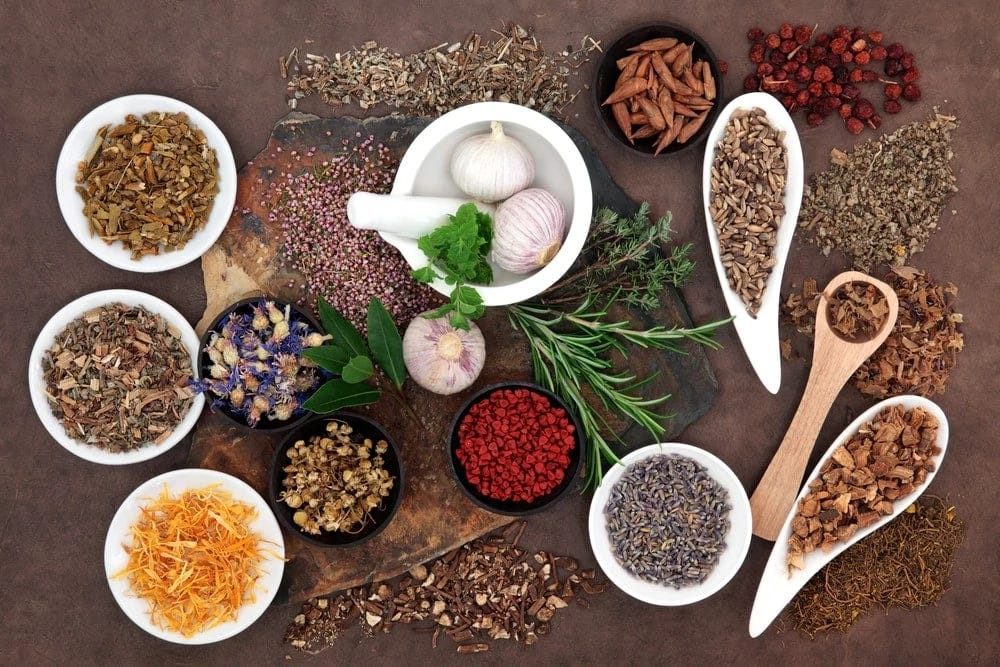
Anthocyanin rich tea compatible foods (blue butterfly pea (Clitoria ternatea), black gojis, dried blueberries, dried service berries, purple “krishna” tulsi etc)
These berries Enhance Fertility And Sexual Health through multiple vectors.
Ashwagandha (Withania somnifera)
Ginseng (Panax ginseng, Asian Ginseng)
ground up Hazelnuts:
Hazelnuts benefit reproductive health in both men and women due to their rich nutrient profile. They are packed with antioxidants, vitamins, and healthy fats that improve sperm quality, potentially increase fertility, and support overall reproductive health.
An adaptogenic herb, has shown promise in supporting male fertility by improving sperm parameters, potentially due to its antioxidant and stress-reducing properties.
Elderberries Sambucus nigra L. (black elder)
Elderberry extract has been shown to have a considerable in effect on enhancing the sperm motility, vitality and oxidative profile.
Another study found that an elderberry-supplemented diet improved spermatogenesis, indicating its potential as a complementary radioprotective food that protects your DNA for reproduction.
Echinacea :
A 2021 study found there was an increase in sperm motility (movement) as well as a protective function noted in the sperm morphology (shape) after treatment with echinacea.
Fenugreek (Trigonella foenum-graecum)
Tribulus (Tribulus terrestris)
Maca Root (Lepidium meyenii)
Epimedium (Horny Goat Weed)
Green Tea (Camellia sinensis)
Saw Palmetto (Serenoa repens)
Ginger
Ginger Protects the DNA: Ginger protected sperm DNA against oxidative damage in a study of 100 infertile men. All men took 500 mg of ginger powder daily for 3 months, after which their sperm DNA quality greatly increased.
This herb boosts testosterone production, increases sperm count, and improves sperm motility. It has been proven to enhance sperm volume and motility in men aged 30 – 55, extending the fertility window for couples.
Ginseng
Ginseng species nourish and tone the male reproductive system. As adaptogens, ginseng species help the body resist the effects of stress, increasing energy and decreasing fatigue. There is evidence that suggests Asian Panax ginseng supports normal sperm count. Ginseng combinations like Chinese red ginseng and American ginseng are great for optimum male fertility.
Pine pollen contains all four major androgen (male sex) hormones, androstenedione, testosterone, dehydroepiandrosterone (DHEA), and androsterone (Danuše, 2019). Because androgen hormones are present in pine pollen, once digested or absorbed, pine pollen raises testosterone levels almost immediately (Wong, 2019).
Ginkgo can dilate blood vessels and improve blood circulation to all the parts of the body, including the genitals, which eventually helps improve reproductive health. It improves sexual health by increasing libido.
Schisandra (Schisandra chinensis) has been revered for thousands of years as one of 50 “fundamental herbs” in Traditional Chinese Medicine (TCM) because of its adaptogen and tonic effects on the body–effects that prove beneficial for male and female fertility health.
Studies suggest it improves fertility, including improving sperm count, motility, and morphology, as well as regulating hormones and addressing conditions like hyperprolactinemia.
Cordyceps mushrooms ( Cordyceps militaris and Cordyceps sinensis):
Cordyceps has been shown to enhance male sexual function, enhancing sperm production and motility.
Fo-ti, also known as Ho Shou Wu or He Shou Wu, root (Polygonum multiflorum):
Traditionally used for men who have low libido, low sperm count, erectile dysfunction, and poor sperm motility, Fo-ti supports fertility longevity.
Increasing Cardiovascular Health, muscular stamina, endurance and strength
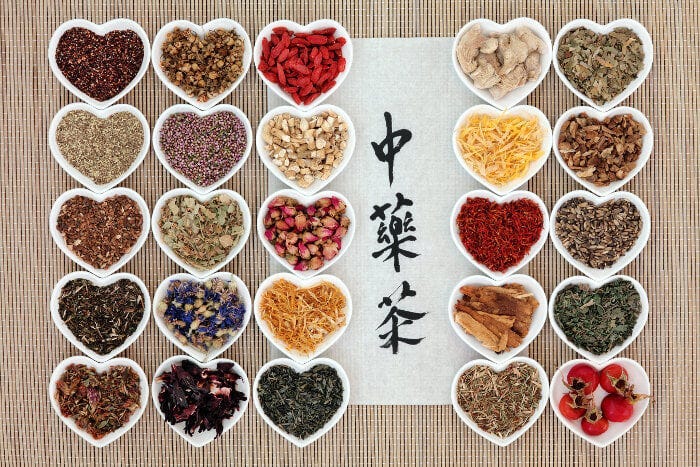
𝗖𝗮𝗿𝗱𝗶𝗼𝗽𝗿𝗼𝘁𝗲𝗰𝘁𝗶𝘃𝗲 𝗮𝗻𝗱 𝗖𝗮𝗿𝗱𝗶𝗼 𝗥𝗲𝗴𝗲𝗻𝗲𝗿𝗮𝘁𝗶𝘃𝗲 Tea 𝗛𝗲𝗿𝗯𝘀
Pine (the needles and bark of certain species such as the Eastern White Pine or Pinus strobus and/or the French Maritime Pine or Pinus pinaster)
Conifer foliage from the species listed at the top of the article (such as spruce, some pine and fir species as well as larch)
Schisandra chinensis (Five-flavor berry)
Ophiopogon Japonicus (Mondo Grass Root, aka Radix Ophiopogonis or "Mai Dong")
Panax Ginseng (Korean Red Ginseng)
Astragalus (Astragalus membranaceus or « Huang Qi »
Glycyrrhizae Radix (Chinese licorice plant)
Rosa Laevigata (Cherokee Rose)
Terminalia Arjuna, (Arjuna)
Citrus Bergamia (Bergamot orange)
Salvia miltiorrhiza (Chinese sage, tan shen, or danshen)
Crataegi Fructus (Japanese hawthorn fruit or "
Shan Zha")
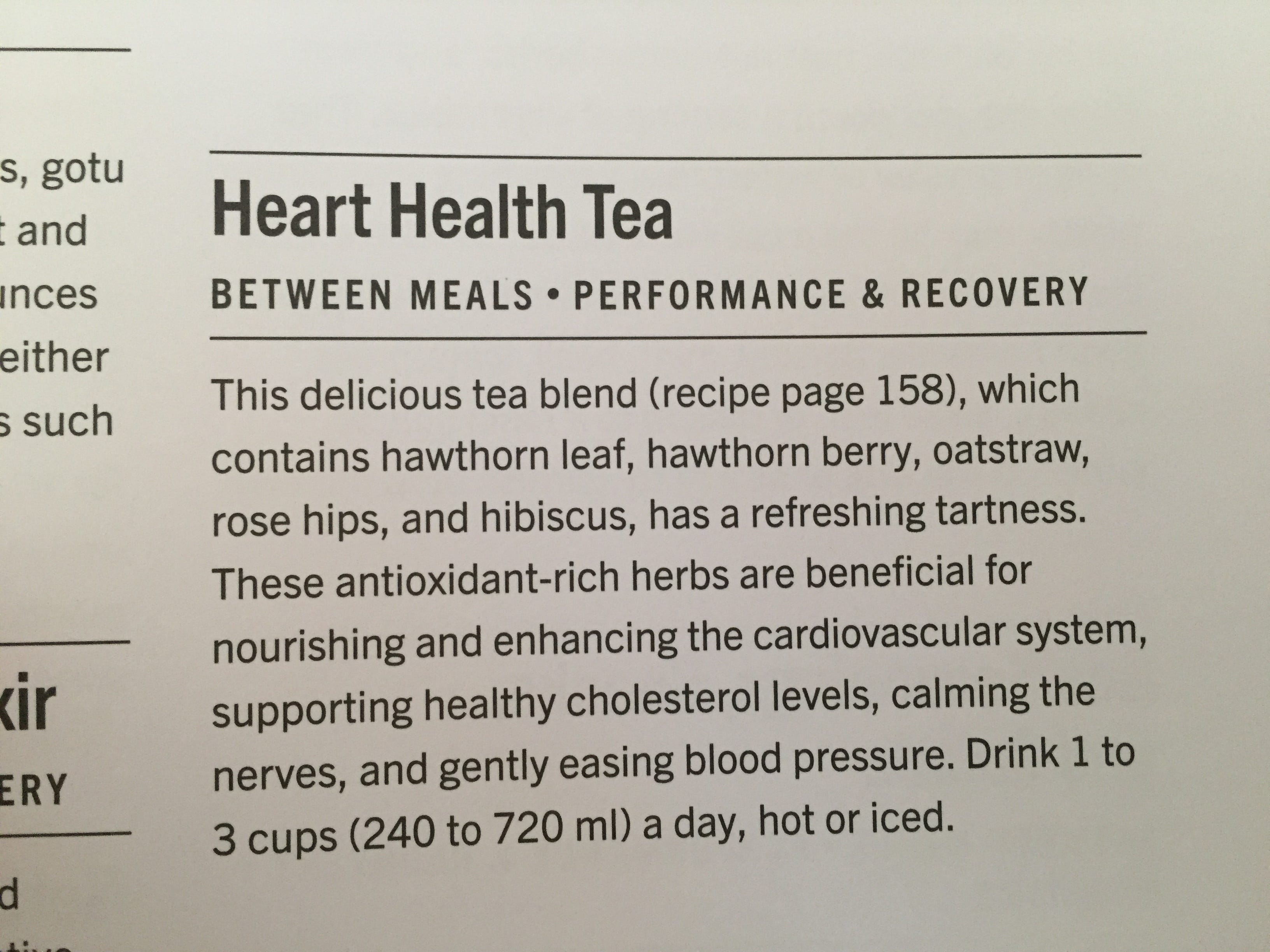
Other Hawthorn (Crataegus species) Crataegus laevigata; Crataegus monogyna; Crataegus oxyacantha has been used to treat heart disease as far back as the 1st century
Rhodiola rosea, an adaptogen, exhibits cardioprotective and cardio-regenerative effects, including preventing stress-induced cardiac damage, improving myocardial contractility, and reducing the risk of ischemia-reperfusion injury and arrhythmias.
Muscular stamina, endurance, strength enhancing and work out recovery tea ingredients :
The list of tea herbs provided below can both enhance your stamina while working out, increase your lifting capacity and also help you to recover faster after work out (and in a way that maximizes toning and rebuilding muscle tissues).
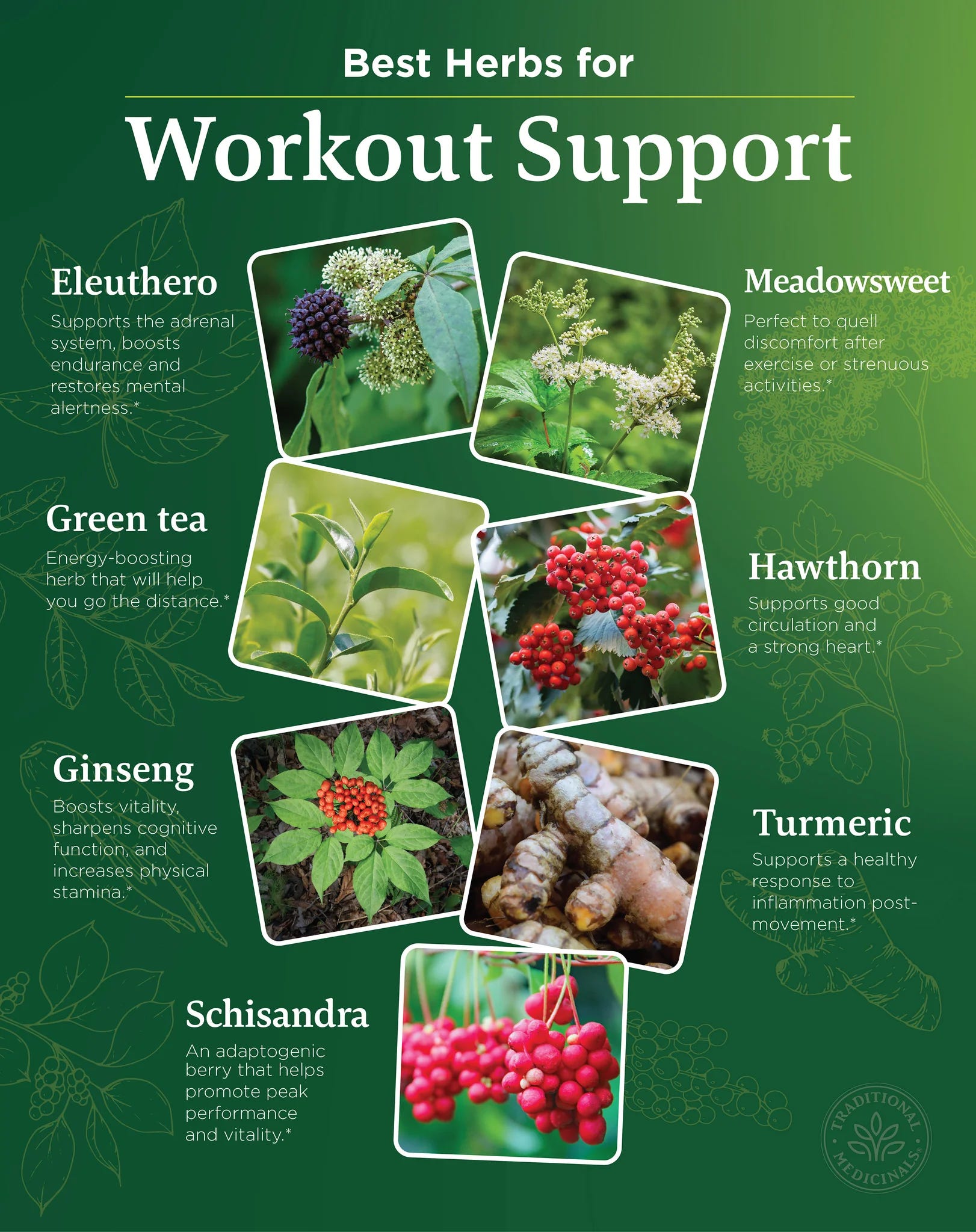
For muscular endurance, herbs like:
Ginseng (Panax ginseng, Asian or Korean Ginseng):
Enhances energy, reduce fatigue, and improve both physical and mental performance. It is an adaptogen that aids the body in managing stressors, which is crucial for sustained endurance.
Eleuthero (Siberian Ginseng, Eleutherococcus senticosus):
Another adaptogen often used by athletes to promote stamina, boost endurance, and restore mental alertness.
Ashwagandha (Withania somnifera):
This herb is known for supporting a healthy stress response, reducing tiredness, and promoting muscle recovery, all of which contribute to increased endurance and overall vitality.
Peppermint (Mentha piperita):
The menthol content and aroma have been shown to potentially improve respiratory function by relaxing bronchial muscles, allowing for better oxygen flow, which can delay fatigue and improve stamina.
Schisandra Berry (Schisandra chinensis):
An adaptogen known to promote peak performance and vitality, helping the body manage stress and boost endurance.
Holy Basil (Tulsi):
An adaptogenic herb that supports metabolic function and endurance while also helping to manage stress and anxiety.
Rhodiola (Rhodiola rosea):
This adaptogenic herb can support physical and mental energy, fight fatigue, and enhance athletic performance.
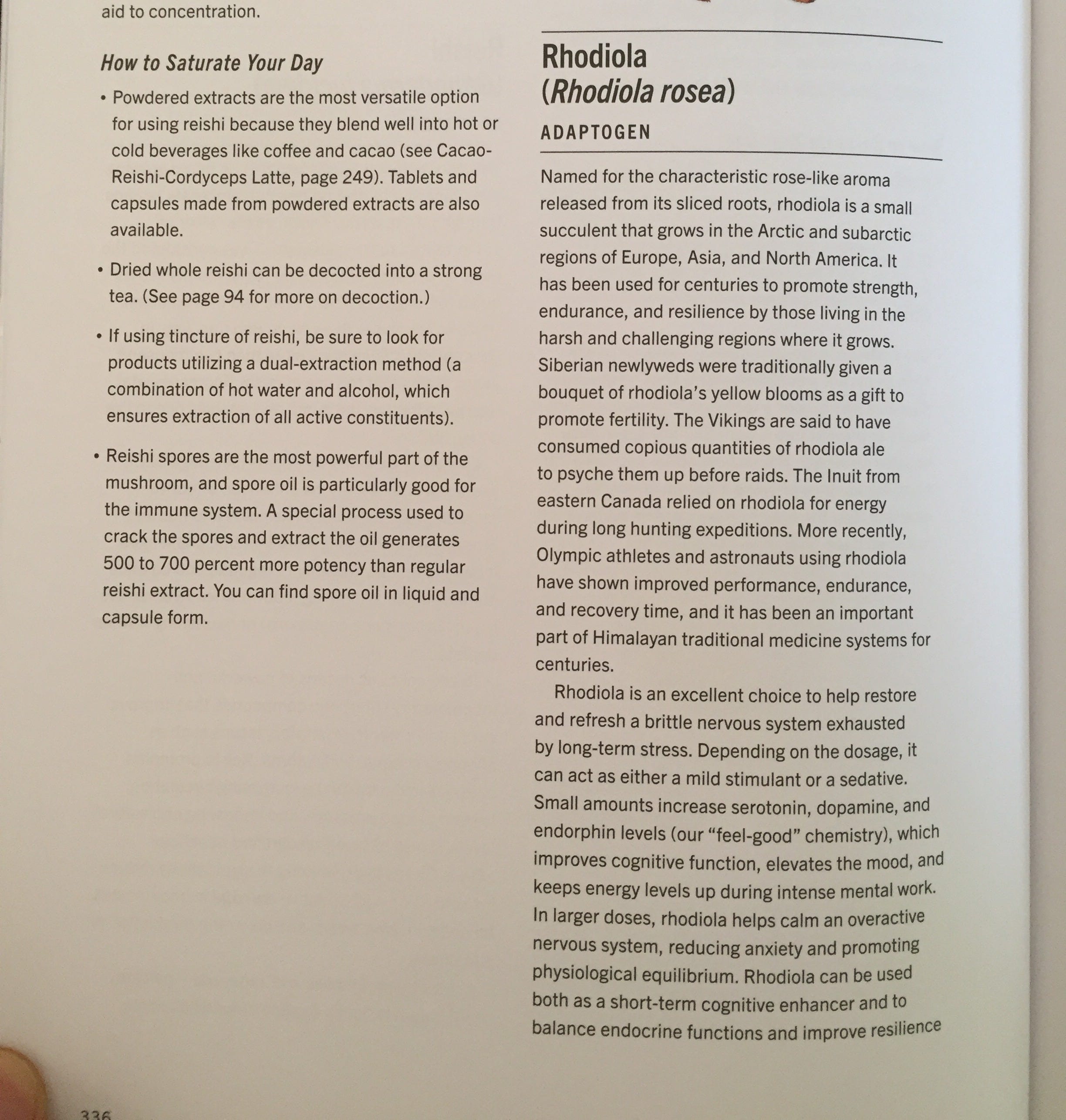
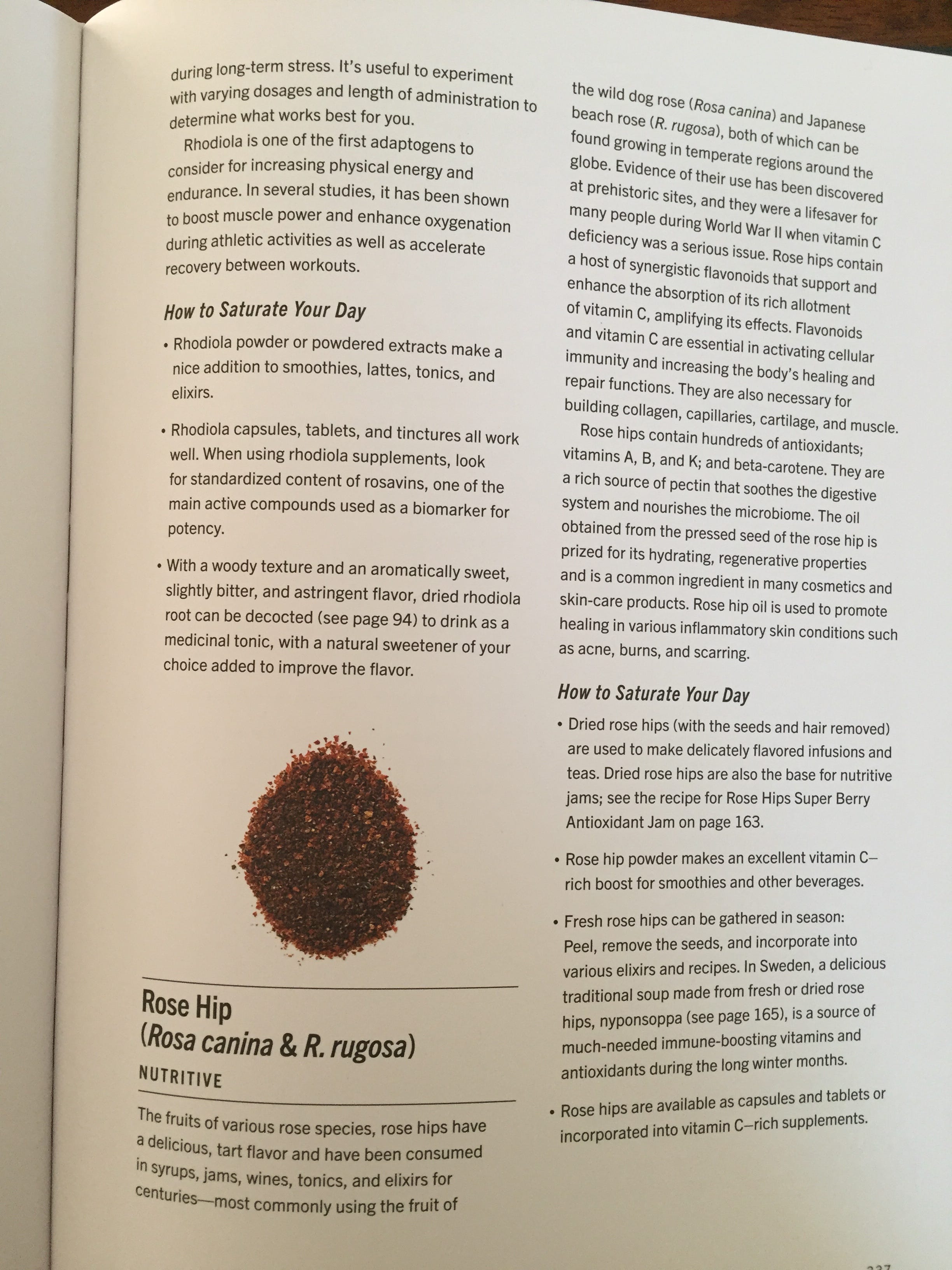
Rose hip :
Rich in polyphenols and galactolipids, rose hips combat inflammation that leads to muscle soreness. Specific compounds in rose hips can inhibit enzymes that cause inflammation and pain, easing aches in hips, knees, and other joints.
Green Tea (especially Matcha) boost stamina and focus.
Contains caffeine for an energy lift and L-theanine for calm alertness, helping to avoid jitters. Its potent antioxidants (catechins, like EGCG) also help combat oxidative stress from intense exercise and support cardiovascular health, which is essential for endurance.
These items below aid recovery and reduce inflammation, making them great pre/post-workout additions for better performance and less soreness.
Ginger (Zingiber officinale):
Known for its anti-inflammatory properties, ginger can help reduce post-workout muscle soreness (DOMS) and improve circulation, ensuring better oxygen delivery to muscles for peak performance.
Turmeric
Curcumin has potent anti-inflammatory properties that help manage the body’s response to intense exercise. This can reduce delayed onset muscle soreness (DOMS) and speed up the recovery process, allowing athletes to train more consistently and effectively.
Intense physical activity increases the production of free radicals and causes oxidative stress, which leads to muscle fatigue and damage. Turmeric acts as a powerful antioxidant, helping to neutralize these free radicals and protect cells from damage, which helps muscular performance levels for longer periods.
Research in humans and animals suggests that curcumin can improve blood flow and circulation, which is vital for delivering oxygen and nutrients to muscles during exercise. This enhanced circulation supports muscle function and endurance.
Cinnamon
Adaptogenic herbs like Jiaogulan and Schisandra also help the body resist physical stress, supporting overall endurance
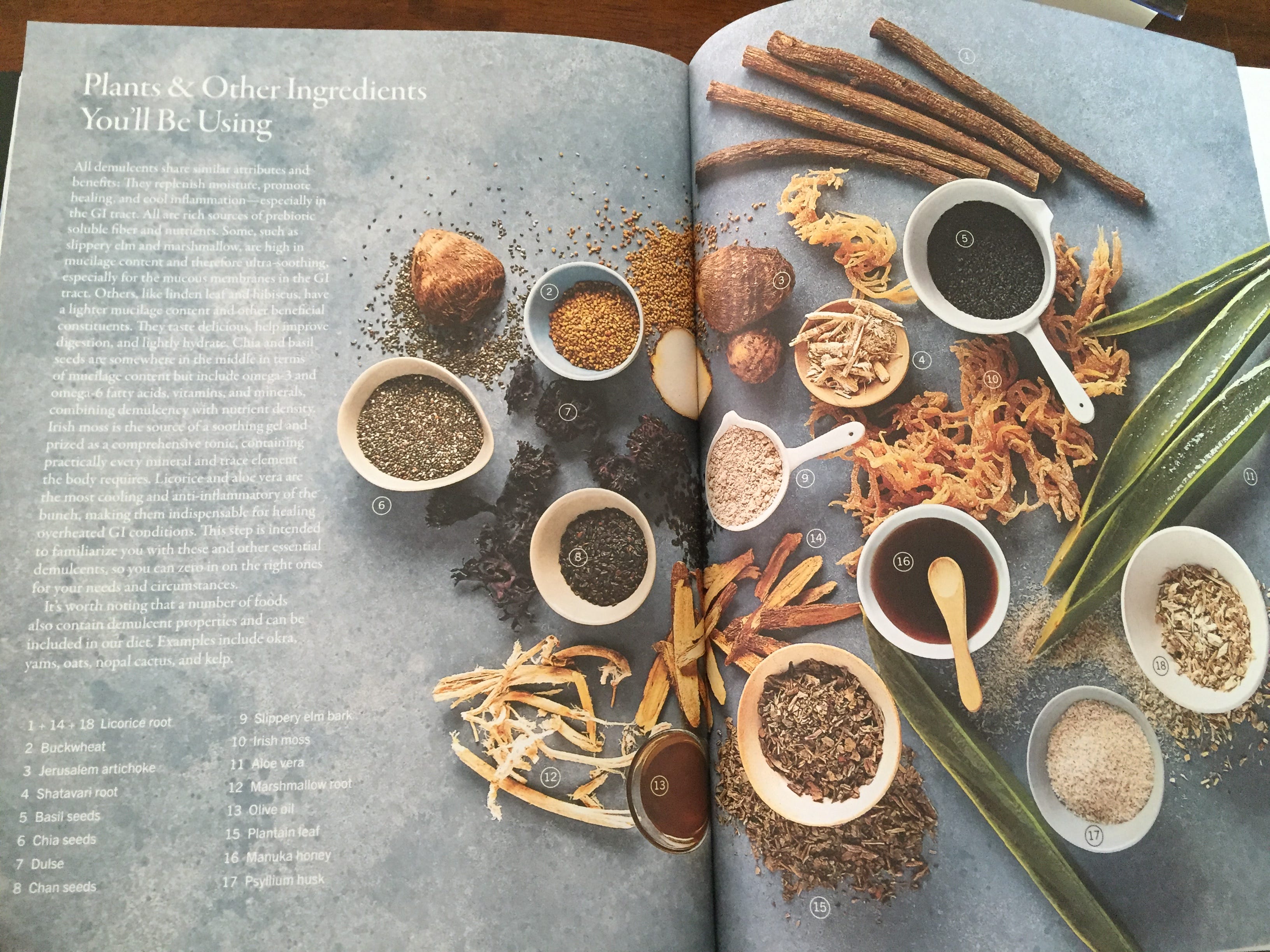
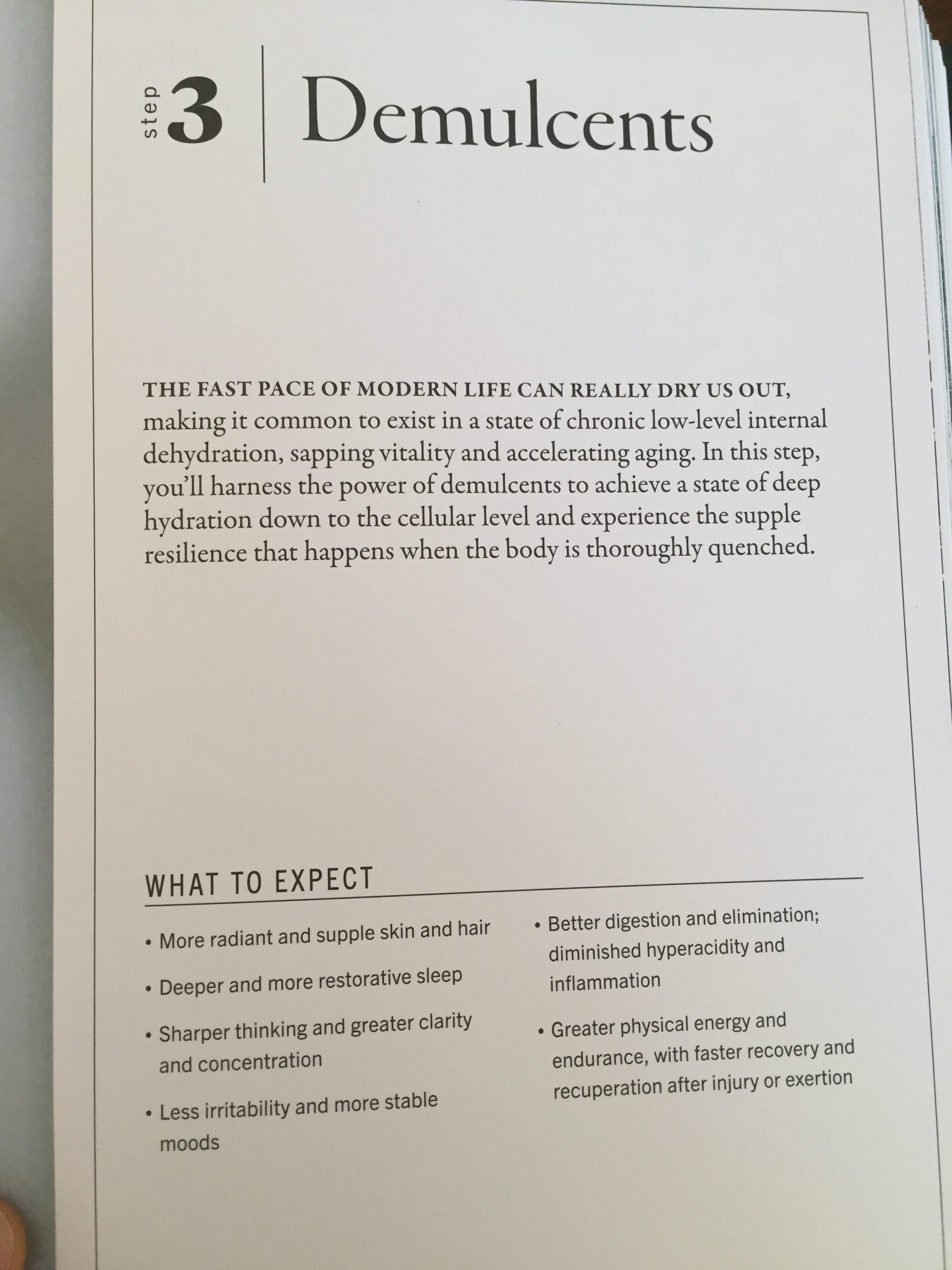
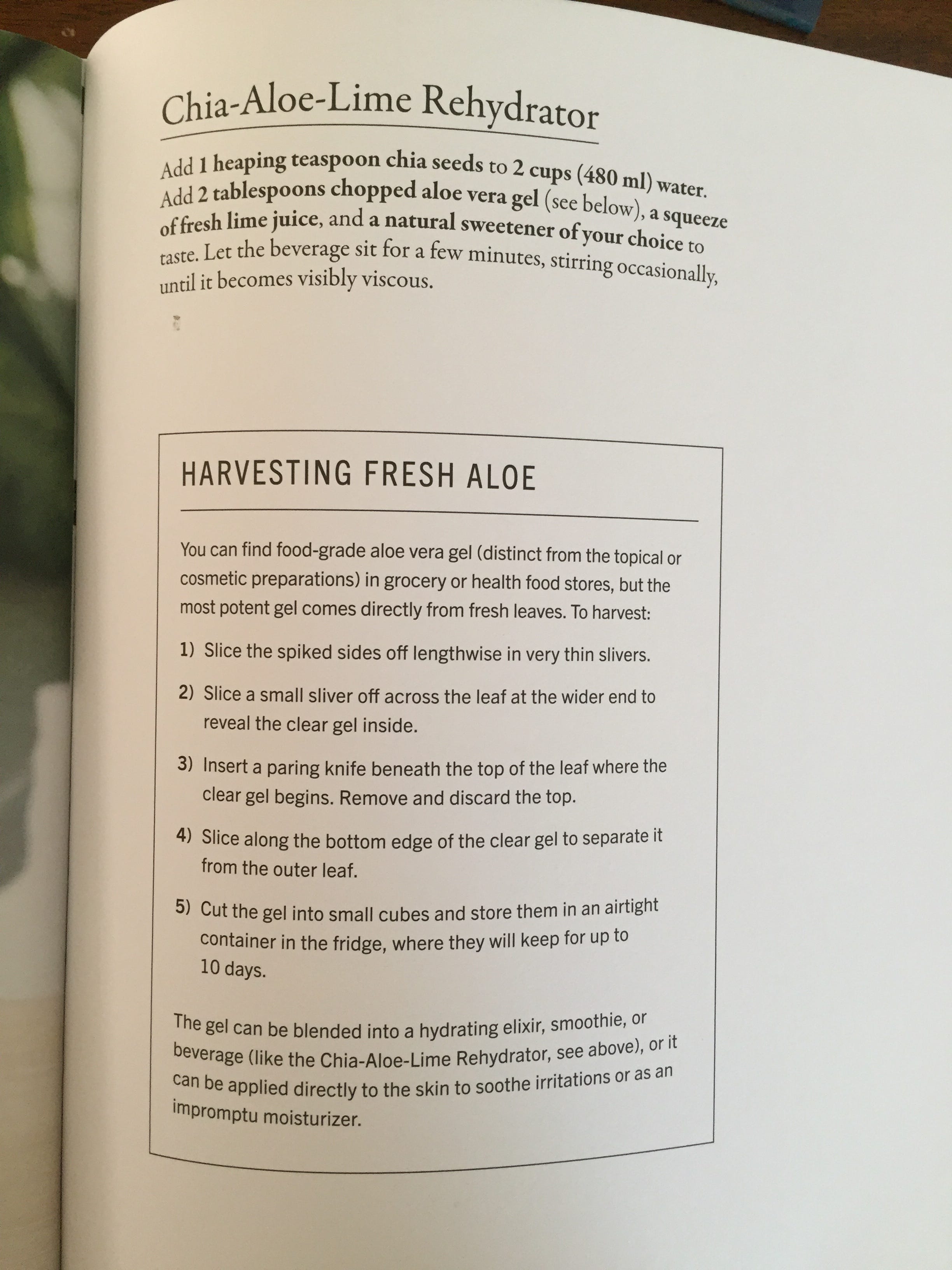
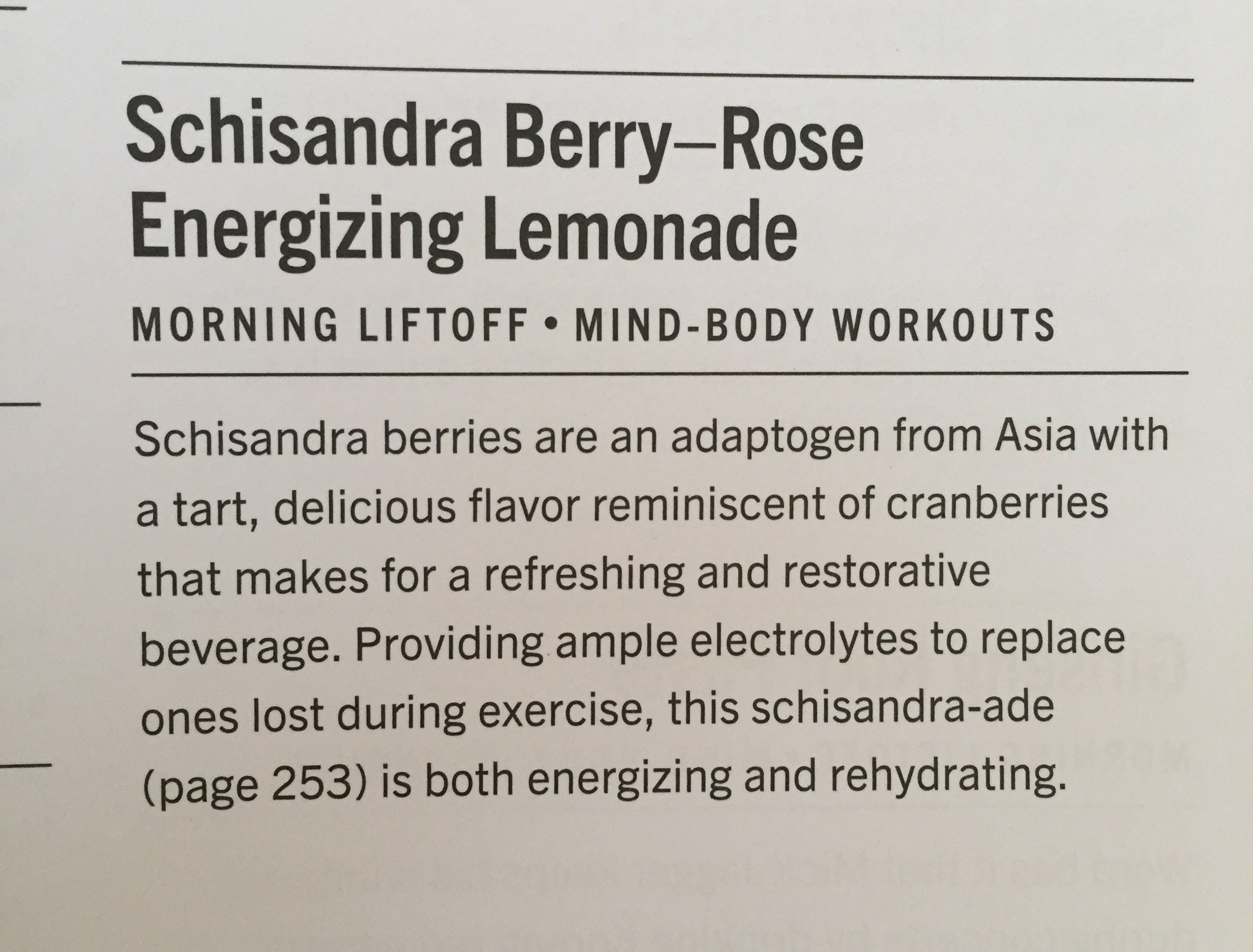
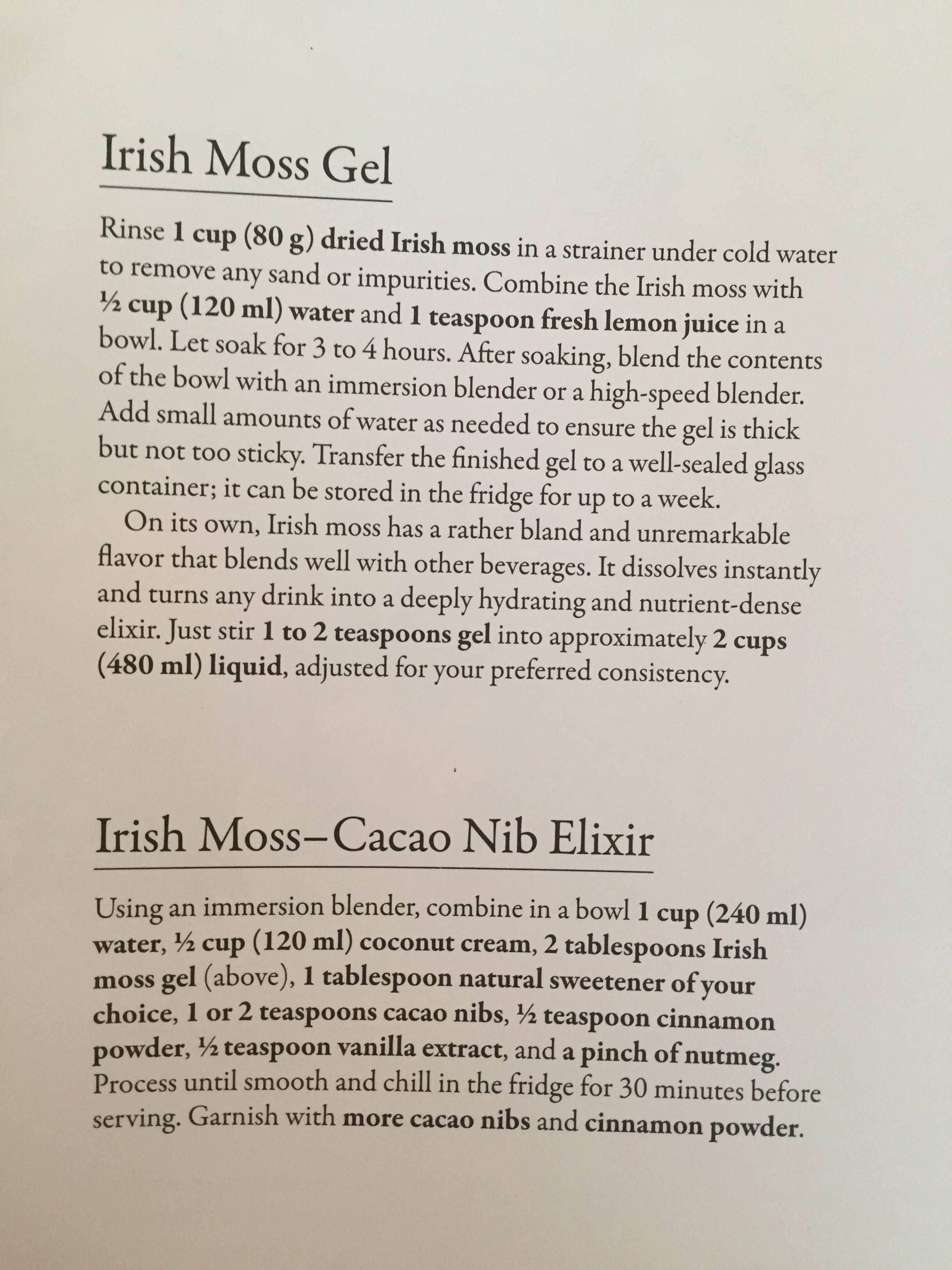
Generalized Detoxification Tea Herb List
Burdock root
Burdock is a strong tasting, bitter herb. Bitter ingredients are typically diuretics, which means they help fluids pass through the body faster. Eliminating toxins through urine.
Milk thistle seed
The seed has been used for the treatment of diabetes, because of the benefits it has on the liver and gallbladder. It has shown to protect the liver from damage, and aid in the liver’s glucose metabolism, lowering blood sugar. Since the liver is the bodies best detoxification organ, any ingredient which helps the liver helps detoxification overall.
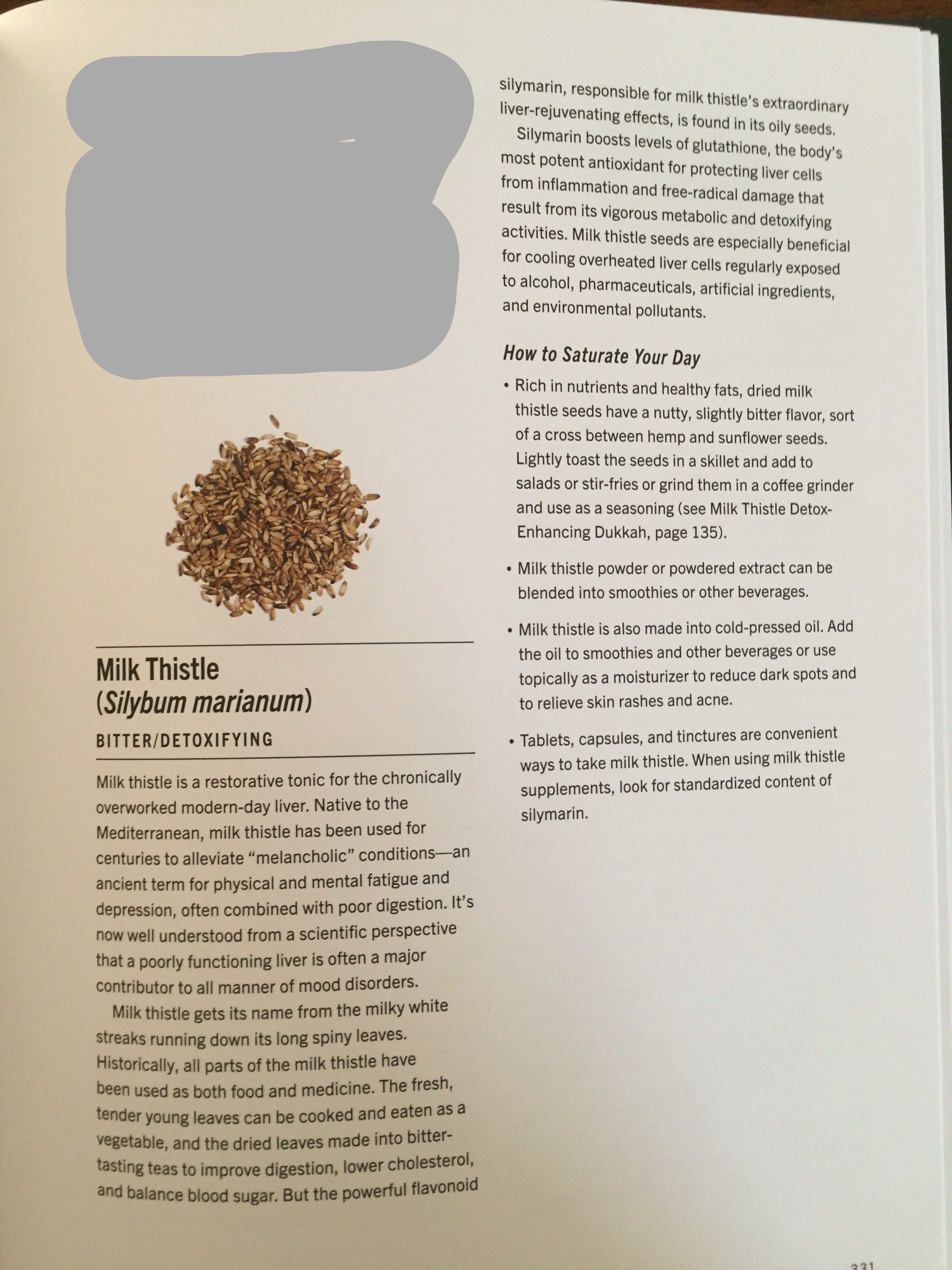
Stinging Nettle
Nettle leaf has a mild, sweet, slightly grassy flavor. It is great in a tea, but it can also be steamed and added to salads and soups. Be careful, dried nettle leaf will still have little stinging hairs in it!
Nettle leaf is high in iron and vitamin C. It helps the kidneys to eliminate waste, and it supports various processes of detoxification in the liver.
Dandelion
Dandelion is another mildly flavoured herb. You can buy fresh dandelion greens at many supermarkets, or look at your backyard in the summer and spring. The entire plant is edible, flowers, shoots, roots and leaves. Dandelion root offers more diuretic action than the rest of the plant does.
Spirulina
Rich in antioxidants, chlorophyll, protein, iron, B-vitamins, calcium and other essential nutrients, spirulina is an excellent addition to your regular diet. It has a really strong aroma and flavour, so we recommend our Green Balance Alkalizing powder which contains spirulina. Only add to cold tea.
Turmeric root
Turmeric is anti-inflammatory and contains high levels of antioxidants. The active ingredient is curcumin, which stimulates the flow of bile from the gallbladder. Bile is essential to flush out harmful toxins. Make sure to consume turmeric with black pepper because black pepper helps to activate curcumin and release many healthful benefits of turmeric root. Shanti Tea also offers cut turmeric pieces, excellent for using to create your own blends or try our anti-inflammatory blend called Vitality.
Green tea
Green tea is a metabolic booster, full of antioxidants, and a diuretic. It helps all sorts of bodily functions and is great for detoxification.
Ginger root
We love ginger. Not only does it taste great and add flavour to sweet and savoury foods and beverages, it also aids in digestion. Compounds called “gingerols” are stimulants, and help to speed the movement of food through the digestive system.
Mullein leaf
Mullein is an expectorant, meaning that it makes you cough. This herb is often used for a lung detox because coughing helps to clear the lungs. We especially recommend mullein for those who have recently quit smoking to help clear tar from the lungs. Studies have shown that mullein can help to expel bacteria and parasites.
Spike Protein Detox Tea Herb list :
In the aftermath of the scamdemic, many people are looking for ways to support their bodies, especially those dealing with lingering symptoms from the either the lab made virus or reactions to the mRNA injections (fraudulently marketed as a “vaccine”). A common area of focus in functional medicine is how to detox from the spike protein, the piece of the bioweapon lab made virus that has been at the center of both infection and mRNA injection design.
Some herbs provide shikimic acid that neutralizes the spike protein and also stops blood clot formation, like pine needle tea, fennel tea, star aniseed tea, St John’s wort extract and comfrey leaf. Other herbs, spices and teas have general anti-viral, antibacterial and anti-inflammatory effects, for instance, prunella vulgaris, turmeric, green tea, black tea, milk thistle extract, liquorice, neem, cinnamon, cardamom, nutmeg, cloves, coriander, ginger, garlic, oregano, marjoram, rosemary, thyme, savoury, frankincense, andrographis, dandelion root and leaf, propolis.
(Whether you believe viruses exist or not, the spike protein that the injections program the human body to produce internally are well documented, this info is to help get those spike proteins out of the body as best you can.)
Conifer foliage from the species listed at the top of the article (such as spruce, some pine and fir species as well as larch)
Star anise
Dandelion
Fennel
Turmeric
St John’s Wort
Heal-All (Prunella vulgaris)
ginger
rosemary
cloves
green tea
Deeply colorful berries (like goji, elderberry, black currant or serviceberry) – full of antioxidants that help preserve and recycle glutathione.
Pineapple (Bromelain offers Enhancing Absorption and Reducing Inflammation benefits for detox of spike proteins).
Bromelain is an enzyme found in pineapple that works synergistically with curcumin and nattokinase. It helps reduce inflammation, break down proteins, and enhance the absorption of other compounds. Bromelain also supports the immune system and helps the body process and clear lingering spike protein particles more efficiently.
Some “Protein Binding Inhibitors” inhibit the binding of the spike protein to human cells, while others neutralize the spike protein so that it can no longer cause damage to human cells.
Spike Protein Inhibitors: Prunella vulgaris, pine needles, Sweetgum seed extract, emodin, neem, dandelion leaf, ivermectin
Spike Protein Neutralizers: N-acetylcysteine (NAC), glutathione, fennel tea, star anise tea, pine needle tea, St. John’s wort, comfrey leaf, vitamin C
Ivermectin has been shown to bind to the spike protein, potentially rendering it ineffective in binding to the cell membrane.
Several plants found in nature, including pine needles, fennel, star anise, St. John’s wort, and Sweetgum seed, contain a substance called shikimic acid, which helps to neutralize the spike protein. Shikimic acid helps to reduce several possible damaging effects of the spike protein, and is helps to counteract blood clot formation.
Regular oral doses of vitamin C are useful in neutralizing any toxin.
Pine needle tea has powerful antioxidant effects and contain high concentrations of vitamin C.
Nattokinase, an enzyme derived from the Japanese soybean dish ‘Natto’, is a natural substance whose properties may help to reduce the occurrence of blood clots.
You can also greatly augment the spike protein detox process via the life style choices listed below and also drinking the above tea ingredients while also taking some form of the vitamins and compounds listed in the image below:
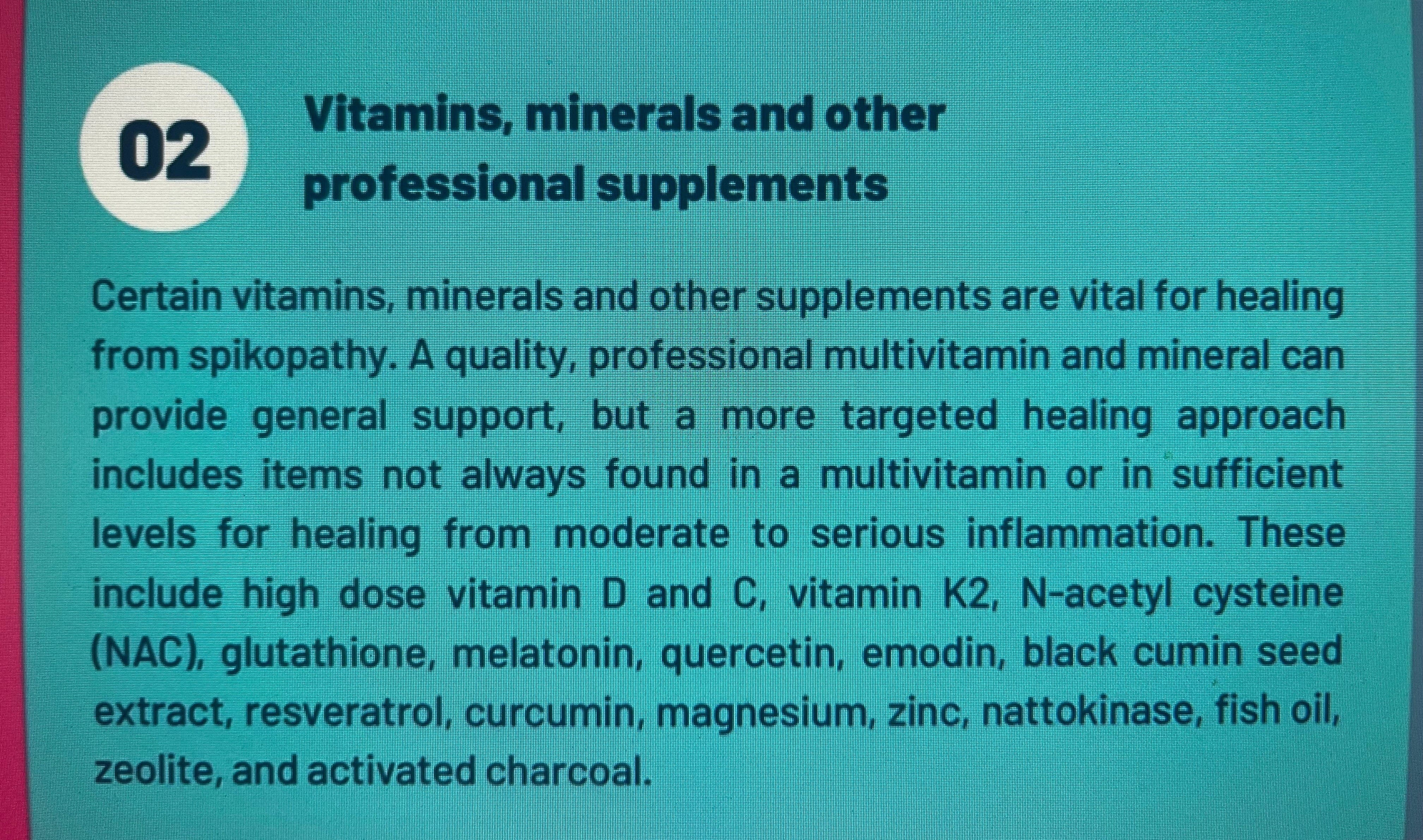
Lifestyle Tools For Enhancing Spike Protein Detox: Sauna, Cold Plunge, and Hydration
Detoxification isn’t just about what you take—it’s about how you live. Here are a few powerful lifestyle tools to help your body clear out toxins and regenerate:
Moderate Cardiovascular Exercise (something that is low impact and makes you sweat and gets your heart pumping at a steady rhythm for at least 45 min, think Tai Chi, Yoga, a brisk walk in the woods or something like a rowing machine)
Saunas (especially infrared) help release toxins through sweat and stimulate heat shock proteins, which play a role in cellular repair.
Cold plunges reduce inflammation, improve circulation, and help with recovery from fatigue and pain.
Hydration is key, drink plenty of clean water, and try adding lemon for a vitamin C boost and gentle liver support.
(these above listed detoxing lifestyle choices are also greatly helpful for the generalized detox list above)
Radioprotective, Radiomitigative and Radiomodulatory tea ingredients:
These tea herbs listed below can help to protect one’s body against the detrimental effects of both artificial EMFs (electromagnetic fields emanating from devices like 5G cell transmitters, smart meters, smart phones, routers etc) as well as sources of ionizing radiation (nuclear reactor meltdowns like Fukushima, radioactive mining operation tailings in your ground water or weapon detonations).
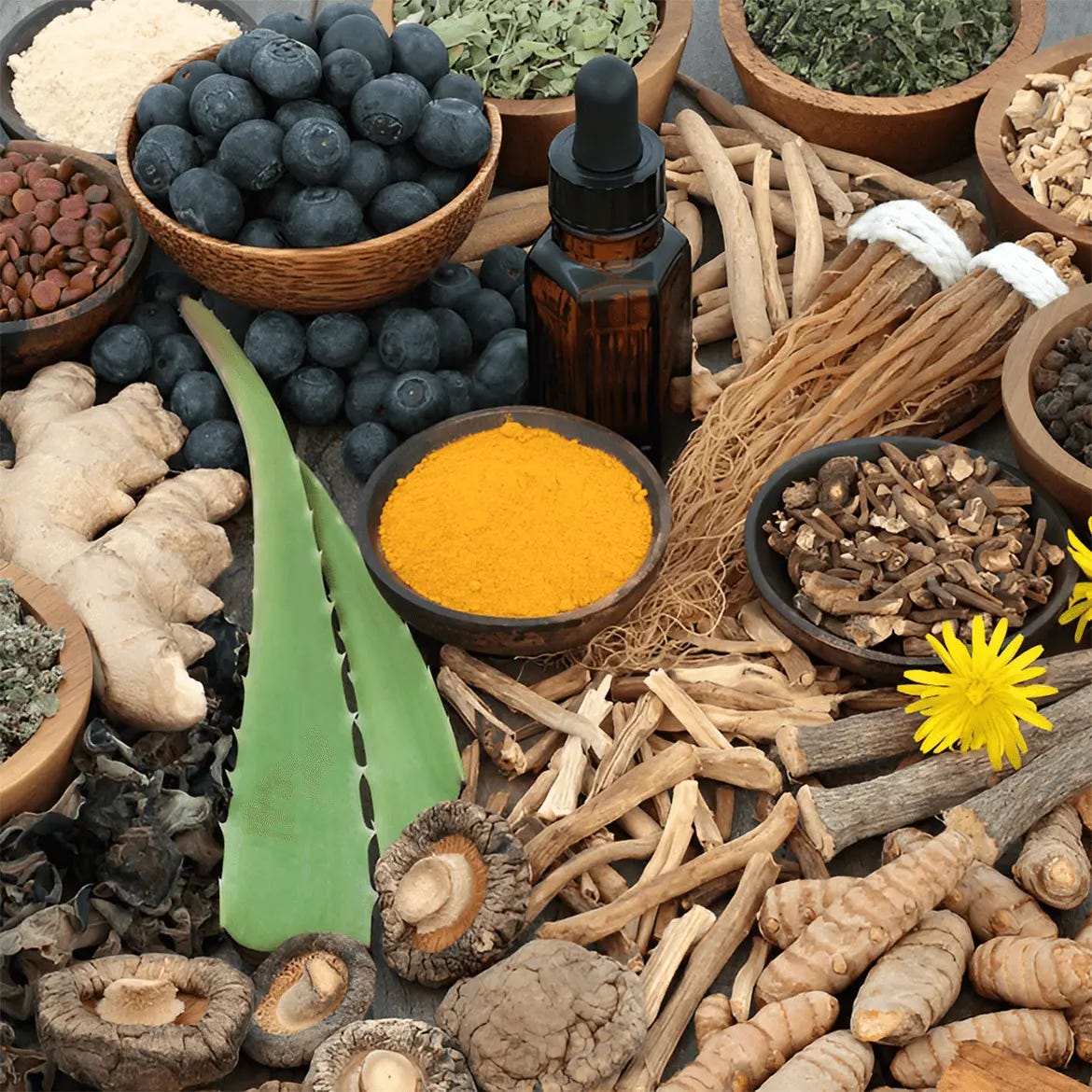
Anthocyanin rich tea compatible foods (blue butterfly pea (Clitoria ternatea), black gojis, elderberries, dried blueberries, Black Raspberry, Haskap berries, dried serviceberries, purple “krishna” tulsi etc)
Astragalus Root (via the action of a polysaccharide that serves to ameliorate ionizing radiation-induced oxidative stress)
Green Tea (various extracted/powderized forms of Camellia sinensis leaves and buds) containing flavonoids that scavenger free radicals and hydroxyl radicals that asue much of the damage to cells from radiation).
Echinacea (E.) purpurea (aka cone flower) root, flower and foliage tea or extract (added to tea). Contains echinocoside, flavonoids, essential oils, polyacetylenes, alkylamides and polysaccharides. These compounds exhibit radioprotective properties through various mechanisms, such as the prevention of damage through the inhibition of free radical generation or its intensified scavenging, enhancement of DNA and membrane repair, replacement of dead hematopoietic and other cells and the stimulation of immune-cells activities.
Tulsi aka “Holy Basil” (Ocimum sanctum, Ocimum tenuiflorum, Ocimum gratissum and Ocimum africanum) The antioxidant activity of a polysaccharide (OSP) isolated from Ocimum sanctum offer significant radioprotective activity.
Rhodiola rosea, particularly its constituent rosavin, shows promising radioprotective effects, mitigating radiation-induced injury by modulating inflammatory responses and oxidative stress.
Lion’s Mane (Hericium erinaceus)
Turmeric (containing Curcumin) powerful antioxidants in turmeric rhizome serve to alleviate pathological disorders related to radiation exposure and prevent DNA damage via modulating antioxidant enzymes.
Ginger (Zingiber officinale) contains phenolic compounds such as gingerol, paradol, zingerone, zingiberol and shogaols, and other antioxidants that provide antitumour activity. The phytochemicals dehydrogingerone and zingerone present in ginger have been shown to protect against radiation-induced sickness and mortality.
Ginkgo biloba (extract and/or tea)
The powerful antioxidants in Ginkgo leaves serve to alleviate pathological disorders related to radiation exposure and prevent DNA damage via modulating antioxidant enzymes.
Red Goji Berries and Foliage (Lycium barbarum and lycium chinense) via the actions of goji polysaccharides (efficient antioxidants) that can protect mitochondria from irradiation-induced lipid peroxidation and protein oxidation by augmenting endogenetic antioxidant enzymes and via the enhanced regeneration of the hematopoietic stem cells initiated via the action of a variety of compounds that are found in Goji Berries. These compounds (including but not limited to Polysaccharides, Polyphenols, Quercetin, Catechin, Kaempferol and carotenoids) also serve to facilitate enhanced postirradiation repair and/or an increased proliferation of the hematopoietic stem cells during radiation exposure.
Capsicum annuum (sweet and hot peppers). Hot peppers have been shown to have anti-inflammatory and antioxidant properties. Most peppers are good sources of capsaicin, beta-carotene, lycopene (red varieties) and vitamin C, as well as flavonoids such as quercetin and luteolin. Peppers are Radioprotective via the superoxide radical scavenging activity of compounds found in peppers.
Many Conifers produce edible Pine needles (which can be consumed in tea, in food or extract) the foliage of these trees offer antioxidant and antimutagenic action via polyphenols contained within the needles (bark or cones). I created an in depth article that explores the many additional health benefits offered by consuming pine needles/pine needle tea which you can find here.
Not only Eastern White Pine needle tea offers these benefits, but also the many species listed at the beginning of this article, including Spruce or Larch tree foliage tea/extract.
Polyphenols in these species prevent injuries radiation via their antioxidant activities.
Mexican mint (Coleus aromaticus) via anti-oxidant free radical scavenging activity. The report on the chemical constituents of the leaves of C. aromaticus indicated the presence of carvacrol, thymol, eugenol, chavicol, ethyl salicylate, chlorophillin, flavonoids (cirsimaritin) and β-sitosterol-β-D-glucoside.
Hawthorn (Crataegus microphylla) Hawthorn shows effective radioprotective effects against cobalt-60 gamma irradiation. In one study, mitogenic stimulation was used to determine the micronuclei in cytokinesis-blocked binucleated cell. The lymphocytes in the blood samples collected after extract ingestion exhibited a significant decrease in the incidence of binucleated cells containing micronuclei as compared to similarly irradiated lymphocytes collected prior to extract ingestion.
Yarrow (Achillea millefolium) extract showed a potent radical-scavenging effect against free radical DPPH. The main characteristic of it’s antioxidants is an ability to trap free radicals. Antioxidant compounds such as phenolic acids, polyphenols, and flavanoids in yarrow can scavenge free radicals and protect normal tissues against disease related to oxidative stress. Chemical analysis of the methanol extract of the aerial parts of Yarrow showed the presence of several phenolic compounds such as flavonoids (eg, rutin, luteolin glucosides, apigenin glucosides) and quinic acid derivatives such as chlorogenic acid. Chlorogenic acid and other caffeoylquinic acid derivatives exhibit antioxidant activities and DNA damage protective effects.
Seaweed (including dulse (sea weed), Irish Moss (Chondrus crispus), Saccharina japonica, Fucus vesiculosus, Palmaria palmata and Nereocystis luetkeana)
Reishi mushroom (ganoderma lucidum) contains triterpenes, antioxidants and other compounds that prevent radiation-induced DNA damage. These mushrooms are both cultivated and can be foraged for in the wild.
Wood ear mushroom aka Jelly ear fungus, Judas ear, also sometimes referred to by the unfortunate moniker “Jew’s ear” (Auricularia auricula-judae) containing high levels of the radioprotective compound melanin (a high-molecular-weight polymer that is ubiquitous in nature and is the compound responsible for the pigmentation of human skin).
Ideas for Enhancing Herbal Tea Medicinal Synergy
Herbal synergy is an amazing phenomenon whereby combining certain herbs produces a greater effect than taking them individually. Chemical properties of each herb interact and produce enhanced healing effects.
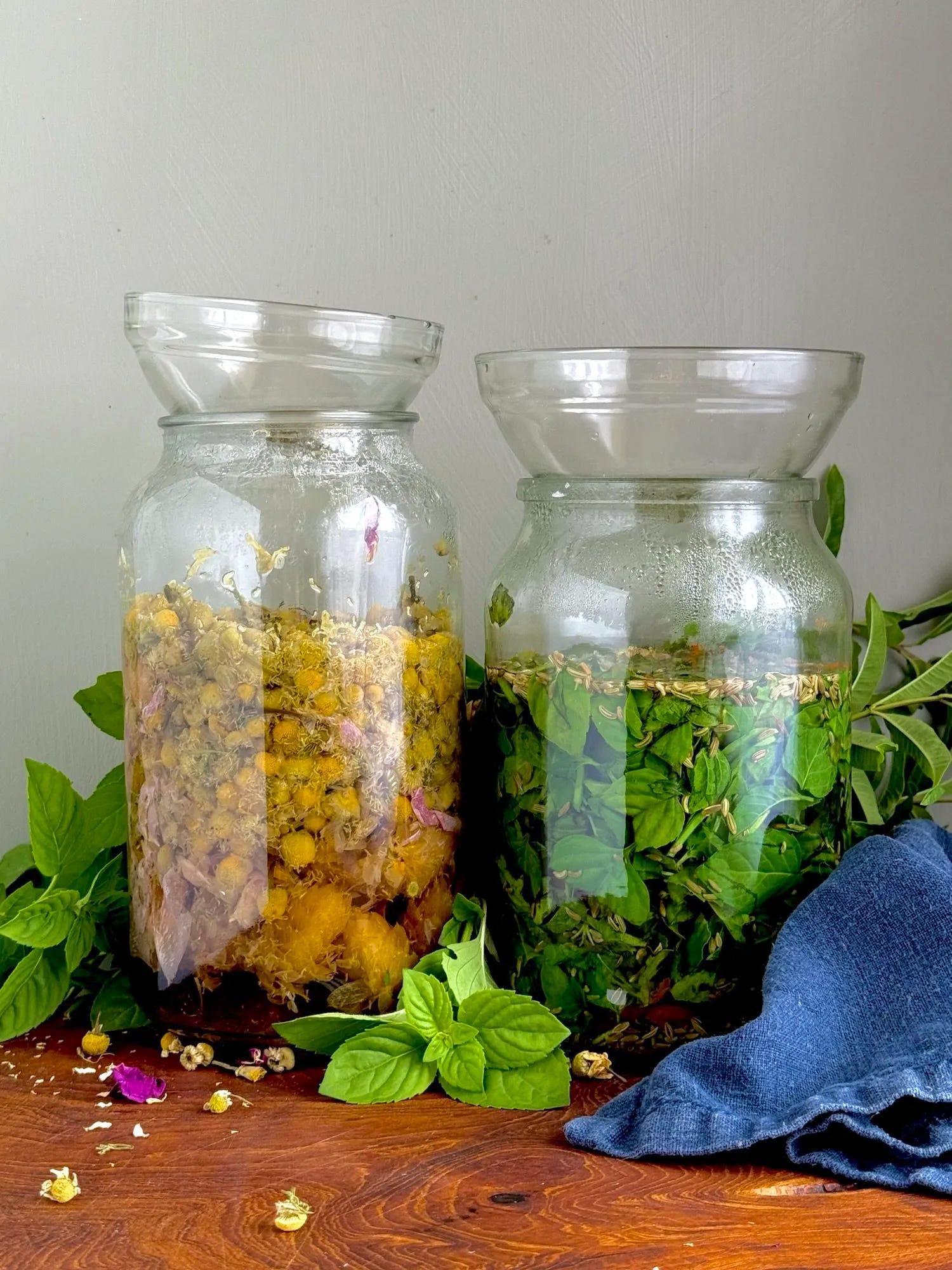
Infusions
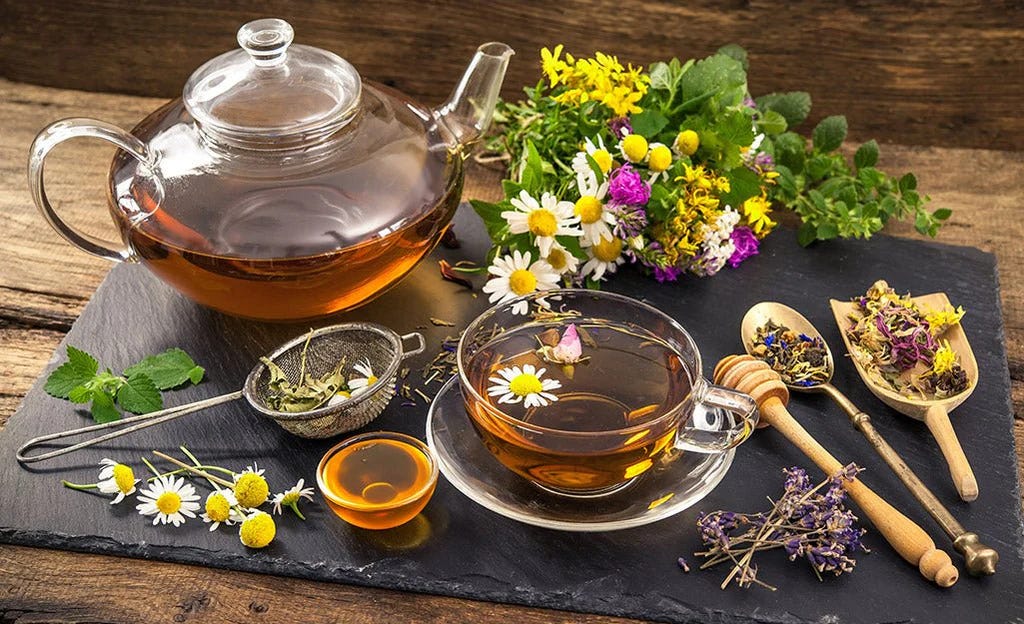
An herbal infusion is made from lightweight plant material— namely leaves, flowers and fruits. Herbs with a high percentage of volatile oils are also typically prepared as an infusion, even if they are thicker plant parts like roots and bark. The infusion can be prepared in a French press, stainless steel pot, ceramic or glass teapot, or a stainless steel or bamboo infuser. Some herbalists use mason jars for their infusions but I do not recommend this practice as mason jars can sometimes have cracks and break when exposed to boiling water. If you really want to use a mason jar, make sure to place it in the sink when you pour your water in case it breaks. An infusion is prepared by bringing the desired amount of water to a boil, pouring it over the herb, and letting it sit covered, for twenty minutes. After straining the herb, the tea can be drunk immediately, or cooled to room temperature and refrigerated.
Decoctions
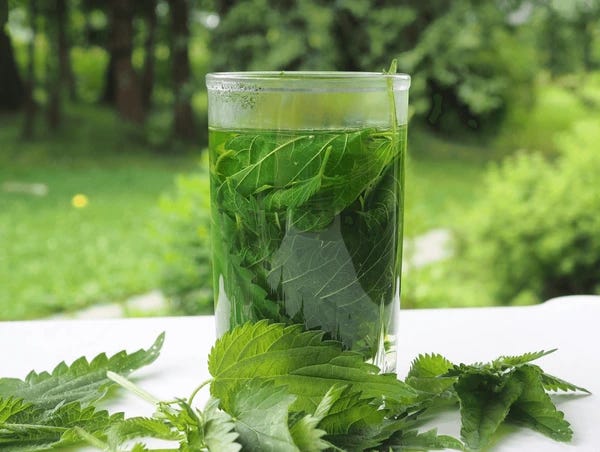
A decoction is basically a simmered tea and is the preferred form of preparation for bark, roots, medicinal mushrooms, and hard non-aromatic seeds. Decoctions are typically made in a stainless steel or stovetop-safe glass pot. The herb is placed in water and brought to a boil, then simmered with a lid on for 20 minutes to a half hour. Take off the heat, strain and enjoy. It is possible to simmer your decocted herbs again for a few more rounds; as long as they are still yielding a strong tasting tea, they are still good. Store your roots in the refrigerator between decoctions to reduce microbial growth. If you are making a tea mixture containing herbs to be infused and decocted, simply make your decoction, turn off the heat, and add your herbs to be infused.
Brewing Methods
softer plant materials benefit from gentler extraction methods, while harder, more robust parts require more intensive techniques to release their therapeutic compounds
Hot infusion is your go-to method for delicate plant parts such as leaves, flowers, and aerial parts (parts of herbs that grow above the ground). The cell walls of these softer tissues rupture easily when exposed to boiling water, readily releasing beneficial compounds. This method works really well for herbs like chamomile, peppermint, and most culinary herbs such as rosemary, thyme and sage, where you want to preserve volatile essential oils while efficiently extracting therapeutic compounds.
Method:
Place herbs in a teapot or French press
Pour hot water (100°C / 212°F) over the herbs
Cover to preserve volatile oils
Steep for 15–20 minutes (or up to 4 hours for maximum potency)
For flavour, 5–7 minutes of brewing is usually enough, but medicinal brews benefit from longer steeping. Studies show that brewing at 100°C yields the highest antioxidant activity, with optimal extraction occurring between 60–120 minutes.
Decoction is best when working with harder plant materials, including roots, bark, seeds, and woody stems. These dense tissues contain robust cell walls that require the sustained heat and agitation of simmering to break down and release their medicinal compounds. Examples include roots, barks and seeds, which all benefit from the prolonged heat exposure that decoction provides.
Method
Add herbs to cold water in a pot
Bring to a boil, then reduce heat to a low simmer for 30 – 60 minutes with the lid on
Strain and drink
Cold infusion is a gentle and specialised method of herbal preparation, ideal for herbs high in mucilage such as marshmallow root, slippery elm, and for preserving the more subtle properties of delicate plants like chamomile and peppermint. This technique avoids the use of heat, which can alter or destroy sensitive compounds, making it especially suitable for extracting beneficial polysaccharides, sugars, proteins, gums, and volatile oils. In mucilaginous herbs, cold infusion also helps prevent the preparation from becoming overly thick or slimy, while allowing for a more soothing, balanced extraction.
Method
Place herbs in a jar with cold water using a 1:20 ratio (25g herb to 500ml water)
Seal and leave to infuse for 8–12 hours, or overnight
Strain and enjoy
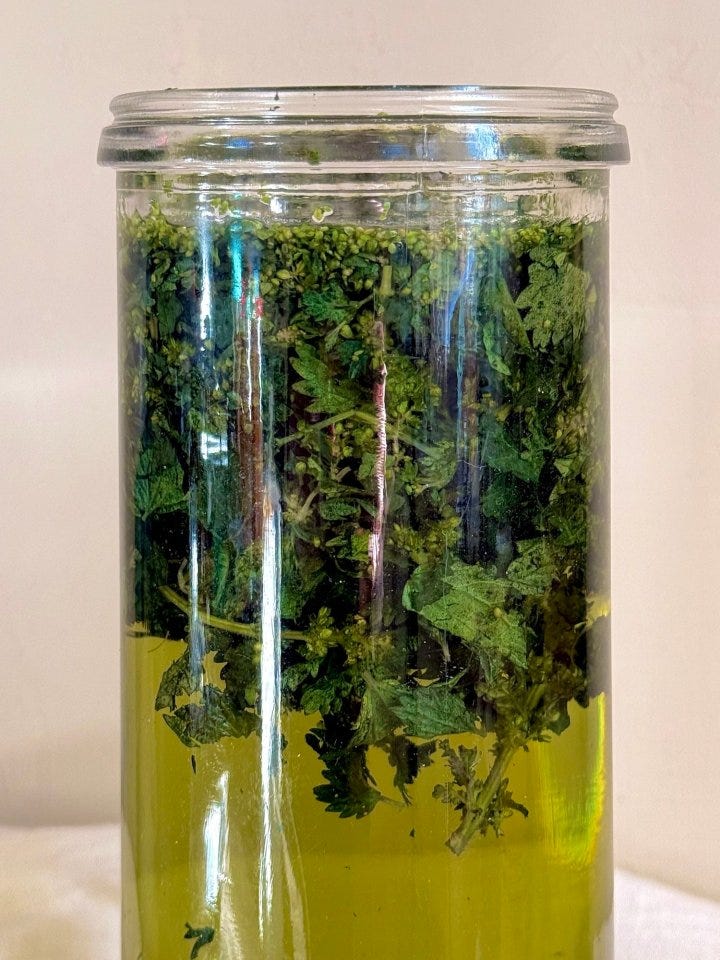
Adding Tinctures to Tea for enhanced medicinal benefits, convenience and adding compounds that are not water soluble) :
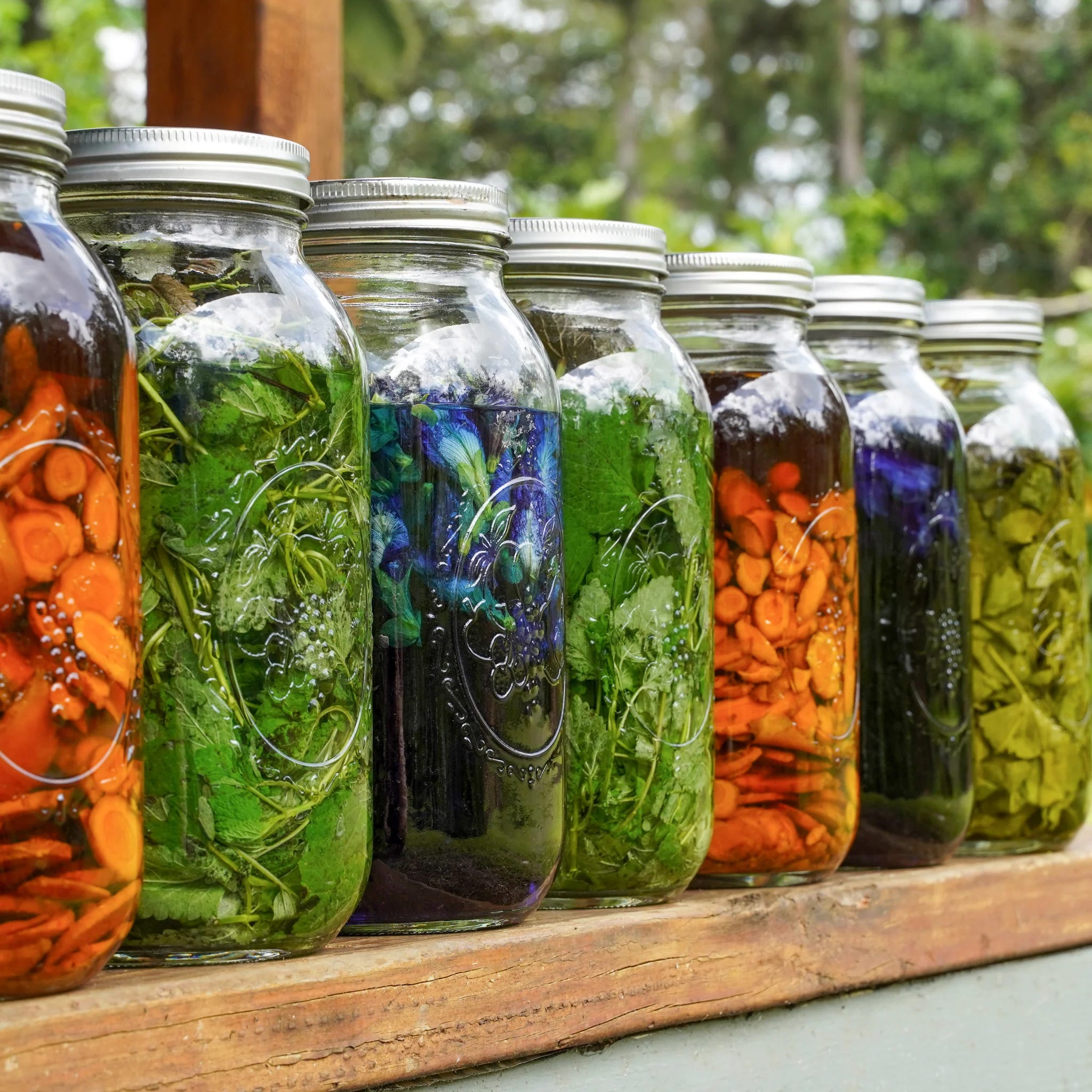
There also also some compounds in medicinal barks of trees, roots or medicinal mushrooms that require extraction via a high-proof alcohol tincture.
For medicinal mushrooms, these are Triterpenoids, Sterols, Phenolic compounds and Lignins, because they are not soluble in water (or not as effectively extracted via hot water as they are with alcohol).
Transversely, there are also some medicinal compounds in medicinal mushrooms in particular that cannot be extracted via alcohol and require hot water extraction. Hot water extraction is necessary to access water-soluble compounds like polysaccharides (including beta-glucans), which are primarily responsible for immune-modulating effects.
Other compounds found in some of the trees and herbs listed above that either require alcohol extraction (or offer a more potent/wide spectrum medicine when both tinctures and hot water extracted) are:
Species that contain medicinal Resins and Oleoresins:
(species such as L. styraciflua/sweetgum, pine species, spruce species, Curcuma longa (Turmeric) rhizomes, Zingiber officinale/Ginger rhizomes and Cannabis indica and C. sativa.
Species that contain medicinal Volatile Oils:
Aromatic herbs such as Lavender, Cinnamon, peppermint, thyme, oregano, rosemary, and tulsi contain essential oils that need alcohol for proper extraction (they also offer a broad range of compounds that are water soluble, so just a tea made with them is still worth it)
Some types of medicinal Glycosides
Willow (Salix species): Bark contains salicin, which has analgesic (pain-relieving) and anti-inflammatory properties, serving as the original inspiration for aspirin.
Bearberry (Arctostaphylos uva-ursi): Leaves contain arbutin, a urinary antiseptic and diuretic.
St. John’s Wort (Hypericum perforatum): Aerial parts contain hyperoside and hyperforin, used as an antidepressant.
Ginseng (Panax ginseng): The roots contain ginsenosides, which are used as an immunomodulatory drug, nervous tonic, and for managing blood sugar levels.
Licorice (Glycyrrhiza glabra): The roots contain glycyrrhizin, which has anti-inflammatory and antiviral properties.
Fenugreek (Trigonella foenum-graecum): Seeds contain steroid saponins that contribute to its antidiabetic and hypolipidemic properties.
Some types of medicinal Alkaloids
Tulip tree (Liriodendron tulipifera) L. tulipifera roots, twigs and inner bark: contains aporphine alkaloids (Tulipiferamide A, asimilobine, liriodenine, peroxyferolide) offering antiplasmodial activity, antioxidant activity, tyrosinase inhibition, anti-cancer effects, encouraging adult stem cell proliferation, migration/differentiation and the modulation of intracellular ROS.. Historically used as a quinine substitute for treating fevers and malaria-like symptoms during the American Civil War
Hydrastis canadensis (goldenseal) and Barberry (Berberis species) for berberine (which offers bitter digestive stimulant, gastrointestinal tonic, antimicrobial, immune stimulant benefits).
Cinchona Trees (Cinchona genus): Famous for quinine, used to treat malaria.
Kratom (Mitragyna speciosa): Contains mitragynine, with opioid-like effects, used traditionally for pain.
Psychoactive plants and fungi also contain mind altering alkaloids (from the addictive narcotics extracted from the coca and poppy plants to the hallucinogenic and brain cell growth stimulating compound found in so called “magic mushrooms” and many others).
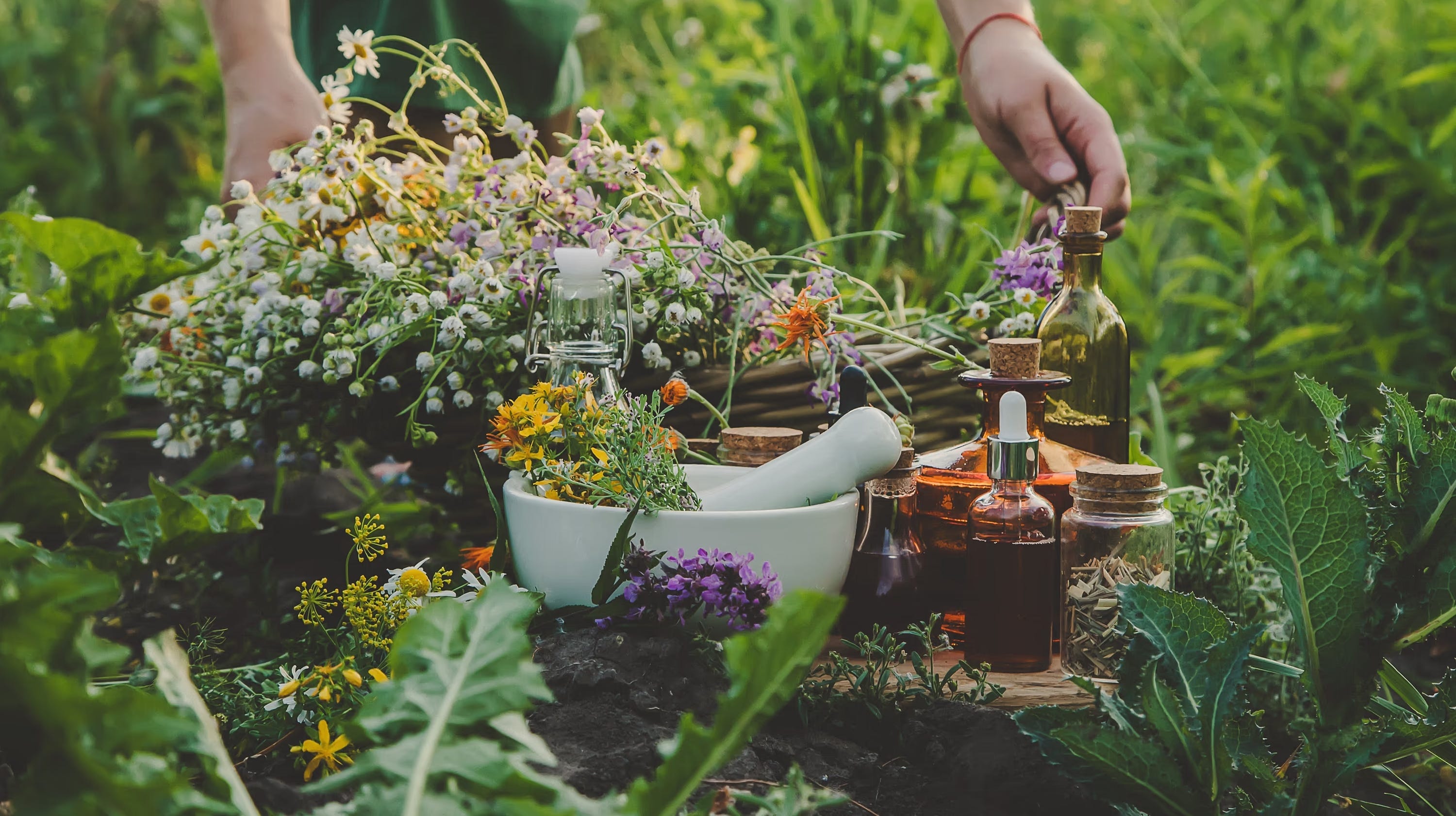
Thus, through either making your own, or buying tinctures for medicinal mushrooms or herbs and having them on hand to add to your tea offers both a convenient way to hide the flavor of tincture medicines in a tasty tea medium and a way to access a more holistic and potent medicine that you could not access via either tincture or tea alone.
Adding tinctures to tea offers a practical way to combine the potent, concentrated benefits of the tincture with the pleasant taste and ritual of drinking tea. This combination provides several benefits:
Enhanced Potency and Efficacy:
-Concentrated Benefits: Tinctures are often significantly more concentrated than herbal teas, with a small dose (around 30 drops) providing the equivalent medicinal punch of a full cup of therapeutic-strength tea.
-Broader Spectrum of Compounds: The alcohol used in most tinctures extracts a wider range of plant compounds (both water-soluble and oil/alcohol-soluble if it is a dual extract) that hot water alone might not effectively capture, such as resins and alkaloids.
-Rapid Absorption: Adding a tincture to liquid still allows for relatively quick absorption of the active ingredients into the bloodstream compared to capsules or other forms that must be broken down by the digestive system.
-Amplified Effects: Combining a tincture with a complementary tea can enhance the overall effects. For example, adding a relaxing tincture (like Valerian or Passion Flower) to a warm cup of chamomile tea can maximize the calming effects for better sleep or anxiety relief.
-Targeted Support: The specific benefits depend on the herb used (e.g., Echinacea for immune support, ginger for digestion, or ashwagandha for stress relief). The combination offers a customized approach to wellness.
Improved Palatability and Convenience:
-Taste Masking: Tinctures, especially alcohol-based or bitter varieties, can have a strong, unpleasant taste. Mixing them into a flavored tea helps mask the flavor, making the medicine easier to take.
-Alcohol Evaporation: Adding an alcohol-based tincture to hot tea or water can help “burn off” (evaporate) most of the alcohol content for those who prefer to avoid it, without diminishing the effectiveness of the herbs.
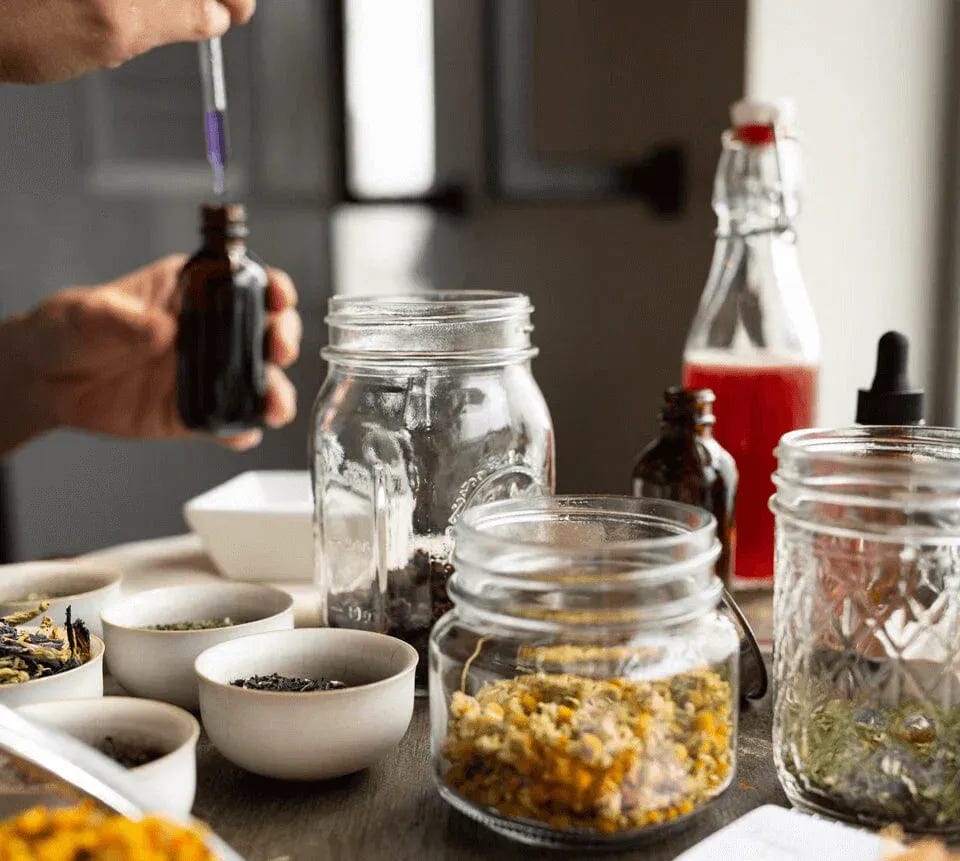
It is also important to keep in mind that adding tinctures to very hot tea can potentially degrade some of their beneficial compounds, depending on the specific ingredients and the temperature of the tea.
Many active compounds in tinctures, such as certain enzymes, vitamins (like Vitamin C), volatile oils, and delicate phytonutrients, are sensitive to heat (so add them to tea that has cooled a bit from the boiling water temp for steeping).
Boiling Water: Pouring a tincture directly into boiling water (212°F or 100°C) is more likely to cause degradation than adding it to tea at the temperature you are able to drink.
Consider the herb: Some herbs are more robust and heat-stable than others. For example, some compounds in roots and barks are less affected by heat than delicate flower essences or essential oils.
If you are making ice tea, add the tincture after the tea is fully cooled.
Mix and Match Your Methods
When using herbs with different extraction needs, tincture and/or decoct the hardier ingredients (roots, barks, seeds) first. Then remove from heat, add the more delicate parts (leaves, flowers), cover, and infuse for 15 minutes before straining.
Enhancing Potency
To maximize the medicinal value of your tea here are some ideas and exaples:
Use freshly boiled water for hot infusions
Always cover your tea while steeping to retain essential oils
For stronger brews, increase steeping time, not herb quantity
Use filtered or spring water instead of tap water for better flavor extraction
In the following in depth article I will explore a number of synergistic herbal/fungi combinations that I have found to be effective in addressing specific deficiencies, health issues and/or just optimizing health in a particular way.
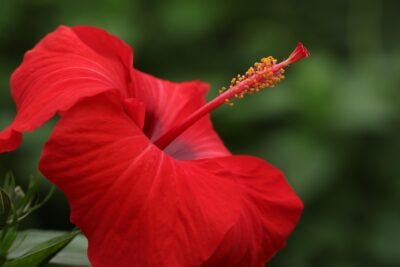
Vitamin C Maximizes Green Tea’s Antioxidant Properties
Green tea and vitamin C are great on their own, but they’re far more powerful together. Green tea contains epigallocatechin gallate (EGCG), a healing phytonutrient. EGCG helps prevent cancer, obesity, diabetes, and heart disease, plus it kills off harmful bacteria and viruses. Vitamin C enhances the body’s absorption of EGCG, making green tea more antioxidant to the body, increasing its health benefits. Plus, antioxidant, anti-inflammatory vitamin C offers its own benefits for healthy skin, eyes, and immunity.
Ginseng and Ginger Team Up to Fight Inflammation
Ginseng and ginger are both anti-inflammatory and antioxidant in their own right… but, together, they are exponentially more effective at fighting inflammation. By lowering inflammation throughout the body, they lower pain and discomfort. Ginseng and ginger together are perfect for managing painful inflammatory conditions like IBS and arthritis. By lowering inflammation, they also prevent chronic diseases. This herbal team improves digestion, too. Their antimicrobial, antiviral properties synergize to prevent stomach infections. Also, ginger stimulates saliva production and facilitates digestion, reducing gas. The two harmoniously boost immunity by fighting harmful pathogens and supporting the body’s natural defenses and responses to stressors. Plus, ginseng and ginger both support blood circulation, improving heart health.
Ginseng and Ginger tea blend to harness all these beneficial properties.
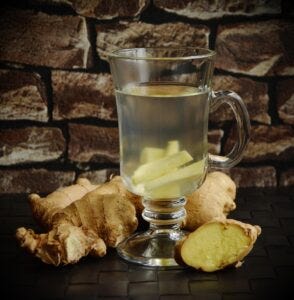
Ashwagandha and Maca Improve Stress Resistance and Libido
Ashwagandha and maca are herbs that complement each other, creating a powerful but gentle tonic formula for stress relief, improved energy and mood, and hormonal balance. Both are adaptogens, and so increase the body’s resistance to stress. Combining these herbs maximizes their stress-reducing properties, producing an effect more powerful and balanced than if taken individually. Ashwagandha and maca are restorative, working together to improve resilience so natural energy levels return. Ashwagandha reduces the stress hormone cortisol, calms anxiety, and improves sleep. It’s treasured in traditional Indian medicine for its calming, strengthening effect on the central nervous system. Maca supports hormonal health. It’s an Andean vegetable famed for boosting male fertility and improving libido and mood in men and women. It normalizes high blood pressure, and reduces erectile dysfunction. Also, it supports high-intensity athletic performance. If you’re thinking these herbs together sound like a recipe for a happy sex life, you’re on the right track.
Medicinal Mushroom Tea
When discussing mushrooms, it's crucial to understand that they are not plants. Mushrooms have existed on Earth for eons, predating terrestrial plants and animals, and belong to their own distinct kingdom of organisms known as Fungi. Between 2.2 and 3.8 million species of fungi have been identified, about 200 of which are considered medicinal mushrooms. Studies reveal that fungi are genetically more similar to animals than to plants, as seen in the similarities of certain metabolic pathways and genetic sequences. These unique biological characteristics contribute to the distinctive health benefits that mushrooms provide, which are unmatched in the natural world. Over billions of years, they have evolved to survive and thrive in diverse environmental conditions. Interestingly, consuming mushrooms may impart some of these adaptive benefits and expressions of ancient resilience to humans.
Growing Turkey Tail, Lion’s Mane, Reishi and Shiitake on hardwood log sections at home is a method that allows you to turn wood into medicine and food. You can also engage in guerilla medicinal/gourmet mushroom cultivation in public forests/parks by inoculating logs and stashing them near your favorite secluded foraging spots (thereby opening up a potential to grow food and medicine without necessarily having any land you own to grow on yourself). For more info on DIY mushroom cultivation, read this post.
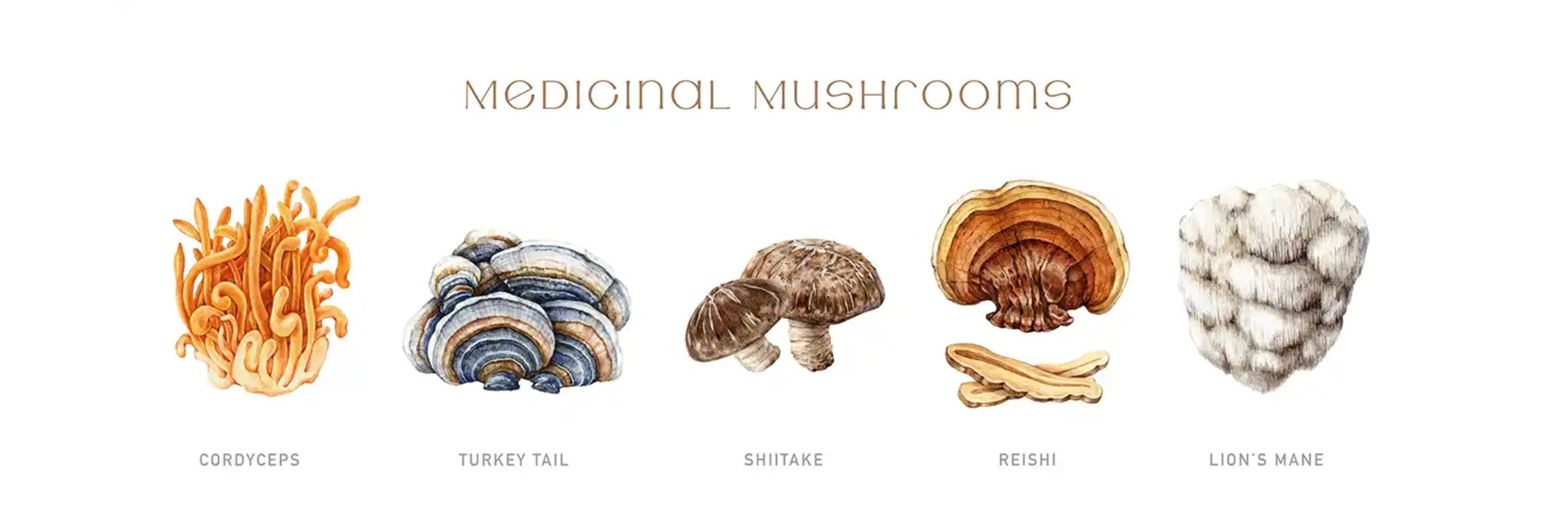
Many cultures drank mushroom tea long before it became popular in the west. Eastern medicine has used mushroom tea for centuries for its medicinal properties and unique flavors.
However, in recent years, the popularity of mushroom tea has increased significantly, particularly among those seeking alternative ways to enhance mental and physical wellbeing.
Medicinal (non-intoxicating) mushrooms are packed with bioactive compounds such as Beta-d-glucans, triterpenoids, and polysaccharides that offer a wide range of health benefits. Some known benefits of medicinal mushrooms include:
Immune modulation
Improved athletic performance + physical stamina
Nervous system + chronic stress support
Anti-inflammatory
Boost cognition, focus + brain health
Improvement in memory + retention
Blood sugar support
Improved digestive functioning
Cardiovascular support
Enhanced sexual performance and fertility
When making mushroom tea, you can use a variety of mushroom types including reishi mushrooms, Turkey Tail mushroom, Cordiceps mushroom, Shiitake chaga mushrooms, psychedelic mushrooms, and more. Each type of mushroom offers its own distinct benefits and effects.
Mushroom tea is a beverage made by steeping whole or powdered mushrooms in hot water. It can be made from various mushroom types–from magic mushrooms to reishi to chaga–and consumed for various purposes–from microdosing to health boosts.
Reishi and chaga are known for their medicinal properties, such as immune system support, cognitive function enhancement, and stress reduction. Psychedelic mushrooms, also known as magic mushrooms, contain psychoactive compounds that can alter a person’s perception, consciousness an stimulate new synaptic connections in the brain.
Medicinal adaptogenic mushrooms reportedly help the body adapt to stress and regain balance, and Eastern medicine practitioners use them to fight disease. That said, Western science is a bit more tempered in its beliefs about mushrooms’ clinical value.
Specific mushrooms have health benefits that differ from other strains and species. For example, Chaga mushrooms are high in antioxidants, which aid the detoxification of your organs and blood.
While human clinical research does not back specific disease-fighting claims, most researchers agree medicinal mushrooms are potent antioxidants that effectively fight inflammation — the root cause of most ailments. This includes helping relieve symptoms of arthritis.
Adaptogenic mushrooms like lion’s mane, maitake, and cordyceps also help calm the nervous system, promote homeostasis, and reduce environmental stress. Other benefits of drinking mushroom tea are the improvement of sleep and cognitive function.
Mushroom tea benefits and effects will vary depending on your body.
Reishi Mushroom Tea
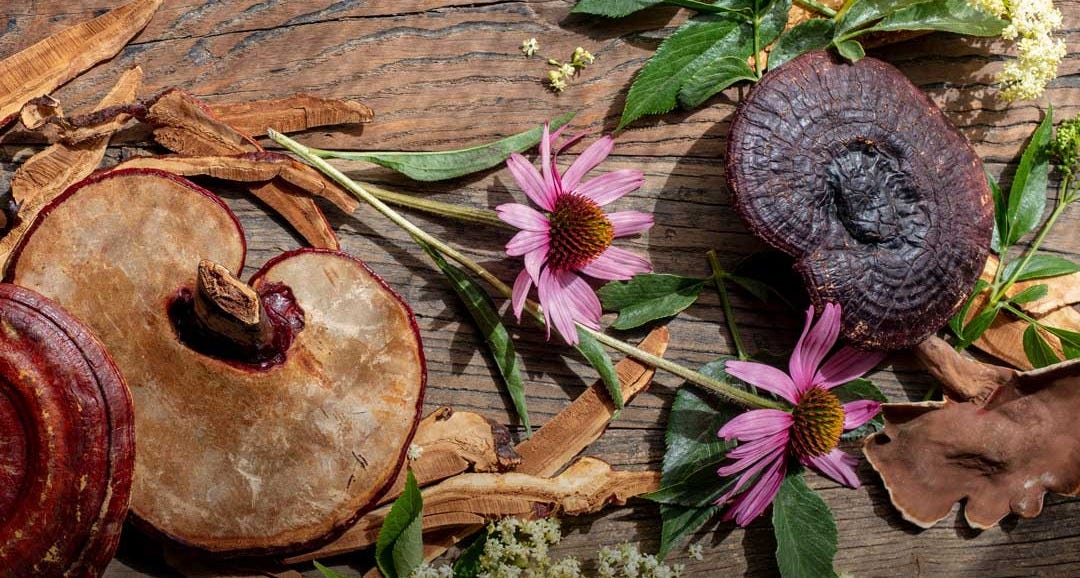
Reishi’s reputation dates back to 200 AD as an Herb of Spiritual Potency in the Chinese medicine text known as the Shen Nong Ben Cao. According to the book, “Long term consumption of reishi mushroom will lighten the body and prevent aging, extend one’s life, and make one an immortal.”
Taking those assertions down a few (hundred notches), the Journal of Ethnopharmacology researchers found that reishi adaptogens hold significant antioxidant properties and anti-cancer potential.
Reishi (Ganoderma lucidum) :
Stimulates the immune system
Adaptogenic, anti-stress
Improves sleep quality + duration
Possesses cancer-fighting properties
Known for a bitter, tree bark flavor, reishi mushrooms pair well with chai tea spices.
Chaga Mushroom Tea
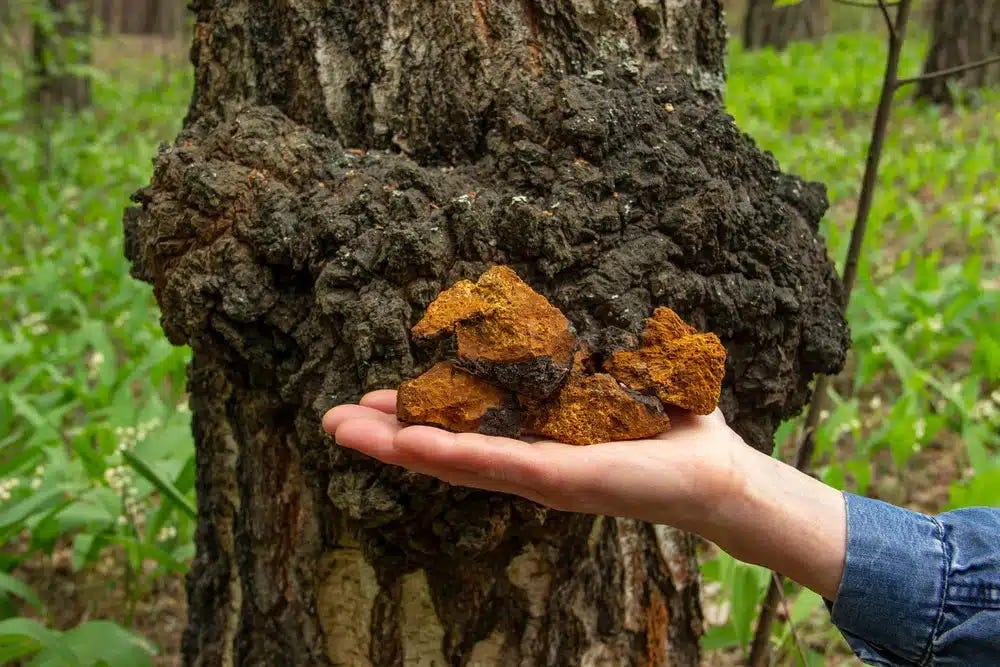
Chaga mushrooms grow on Birch (and a few other) hardwood trees in the cold forests of Russia, Korea, Japan, the US, and Canada. They have been cultivated by indigenous Siberians and brewed in tea since at least the 13th century (and likely a lot longer).
Known as the Herb of Kings or Gift from God, chaga helped ancient Russian and Siberians fight infections and was used in ritual cleansing ceremonies. More recently, animal and lab studies show chaga mushrooms reduce fatigue and inflammation, fight bacterial infections, and increase mental clarity.
Since chaga produces trace amounts of vanilla bean fragrance, most chaga mushroom tea recipes include vanilla bean. I also like to use it along side spicy tea ingredients like ginger and tusli.
You can also make big batches of Chaga tea in a slow cooker and then if you have extra either freeze it in ice cubes or make the tea into a broth for a hearty medicinal soup (such as miso, split pea soup with chaga broth and medicinal mushrooms, Mayan Lime Soup with Chaga broth or Zuppa Toscana with chaga broth)
Shiitake for Heart and Liver Health as well as optimizing the innate immune system:
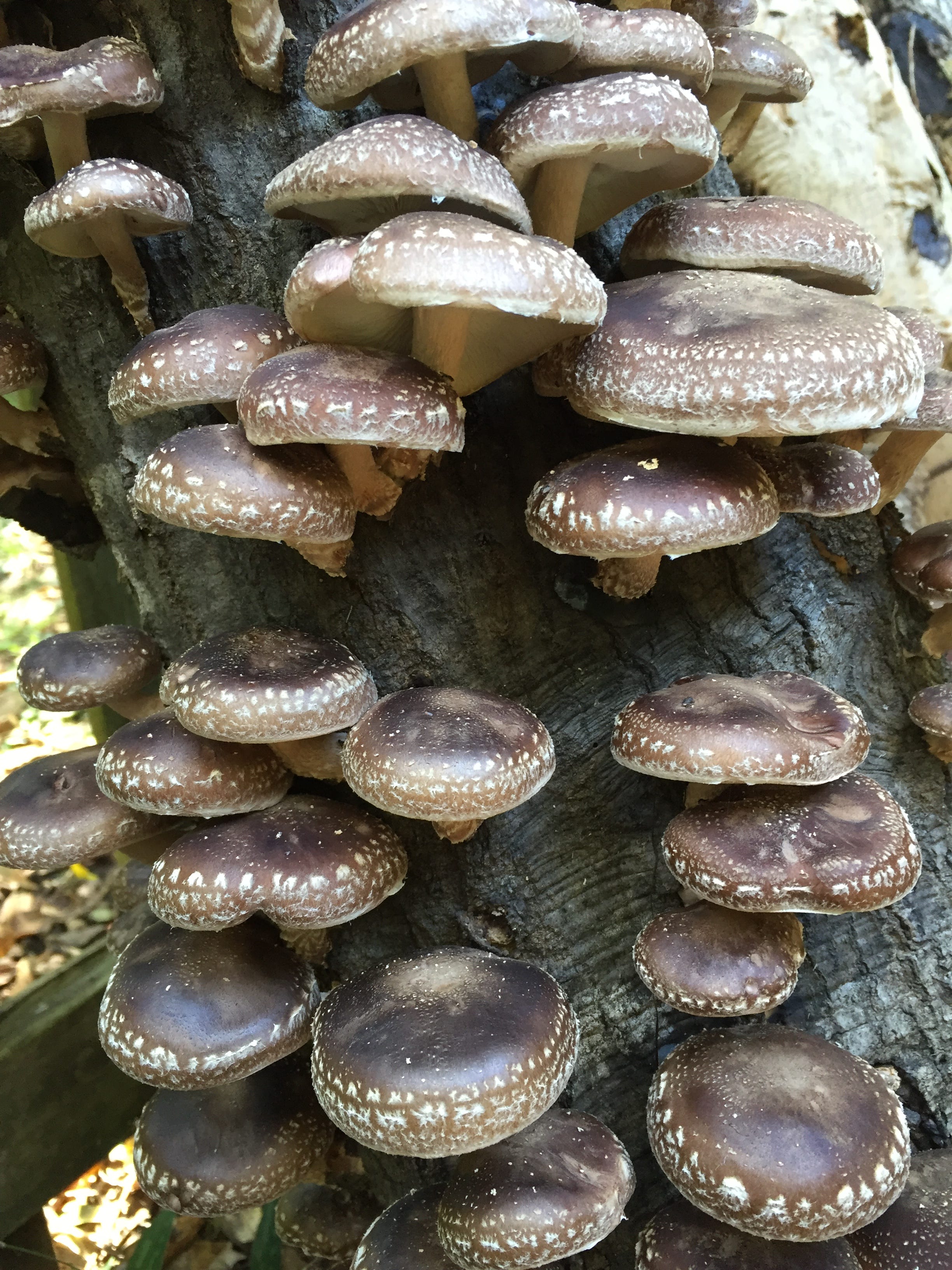
Shiitake (Lentinula edodes)
Uses:
Supports cardiovascular health
Boosts immunity
Anti-inflammatory
Supports healthy circulation
Shiitake boost immune health by providing beta-glucans and polysaccharides, like lentinan, which increase immune cells (NK cells, T cells, macrophages) and enhance their ability to fight viruses, bacteria, and other pathogens. They possess antiviral and anti-inflammatory properties, support gut health for better immunity as well as being rich in essential minerals like copper and selenium, making them a potent immune-supportive mushrooms.
If you’re concerned with liver health, cholesterol, or aging, shiitake mushroom tea is an excellent supplement. These mushrooms contain vitamin D and B vitamins and compounds that help lower cholesterol. Research has shown that shiitake can help prevent the age-related decline of the immune system.
Lion’s Mane (Hericium erinaceus)

Like the Reishi mushroom, the Lion’s Mane mushroom has been used in Traditional Chinese Medicine for millennia. It has been widely believed to nurture numerous organs including the liver and heart. Today, it is believed to have even more benefits than previously thought (including increasing the production of adult brain cells).
Lion's Mane (Hericium erinaceus) is a unique mushroom with potential nootropic properties. Recent scientific studies have shown promising results regarding its cognitive benefits. Lion's Mane contains compounds called hericenones and erinacines, which have been found to stimulate the production of nerve growth factor (NGF), a protein essential for the growth and maintenance of neurons. A second animal study confirmed these effects.
Uses:
Supports brain health + cognition + memory
Shown to improve anxiety and mild depression
Boosts immune function
Used in Traditional Chinese Medicine (TCM) for Qi Deficiency (lack of energy)
Lion’s Mane for Cognitive Health and Anxiety
Research has shown the brain health benefits of lion’s mane extract used as a supplement. It can help treat depression and anxiety and improve memory and mental clarity. More research into the health properties of this mushroom showed that (as noted above) this fantastic mushroom stimulates Nerve Growth Factor (NGF) production - meaning that Lion’s mane effectively improves mild cognitive impairment and may even help prevent Alzheimer’s and other degenerative brain diseases.
Tea tip: Try mixing in chili peppers and ginger with this one. Chili is packed with antioxidants, and the ginger boosts serotonin and dopamine levels - just what you need if you are struggling with anxiety or depression.
Turkey Tail mushroom for Digestive Health and Cellular Regeneration
(Trametes versicolor)
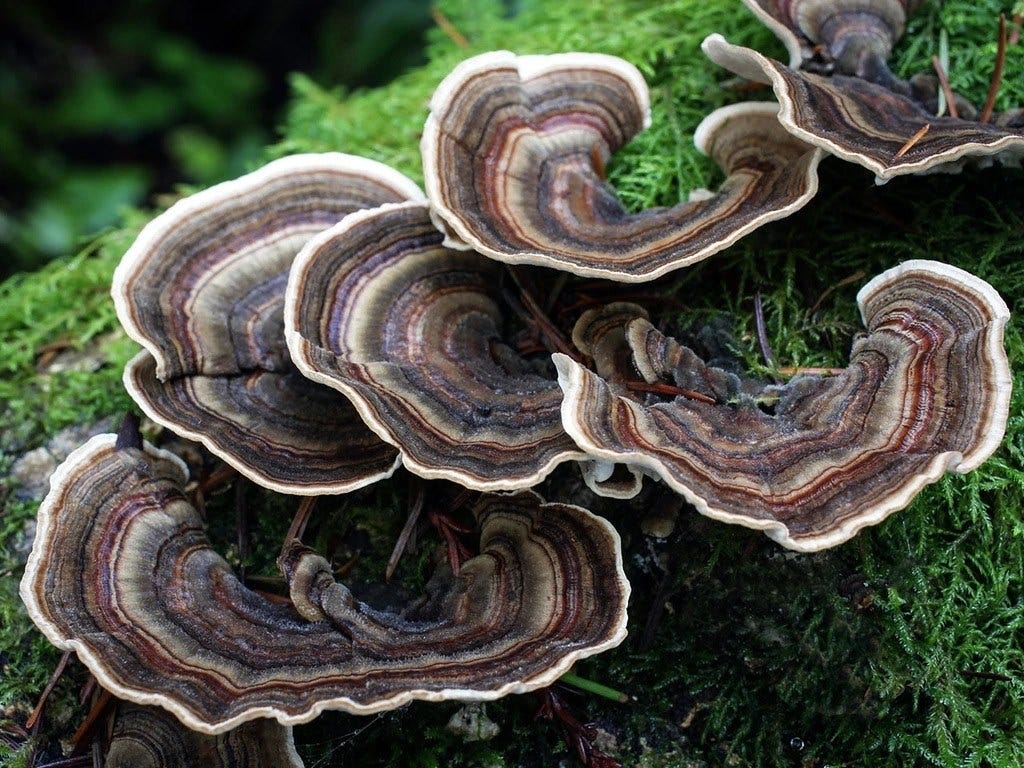
Uses:
Immune support
Used in TCM to support vitality, digestion, and fluid retention
Supports the growth of beneficial bacteria in the gut
Potential anti-cancer properties
Turkey tail mushrooms help boost cellular regeneration and are excellent for promoting digestive health by nourishing good bacteria in the microbiome. This wonderful mushroom is also known for its positive effects when combined with chemotherapy drugs. Like the reishi mushroom, turkey tail mushrooms improves immune health and helps prevent colds and flu.
The antioxidants in these potent adaptogens can help reduce oxidative stress, which may help prevent heart disease and certain cancers.
Tea tip: Since turkey tail is an immune-boosting powerhouse, including it in your diet is excellent to help prevent seasonal colds and flu. To further boost your body’s cold and flu-fighting abilities, try adding ginger, turmeric, berries, echinacea and pine needles. They will give you a vitamin C boost and a host of other benefits.
Cordyceps Mushroom Tea
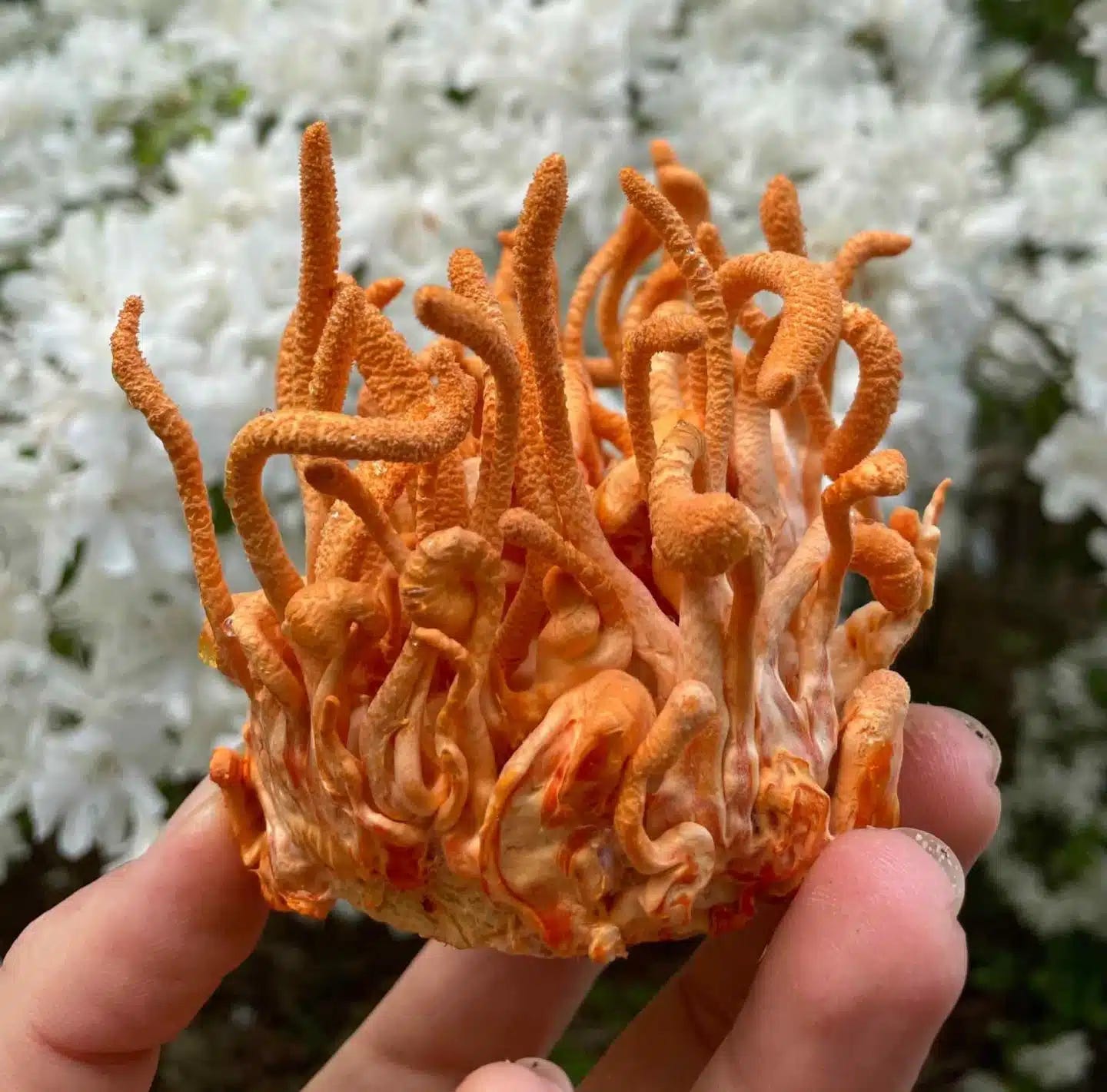
Cordyceps is a parasitic fungus and potent antioxidant whose most well-known species, Cordyceps sinensis, is generally found in Asia’s high altitude regions like the Himalayan Mountains.
As a prescribed medicine in ancient Chinese and Tibetan medical books, cordyceps is a rare fungus that is known traditionally being used to treat 21 different ailments.
Returning to recent history, a 2014 animal study found that cordyceps extracts drastically reduced blood glucose and cholesterol levels.
In some human clinical trials, cordyceps sinensis helped target cardiovascular and immunological disorders as well.
Cordyceps mushrooms may pair with any preferred coffee or tea.
Magic Mushroom Tea
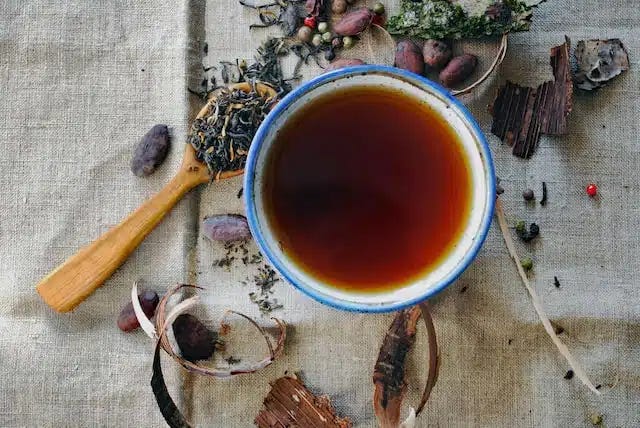
Psychoactive mushroom tea is an easy-to-digest concoction that allows herbs to synergize with psilocybin extracts in a deliciously mind-opening brew.
For psychedelic mushroom tea enthusiasts, the process of breaking up psilocybin mushrooms and steeping them in their favorite herbal tea blend is a ceremonial undertaking that helps prepare them to embrace the journey consciously.
Benefits of Drinking Psychedelic Mushroom Tea
Consuming magic mushroom tea is a different experience than regular mushroom tea.
Magic mushroom tea contains mushrooms with psilocybin. Psilocybin is the active ingredient in magic mushrooms which causes psychedelic reactions and experiences. It is also becoming increasingly recognized for its therapeutic effects, which could be more effective than traditional antidepressants.
When it comes to magic mushroom tea, the benefits are a bit more ethereal. For some people, the psychedelic experience may zap them into the present moment, allowing them to perceive memories and relationships in entirely different ways. Others may have a more hallucinogenic experience that helps clear their mind after the journey subsides.
Ultimately, a magic mushroom’s physiological strength derives from its ability to change one’s mind and feeling state by creating new neural connections.
Magic mushroom tea is increasingly popular because it tastes better, acts faster, subsides quicker, reduces nausea, and adds therapeutic ingredients to the mix.
People brew psilocybin mushrooms in their favorite herbal or caffeinated blends like hibiscus, licorice, chai, and green tea. To top it off, some even add flavor-enhancers like honey, milk, or lemon.
Those who brew shroom tea gain various added benefits as a byproduct because grinding up mushrooms and steeping them in hot water create extracts that yield up to 400 active ingredients.
Simultaneously, grinding up mushrooms creates a fine powder that allows the infusion to act faster and feel even more potent. Why? Fine powder increases the mushroom’s surface area, enabling the gastrointestinal system to absorb more of the substance more quickly.
When steeped in hot water with therapeutic herbs like calming lavender or energizing green tea, magic mushrooms may deliver additional synergistic effects.
Psilocybin Mushroom Tea for Mental Health
One of the most compelling reasons to consume psychedelic mushrooms is for psychological and emotional healing.
Mushrooms help the brain exercise increased neuroplasticity (the ability to form and reorganize synaptic connections), which has far-reaching implications for depression, PTSD, end-of-life anxiety, and addiction – even when a mental illness has been with someone most of their life.
Psilocybin research and clinical trials are underway for:
End-of-life anxiety
Learn more about psychedelic mushrooms for mental health in this video.
1. Prepare Your Mushrooms
The first step in making mushroom tea is to prepare your mushrooms. If you are using fresh mushrooms, consider learning how to dehydrate them before consuming.
For mushroom tea, grinding your dried mushrooms into a powder is the best way to ensure that your tea is as potent as possible. If you are a coffee drinker, using a coffee bean grinder can be effective when grinding up your mushrooms. If you don’t have the equipment to grind your mushrooms, you can also chop them up into small pieces with a sharp knife or scissors.
2. Determine the Dosage
First, determine what you are hoping to get out of your mushroom tea experience. From there, you can decide which dosage best fits your needs.
Determining your dosage is particularly important when consuming psychedelic mushrooms since it will impact the entire experience. For example, the threshold dose for feeling any effect from mushrooms is in the 0.2-0.5g range. A moderate dose falls in the range of 1-2.5g. Finally, a higher dose of mushroom tea is about 3-4g.
If you are using medicinal mushrooms that do not have a psychedelic effect, your dosage is more about flavor and any derived health benefits. A typical serving is 2-3 grams of your favorite non-psychedelic mushroom.
3. Choose Your Supplemental Tea & Flavors
It can be nice to add other flavors to your mushroom tea as the mushrooms on their own may not provide much flavor or can taste a bit earthy. Herbal blends make for a great addition to mushroom tea such as hibiscus, licorice, chai, and green tea. You can also use flavor enhancers you may already have, such as lemon juice, ginger, honey, cinnamon, and other herbs.
4. Boil Your Water
Boil the amount of water you wish to drink, and then add your mushrooms, tea, and flavors to the water. You should always allow the tea to cool slightly before drinking.
5. Steep the Mushrooms
Allow your mushrooms (psychedelic or regular) to steep for about 15 minutes. You can increase to 30 minutes as well for strengthened effects. This ensures the mushrooms and flavors are in the tea so that it is ready for your consumption. The longer you steep the tea and flavors, the stronger they will taste.
If you are using a powder, it should dissolve rather quickly in the hot water, and steeping is not necessary.
6. Strain the Tea
Using a sieve or coffee filter, strain the tea into a container of your choice, such as a mug. You can, of course, consume the mushrooms and/or flavors you add to your tea, but removing them can make it easier to sip without chewing.
7. Add More Flavors
Once you have steeped and strained your tea, taste it and see if it needs more flavor added. You can always add more honey, sugar, cinnamon, or other preferred flavors to enjoy your tea as much as you can.
8. Enjoy!
An idea for a recipe for immunity
Make this medicinal mushroom tea part of your daily morning routine and give your body an advantage in the cold and flu season.
Makes: 1 quart
Prep Time: 5 minutes
Cooking Time: 20 minutes
Ingredients:
2 chunks dried reishi or 6 capsules
2 tablespoons ground chaga
1 tablespoons dried astragalus
1 tablespoon dried elderberry
2 teaspoons dried licorice root
2 quarts of water
2 tablespoons coconut oil
1 teaspoon vanilla extract
pinch of sea salt
Directions:
Pour 8 cups of water into a pot then add the elderberry, ground chaga mushrooms, astragalus, and licorice. Turn on high and bring to a boil. Lower the heat and simmer for 30 minutes.
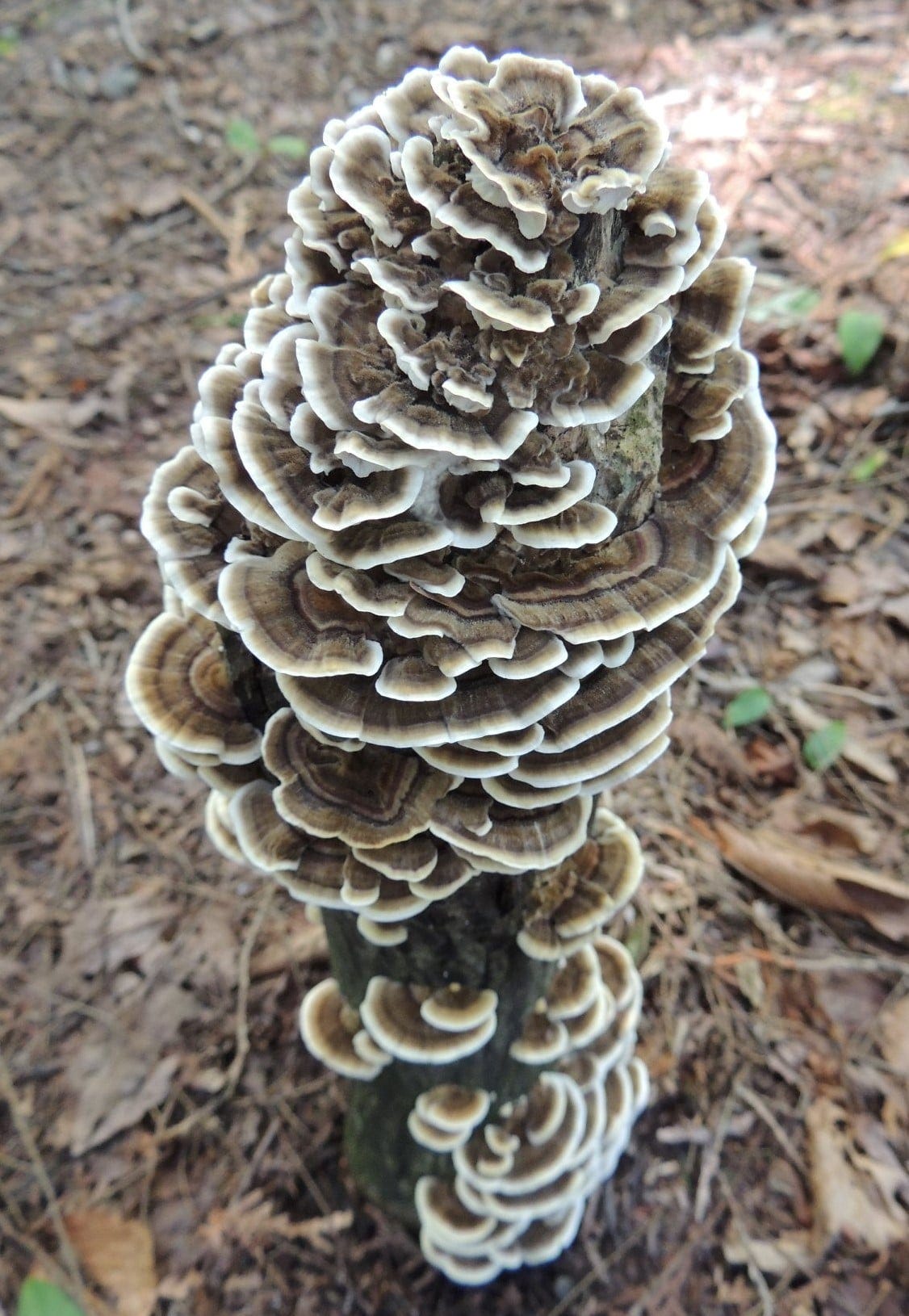
"In Preparation of the Medicine
If fungi are the connectors and healers of whole habitats, where can one draw the line considering what their medicine is or how to work with it? Is not the stillness that comes from walking in the woods a form of healing onto itself? .. The collection, processing and sharing of these products are not divided from the end result.
The healing that fungi weave through our lives connect us to place, to people, to culture and kin. These are the subtler medicines that working with fungi provides to enrich the mind, heart and spirit in ways a commercial product never could.
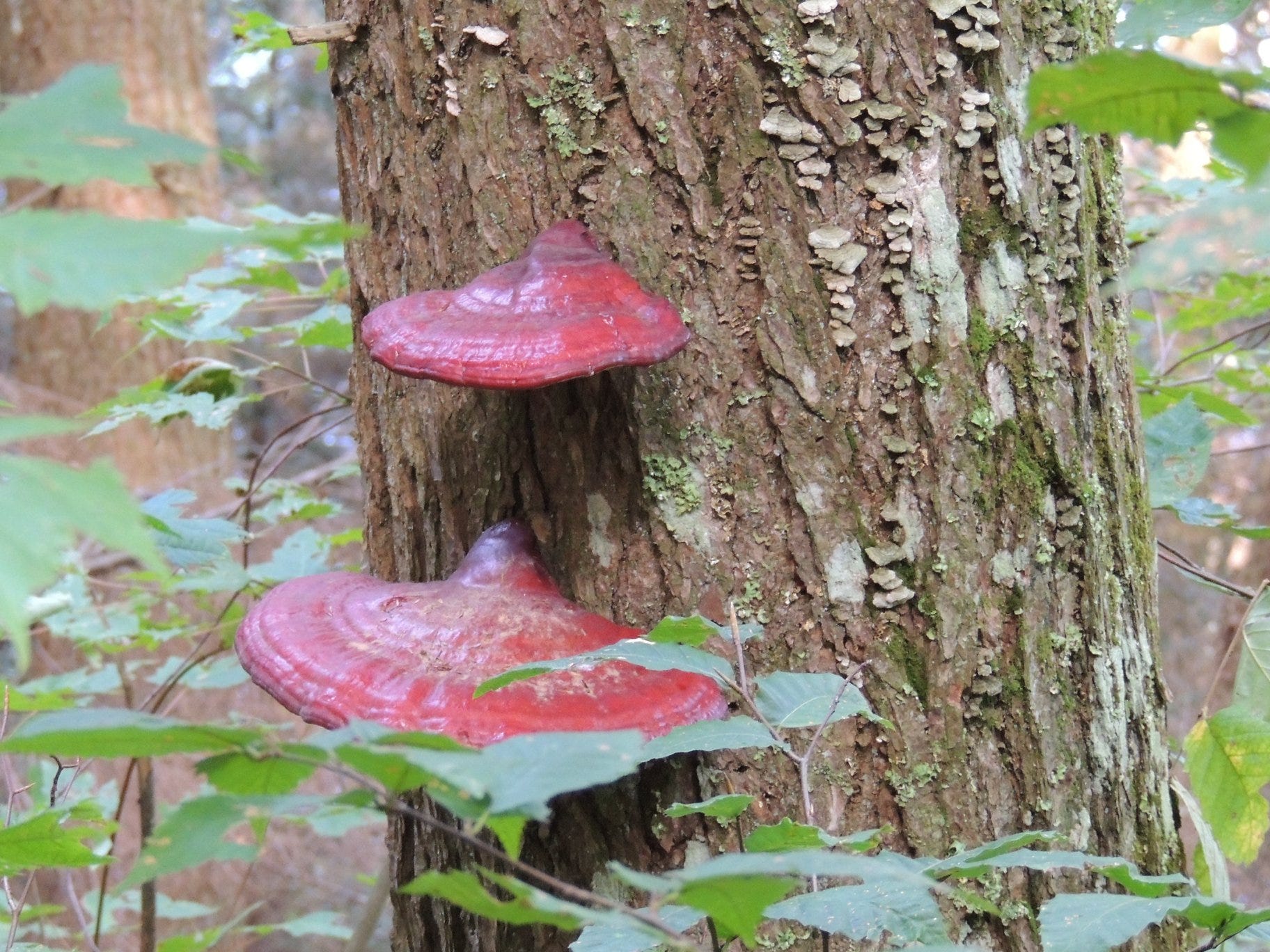
The production of natural medicines is not only a method for redefining one’s relationship with fungi or place, it is also an ancient means for commanding control over one’s body, mind, and sovereignty. By making medicine, each person is offered the chance to claim a degree of liberation from the monoliths of allopathy by personally defining what one’s health can and will look like.
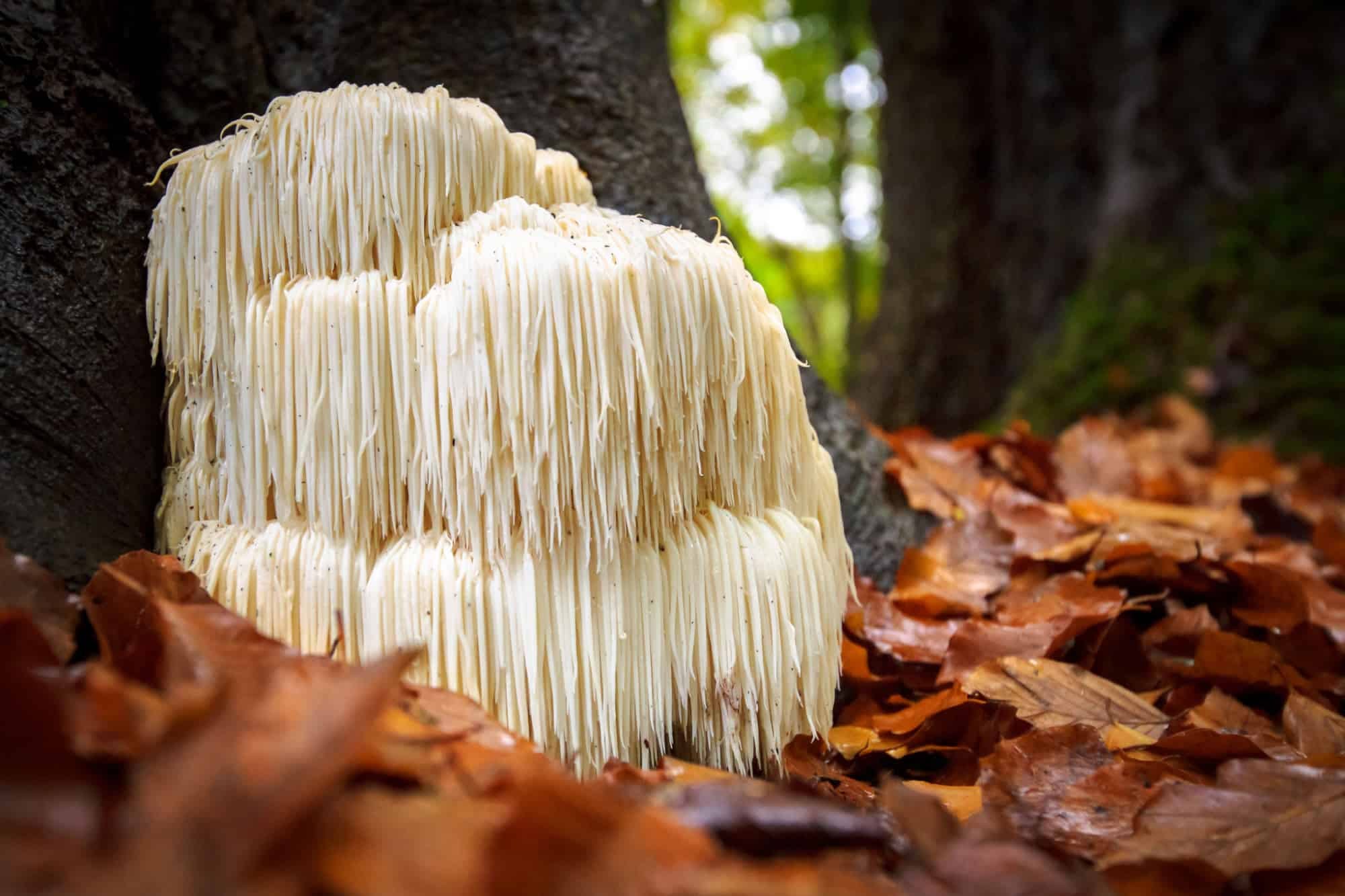
Whereas allopathy may define illness as a collection of symptoms, other healing modalities perceive the human as a blend of unique qualities and interconnected (eco-)systems, each with a number of balance points that can tip unfavorably, causing illness to arise. Fungal medicines help re-align and strengthen the human condition, reminding us that our bodies are not mechanical and merely designed for small pills and standardized prescriptions, but unique beings that are healed most profoundly by the living medicines of nature."
- Peter McCoy (An excerpt from chapter 7 "The Pharmycopeia" of his visionary book: "Radical Mycology: A Treatise on Seeing and Working with Fungi")
Some closing thoughts on foraging for these herbs and mushrooms
Most of us in the modern western world are surrounded in food and do not even know it! Whether we are walking in the forest, an empty lot or in our backyard, many of the plants and trees we see as ornamental, incidental or “weeds” have a long history of being used as food and medicine by those who lived where we now live, many generations before us.
I would also like to invoke a recognition of the importance of honoring those gifts (and not harvesting with an anthropocentric mentality) by sharing a quote that speaks to a concept called “The Honorable Harvest”

“The Honorable Harvest, a practice both ancient and urgent, applies to every exchange between people and the Earth. Its protocol is not written down, but if it were, it would look something like this:
Ask permission of the ones whose lives you seek. Abide by the answer.
Never take the first. Never take the last.
Harvest in a way that minimizes harm.
Take only what you need and leave some for others.
Use everything that you take.
Take only that which is given to you.
Share it, as the Earth has shared with you.
Be grateful.
Reciprocate the gift.
Sustain the ones who sustain you, and the Earth will last forever.”
-Dr. Robin Wall Kimmerer
For another perspective on engaging with medicine plants with an awareness of and respect for them as sentient beings, I offer the following excerpt from an excellent book called The Boreal Herbal.
“Sacred-Spirit Plant Healing is a spiritual practice that i call on to connect deeply to plants. This practice helps me to work reverently with the sacred, life-force energy of plants.
Sacred-spirit plant healing involves meeting the plant spirit or energy to influence healing of the human mind, body, spirit, and heart. This energy can be engaged on many levels.
The essence of sacred-spirit plant healing is:
- Plants are energetic beings with a perceptive intelligence and awareness
- All systems of life on Earth and in the cosmos are interrelated
- The human species can heal through connection and identification with nature and the plants that nourish, house, clothe us, and keep our air and water clean
Connecting to the Sacred Spirit of the Plant for Healing Learning about plants’ energetic natures comes from direct experience. I believe that we can connect with plants in the same way we connect with other people, or animals. I also believe that we may have a certain affinity for a plant or a tree that is potentially meant as our “power plant”; sometimes we may have more than one.
Power plants are trees or other plants that come to us on our inner journey for the purpose of helping us in our pursuit of health and awareness. In some cases, the plants have a message to share with us, such as a recipe for a remedy that needs to be prepared and used in daily life. In other cases, there’s a call to visit and develop a relationship with a particular tree or plant. We may sense the energy of the tree or plant and may want to work with it to help us bring healing into our lives.
When we create a connection with a plant through listening, observing, and interacting with it, we start to comprehend the vastness of the ancient intelligence and knowledge that plants and trees hold, and the gifts that are shared with us.
Plants can sense our intentions and actions, so staying in continual communication and resonance with them allows for a clean exchange, whether we are connecting to the plant energetically, or intending to harvest all or part of it for medicine.
Acknowledging and thanking a plant’s spirit is crucial. If we treat them kindly with reverence, compassion, and respect, the plants will remain vibrant and full of life-force energy. If we are not grateful, we not only compromise the energy of a plant, but the food or medicine it’s offering.
I believe there are two things that are important when connecting spiritually with a plant and its community. The first is to have an energetic exchange with a focus on your intentions; the second is to gift the plant and its community.
Many indigenous cultures make an offering of tobacco, cornmeal, matches, and prayer to the plants they intend to gather.
Gwich indigenous Elder Ruth Welsh says, “My mom taught me when you wake up the day you are going gathering to say your prayer, ask for guidance to keep you calm, and say prayers for the people who are wanting these medicines. You don’t always have to leave tobacco (this came from the south), you can leave tea, but the prayer is the most important.” In my practice, I have chosen to leave a piece of my hair, a song, a stone, or sometimes just a smile and a blessing. We each have our own unique and special way of being grateful and saying thank you.
Consciously bringing ourselves into a meditative and peaceful presence allows us to be energetically porous to the plant’s spirit. By residing in our spiritual place we are more attuned energetically, and therefore open to the information that may be imparted by the plant.
How to Meet Power Plants
Plants are living, breathing organisms as well as great healing allies. Each plant has an essence or spirit-like quality. There are many methods of meeting your power plants and connecting with them spiritually. Sometimes it can happen spontaneously while walking in the forest or meandering in your garden. You may feel an energetic pull, or the subtle fragrance of a plant may draw your attention, or you may feel like you are not alone, or have the feeling you are being observed.
Have you ever intuitively been pulled toward a certain flower or plant? This is the plant energy beckoning you. The most traditional way of attuning to a plant is to be present
with it. Be observant, look at it, touch it, smell it. Exploring a plant with an intuitive sense is a vital part of the process. Meditating, Meditating, communing, and dreaming in a plant’s presence can bring some interesting insights.
How to Tune Into Plants
The first step in an attunement or tuning in is to choose the plant you want to connea with. Find a quiet spot and sit with your plant. Make your own special offering to the plant.
The energy or spirit of the plant is alive and will aid you on your journey or medita-tion. Each plant has many different ways to help facilitate the healing process. What you will learn in experiencing tuning into the plant’s energy is that listening to your intuition is the key ingredient.
I’s amazing what plants can teach us if we learn to “listen” to what they are “saying.” To do this, sit quietly for about ten to twenty minutes and just study your plant. Look at all of its subtleties, and open your mind and heart to what it’s telling you. Look at its structure, touch the leaves, Howers, and stem. Feel the texture and smell the aroma of the plant. Observe your feelings and emotions. What are the thoughts that come into your mind? Write them down, no matter how insignificant they may seem.
After you have finished writing, spend some more time with your plant. You can close your eyes at this point and meditate with the plant. A plant attunement can take thity minutes or longer. Be sure not to rush through the process. Every person’s experiences are different when working with plant energies. There are no wrong or right ways.
After you are done, think about the connections you made. What did you hear?
What thoughts came into your mind? What emotions, physical feelings, associations, and thoughts came while in the plant’s presence? Did some event occur in your vicinity during this process? Did you see a bird fly by? Did you hear the buzzing of a bee? What did this mean to you? Did this connect to any spiritual or cultural tradition you know of?
Other Ways to Spiritually Connect with Plant Energy:
Sacred Tree Aura
During dusk or dawn select a tree that is offset with the backdrop of the sky.
Relaxing your eyes, focus on the trunk or centre of the tree. Let yourself relax, shift your focus to the sky. While keeping your focus on the sky, start to subtly make note of the outline of the tree. Allow your vision to go slightly out of focus if it needs to. Notice the edge of the tree and the outline of the branches.
You may see a white glow around the perimeter of the tree that looks like a sun dog around the sun on a cold winter’s day. You may also observe energy streaks radiating outward from the branches. Observe this energy and breathe it into your core.
Spirits of the Woods Meditation
As you enter a forest it can feel like going through a sacred portal or doorway to an energetically vibrant and mysterious world. After spending time in the forest, a person can feel a sense of harmony within or an energetic cleansing.
This spirit of the woods meditation is a wonderful way to connect with nature. I always feel like I am among community when I am meditating in the forest, as it the trees and I are recognizing each other as kindred spirits.
Find a spot in nature where you feel comfortable, sit down with a straight spine, and start to feel the energies of your surroundings. Try and perceive the surroundings with all of your senses-sight, smell, taste, hearing, touch, energy, and intuition.
Slowly inhale the fresh oxygen into your body and slowly exhale, releasing the air from your lungs. As you bring new air into your lungs, start to notice any subtle shifts in your energy. As you exhale, notice any subtle shifts in the energies of the plants that surround you. Notice the exchange of energies.
Once you settle in, gently close your eyes, continuing to breathe in harmony with nature. Now start to shift your focus from being the observer to being the observed. Simply notice how this feels. Check in with your senses. Does it feel like you are being observed? If so, by whom? Start to tap into this energy.
What was your experience?
Give a Tree a Hug
I am a tree hugger! Hugging trees helps me slow down, become grounded, and is quieting to my essence. When I’m hugging a
tree, I like to imagine that I’m hugging the tree heart to heart. I imagine that our roots are one and that our crowns are both extending toward the cosmos.
Trees are the ancient guardians of this Earth, the elders of the land; they have so much to offer us. While hugging a tree, remember to not just receive, but also to be gracious and reciprocate, offering your gratitude for its teachings and majestic beauty.”
-Beverly Gray (from her book The Boreal Herbal : Wild Food and Medicine Plants of the North
That is all I have for you today my friends! I want to let you know that as I researched for this article I quickly discovered how it could easily become its own full length book and so I had to stop and contain the post at some point. That said, I realize that I could provide better formatting, hyperlinks and formulation suggestions on the items suggested within the existing length of post, so i`ll come back and update/hone this post as time allows.
I hope this information gives you the confidence to know that you can access everything you need to be your best self and boycott Big Pharma while being creative if you take the time to learn about nature’s Medicine Cabinet (that is accessible to us all).
For more on the other subjects I will be covering in my next book read:
References and sources:
I was referencing the books shown in the two images below while I wrote this (as well as a long list of studies and articles listed below)
https://pubmed.ncbi.nlm.nih.gov/28585285/
https://www.mdpi.com/1422-0067/26/13/6257
https://www.biology-journal.org/fulltext/v2si1/ijapb2s-2-2.pdf
https://scijournals.onlinelibrary.wiley.com/doi/abs/10.1002/jsfa.8472
https://pmc.ncbi.nlm.nih.gov/articles/PMC6174262/
https://pmc.ncbi.nlm.nih.gov/articles/PMC8230450/
https://thenaturopathicherbalist.com/
https://restorativemedicine.org/journal/synergy-in-herbal-medicines-part-1/
https://www.outdoorapothecary.com/herbs-for-a-tea-garden/
https://mcrtherapies.co.uk/combining-herbs-for-synergistic-effects-uk-guide/
https://maydetea.com/blogs/journal/why-blends-are-more-therapeutic-than-single-herb-teas
https://www.herbco.com/s-3221-synergistic-herbs-better-together.aspx
https://www.organicindiausa.com/blog/herbal-pairings/
https://fullleafteacompany.com/en-ca/blogs/news/top-6-herbs-to-boost-testosterone
https://nutratea.co/blogs/herbal-synergies-that-enhance-healing/
https://simplelooseleaf.com/blogs/news/herbal-tea-list-benefits
https://www.researchgate.net/publication/317387042_The_synergistic_potential_of_various_teas_herbs_and_therapeutic_drugs_in_health_improvement_A_review
https://lnlaboratories.com/herbal-teas-combinations/#:~:text=The%20Power%20of%20Combinations%20of,that%20delivers%20its%20digestive%20advantages.
https://southlakeobgyn.net/2025/07/21/best-herbs-for-uterine-health/
https://www.plateandcanvas.com/the-best-teas-to-support-fertility-naturally
https://theteahouseonlosrios.com/blogs/news/the-power-of-tea-100-health-and-wellness-benefits
https://www.drlanawellness.com/new-blog/naturopath-guide-to-medicinal-mushrooms
https://www.traywellness.com/blog/detoxing-from-the-spike-protein
https://sightsage.com/en-ca/blogs/nutrition-3/5-herbal-tea-recipes-for-your-eyesight
https://www.artoftea.com/blogs/tea-profiles/your-guide-to-botanicals-and-herbal-tea-ingredients
https://www.centreofexcellence.com/a-z-of-medicinal-herbs/
https://simplelooseleaf.com/blogs/news/herbal-tea-list-benefits
https://www.growforagecookferment.com/conifer-needle-tea/
Chan EWC, Lim YY, Chong KL, Tan JBL, Wong SK. Antioxidant properties of tropical and temperate herbal teas. J Food Compos Anal. 2010. 23:185-189.
Łysakowska, P., Sobota, A., & Wirkijowska, A. (2023). Medicinal Mushrooms: Their Bioactive Components, Nutritional Value and Application in Functional Food Production-A Review. Molecules (Basel, Switzerland), 28(14), 5393. https://doi.org/10.3390/molecules28145393
Venturella, G., Ferraro, V., Cirlincione, F., & Gargano, M. L. (2021). Medicinal Mushrooms: Bioactive Compounds, Use, and Clinical Trials. International journal of molecular sciences, 22(2), 634. https://doi.org/10.3390/ijms22020634
Ahmad, R., Riaz, M., Khan, A., Aljamea, A., Algheryafi, M., Sewaket, D., & Alqathama, A. (2021). Ganoderma lucidum (Reishi) an edible mushroom; a comprehensive and critical review of its nutritional, cosmeceutical, mycochemical, pharmacological, clinical, and toxicological properties. Phytotherapy research : PTR, 35(11), 6030–6062. https://doi.org/10.1002/ptr.7215
Docherty, S., Doughty, F. L., & Smith, E. F. (2023). The Acute and Chronic Effects of Lion’s Mane Mushroom Supplementation on Cognitive Function, Stress and Mood in Young Adults: A Double-Blind, Parallel Groups, Pilot Study. Nutrients, 15(22), 4842. https://doi.org/10.3390/nu15224842
Park, Y. K., Lee, H. B., Jeon, E. J., Jung, H. S., & Kang, M. H. (2004). Chaga mushroom extract inhibits oxidative DNA damage in human lymphocytes as assessed by comet assay. BioFactors (Oxford, England), 21(1-4), 109–112. https://doi.org/10.1002/biof.552210120
Benson, K. F., Stamets, P., Davis, R., Nally, R., Taylor, A., Slater, S., & Jensen, G. S. (2019). The mycelium of the Trametes versicolor (Turkey tail) mushroom and its fermented substrate each show potent and complementary immune activating properties in vitro. BMC complementary and alternative medicine, 19(1), 342. https://doi.org/10.1186/s12906-019-2681-7
Hirsch, K. R., Smith-Ryan, A. E., Roelofs, E. J., Trexler, E. T., & Mock, M. G. (2017). Cordyceps militaris Improves Tolerance to High-Intensity Exercise After Acute and Chronic Supplementation. Journal of dietary supplements, 14(1), 42–53. https://doi.org/10.1080/19390211.2016.1203386
Cozma A, Velciov A, Mihuț C, Duma-Copcea A, Rotariu L, Okros A, et al. Evaluation of some essential mineral elements from different infusions of medicinal plants. Res J Agric Sci. 2021. 53:83-90.
Dhakad AK, Ikram M, Sharma S, Khan S, Pandey VV, Singh A. Biological, nutritional, and therapeutic significance of Moringa oleifera Lam. Phytother Res. 2019. 33:2870-2903.
Ferraz CR, Carvalho TT, Manchope MF, Artero NA, Rasquel-Oliveira FS, Fattori V, et al. Therapeutic potential of flavonoids in pain and inflammation: mechanisms of action, pre-clinical and clinical data, and pharmaceutical development. Molecules. 2020. 25:762. https://doi.org/10.3390/molecules25030762
Kopjar, M.; Tadić, M.; Piližota, V. Phenol Content and Antioxidant Activity of Green, Yellow and Black Tea Leaves. Chem. Biol. Technol. Agric. 2015, 2, 1. [Google Scholar] [CrossRef]
Zeljković, S.Ć.; Šišková, J.; Komzáková, K.; De Diego, N.; Kaffková, K.; Tarkowski, P. Phenolic Compounds and Biological Activity of Selected Mentha Species. Plants 2021, 10, 550. [Google Scholar] [CrossRef]
Forester, S.C.; Lambert, J.D. The Role of Antioxidant versus Pro-Oxidant Effects of Green Tea Polyphenols in Cancer Prevention. Mol. Nutr. Food Res. 2011, 55, 844–854. [Google Scholar] [CrossRef] [PubMed]
Lee, L.S.; Kim, S.H.; Kim, Y.B.; Kim, Y.C. Quantitative Analysis of Major Constituents in Green Tea with Different Plucking Periods and Their Antioxidant Activity. Molecules 2014, 19, 9173–9186. [Google Scholar] [CrossRef] [PubMed]
Ranjbar, M.; Kiani, M.; Nikpey, A. Antioxidant and Scolicidal Activities of Four Iranian Mentha Species (Lamiaceae) in Relation to Phenolic Elements. J. HerbMed Pharmacol. 2020, 9, 200–208. [Google Scholar] [CrossRef]
Bittner Fialová, S.; Kurin, E.; Trajčíková, E.; Jánošová, L.; Šušaníková, I.; Tekeľová, D.; Nagy, M.; Mučaji, P. Mentha Rhizomes as an Alternative Source of Natural Antioxidants. Molecules 2020, 25, 200. [Google Scholar] [CrossRef]
Chen, Q.; Guo, Z.; Zhao, J. Identification of Green Tea’s (Camellia sinensis (L.)) Quality Level According to Measurement of Main Catechins and Caffeine Contents by HPLC and Support Vector Classification Pattern Recognition. J. Pharm. Biomed. Anal. 2008, 48, 1321–1325. [Google Scholar] [CrossRef]
Jakabová, S.; Árvay, J.; Šnirc, M.; Lakatošová, J.; Ondejčíková, A.; Golian, J. HPLC-DAD Method for Simultaneous Determination of Gallic Acid, Catechins, and Methylxanthines and Its Application in Quantitative Analysis and Origin Identification of Green Tea. Heliyon 2024, 10, e35819. [Google Scholar] [CrossRef]
Nain, C.W.; Mignolet, E.; Herent, M.F.; Quetin-Leclercq, J.; Debier, C.; Page, M.M.; Larondelle, Y. The Catechins Profile of Green Tea Extracts Affects the Antioxidant Activity and Degradation of Catechins in DHA-Rich Oil. Antioxidants 2022, 11, 1844. [Google Scholar] [CrossRef]
Lorenzo, J.M.; Munekata, P.E.S. Phenolic Compounds of Green Tea: Health Benefits and Technological Application in Food. Asian Pac. J. Trop. Biomed. 2016, 6, 709–719. [Google Scholar] [CrossRef]
Bittner Fialová, S.; Harris, C.; Ordsmith, V.; Nagy, M.; Jonáš, F.; Mučaji, P. Polar Phenolic Compounds in Peppermint Rhizomes and Leaves. Eur. Pharm. J. 2019, 66, 28–31. [Google Scholar] [CrossRef]
Hudz, N.; Kobylinska, L.; Pokajewicz, K.; Horčinová Sedláčková, V.; Fedin, R.; Voloshyn, M.; Myskiv, I.; Brindza, J.; Wieczorek, P.P.; Lipok, J. Mentha Piperita: Essential Oil and Extracts, Their Biological Activities, and Perspectives on the Development of New Medicinal and Cosmetic Products. Molecules 2023, 28, 7444. [Google Scholar] [CrossRef] [PubMed]
EMA/HMPC/283630/2012; Community Herbal Monograph on Camellia sinensis (L.) Kuntze, Non Fermentatum Folium. European Medicines Agency: Amsterdam, The Netherlands, 2012. Available online: https://www.ema.europa.eu/en/medicines/herbal/camelliae-sinensis-non-fermentatum-folium (accessed on 1 May 2025).
Khan, N.; Mukhtar, H. Tea Polyphenols in Promotion of Human Health. Nutrients 2019, 11, 39. [Google Scholar] [CrossRef]
EMA/HMPC/572705/2014; European Union Herbal Monograph on Mentha x piperita L., folium. European Medicines Agency: Amsterdam, The Netherlands, 2014. Available online: https://www.ema.europa.eu/en/medicines/herbal/menthae-piperitae-folium (accessed on 1 May 2025).
Romeo-Arroyo, E.; Mora, M.; Noguera-Artiaga, L.; Vázquez-Araújo, L. Tea Pairings: Impact of Aromatic Congruence on Acceptance and Sweetness Perception. Curr. Res. Food Sci. 2023, 6, 100432. [Google Scholar] [CrossRef] [PubMed]
Mair, V.H.; Hoh, E. The True History of Tea, 1st ed.; Thames & Hudson, Limited: London, UK, 2009. [Google Scholar]
El Hassani, F.Z. Characterization, Activities, and Ethnobotanical Uses of Mentha Species in Morocco. Heliyon 2020, 6, e05480. [Google Scholar] [CrossRef]
Malongane, F.; McGaw, L.J.; Mudau, F.N. The Synergistic Potential of Various Teas, Herbs and Therapeutic Drugs in Health Improvement: A Review. J. Sci. Food Agric. 2017, 97, 4679–4689. [Google Scholar] [CrossRef] [PubMed]
Petersen, M.; Simmonds, M.S.J. Molecules of Interest Rosmarinic Acid. Phytochemistry 2003, 62, 121–125. [Google Scholar] [CrossRef] [PubMed]
Ma, L.; Tang, L.; Yi, Q. Salvianolic Acids: Potential Source of Natural Drugs for the Treatment of Fibrosis Disease and Cancer. Front. Pharmacol. 2019, 10, 97. [Google Scholar] [CrossRef]
Capasso, L.; De Masi, L.; Sirignano, C.; Maresca, V.; Basile, A.; Nebbioso, A.; Rigano, D.; Bontempo, P. Epigallocatechin Gallate (EGCG): Pharmacological Properties, Biological Activities and Therapeutic Potential. Molecules 2025, 30, 654. [Google Scholar] [CrossRef]
Deng, S.; Zhang, G.; Olayemi Aluko, O.; Mo, Z.; Mao, J.; Zhang, H.; Liu, X.; Ma, M.; Wang, Q.; Liu, H. Bitter and Astringent Substances in Green Tea: Composition, Human Perception Mechanisms, Evaluation Methods and Factors Influencing Their Formation. Food Res. Int. 2022, 157, 111262. [Google Scholar] [CrossRef]
Dimpfel, W.; Kler, A.; Kriesl, E.; Lehnfeld, R. Theogallin and L-Theanine as Active Ingredients in Decaffeinated Green Tea Extract: I. Electrophysiological Characterization in the Rat Hippocampus In-Vitro. J. Pharm. Pharmacol. 2010, 59, 1131–1136. [Google Scholar] [CrossRef] [PubMed]
Kurin, E.; Mučaji, P.; Nagy, M. In Vitro Antioxidant Activities of Three Red Wine Polyphenols and Their Mixtures: An Interaction Study. Molecules 2012, 17, 14336–14348. [Google Scholar] [CrossRef]
Cabrera, C.; Artacho, R.; Giménez, R. Beneficial Effects of Green Tea—A Review. J. Am. Coll. Nutr. 2006, 25, 79–99. [Google Scholar] [CrossRef]
Atoui, A.K.; Mansouri, A.; Boskou, G.; Kefalas, P. Tea and Herbal Infusions: Their Antioxidant Activity and Phenolic Profile. Food Chem. 2005, 89, 27–36. [Google Scholar] [CrossRef]
Frei, B.; Higdon, J.V. Antioxidant Activity of Tea Polyphenols In Vivo: Evidence from Animal Studies. J. Nutr. 2003, 133, 3275S–3284S. [Google Scholar] [CrossRef] [PubMed]
Mckay, D.L.; Blumberg, J.B. A Review of the Bioactivity and Potential Health Benefits of Peppermint Tea (Mentha piperita L.). Phytother. Res. 2006, 20, 619–633. [Google Scholar] [CrossRef]
Oh, J.; Jo, H.; Cho, A.R.; Kim, S.J.; Han, J. Antioxidant and Antimicrobial Activities of Various Leafy Herbal Teas. Food Control 2013, 31, 403–409. [Google Scholar] [CrossRef]
Farooq, S.; Sehgal, A. Synergistic Antioxidant Interactions between Green Tea and Ocimum Gratissimum. Asian Pac. J. Trop. Biomed. 2019, 9, 333–338. [Google Scholar] [CrossRef]
Uduwana, S.; Abeynayake, N.; Wickramasinghe, I. Synergistic, Antagonistic, and Additive Effects on the Resultant Antioxidant Activity in Infusions of Green Tea with Bee Honey and Citrus Limonum Extract as Additives. J. Agric. Food Res. 2023, 12, 100571. [Google Scholar] [CrossRef]
Shevchenko, Y.; Helfert, J.; Hemmerich, I.; Smetanska, I. Influence of Stevia: Additives on Antioxidant Properties of Different Green Teas Influence of Stevia Additives on Antioxidant Properties of Different Green Teas. Agro FOOD Ind. Hi Tech. 2013, 24, 22–26. [Google Scholar]
Salazar-Campos, J.; Salazar-Campos, O.; Gálvez-Ruiz, O.; Gavidia-Chávez, H.; Gavidia-Chávez, M.; Irigoin-Guevara, L.; Obregón-Domínguez, J. Functional Properties and Acceptability of Potentially Medicinal Tea Infusions Based on Equisetum Arvense, Desmodium Molliculum, and Mentha Piperita. Prev. Nutr. Food Sci. 2023, 28, 444–452. [Google Scholar] [CrossRef]
Engelhardt UH, Chemistry of tea, in Reference Module in Chemistry,
Molecular Sciences and Chemical Engineering,ed.byReedijkJ.Else-
vier, Braunschweig, Germany, pp. 1–29 (2013).
Bhattacharya U and Giri AK, Antimutagenic activities of tea and its
polyphenols, in bacterial test systems, in TeainHealthandDisease
Prevention, ed. by Preedy VR. Elsevier, UK, pp. 539–550 (2013).
Joubert E and de Beer D, Rooibos (Aspalathus linearis)beyondthe
farm gate: From herbal tea to potential phytopharmaceutical. SAfr
JBot77:869–886 (2011).
Ahmed S and Stepp JR, Pu-erh tea: Botany,production, and chemistr y,
in Tea in Health and Disease Prevention, ed. by Preedy VR. Elsevier,
UK, pp. 59– 71 (2013).
Piljac-Žegarac J, Samec D and Piljac A, Herbal teas: A focus on
antioxidant properties, in Tea in Health and Disease Prevention, ed.
by Preedy VR. Elsevier, UK, pp. 129– 140 (2013).
Zhao J, Deng JW, Chen YW and Li SP, Advanced phytochemical
analysis of herbal tea in China. J Chromatogr A 1313:2–23 (2013).
Li C, Chai S, Ju Y, Hou L, Zhao H, Ma W et al., Pu-erh tea protects
the nervous system by inhibiting the expression of metabotropic
glutamate receptor 5. Mol Neurobiol 2016:1–14 (2016).
Zheng XQ, Li QS, Xiang LP and Liang YR, Recent advances in volatiles
of teas. Molecules 21:1– 12 (2016).
Van Wyk B-E and Gorelik B, The history and ethnobotany of Cape
herbal teas. SAfrJBot110:18 –38 (2017).
Díaz A, Vargas-Pereza I, Aguilar-Cruza L, Calva-Rodríguezb R, Treviñoc
S, Venegasd B et al., A mixture of chamomile and star anise has
anti-motility and antidiarrheal activities in mice. Braz J Pharmacogn
24:419– 424 (2014).
Hamidpour R, Hamidpour M, Hamidpour S and Shahlari M, Cinnamon
from the selection of traditional applications to its novel effects
on the inhibition of angiogenesis in cancer cells and prevention of
Alzheimer’s disease, and a series of functions such as antioxidant,
anticholesterol, antidiabetes, antibacterial. J Tradit Complement
Med 5:66– 70 (2015).
Berdahl DR and McKeague J, Rosemary and sage extracts as antiox-
idants for food preservation, in Handbook of Antioxidants for Food
Preservation, ed. by Fereidoon S. Elsevier, Cambridge, pp. 177 –217
(2015).
Borrás-Linares I, Fernández-Arroyoa S, Arráez-Romana D, Palmeros-
Suárezc PA, Del Val-Díazc R, Andrade-Gonzálesc I et al.,Charac-
terization of phenolic compounds, anthocyanidin, antioxidant and
antimicrobial activity of 25 varieties of Mexican Roselle (Hibiscus
sabdariffa). Ind Crops Prod 69:385-394 (2015).
Maroyi A, Lippia javanica ( Burm. f.) Spreng: Traditional and commer-
cial uses and phytochemical and pharmacological significance in
the African and Indian Subcontinent. Evid Based Complement Alter-
nat Med 2017:Article ID 6746071 (2017).
Hayes JM, Kantsadi AL and Leonidas DD, Natural products and
their derivatives as inhibitors of glycogen phosphorylase: Potential
treatment for type 2 diabetes. Phytochem Rev 13:471 –498 (2014).
Pinto MS, Tea: A new perspective on health benefits. Food Res Int J
53:558– 567 (2013).
Senanayake SPJN, Green tea extract: Chemistry, antioxidant proper-
ties and food applications – A review. Funct Foods 5:1529– 1541
(2013).
Bang-TianC,Wei-XiL,Rong-RongH,Yi-FangL,TsoiB,Yu-JiaZet al.,
Anti-inflammatory effects of a polyphenols-rich extract from tea
(Camellia sinensis)flowersinacuteandchronicmicemodels.Oxid
Med Cell Longev 2012:1 –7 (2012).
Lee A, Su D, Pasalich M and Binns C, Tea consumption reduces ovarian
cancer risk. Cancer Epidemiol 37:54–59 (2013
Büyükbalci A and Nehir El S, Determination of in vitro antidiabetic
effects, antioxidant activities and phenol contents of some herbal
teas. Plant Foods Hum Nutr 63:27 –33 (2008).
Maudu ME, Mudau FN and Mariga IK, Quality profiles of cultivated and
wild bush tea (Athrixia phylicoides) harvested at various phenolog-
ical stages. ISSN Online Int J Agric Biol 14:1560 –8530 (2012).
McGaw LJ, Steenkamp V and Eloff JN, Evaluation of Athrixia bush tea
for cytotoxicity, antioxidant activity, caffeine content and presence
of pyrrolizidine alkaloids. J Ethnopharmacol 110:16 –22 (2007).
Sissing L, Marnewick J, De Kock M, Swanevelder S, Joubert E and
Gelderblom W, Modulating effects of rooibos and honeybush
herbal teas on the development of esophageal papillomas in rats.
Nutr Cancer 63:600 –610 (2011).
Marnewick J, Joubert E, Joseph S, Swanevelder S, Swart P and
Gelderblom W, Inhibition of tumour promotion in mouse skin
by extracts of rooibos (Aspalathus linearis) and honeybush
(Cyclopia intermedia), unique South African herbal teas. Cancer Lett
224:193– 202 (2005).
Ryan EA, Imes S, Wallace C and Jones S, Herbal tea in the treatment of
diabetes mellitus. Clin Invest Med 2323:311 –317 (2000).
Pantsi WG, Marnewick JL, Esterhuyse AJ, Rautenbach F and Van
Rooyen J, Rooibos (Aspalathus linearis) offers cardiac protection
against ischaemia/reperfusion in the isolated perfused rat heart.
Eur J Integr Med 18:1220 –1228 (2011).
PheifferC,DudhiaZ,LouwJ,MullerCandJoubertE,Cyclopia maculata
(honeybush tea) stimulates lipolysis in 3T3-L1 adipocytes. Eur J
Integr Med 20:1168 –1171 (2013).
Mckay DL, Chen CYO, Saltzman E and Blumberg JB, Hibiscussabdariffa
L. tea (tisane) lowers blood pressure in prehypertensive and mildly
hypertensive adults. JNutr 140:298 –303 (2010).
Mehra A, Lynch P, Saikat S and Chan L, Traceelements in tea (Camellia
sinensis) and their bioavailability, in Tea i n He al th and Di se ase
Prevention, ed. by Preedy VR. Elsevier, UK, pp. 257–274 (2013).
Hu Y, McIntosh GH, Le Leu RK, Nyskohus LS, Richard J, Woodman
RJ et al., Combination of selenium and green tea improves the
efficacy of chemoprevention in a rat colorectal cancer model by
modulating genetic and epigenetic biomarkers. PLoS One 8:1–12
(2013).
Houghton P, Synergy and polyvalence: Paradigms to explain the
activity of herbal products, in Evaluation of Herbal Medicinal Prod-
ucts, ed. by Mukherjee PK and Houghton P. Pharmaceutical Press,
London, UK, pp. 85– 94 (2009).
Radji M, Agustama RA, Elya B and Tjampakasari CR, Antimicrobial
activity of green tea extract against isolates of methicillin resis-
tant Staphylococcus aureus and multi drug resistant Pseudomonas
aeruginosa.AsianPacJTropBiomed3:663 –667 (2013).
Mukherjee PK, Ponnusankar S and Venkatesh P, Synergy in herbal
medicinal products: Concept to realization. Indian J Pharm Educ
45:210– 217 (2011).
Wang S, Meckling KA, Marcone MF, Kakuda Y and Tsao R, Synergistic,
additive, and antagonistic effects of food mixtures on total antiox-
idant capacities. J Agric Food Chem 59:960– 968 (2011).
Jain D, Pancholi SS and Patel R, Synergistic antioxidant activity of
green tea with some herbs. Adv Pharm Technol Res 2:177– 183
(2011).
Ryan L and Petit S, Addition of whole, semiskimmed, and skimmed
bovine milk reduces the total antioxidant capacity of black tea. Nutr
Res 30:14– 20 (2010).
Pereira DM, Valentão P, Pereira JA and Andrade PB, Phenolics: From
chemistry to biology. Molecules 14:2202–2211 (2009).
Rice-Evans CA, Miller NJ and Paganga G, Structure– antioxidant activ-
ity relationships of flavonoids and phenolic acids. Free Radic Biol
Med 20:933– 956 (1996).
Villanueva C and Kross RD, Antioxidant-induced stress. Int J Mol Sci
13:2091– 2109 (2012).
Ristow M, Zarsea K, Oberbachc A, Klöting N, Birringera M, Kiehntopfd
Met al. , Antioxidants prevent health-promoting effects of physical
exercise in humans. Proc Natl Acad Sci USA 106:8665– 8670 (2009).
Rahal A, Kumar A, Singh V, Yadav B, Tiwari R, Chakraborty S et al.,
Oxidative stress, prooxidants, and antioxidants: The interplay.
Biomed Res Int 2014:1 –19 (2014).
Kumar Gupta R, Chawla P, Tripathi M, Kumar Shukla A and Pandey A,
Synergistic antioxidant activity of tea with ginger,black pepper and
tulsi. Int J Pharm Pharm Sci 6:477 –479 (2014)
Tang N, Wu Y, Zhou B, Wang B and Yu R, Green tea, black tea
consumption and risk of lung cancer: A meta-analysis. Lung Cancer
65:274– 283 (2009).
George J, Singh M, Srivastava AK, Bhui K, Roy P, Chaturvedi PK et al.,
Resveratrol and black tea polyphenol combination synergistically
suppress mouse skin tumors growth by inhibition of activated
MAPKS and p53. PLoS One 6:1– 12 (2011).
XuG,RenG,XuX,YuanH,WangZ,KangLet al., Combination of
curcumin and green tea catechins prevents dimethylhydrazine-
induced colon carcinogenesis. Food Chem Toxicol 48:390 – 395
(2010).
Roomi MW, Kalinovsky T, Roomi NW, Niedzwiecki A and Rath M,
Inhibition of the SK-N-MC human neuroblastoma cell line in vivo
and in vitro by a novel nutrient mixture. Oncol Rep 29:1714–1720
(2013).
Li W, Wu JX and Tu YY, Synergistic effects of tea polyphenols and
ascorbic acid on human lung adenocarcinoma SPC-A-1 cells. J
Zhejiang Univ – Sci B (Biomed Biotechnol) 11:458 –464 (2010).
Fantini M, Benvenuto M, Masuelli L, Frajese GV, Tresoldi I, Modesti A
et al., In vitro and in vivo antitumoral effects of combinations of
polyphenols, or polyphenols and anticancer drugs: perspectives on
cancer treatment. Int J Mol Sci 16:9236 –82 (2015).
Hsu A, Bruno RS, Löhr CV, Taylor AW, Dashwood RH, Bray TM et al.,
Dietary soy and tea mitigate chronic inflammation and prostate
cancer via NF𝜅B pathway in the Noble rat model. J Nutr Biochem
22:502– 510 (2011).
Suganuma M, Saha A and Fujiki H, New cancer treatment strategy
using combination of green tea catechins and anticancer drugs.
Cancer Sci 102:317 –323 (2011).
Lu G, Xiao H, You H, Lin Y, Jin H, Snagask i B et al., Synergistic inhibition
of lung tumorigenesis by a combination of green tea polyphenols
and atorvastatin. Clin Cancer Res 14:4981–4988 (2008).
Ohishi T, Kishimoto Y, Miura N, Shiota G, Kohri T, Hara Y et al.,
Synergistic effects of (−)-epigallocatechin gallate with sulindac
against colon carcinogenesis of rats treated with azoxymethane.
Cancer Lett 177:49–56 (2002).
Prasanna R, Ashraf EA and Essam MA, Chamomile and oregano
extracts synergistically exhibit antihyperglycemic, antihyperlipi-
demic, and renal protective effects in alloxan-induced diabetic rats.
Can J Physiol Pharmacol 95:84 –92 (2017).
Iannitti T., Palmier B. Antioxidant therapy effectiveness: an up to Date. Eur Rev Med Pharmacol Sci. 2009;13:245–278. [PubMed] [Google Scholar]
Halliwell B., Gutteridge J.M.C. The antioxidants of human extracellular fluids. Arch Biochem Biophys. 1990;280:1–8. doi: 10.1016/0003-9861(90)90510-6. [DOI] [PubMed] [Google Scholar]
Shahidi F., Naczk M. CRC press; Boca Raton, FL: 2004. Phenolics in Food and Nutraceuticals. [Google Scholar]
Craig W.J. Health-promoting properties of common herbs. Am J Clin Nutr. 1999;70:491–499. doi: 10.1093/ajcn/70.3.491s. [DOI] [PubMed] [Google Scholar]
Mckay D.L., Blumberg J.B. The role of tea in human health: an update. J Am Coll Nutr. 2002;21:1–13. doi: 10.1080/07315724.2002.10719187. [DOI] [PubMed] [Google Scholar]
Wargovichi M.J., Woods C., Hollis D.M., Zander M.E. Herbals, Cancer prevention and health. J Nutr. 2001;131:3034–3036. doi: 10.1093/jn/131.11.3034S. [DOI] [PubMed] [Google Scholar]
Shahidi F., Zhong Y. Lipid oxidation and the improving the oxidative stability. Chem Soc Rev. 2010;39:4067–4079. doi: 10.1039/b922183m. [DOI] [PubMed] [Google Scholar]
Cabrera C., Artacho R., Giménez R. Beneficial effects of green tea-A review. J Am Coll Nutr. 2006;25:79–99. doi: 10.1080/07315724.2006.10719518. [DOI] [PubMed] [Google Scholar]
Public Health Agency of Canada. 2016, www.phac-aspc.gc.ca/hp-gs/know-savoir/caffeine-eng.php. (Accessed 1 May 2016).
Randhir R., Lin Y., Shetty K. Phenolics, their antioxidant and antimicrobial activity in dark germinated fenugreek sprouts in response to peptide and phytochemical elicitors. Asia Pac J Clin Nutr. 2004;13:295–307. [PubMed] [Google Scholar]
Kara M., Shain H., Turumtay H., Dinc S., Gumuscu A. The phenolic composition and antioxidant activity of tea with different parts of Sideritis condensate at different steeping conditions. J Food Nut Res. 2014;2:258–262. [Google Scholar]
Liu R.H. Whole grain phytochemicals and health. J Cereal Sci. 2007;46:207–219. [Google Scholar]
Lewis N., Yamamato E. Lignins: occurrence biosynthesis and biodegradation. Annu Rev Plant Physiol. 1990;41:455–496. doi: 10.1146/annurev.pp.41.060190.002323. [DOI] [PubMed] [Google Scholar]
Ralph J., Lapierre C., Marita J.M. Elucidation of new structures in lignins of CAD- and COMT- deficient plants by NMR. Phytochemistry. 2001;57:993–1003. doi: 10.1016/s0031-9422(01)00109-1. [DOI] [PubMed] [Google Scholar]
Khanbabaee K., Van Ree T. Tannins: classification and definition. Nat Prod. 2001;18:641–649. doi: 10.1039/b101061l. [DOI] [PubMed] [Google Scholar]
Gershenzon J., Kreis W. Biosynthesis of monoterpenes, sesquiterpenes, diterpenes, sterols,cardiac glycosides and steroid saponins. In: Wink M., editor. Biochemistry of Plant Secondary Metabolites. Sheffield Academic Press; Sheffield, UK: 1999. pp. 222–299. (Annual Plant Reviews). [Google Scholar]
Liu J., Henkel T. Traditional Chinese medicine (TCM): are polyphenols and saponins the key ingredients triggering biological activities? Curr Med Chem. 2002;9:1483–1485. doi: 10.2174/0929867023369709. [DOI] [PubMed] [Google Scholar]
Minto R.E., Blacklock B.J. Biosynthesis and function of polyacetylenes and allied natural products. Prog Lipid Res. 2008;47:233–306. doi: 10.1016/j.plipres.2008.02.002. [DOI] [PMC free article] [PubMed] [Google Scholar]
Pellati F., Calo S., Benvenuti S., Adinolfi B., Nieri P., Melegari M. Isolation and structure elucidation of cytotoxic polyacetylenes and polyene from Echinacea pallida. Phytochemistry. 2006;67:1359–1364. doi: 10.1016/j.phytochem.2006.05.006. [DOI] [PubMed] [Google Scholar]
Baranska M., Schulz H., Christensen L.P. Structural changes of polyacetylenes in American ginseng root can be observed in situ by using Raman Spectroscopy. J Agric Food Chem. 2006;54:3629–3635. doi: 10.1021/jf060422d. [DOI] [PubMed] [Google Scholar]
Christensen L.P., Jensen M., Kidmose U. Simultaneous determination of Ginsenosides and polyacetelyns in American ginseng root (Panax quinquefolium L.) by high performance liquid chromatography. J Agric Food Chem. 2006;54:8995–9003. doi: 10.1021/jf062068p. [DOI] [PubMed] [Google Scholar]
Chicca A., Adinolfi B., Martinotti E. Cytotoxic effects of Echinacea root hexanic extracts on human cancer cell lines. J Ethanopharmacol. 2007;110:148–153. doi: 10.1016/j.jep.2006.09.013. [DOI] [PubMed] [Google Scholar]
Sachdewa A., Raina D., Srivatsava A., Khemani L.D. Effect of Aegle marmelos and Hibiscus rosa sinensis leaf extract on glucose tolerance in glucose induced hyperglycemic rats (Charles foster) J Environ Biol. 2001;22:53–57. [PubMed] [Google Scholar]
Ponnachan P.T.C., Paulose C.S., Panikkar K.R. Hypoglycaemic effect of alkaloid preparation from leaves of Aegle marmelos. Amala Res Bull. 1993;13:37–41. [Google Scholar]
Upadhya S., Shanbhag K.K., Sunethea G., Balachandra Naidu M., Upadhya S. A study of hypoglycemic and antioxidant activity of Aegle marmelos in alloxan induced diabetic rats. Indian J Physiol Pharmacol. 2004;48:476–480. [PubMed] [Google Scholar]
Gohil T., Pathak N., Jivani N., Devmurari V., Patel J. Treatment with extracts of Eugenia jambolana seed and Aegle marmelos leaf extracts prevents hyperglycemia and hyperlipidemia in alloxan induced diabetic rats. Afr J Pharm Pharmacol. 2010;4:270–275. [Google Scholar]
Jagetia G., Venkatesh P., Baliga M. Evaluation of the radioprotective effect of bael leaf (Aegle marmelos) extract in mice. Int J Radiat Biol. 2004;80:281–290. doi: 10.1080/09553000410001679776. [DOI] [PubMed] [Google Scholar]
Rajadurai M., Prince P.S. Comparative effects of Aegle marmelos extract and alpha tocopherol on serum lipids, lipid peroxides and cardiac enzyme levels in rats with isoproterenol-induced myocardial infarction. Singap Med J. 2005;46:78–8 [PubMed] [Google Scholar]
Benni J.M., Jayanthi M., Suresha R. Evaluation of the antiinflammatory activity of Aegle marmelos (Bilwa) root. Indian J Pharmacol. 2011;43:393–397. doi: 10.4103/0253-7613.83108. [DOI] [PMC free article] [PubMed] [Google Scholar]
Singh S., Singh S.K., Srivastava S. Experimental evaluation of diuretic activity of Aegle marmelos in rats. Int J Pharm Biol Sci. 2013;3:98–102. [Google Scholar]
Krushna G.S.S., Kareem M.A., Reddy V.D., Padmawathi P., Hussain S.A., Kodidhela L.D. Aegle marmelos fruit extract attenuates isoproterenol- induced myocardial oxidative stress in rats. J Clin Biochem Nutr. 2009;6:199–204. doi: 10.3164/jcbn.11-69. [DOI] [PMC free article] [PubMed] [Google Scholar]
Agarwal R., Gupta S.K., Srivastava S., Saxena R., Agrawal S.S. Intraocular pressure-lowering activity of topical application of Aegle marmelos fruit extract in experimental animal models. Ophthalmic Res. 2009;42:112–116. doi: 10.1159/000226216. [DOI] [PubMed] [Google Scholar]
Kamalakkannan N., Prince P.S. Hypoglycaemic effect of water extracts of Aegle marmelos fruits in streptozotocin diabetic rats. J Ethnopharmacol. 2003;87:207–210. doi: 10.1016/s0378-8741(03)00148-x. [DOI] [PubMed] [Google Scholar]
Kamalakkannan N., Prince P.S. The effect of Aegle marmelos fruit extract in streptozotocin diabetes: a histopathological study. J Herb Pharmacother. 2005;5:87–96. [PubMed] [Google Scholar]
Agrawal A., Verma P., Goyal P. Chemomodulatory effects of Aegle marmelos against DMBA-induced skin tumorigenesis in Swiss albino mice. Asian Pac J Cancer Prev. 2010;11:1311–1314. [PubMed] [Google Scholar]
Agrawal S.S., Kumar A., Gullaiya S. Antifertility activity of methanolic bark extract of Aegle marmelos (L.) in male wistar rats. Daru. 2012;20:94. doi: 10.1186/2008-2231-20-94. [DOI] [PMC free article] [PubMed] [Google Scholar]
Chin H.W., Lin C.C., Tang K.S. The hepatoprotective effects of Taiwan folk medicine ham-hong-chho in rats. Am J Chin Med. 1996;24:231–240. doi: 10.1142/S0192415X96000293. [DOI] [PubMed] [Google Scholar]
Singh D., Singh P., Gupta A., Solanki S., Sharma E., Nema R. Qualitative estimation of the presence of bioactive compound in Centella Asiatica: an important medicinal plant. Inter J Life Sci Med Sci. 2012;2:5–7. [Google Scholar]
Bonfill M., Mangas S., Cusido R.M., Osuna L., Pinol M.T., Palazon J. Identification of triterpenoid compounds of Centella asiatica by thin–layer chromatography and mass spectrometry. Biomed Chromatogr. 2005;20:151–153. doi: 10.1002/bmc.564. [DOI] [PubMed] [Google Scholar]
Govindan G., Sambandan T.G., Govindan M., Rha C.K. A bioactive polyacetylene compound isolated from Centella asiatica. Planta Med. 2007;73:597–599. doi: 10.1055/s-2007-981521. [DOI] [PubMed] [Google Scholar]
Toda S. Polyphenol content and antioxidant effects in herb teas. Chin Med. 2011;2:29–31. [Google Scholar]
This is an incredibly useful archive I will be printing and saving for reference. Thank you for compiling this herbal resource and all it inspires! We’ve been getting into custom blended teas more lately for immunity and digestion, but blends for physical stamina, sleep and a mental boost depending what the day holds is next level.
Wow what an absolute wealth of excellent information! Gavin, thank you so much for everything you do to support healing & health for people & the planet. Xoxo