

Raw Fermented Ramp Sriracha
Preserving the spring essence of the north-eastern forest as a probiotic versatile condiment. This is Installment #43 of the Stacking Functions in the Garden, Food Forest and Medicine Cabinet series.

This post serves as the 43erd post which is part of the above mentioned (Stacking Functions in the Garden, Food Forest and Medicine Cabinet : The Regenerative Way From Seed To Apothecary series).
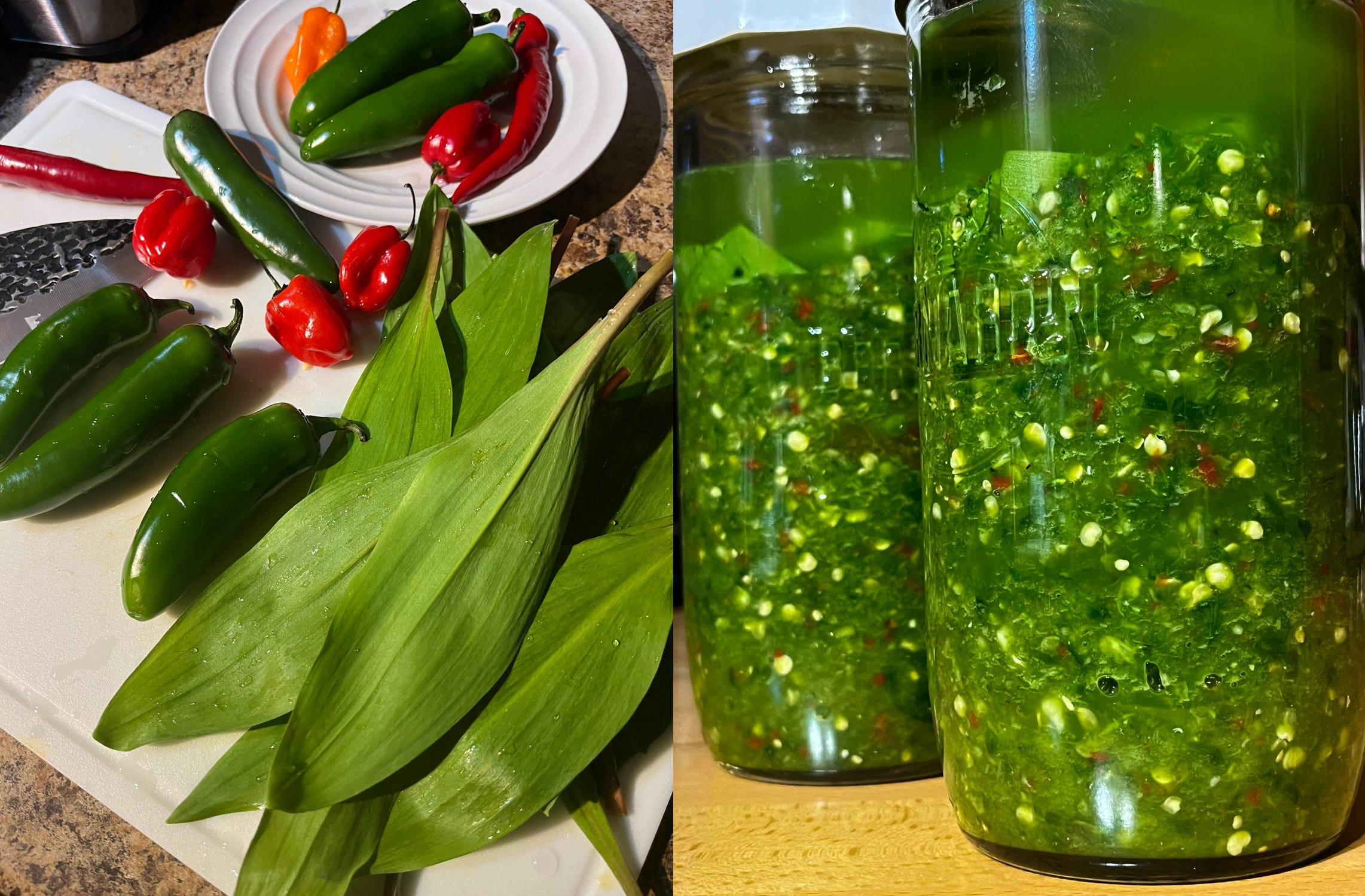
This year I found a new expansive ramp patch in a small (maybe 50 acre) predominantly beech and tulip tree forest here in Southern Ontario sought to diversify my Ramp (Allium tricoccum) preservation methods. The following recipe is one of the results of that endeavor.
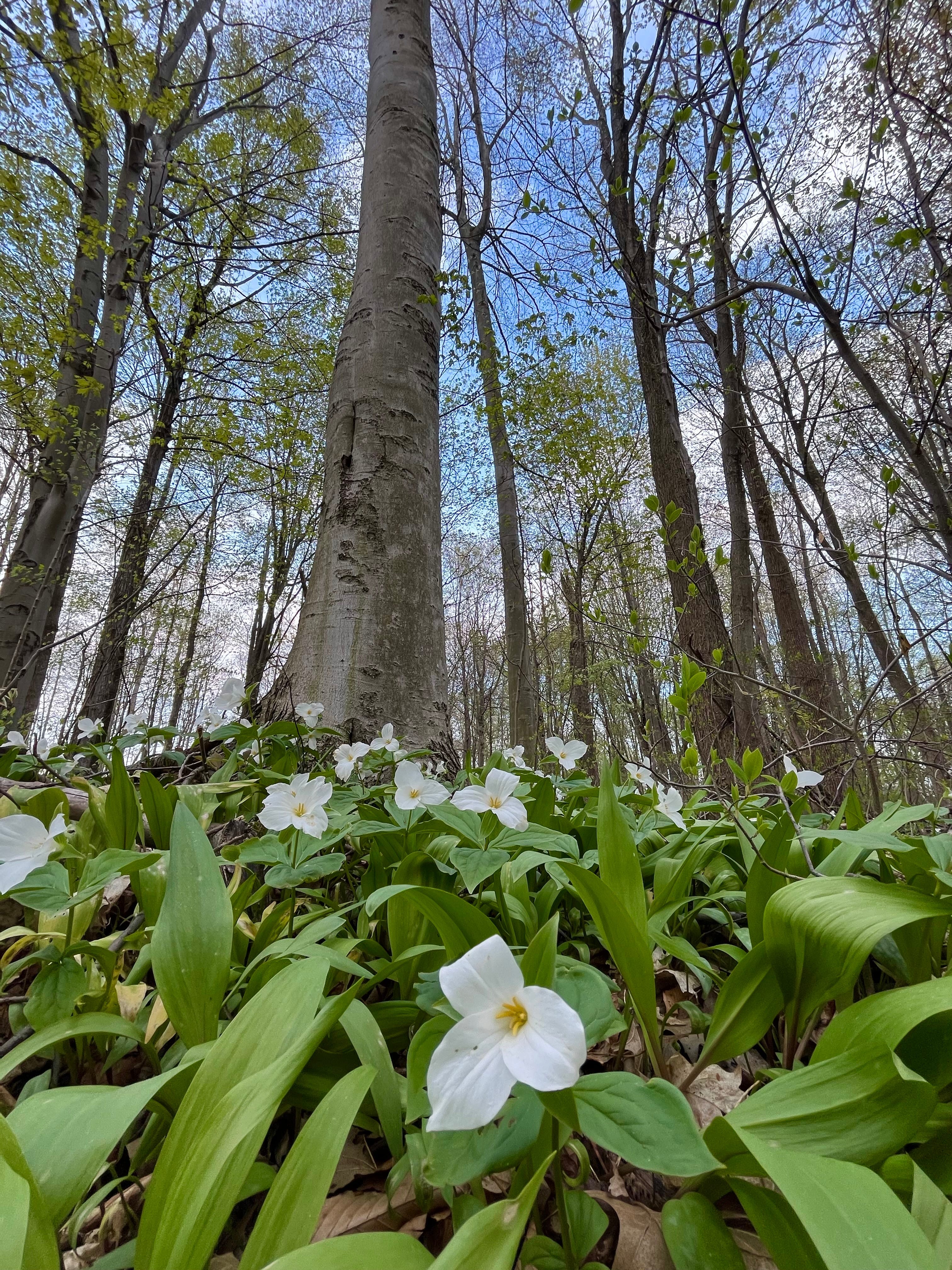
While chilis are not in season when ramps are, one of the benefits of living in a place like southwestern Ontario where so much of the land has been converted into 365 day a year heated greenhouse agriculture operations is that there are a few organic greenhouses where I can buy (or barter for) organic chilis, tomatoes, cukes (and other produce I only usually have access to in my garden in summer) year round.
I took advantage of this opportunity to buy some organic green chilis and make some Ramp Sriracha ( I mean technically Sriracha is a more vinegar based and emulsified mass produced product so this is perhaps more technically accurately described as a probiotic Ramp Sambal. That said, I grew up with Sriracha and wanted to make my own upgraded, organic and probiotic version, so that’s what i`m calling it :) )
I also tried making a batch with dried peppers from my last year’s pepper harvest and that worked out well too (so this recipe can also be made by those that do not have access to trustworthy greenhouse chilis in spring and/or for those that prefer not to buy such items from greenhouses or imported from other parts of the world as you can plan ahead and dry your own jalapenos and other green chilis for using the following spring for this recipe).
I used the basic fermented chili mash technique for this recipe which expedites the preparation time (as it just requires washing produce and then pulsing in the blender, adding salt and putting in jars) but it does require a daily check in to stir the mash (if you do not also submerge the mashed ingredients in brine).
Its very easy to make either way and becomes a very versatile, extremely nutritious and very delicious condiment that you can have access to year round via the magic of fermentation.
The resulting flavor is very rich and complex. Ramp forward with layered garlicyness with a slow glowing heat from the aged peppers and a light tang from the fermentation process.
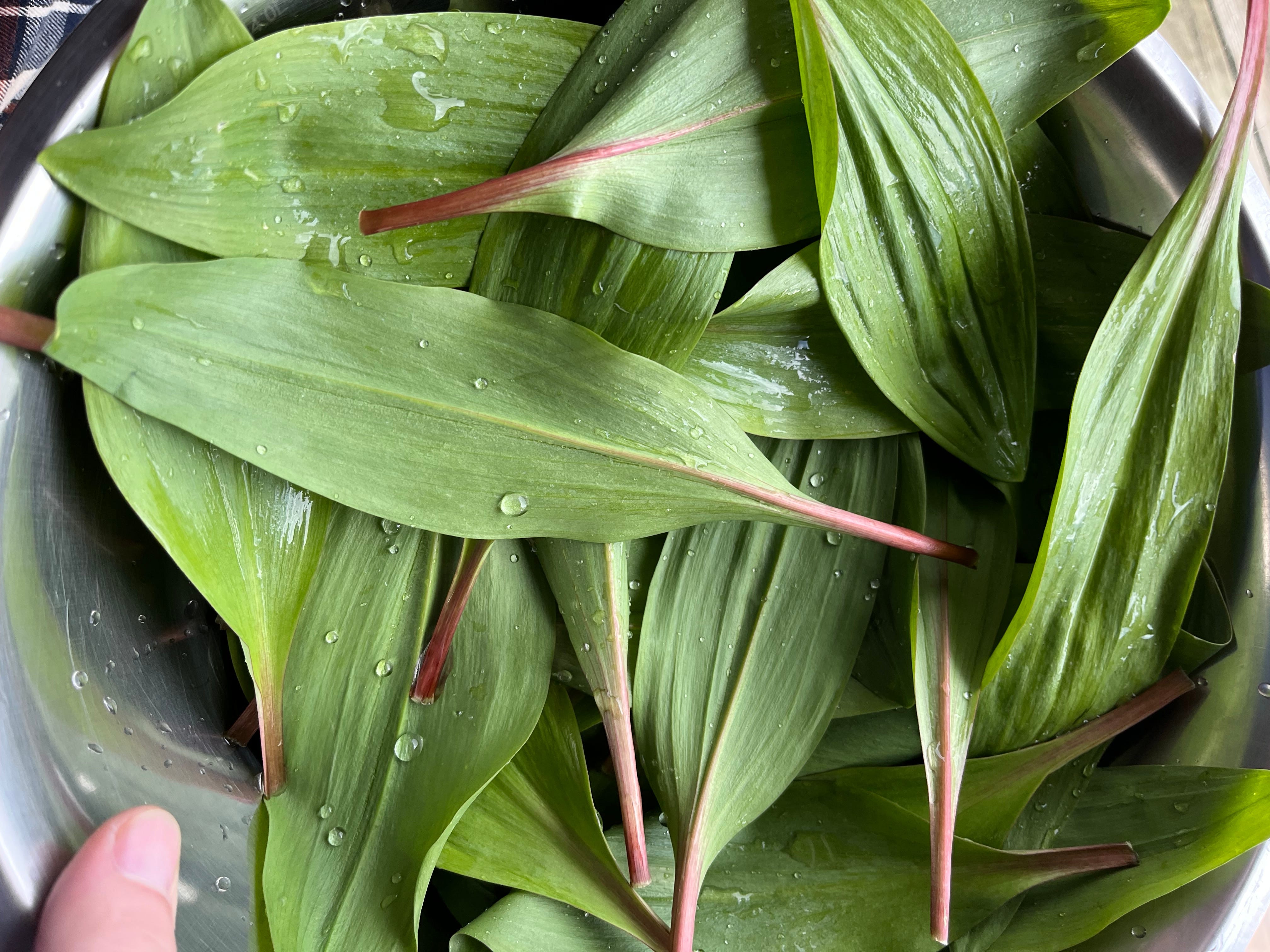
This recipe preserves the many health benefits of Ramps intact in a raw probiotic format, making this not only delicious, but also a a medicinal grade condiment that offers cardio-protective, neuro-protective/neuro-regenerative, hepatoprotective (liver-protecting), anticancer, digestive aid, reproductive health enhancing, potent detoxifying, osteoprotective (bone health), antibiotic, antimicrobial, antiparasitic and blood purifying medicinal actions.
And I think that its worth noting that for those of you in Europe or Asia, Ramsons (Allium ursinum) or Siberian Wild Onions (Allium ochotense) would also work for this recipe instead of Ramps (Allium tricoccum).
(I will not list precise volumes for the ingredients as all you need is a rough ratio of 25-50% ramps to 50-75% chilis to achieve the intended results, so what ever amount of ingredients you have access to beyond one cup will work.)
Ingredients:
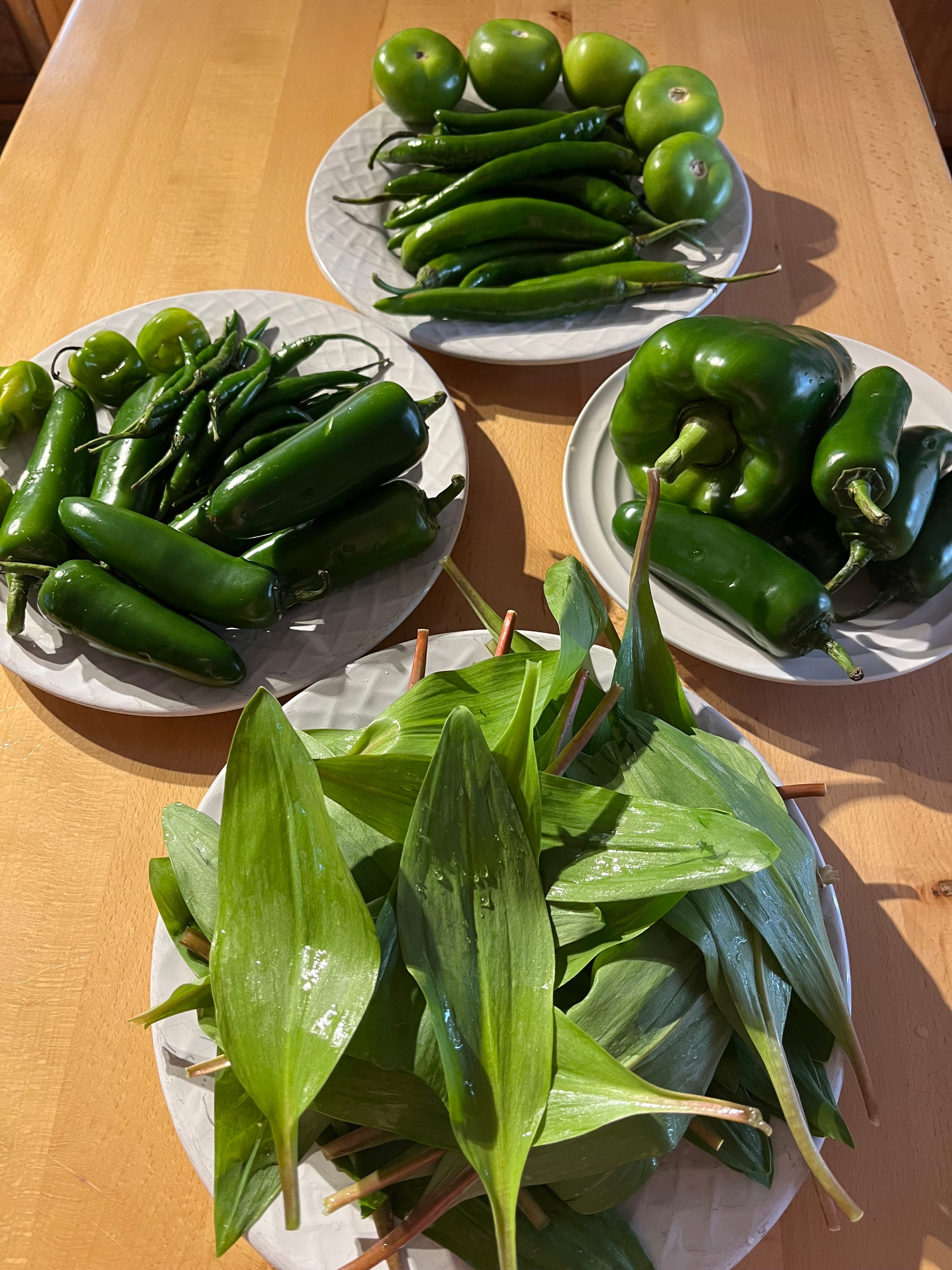
Ramps (Allium tricoccum) leaves (or Ramson (Allium ursinum) leaves or Siberian Wild Onion (Allium ochotense) leaves and/or bulbs
Green Chili Peppers (I used a combination of Jalapeños, green Scotch Bonnets, green Thai Chilis, green cayenne type peppers and green bell peppers but what ever green chilis you have available will work)
Sea Salt (1 tsp per 250ml/1 cup of pepper/ramp mash)
Optional ingredients:
ground Dried Spicebush (Lindera benzoin) berries
ground dried Prickly Ash (Zanthoxylum americanum) berries
freshly ground black pepper
lime zest
a few ripe red chilis for specks of red and added richenss in heat and flavor
a few tomatillos
Directions:
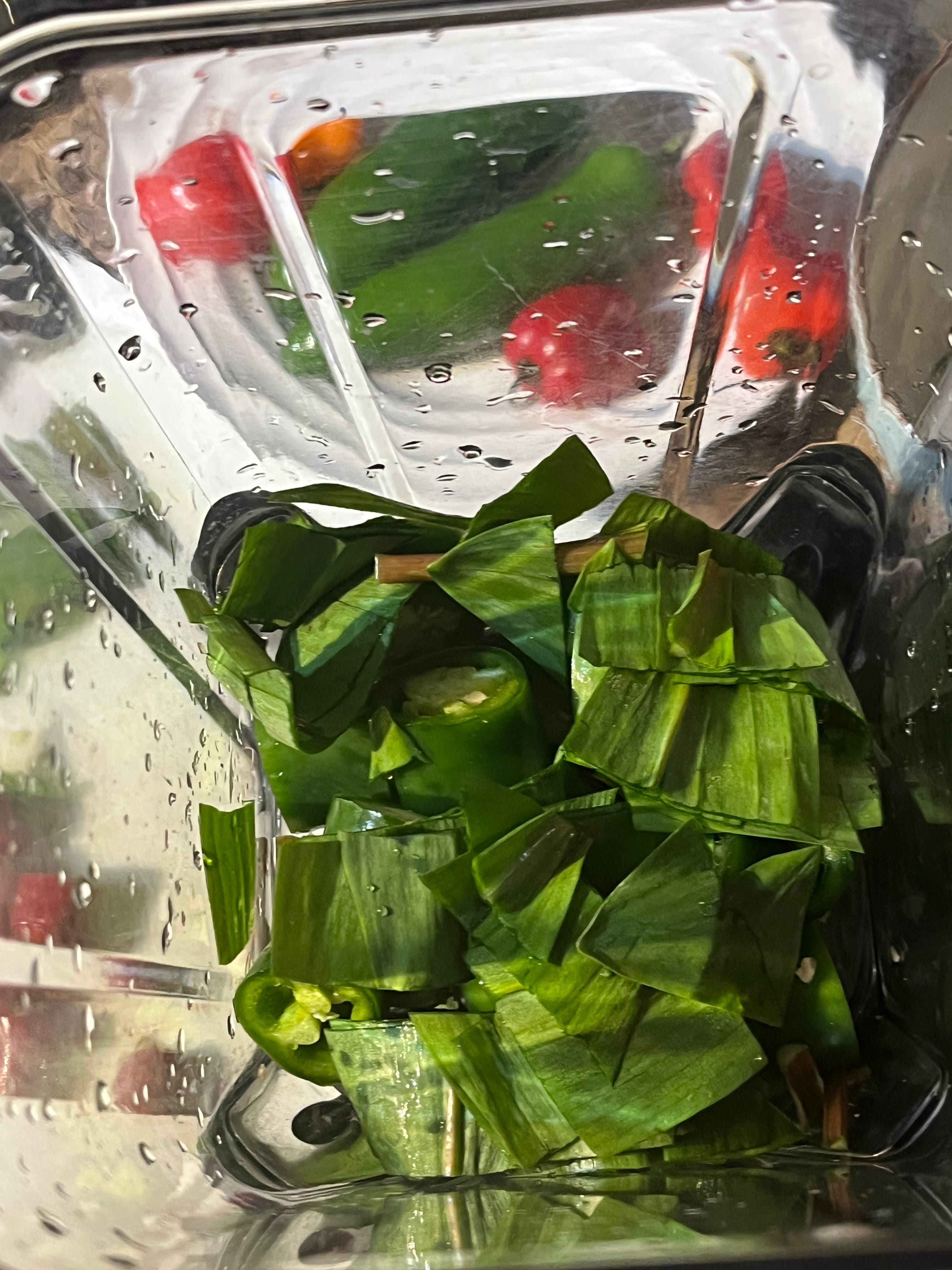
I did not include quantities for the ingredients listed above as I made three batches of this and discovered that all you need is a basic ratio of ramps to chilis and the right amount of sea salt added for what ever your resulting volume is to get great results.
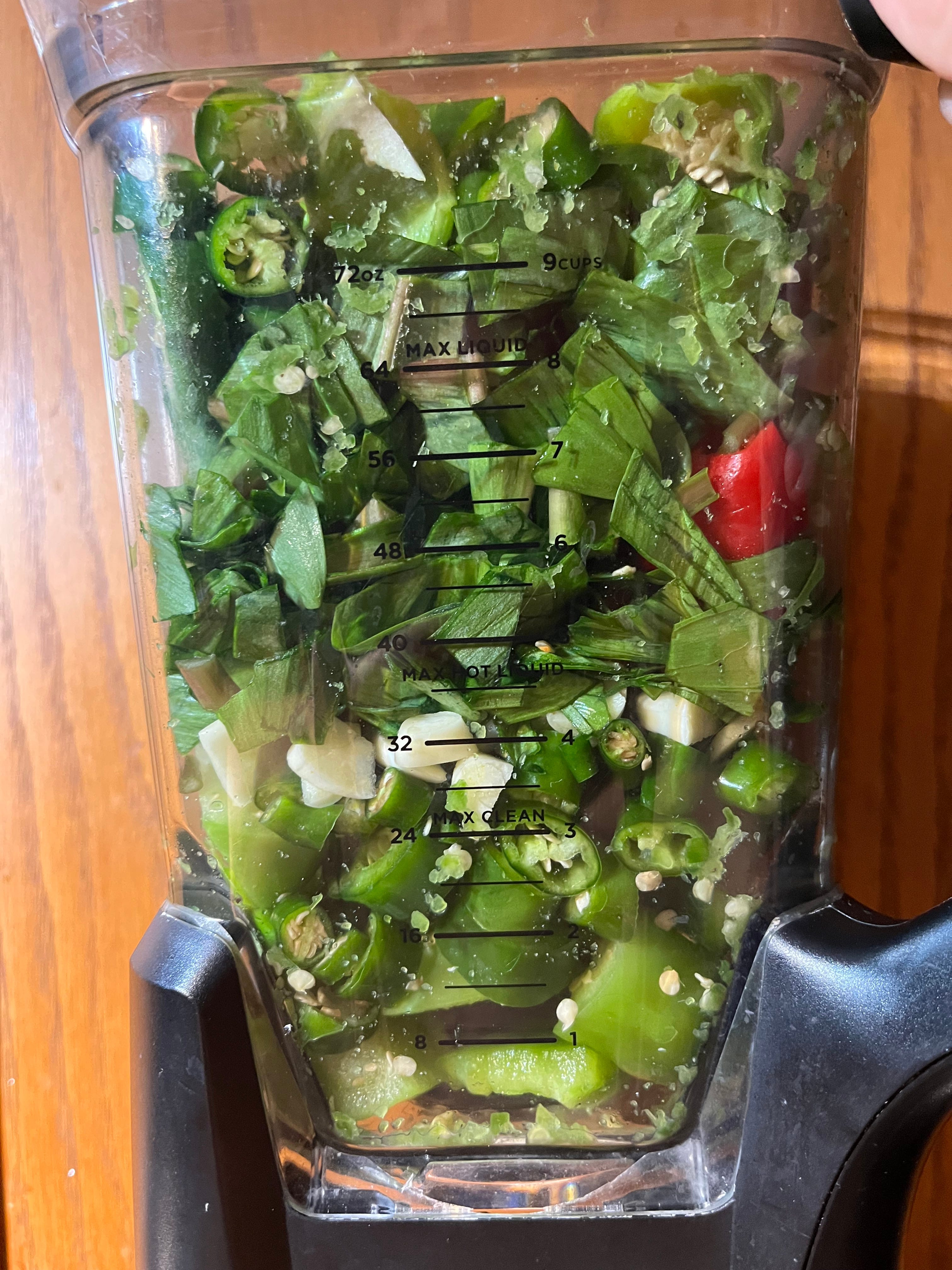
So basically you can use anywhere from 25% roughly chopped ramps to 75% green chilis to 50/50 and it will be delicious. If using dried peppers I would say use 50/50.
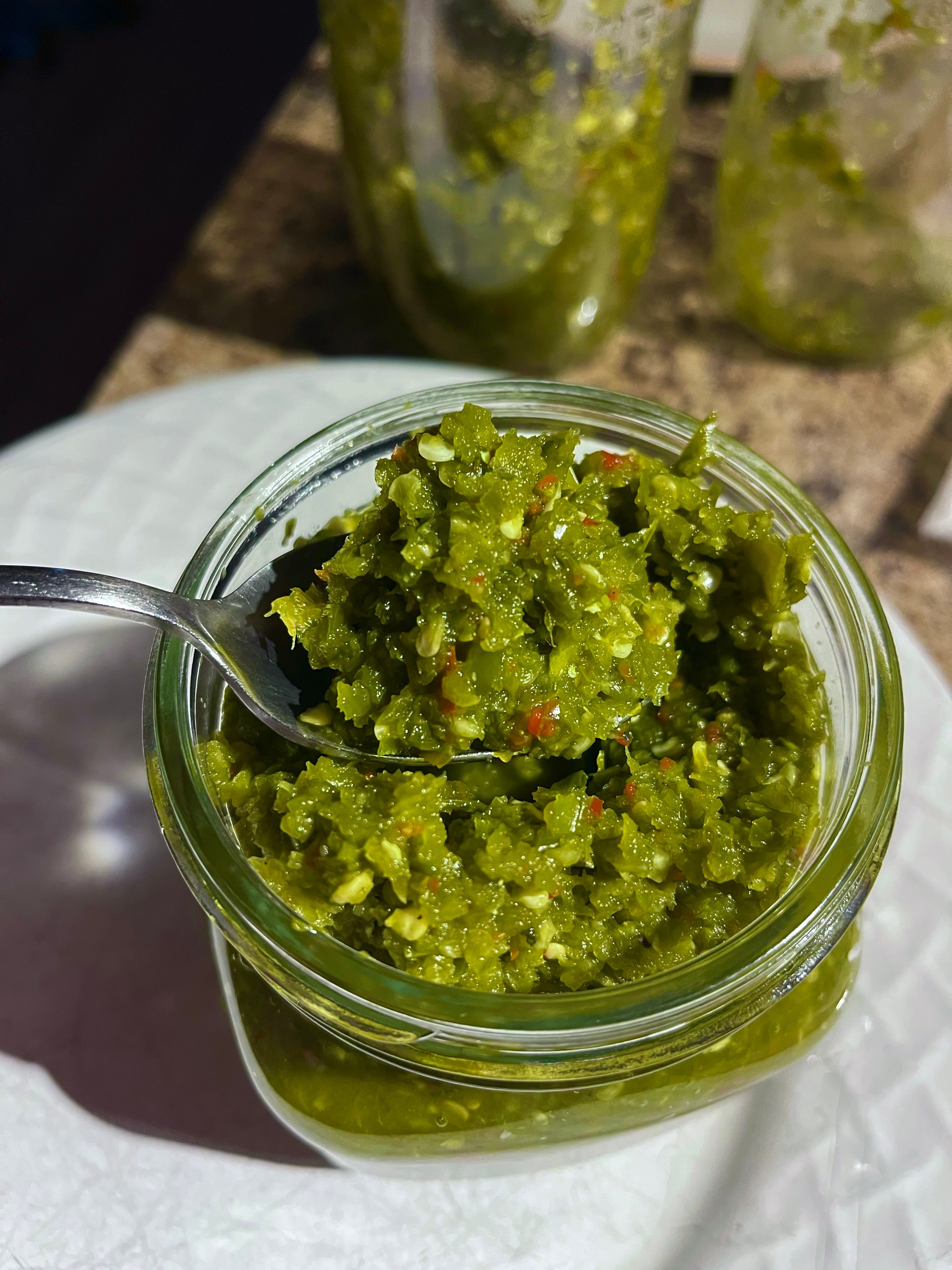
So the directions are get your self some ramp leaves and green chilis. Roughly chop them and measure. Add somewhere in the ratio described above to a blender (and a few handfuls of any of the optional ingredients to taste) pulse until you have a thick and chunky mash (shown below).
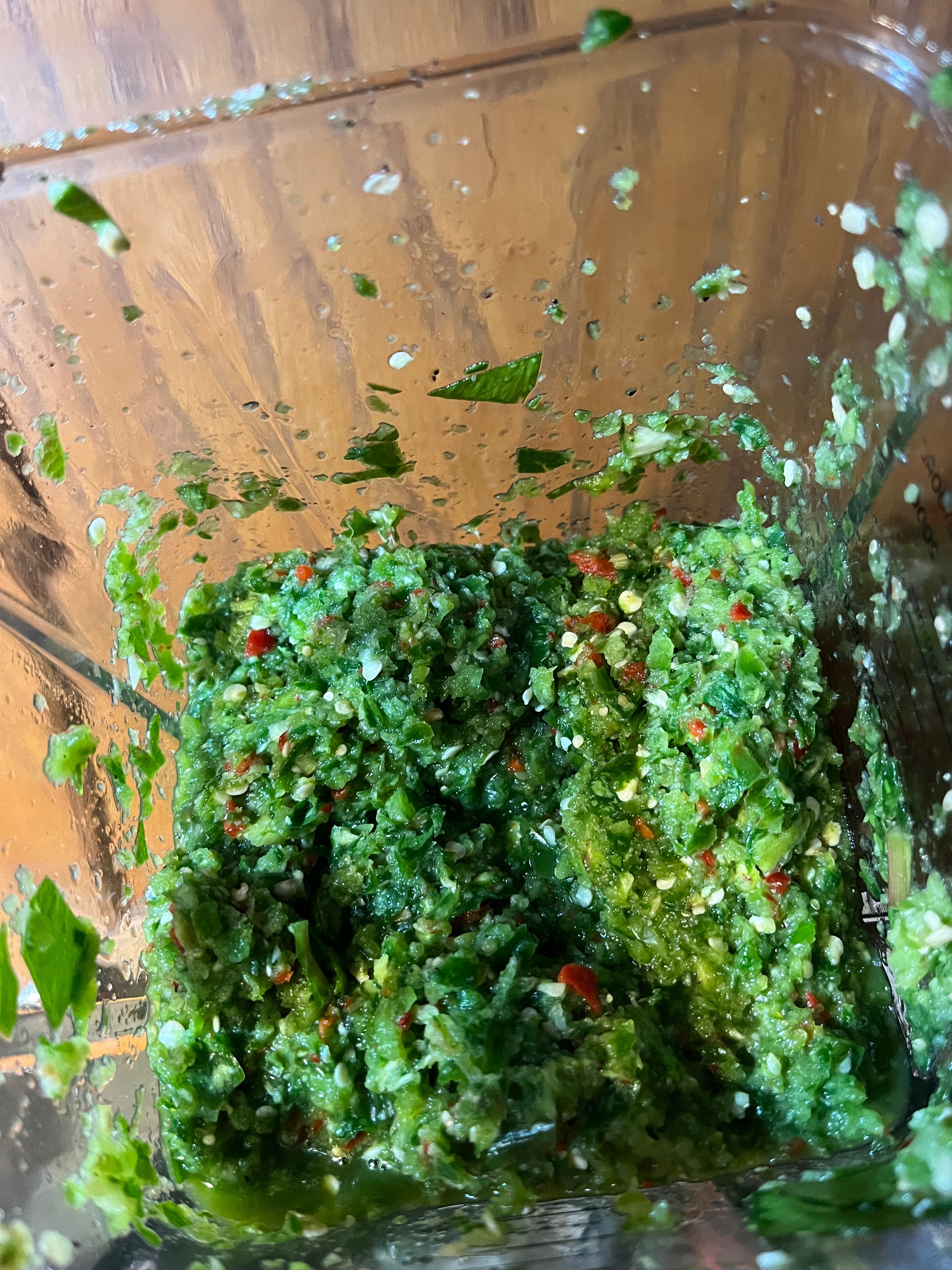
Then measure how many cups of ramp/chili mash you have created and add one teaspoon of sea salt per each cup (250 ml) and either mix in thoroughly by hand or pulse the blender a few more times to integrate salt evenly.
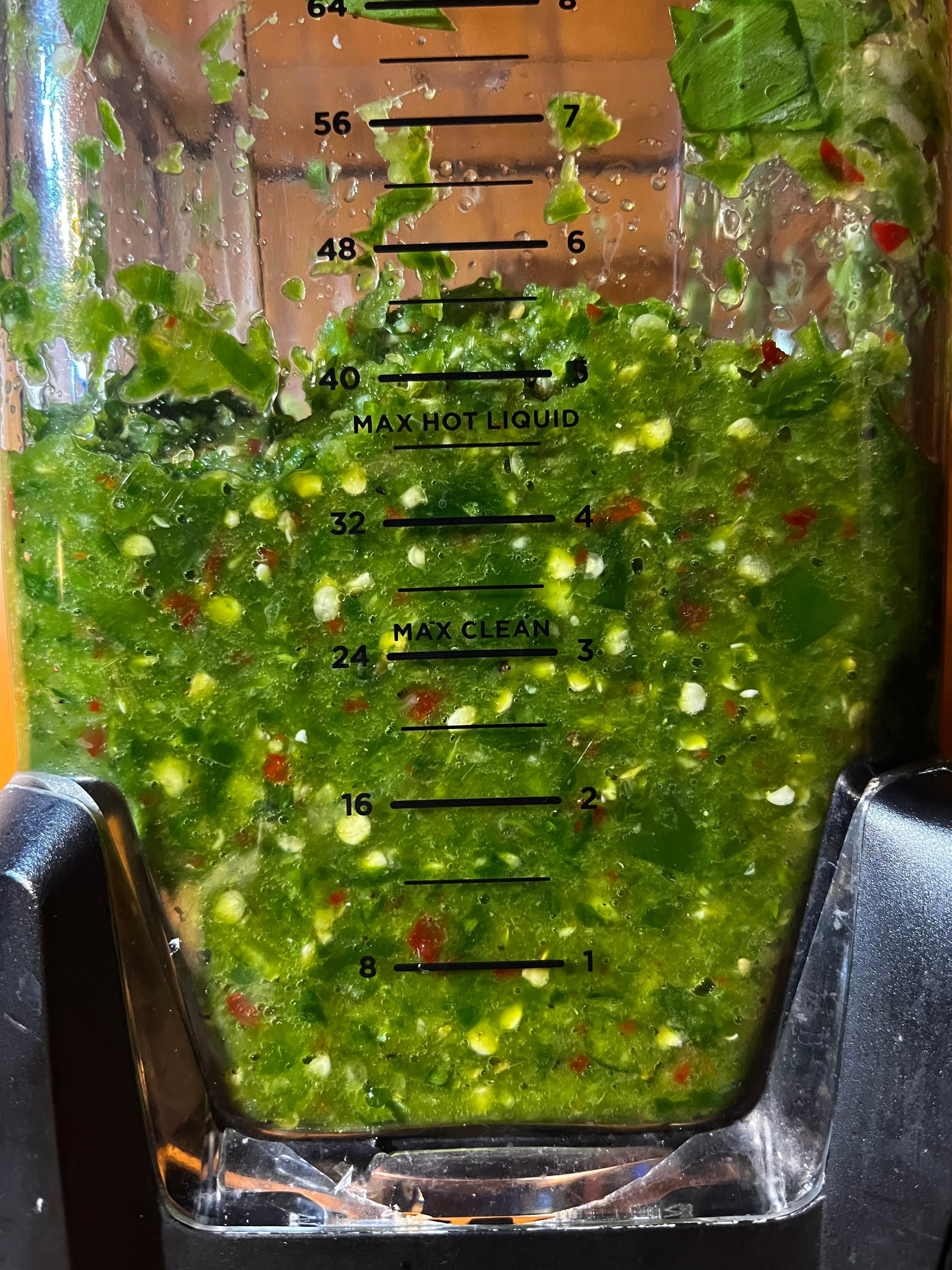
For the fermentation part of this recipe I have tried two different methods that both worked well. Both relied on
For Method One I treated this like any other fermented chili mash I have made in the past and then in this case I just covered the mash with a ramp leave in a jar and stirred daily to prevent mold growth until it became very active in CO-2 expulsion and I kept stirring daily after that for one week (tasting it after the 4th day of active fermentation to find the sweet spot for when I liked the flavor the most. That method required a little daily baby sitting for a couple minutes but it made for a faster prep time when I was trying to preserve ramps in a hurry.
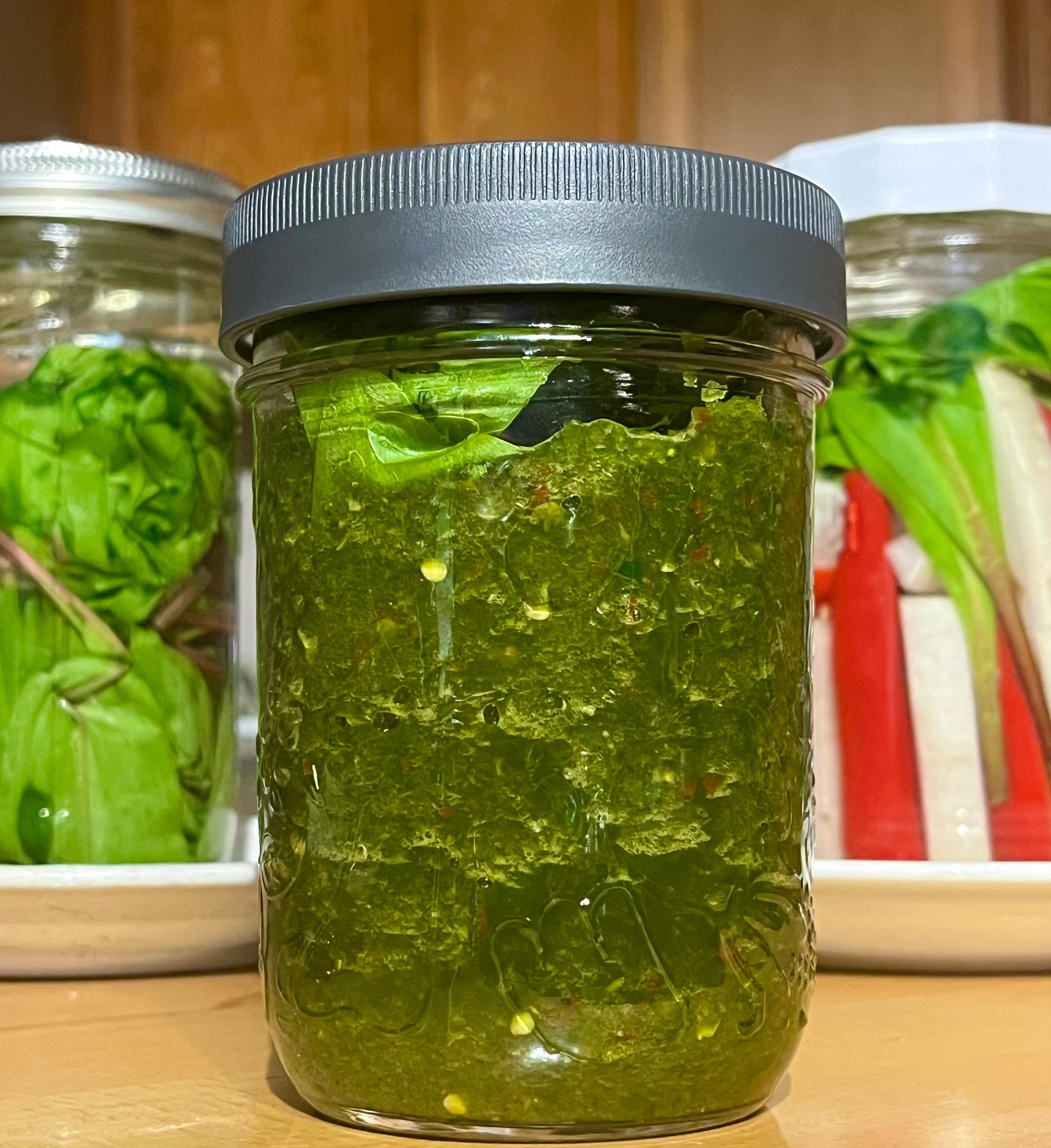
Method 2 is the same except in addition to the salted mash covered in a ramp leave I carved a piece of green bell pepper to perfectly fit into the jar as a cap and added a fermentation weight and a little bit of salt brine (made via dissolving 1.5 teaspoons of sea salt per 250 ml of water) to cover and submerge the ingredients). That method took a little longer when prepping on the day of making it but resulted in no baby sitting being required for the fermentation (aside from burping the jar once it began actively fermenting if I was not using an airlock that automatically releases CO-2).
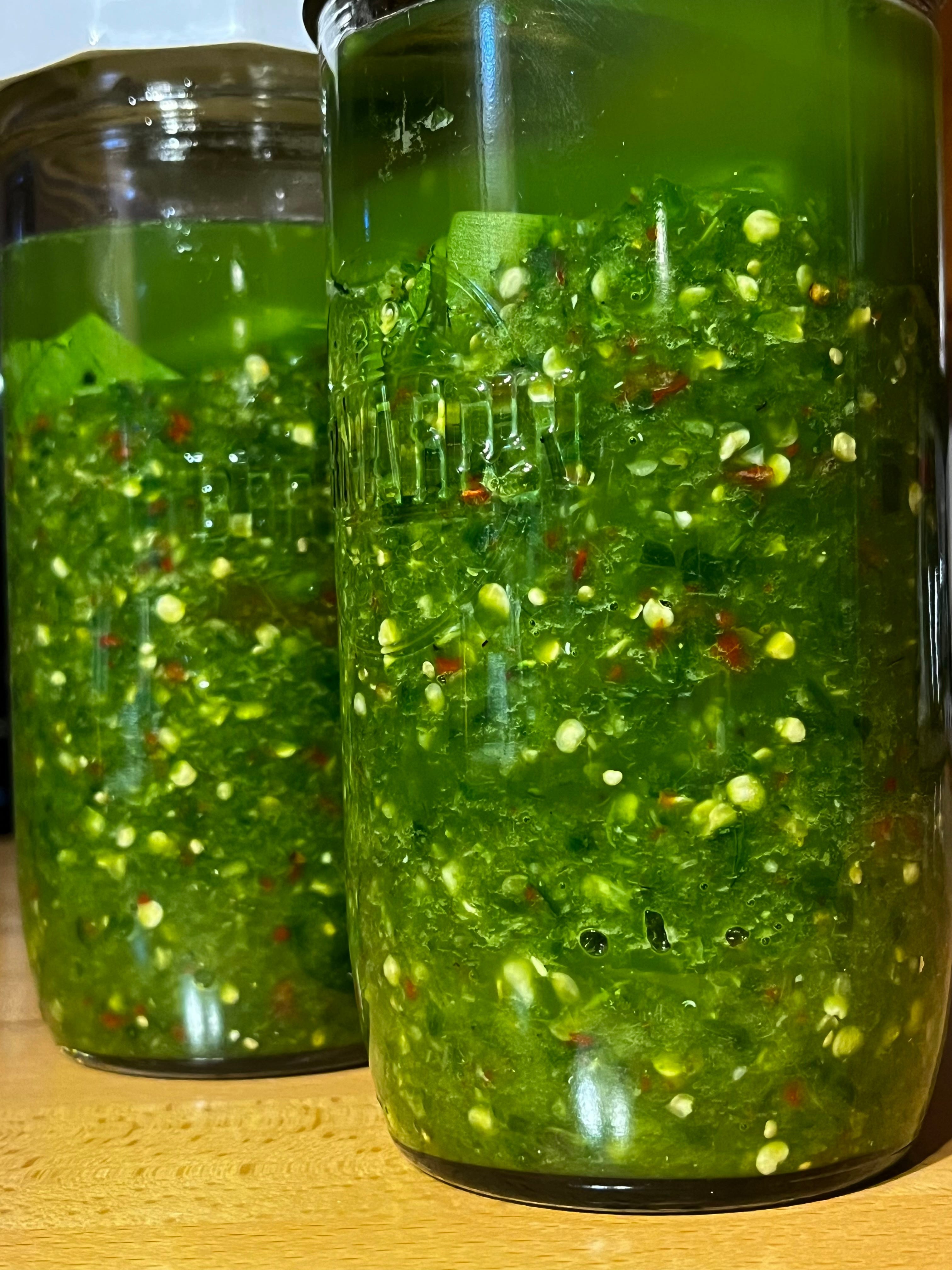
That method also resulted in an exquisitely delicious end result.
Once you have filled the jars, place in a space out of direct sunlight which has an ambient temperature of 16-27C.
I let them spontaneously ferment and started seeing active CO-2 production via native L.A.B. in the mash after about day 3. I made sure to burp sealed jars and stirred the mash jars with no brine.
It started tasting really good after about day 5 but I found the sweet spot for my jars was between day 7 and 9 of fermentation at room temp (which is when I decided to put my jars in the fridge). The brine in the jars where I used fermentation weights became this amazing green color with fiery garlicy flavor so I separated some of that into another jar for using in probiotic salad dressings or just drinking by the shot glass for a potent detoxifying immune system boosting pick me up in the morning :)
After fermenting until active fermentation subsides and the mash has a distinct tang this raw fermented sriracha will store in the root cellar or fridge for a year or more.
Another possibility for this recipe would be to dry the ramps and then wait until you are growing peppers to ferment all homegrown/foraged locally ingredients to make this. Or alternatively, you could make 100% fermented ramps like you see below:
and then just ferment peppers separately in summer and combine the two in the blender (i`ll be trying this in the summer as well to optimize localizing and low-tech/DIY-ing recipes variations for this).
Video clip shown in note below of the finished product :
Okay that is basically it my friends, hope you`ll try making your own version of this and let me know how it goes.
a note on wild fermentation vs culturing
I prefer to go the route of "wild" (spontaneous) fermentation (vs culturing/”back slopping”) as this encourages a more diverse range of probiotic species to set up shop in my end product. That said, if you feel more comfortable culturing your ramp sriracha with some kraut juice or another source of good LAB species, feel free, this would likely speed up fermentation and make the process more predictable if you were trying to scale up production.
If you would like to have access to well over a hundred other fun and nutritious recipes like this, my first book was packed full of them. Here is info on where you can purchase either a physical or digital copy of my first book below.

For those interested in purchasing a physical copy of the book you can do so through this link:
https://recipesforreciprocity.com/shop/softcover/
Related notes and posts: