

The Magnificence of May
Captured through my camera's lens is this small glimpse of our garden and moments in nature which I find so nurturing.

Hey Everyone!
There was a time when I tried to stack as many functions as possible, prioritizing utilitarian harvests that provide vitamins, minerals and medicinal compounds but a wise woman ( Johrey M. ) helped me to see that sometimes including things purely for the sake of how beautiful they are provides its own kind of nourishment. Over time as I have come to more closely observe and embrace the poetry for the senses that are offered by flowers and other visually beautiful beings, I have come to realize what exactly she was talking about, that the sort of nourishment they provide is just as important as the type that comes from a kale leaf.
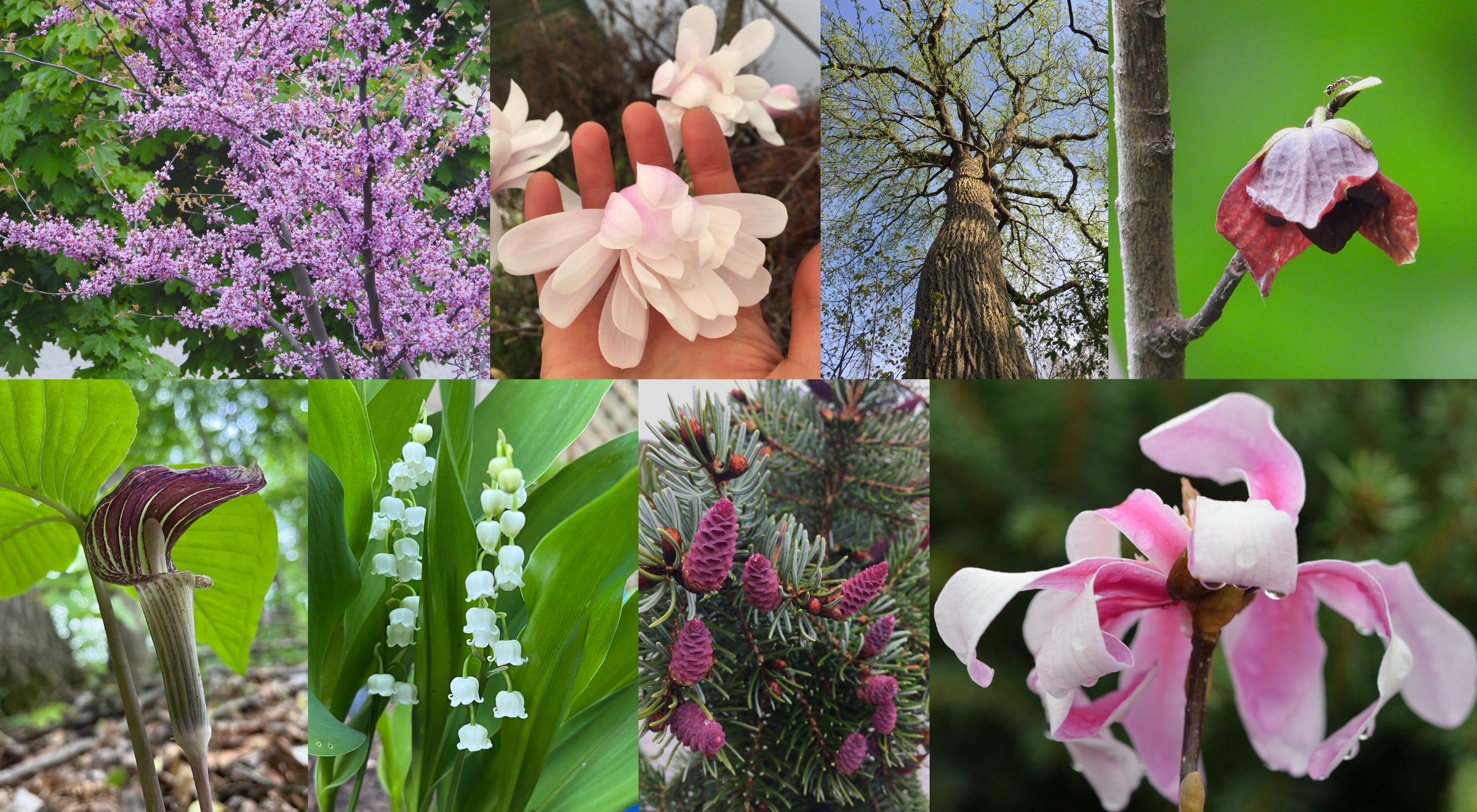
In these times when our hearts and spirits are being assaulted by a relentless barrage of psychological warfare operations, materialistic superficial corporate propaganda, the objectification and commodification of that which was once held sacred, digital hyperstimulation and negativity (violence, fear and ego) being pushed through (so called) entertainment, perhaps the kind of nourishment that is gifted to us when we slow down and appreciate a flower or a leaf (which is a magnificent expression of Creator’s love) is (at times) an even more important and dearly needed form of nourishment and medicine than that which we can access through vitamins and minerals for the cells in our bodies.
What is needed to heal our human family, this world and our relationship to her is not more strict government regulation of polluters or ecocidal profiteers.. it is love... love for ourselves and for the living planet that sustains us and shares endless gifts with us.
We are not gonna be threatened, shamed or bribed into loving the earth... the path back to loving our great mother is one that is chosen by each one of us at this fork in the road, one seemingly small choice at a time.
The choice to appreciate a flower or a leaf is like the choice to water a dormant seed full of potential in fertile soils. The seed is the love we were all born with (which has been buried deep under layers of conditioning) and the soil is the heart and mind.
Giving our attention to the beauty of a flower or a leaf is a form of reciprocity and gratitude which truly nourishes and enlivens the spirit.
"The land is the real teacher. All we need as students is mindfulness. Paying attention is a form of reciprocity with the living world, receiving the gifts with open eyes and open heart…
Give thanks for everything that you receive (including the fragrance or sight of a beautiful flower or leaf) is a revolutionary act. In an economy that urges us to always want more, the practice of gratitude and random acts of kindness are truly a radical acts. Thankfulness for all that is given makes you feel rich beyond measure, where wealth is counted as having enough to share. Gratitude pulls us into relationship with other entities, reminding us that our very existence is in their hands. And gratitude is humbling – an antidote to the arrogance of our time. It reminds us that we are just one member in the family of species. It reminds us again, that the earth does not belong to us.
Gratitude is our first, but not our only gift. We are storytellers, music makers, devisers of ingenious machines, healers, scientists, and lovers of an Earth who asks that we give our own unique gifts on behalf of life. Let us live in a way that Earth will be grateful for us."
- Robin Wall Kimmerer (Author of "Braiding Sweetgrass")
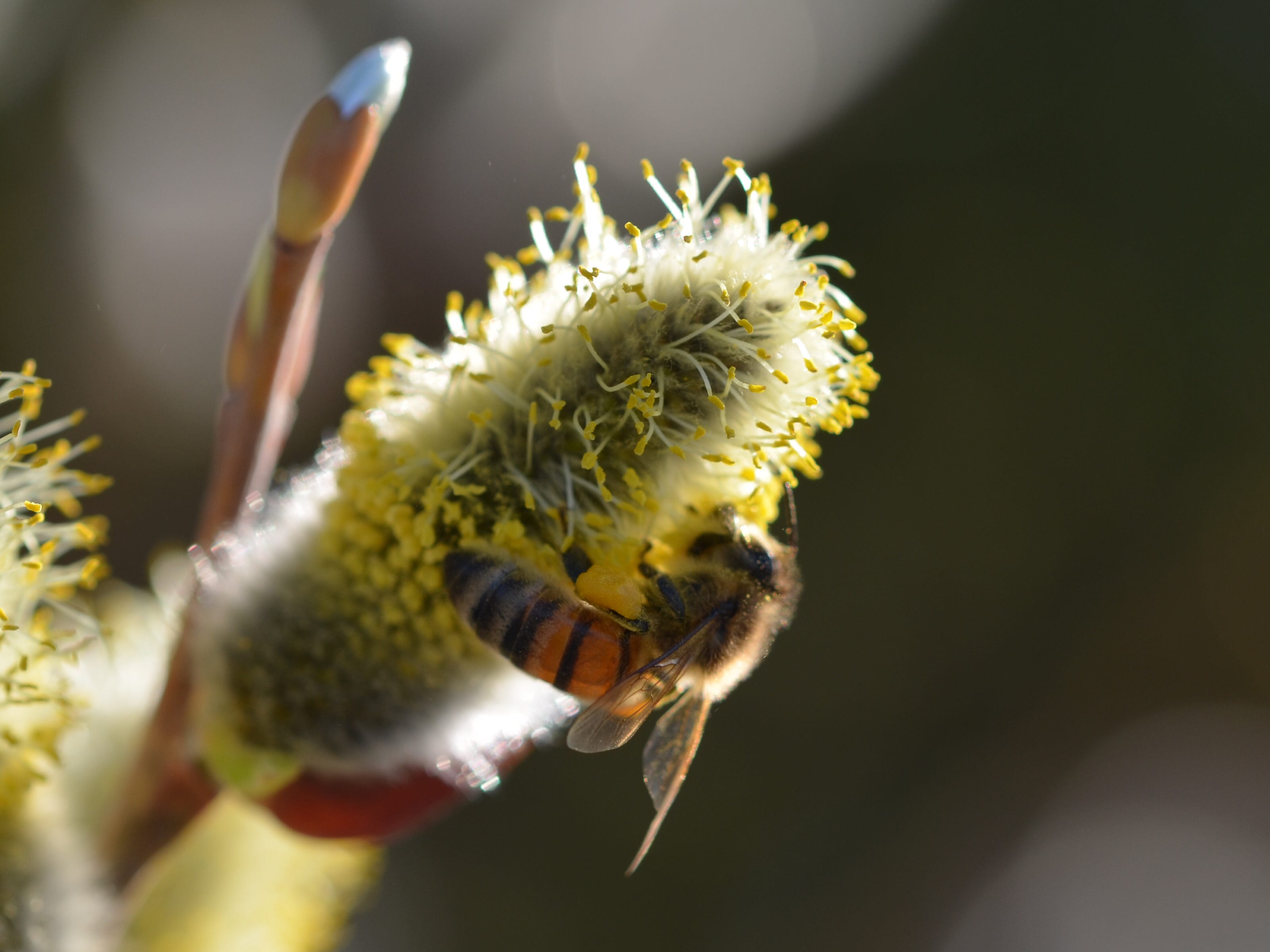
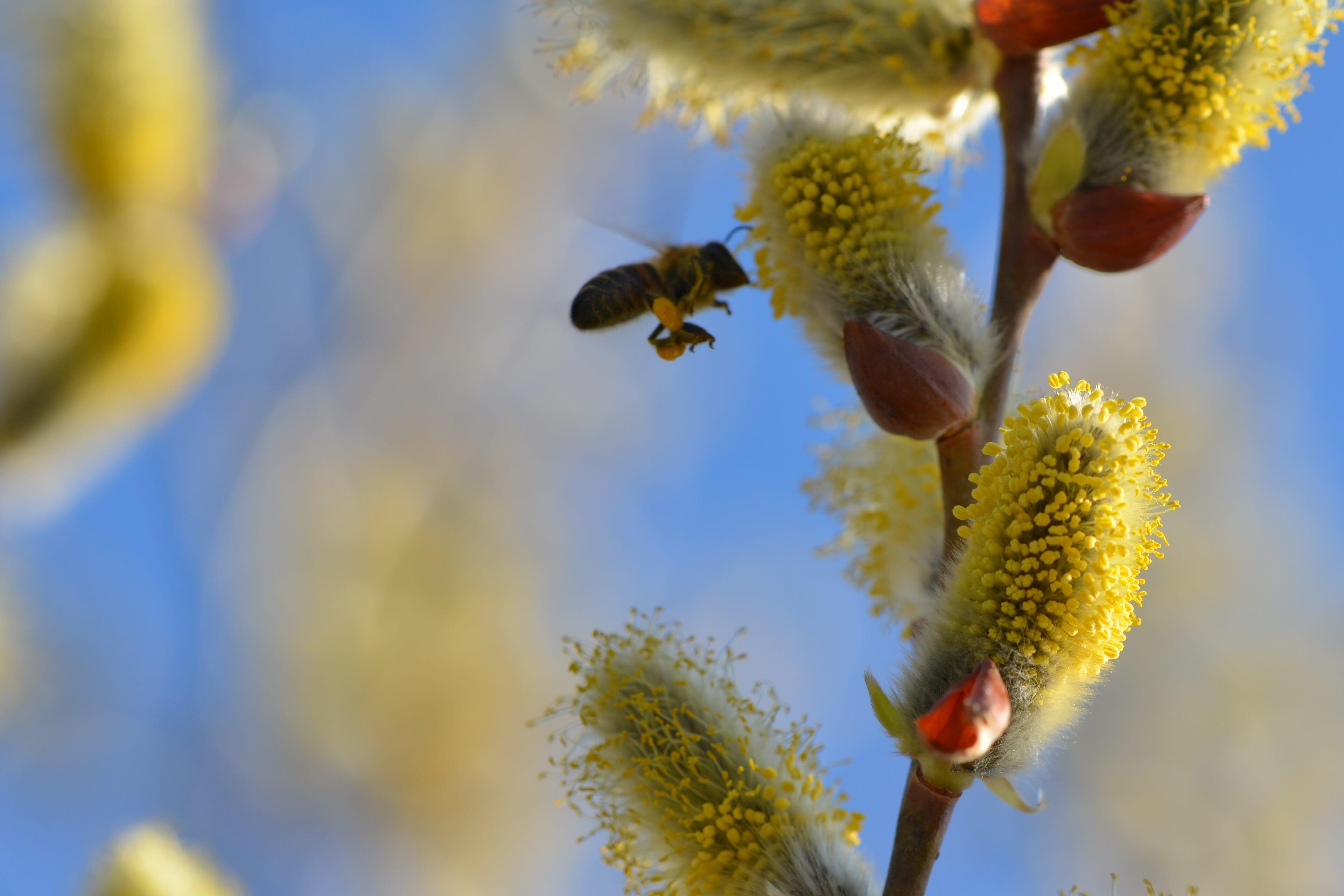
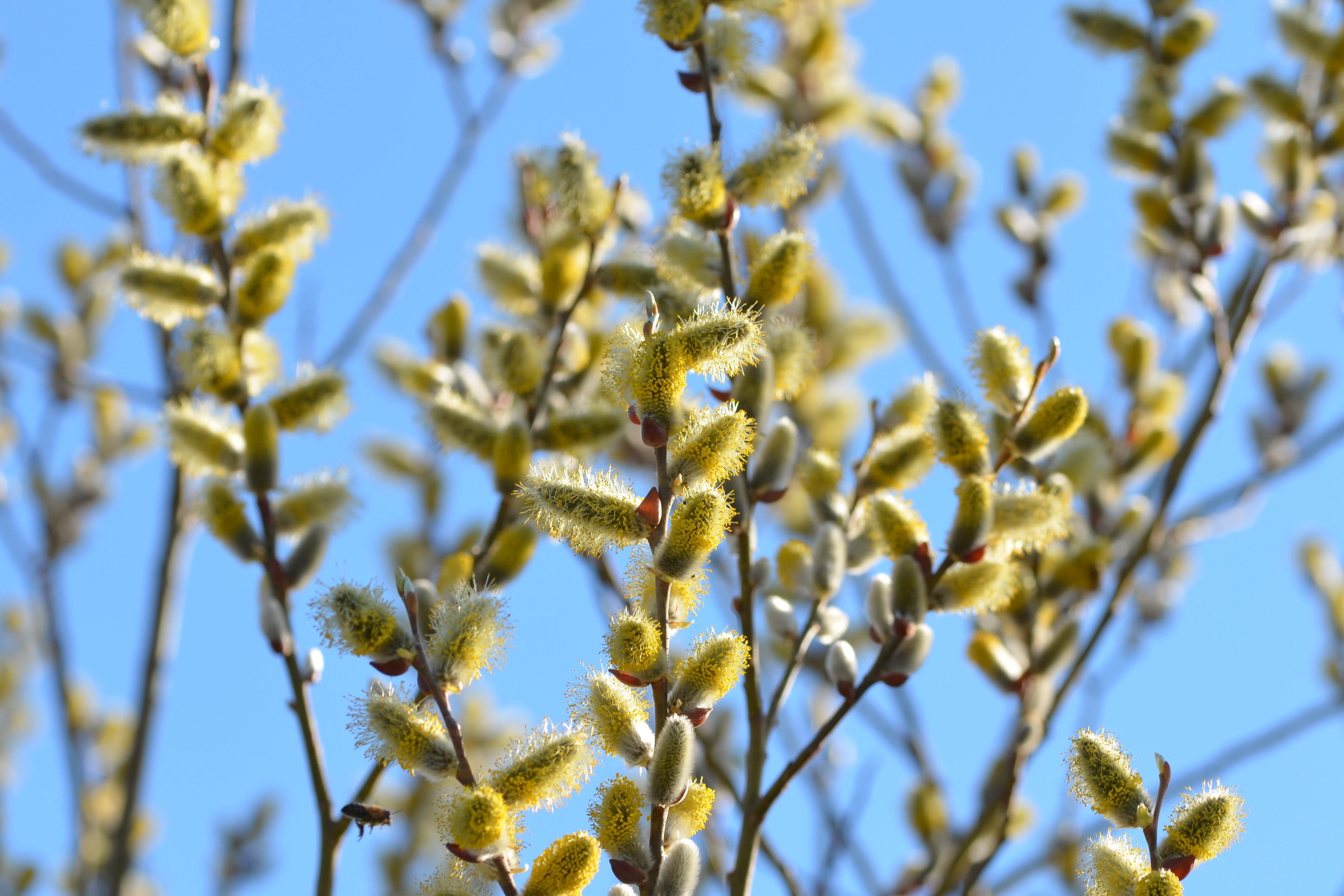
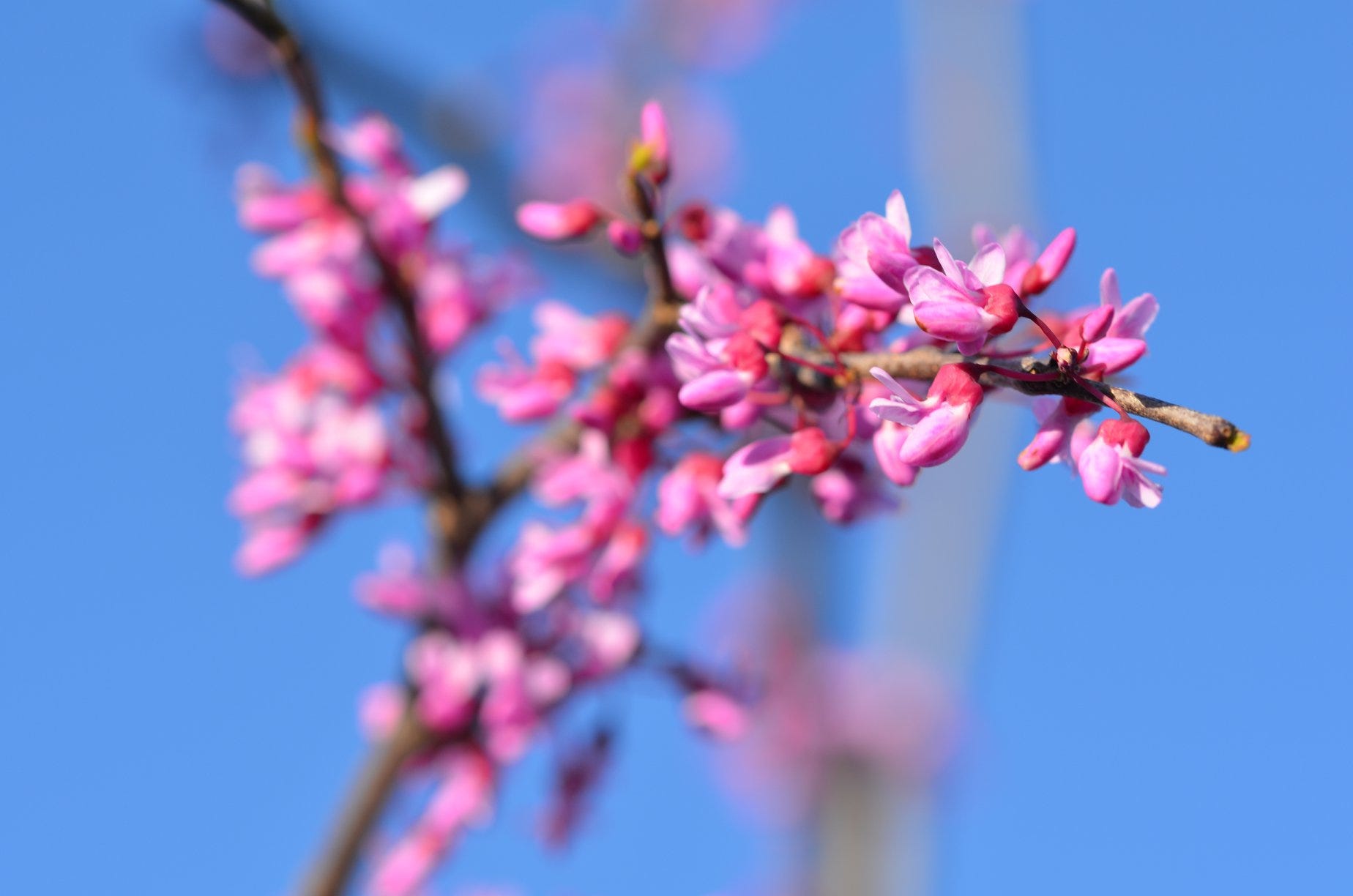
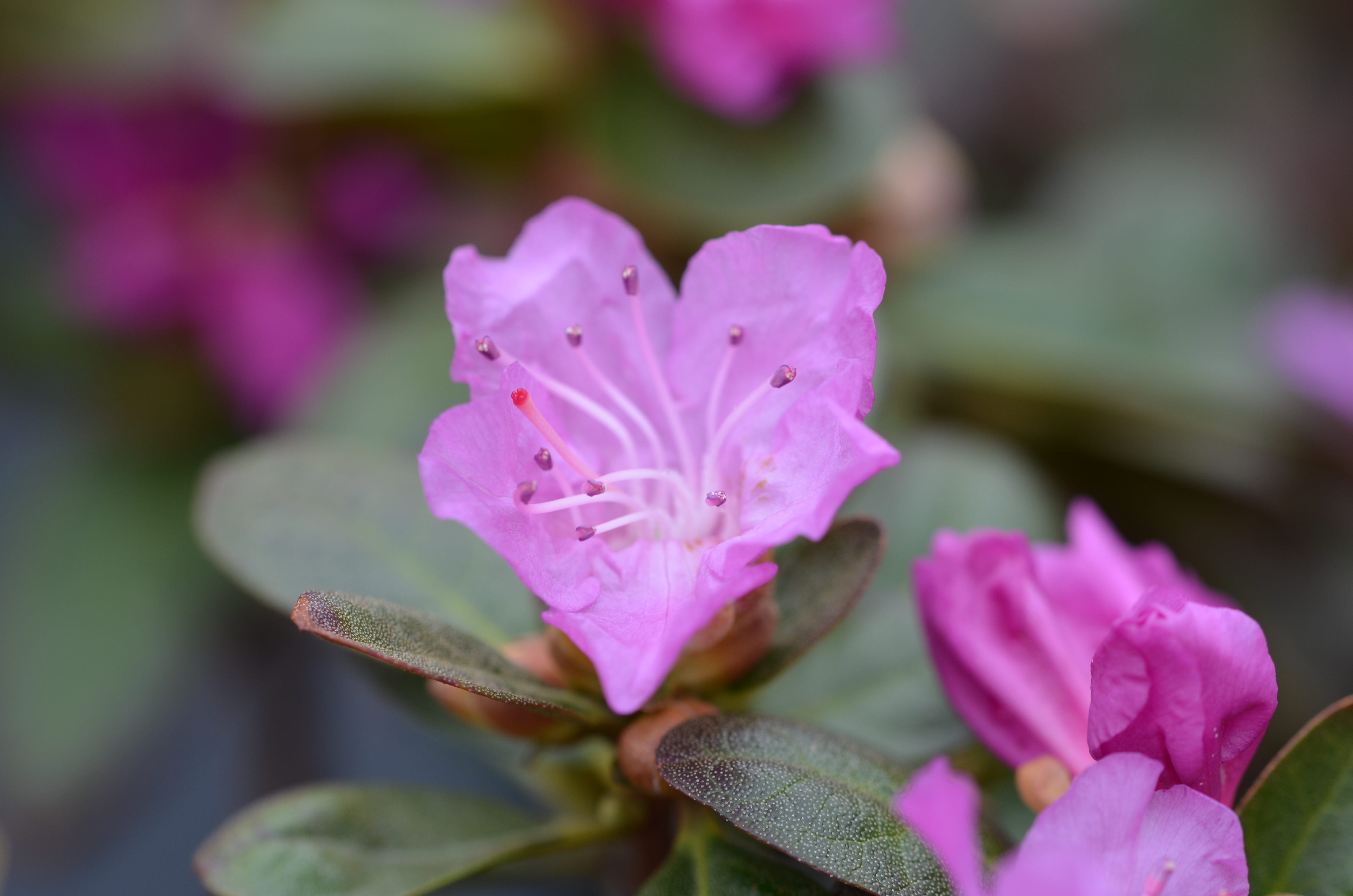
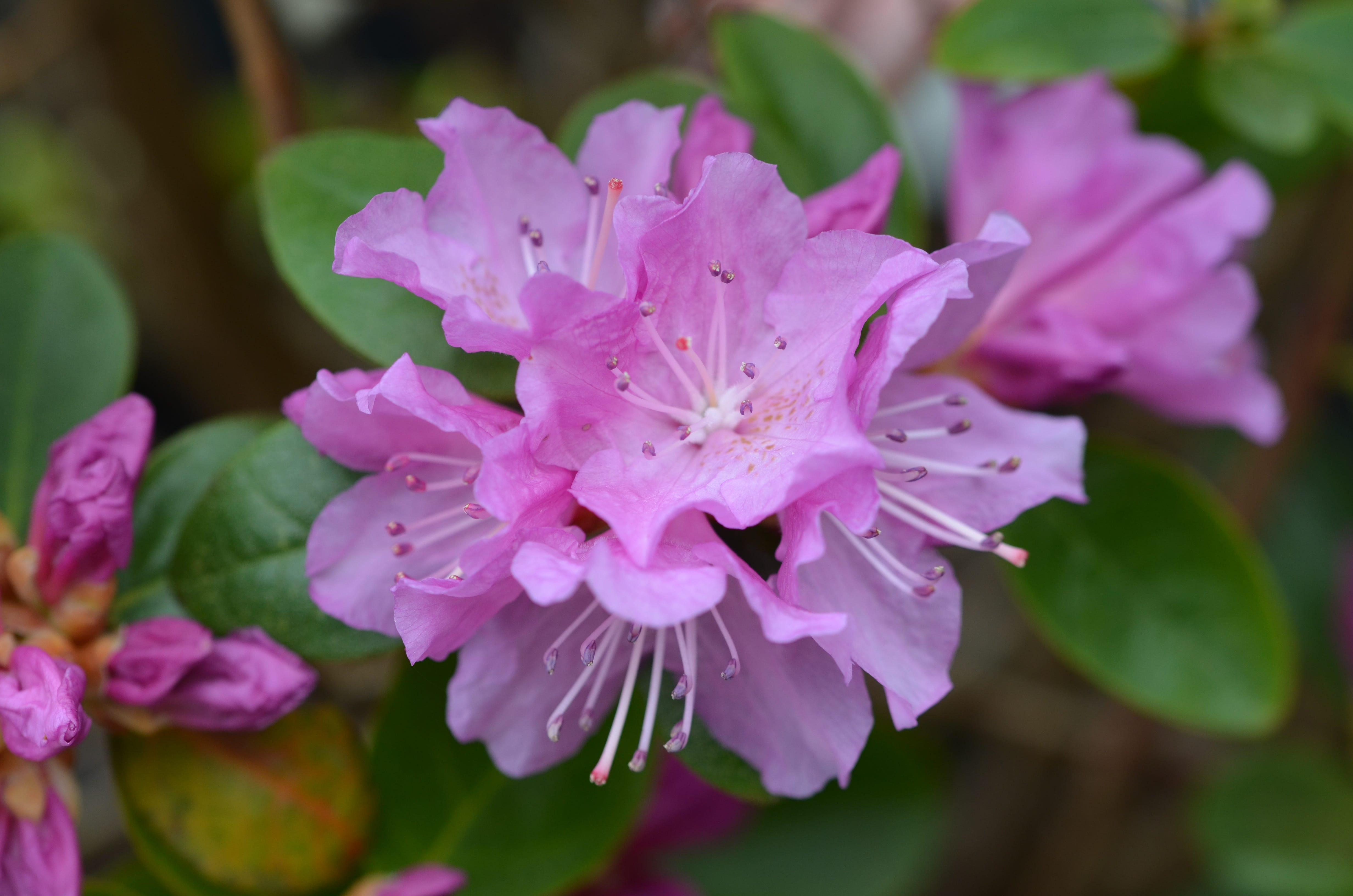
Here are some of the moments I captured from during the month of May :
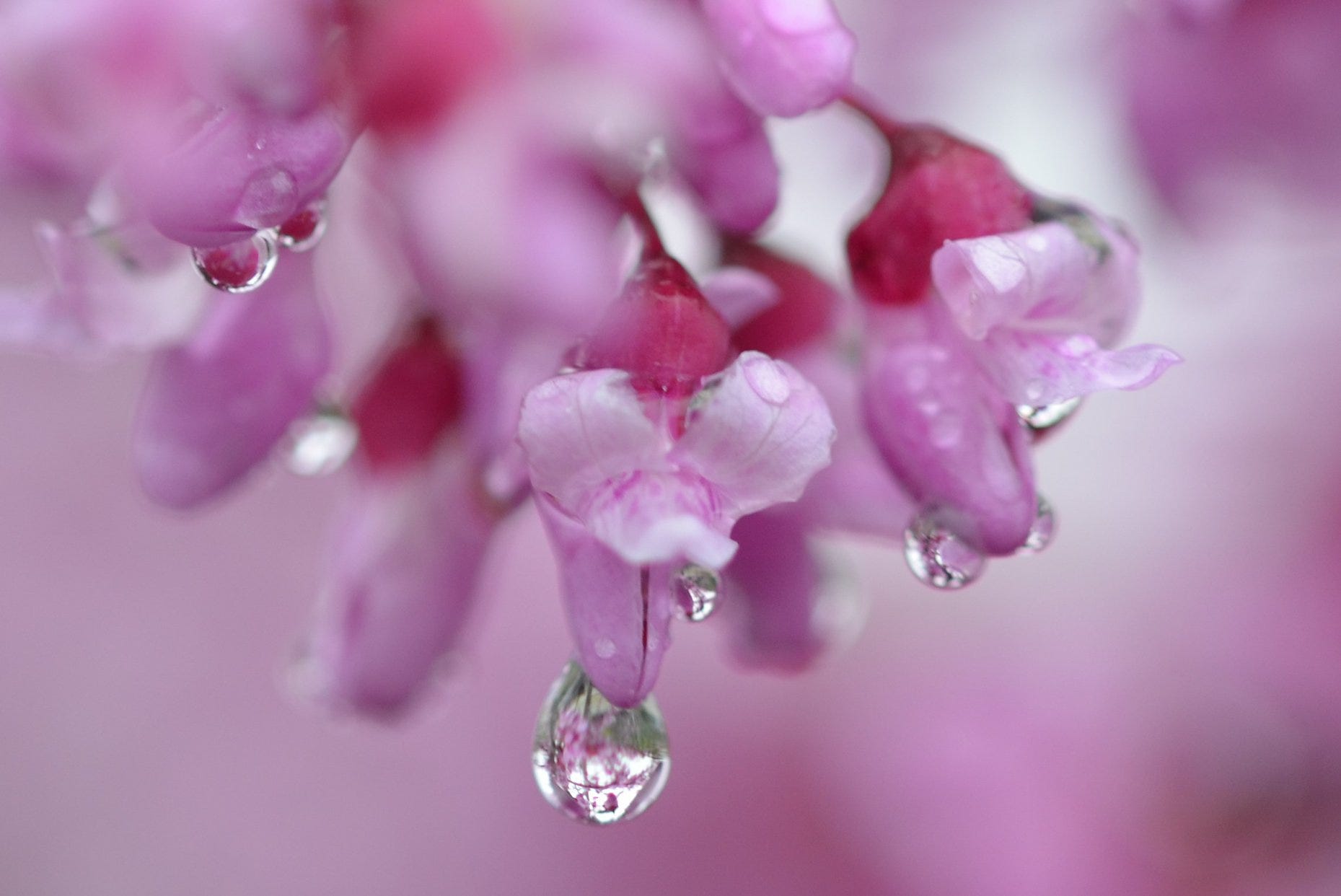
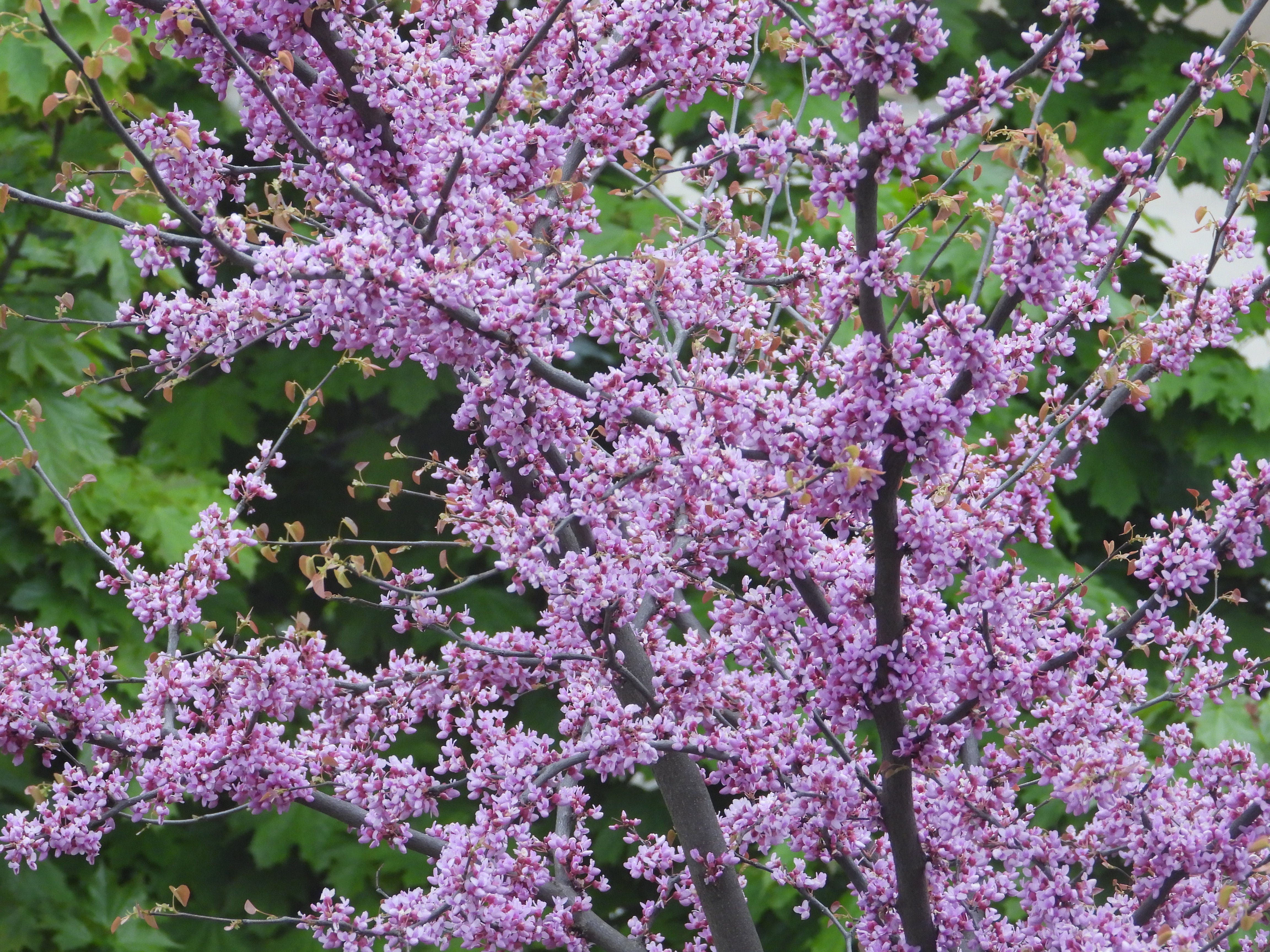
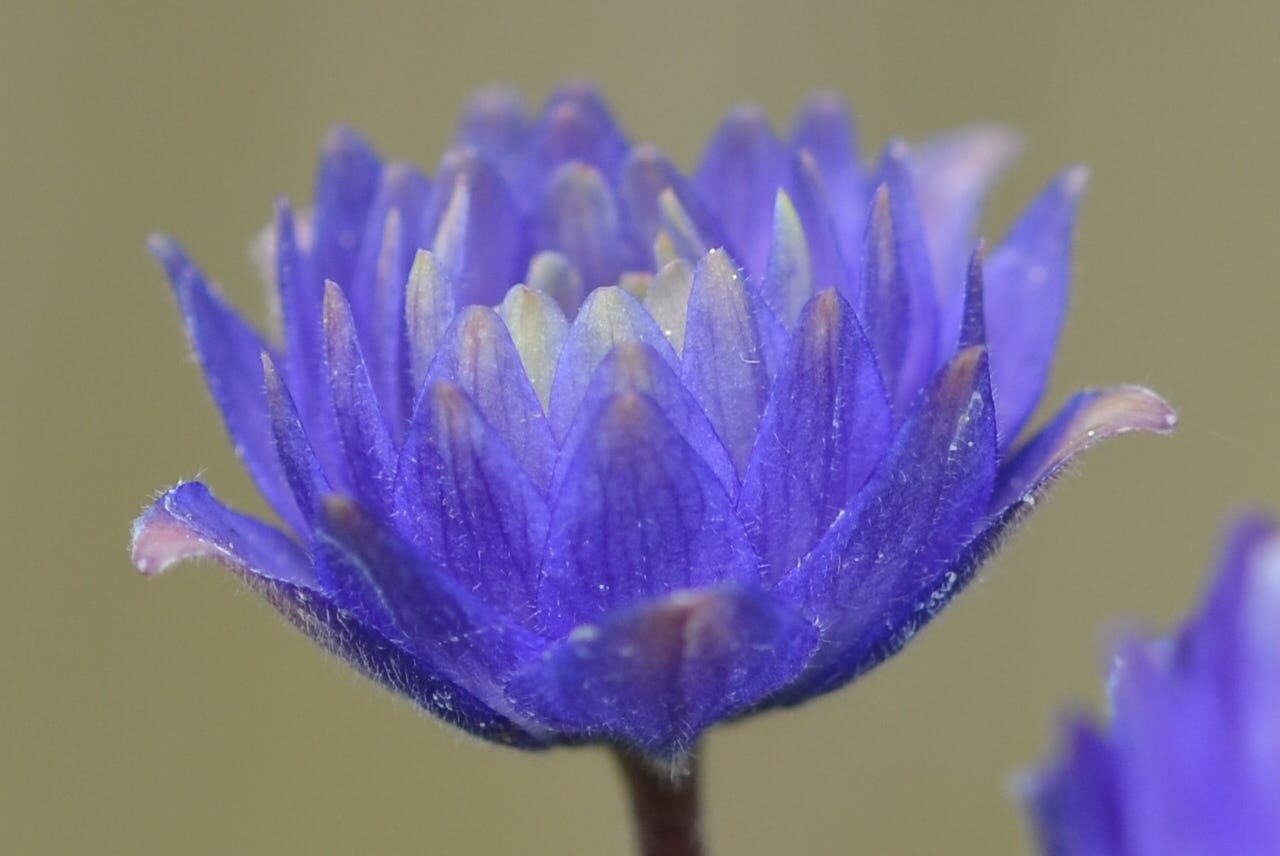
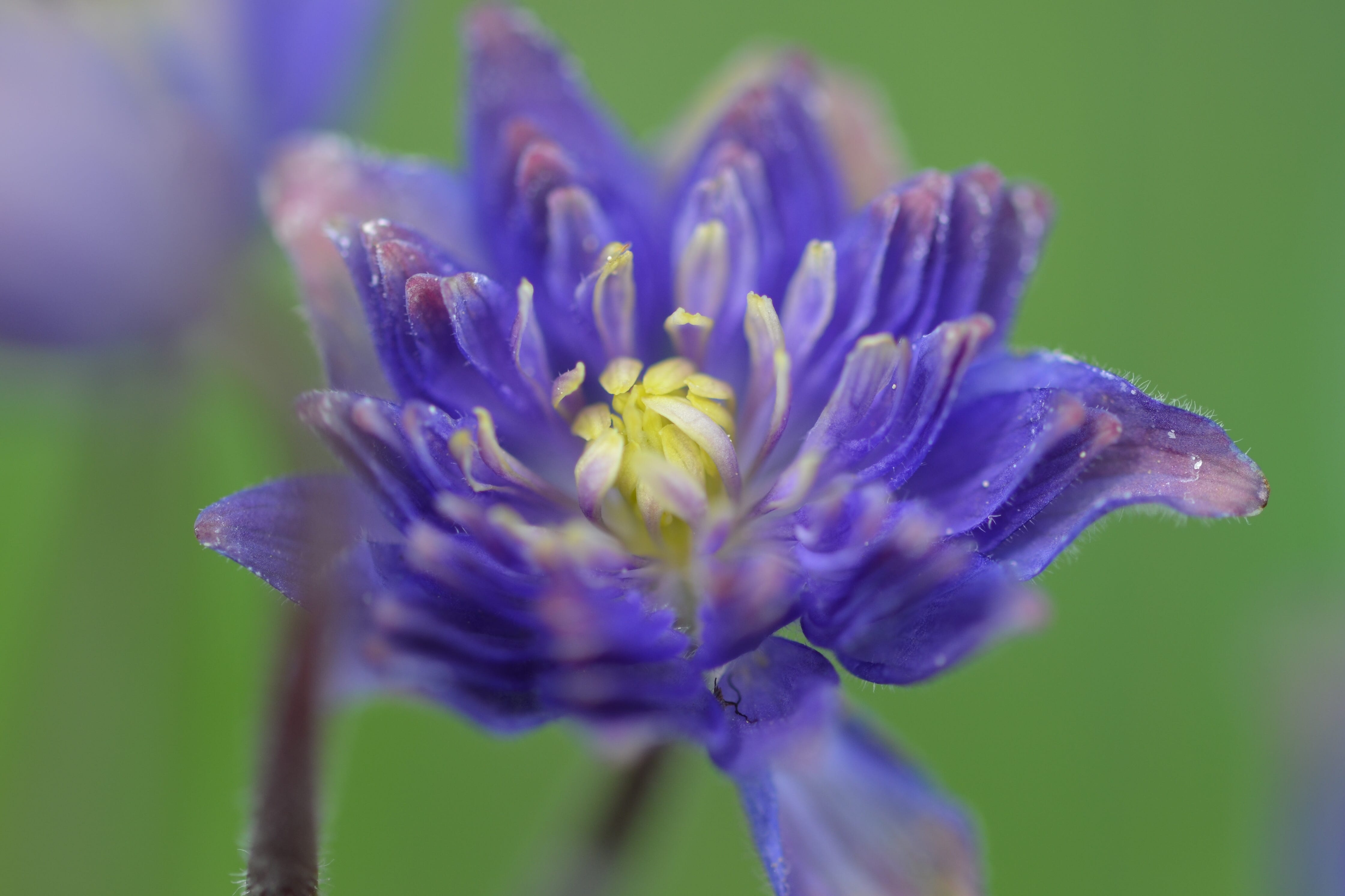
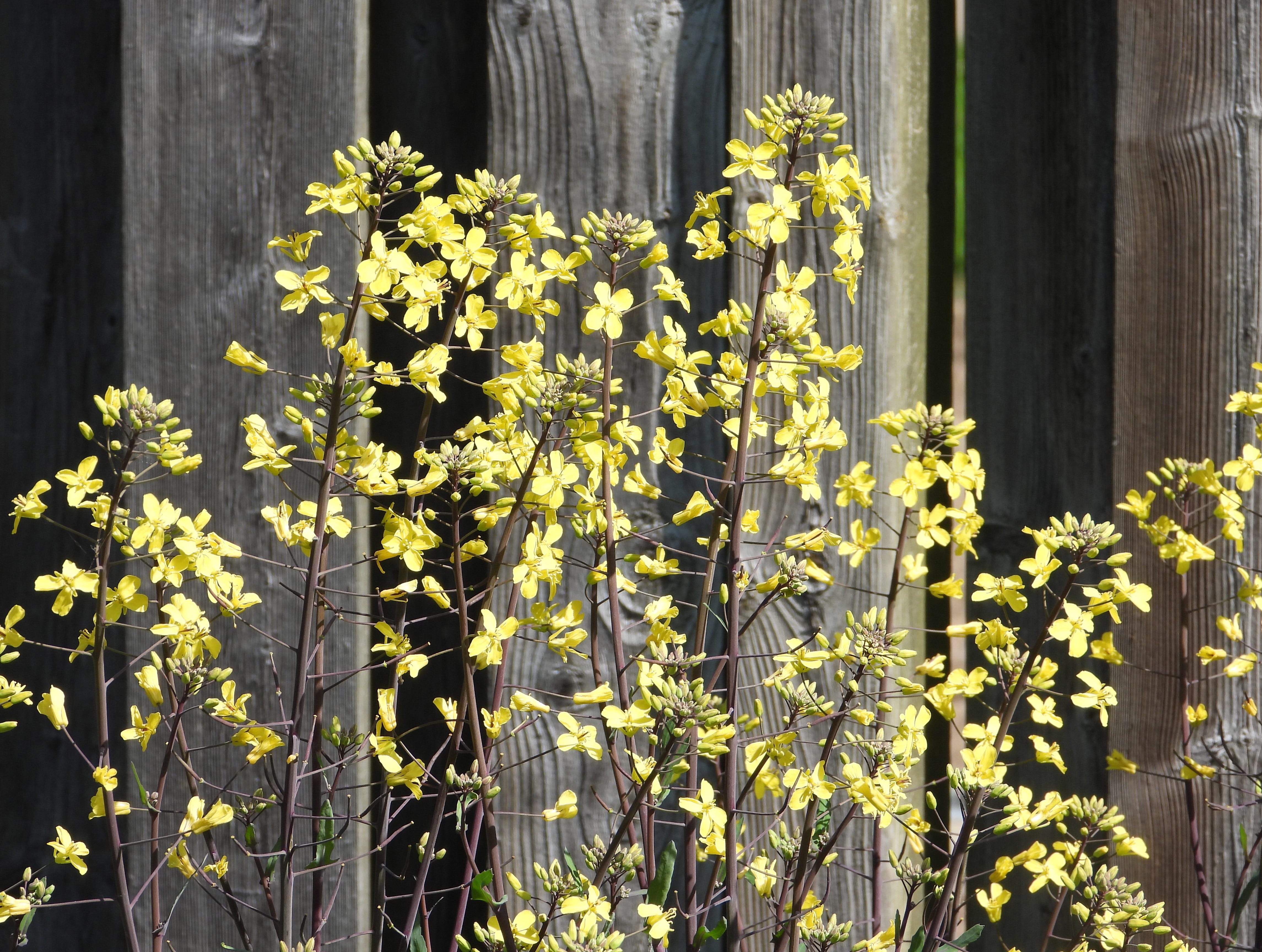
Fore more info on Kale read:
Kale: a nutritional powerhouse and an ideal candidate for the regenerative garden

It is definitely one of the healthiest and most nutritious plant foods in existence. Kale is loaded with all sorts of beneficial compounds, some of…
May is also a time when I dig up self-sown heirloom cannabis seedlings from my yard to gift out into the community.
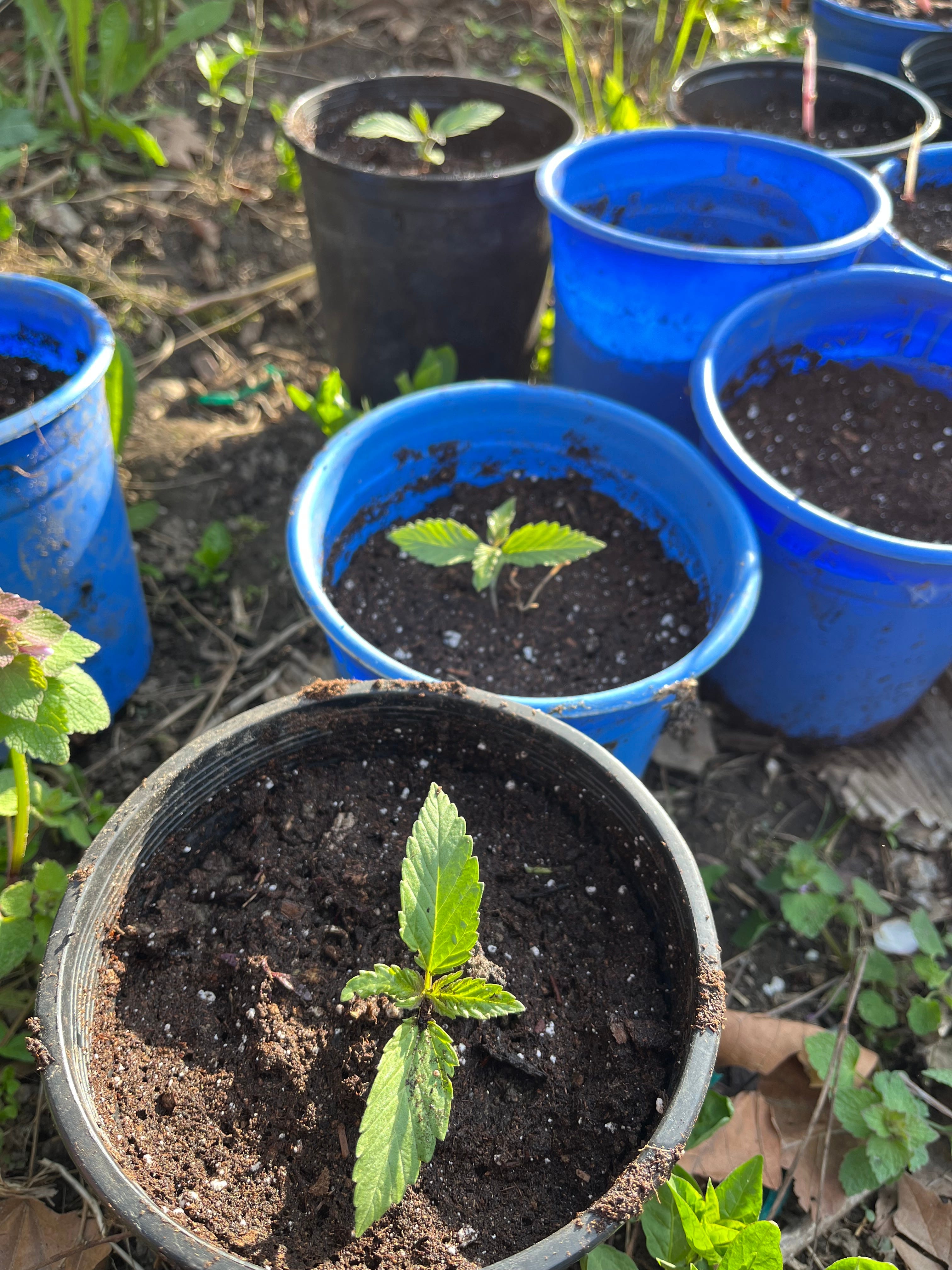
Most people think of cannabis and think of “what can it do for me?” or “dam those stoners and their stinky reefer!” however, over the last few years I have been asking myself a different question about this sacred plant.
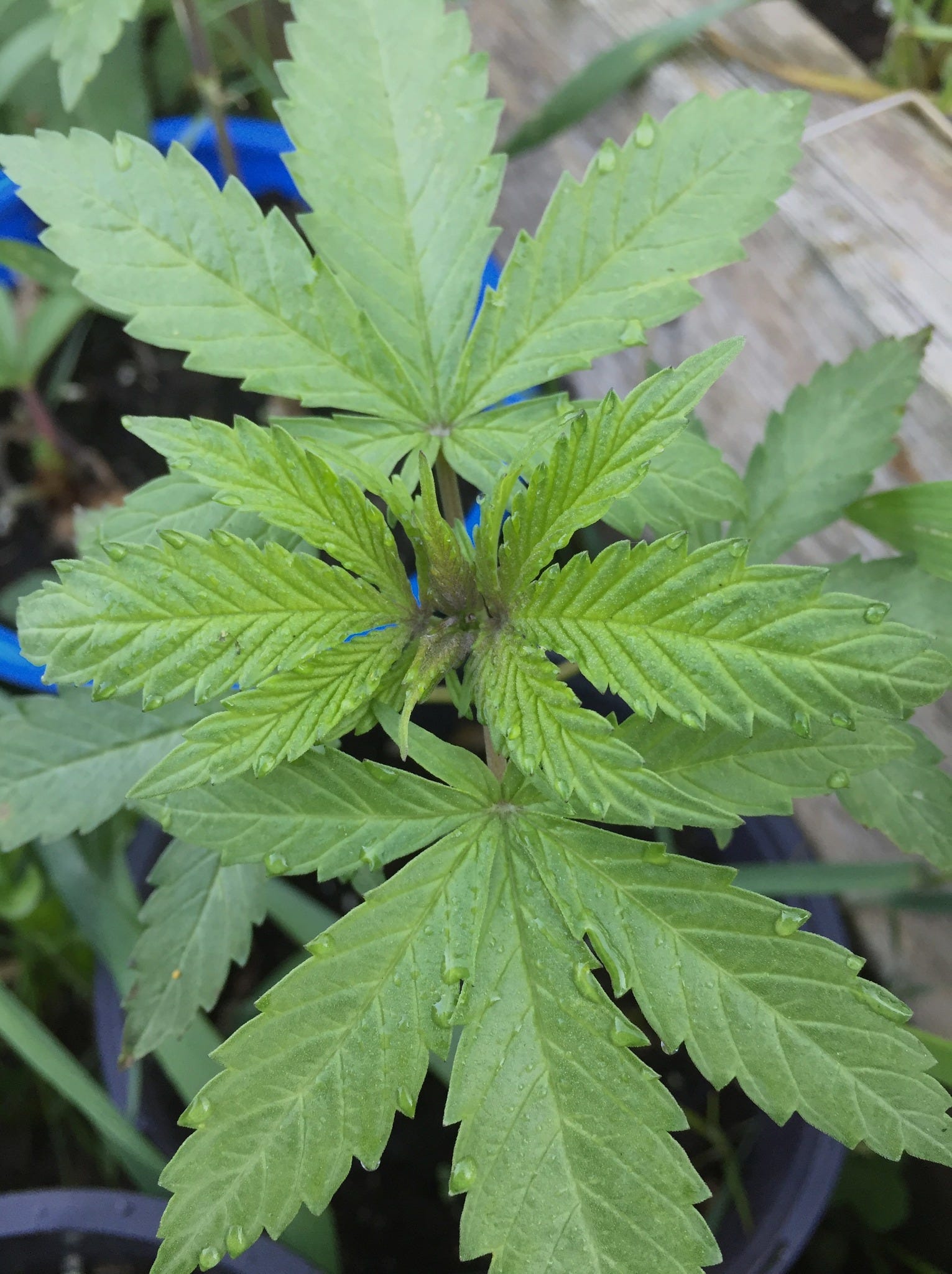
Instead of solely focusing on what this plant can do for humans, I have sought to ask the question: “what ecological function can this rooted being serve to fill in the context of a forest ecosystem?”.
Some of the answers that the winged beings provided me were heartening and hopeful.
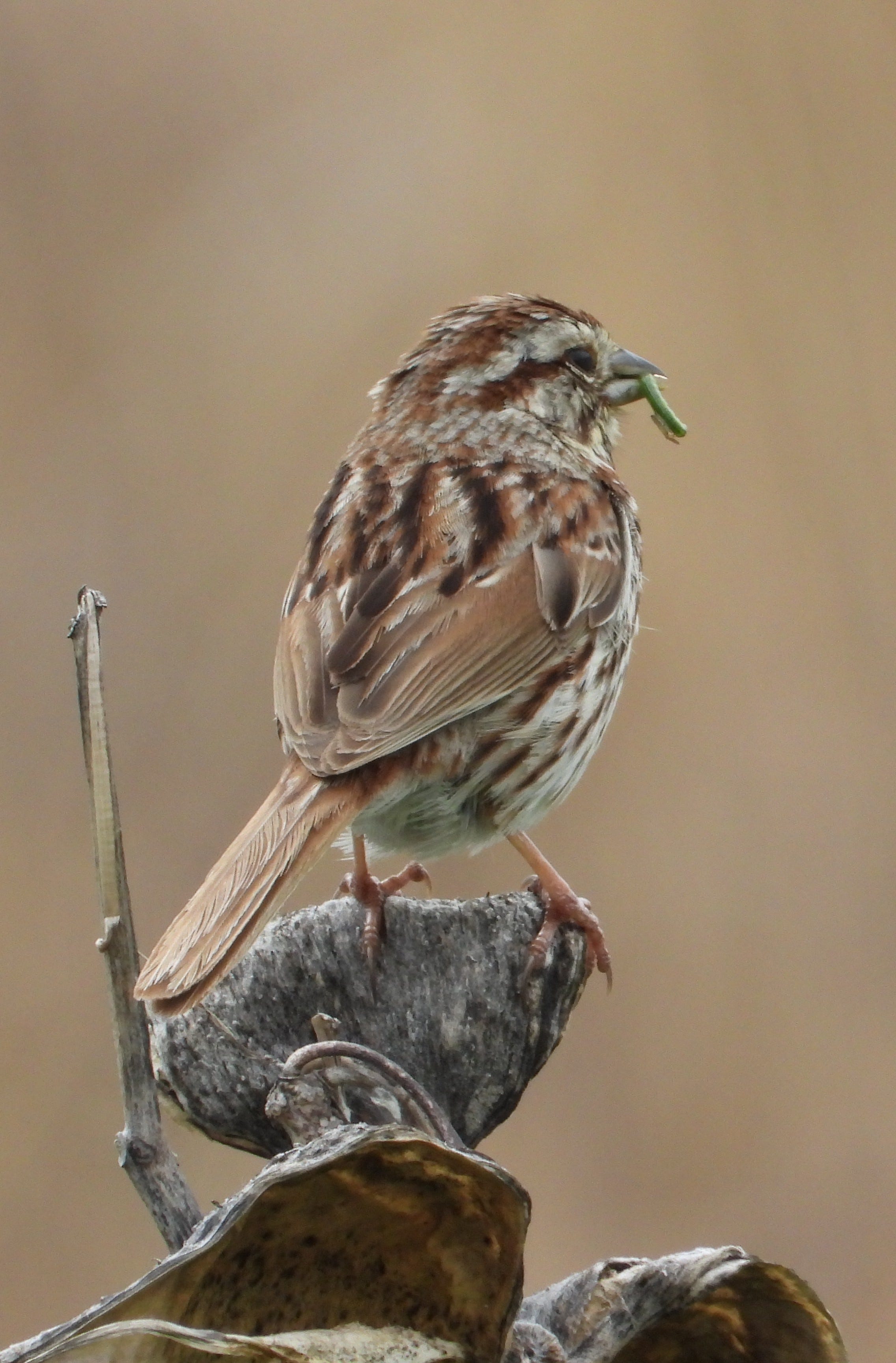
I have seen a great variety of birds and other small beings enjoying the cannabis seeds on our plants. This year I noticed three different species of birds (a mated pair of Orioles, a mated pair of Cardinals and a yellow finch perched) really appreciate the tall pollinated female cannabis plants I left in the ground from last year as they were eating the nutrient dense seeds (still left in the dried/dead flower heads).
Below is a video clip of some birds enjoying the seeds in winter
Most people see male cannabis plants as the enemy (as they are conditioned to think anthropocentrically and with the aim of producing flowers with the sole purpose of being smoked) however, having male (and female) cannabis plants growing together offers the blessing of allowing cannabis plants to fulfill their ecological role of providing nutrient dense seeds for birds (and for providing humans with seeds for both eating and saving/sharing). Considering how nutrient dense the seeds are and how many mammals each plant feeds, I would describe pollinated female cannabis plants as “Mother Plants” (in the context of the regenerative garden, as an annual scale increaser of biodiversity).
So when these plants are left to complete their reproduction cycles (with both males and females present) they can feed a wide range of local bird species (and considering the abhorrent deforestation where I live and loss of habitat for such birds, this was very meaningful for me to witness).
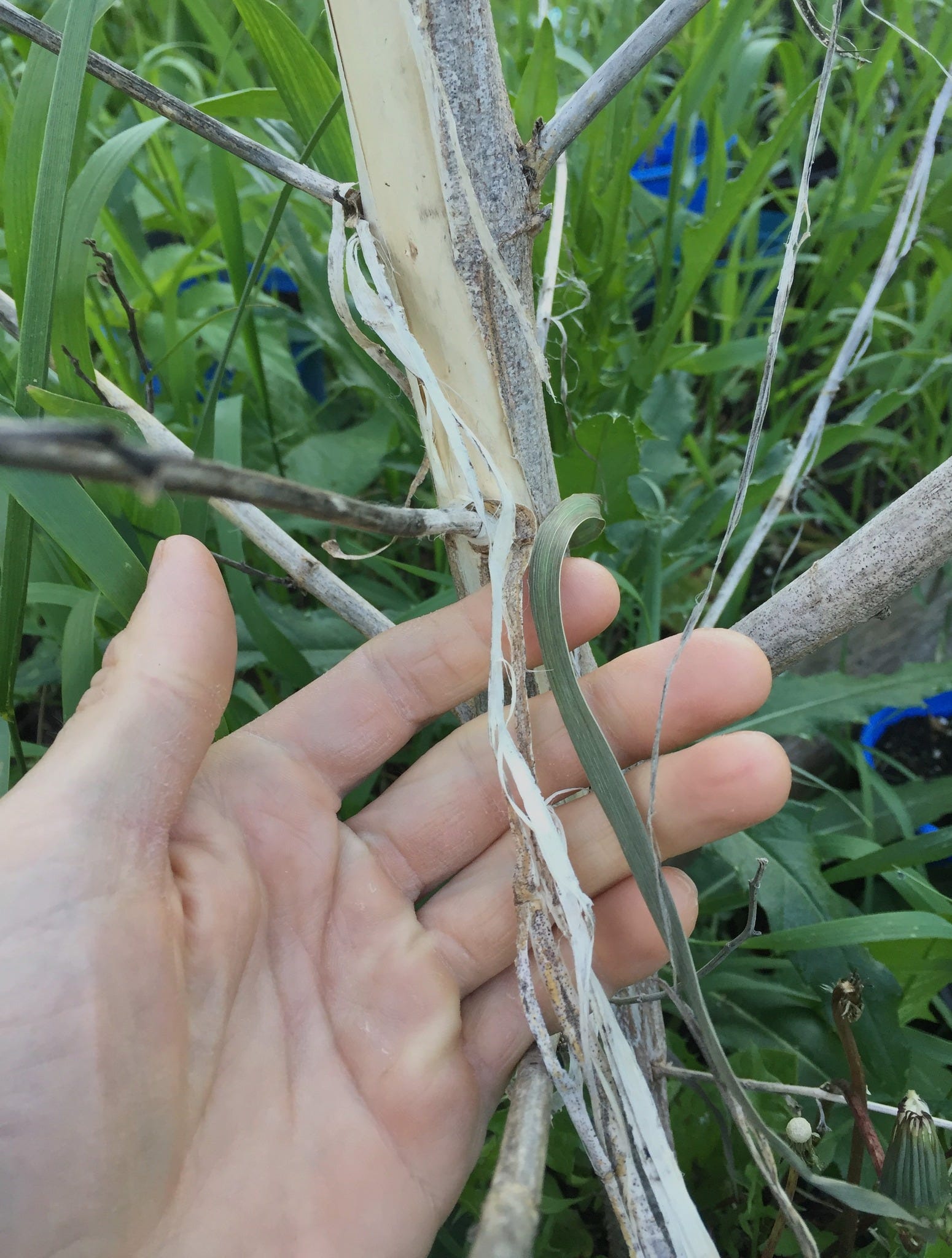
What I also discovered this year is that the birds are apparently aware of the resilience of the fibers of cannabis stalks (and they will actively seek them out when left standing and prefer them for harvesting nest building fibers in spring).
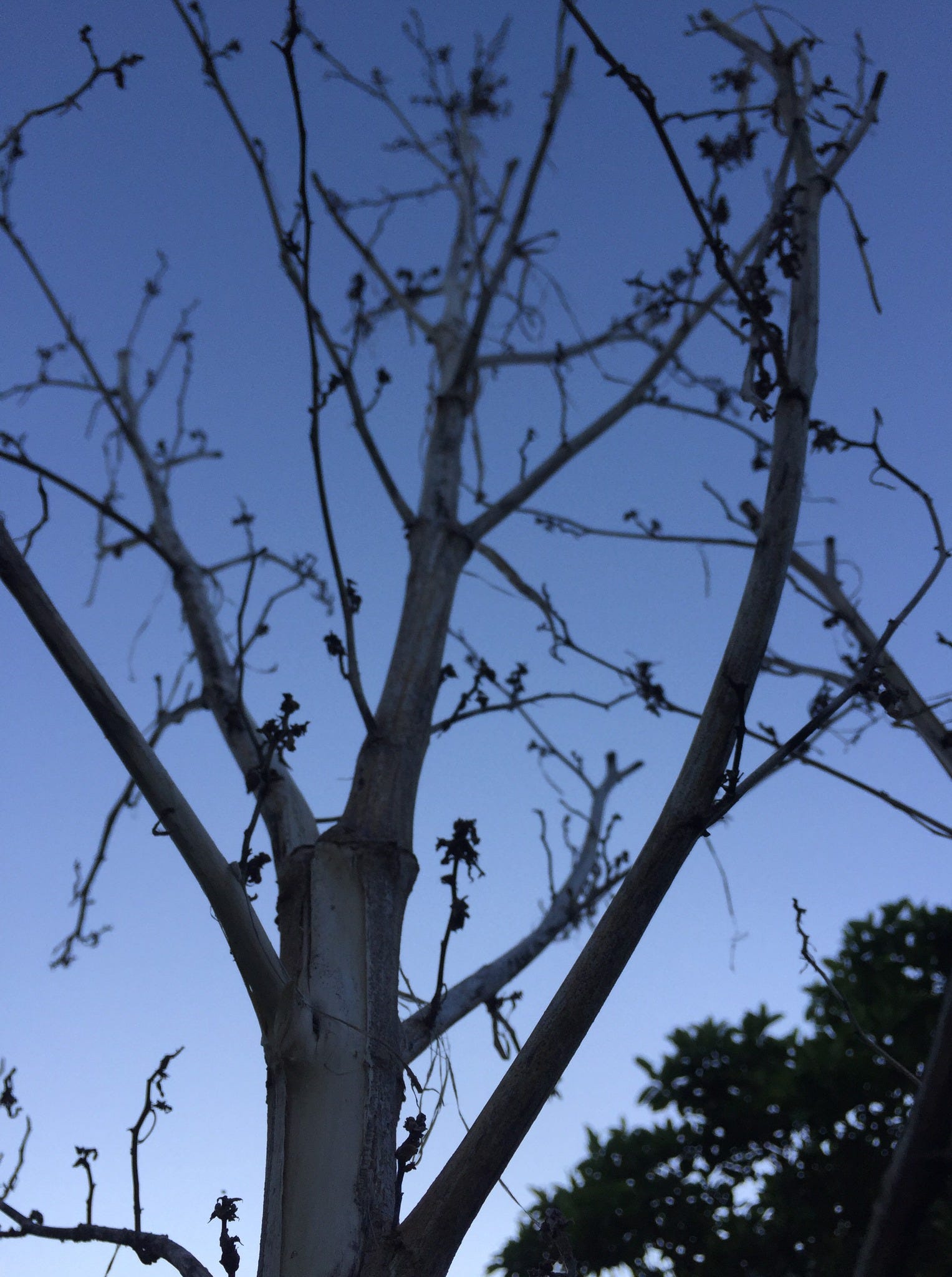
Long before people were smoking weed, they were weaving cannabis (aka “hemp” fibers into robe, paper, and clothing). Birds apparently know of this gift of resilient fibers from the cannabis plant as well. Check out the pics below to see how they have been peeling away the layers of the second year dead cannabis plant I left in the garden.
I have witnessed them (yellow finches, oriels, cardinals, sparrows and doves) picking at the stalk and testing the tensile strength of the fibers with vigorous tugs (when the fiber refuses to break after a few tugs, the bird surgically removes the fibrous strand she has been tugging on from the stalk with a targeted peck or two and carries them away to a nesting site). These are clearly caring parents looking to provide the very best quality nursery for their young ones, and it warms my heart to know that these second year cannabis plants can provide that material for my winged kin.
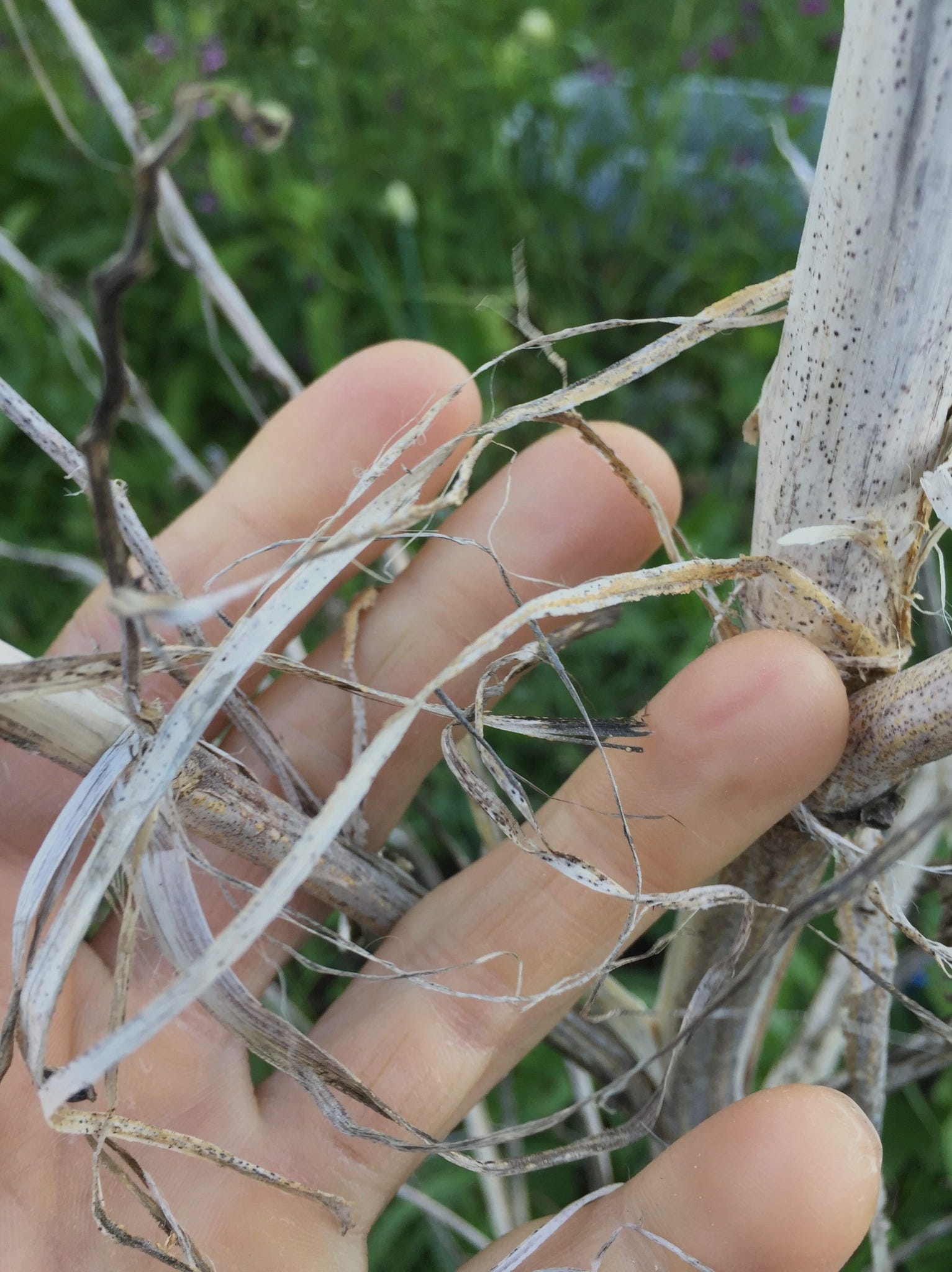
Such are a couple of the blessings we invite into our lives when we learn to look at this world through the eyes of nature and work with our garden plants as ecological allies within a reciprocal circle of gifts (as opposed to just seeing them as solely “resources” to be extracted from).
For more info on growing cannabis in the regenerative garden and/or food forest, read:

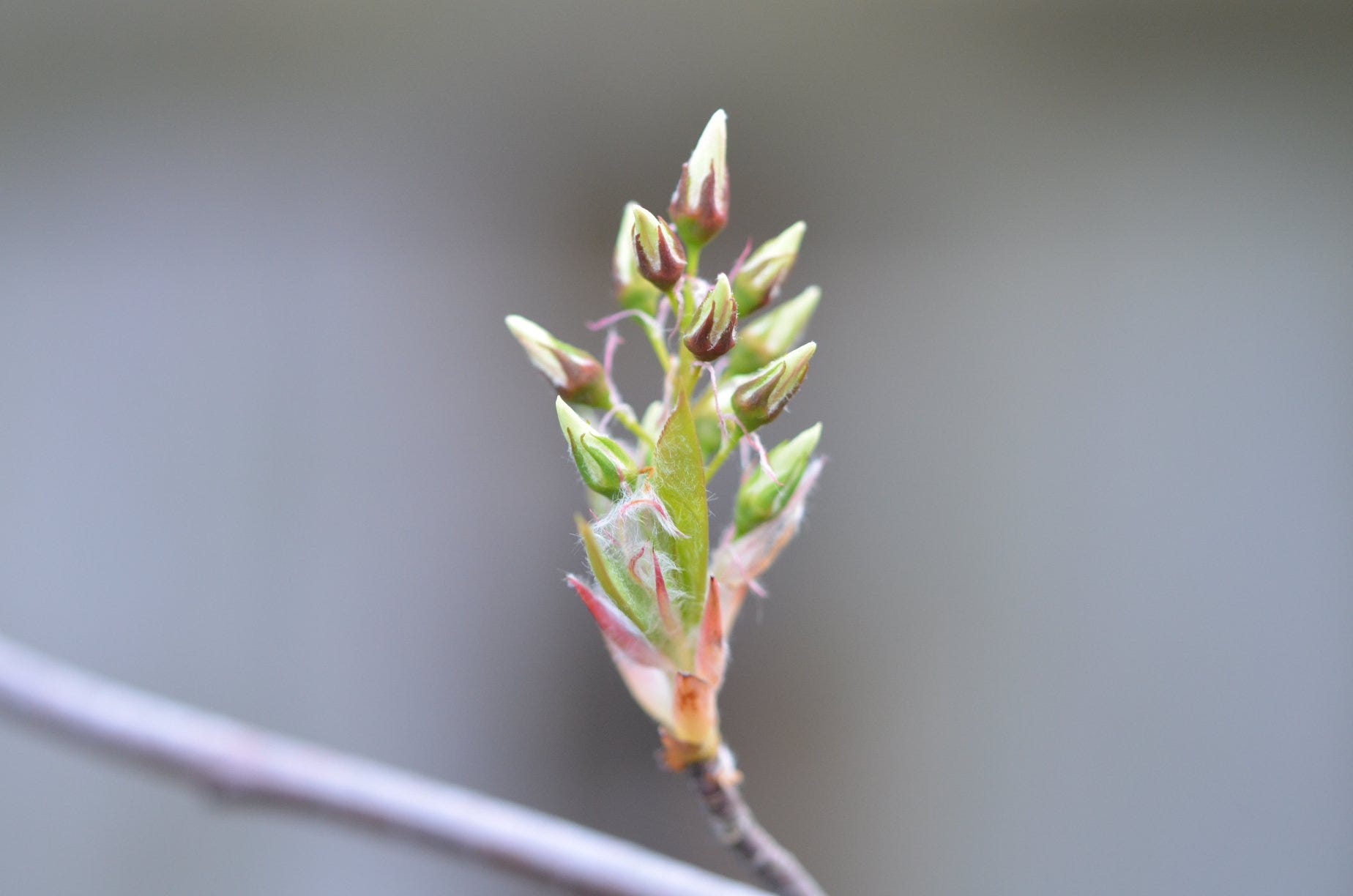
Below is a picture showing newly emerged Bur Oak (Quercus macrocarpa) leaves
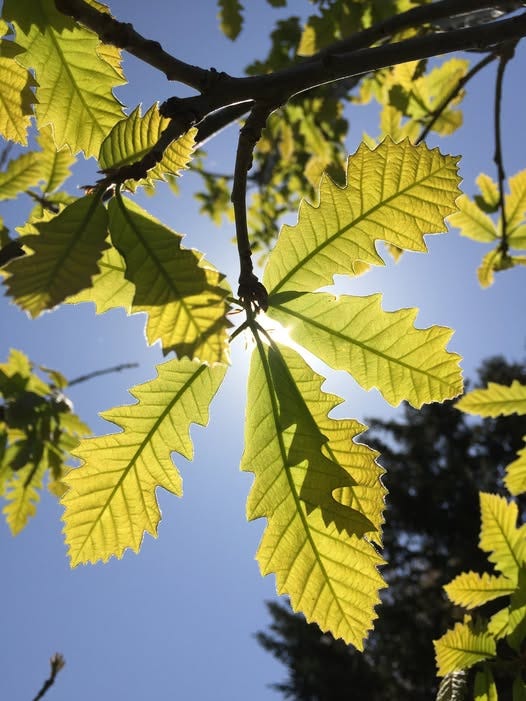
The Bur Oaks are waking up in Ontario at the 42nd parallel.
Quercus macrocarpa, commonly known as Bur Oak, is a long-lived species, with individuals potentially reaching 300-528 years old in ideal growing conditions (and with a lack of degenerate humans nearby chopping them down before they can reach that age).
Native to eastern Turtle Island (aka North America) from Nova Scotia to Texas, and from New Brunswick to Manitoba. It also grows in parts of Canada, including Ontario, Quebec, and Saskatchewan.
Bur oaks like to grow in open areas, away from dense forests. They are often found reaching multiple century ages and producing prolifically near waterways, in manmade (ancient food forest) oak savannas, and on sandy ridges.
Oaks are a keystone species, which can be defined as a species that has a larger effect on its ecosystem that would be expected by its relative abundance. Keystone species play critical roles in maintaining the structure and stability of an ecosystem and affect the type and abundance of other species.
Throughout their native range, oak trees not only provide food, they also:
Offer shelter, from their roots to treetops, for an array of organisms.
Provide shade under their broad canopies that helps soils retain moisture and keep it cool.
Reduce erosion with their extensive root systems.
When you think of acorns, you might picture them as food for squirrels, but these little nuts are packed with nutrients that can benefit humans too! Let’s dive into the vitamins, minerals, and macronutrients found in acorns.
Acorns are also an excellent source of:
Vitamin B6: Essential for brain health and metabolism.
Vitamin B9 (Folate): Crucial for DNA synthesis and cell growth.
They also contain a good amount of:
Vitamin B1 (Thiamine): Important for energy production.
Vitamin B2 (Riboflavin): Helps in energy metabolism and cellular function.
Vitamin B3 (Niacin): Supports digestive health and skin.
Vitamin B5 (Pantothenic Acid): Vital for synthesizing coenzyme A.
Minerals in Acorns:
Acorns are an excellent source of:
Copper: Important for red blood cell formation and maintaining nerve cells.
Manganese: Essential for bone formation and nutrient metabolism.
They also have a good amount of:
Iron: Necessary for oxygen transport in the blood.
Magnesium: Supports muscle and nerve function.
Phosphorus: Helps in the formation of bones and teeth.
Potassium: Crucial for heart and muscle function.
Calcium: Important for bone health.
Zinc: Supports immune function.
Acorns are also an excellent source of:
Fat: Provides essential fatty acids and energy.
Omega-6 Fatty Acids: Important for brain function and cell growth.
Carbohydrates: A primary energy source.
Protein: Essential for building and repairing tissues.
Health benefits:
Antioxidants: Acorns contain antioxidants like quercetin, catechins, resveratrol, and gallic acid. Antioxidants are compounds that defend your cells from damage caused by potentially harmful molecules called free radicals (Source).
Research suggests that diets high in antioxidants may help prevent chronic illnesses, such as heart disease, diabetes, and certain cancers (Source).
Acorns are rich in antioxidants like vitamins A and E, as well as numerous other plant compounds (Source).
One animal study noted that an antioxidant-rich acorn extract reduced inflammation in those with reproductive damage (Source).
Gut health: Acorns are high in fiber, which can help nourish beneficial gut bacteria. improve gut health
The bacteria in your gut play a key role in your overall health. An imbalance of these bacteria has been linked to obesity, diabetes, and bowel diseases.
Acorns are a great source of fiber, which nourishes your beneficial gut bacteria (Source).
Gathered in the fall and are an excellent nutrient dense food source. Acorns are not produced until the tree is at least 40 years old. Peak acorn production usually occurs around 80 – 120 years, and some trees can live longer than 500 years. One large oak tree can produce 1,000 pounds of acorns in a year.
Additionally, acorns have long been used as an herbal remedy to treat stomach pain, bloating, nausea, diarrhea, and other common digestive complaints (Source).
In a 2-month study in 23 adults with persistent indigestion, those who took 100 mg of acorn extract had less overall stomach pain than those who took a acorn capsule (Source).
Insulin resistance: Functional acorn cake may help improve insulin resistance in people with obesity.
Gathered in the fall and are an excellent nutrient dense food source. Acorns are not produced until the tree is at least 40 years old. Peak acorn production usually occurs around 80 – 120 years, and some trees can live longer than 500 years. One large oak tree can produce 1,000 pounds of acorns in a year.
Cultural history illuminates (at least) 11,000 years of lifeways of civilizations across temperate regions have been built around acorns and Oak trees.
Here in the Eastern Woodlands of Turtle Island tree typically grows mixed in with other canopy hardwood species but there are places in Ontario and Quebec (as well as many locations south of us) where highly concentrated old growth stands of Swamp White Oak, Burr Oak and Hickory exist along side unnaturally high concentrations of other choice food and medicine producing tree species indicating intentional indigenous agroforestry design.
Pollen samples from the soil indicate these manmade food forests were created in various parts of the Eastern Woodlands of Turtle Island between 800-1500 years ago and many of them persist (and have become self-propagating and self-perpetuating food forests) even with the original indigenous horticultural architects of said manmade forests having been removed from that land for centuries now in some cases.
These places continue to produce an unusually high amount of food and medicine (that is well suited for the human diet and health) even though the original forest gardeners are no longer able to do their annual controlled burns and careful interplanting of key companion tree species (as pollen evidence indicates they engaged in for hundreds of years prior to European Contact) their forest gardens are still producing abundant food (for those capable of recognizing it) today.
For more info read the article linked in the comments under my previous post.
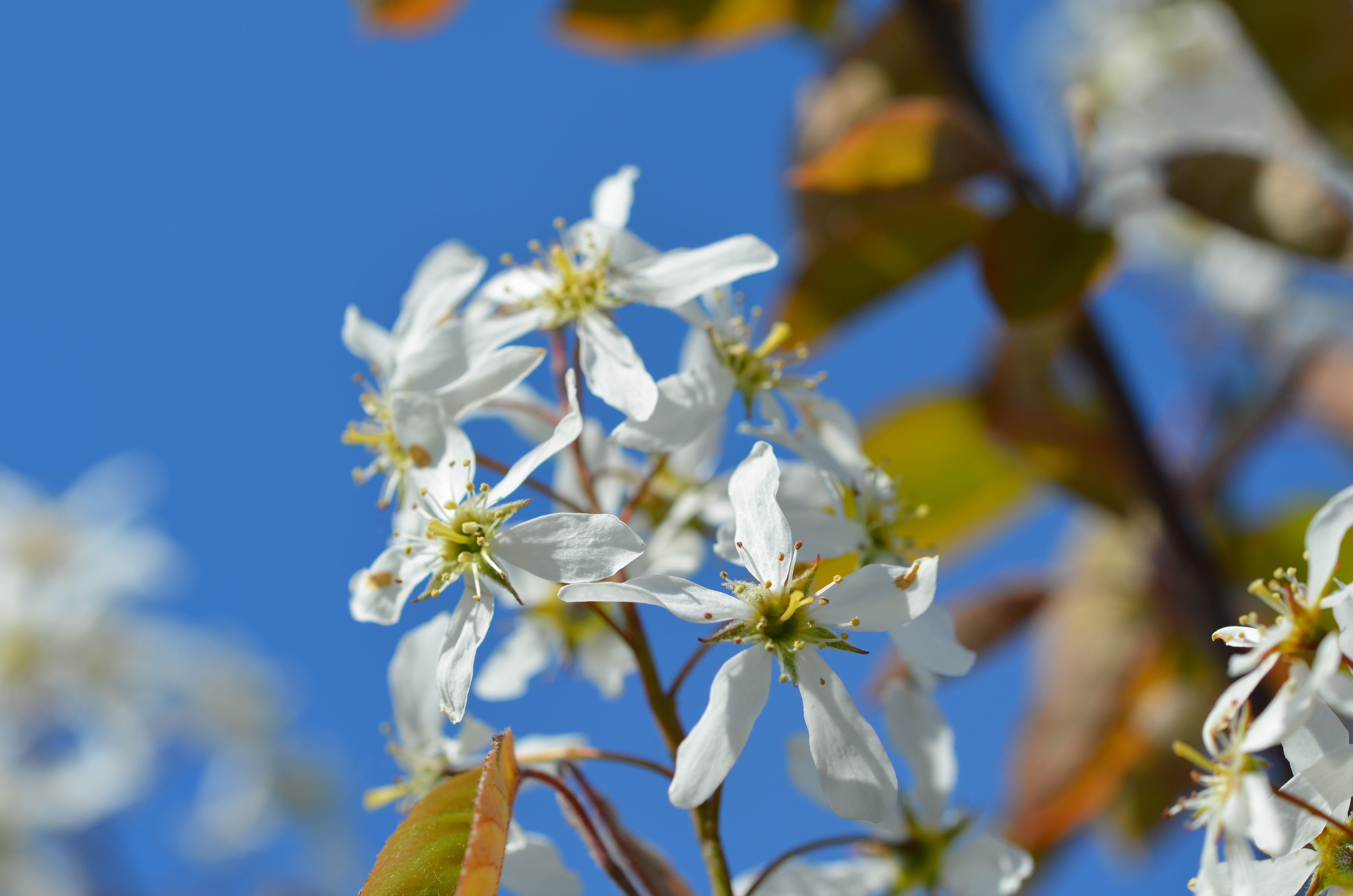
Below shows Yarrow (Achillea millefolium) foliage and buds :
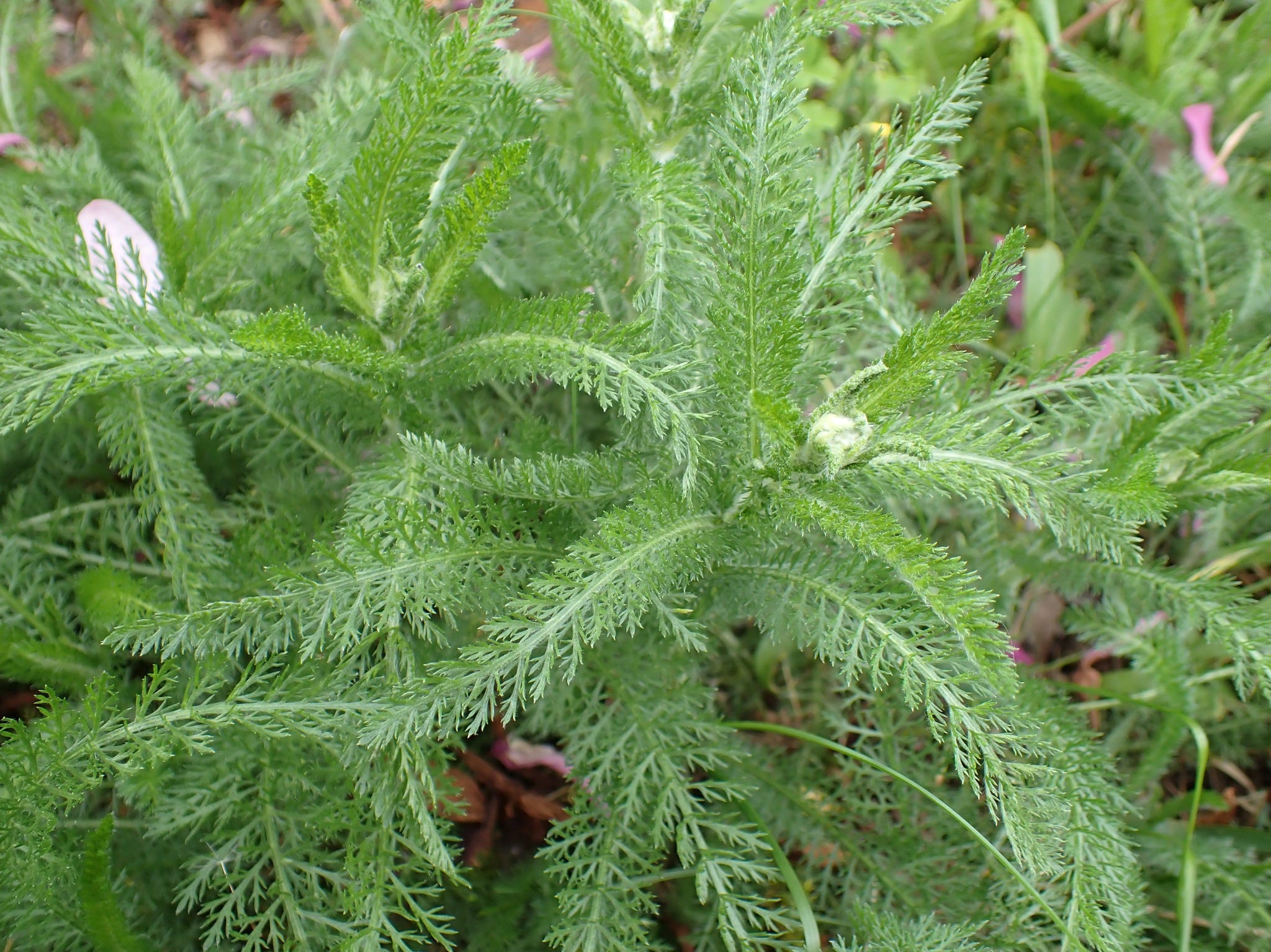
The picture above shows a a great time to harvest terminal shoots to make tincture, salves, tea and mosquito repellant (as harvesting the terminal growth node will both contain potent medicinal compounds being concentrated to create the flowers and stimulate the plant to produce twice as many flowers via growing lateral flower shoots).
Yarrow is one the world’s oldest medicinal plants and has been used since ancient times.
Yarrow has a colorful list of names, and an even richer and more colorful history of use in European, Native American, and Chinese medicine.
Names include “Todzi-tonega” (Paiute), “Pannonzia” Shoshone, “Waabanooganzh” or “Plant of Life” (Ojibwe), nosebleed plant, “Cathair-thalmhainn” (Scotish-Gealic), 西洋蓍草 in Mandrin and “Biranjasipha” in sanskrit.
Mary Siisip Geniusz shares a variety of Anishinaabe spiritual and medicinal connections with yarrow, stating that yarrow (waabanooganzh) is a sacred medicine to her people. Yarrow would be made into a tea and used as a bath to protect the skin of those involved with their fire ceremonies, preventing the fire from burning them.
Yarrow is also Known as “nokwe’sikūn” [perfume reviver] to the First Nation peoples of the Great Lakes Region and “kīshkatoa’soanūk” to the Potawatomi (Bodwéwadmimwen) people of the Prairies.
When it comes to wound healing, yarrow has a long-standing and famous history of being used to cleanse wounds and help control the bleeding of lacerations, puncture wounds, and abrasions. Containing anti-inflammatory and antiseptic oils, as well as astringent tannins and resins, yarrow possesses excellent wound healing gifts. and also contains silica, which will help in repairing damaged tissue.
Yarrow was also considered an herb to avert evil. The Irish used to hang it up on St. John’s Eve to turn away illness and disperse spirits and in many places, it was hung in the home for protection. When going on a journey, you were to pull ten stalks of yarrow, keep nine, and throw the tenth away (as a tithing to the spirits), put the nine under the right heel and then evil spirits would have no power over you.
Yarrow was held in extremely high esteem by the ancient Celtic peoples of the British Isles and therefore had to be gathered with proper ceremony. The Irish are said to have not harvested Yarrow without reciting some formula at the same time such as this beautiful example translated by Carmichael:
“I will pluck the yarrow fair
That more benign will be my face,
That more warm shall be my lips,
That more chaste shall be my speech,
Be my speech the beams of the sun,
Be my lips the sap of the strawberry.
May I be an isle in the sea,
May I be a hill on the shore,
May I be a star in the waning of the moon,
May I be a staff to the weak.
Wound can I every man,
Wound can no man me.””
— CARMICHAEL
Yarrow has a vast array of medicinal properties. It’s antiseptic, antispasmodic, astringent, carminative, anti inflammatory, an excellent diaphoretic, vasodilator, febrifuge, haemostatic, diuretic, alterative, digestive, tonic, bitter tonic, hepatic, antimicrobial, anti-inflammatory, antispasmodic, antihistamine, analgesic, expectorant, an emmenagogue, antiviral, stimulant, tonic, a vasodilator, and vulnerary wound healer.
Yarrow is resilient, drought tolerant, fragrant, medicinal and an attractor of beneficial insects, this sacred medicine plant (though sometimes characterized as a “weed” by botanically illiterate and culturally adolescent humans) this rooted being offers many blessings
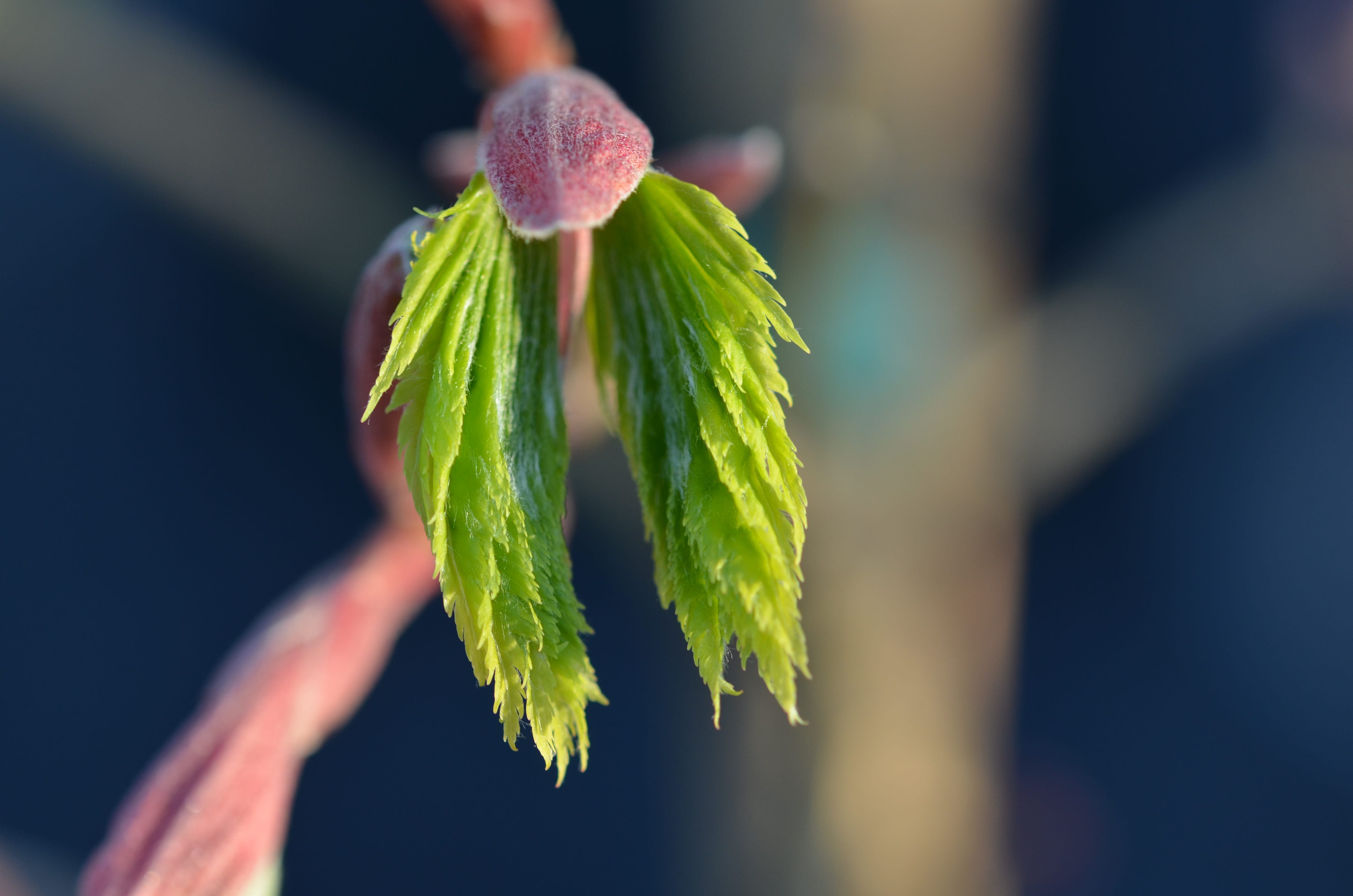
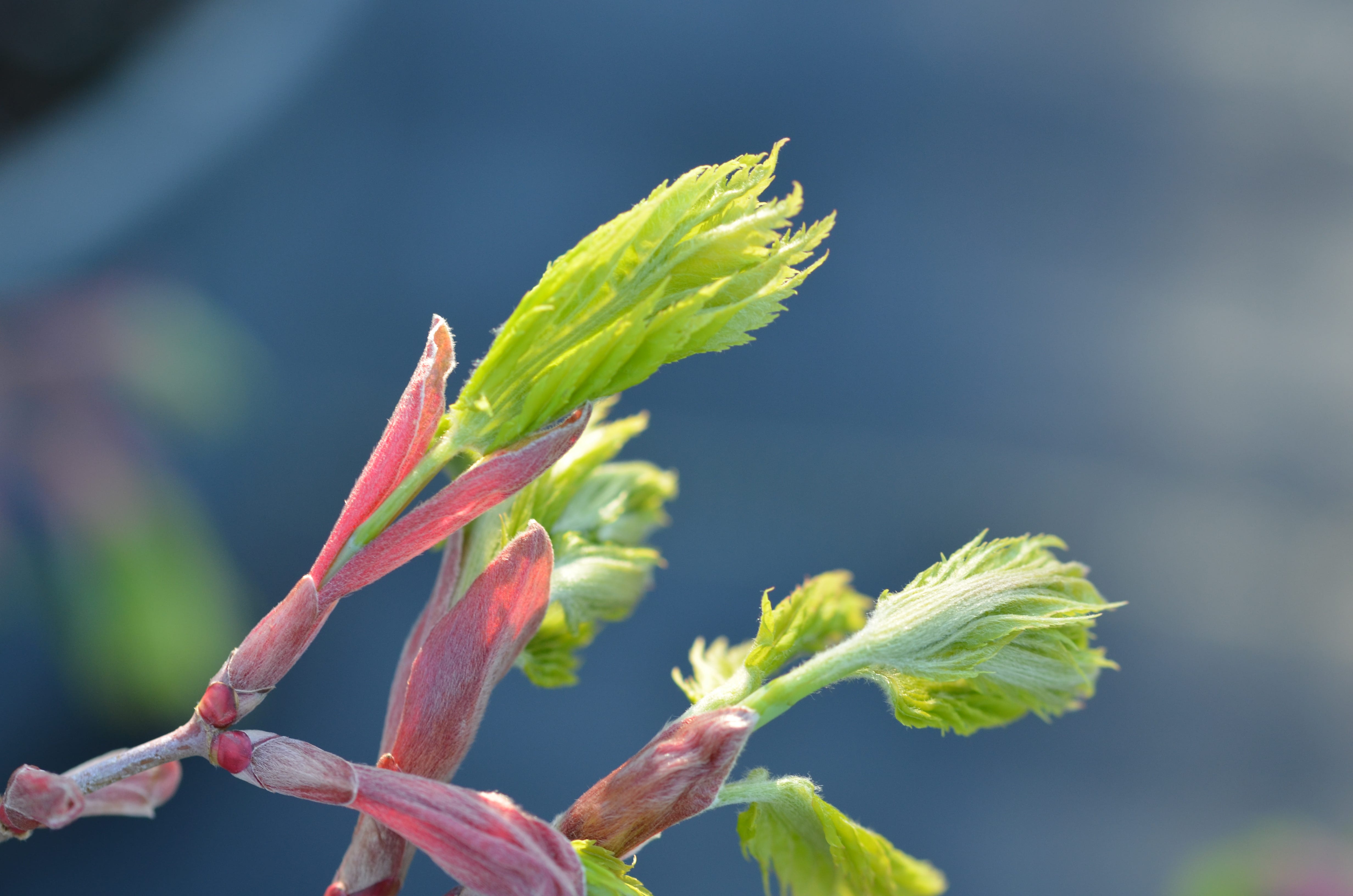
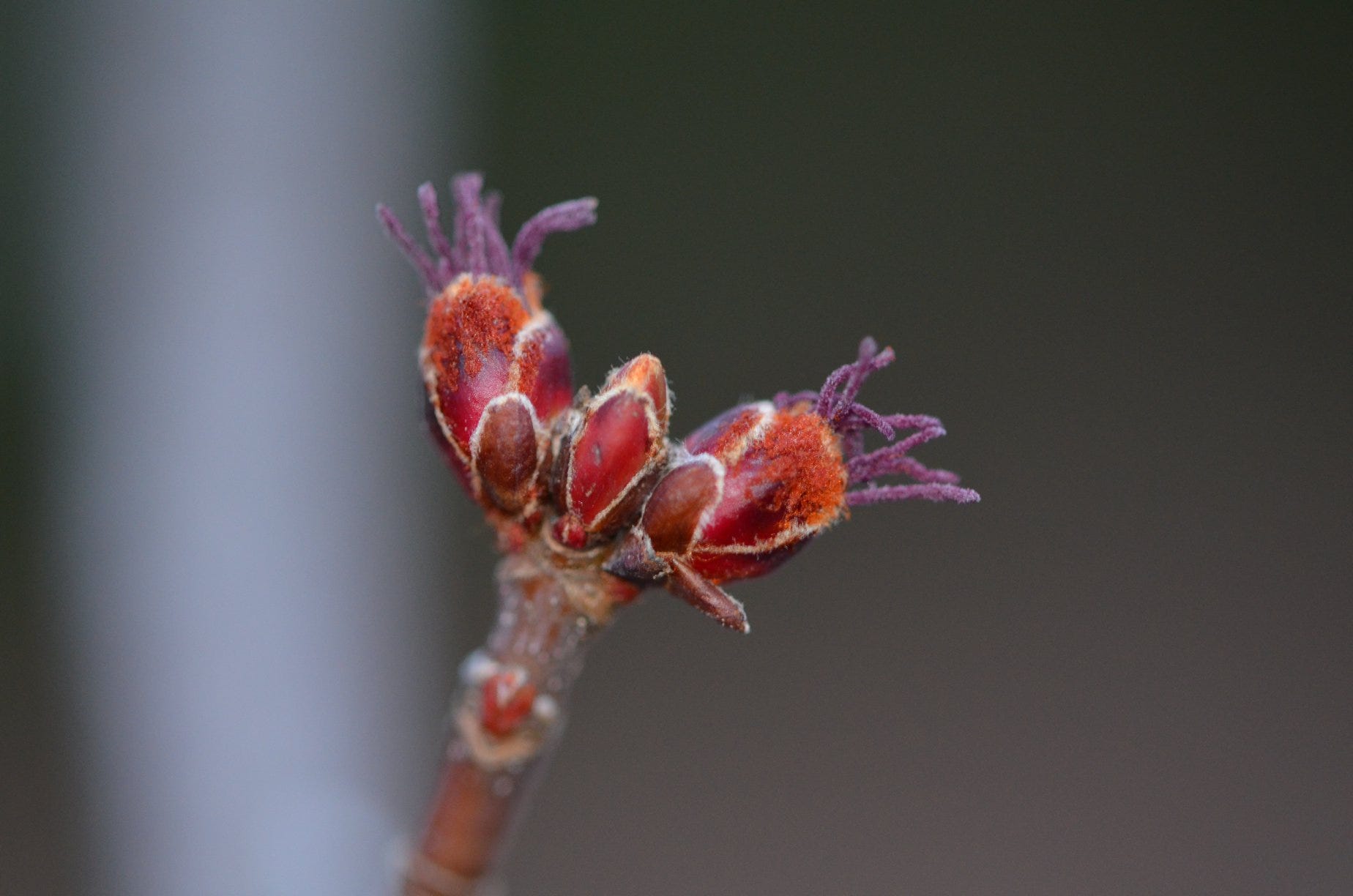

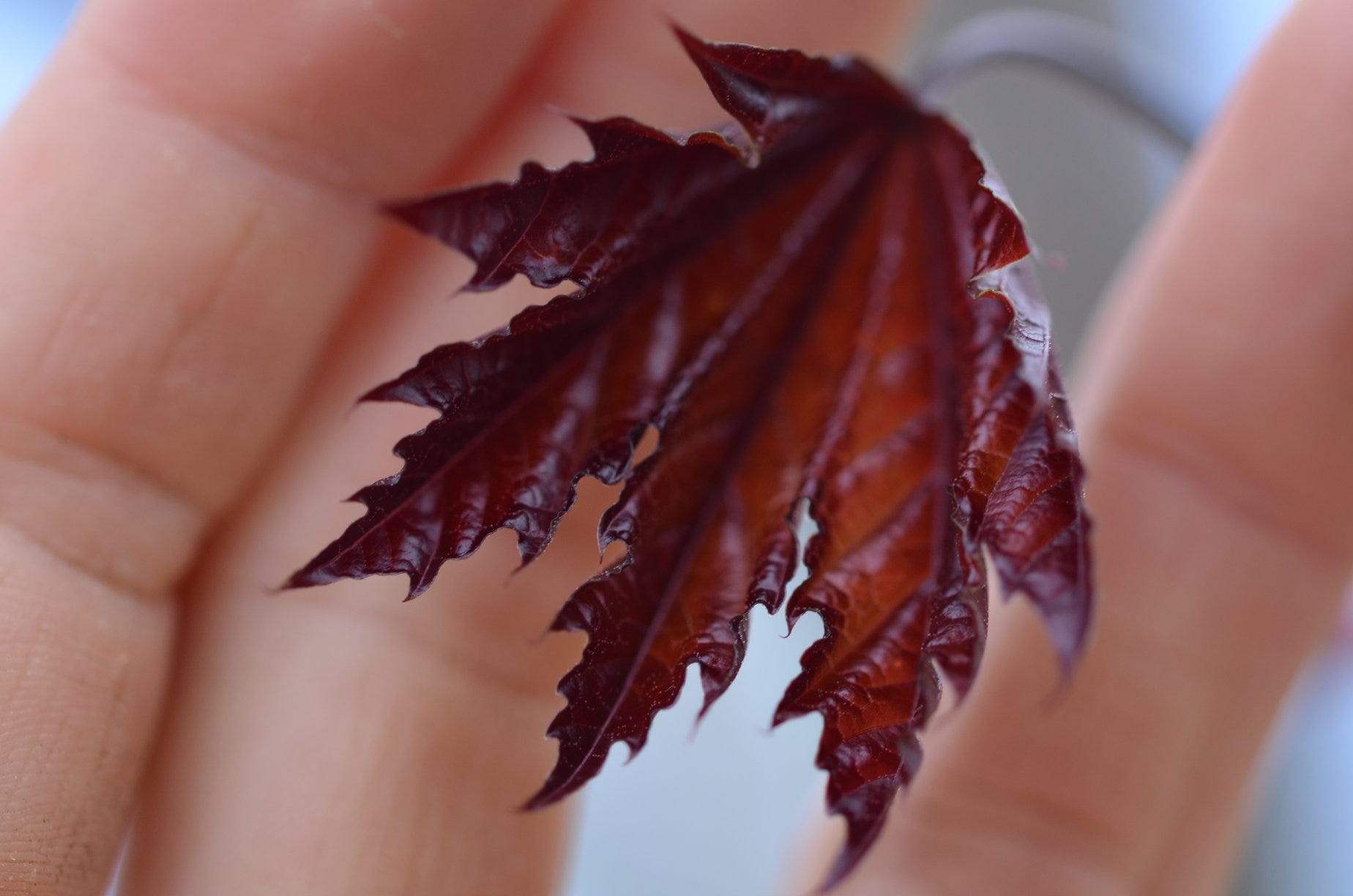
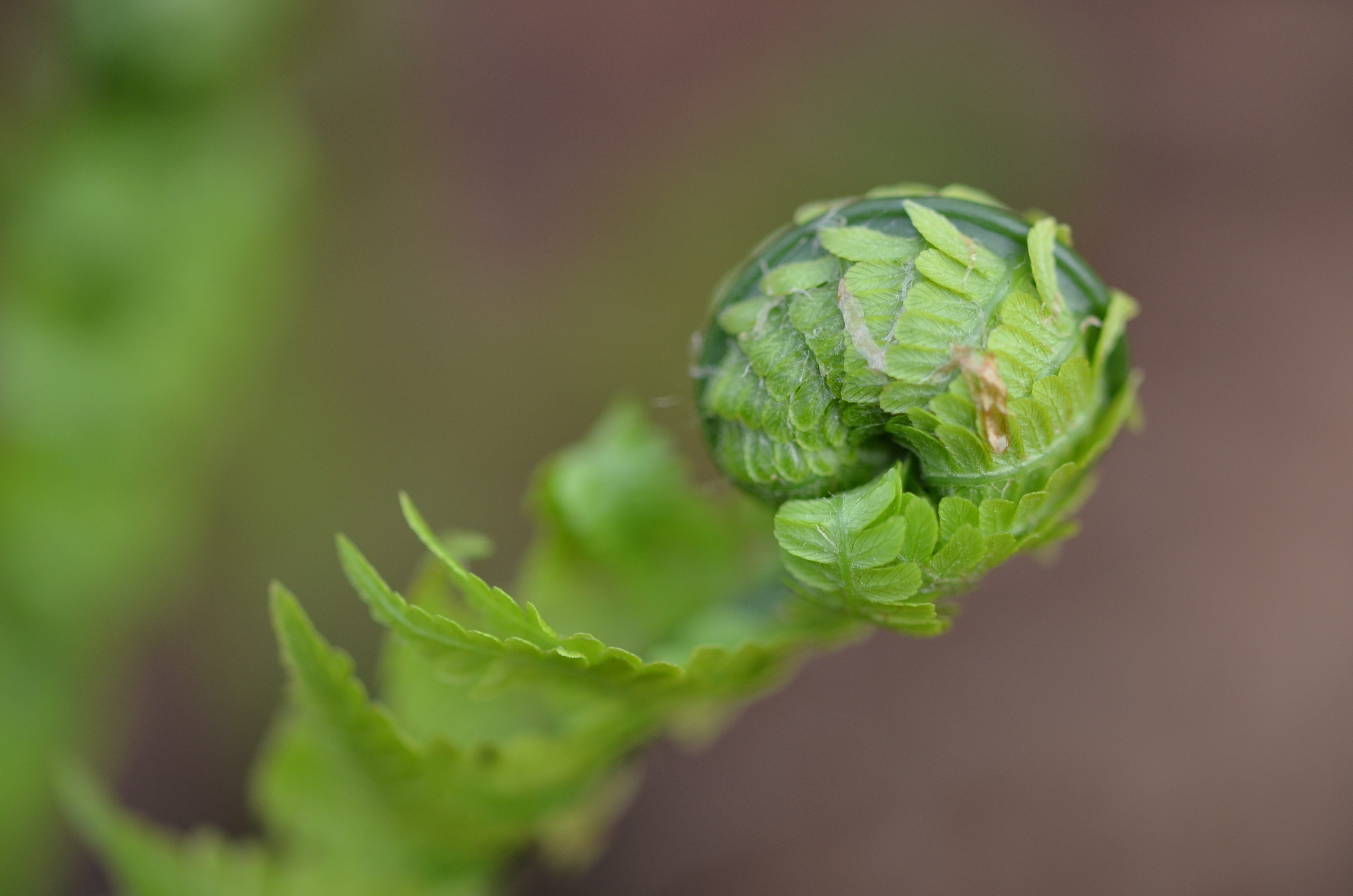
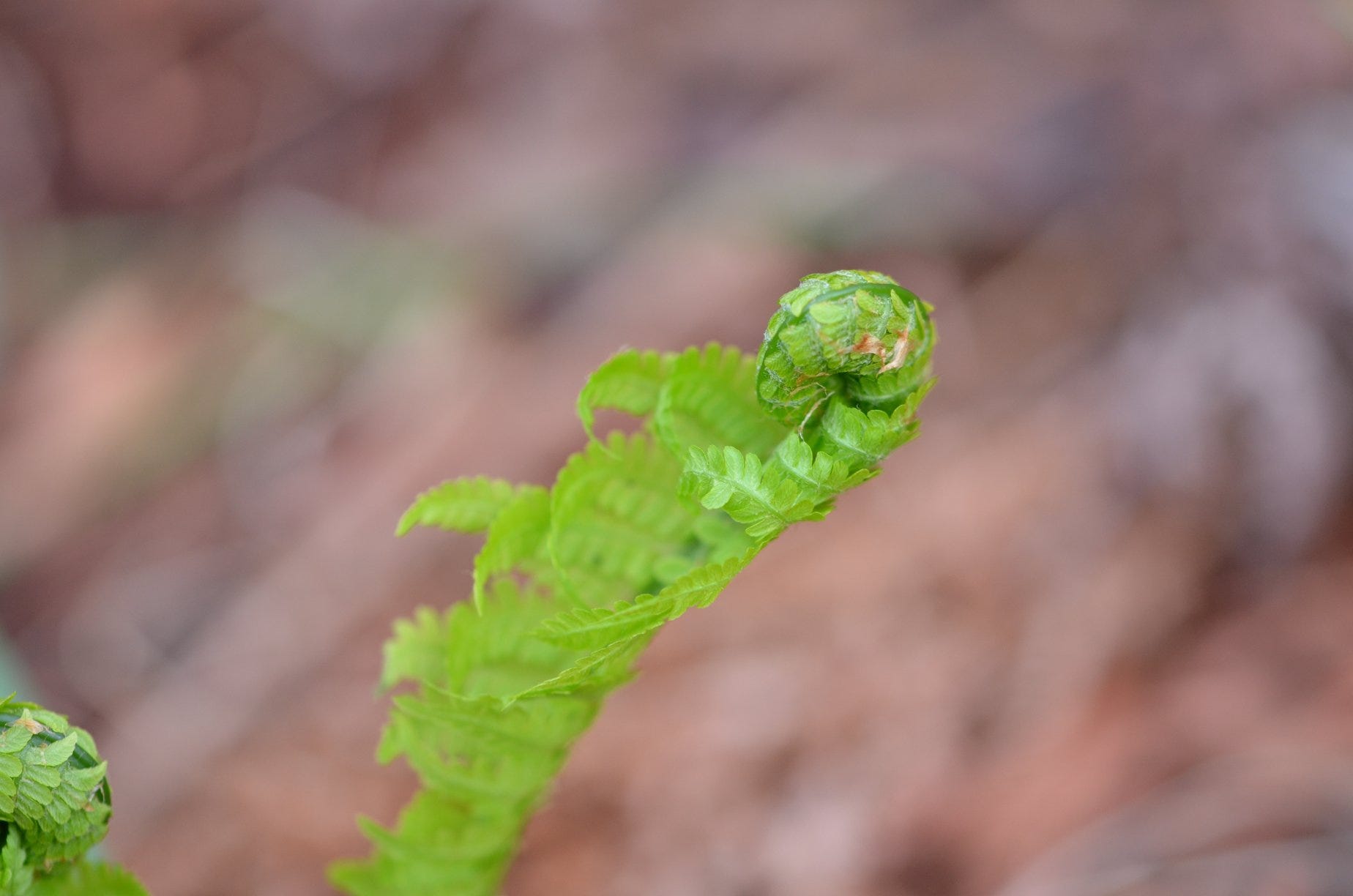
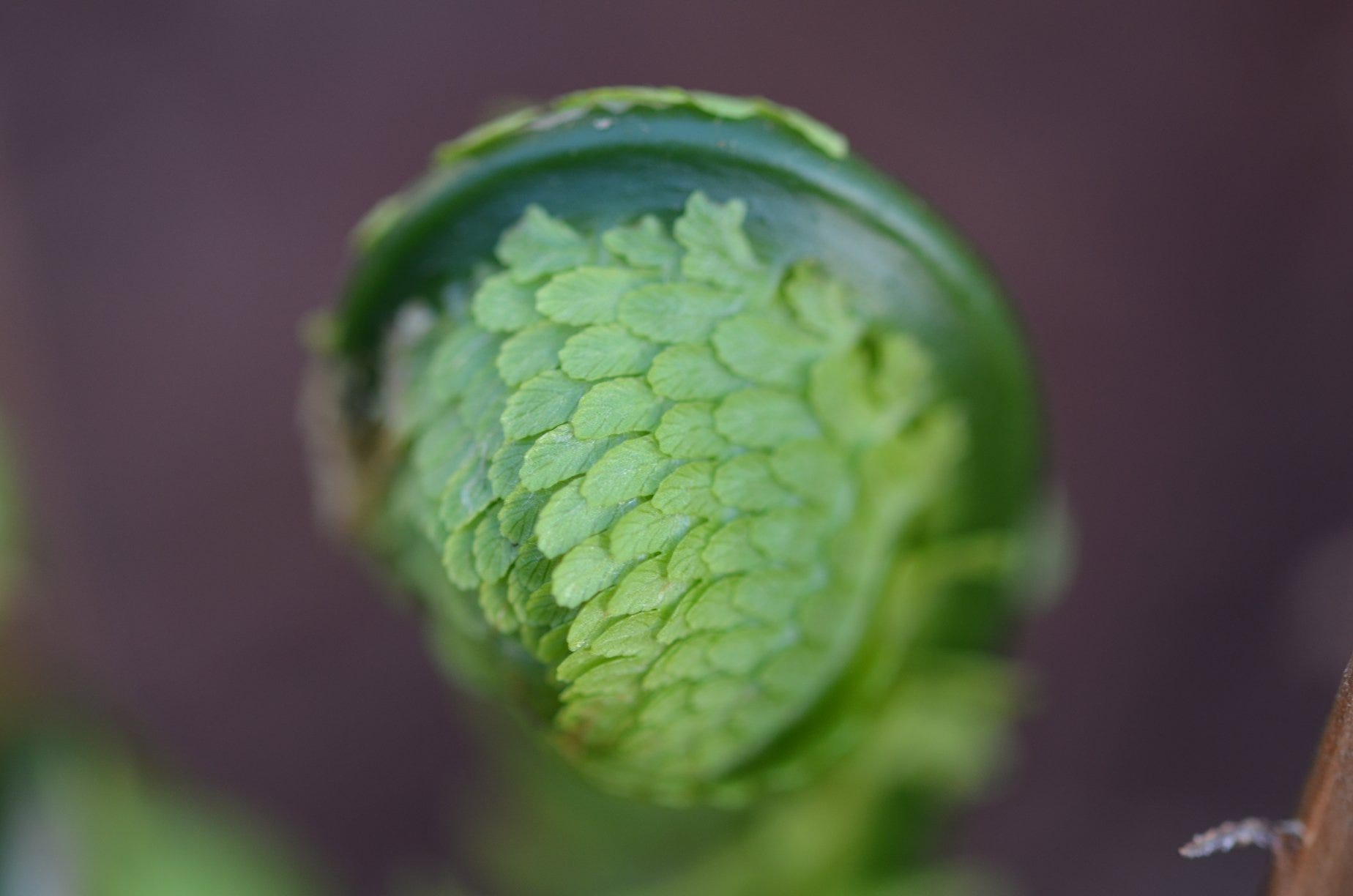
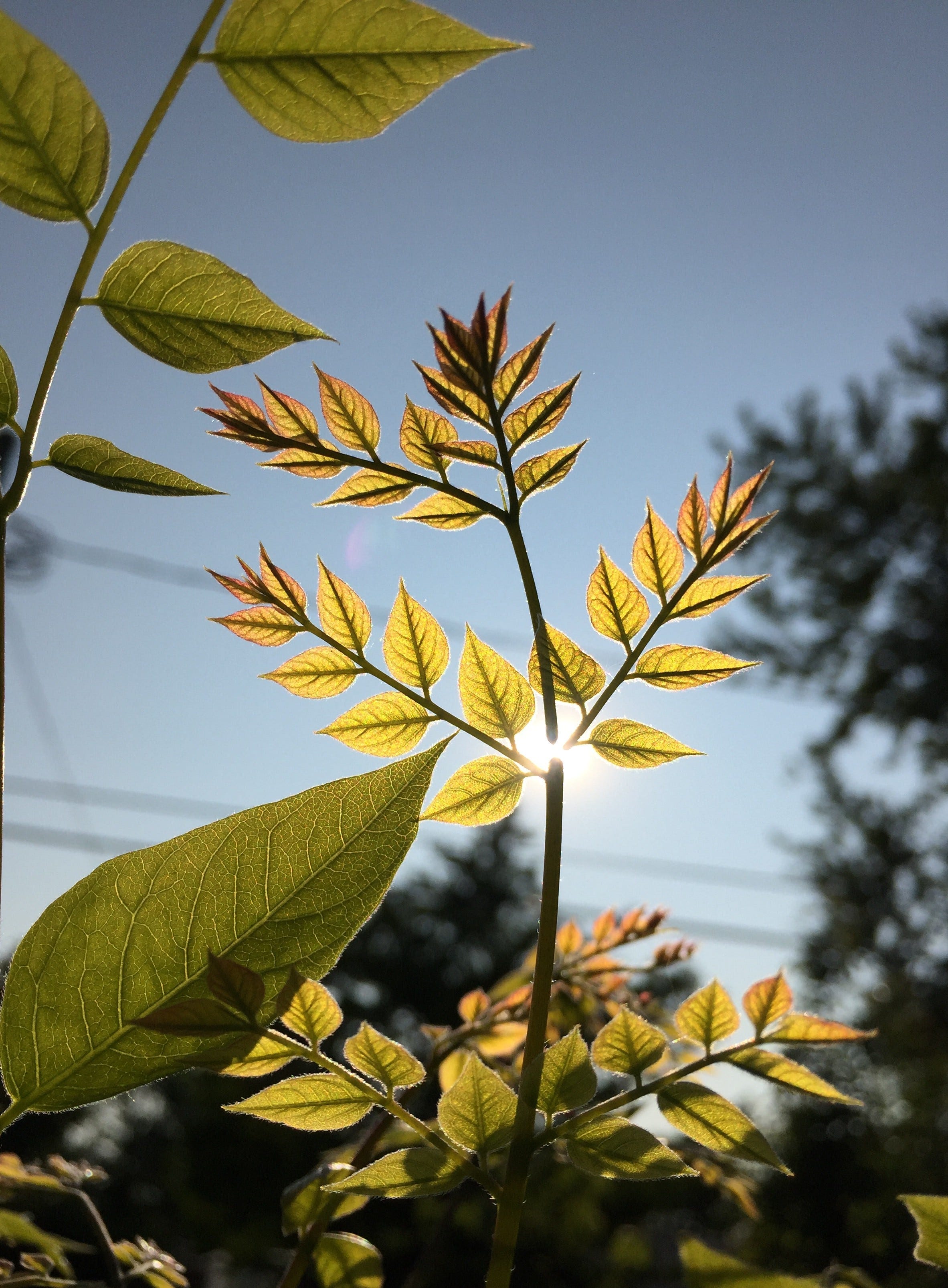
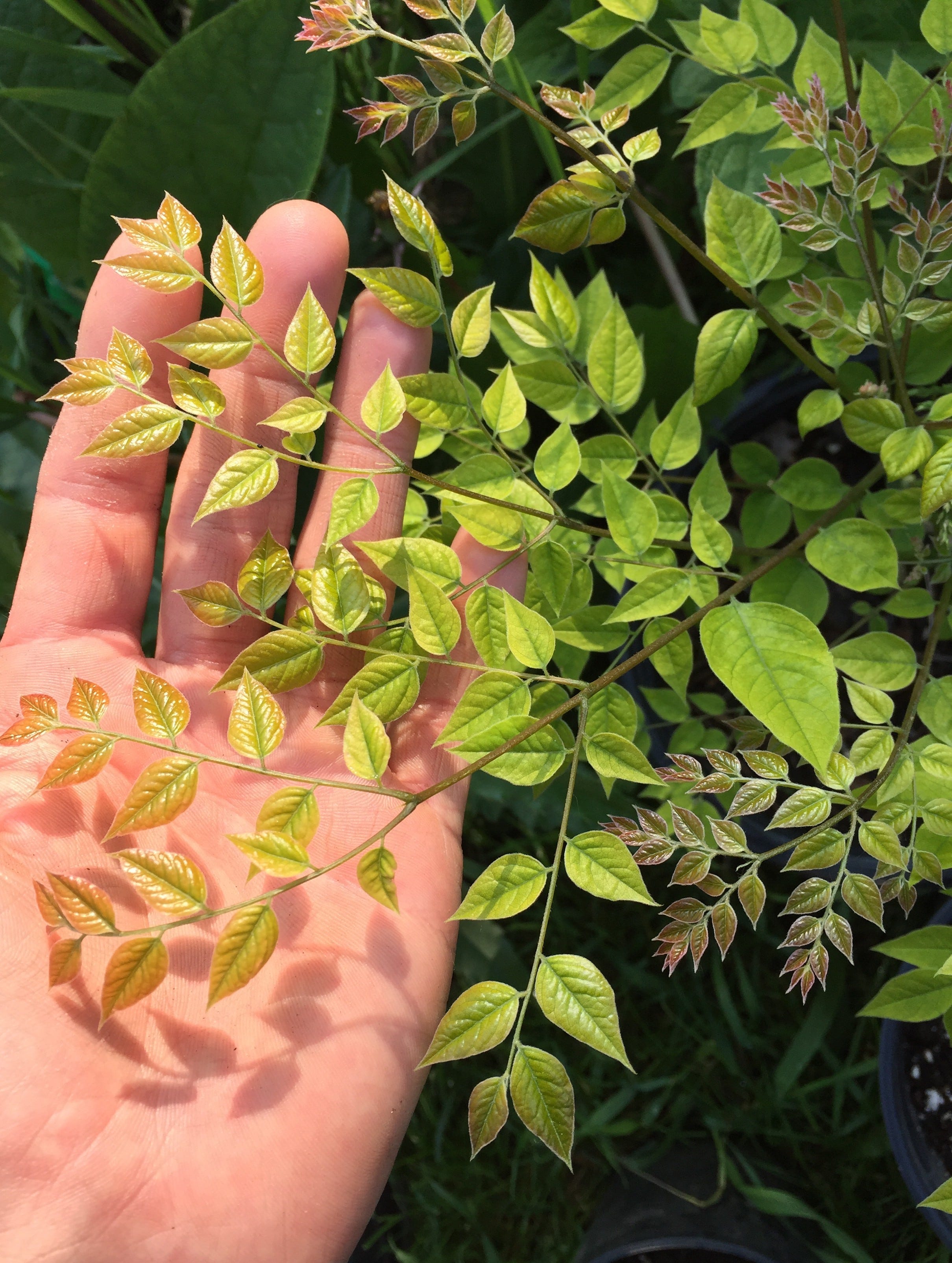
Below shows Kentucky Coffee (Gymnocladus dioicus) tree seedlings unfurling their fern like leaves in our garden (42nd parallel, southern Ontario, May 12, 2026).
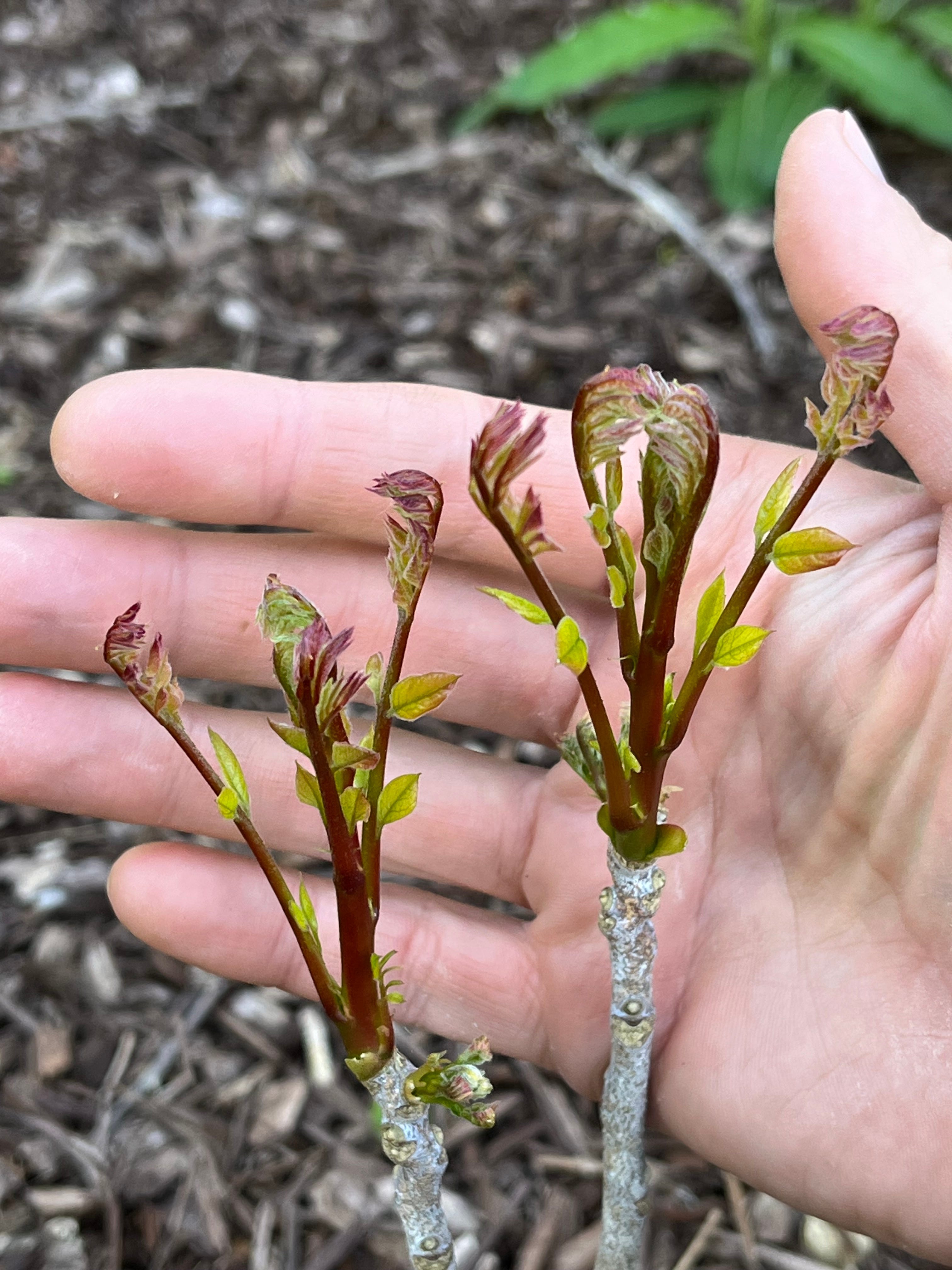
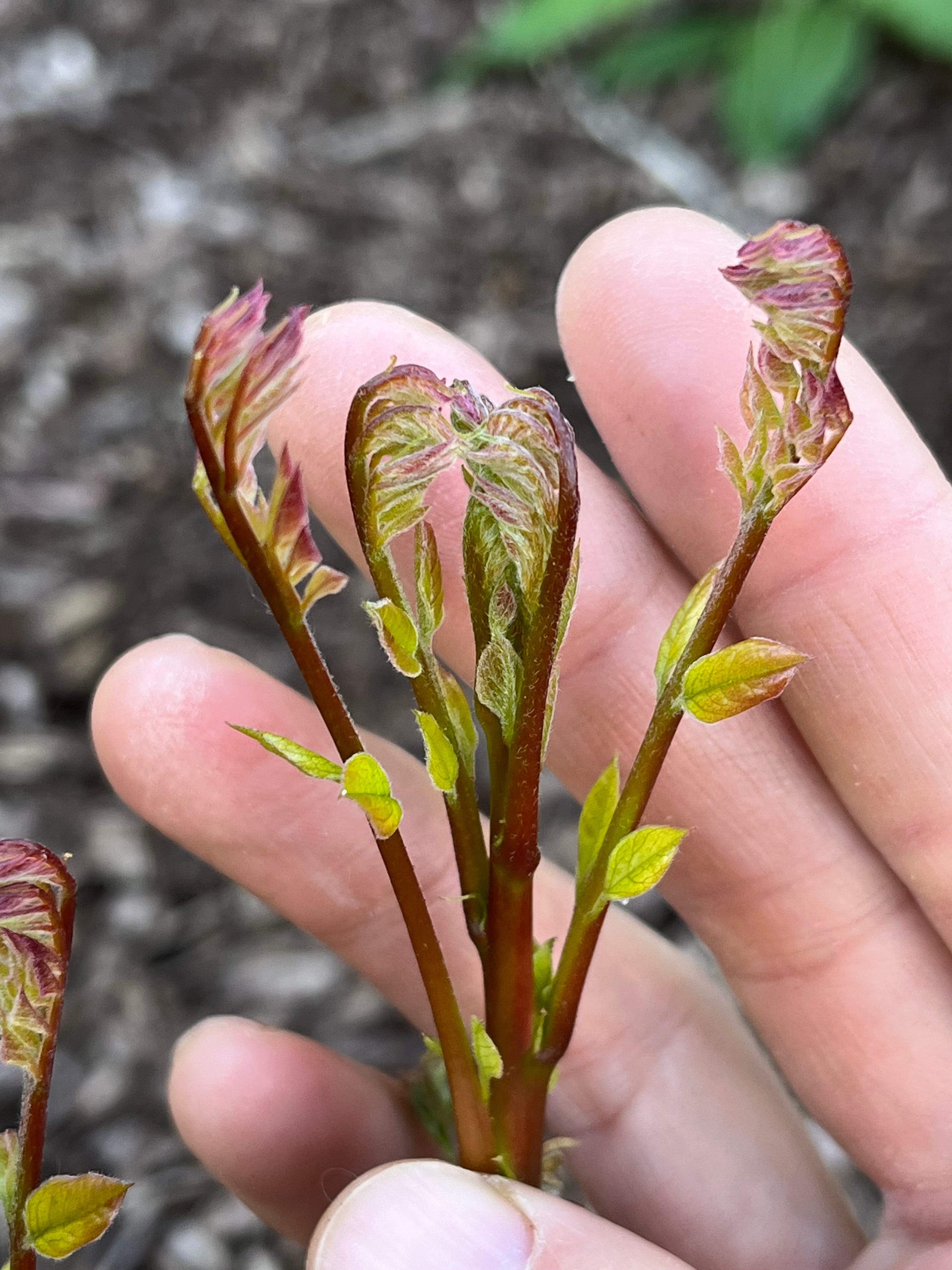
“Kentucky Coffee Beans, also known as mastadon peas (my name), have been on my mind, in my fridge, and in my belly all week. They are, without a doubt, the largest, tastiest and most interesting foraged legume (sans tepary beans, of course) I’ve eaten to date.
the Kentucky Coffee Tree (Gymnocladus dioicus) are tall, handsome, leguminous trees that makes large pods containing seeds, similar to honey locust and black locust trees. The seeds inside of the pods were historically food for giant herbivores that roamed the land who would snack on them, and disperse the seeds, helping the trees spread.
That the trees are still around makes them a sort of modern-day dinosaur food, hence the name mastadon peas.
Do a quick google, and you’ll see the fruit of the tree labeled as poisonous, but, it’s also a documented traditional food. While confusing, this sort of edible dichotomy is not unheard of.
So, the big question for me, and others that would like to try them, like other foods that must be detoxified to make them safe (potatoes, beans, flour poke sallet, milkweed, lupin beans and cassava) is: what are the toxins, and how, if at all can they be either removed or reduced to a safe concentration?
After looking at the toxins themselves, another, very important thing I take into consideration is dosage. For example, cinnamon and nutmeg are heavily used spices, yet both have toxic thresholds that can be breached if taken beyond the quantity of normal use.
the problematic compounds are saponins, the prefix “gymnoclado”, making it essentially “Kentucky Coffee Tree Compound”. So, basically, we don’t know what it is beyond that it’s a saponin, or group of related compounds, cousins of which are also found in related plants like chickpeas and (unrelated)quinoa.
For clarity here, I’m not trying to downplay that the seeds could make you sick if eaten raw, I’m just trying to zero in on how, and why, the beans are known as being both toxic, and edible.
So, how are sapponins removed from food? The words “water-soluble” and “heat labile” are nice to see here, meaning, that the “toxins” should be removed (at least to a safe concentration) by boiling in water, and also denatured by heat.
In short, just boil’em like any other bean, discarding the water being a differentiating factor.
What was on my mind, was this: If lupin beans (which I go over in my book)which need lengthy leaching often surpassing a week’s time to remove water-soluble toxins, are a traditional eaten legume cultivated in both the Mediterranean and South America, then I would be very surprised if Kentucky coffee beans can’t be made edible.
DETOXIFICATION
Here’s the method I’ve used: shell the beans and discard the pods. Cover the pods in water, using roughly 3 cups of water for every 2 oz of fresh beans. Bring the pot to a boil and cook for twenty minutes, discard the water, cover with more water, and boil for another 20-30 minutes, or until the outer shells are tender.
From there, you can use them for whatever preparation you have in mind where fava beans or large legumes would be welcome. It could be that the second boiling here is unnecessary, but, until I’ve eaten them cooked like in quantity to test my theory, I’ll leave my cooking recommendations the same as what I’ve done here, for continuity.
The flavor of the ripe, brown beans, after roasting and shelling, is mild, barely sweet and slightly nutty, a bit like a peanut or a cashew. The young, green beans, are very different.
After boiling, fresh, green Kentucky coffee beans taste reminiscent of milkweed and endamame to me, with a noticeable leguminous sweetness that will remind you of fava beans.
They’re excellent, delicious all by themselves with a pinch of salt and good oil, and on par with any other legume I’ve eaten, wild or cultivated, which should tell you a lot. “
- Alan Bergo (aka The Forager Chef). (source from https://foragerchef.com/kentucky-coffee-beans/ )
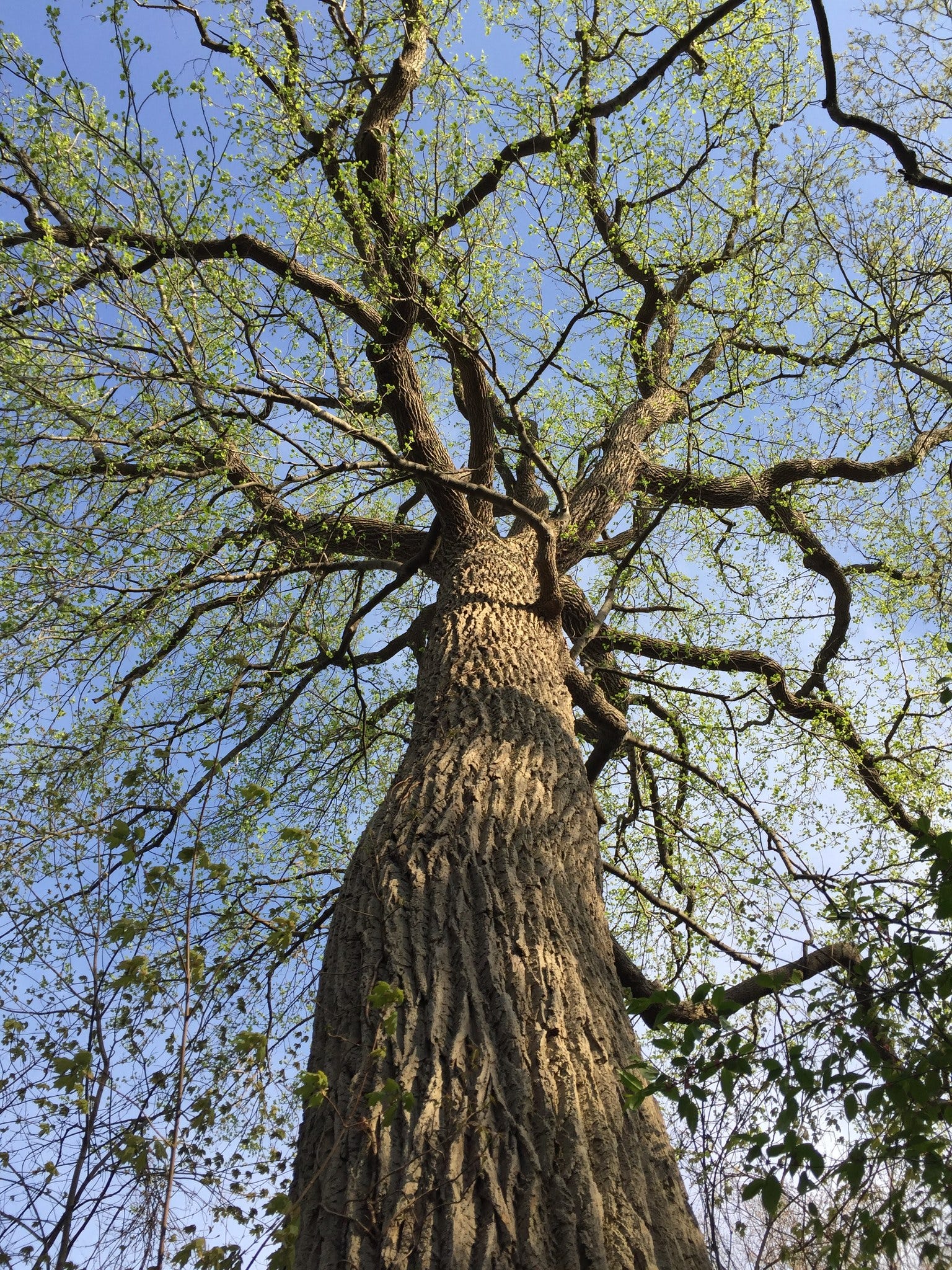
Below are a couple pictures of the grandaddy Tulip tree in our neighborhood waking up in early May. Always such a glorious sight to see this pre-colonial tree leafing out.
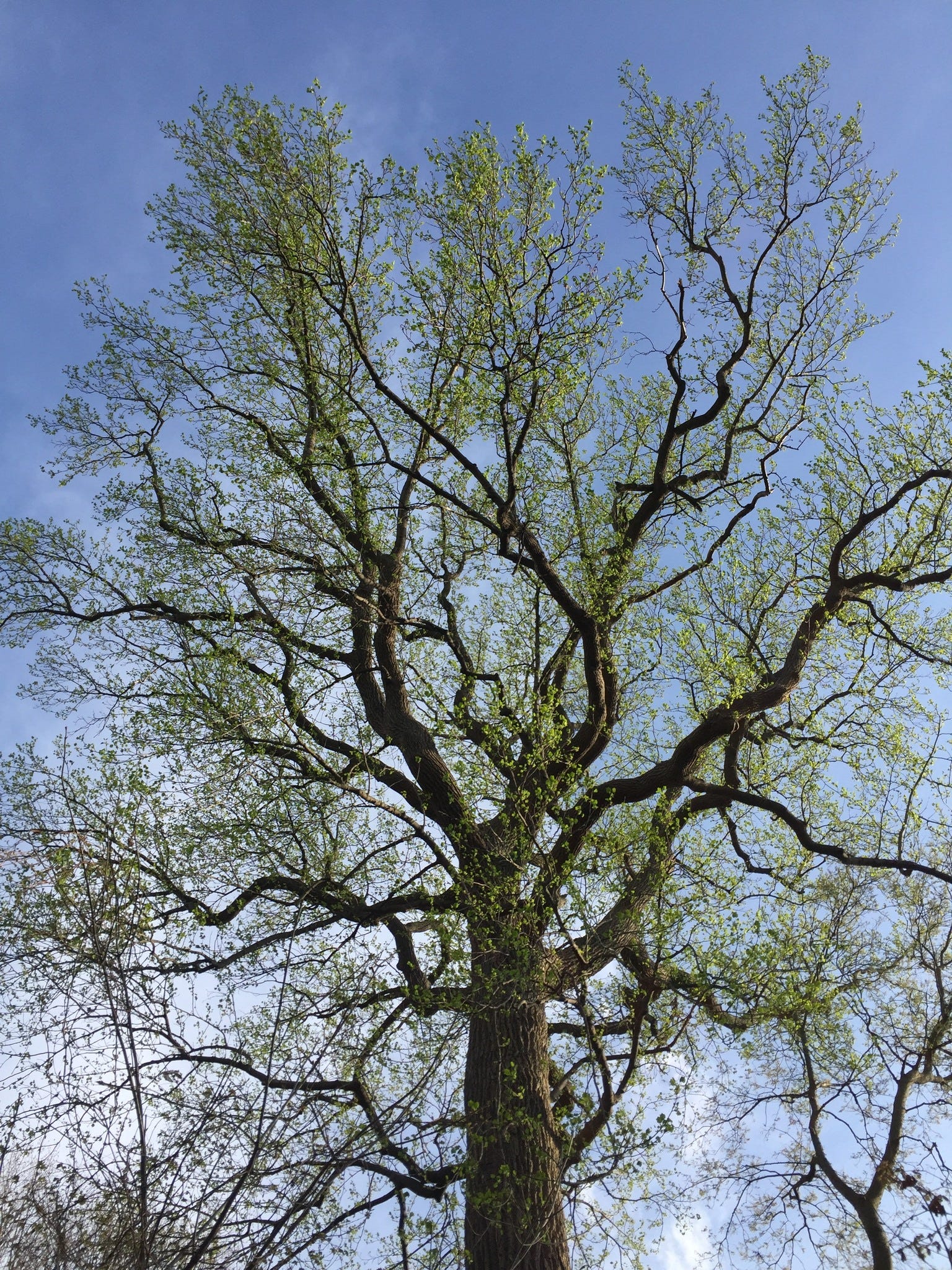
Later in may the Tulip trees (Liriodendron tulipifera) develop flower buds and they often open their first flowers near the end of May (at the 42nd parallel in the Great Lakes region of Turtle Island).
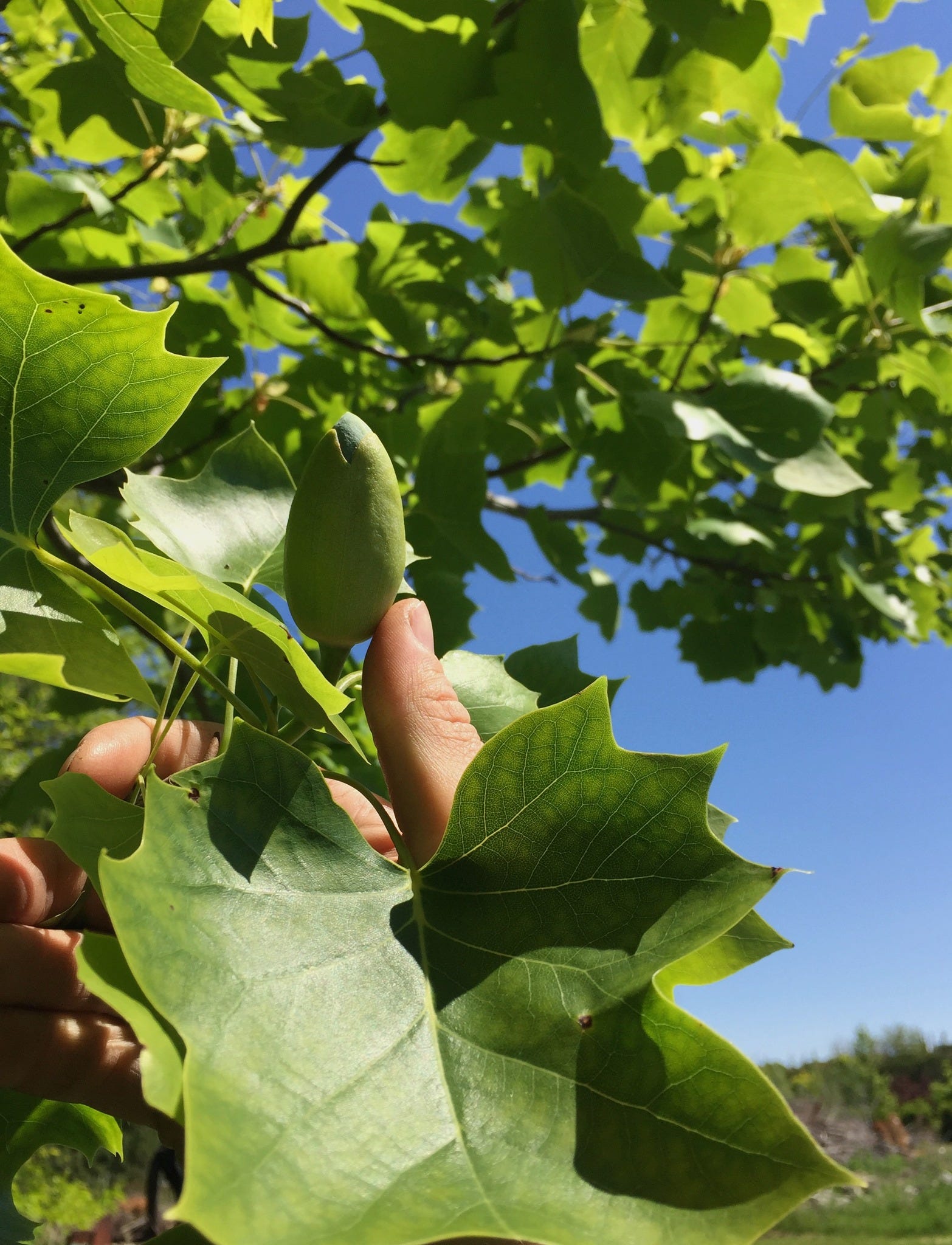
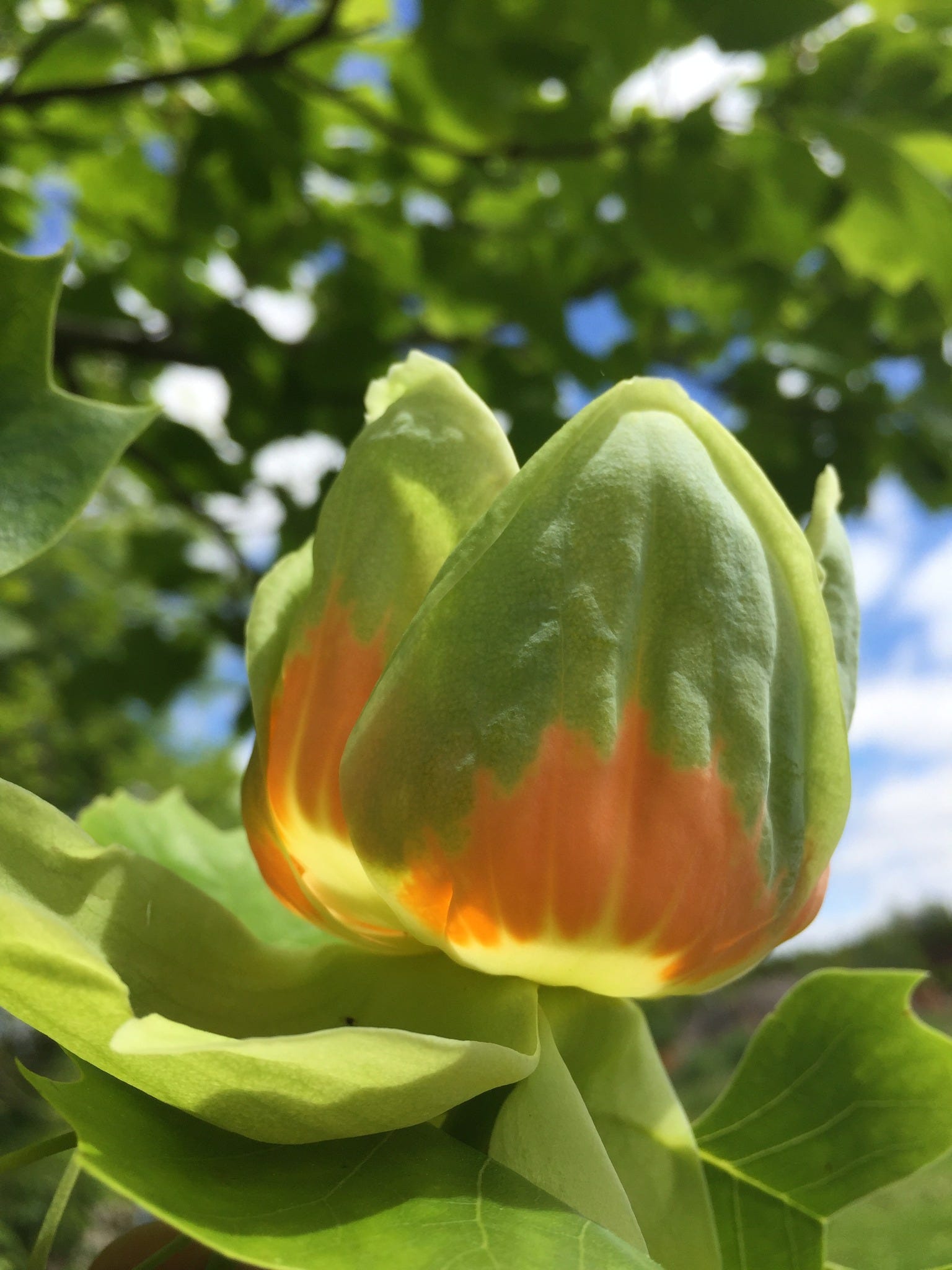
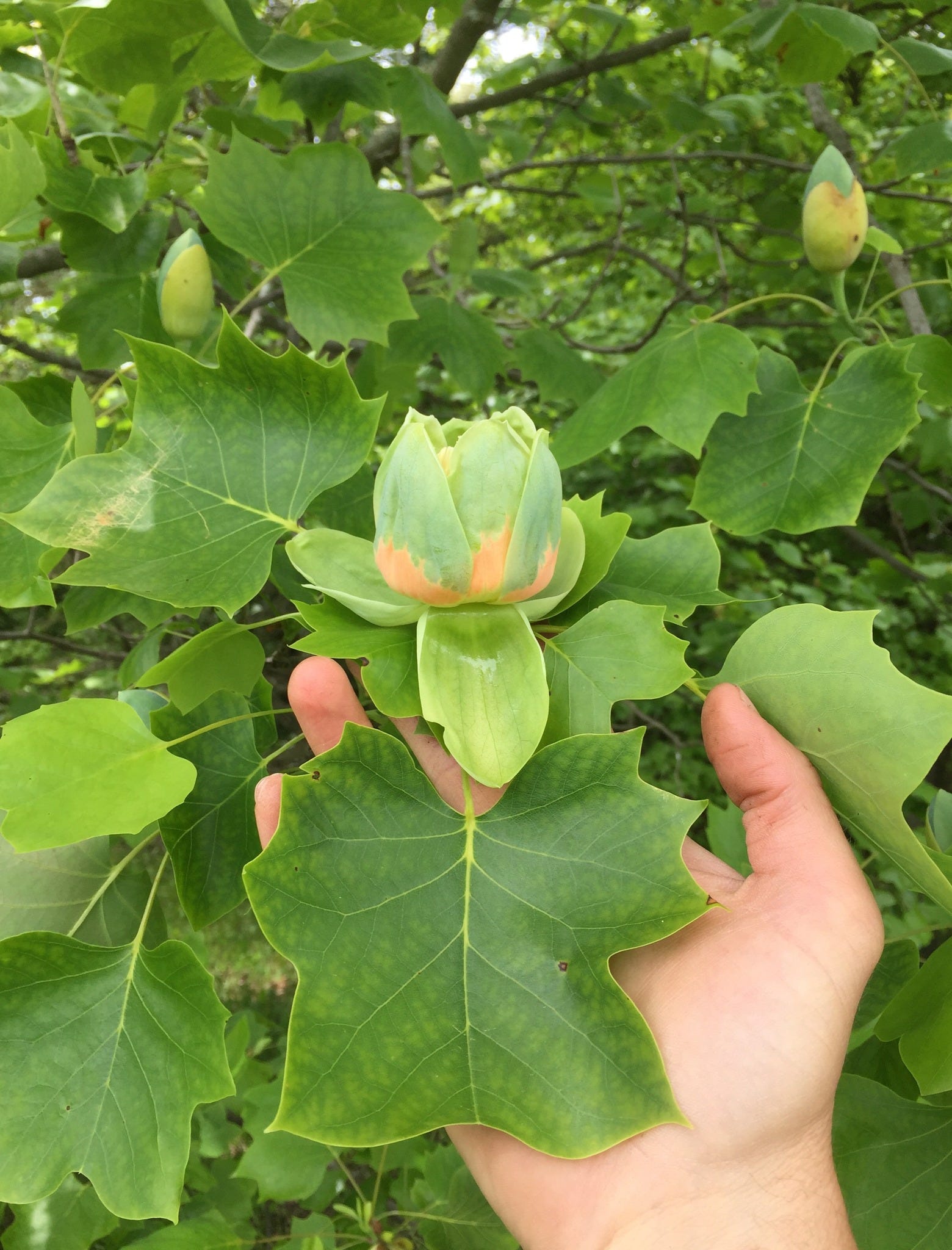
Native bees and Honey bees alike are big fans of tulip poplar trees due to their boundless nectar production. When the trees begin to bloom at around twelve years of age, the large green/yellow/orange tulip-shaped flowers contain a tablespoon of nectar and a great deal of nutritious pollen. This makes them the “go to” blossom for veteran foraging bees in the spring. Honey bees will bypass other flowers to load up on the tulip blossom’s bounty. We all know bees are one of the most efficient creatures on earth so their preference to forage on this tree says a lot.
Why spend time visiting dozens of minor blooms when you can fill up your honey stomach in one visit to the tulip tree flower?
Tulip tree honey is valued for the same reasons that bees value it - the mineral rich flavor highlighted by the deep red color. The red color is an expression of the high antioxidant content in honey made by bees that forage on Tulip Tree blossoms.
Such is but one of the many blessings this tree offer to our human and more than human family.
The tree has a large range throughout the Mid-Atlantic states and upper Midwest (New York, Pennsylvania, Michigan, Ohio, Indiana) and across the south, stretching along the coast and to the Mississippi (Kentucky, Alabama, Georgia, Tennessee, the Carolinas) and into Florida.
The Tulip tree is known by many names–here in Ontario we use the term “Tulip”.
These trees can reach over 190 feet in height and live for over 400 years. The magnificent tulip trees throughout North America have much to teach us, if only we listen.
Despite the fact that they are commonly called a poplar, tulip trees are in the magnolia family, and thus, share some qualities with other magnolias, including the large leaves and showy flowers. The Tulip tree is characterized by an extremely tall and straight growth habit and is one of the largest trees on Turtle Island (aka North America.)
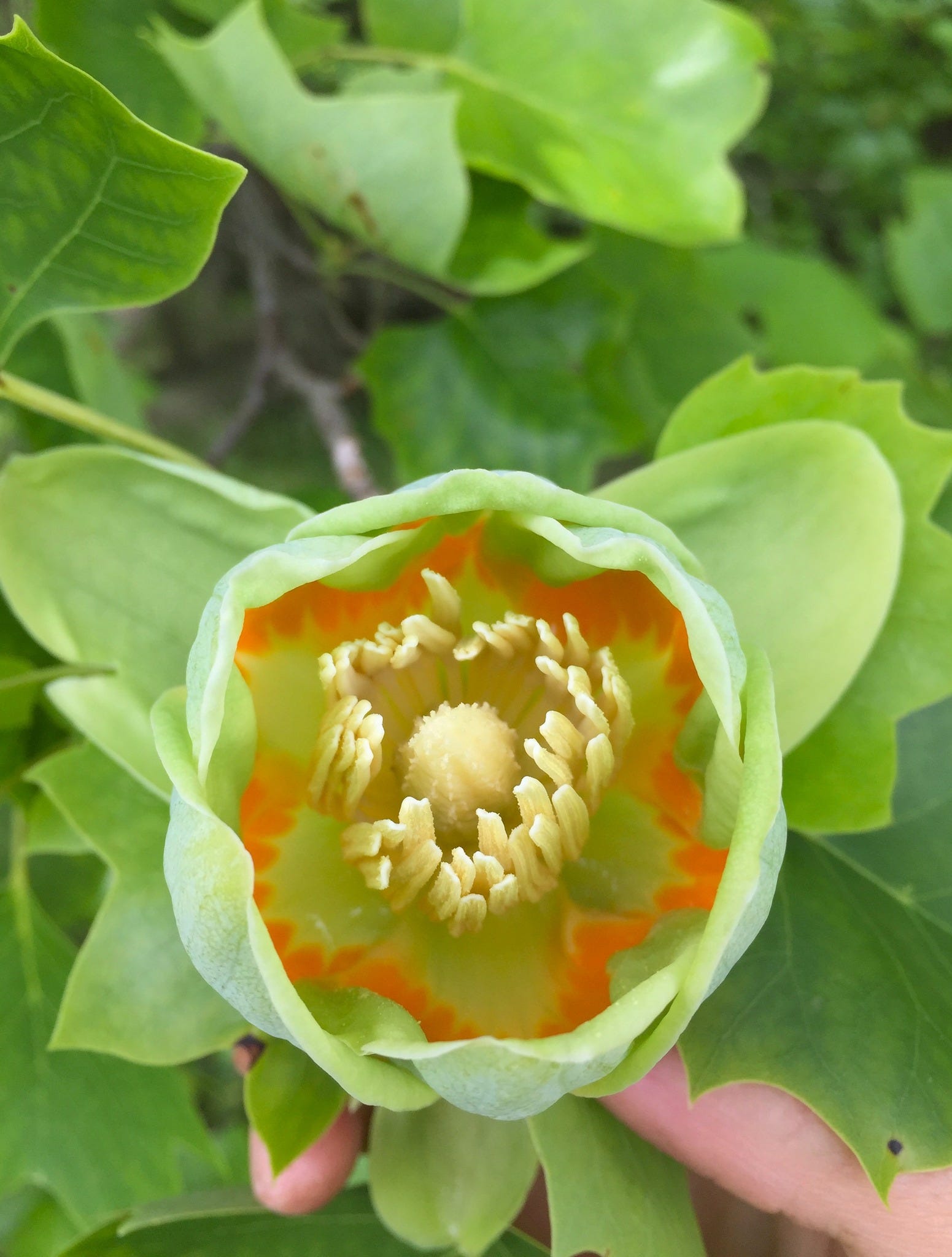
Tulip trees attract: Birds , Butterflies , Bees, Ladybugs, solitary parasitoid wasps and in particular attracts hummingbirds as well as many large birds of prey (such as eagles, hawks and falcons).
She is also a Larval Host for the Eastern Tiger Swallowtail (Papilio glaucus)
This is a favorite nesting tree for birds and the flowers attract hummingbirds. 28 species of moths associate with the tree. Among specialists, L. tulipifera is the sole host plant for the caterpillars of C. angulifera, a giant silkmoth found in the eastern United States.
From May to June the Tulip-Poplar blooms bright, nectar-rich yellow flowers which attract hummingbirds and more insects. Birds like the Northern Cardinal eat the seeds that follow the flowers. Tulip-Poplar is one of the Yellow-Bellied Sapsucker’s favorites for creating sapwells because of its high sap content. Due to its size and broad leaves, the Tulip-Tree is also used by many birds for nesting. This is a great tree for attracting and or finding birds.
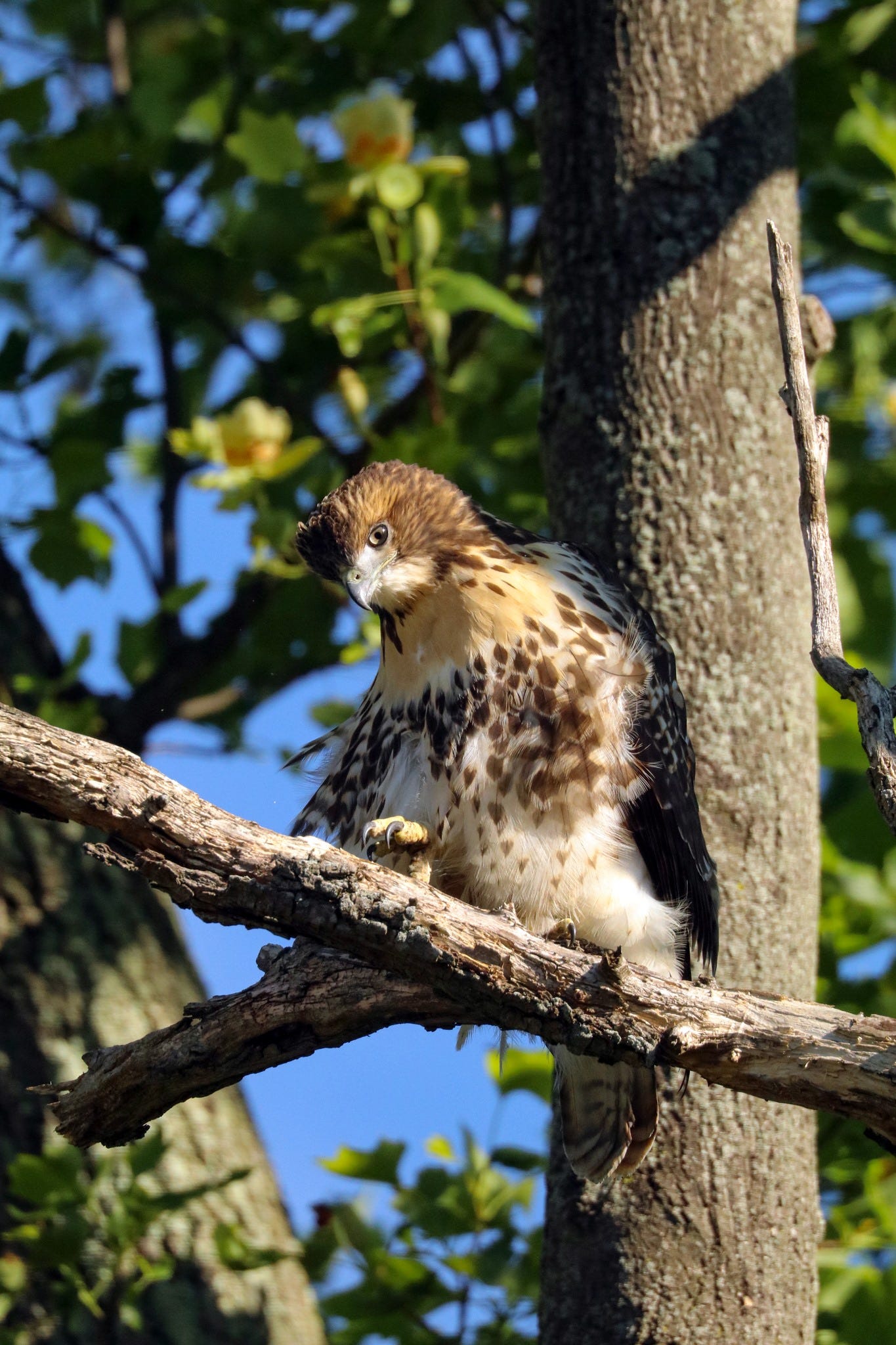
Birds Most Commonly Attracted to Tulip-Tree:
- American Goldfinch
- Black-Capped Chickadee
- Northern Cardinal
- Insectivorous Birds
- Purple Finch
- Ruby-Throated Hummingbird
- Tufted Titmouse
- Yellow-Bellied Sapsucker
- Red Tailed Hawk
Here in Southern Ontario and also in the Chesapeake Bay area, bald eagles often roost in tulip trees (Liriodendron tulipifera).
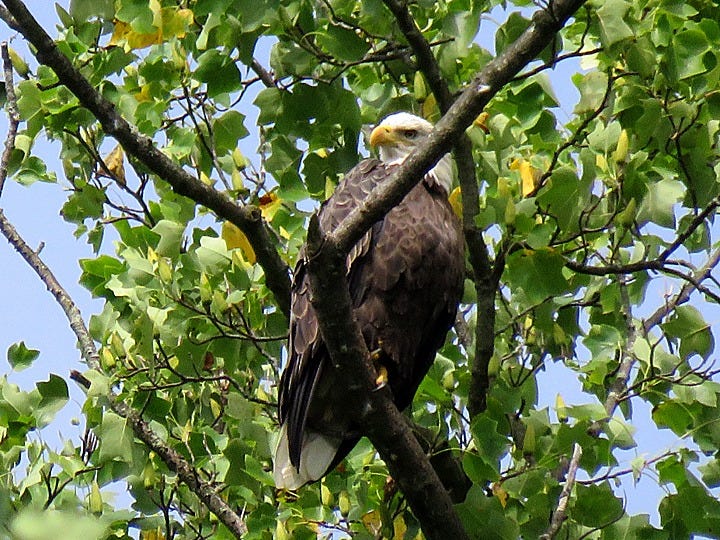
These are only some of the many blessings that super canopy trees like these can offer in the forest garden when they are allowed to reach their mature size and age.
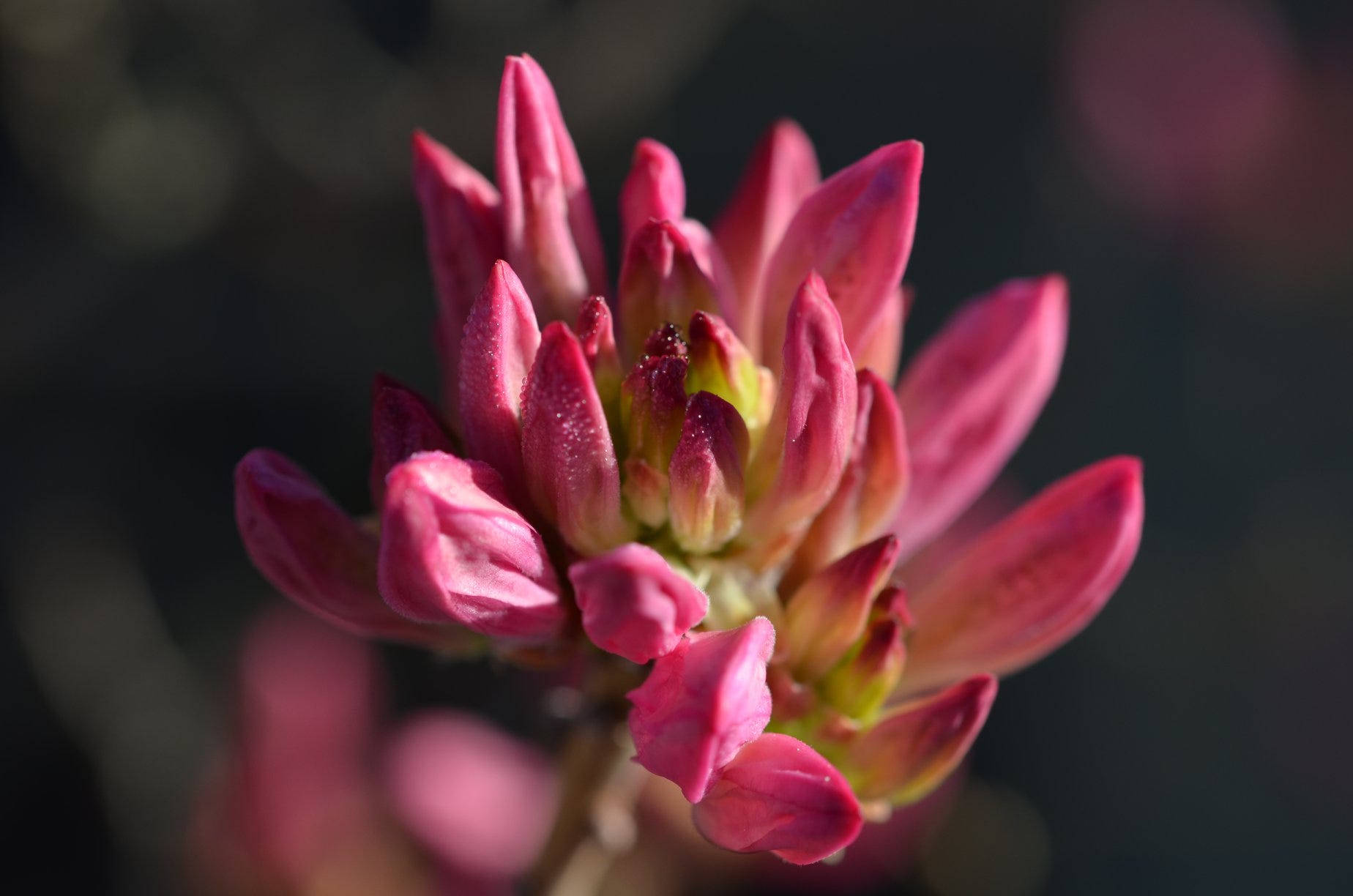


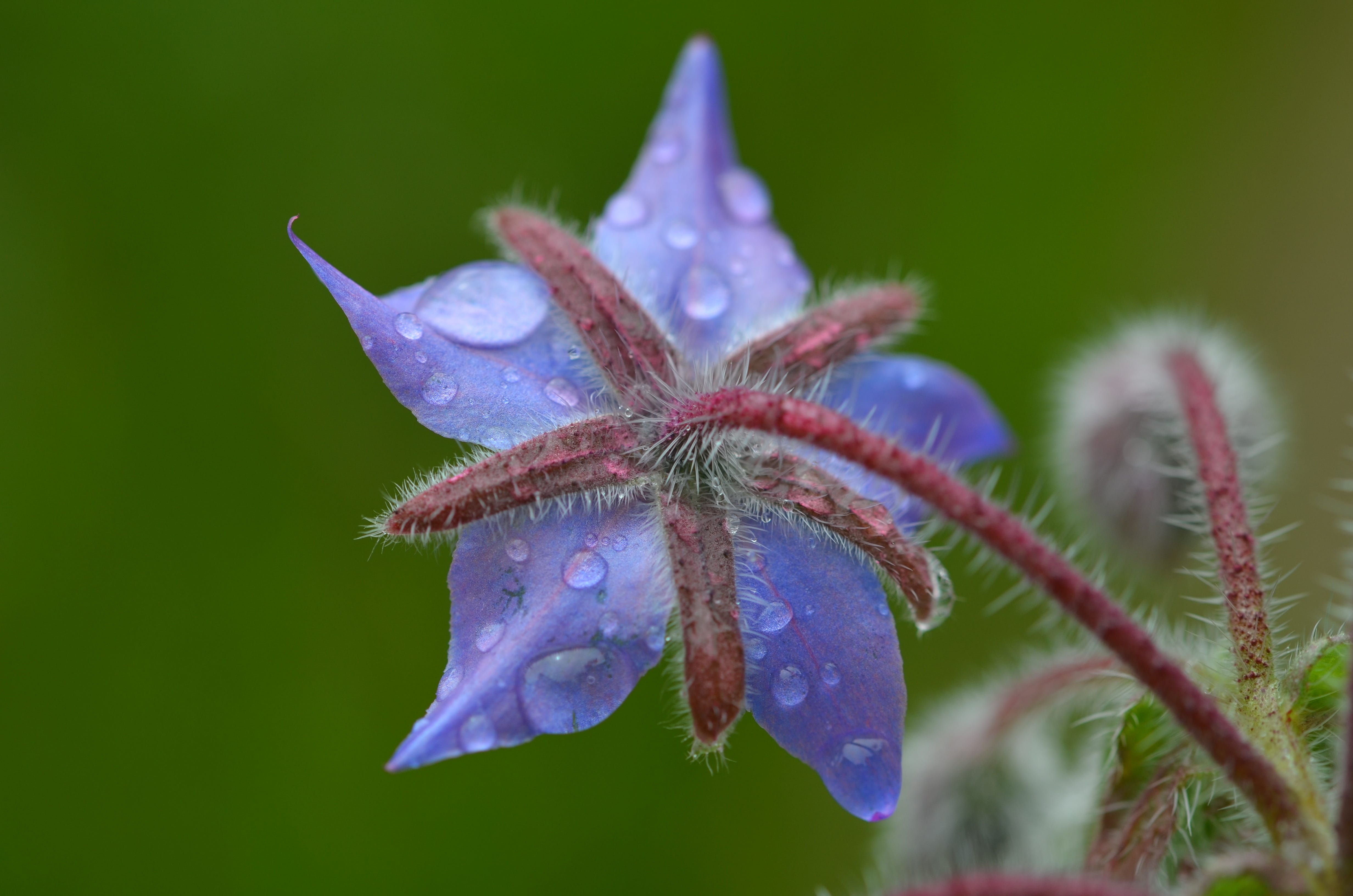
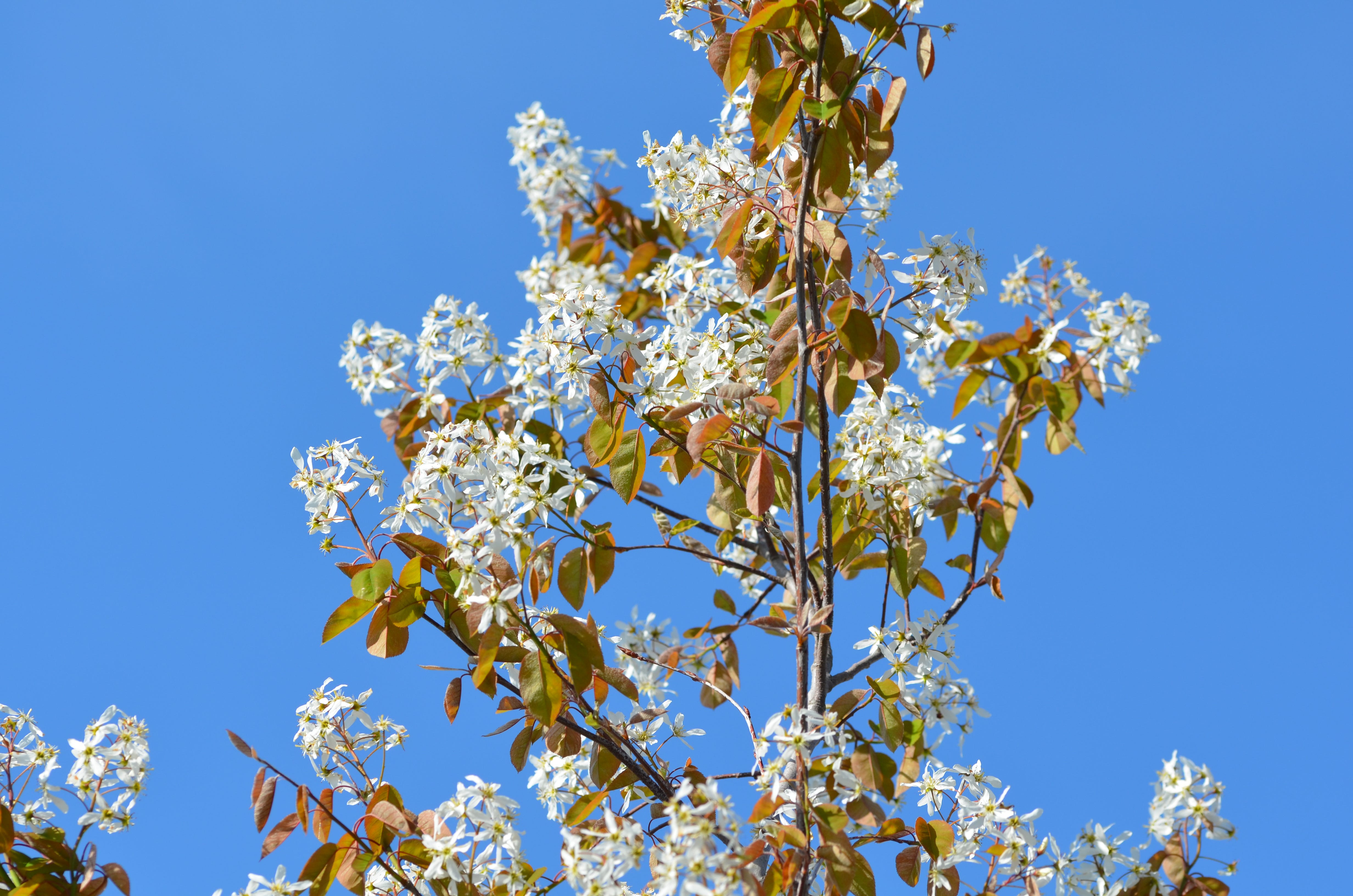
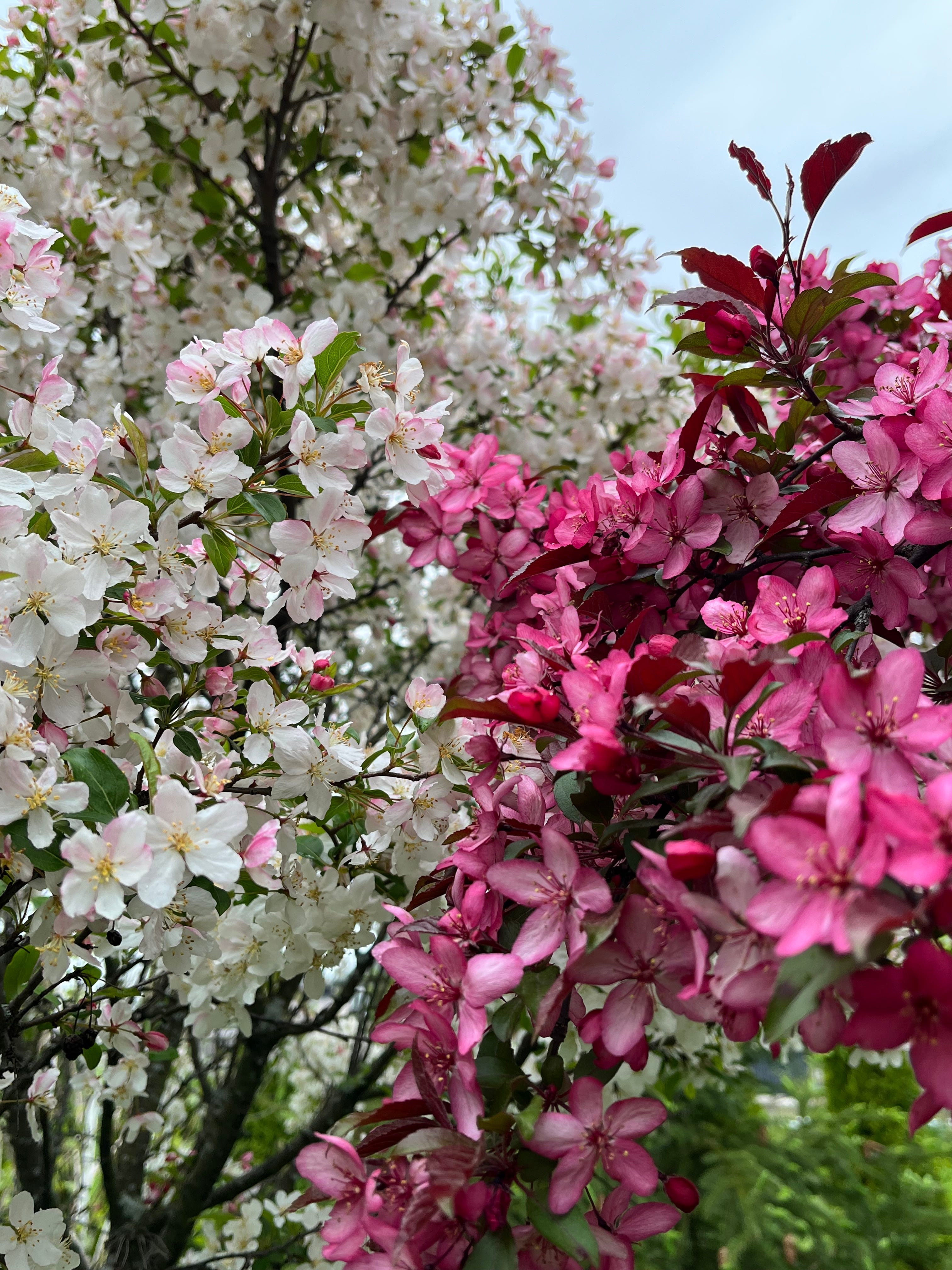
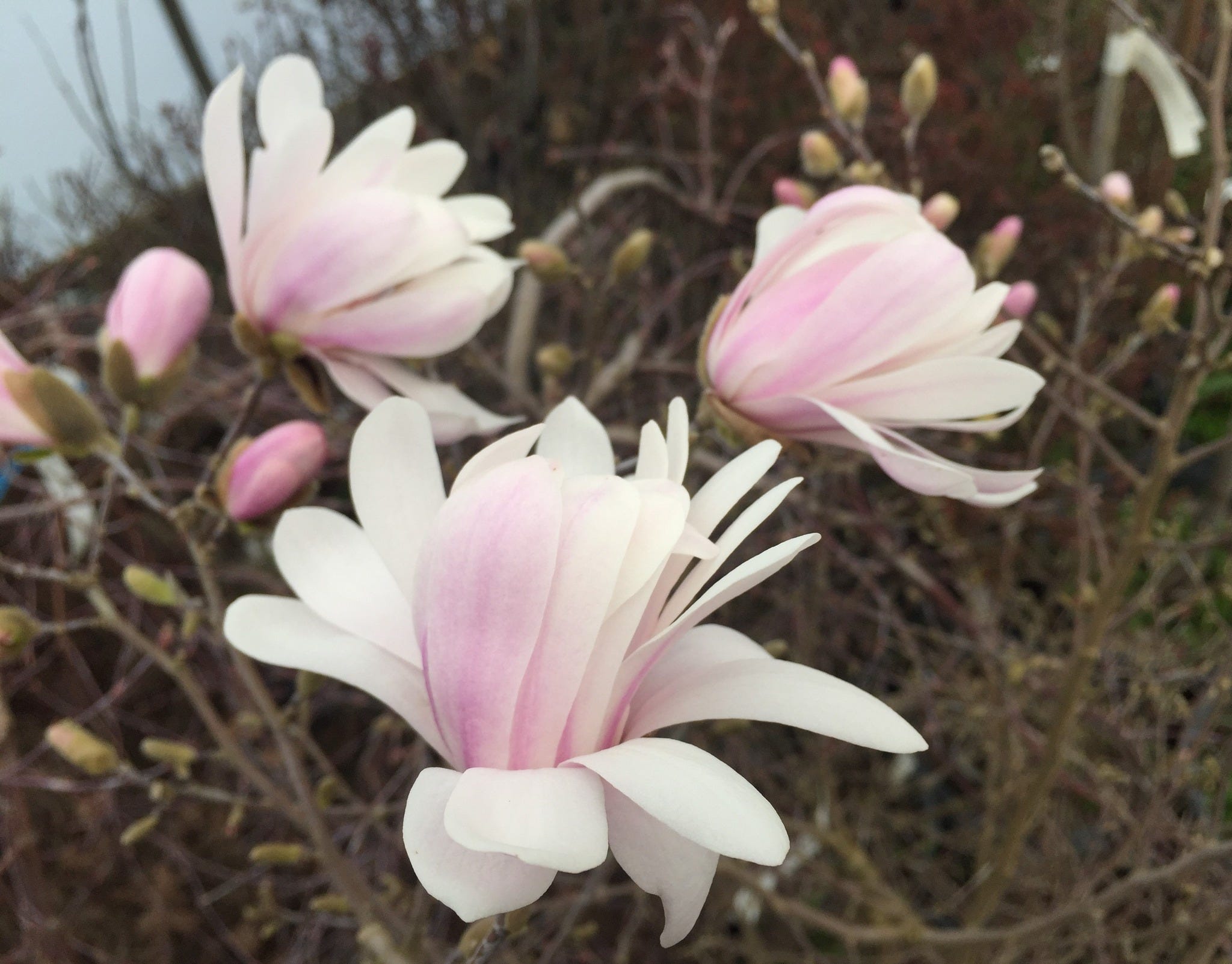
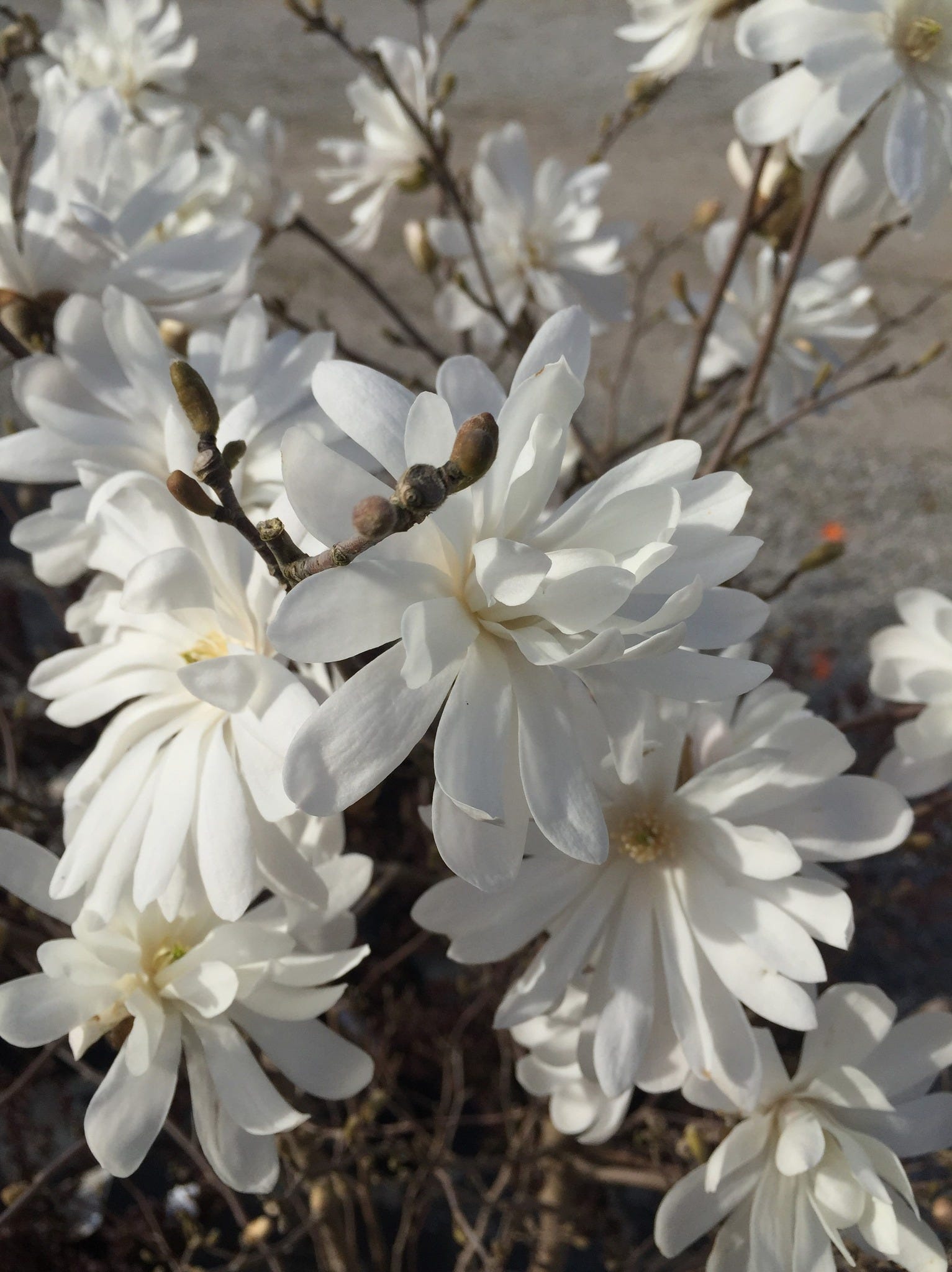
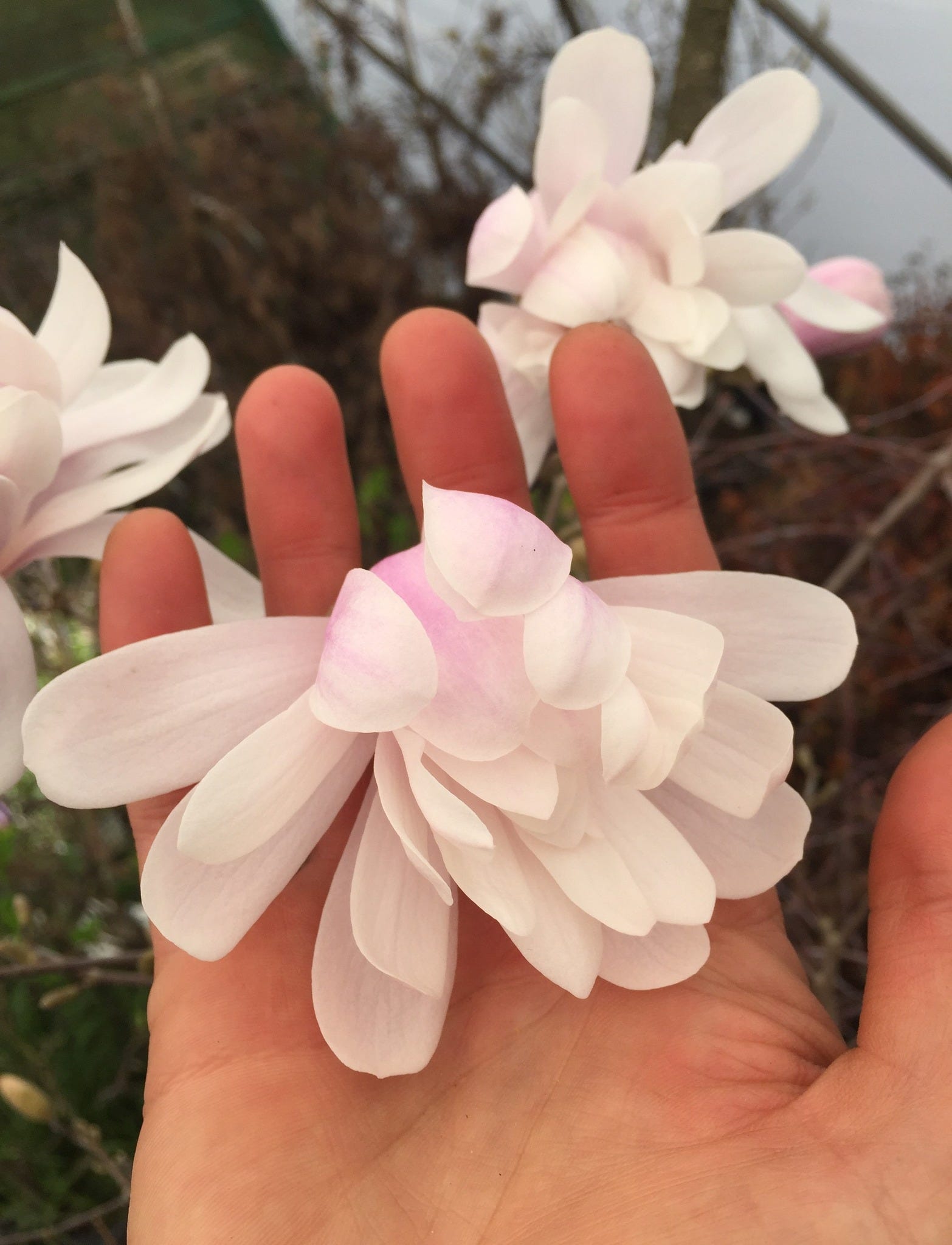
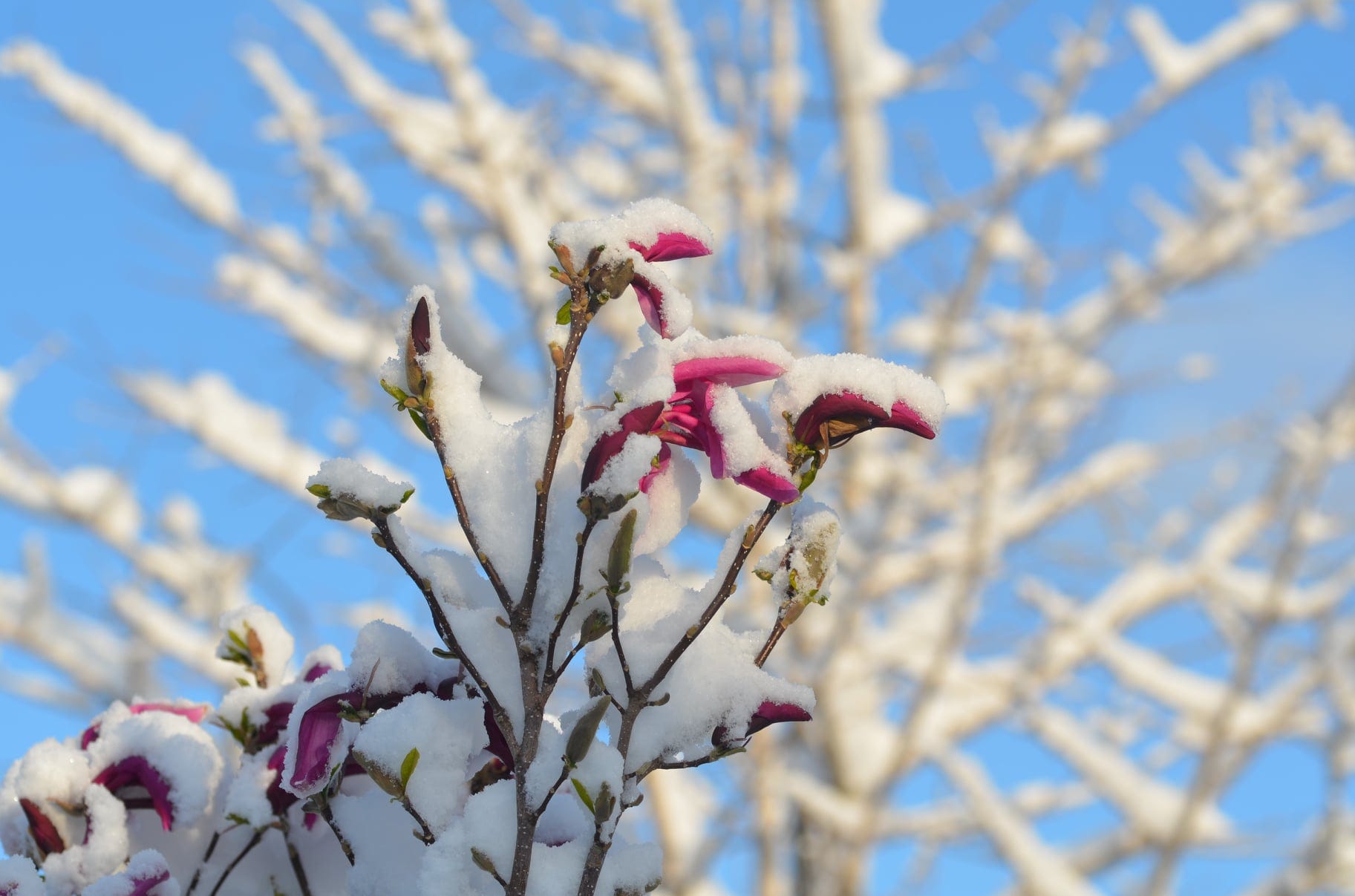
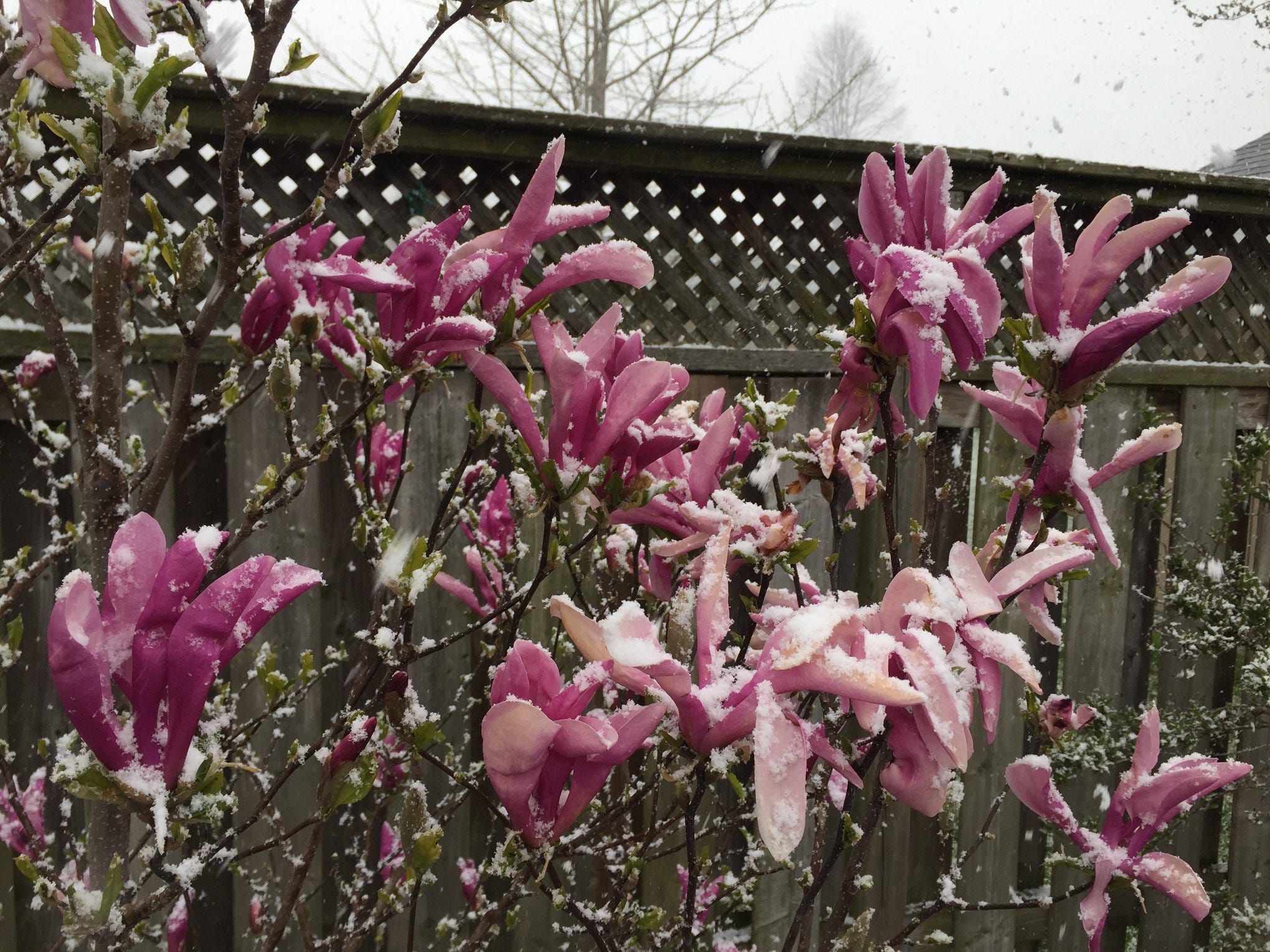
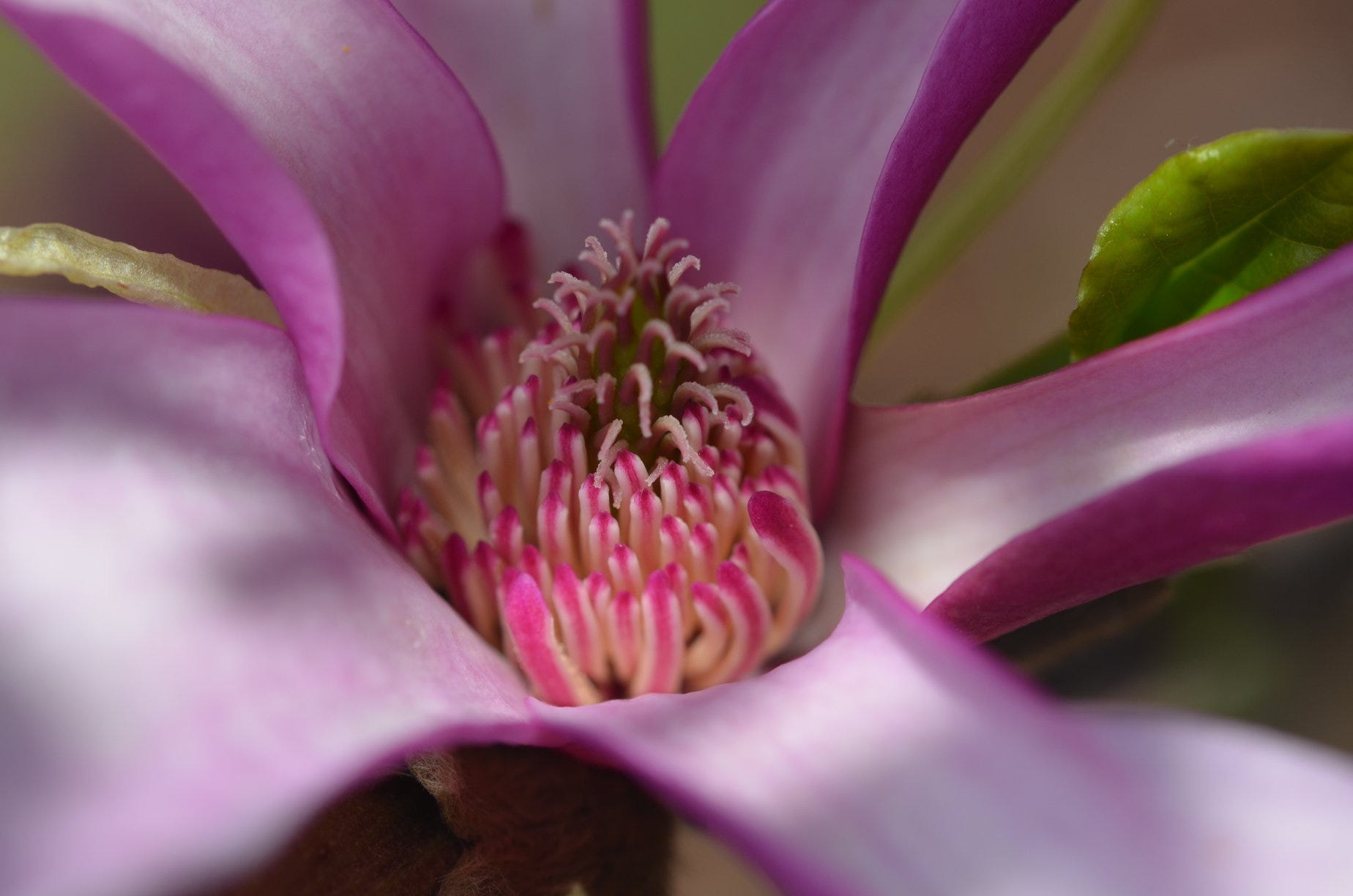
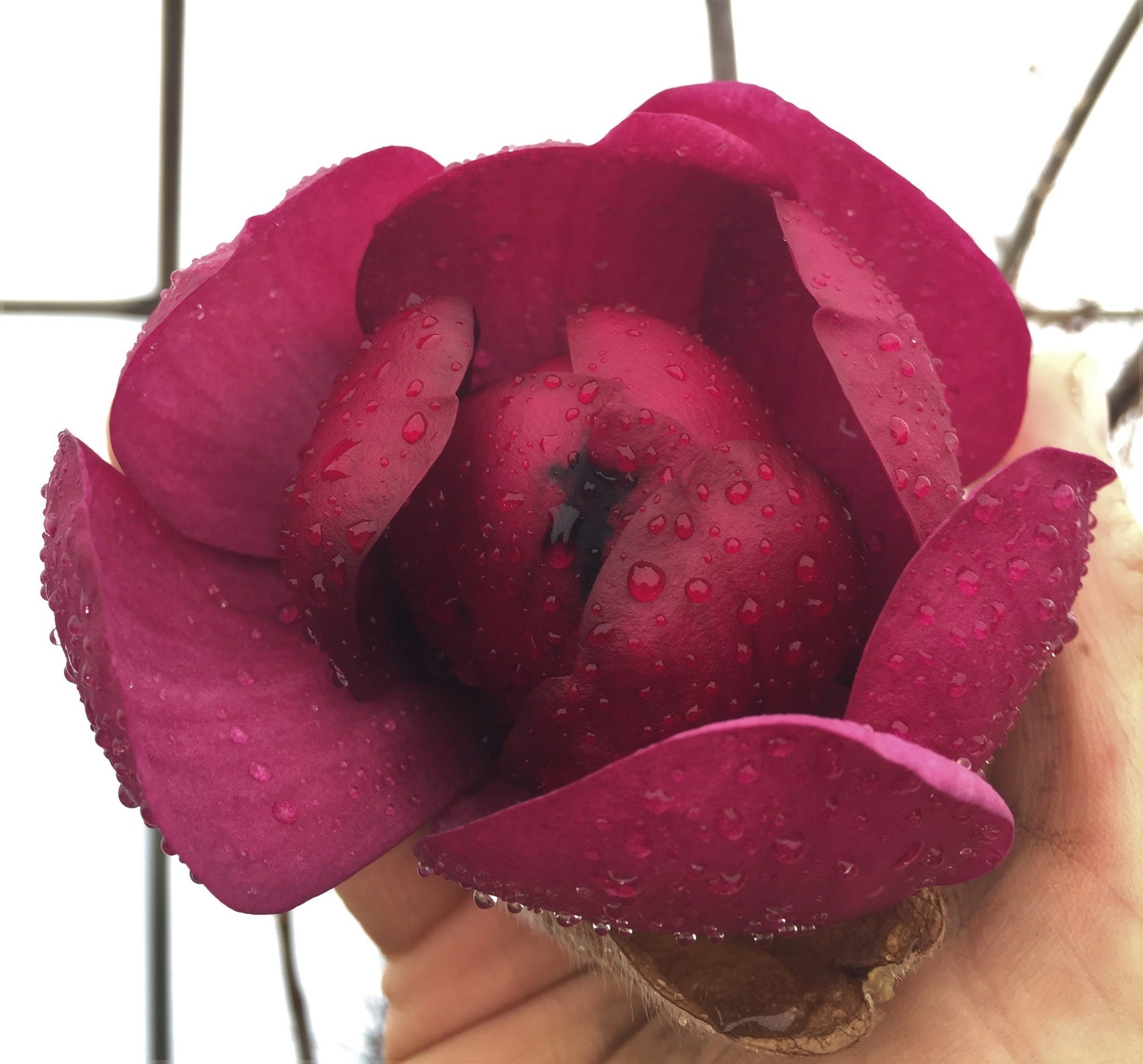
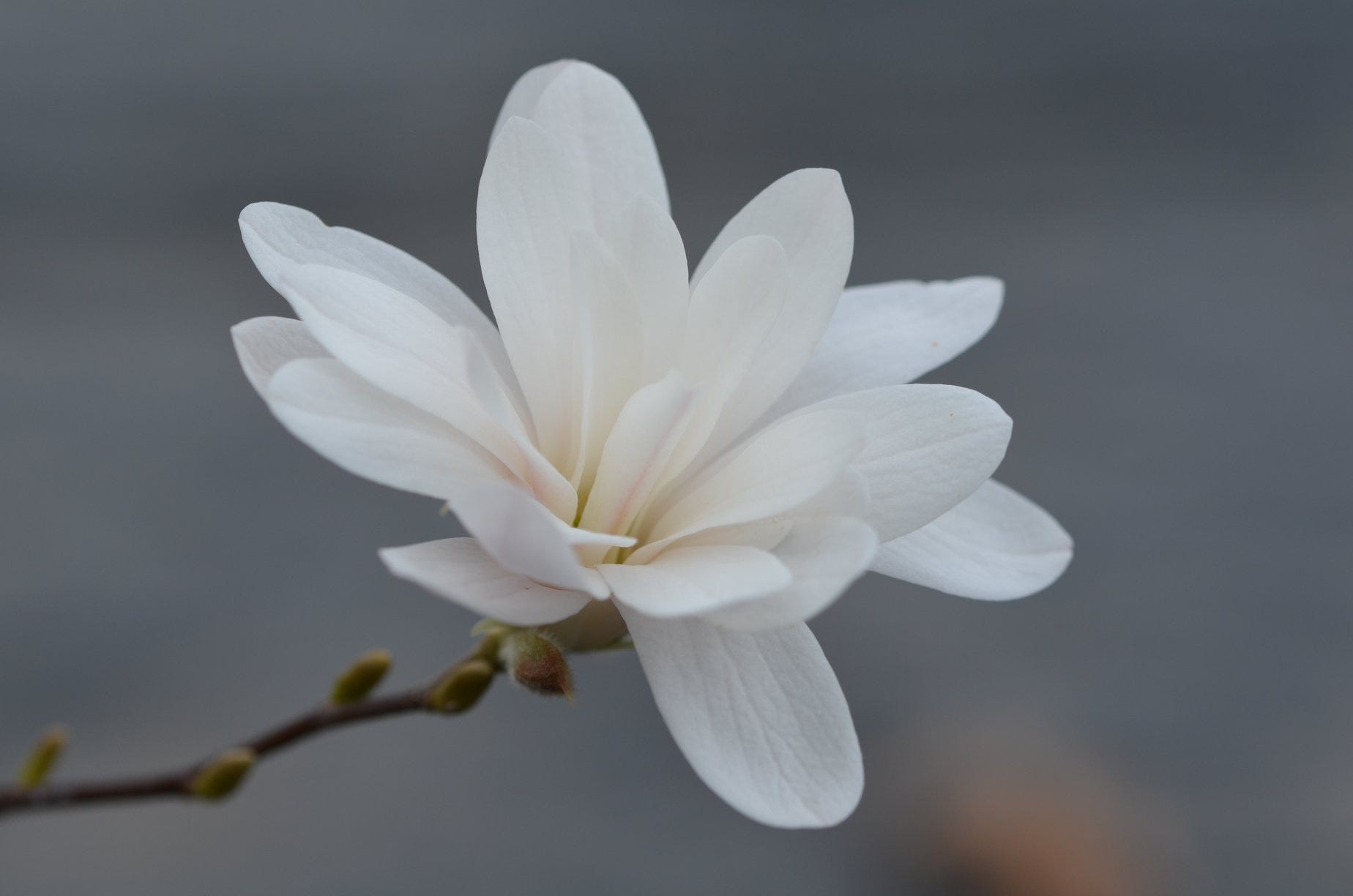
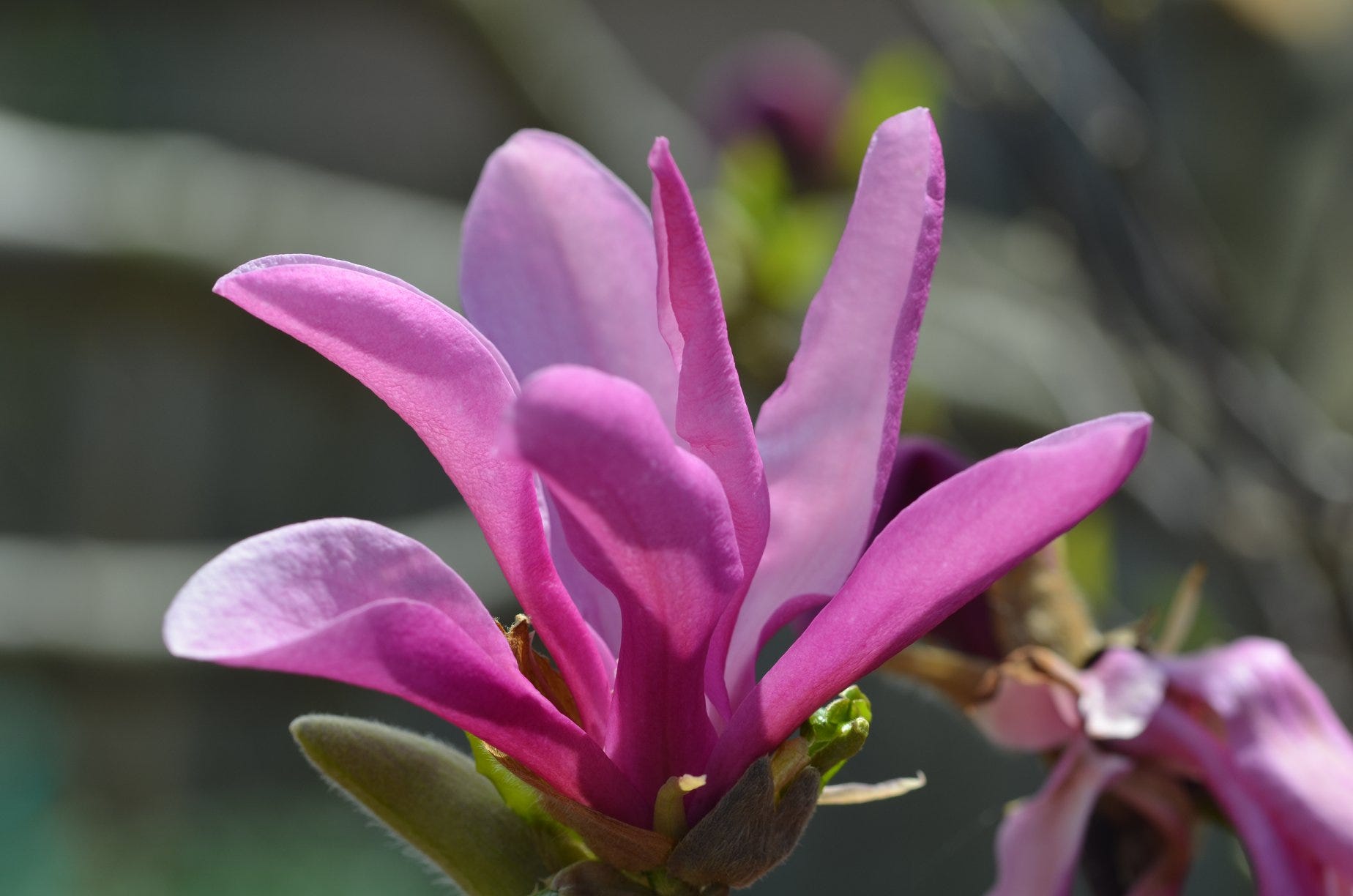
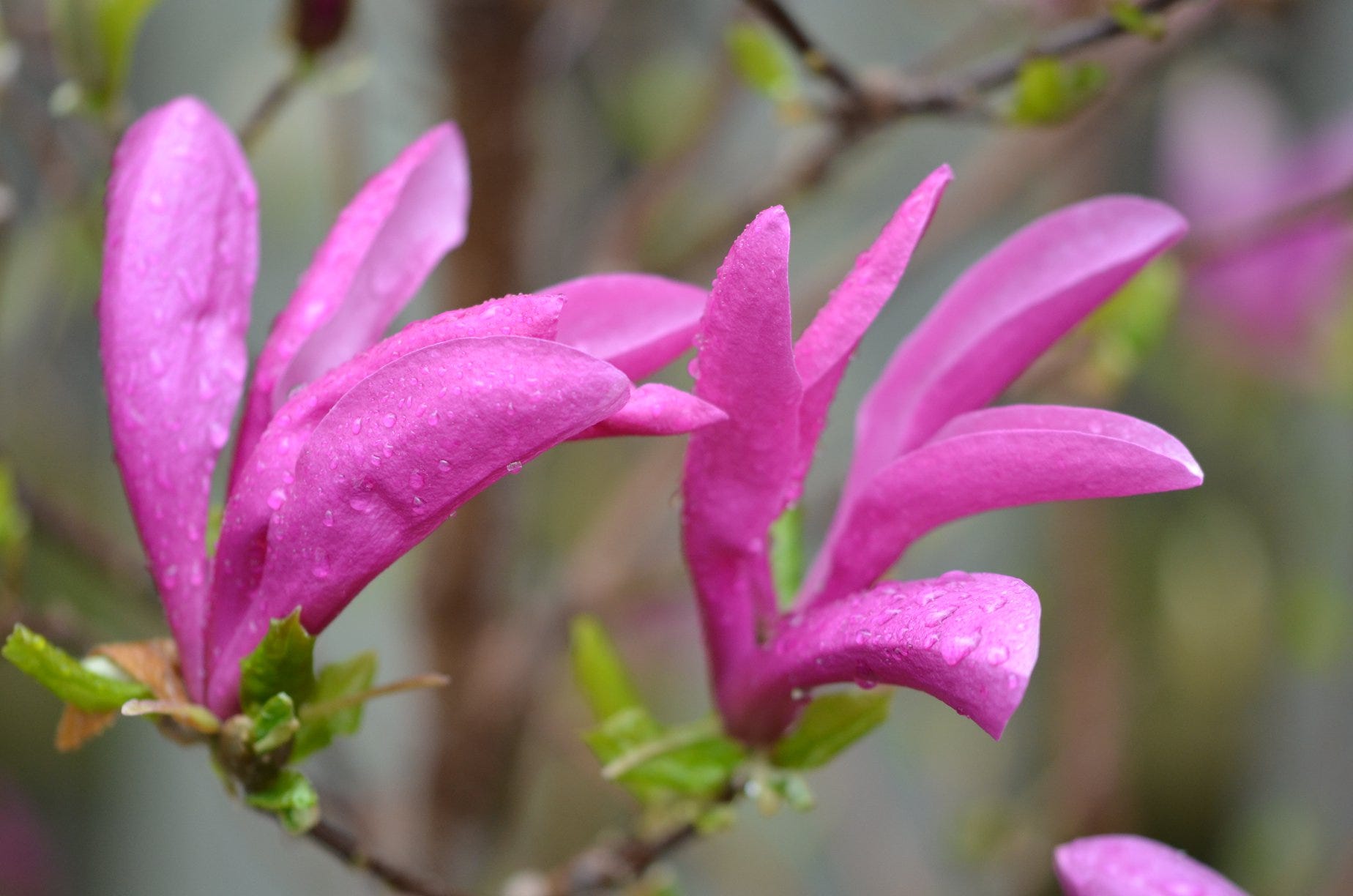
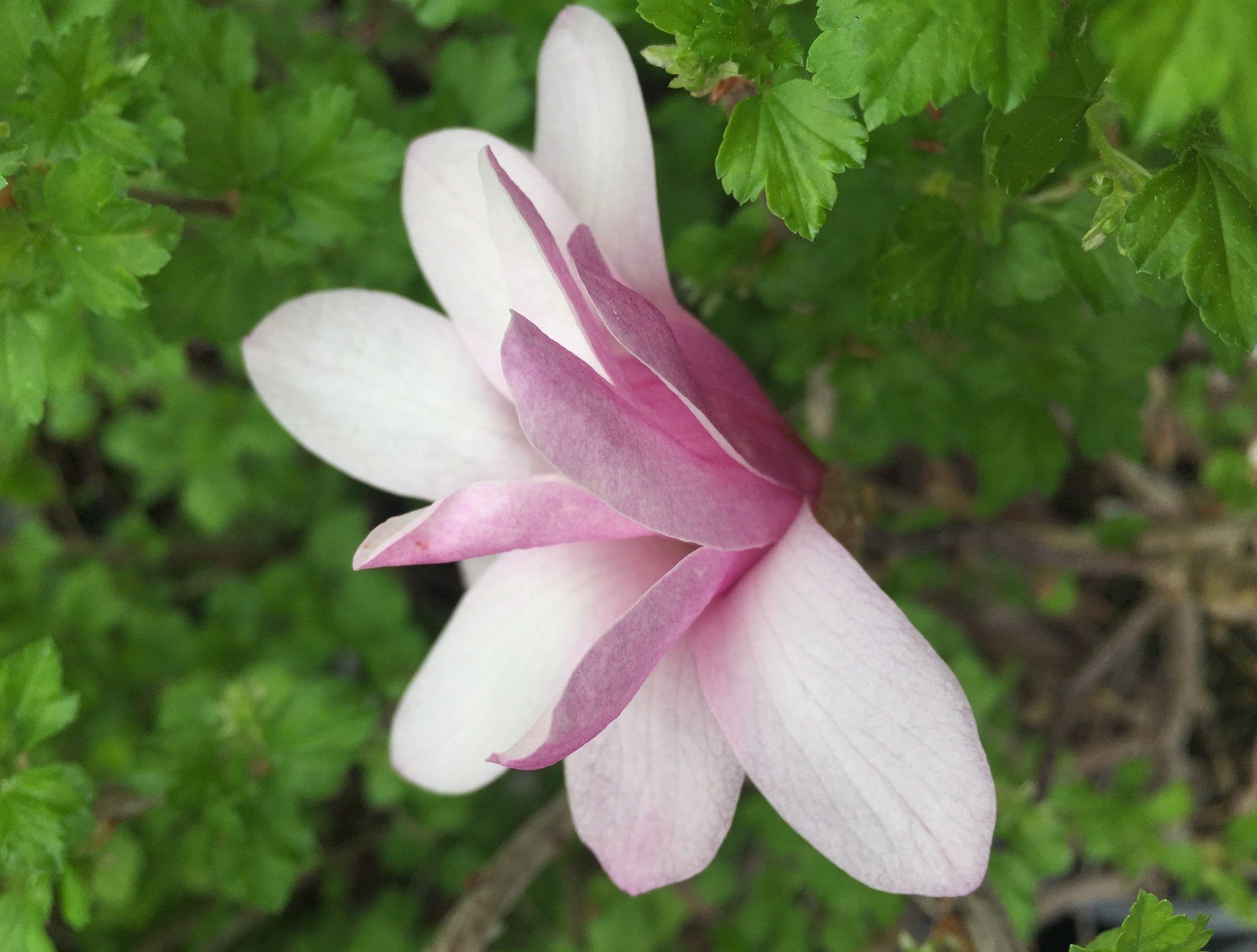
The following pictures are of Magnolia blossoms.
The magnolias most people grow here (in southwestern Ontario) are cultivars with native ancestors that call China home. Species like Magnolia liliiflora and Magnolia denudata (shown growing wild in the mountains in this video:
..which are often hybridized to create the trees that produce the blossoms I will pictures of below.
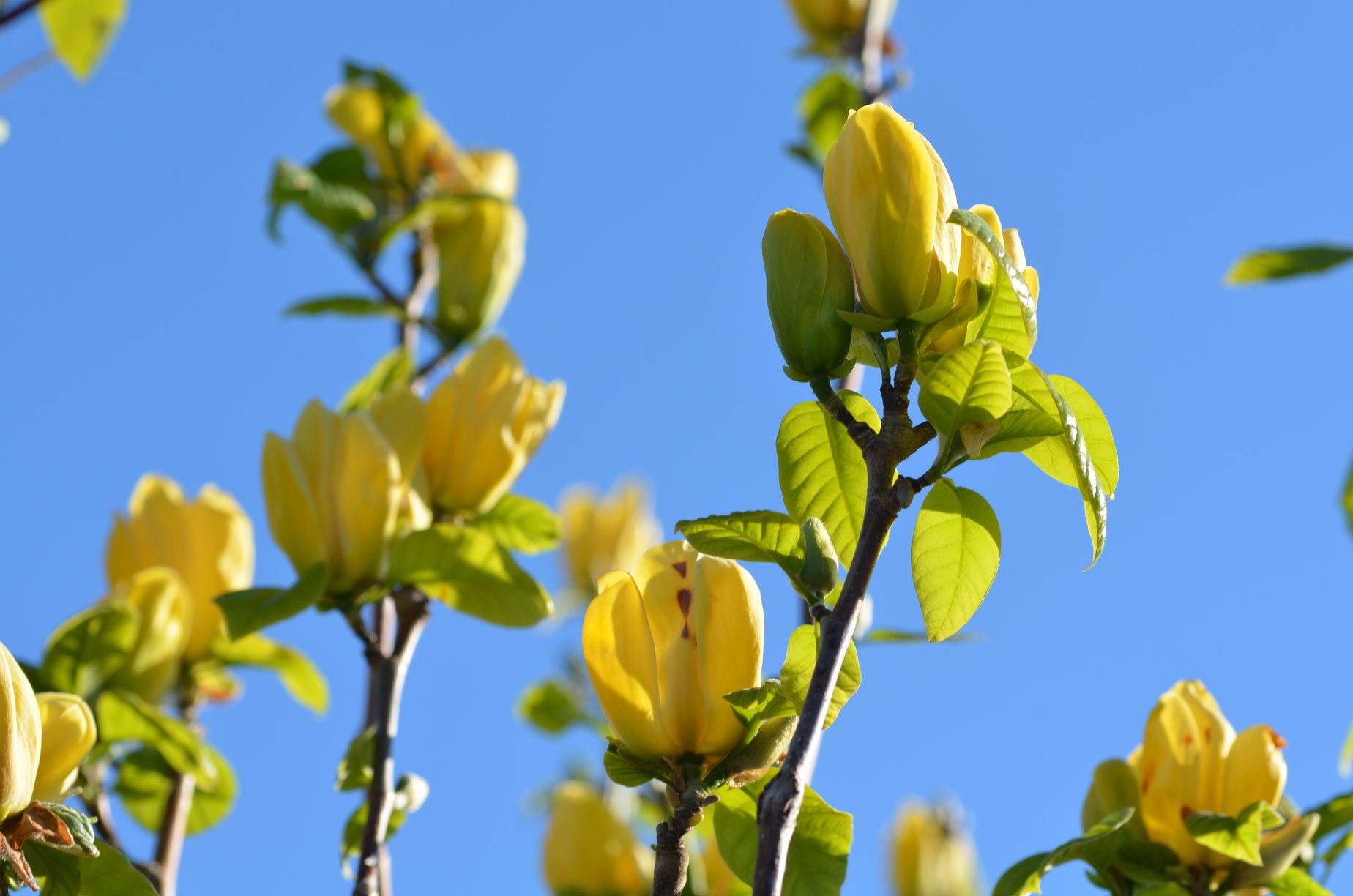
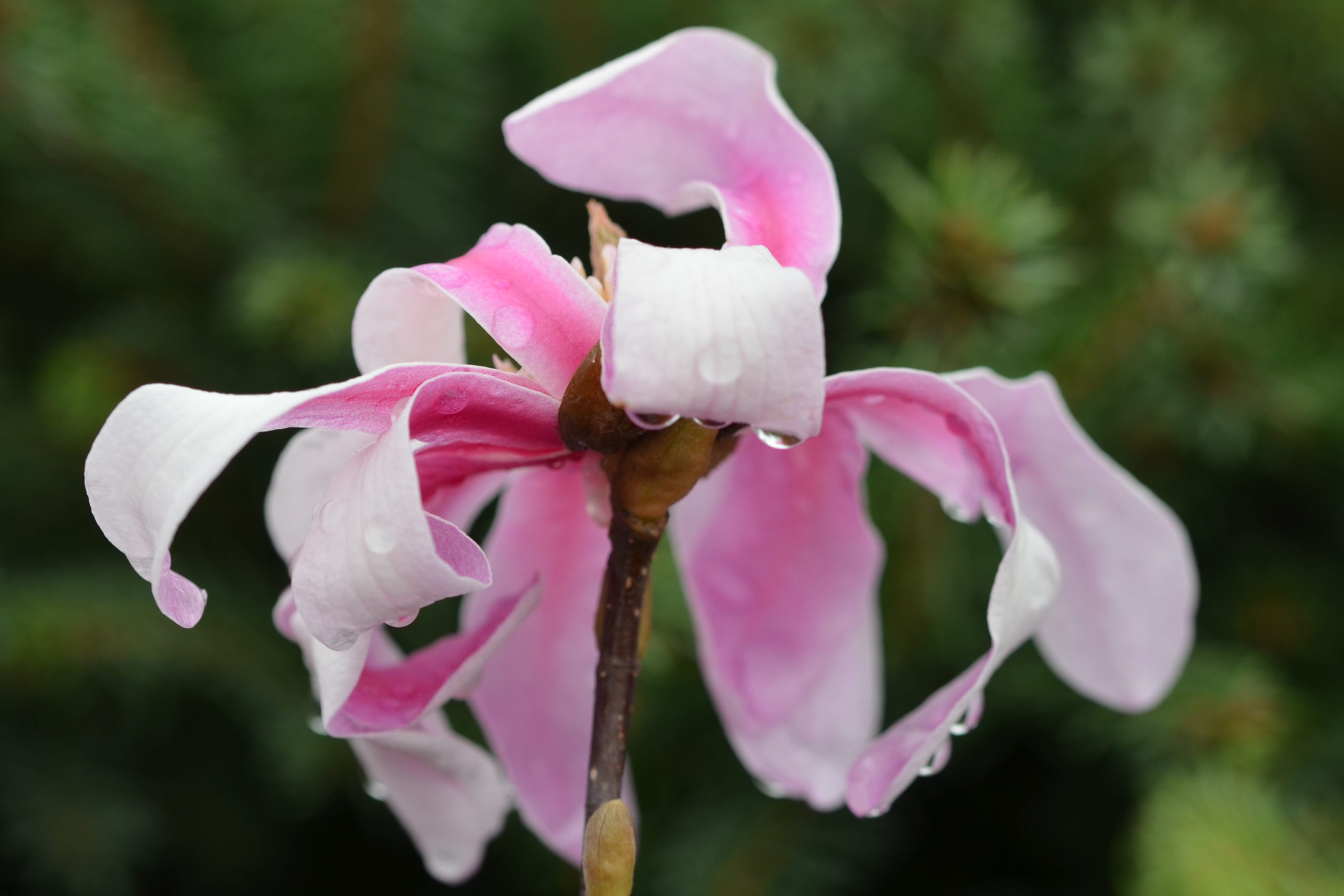


For more on Magnolias, read these two posts:
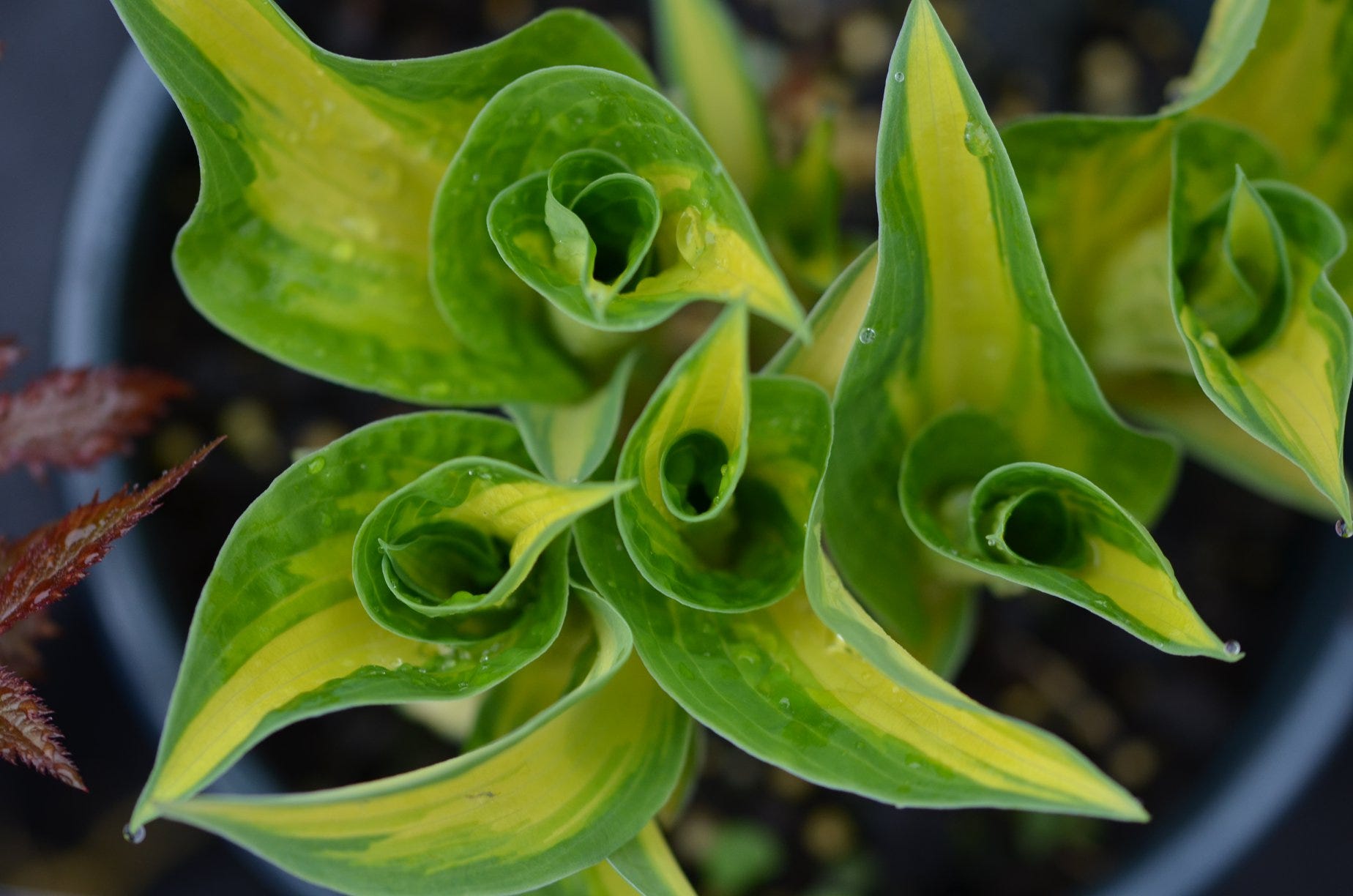
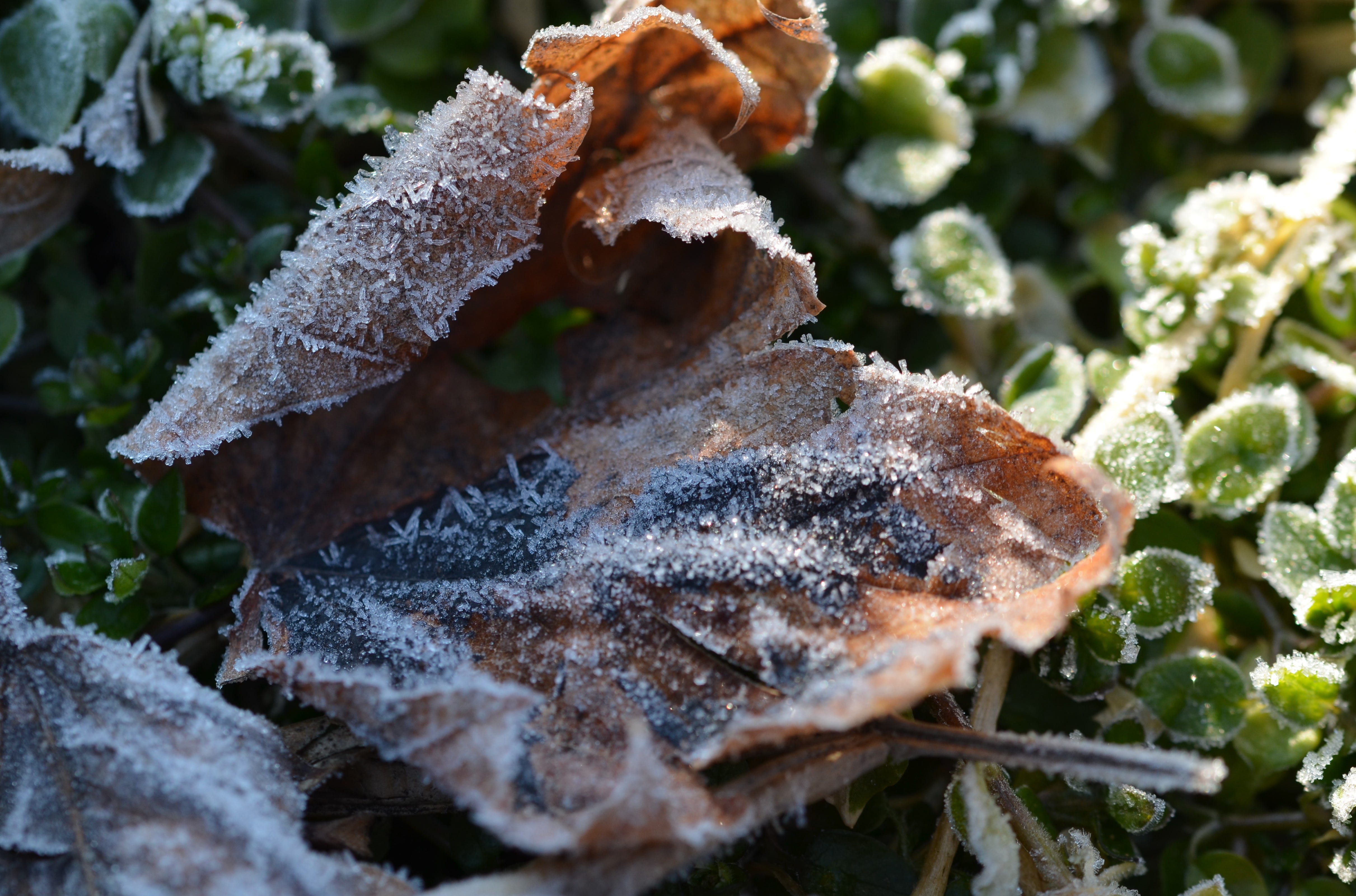
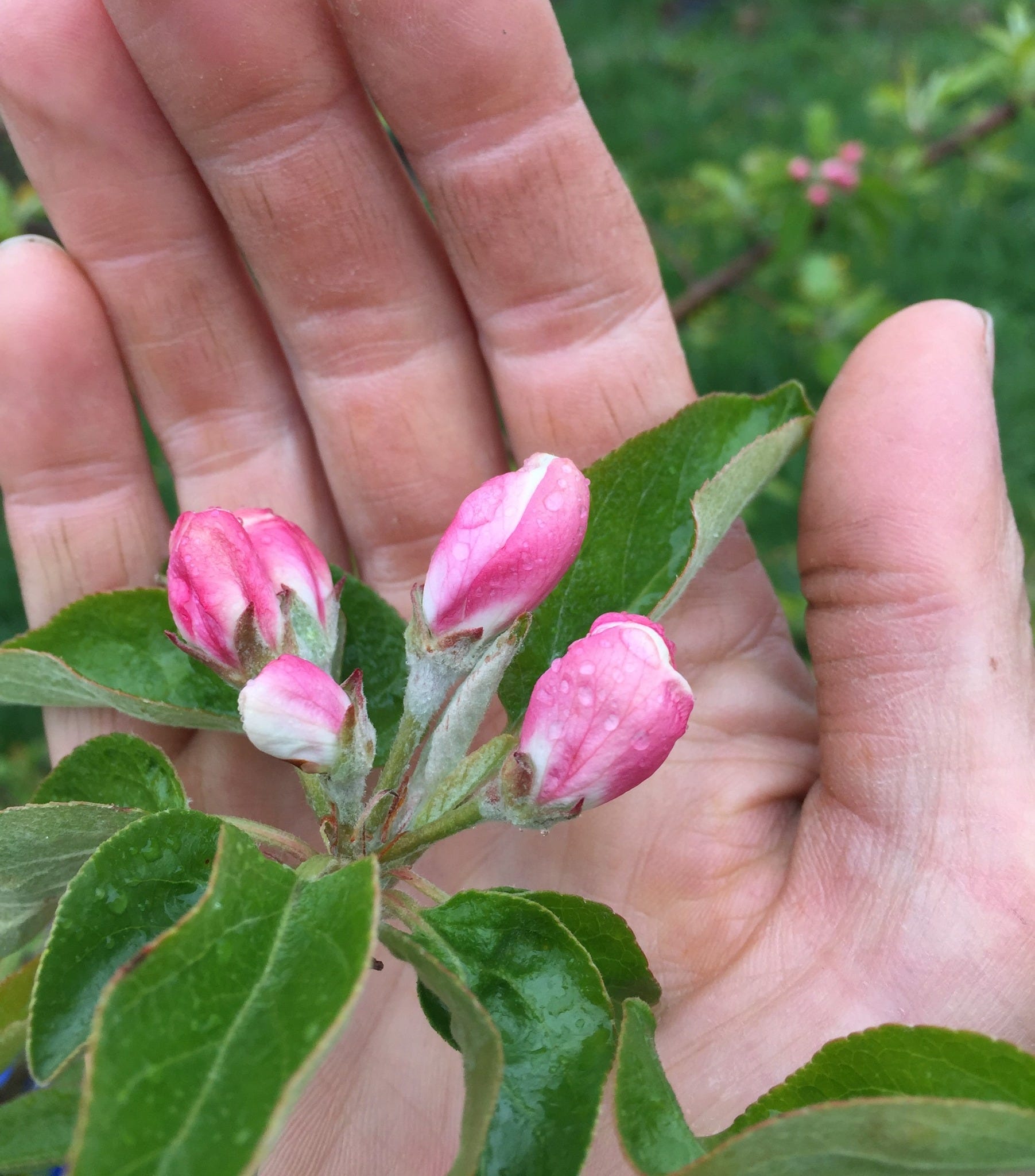
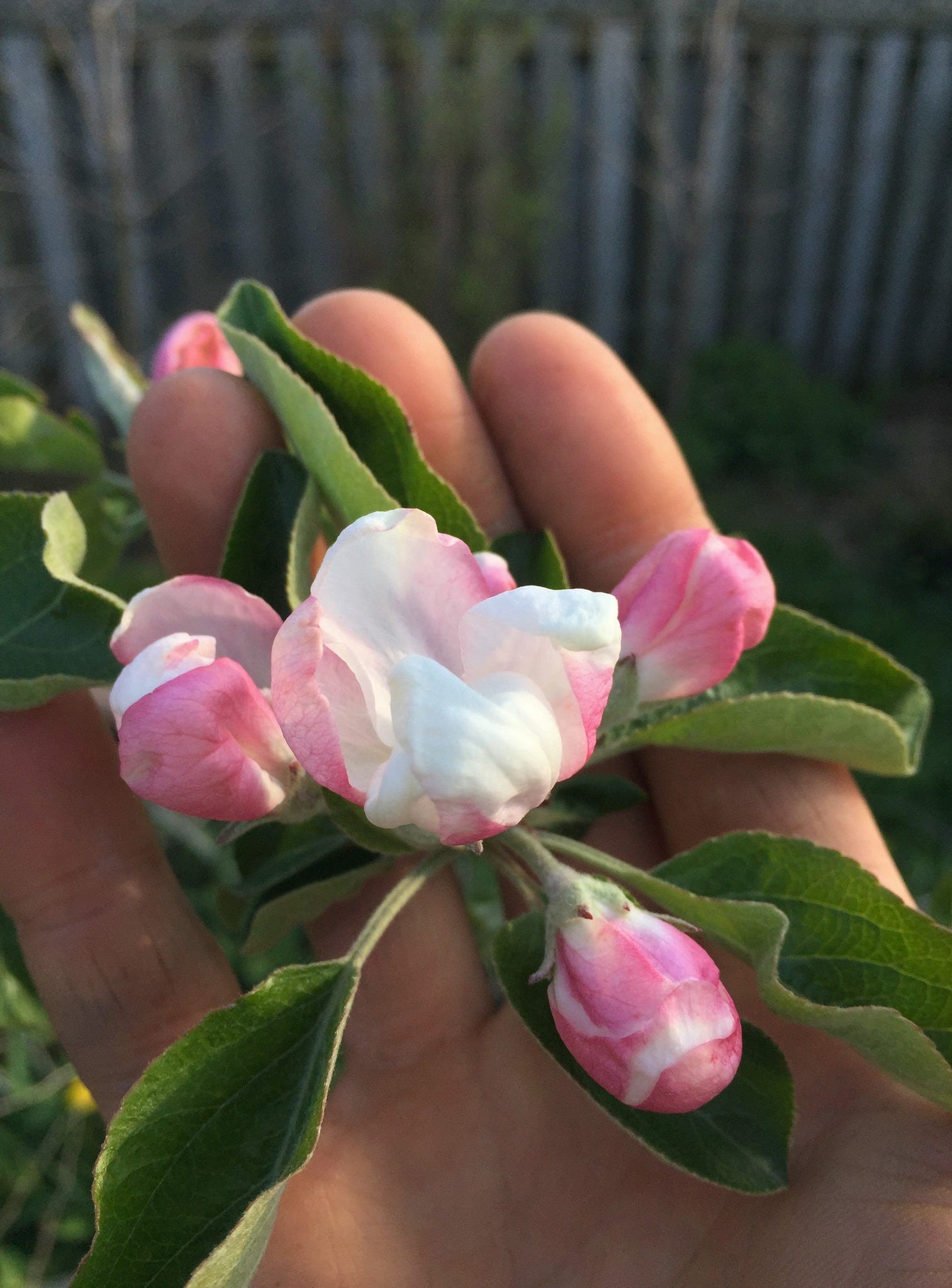
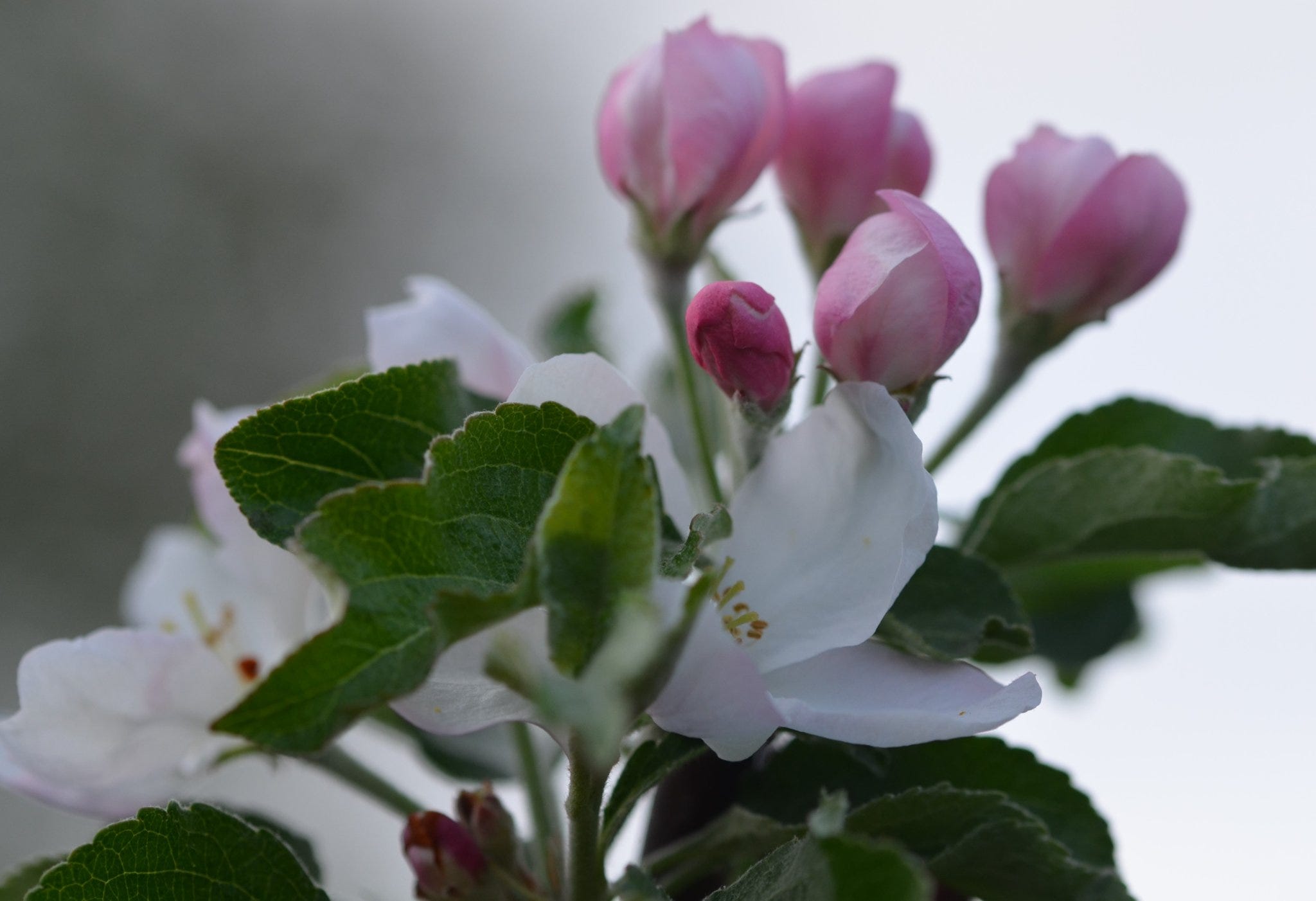
I noticed four different species of birds enjoying these vertical Malus sieversii branches in our garden today. I was blessed to witness a Ruby-throated Hummingbird, a mated pair of Orioles, a mated pair of Cardinals and a yellow finch perched and hopping around on the branches, enjoying some nectar and hunting for insects. These birds (minus the hummingbird) also really appreciate the tall pollinated female cannabis plants I left in the ground from last year as they were eating the nutrient dense seeds (still left in the dried/dead flower heads standing about 5 feet tall near the apple tree).
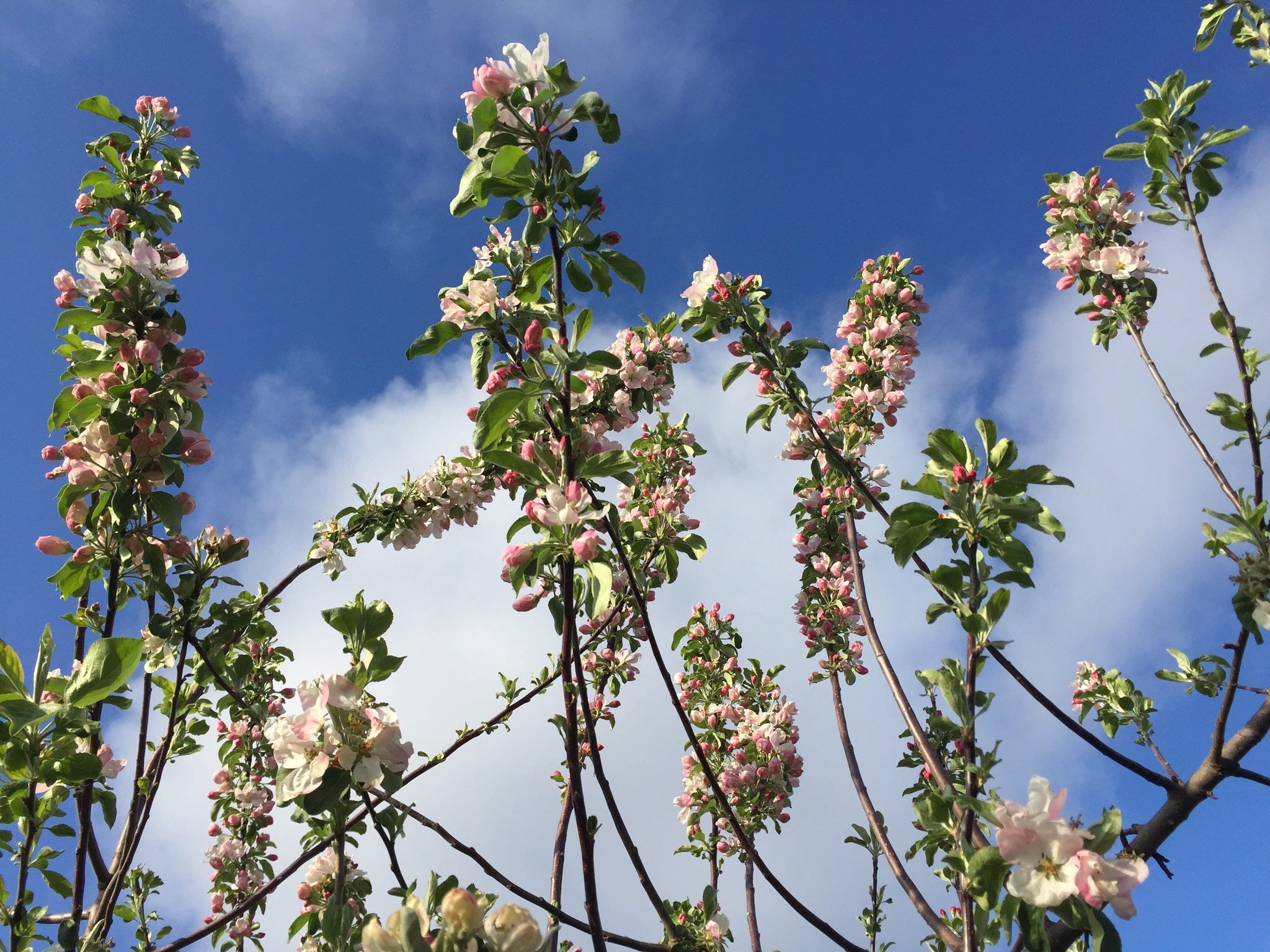
The apples may be harder to thin / pick (and more likely to incur branch rub) but I have observed the blossoms on vertical branches actually bloom a week or two later than horizontal branches (increasing the likelihood of cross pollination with apple varieties with different bloom times) and the birds really appreciate the vertical shoots. For my purposes of growing an endangered apple species like this as part of a Refugium (for mainly seed saving/sharing purposes) the less than ideal fruit production/harvesting dynamics of the top part of an unpruned tree like this does not bother me.
Same goes for the cannabis plants, most people see male cannabis plants as the enemy (as they are conditioned to thinki anthropocentrically and with the aim of producing flowers with the sole purpose of being smoked) however, having male (and female) cannabis plants growing together offers the blessing of allowing cannabis plants to fulfill their ecological role of providing nutrient dense seeds for birds (and for providing humans with seeds for both eating and saving/sharing).
Such are a couple of the blessings we invite into our lives when we learn to look at this world through the eyes of nature and work with our garden plants as ecological allies within a reciprocal circle of gifts (as opposed to just seeing them as resources to be extracted from).
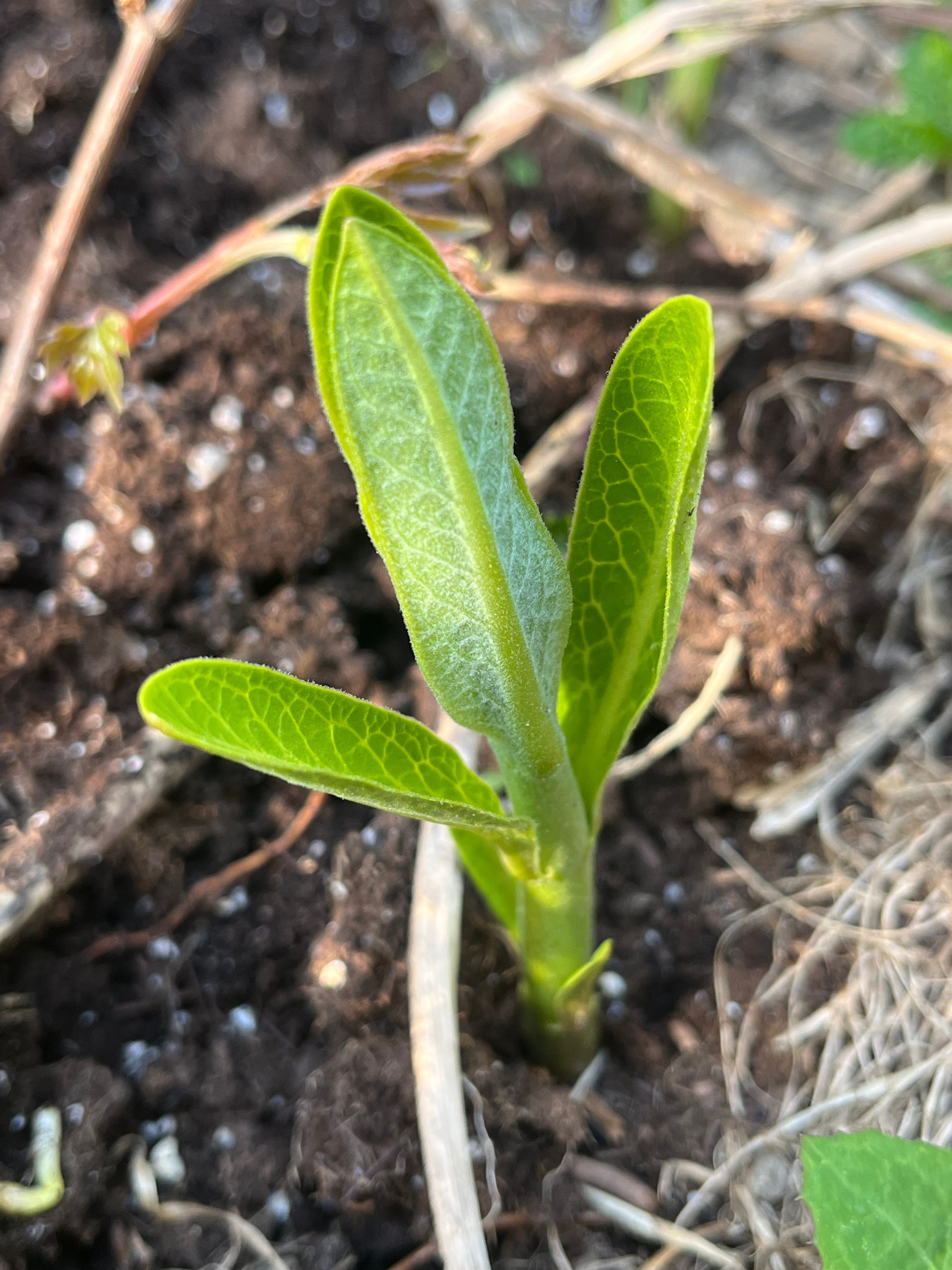
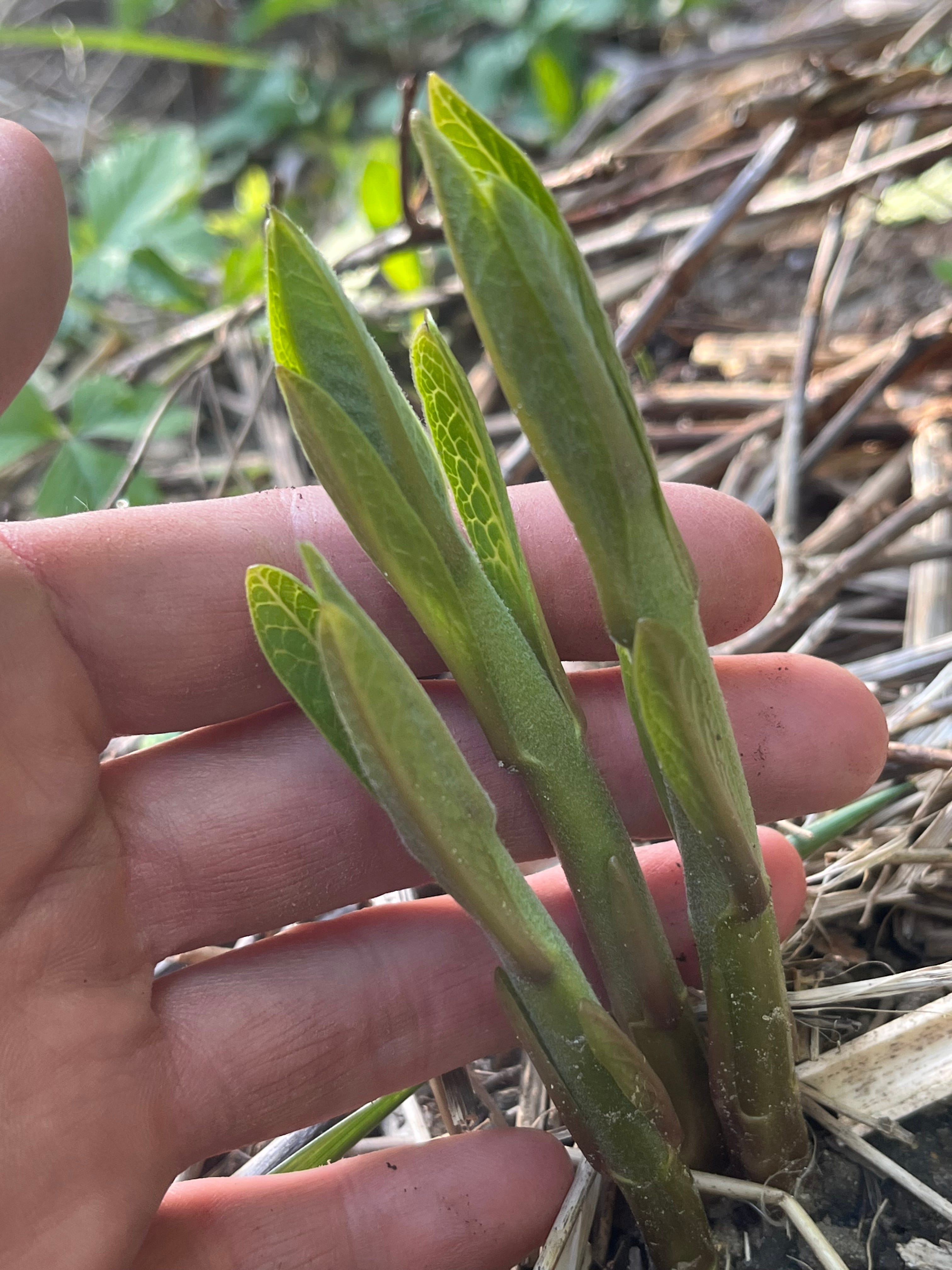
The two pics below show The Milkweed (Asclepias syriaca) is waking up and sending up shoots at the 42nd parallel in our garden in mid May. These shoots are at a great stage for harvesting and cooking to eat like asparagus (harvesting young shoots results in two new shoots emerging, which means twice as many leaves and flowers for monarchs).
Now lets head into the forest and see what is up in late May in the Carolinian woods of southwest Ontario at this time of year.
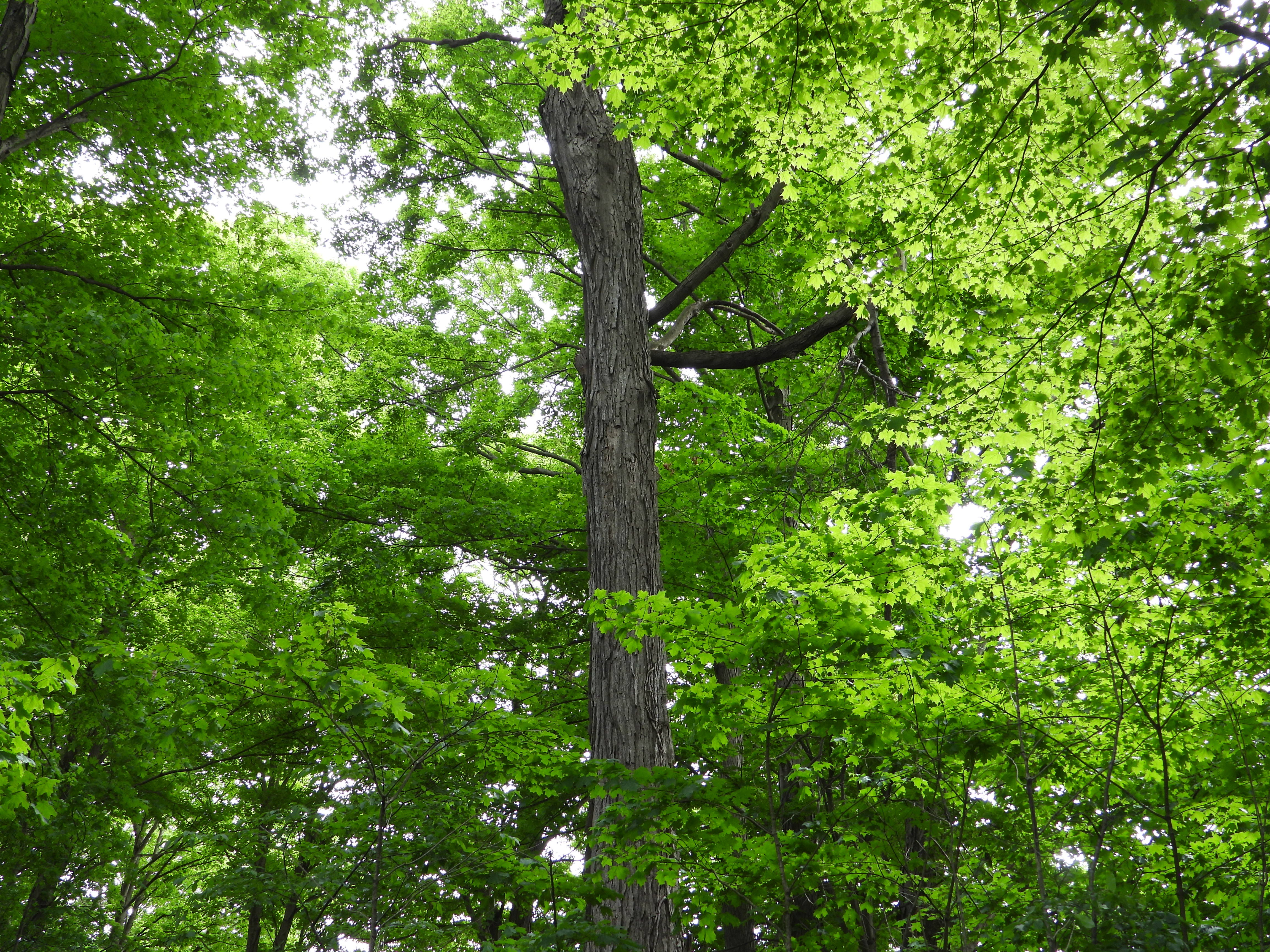
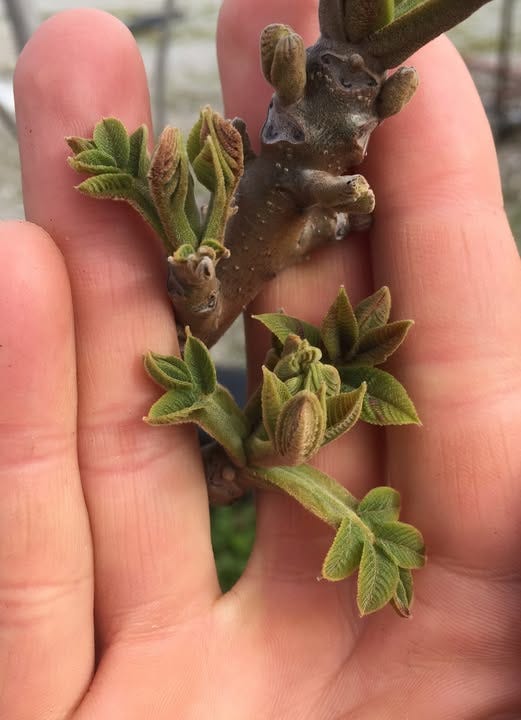
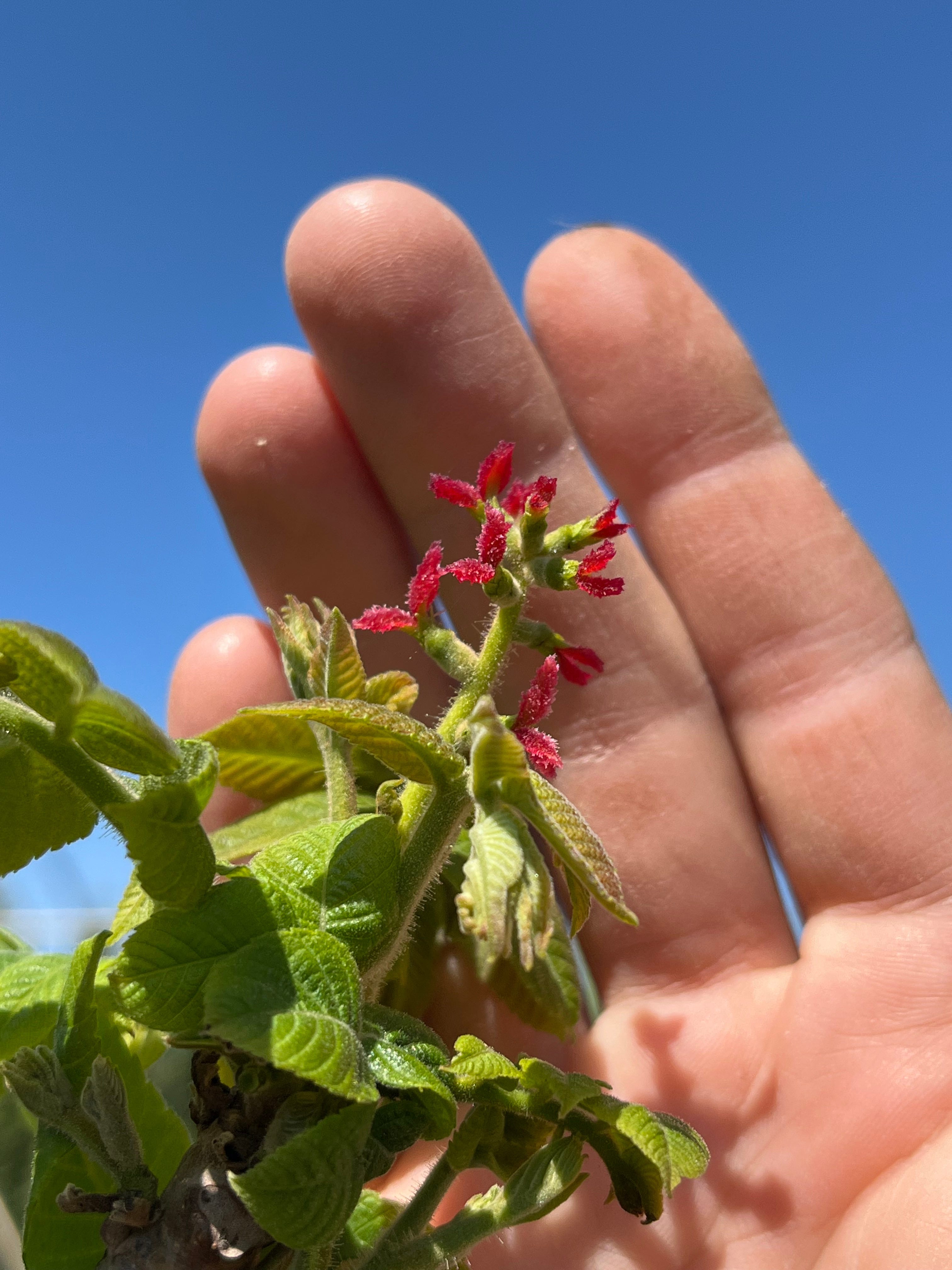
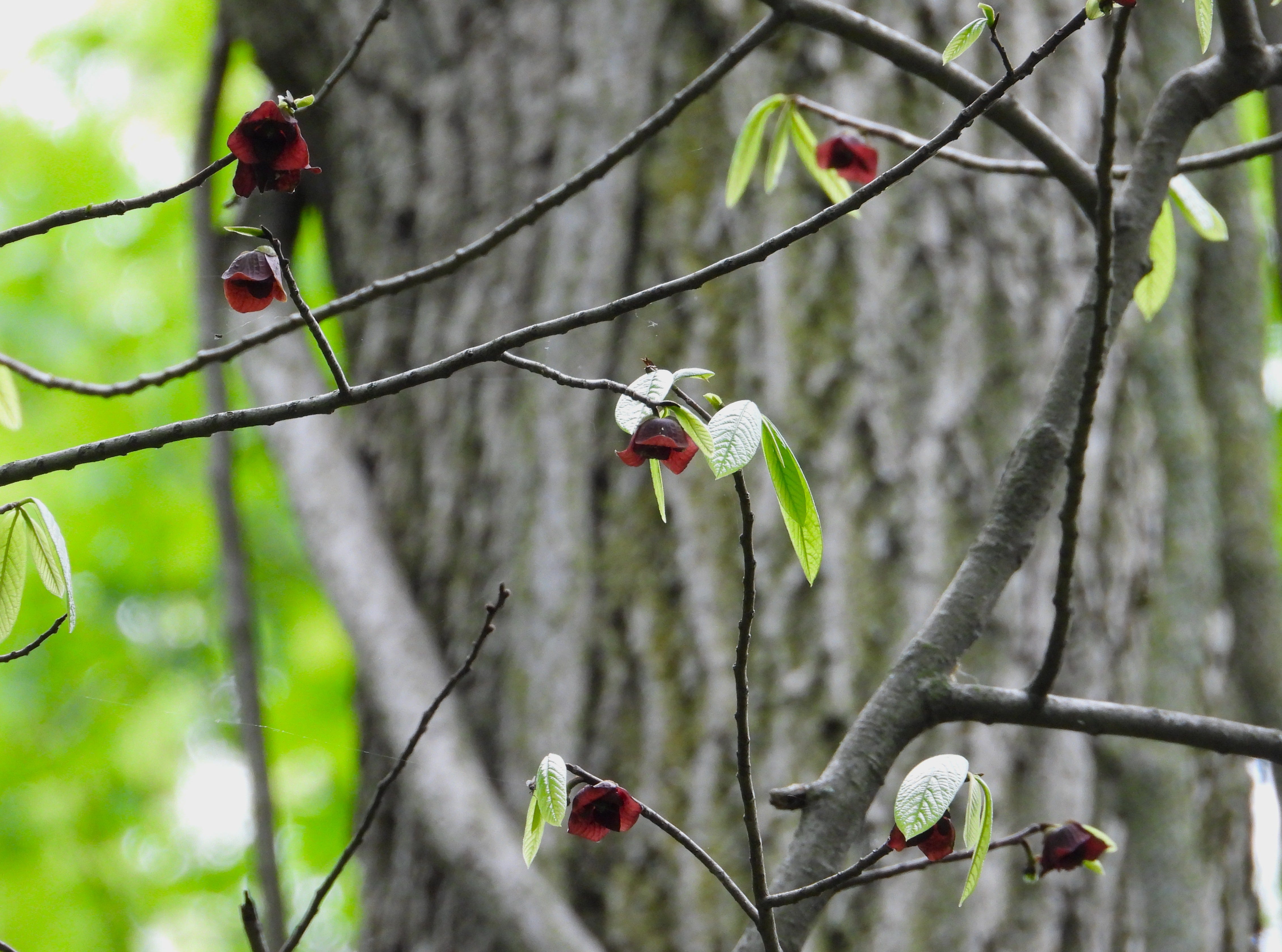
Most trees are fully leafed out by this time of year aside from the walnut family, sycamores and pawpaws.
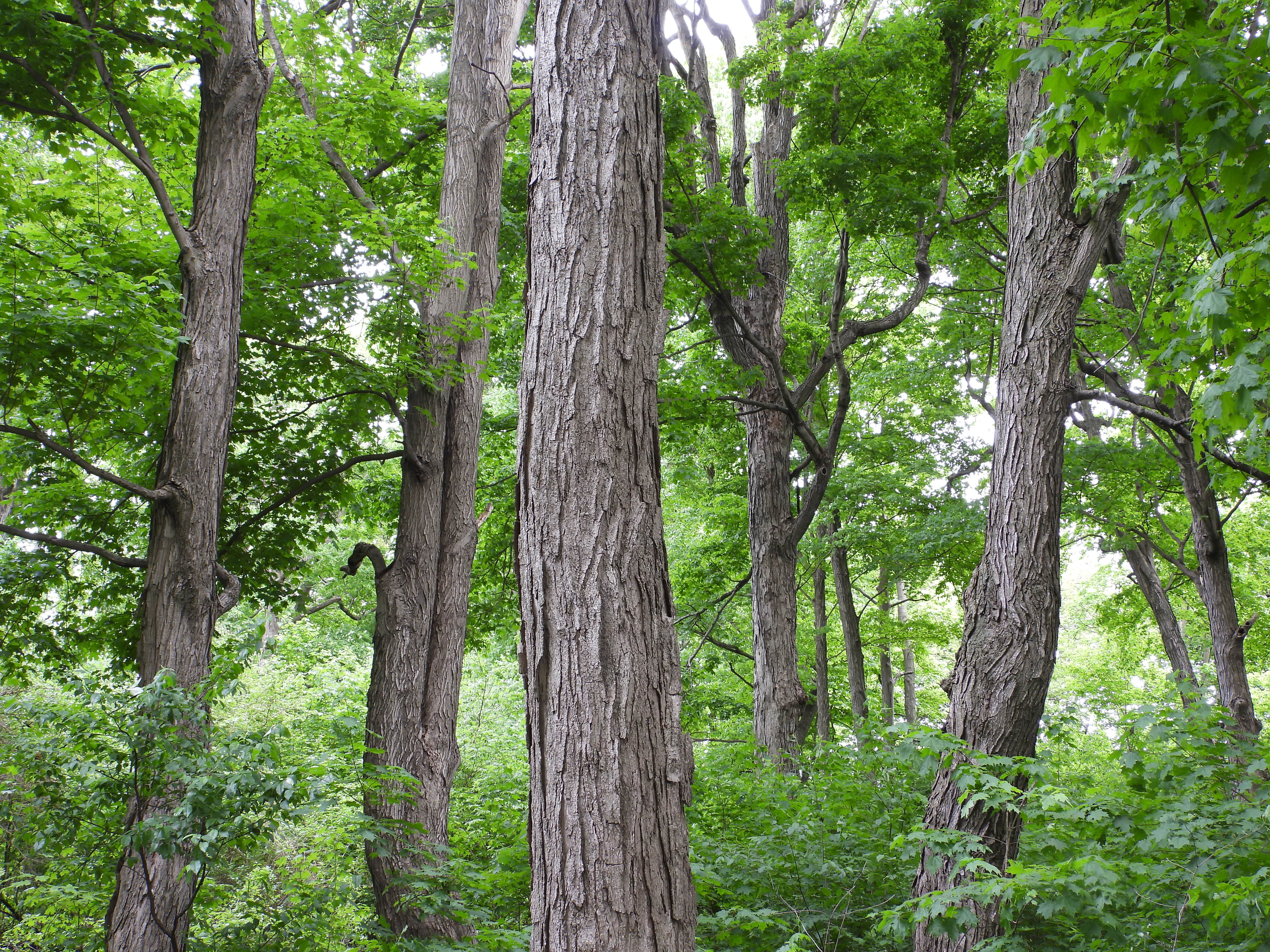
For context read:
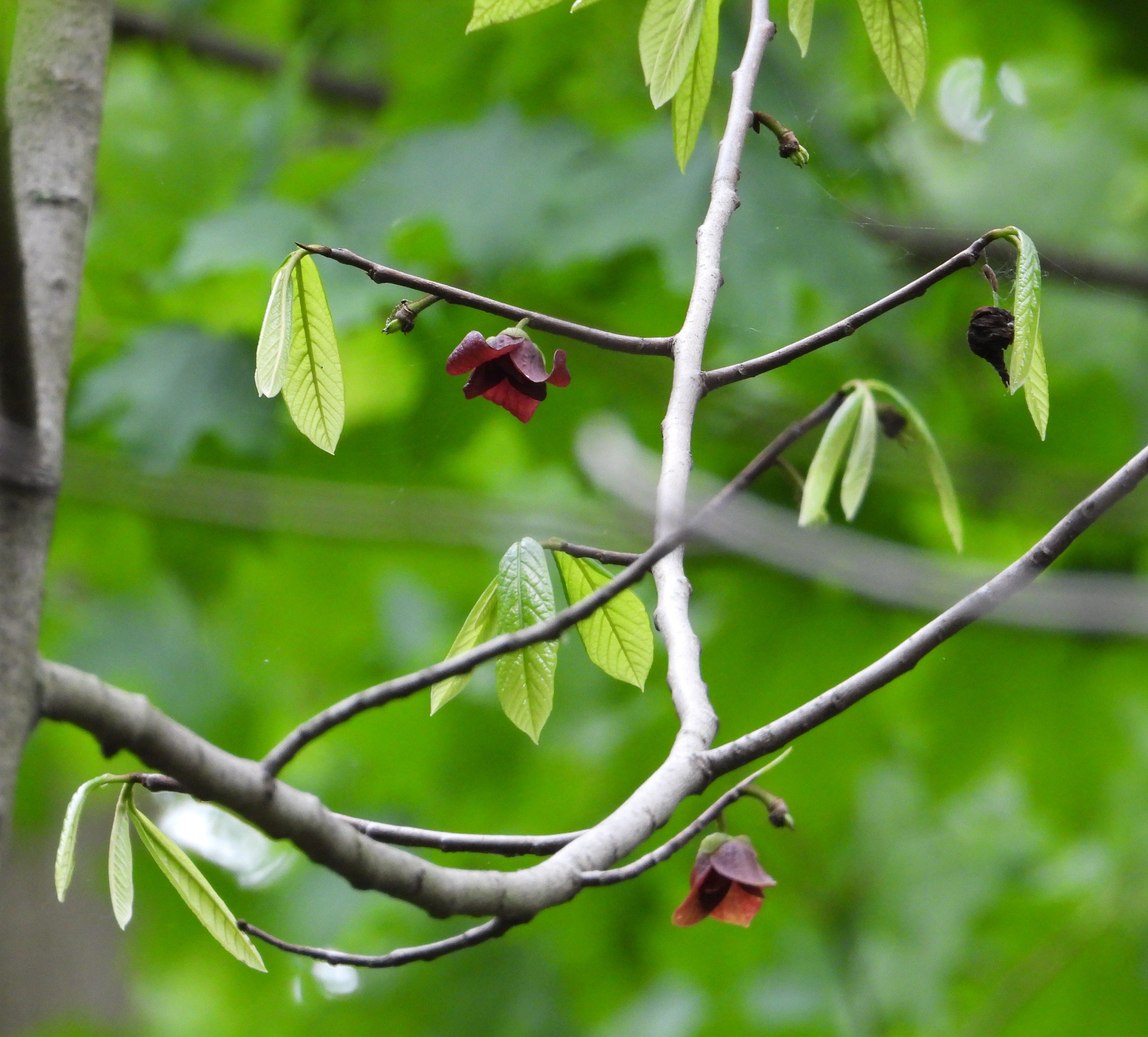
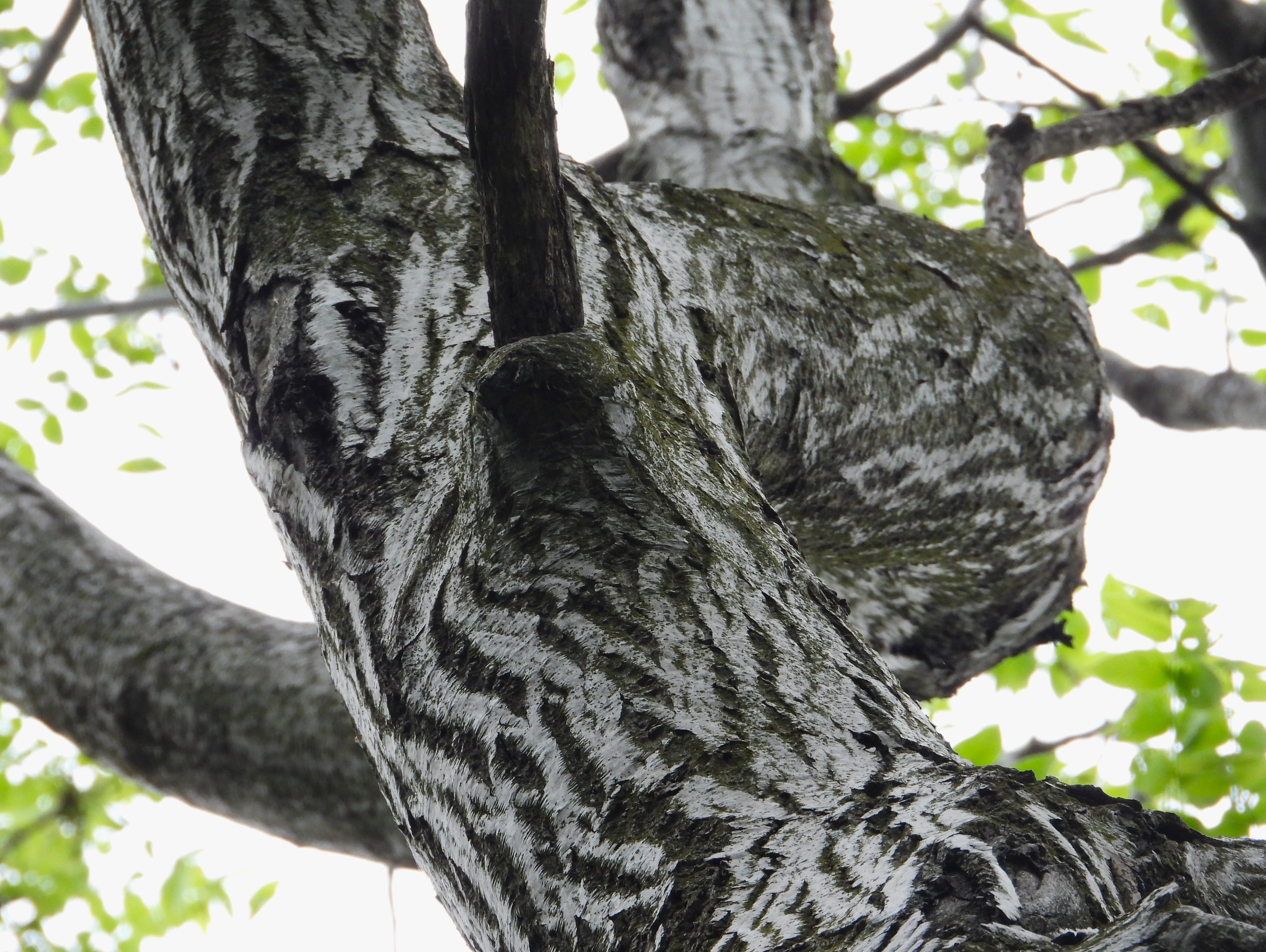
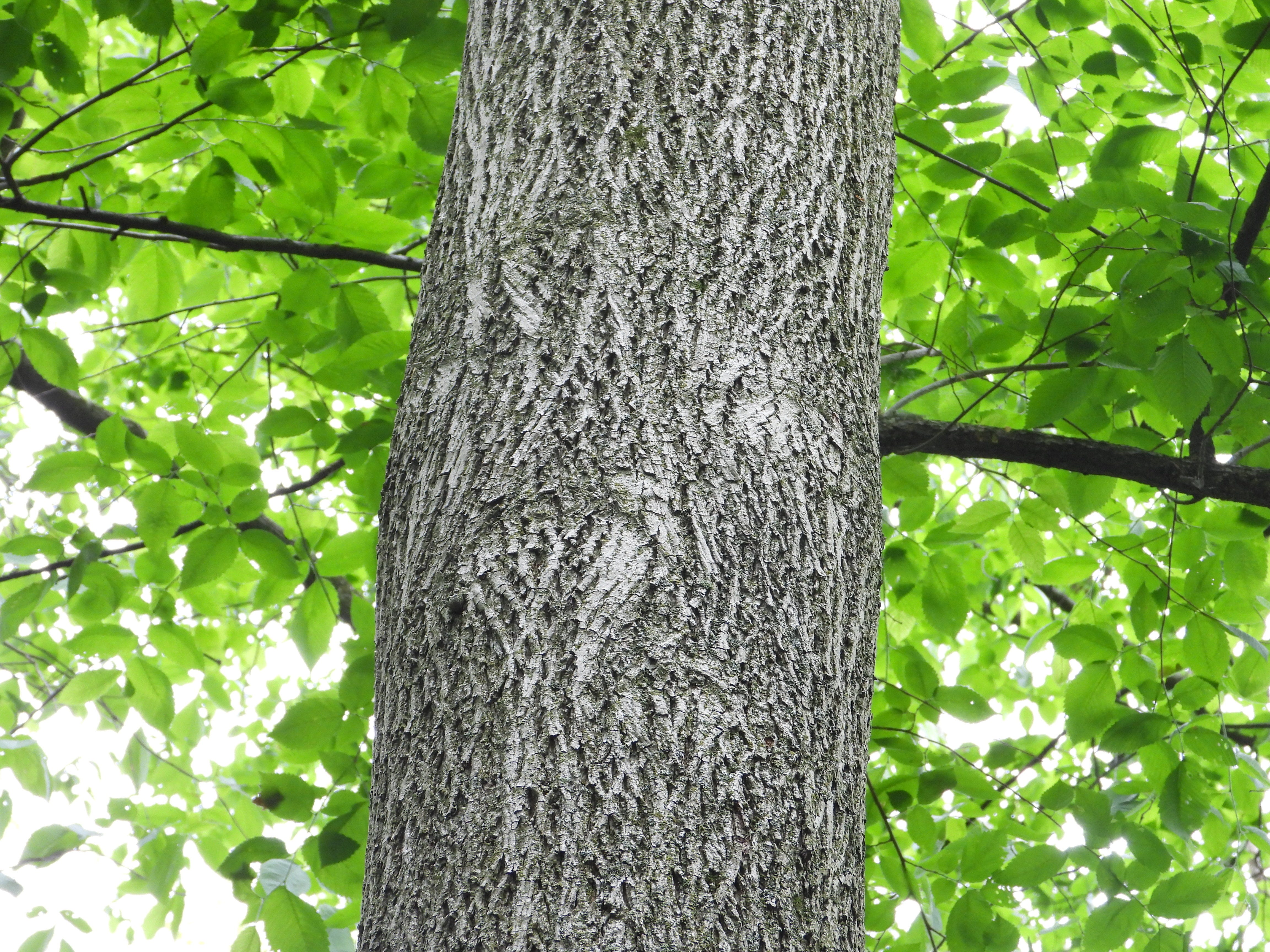
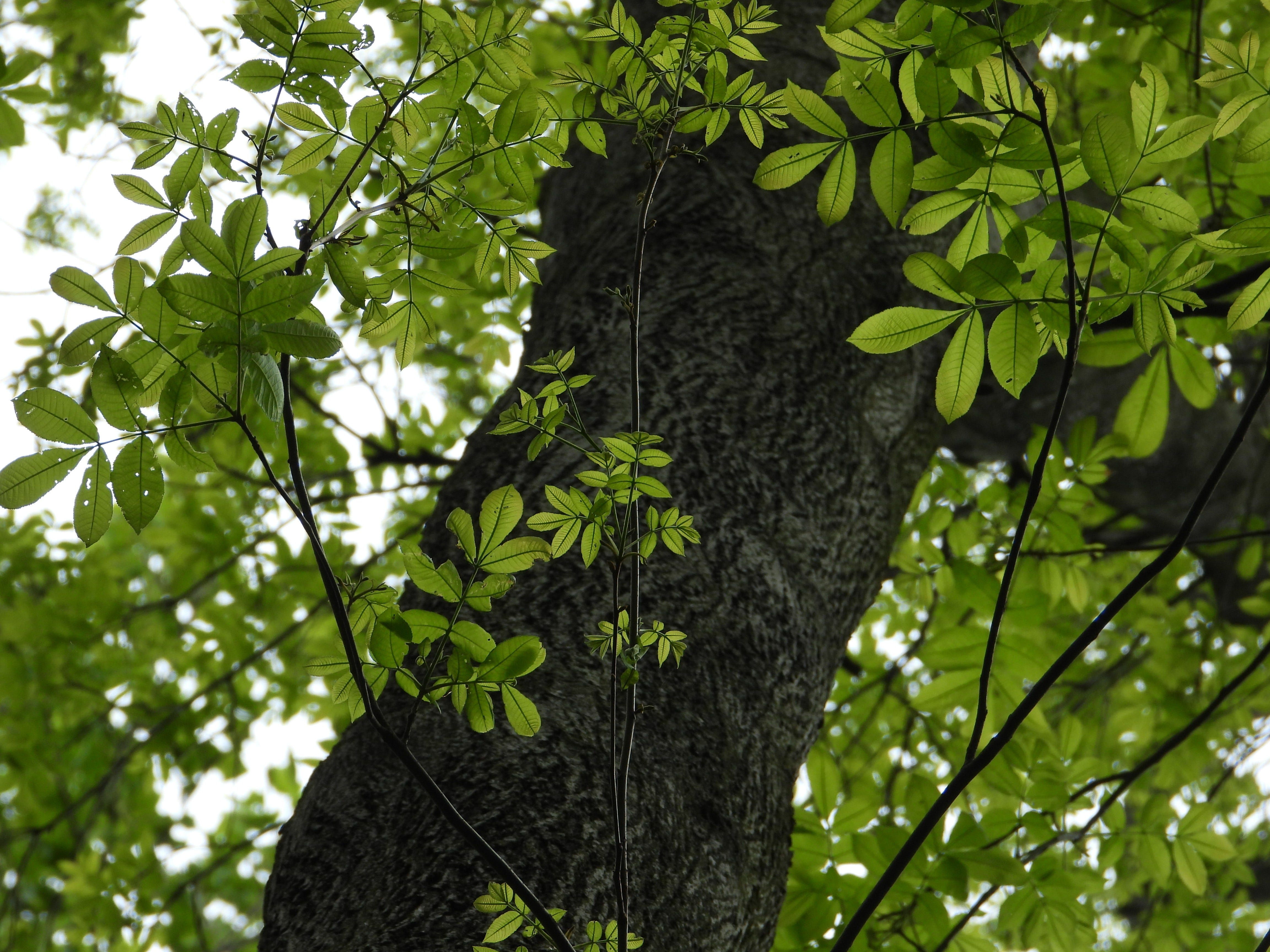
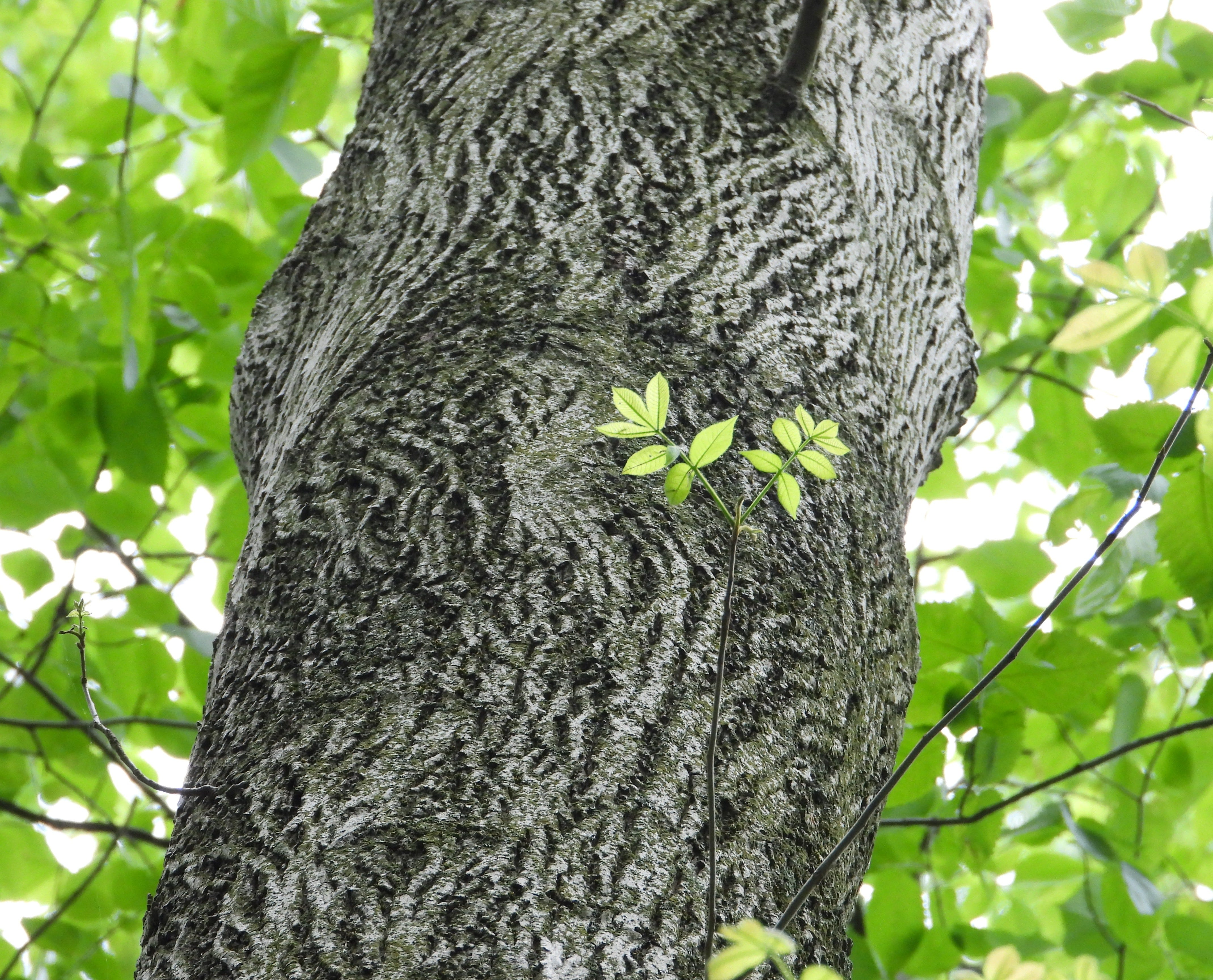
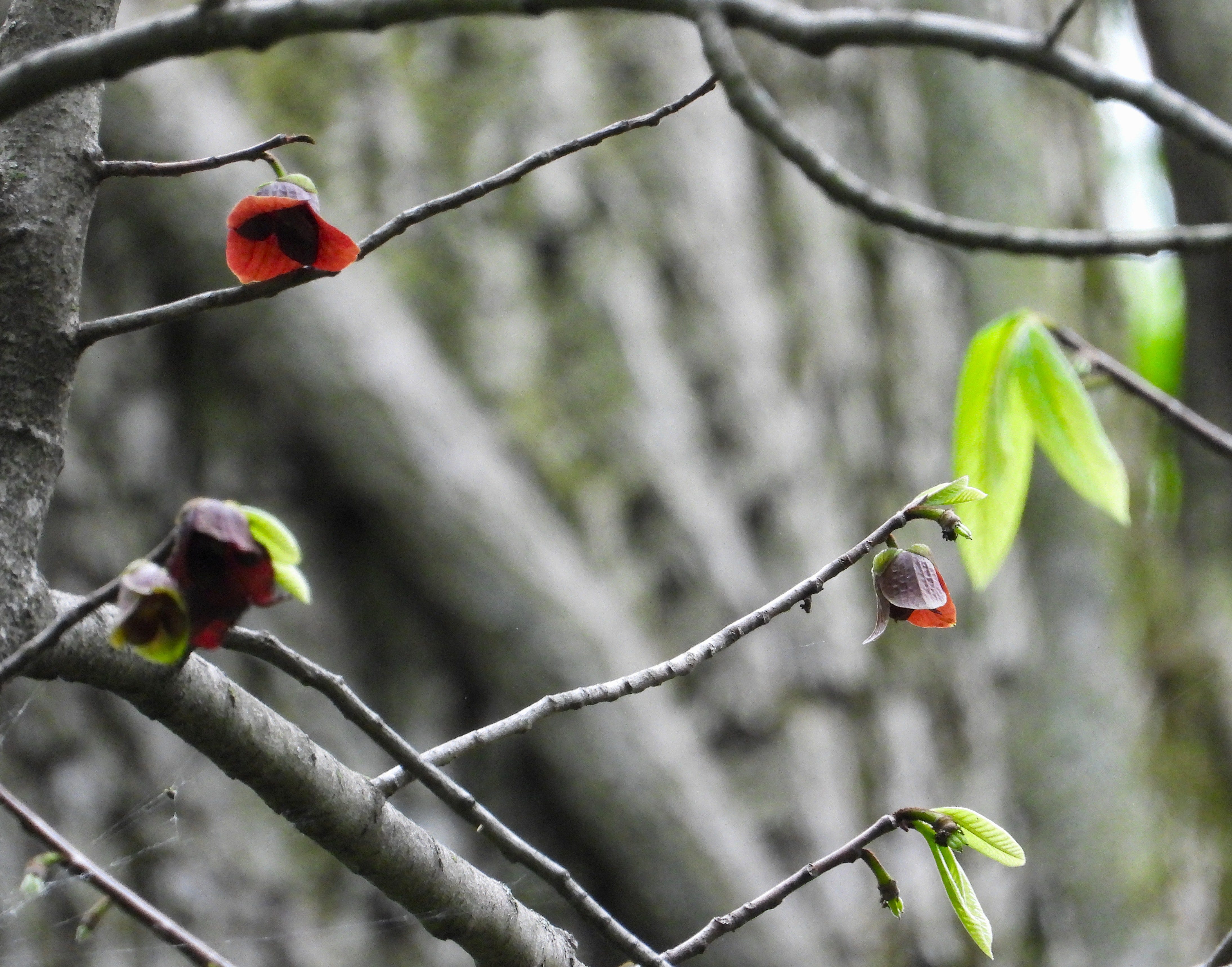
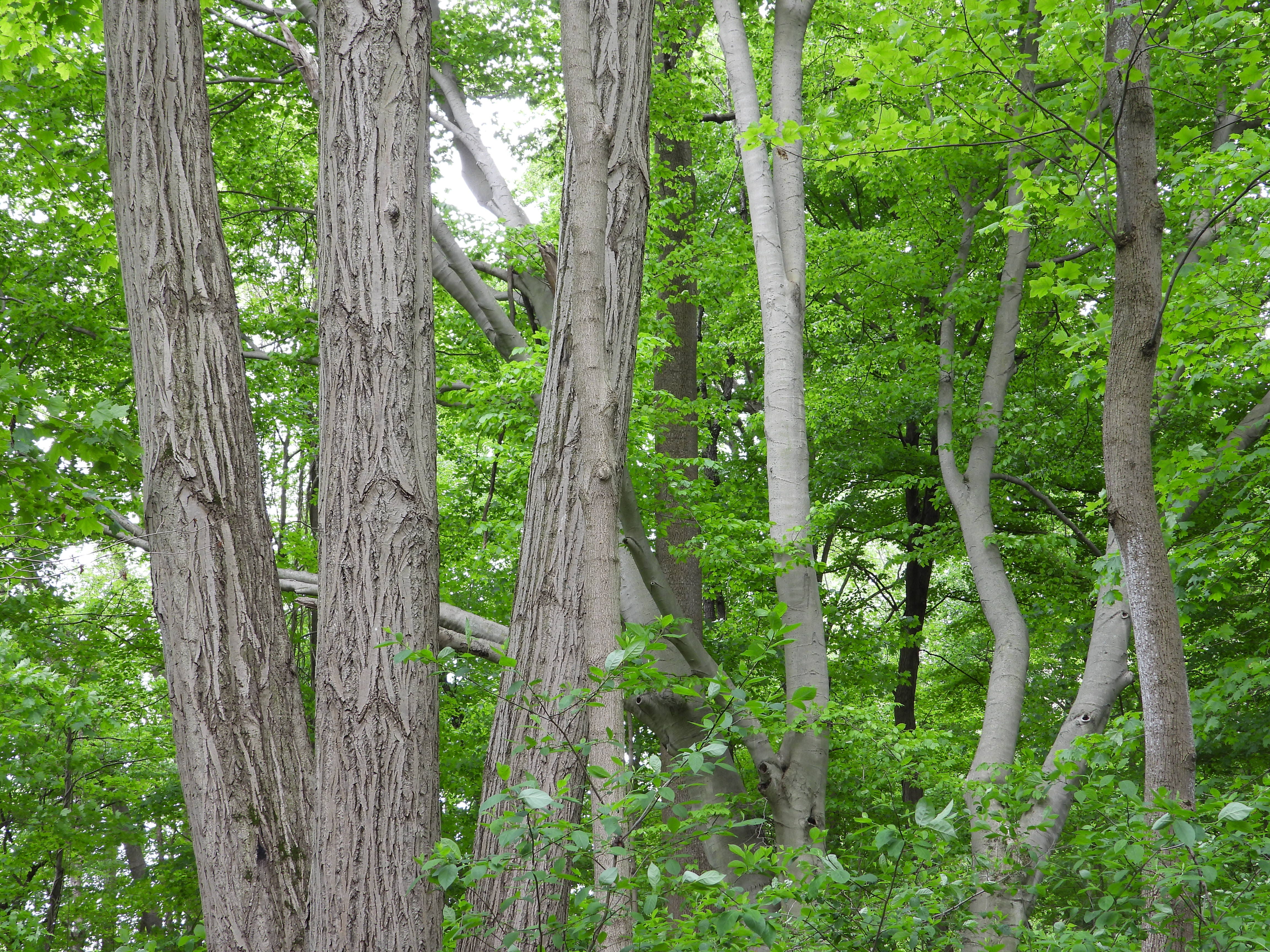
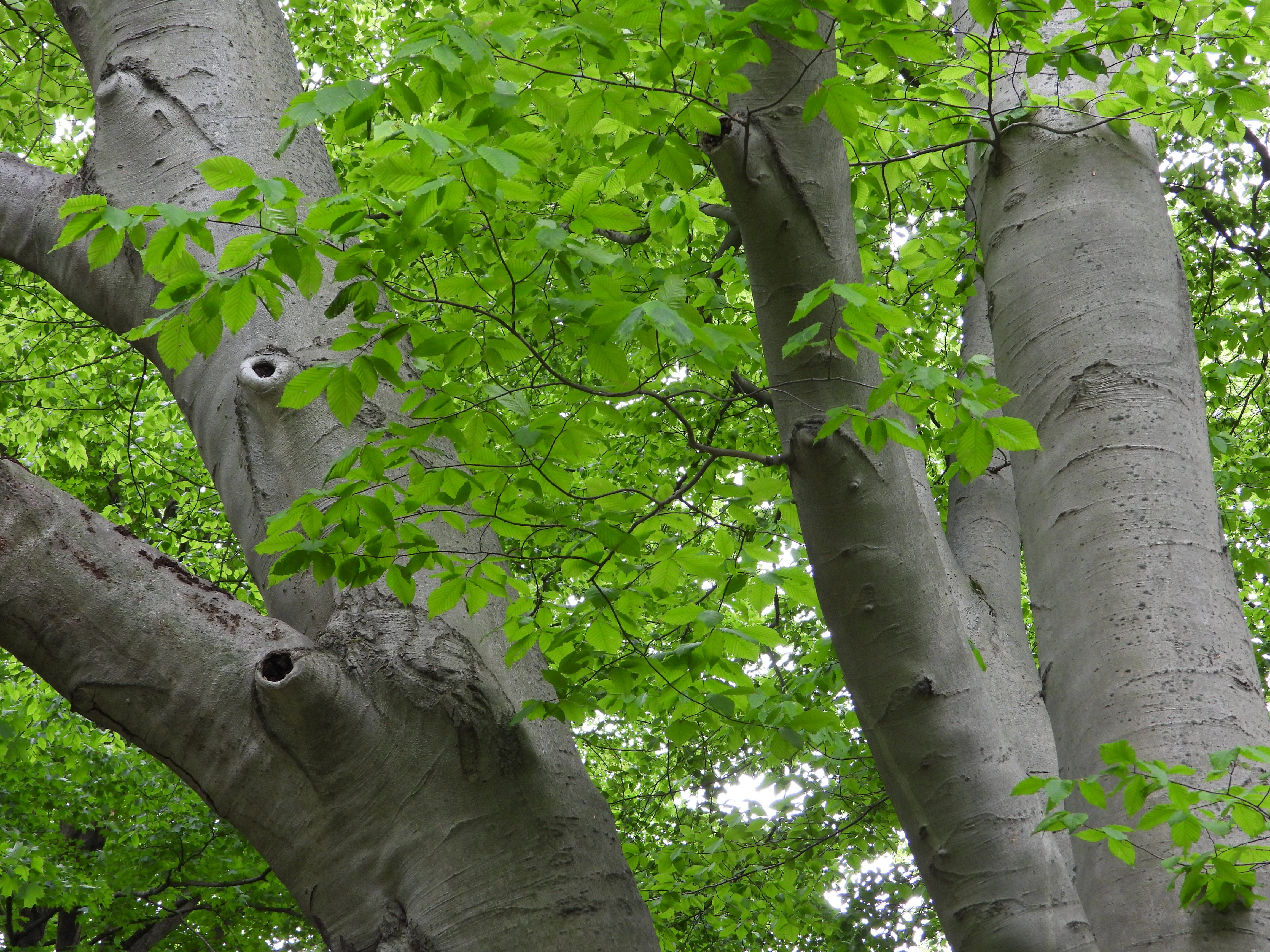
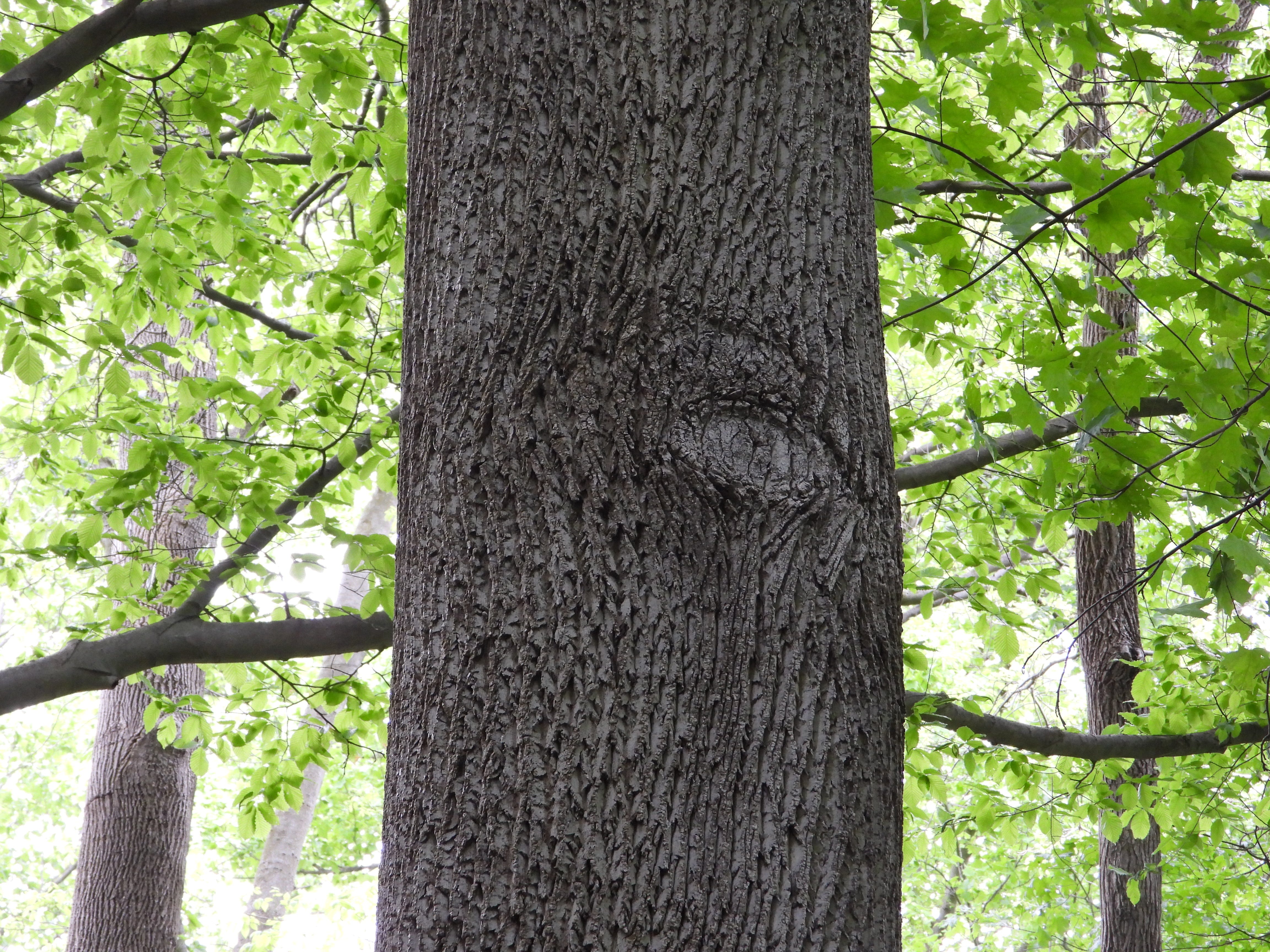
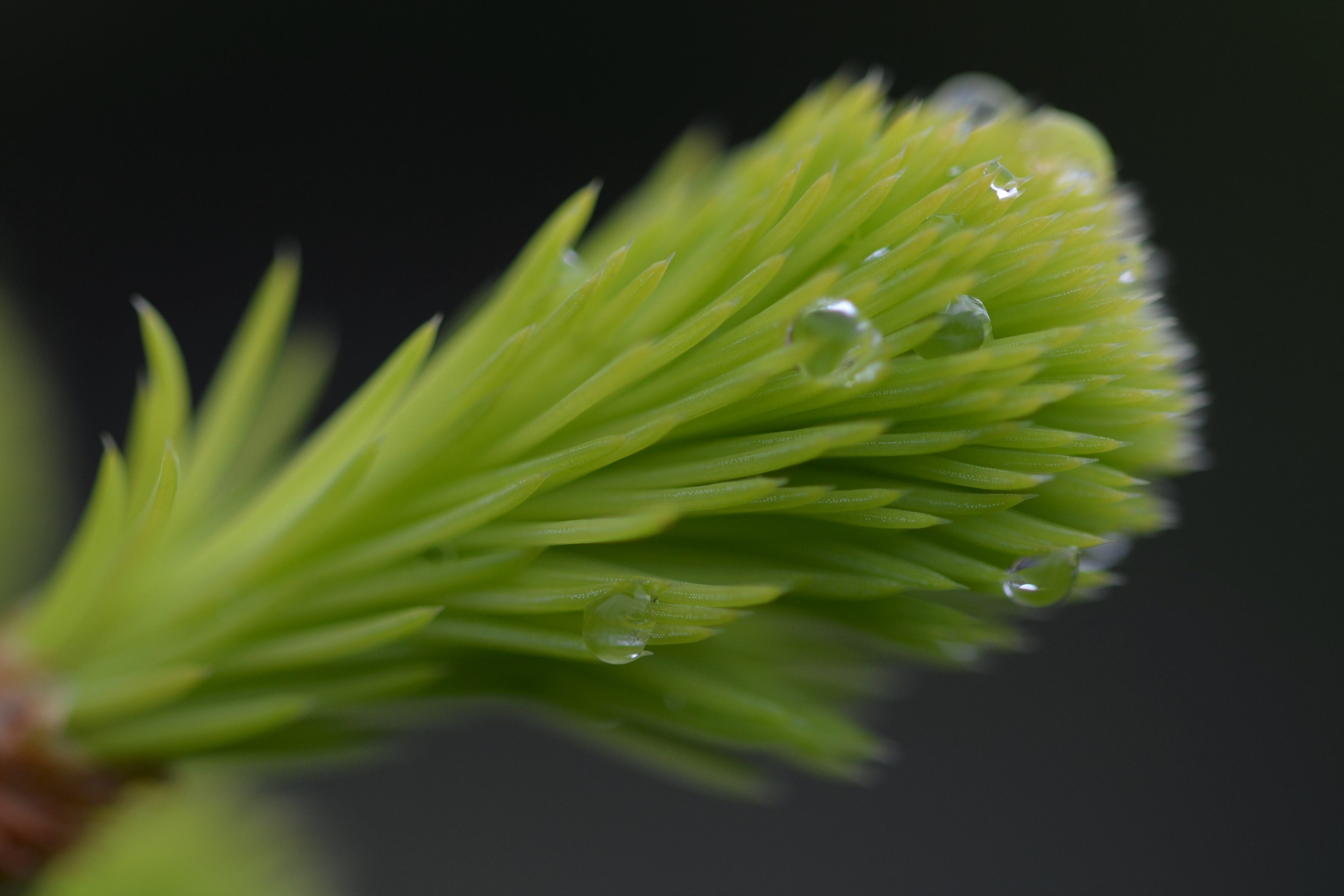
The pic above is a close up on the one shown and described below:
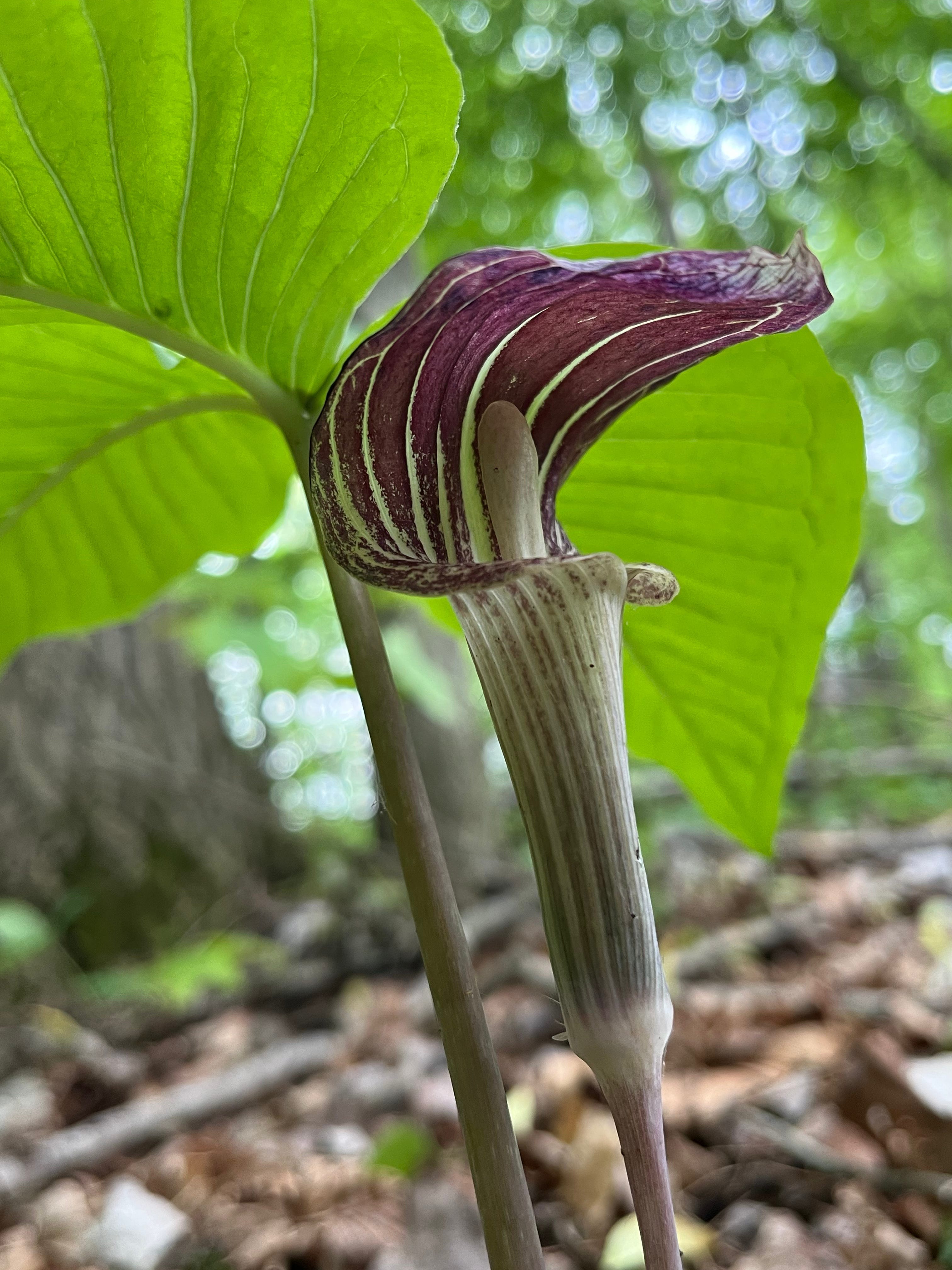
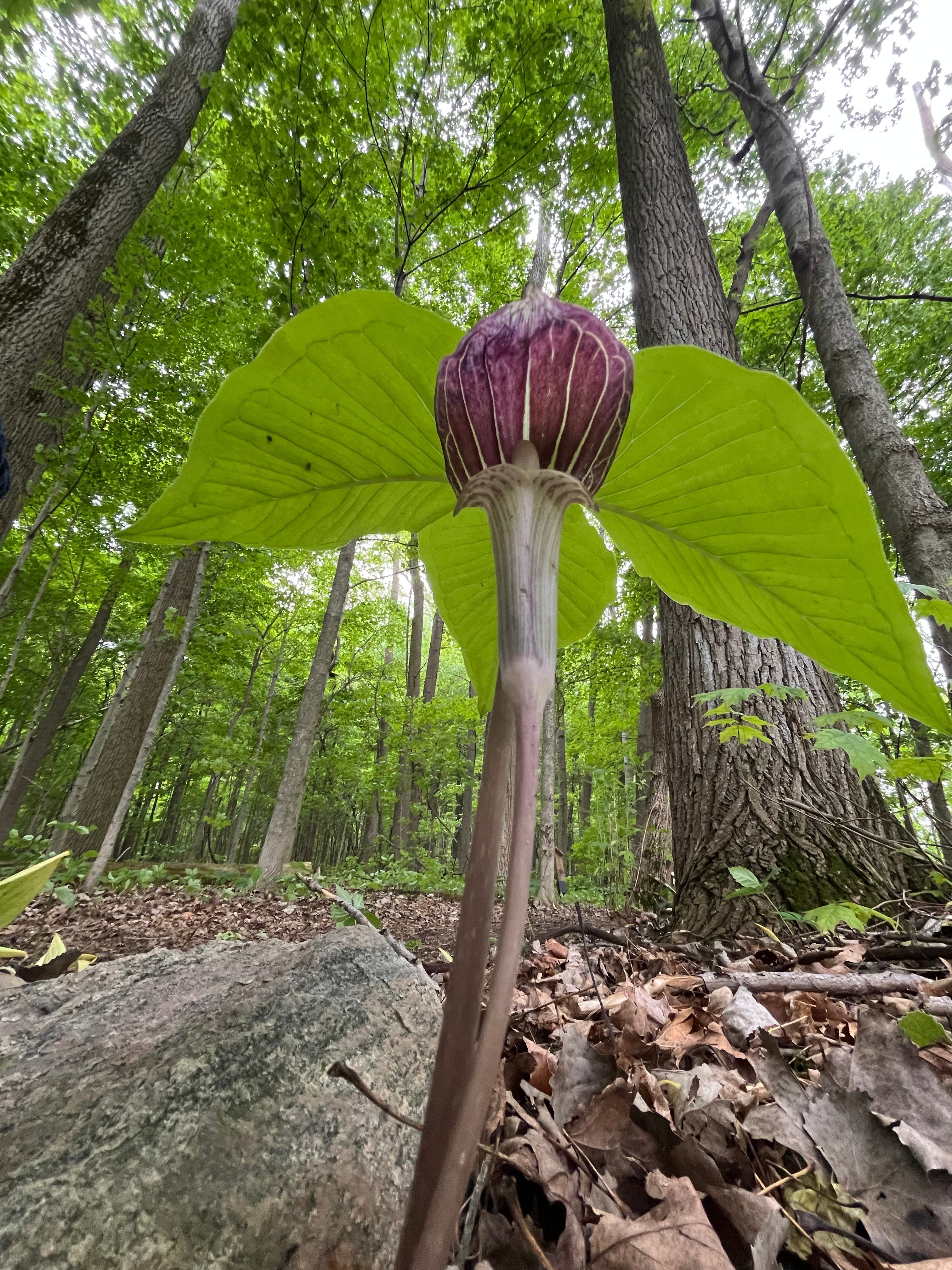
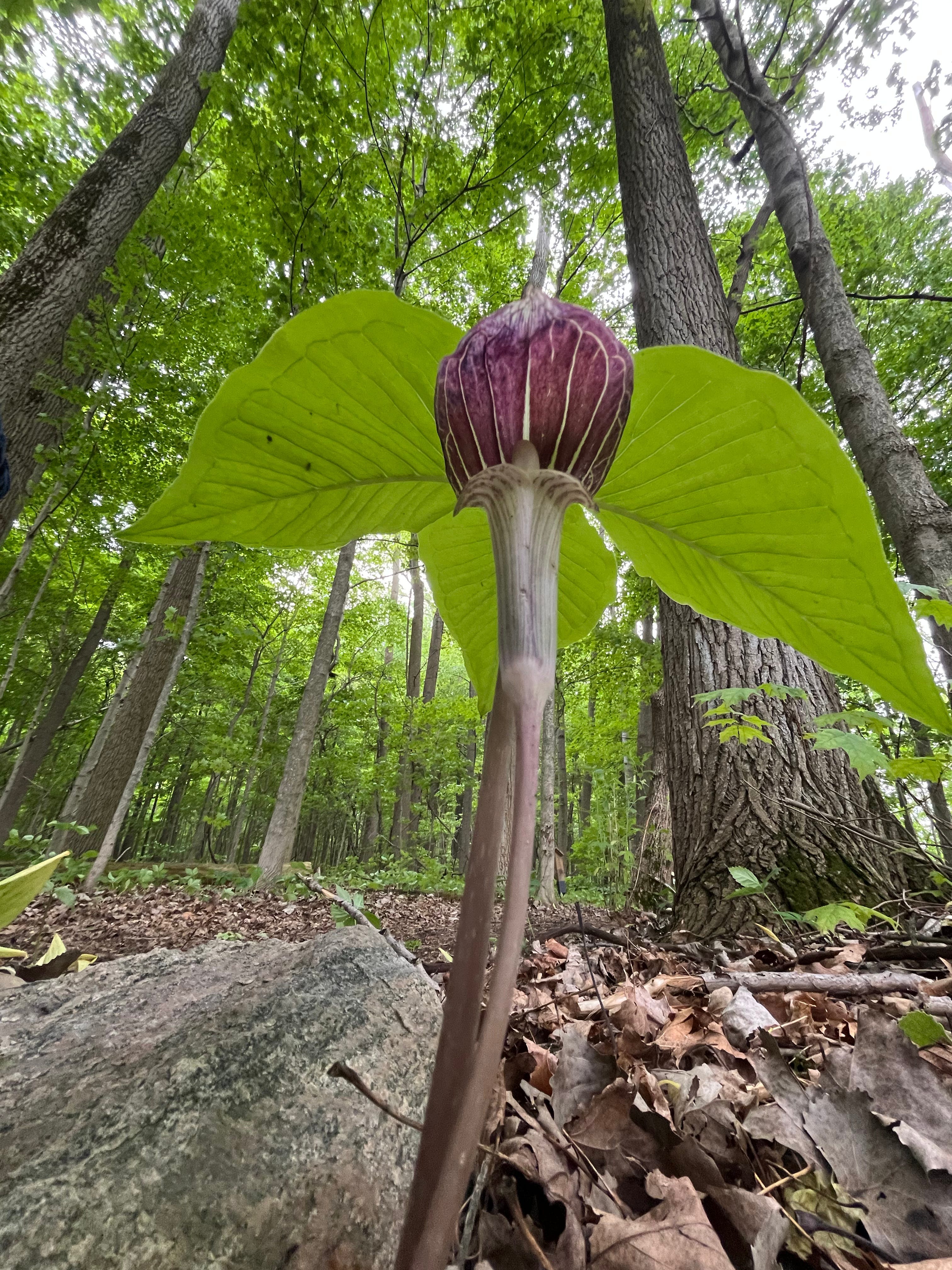
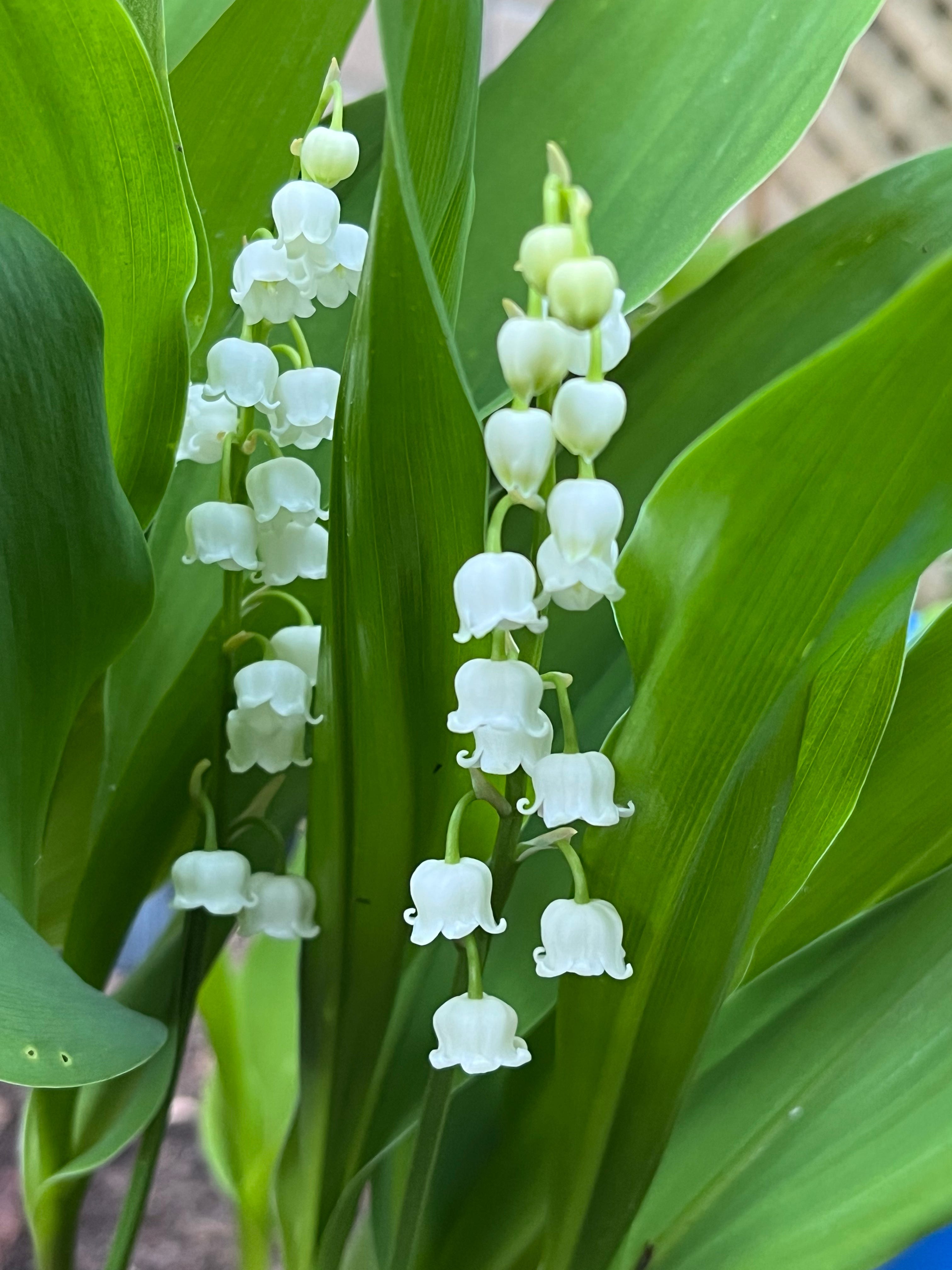
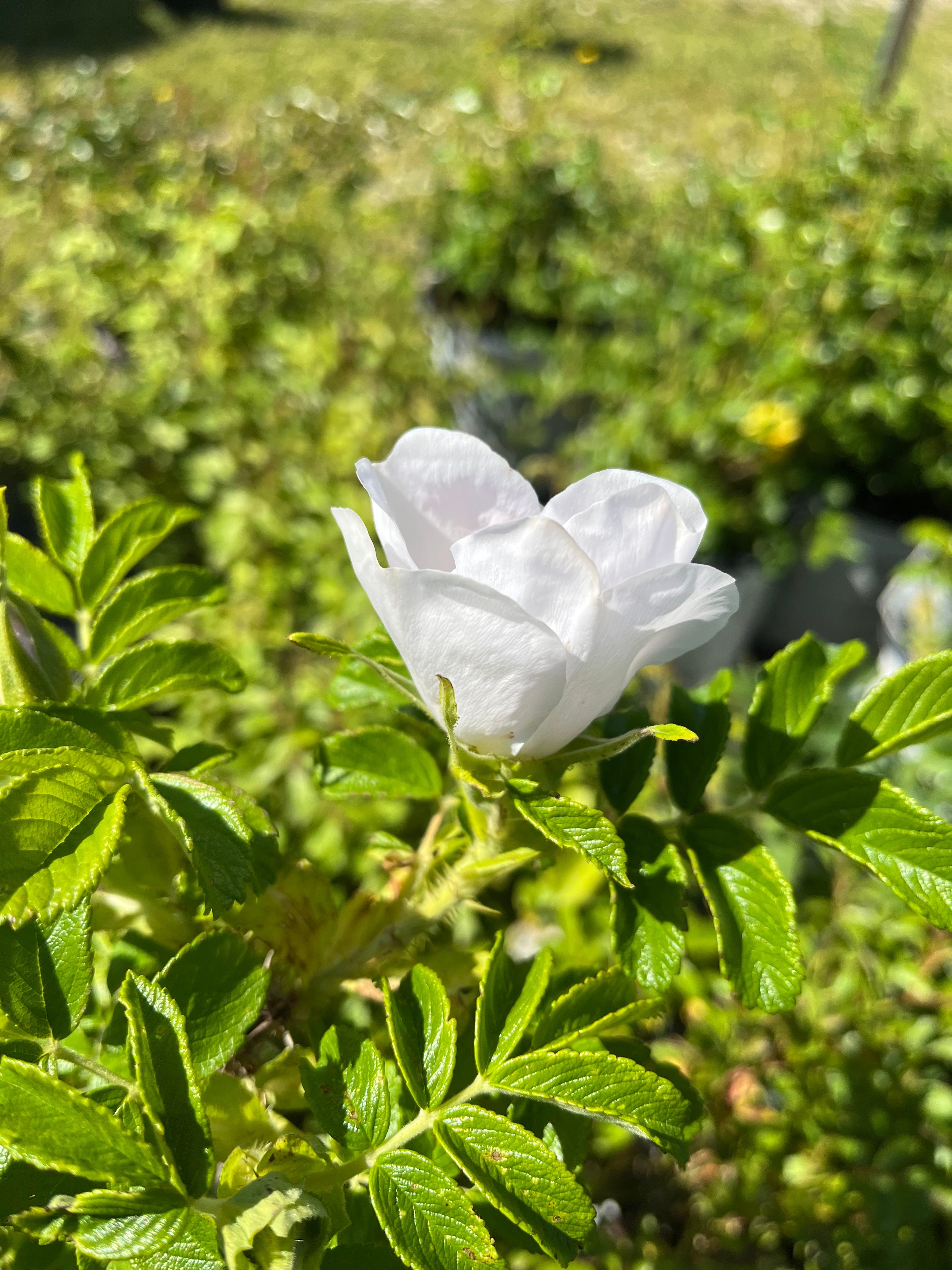
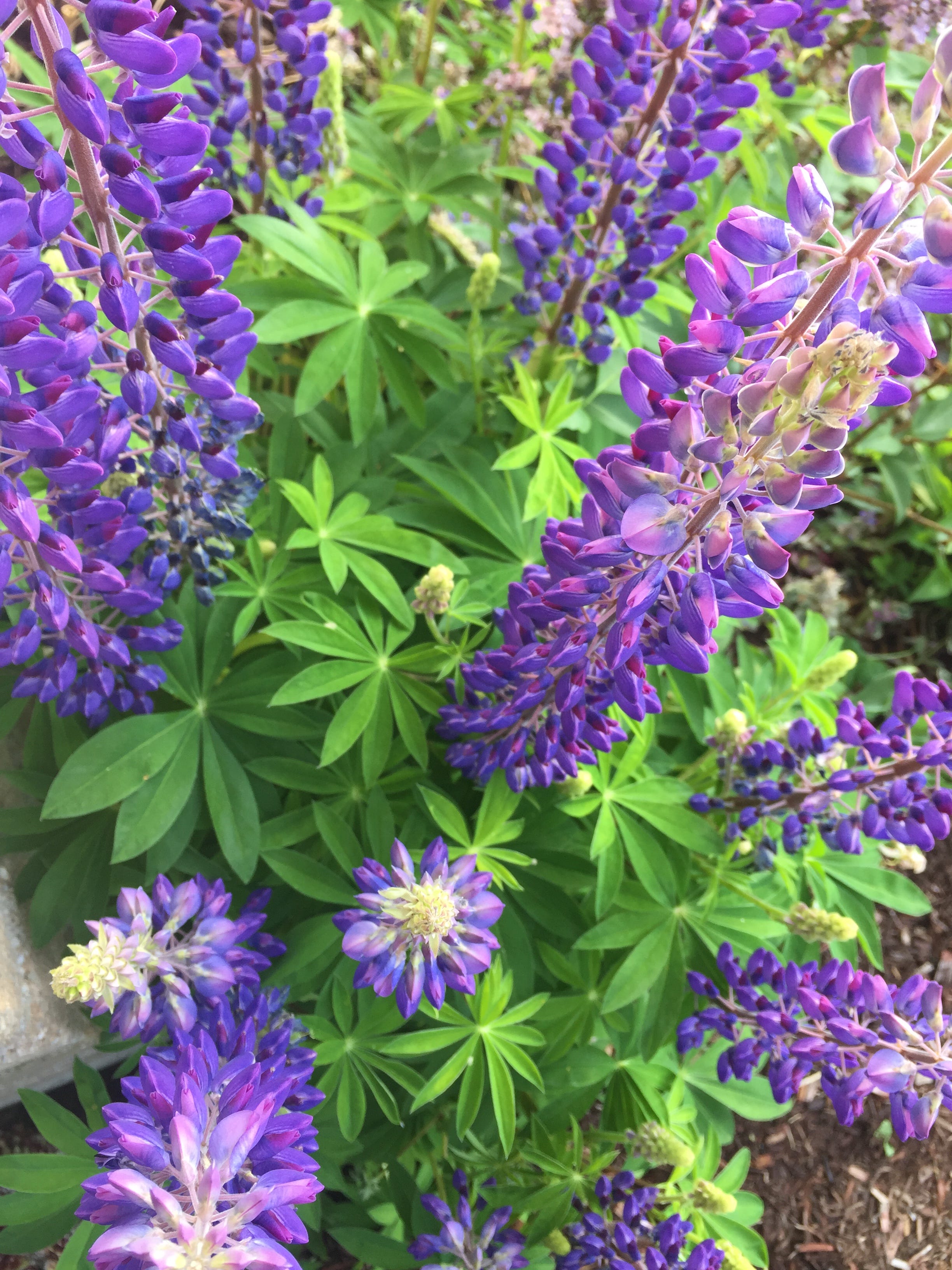
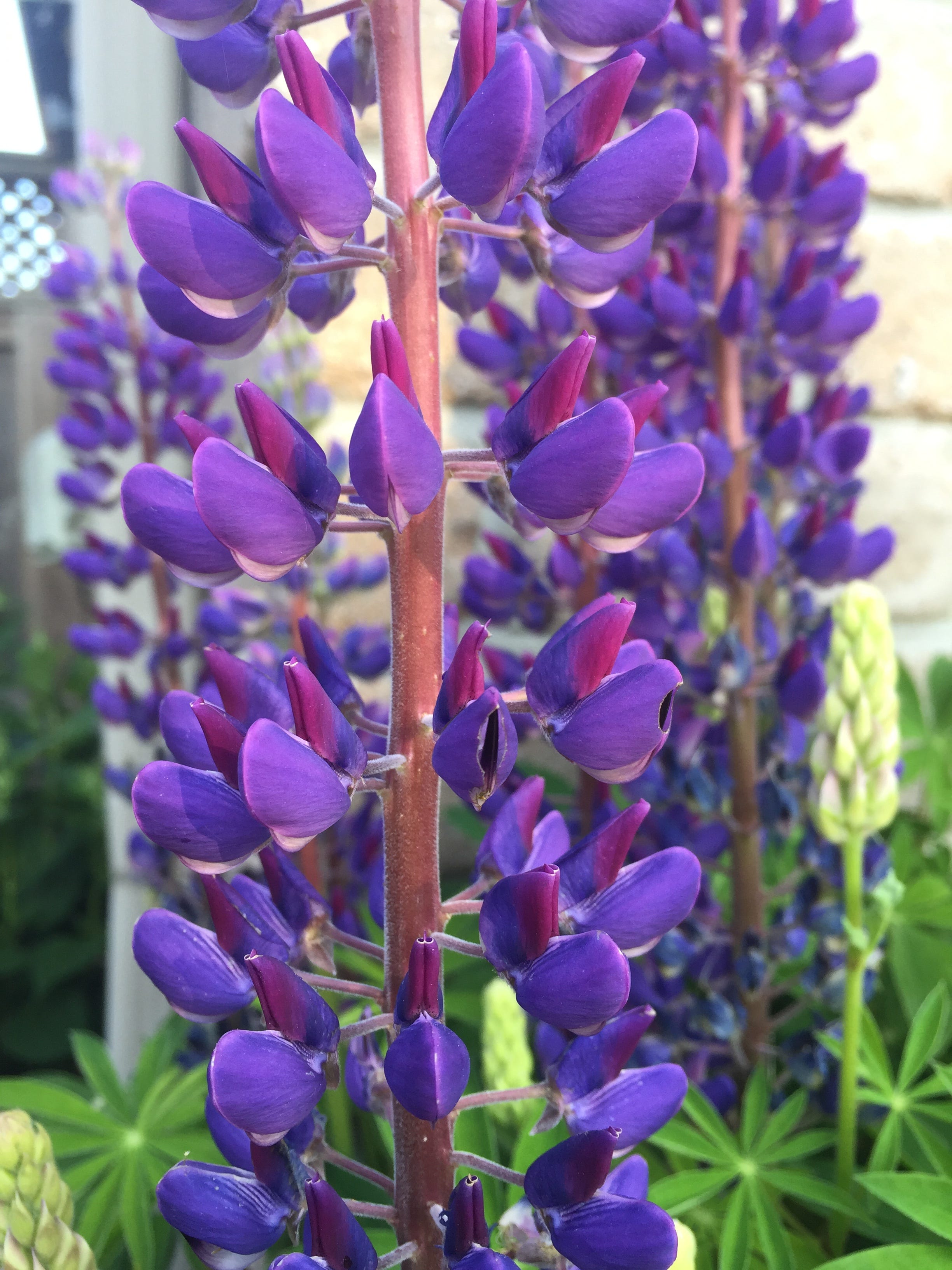
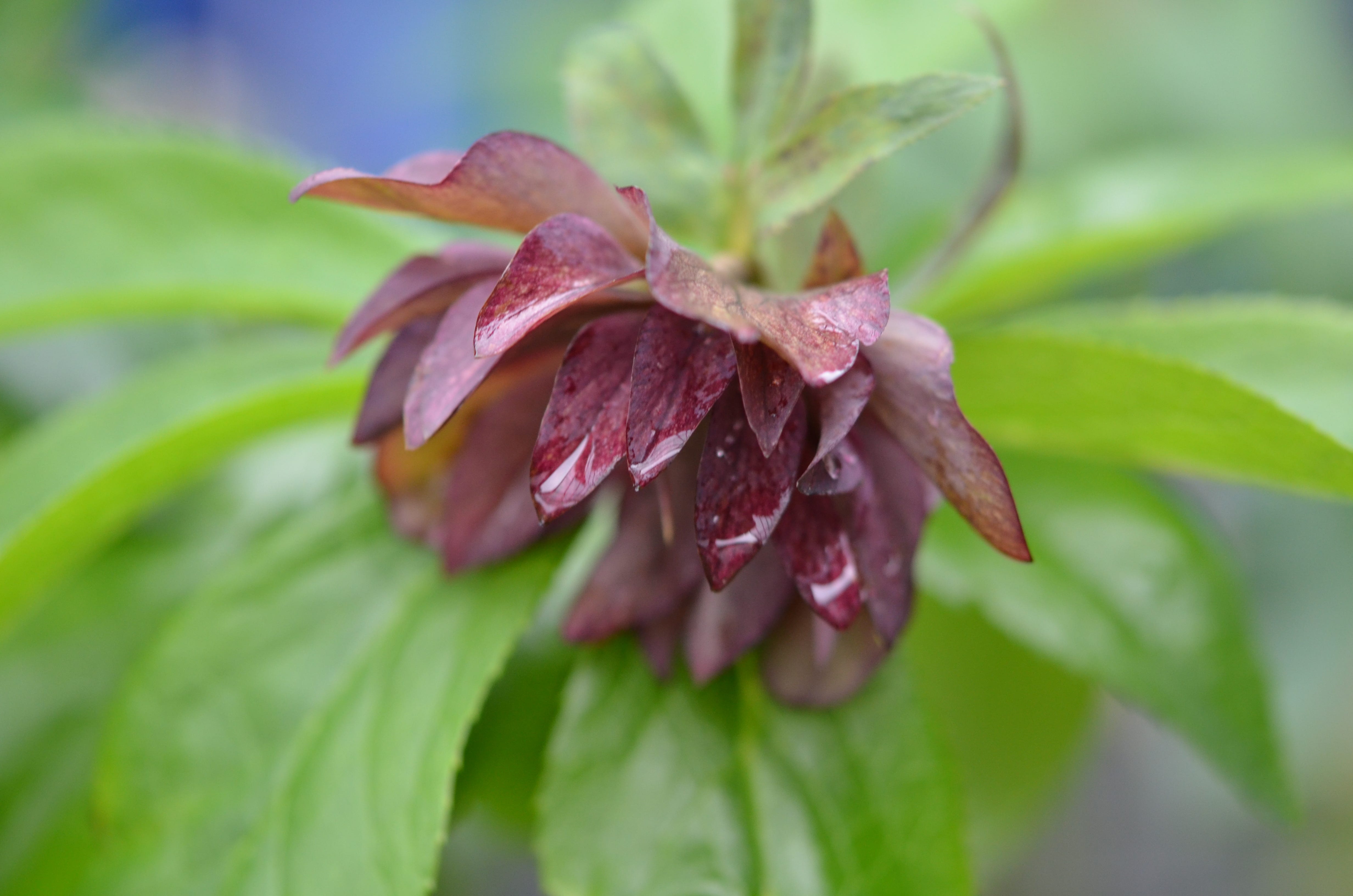
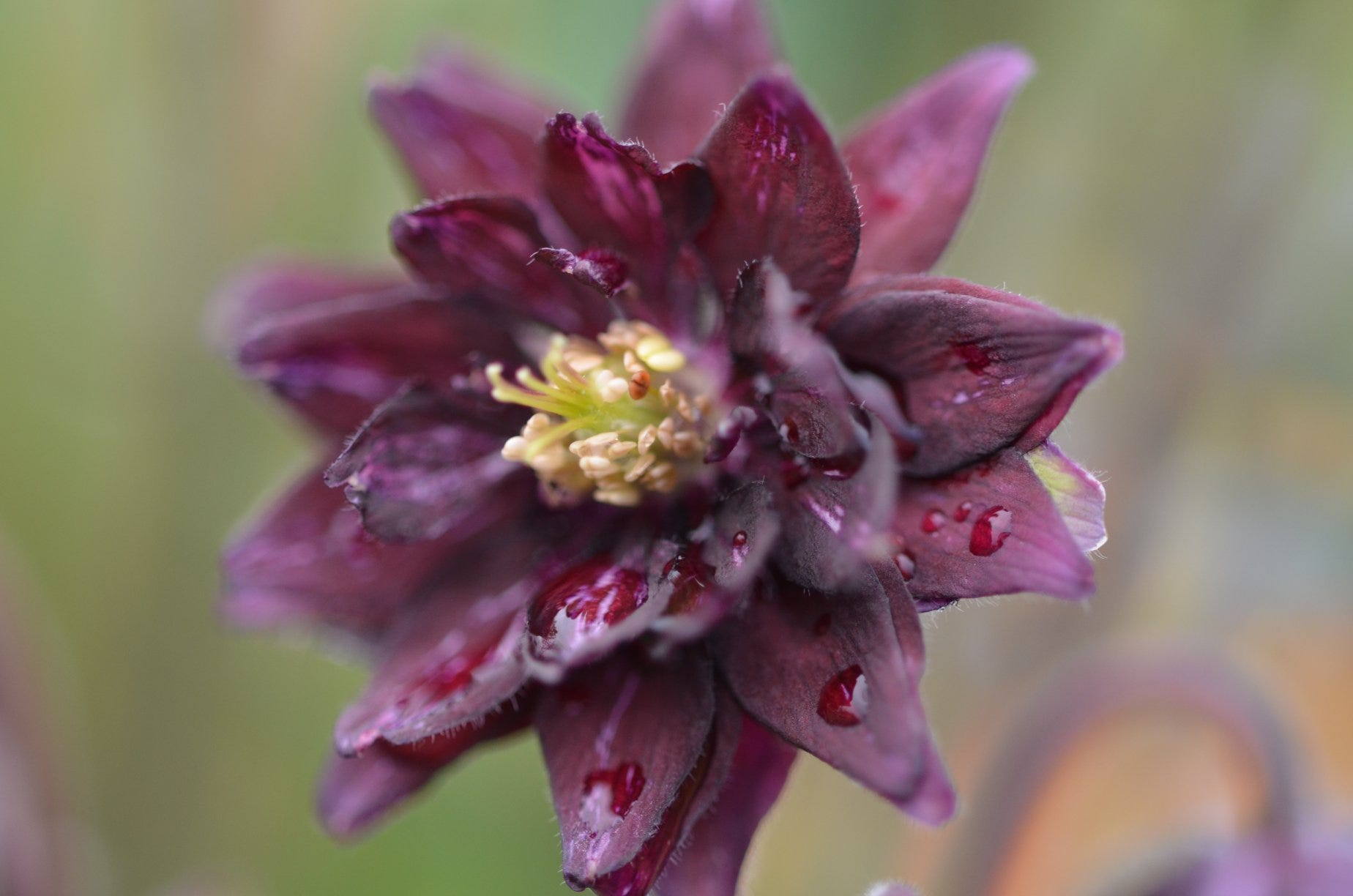
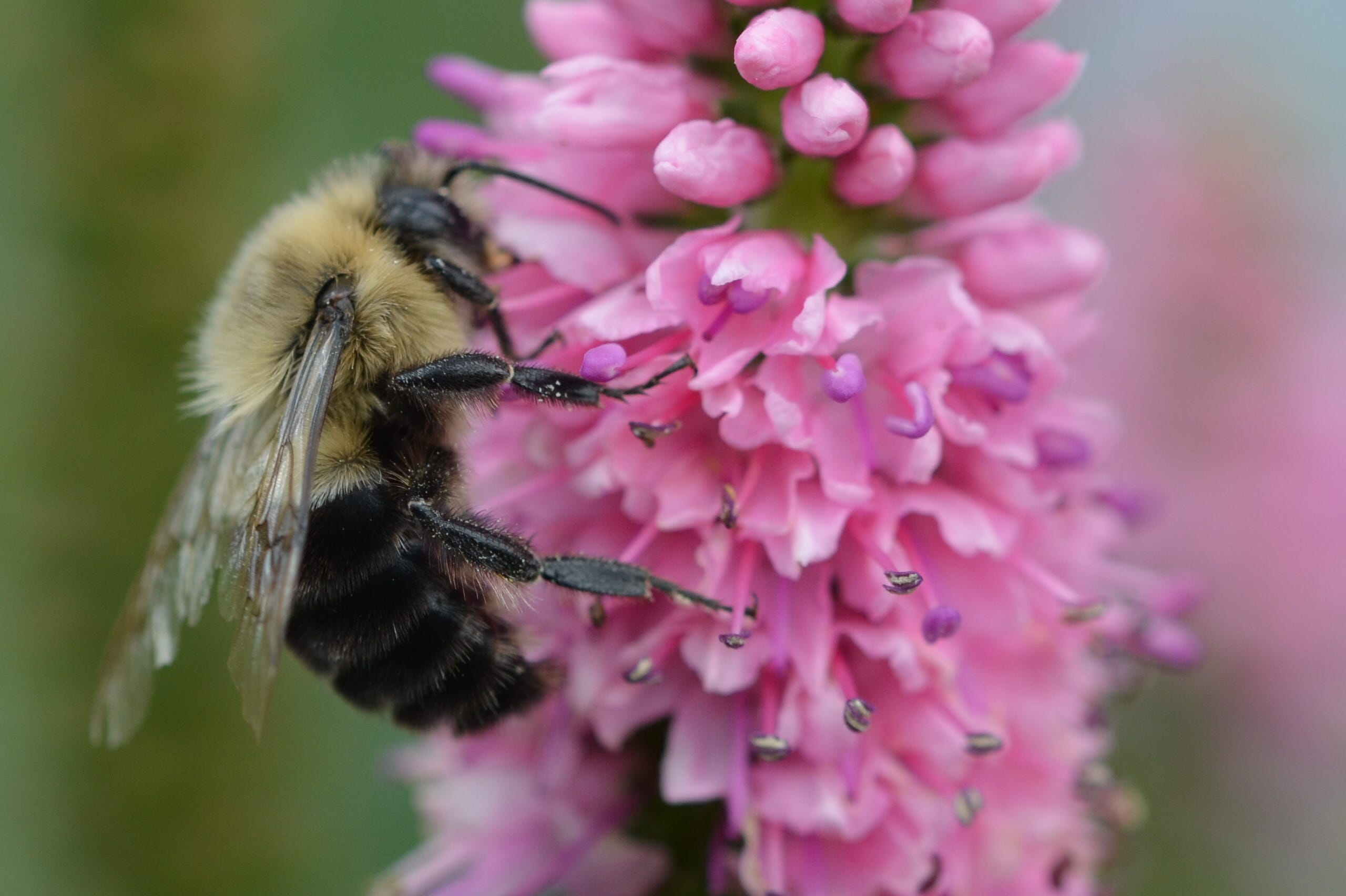
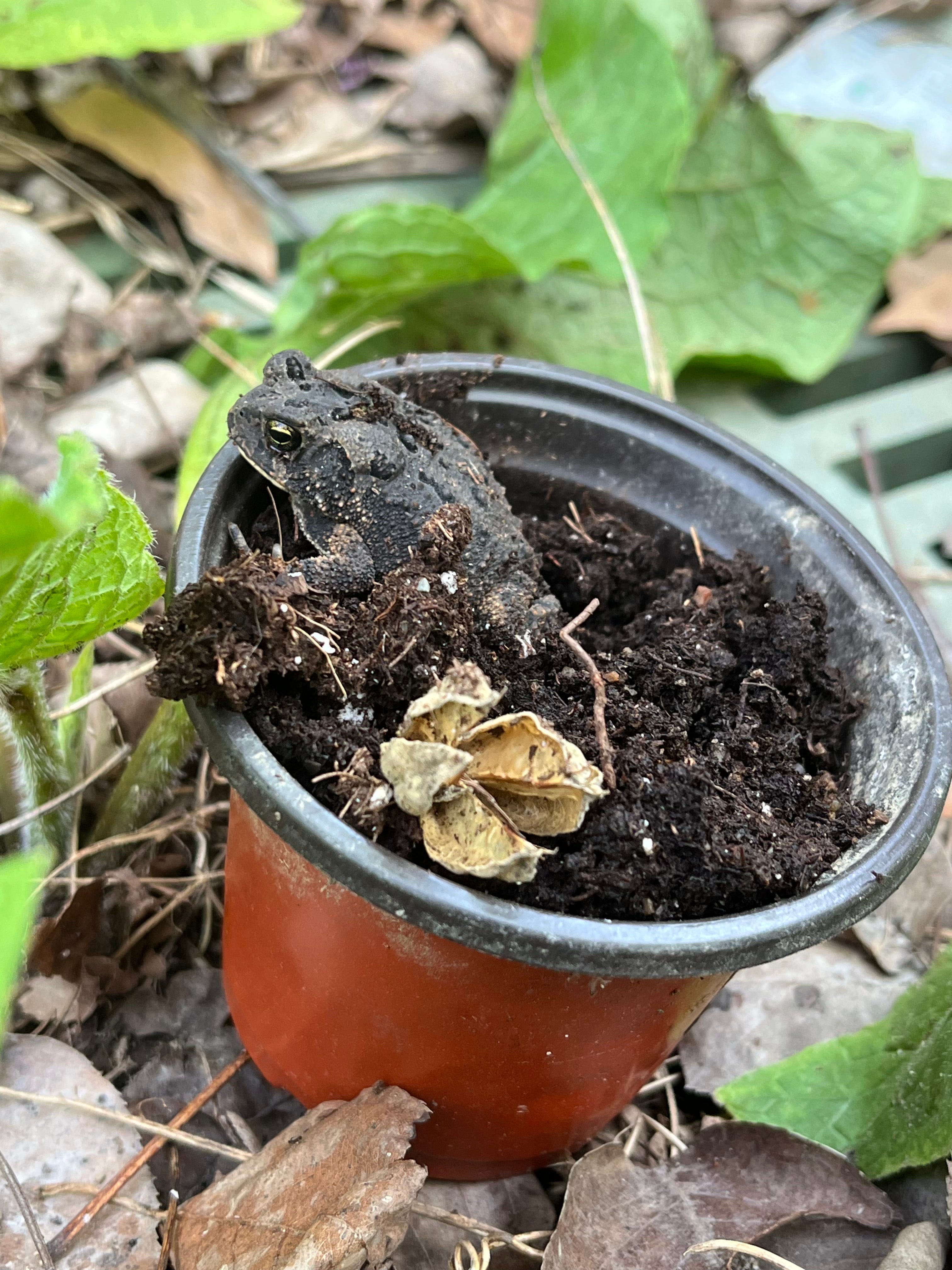
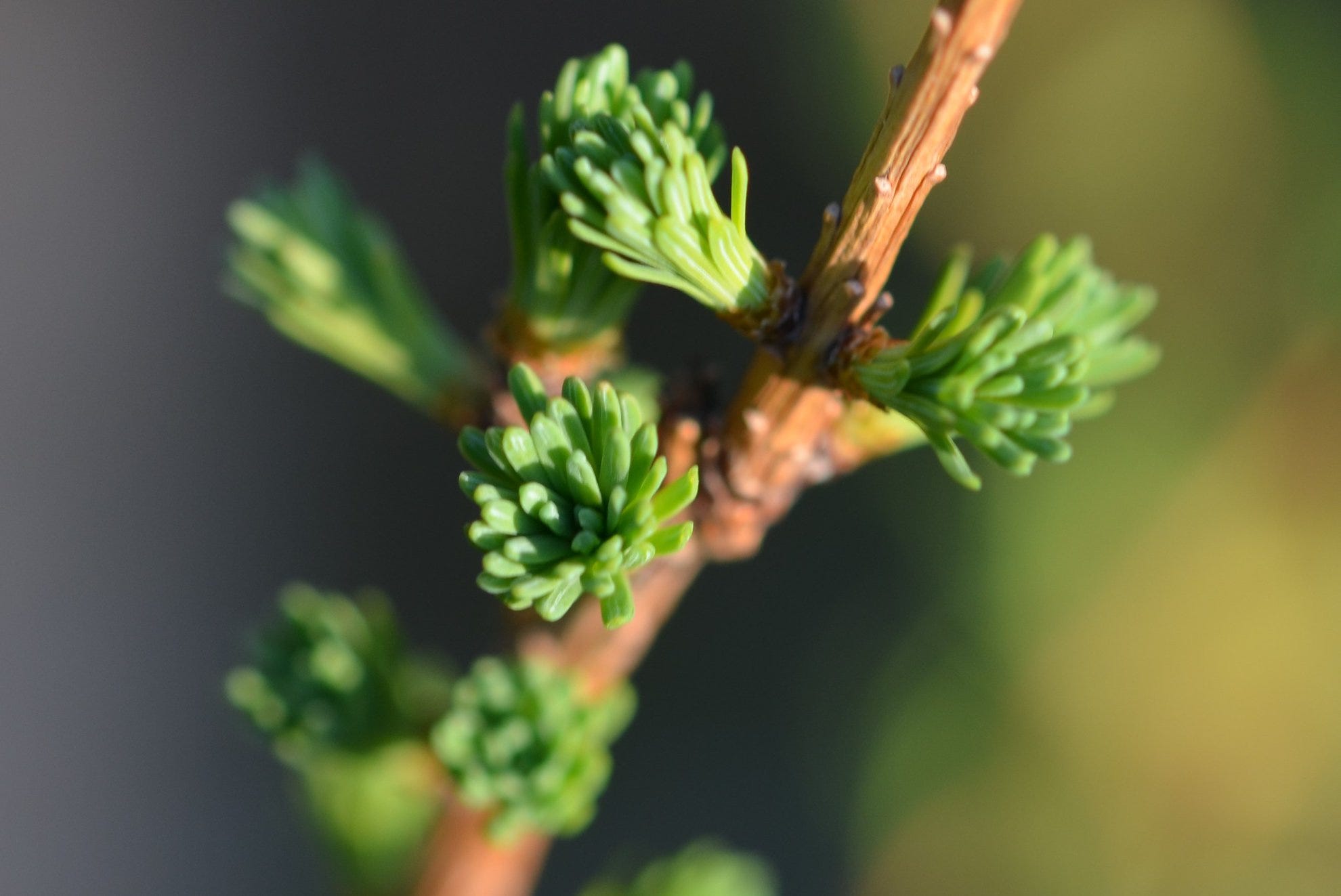
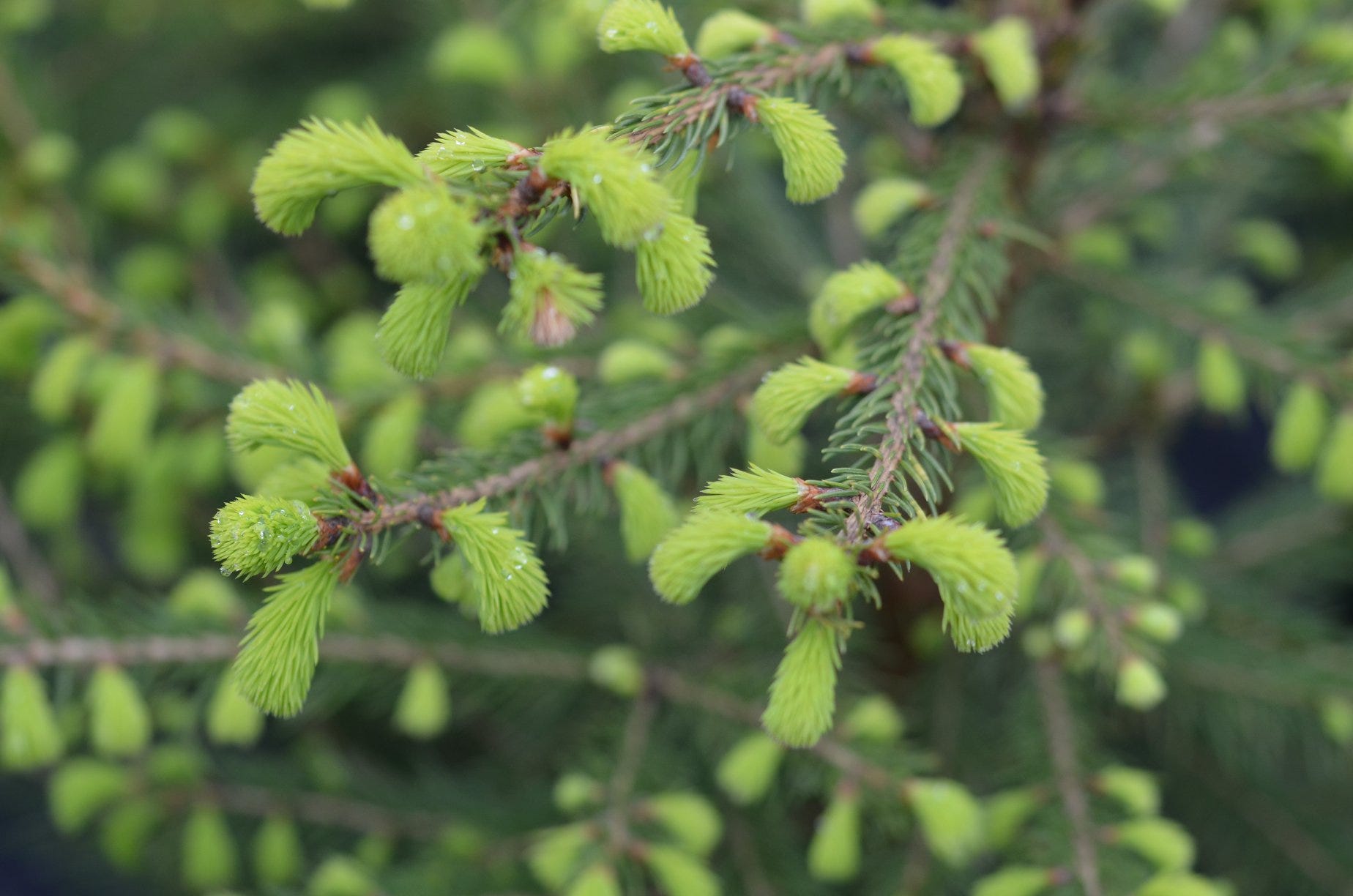
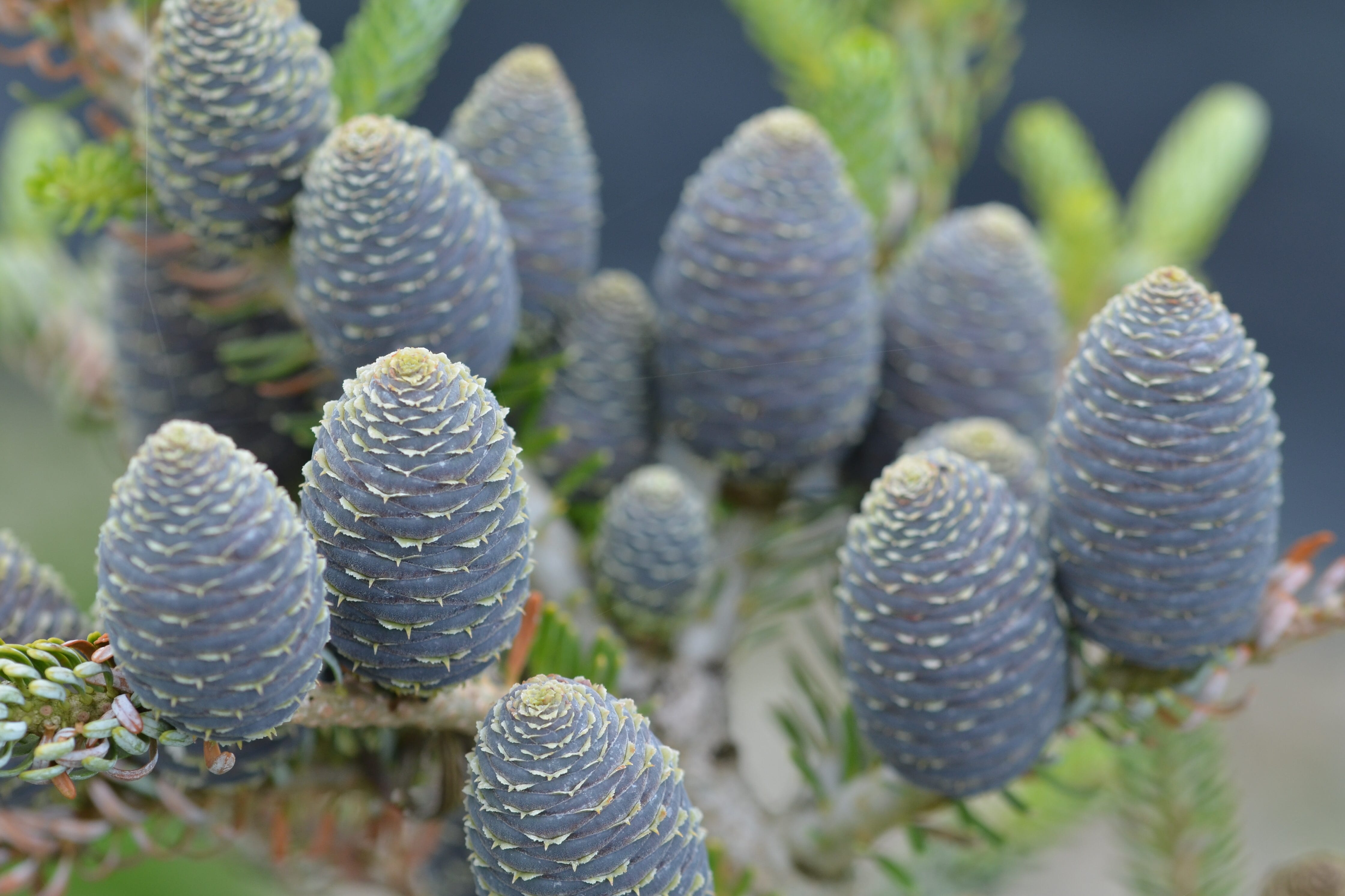
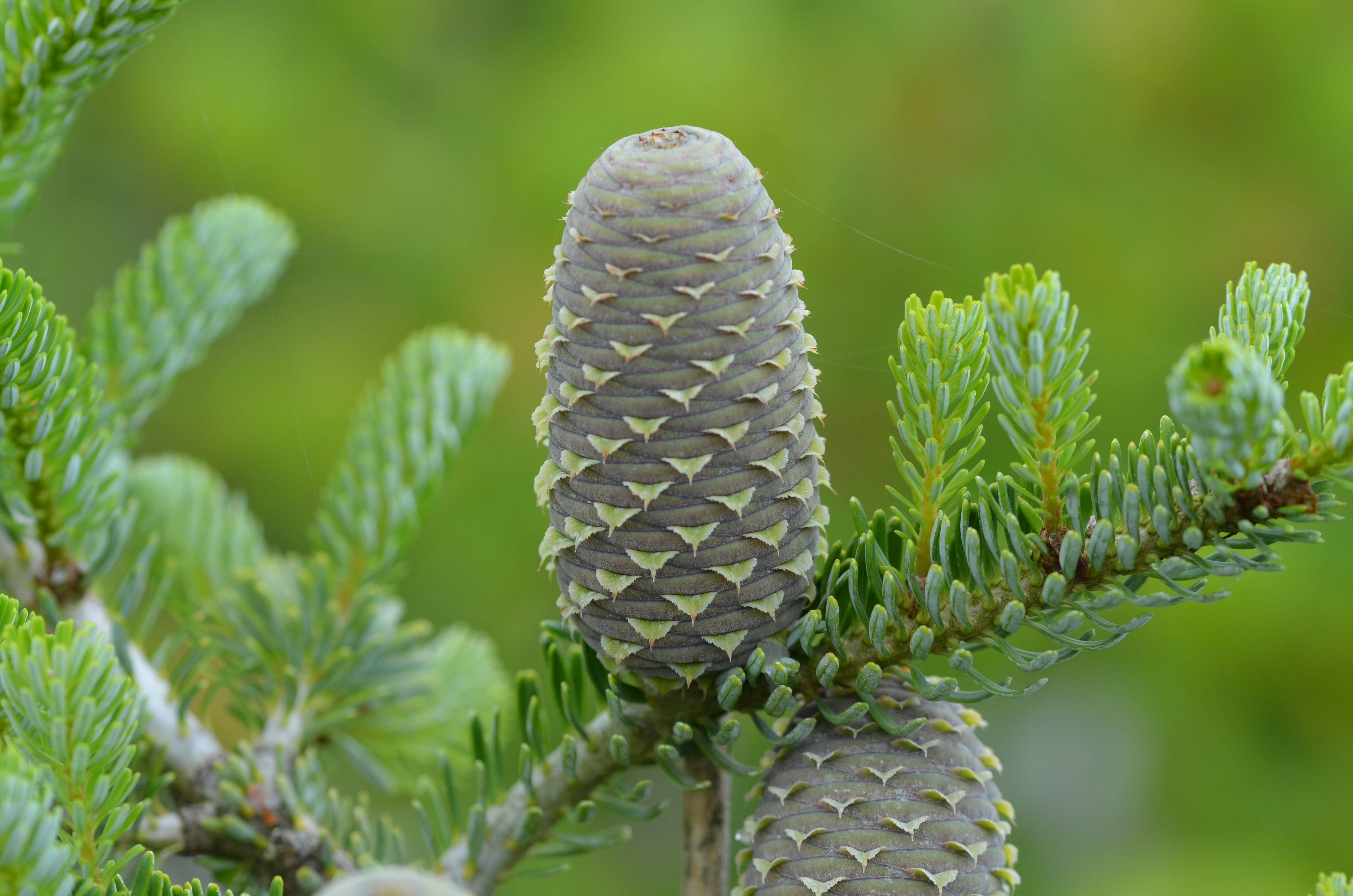
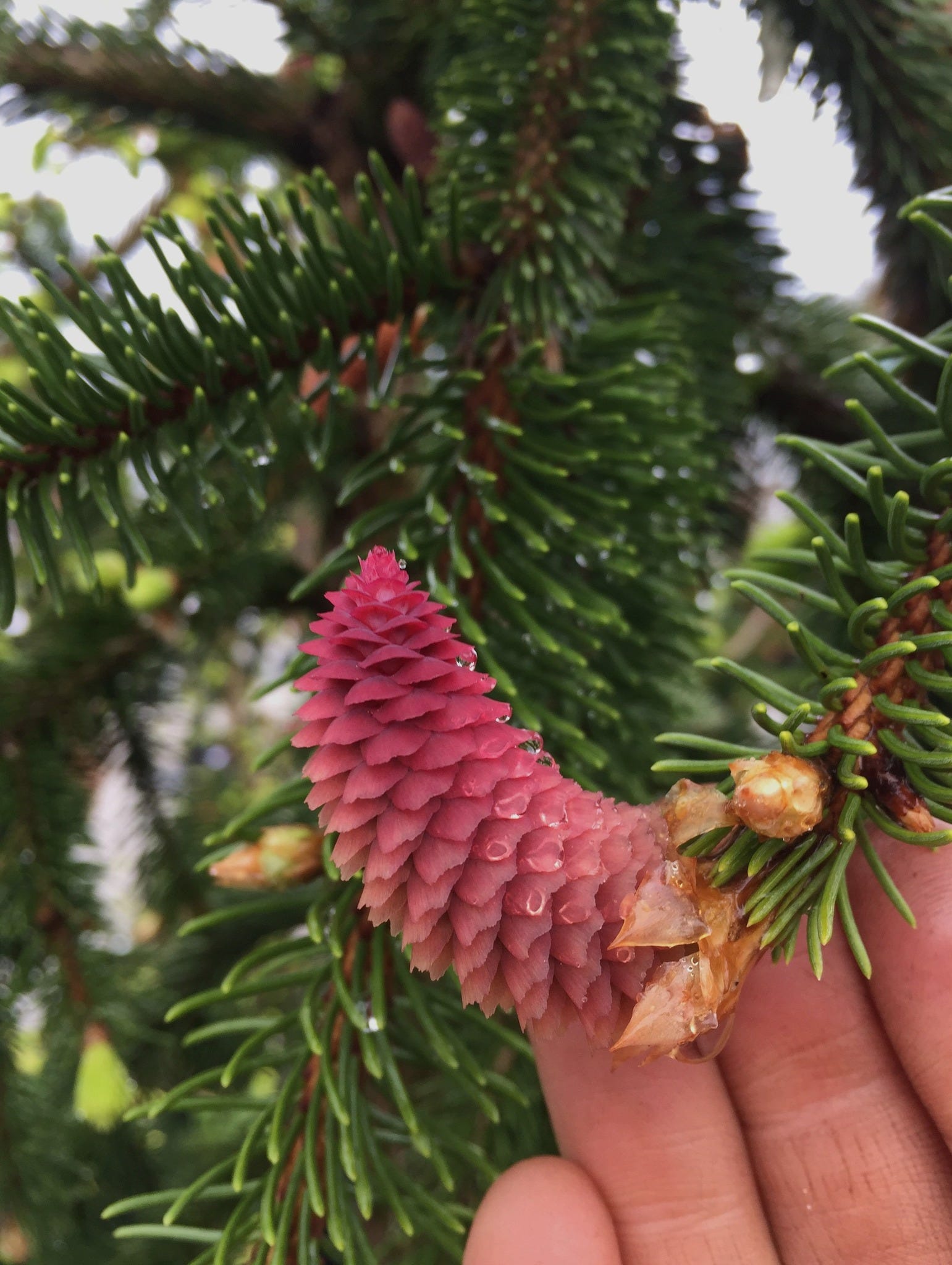
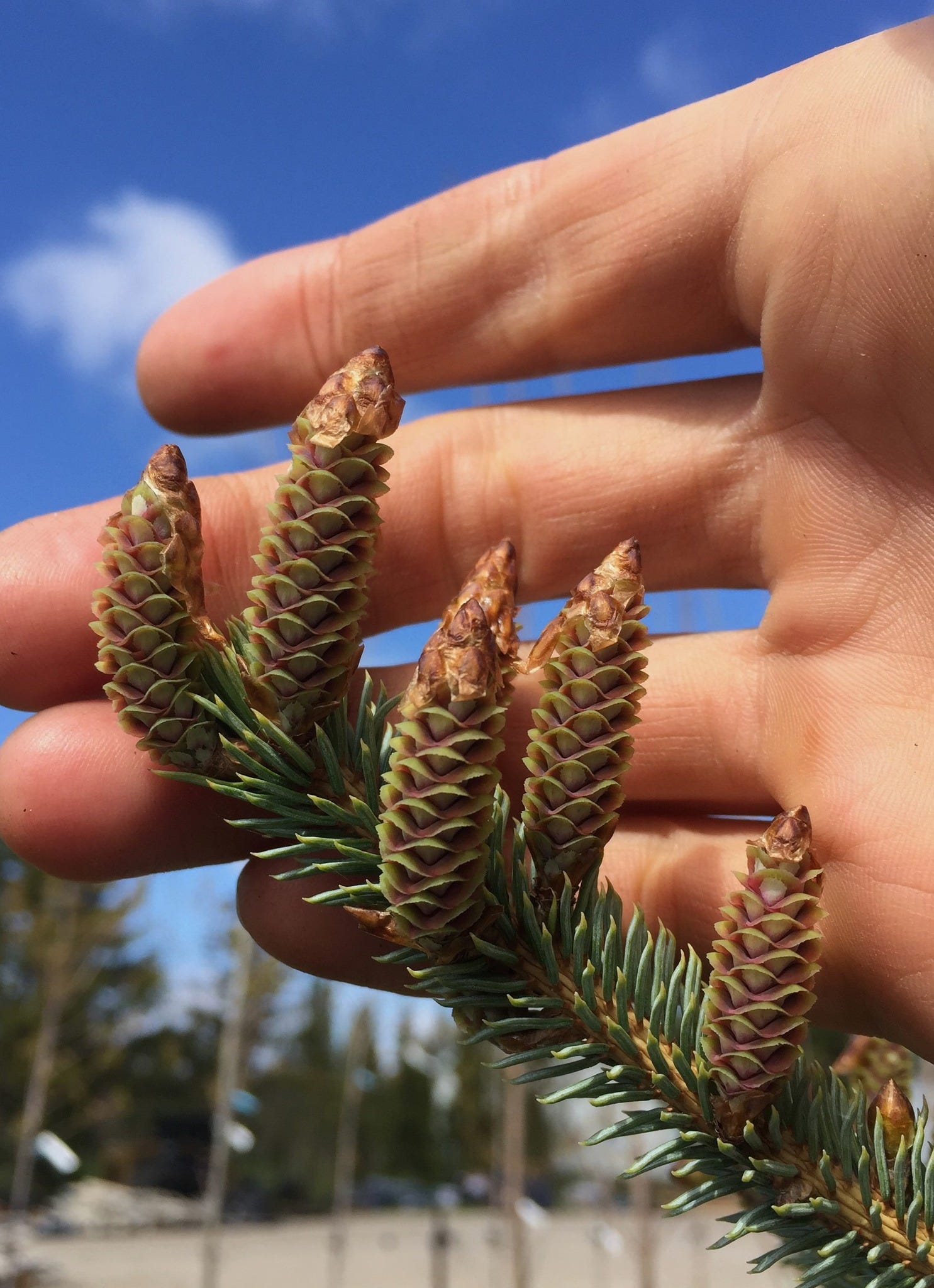
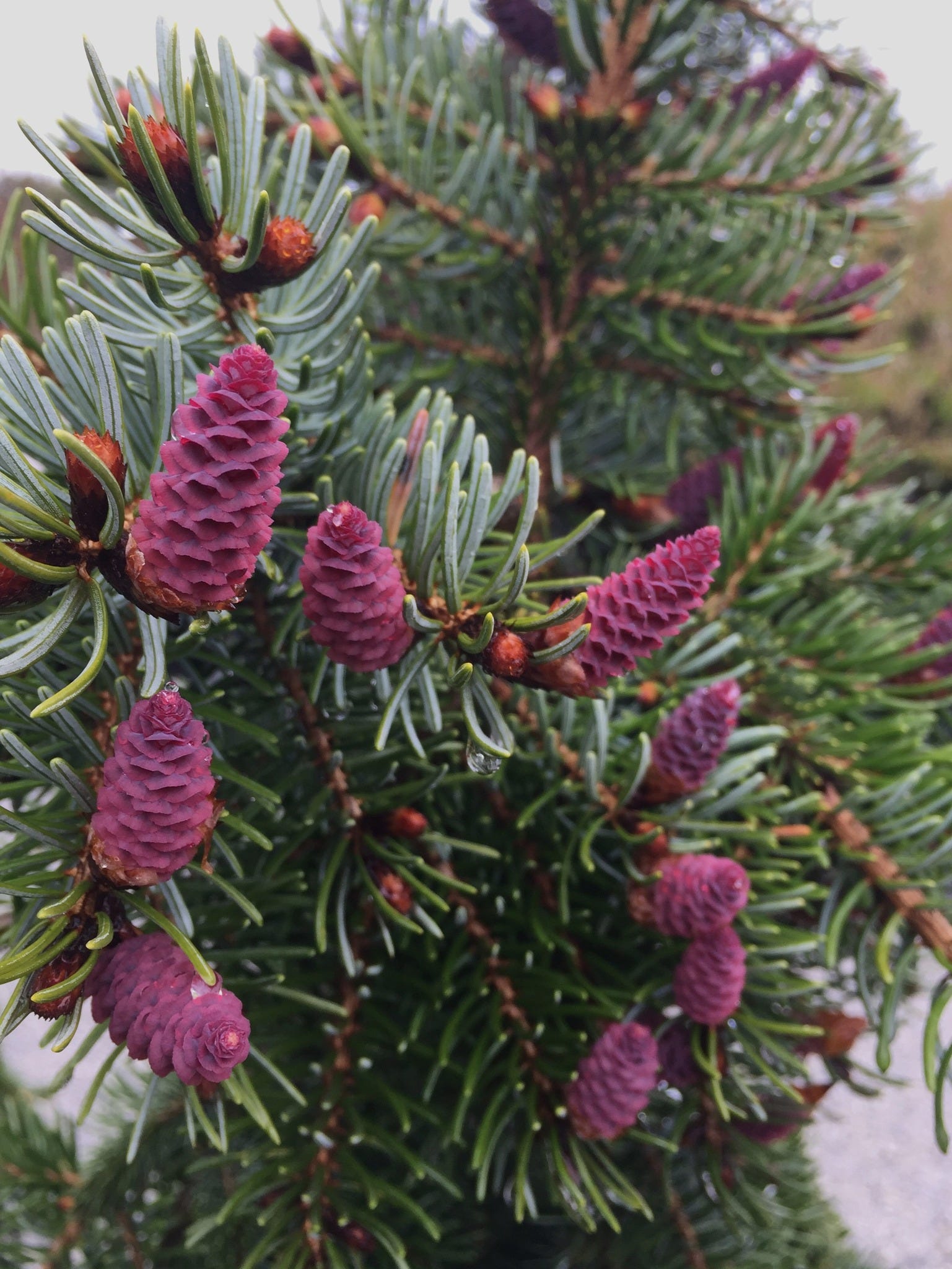
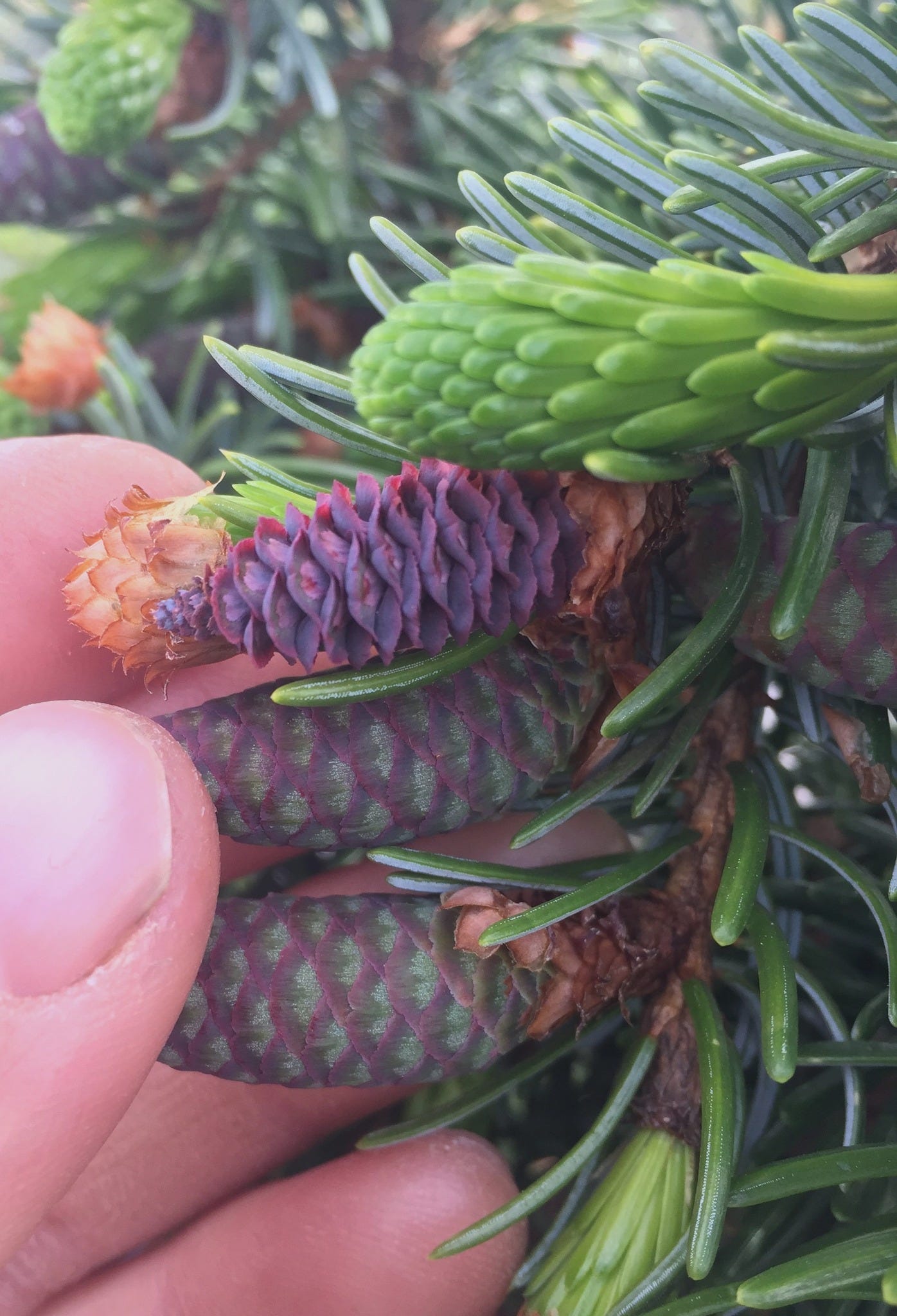
Pictures below show female cones or "flowers" on various types of spruce and fir trees, ready to receive pollen and transform into cones filled with seeds.
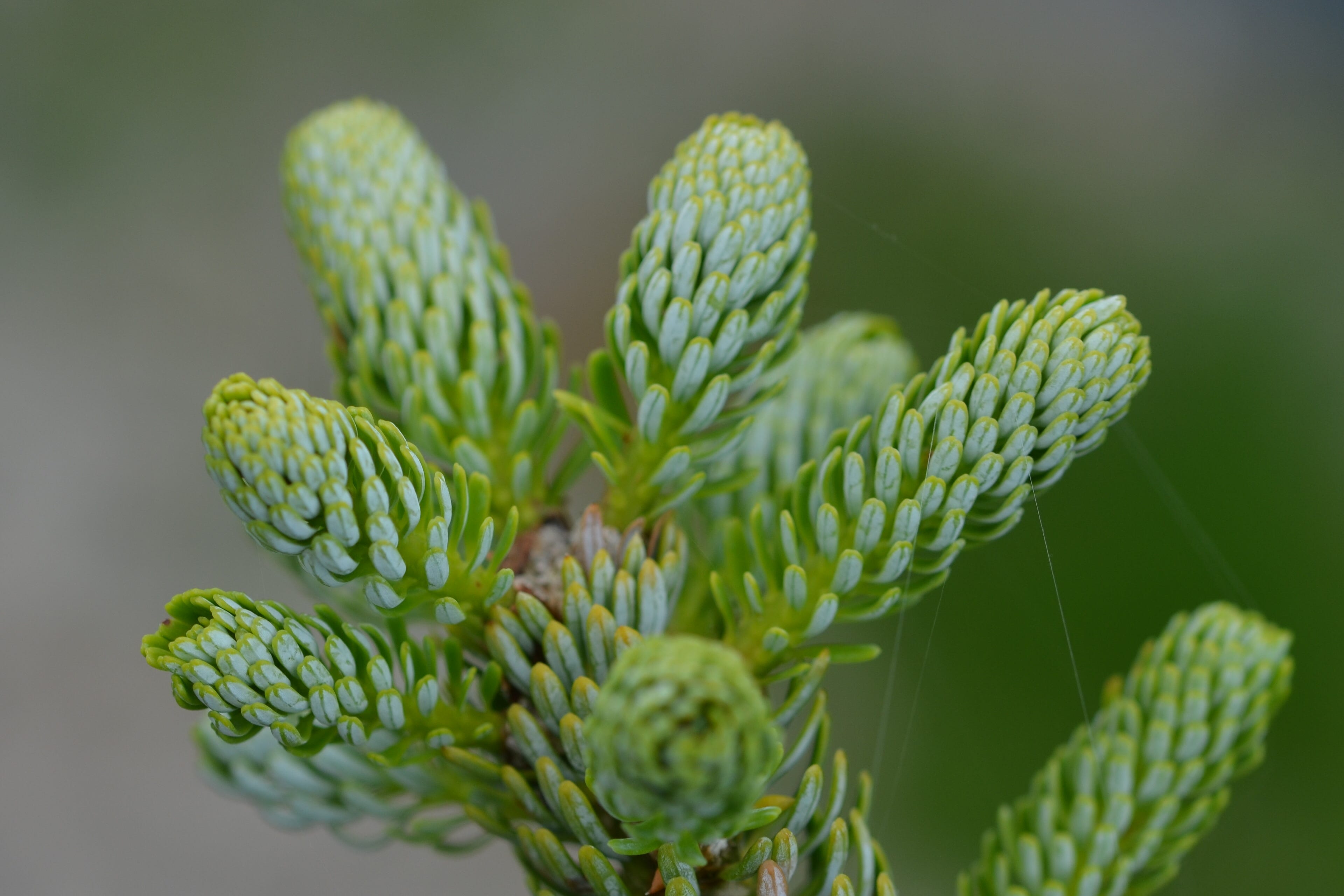

Ok that is it for today! :) I will try and do one of these photography sharing sessions each month if I can find the time.
One day I hope to offer a type of holistic alchemical expression of photography (that one might call "photographic spagyric alchemy") in which I collect some form of the essence of the poetry for the senses each wilderness or garden location in which I take a photo offers.
This would include objects, extracts or preserves with distinct aromas of the place, tastes, tactile sensations and sounds. It may be in the form of an essential oil I would extract from lets say a fir tree's needles in the area in which I took a picture infused into a capsule attached to the canvas print of the photo. Then it would also come with a nutritious and/or medicinal preserve made from herbs, berries or other foraged foods from near where the photo was taken, it would also include an object that conveys a distinct tactile experience from the place the image was captured and then an audio clip I recorded there of the sounds of that wilderness space (which would also be attached to the canvas print, so that one can experience yet another dimension of the holistic beauty of the place in the picture when they are appreciating it on their wall).
Finally, the package would also include seeds to grow some plants/trees from that area (with instructions on how to cultivate them) and part of the cost of the package would be donated to projects aimed at protecting that ecosystem, so that the gifts Mother Earth shares with us can be gifted back to her in the reciprocal action of helping to regenerate her body. I very much look forward to creating offerings such as that once my book(s) are published (I sense that I will be called to write several others once this one I am working on is finally distributed to those who pre-ordered a copy).
Thanks for checking out my photos I hope you all have a beautiful remainder of June filled with blossoms, berries and moments that serve to nurture your spirit in nature and in the garden.
Each and everyone of us is capable of choosing (as our ancestors did) to develop an intimate and reciprocal relationship with the wild plants, trees and fungi in our local region. Taking the time to appreciate a flower, a leaf or a tree and giving our attention to that being, is the first step towards using our skills of observation to learn from our elder species.
May each of us find our footing and hope through embarking on the soft and green path described in The Prophecy Of The Seventh Fire.
In closing I will re-share a blessing passed down by my ancestors…
May the blessed sunlight shine upon you; May Light shine out from your eyes like a lamp set in the window to welcome the wanderer out in the storm. May the blessing of the rain be yours; may it beat upon your spirit and wash it clean, leaving a shining pool where the Truth of the Mother herself glows. May the blessing of the Earth be on you; soft under your feet as you pass along the path, soft under you as you lie out on it, tired at the end of day; and may it rest easy over you when, at last, you lie out under it.
For any of you that made it this far into this super long post that are interested in my other series on substack, I want to say thank you for your patience and for being exceptional human beings! I also wan to give you a heads up that my Bookclub review post will be delayed until, next month (at the earliest).
If you are someone that is reading the Bookclub selection for the current installment of the series along side of me, I would value hearing what you think so far in a comment below!
Yes! How beautiful they are!
Thank you for another meaningful, beautiful, powerful, and inspirational article.