

October's Optimism
Exploring the abundance offered to the body, mind and spirit through the month of October, as seen through my lens.

Warm Greetings from the brisk autumn climes of northeastern Turtle Island (aka southern Ontario, Canada) everyone!
I have a very nourishing treat for all of you today :)
Today I invite you to take a trip with me into the garden, forest and kitchen to appreciate the abundance October has to offer in our neck of the woods.
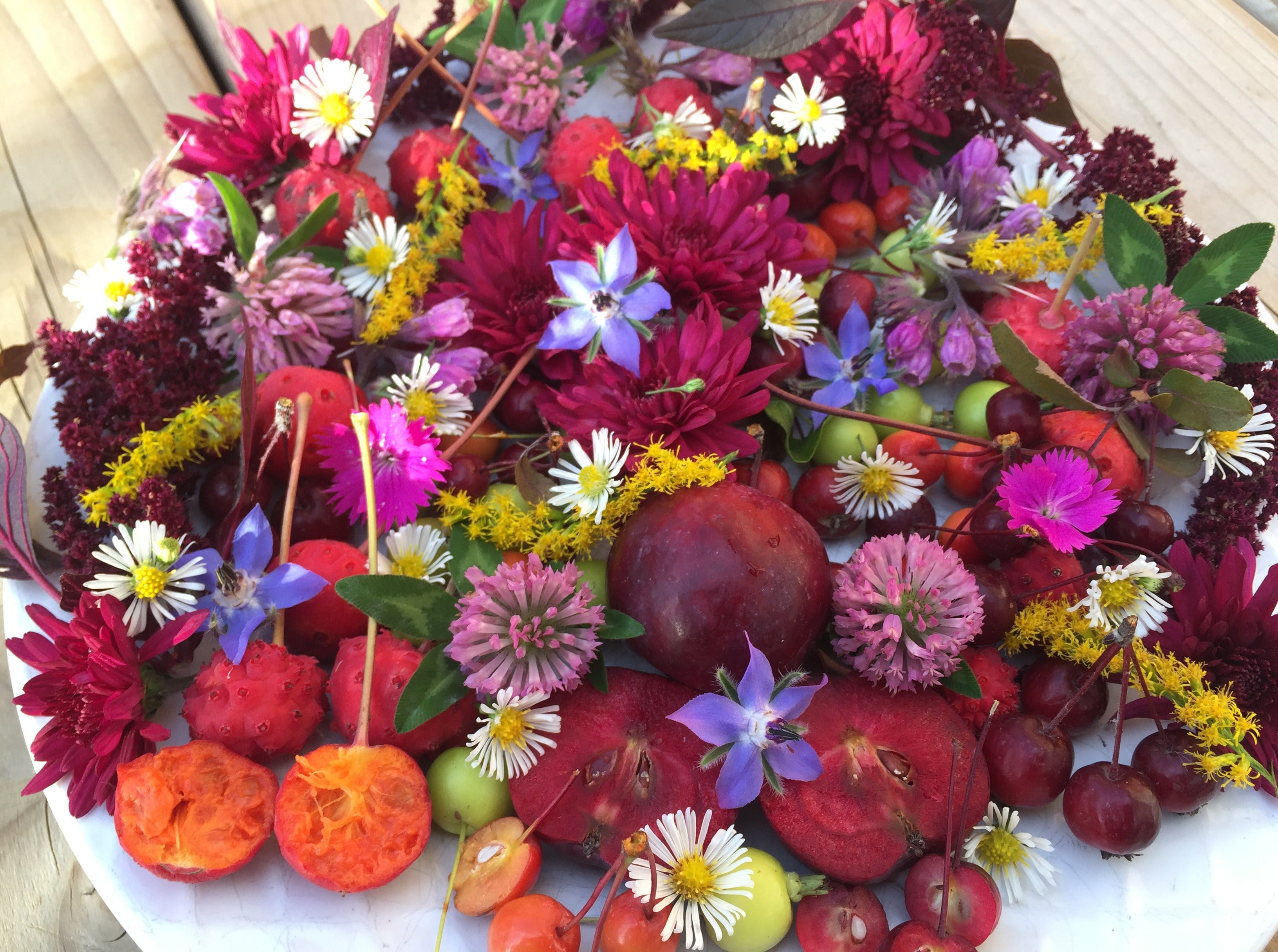
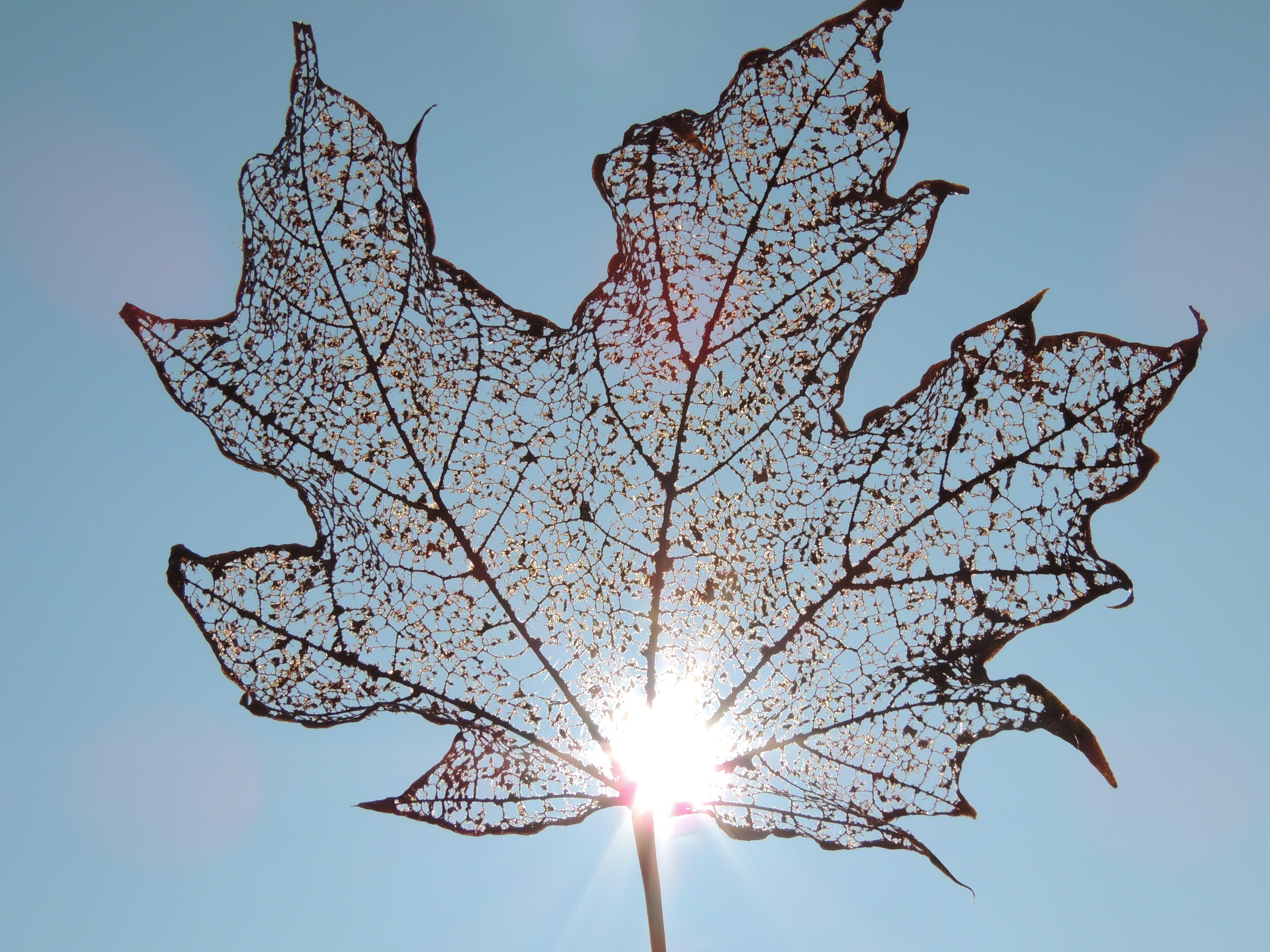
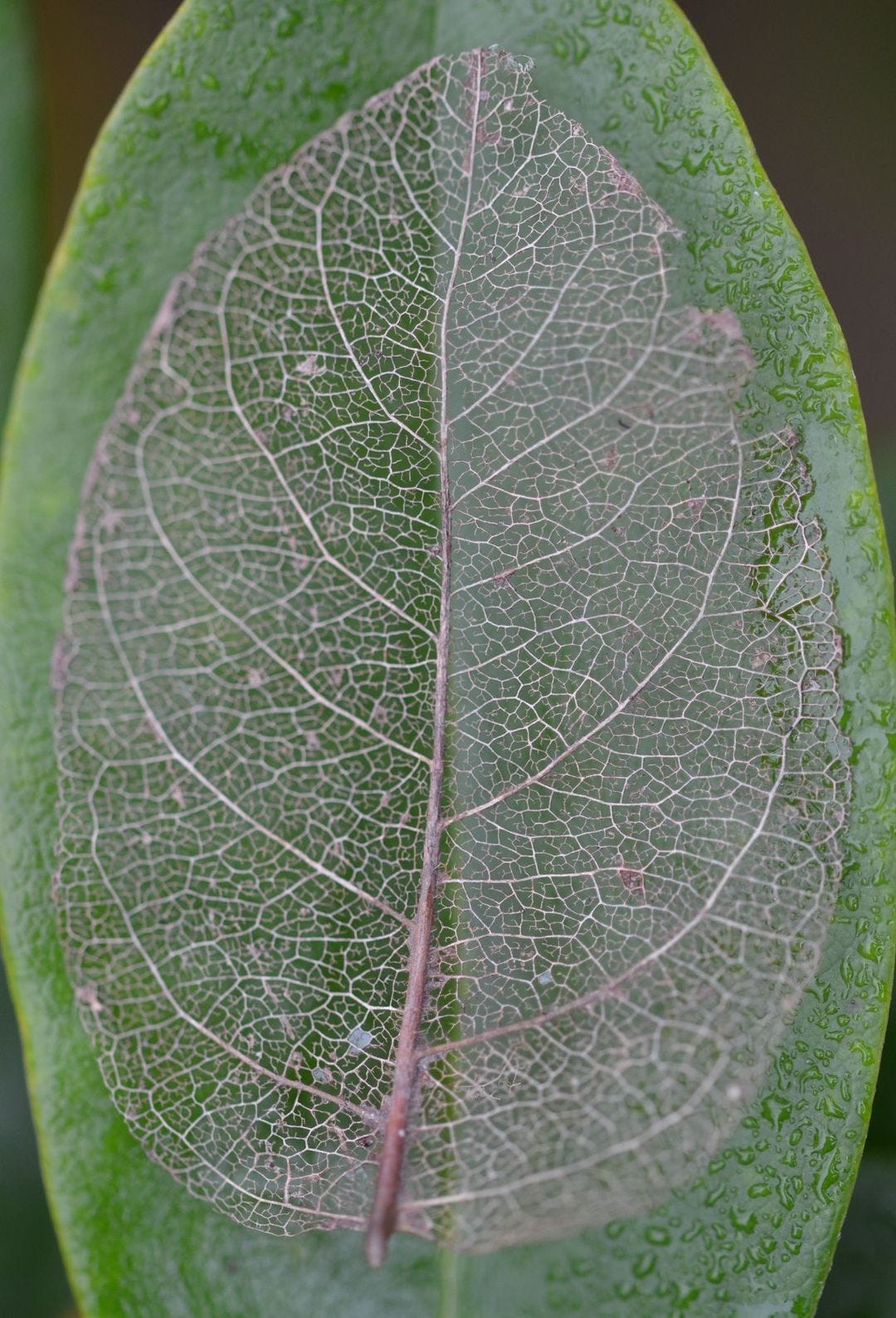
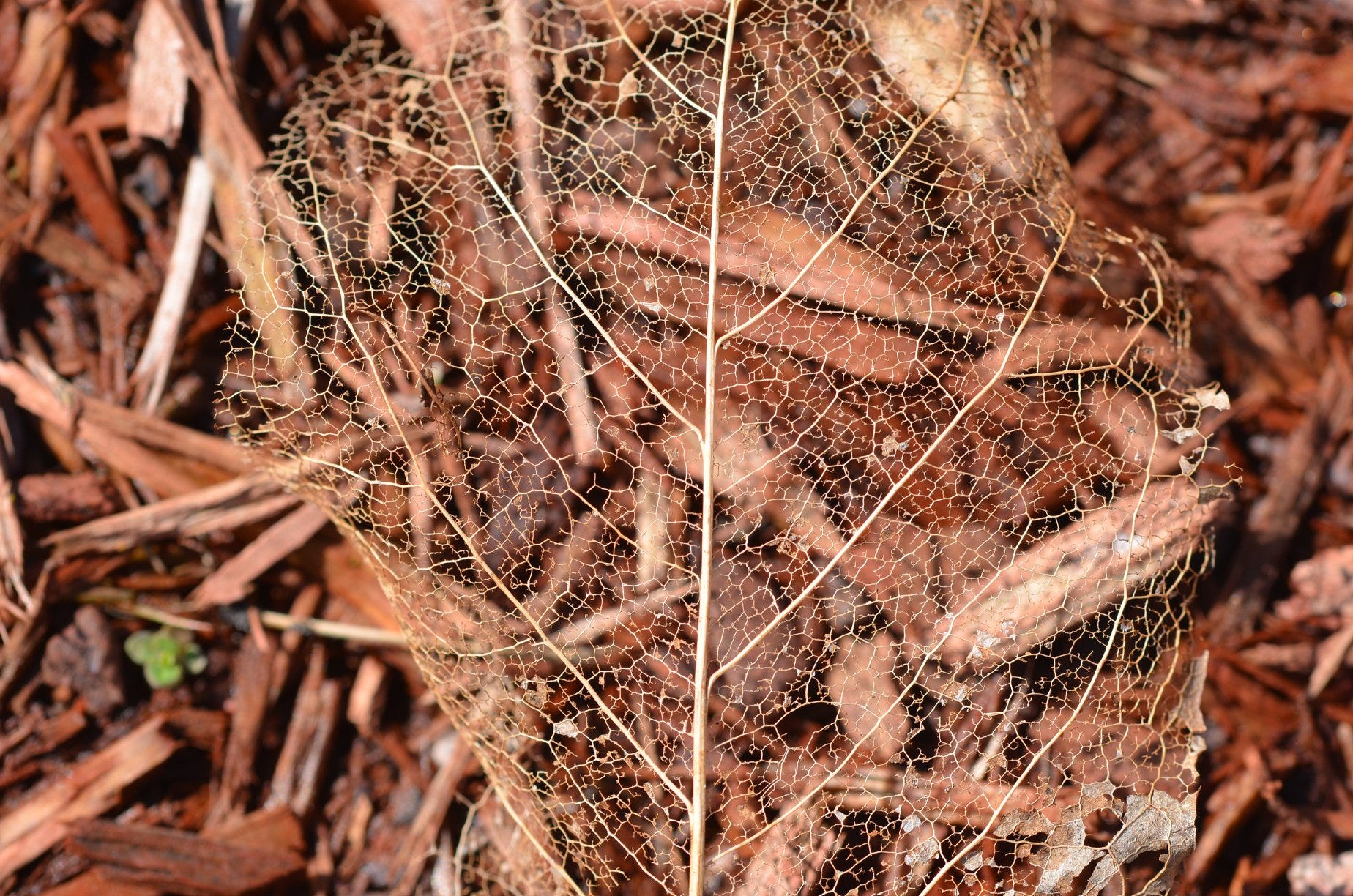
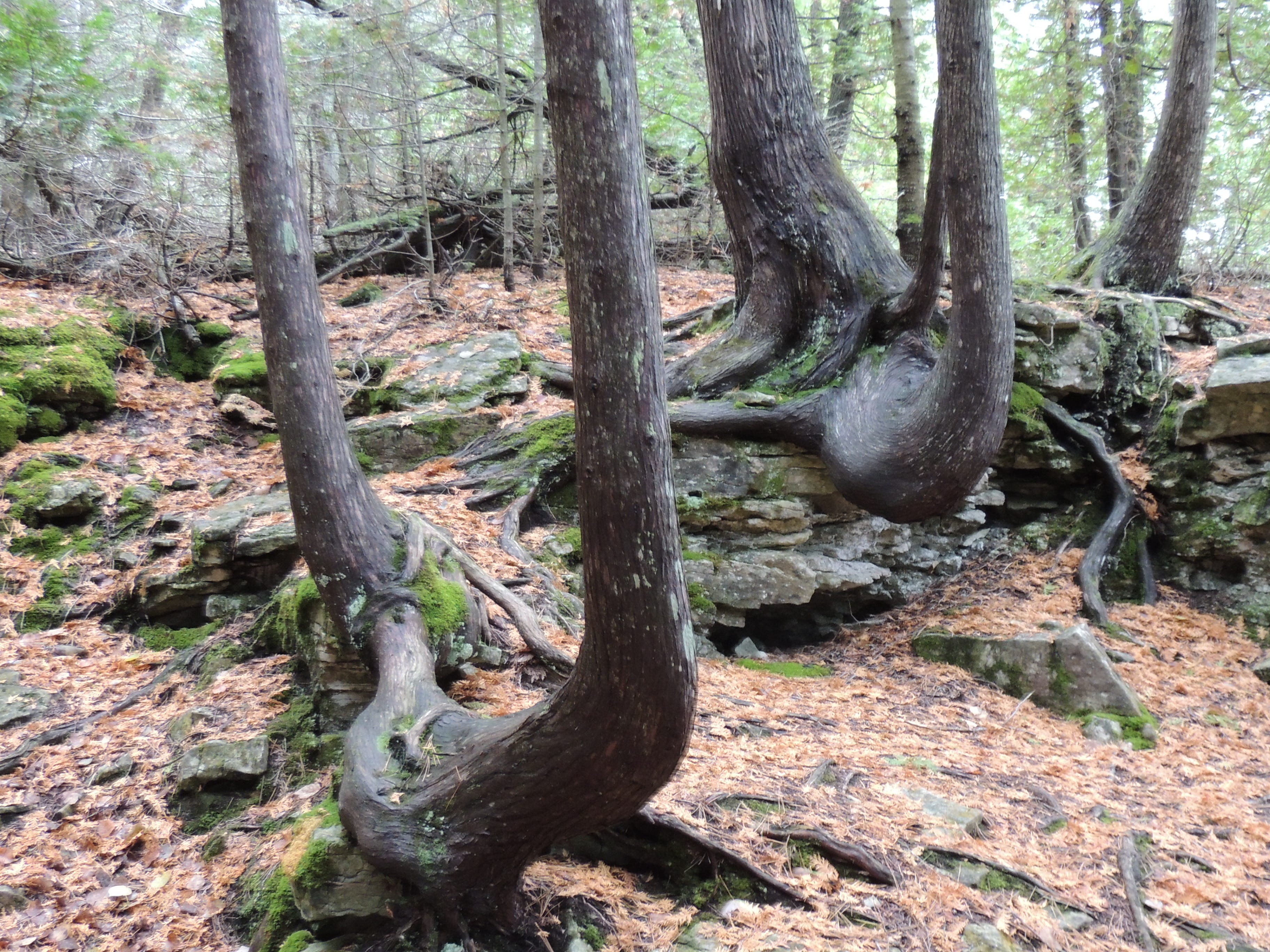
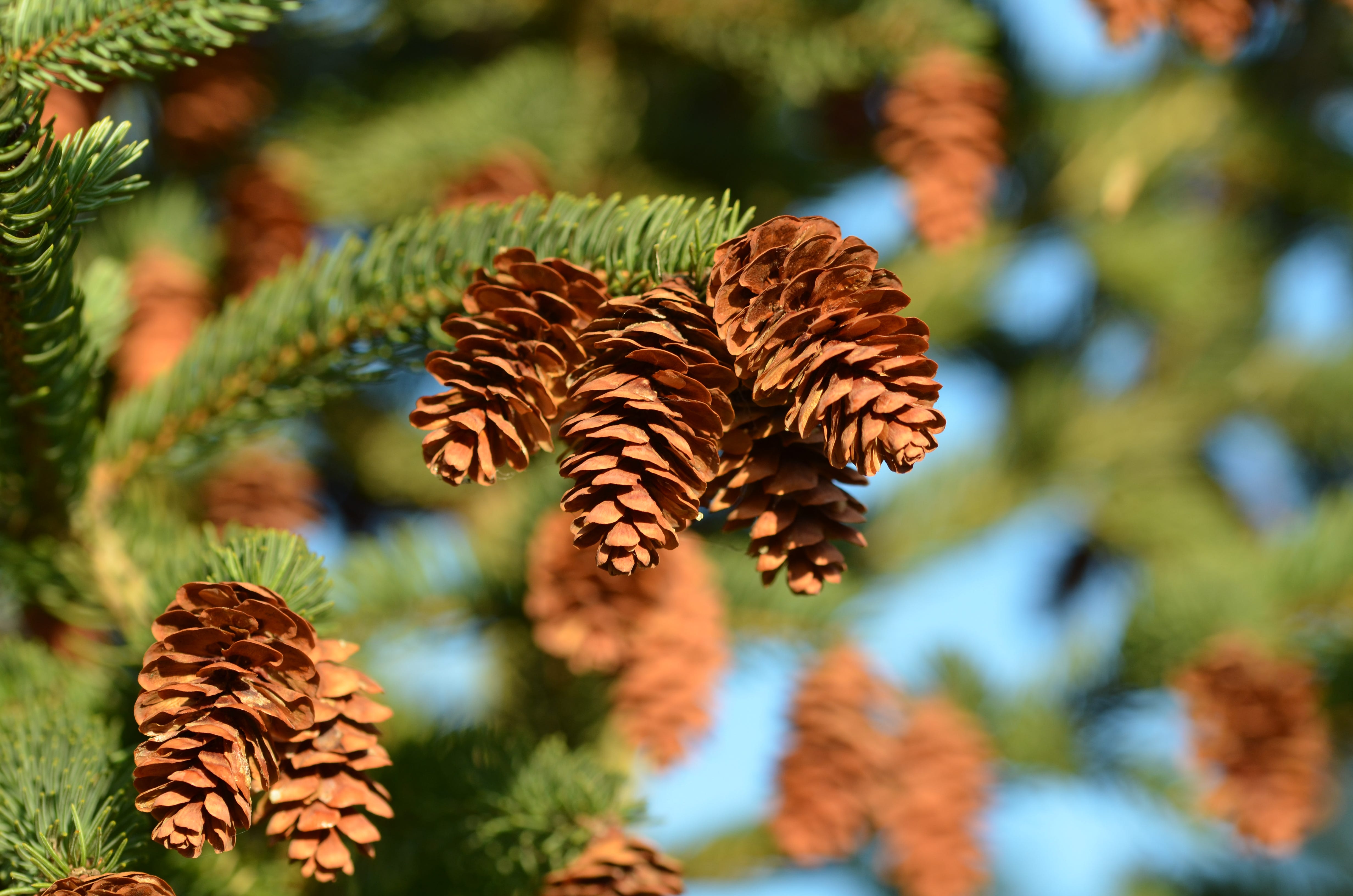
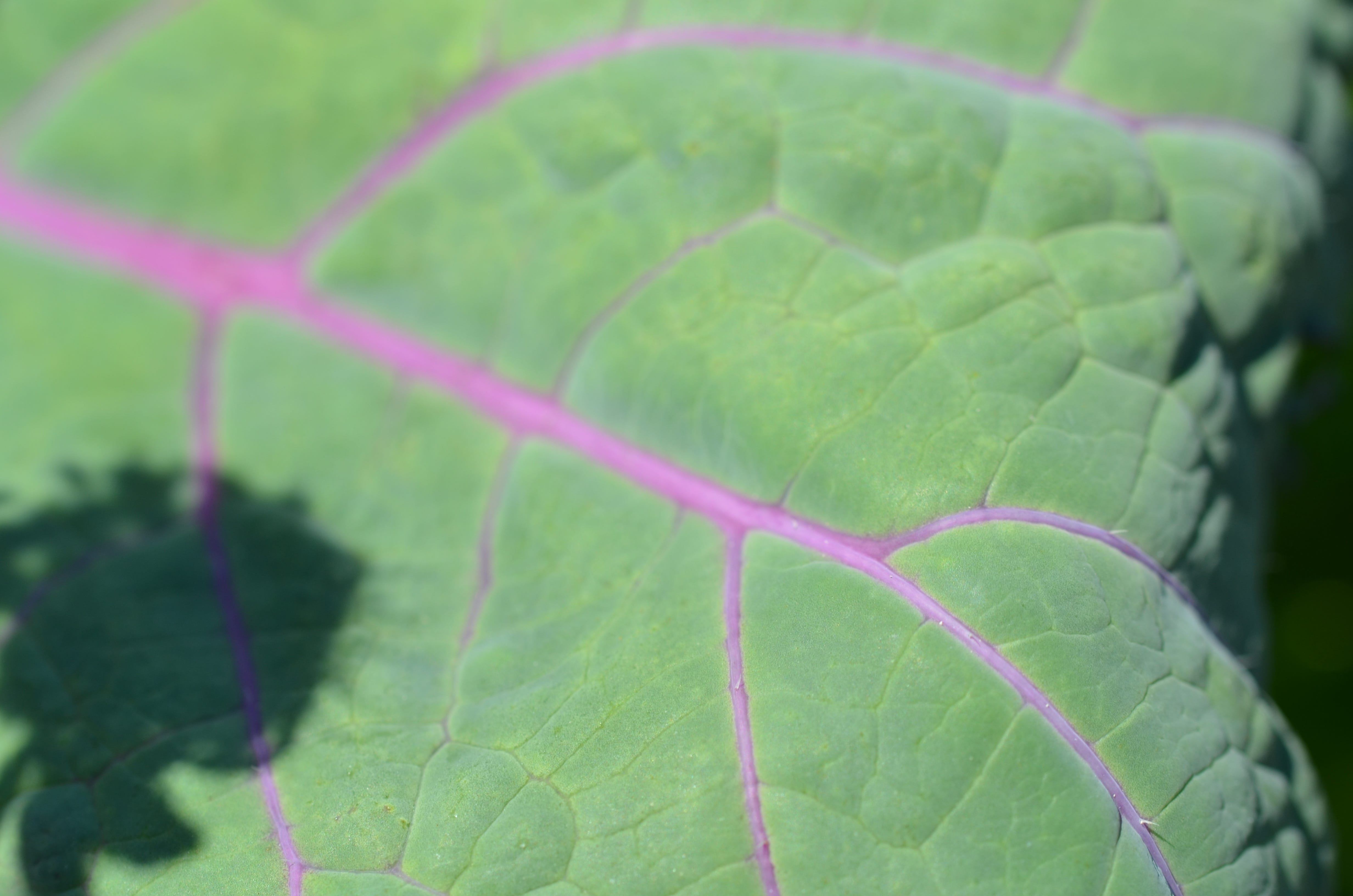
October is a month of vibrant autumn colors, abundant potato harvests, winter squash, crabapples, dogwood fruit, turmeric rhizome, chrysanthemums, Hopi Red amaranth, Goji berry, ginger rhizome, Sweet potatoes, Kale, Cabbage, Beets and medicinal herb harvests in our garden and backyard. I like to stroll through the woods, engage in tending the wild (aka guerilla forest gardening) collect seeds and practice my tree identification skills allowing the geometry of the colorful and decomposing leaves to educate me about the most efficient way to design living systems.
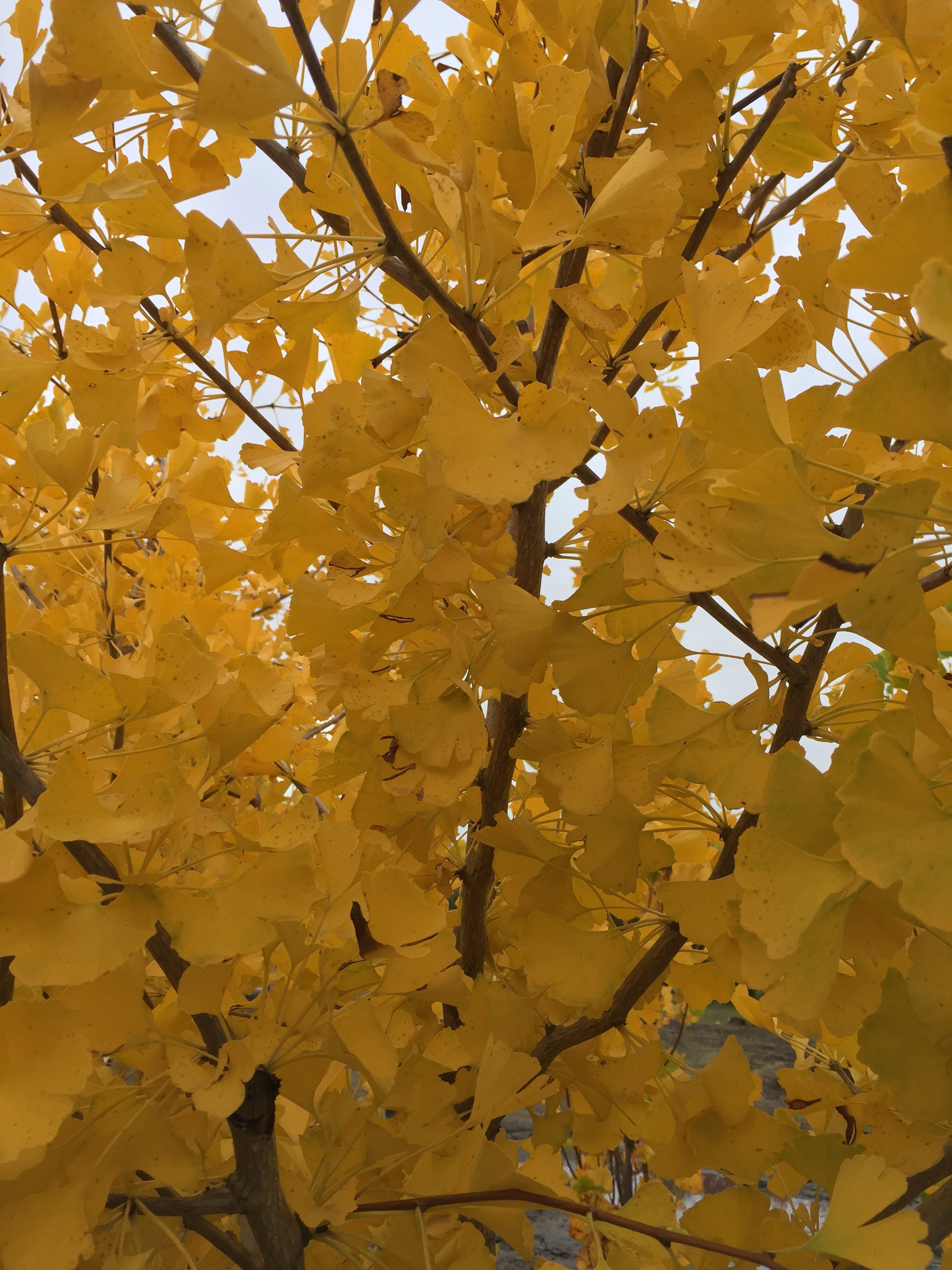
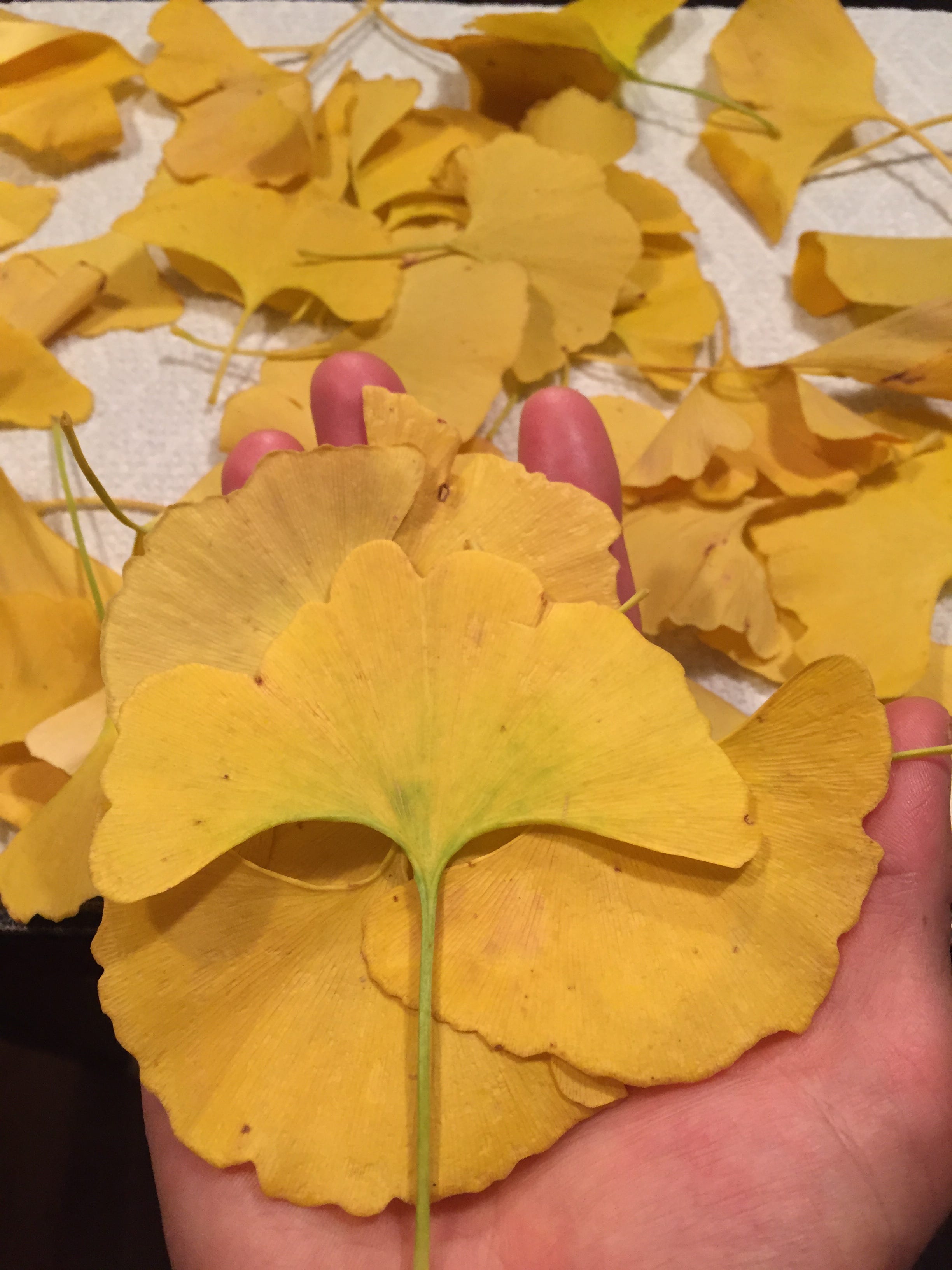
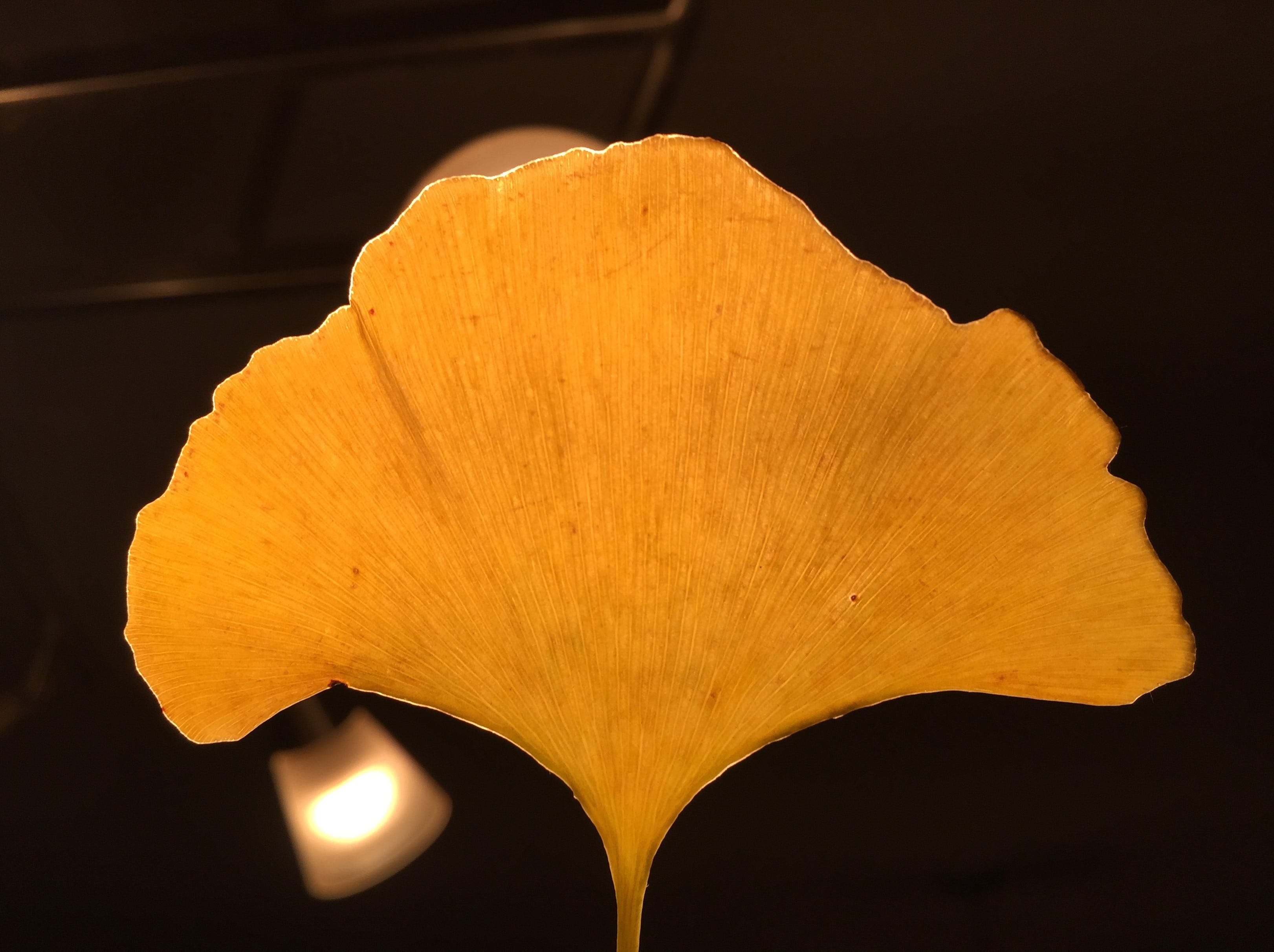
I pick piles of Goji berries, harvest buckets full of ginger rhizome, hang up bundles of tulsi, anise hyssop and lemon balm to dry and gather Ginkgo leaves for making medicine from our garden.
Autumn is the preceder of the forest’s long awaited rest and the invoker of acceptance in letting go of that which no longer serves us. It is a time when we are invited to have the faith to feel safe in the knowing we can reply on Mother Earth’s cycles if we plant seeds, tend trees and invest in her living economy in other ways.
Fall is a time of harvesting but also giving back to the living earth for me. I think about all the countless generations that came before me that make the blessings in my life possible and I try to image ways I might become an ancestor worth descending from. I look to the trees that give their leaves selflessly to the earth in an act of faith, and I use my hands to find ways to do the same.
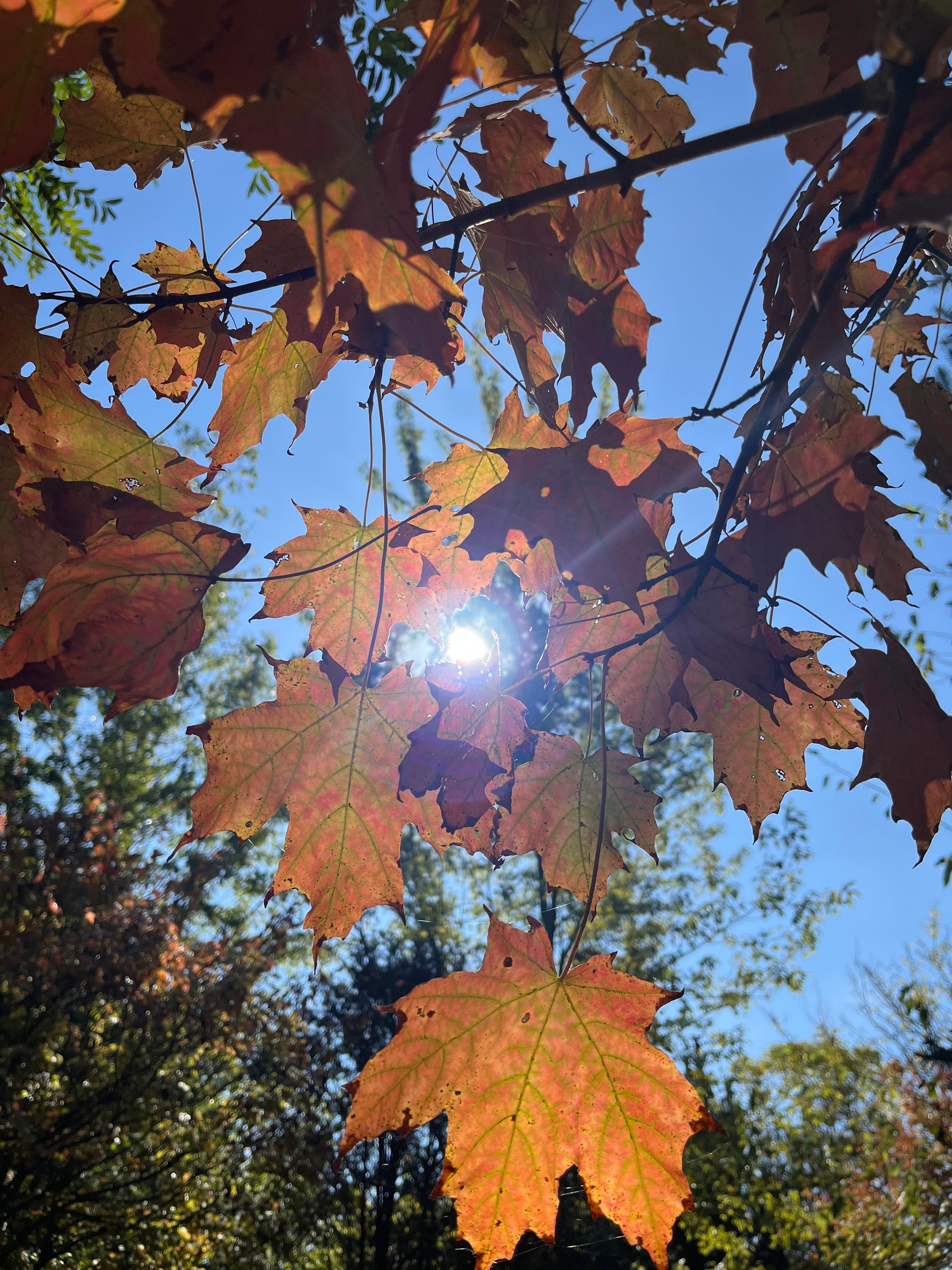
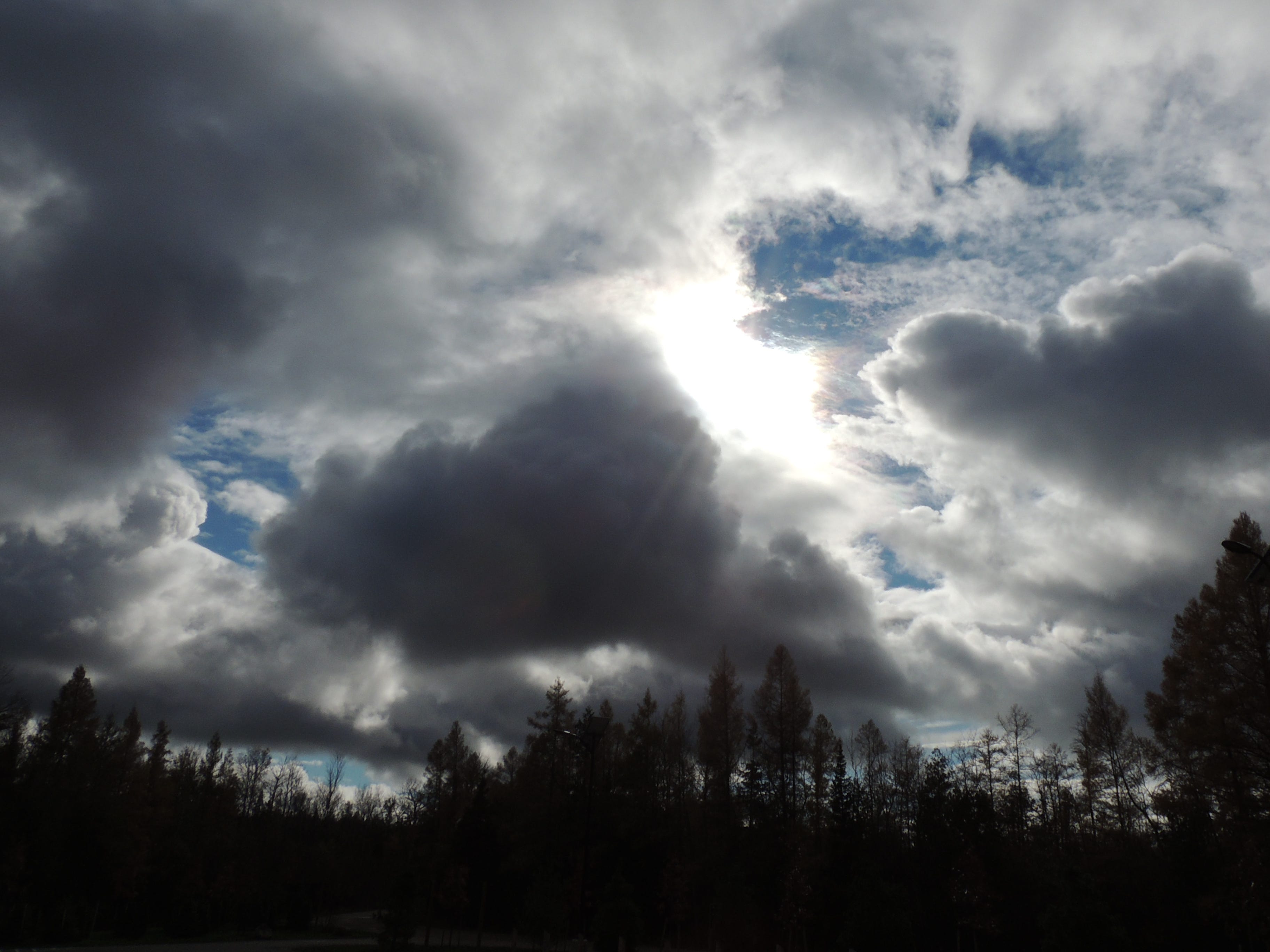
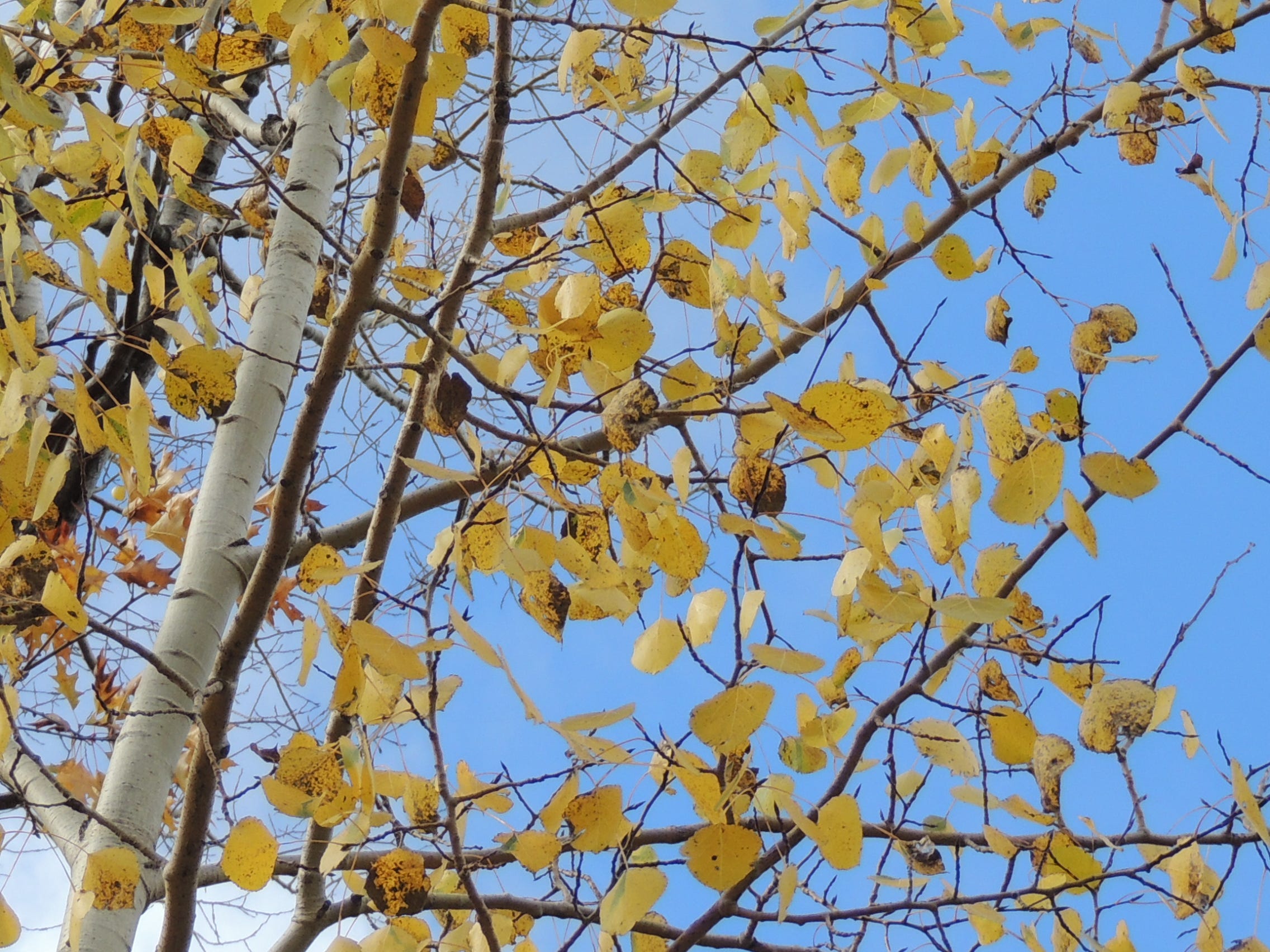
In this fleeting season of soul nourishing color and movement do not forget to take time to just be in the moment, breath deeply and look up through the vibrant trees into the sky to appreciate the artwork of the Creator. You will never get to see the world from the exact same perspective that you do now ever again, each moment lived is an irreplaceable miracle, and the more you actively experience them with a conscious awareness of that truth, the more beauty, peace, fulfillment and joy you will experience in life.
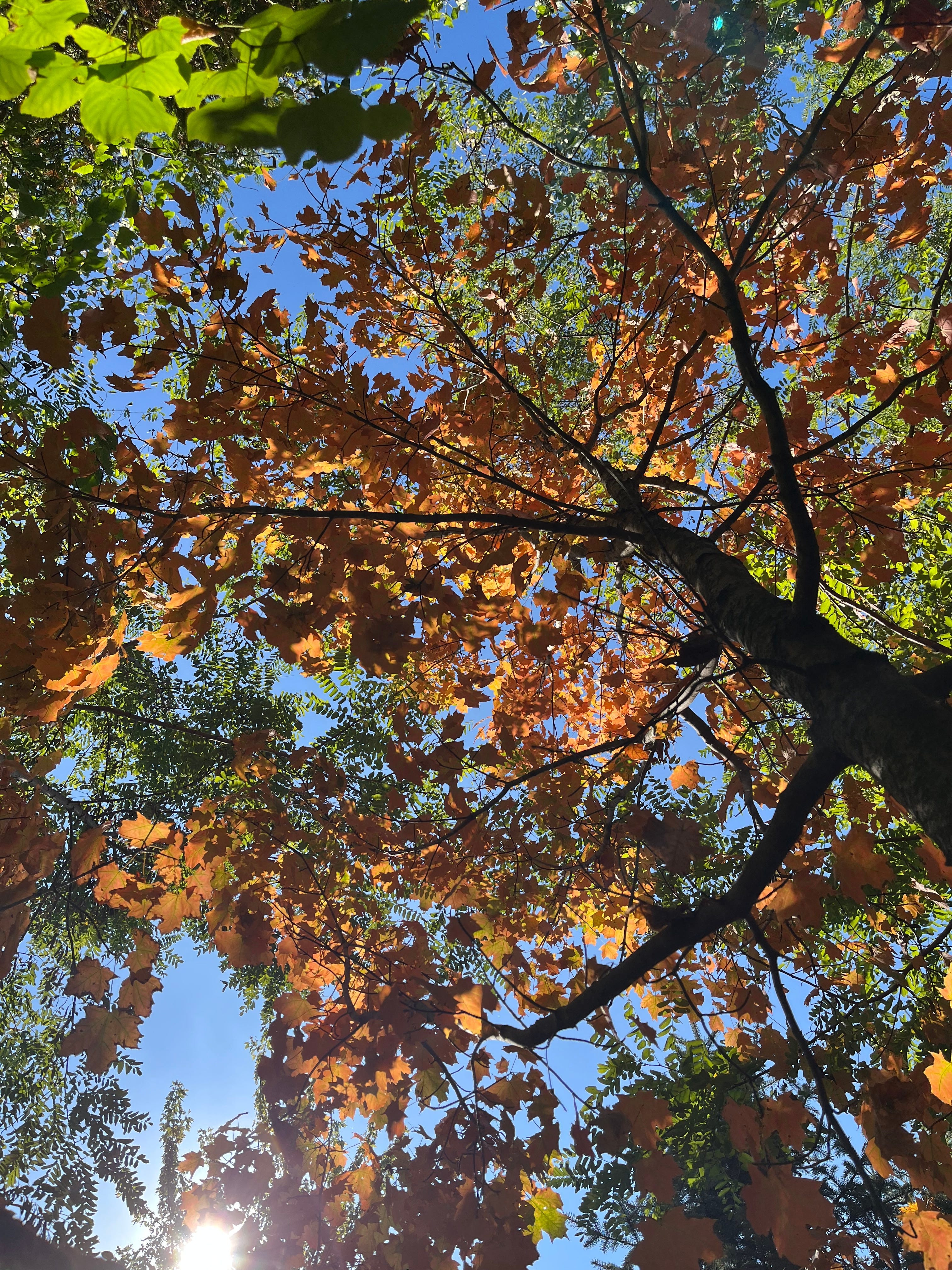
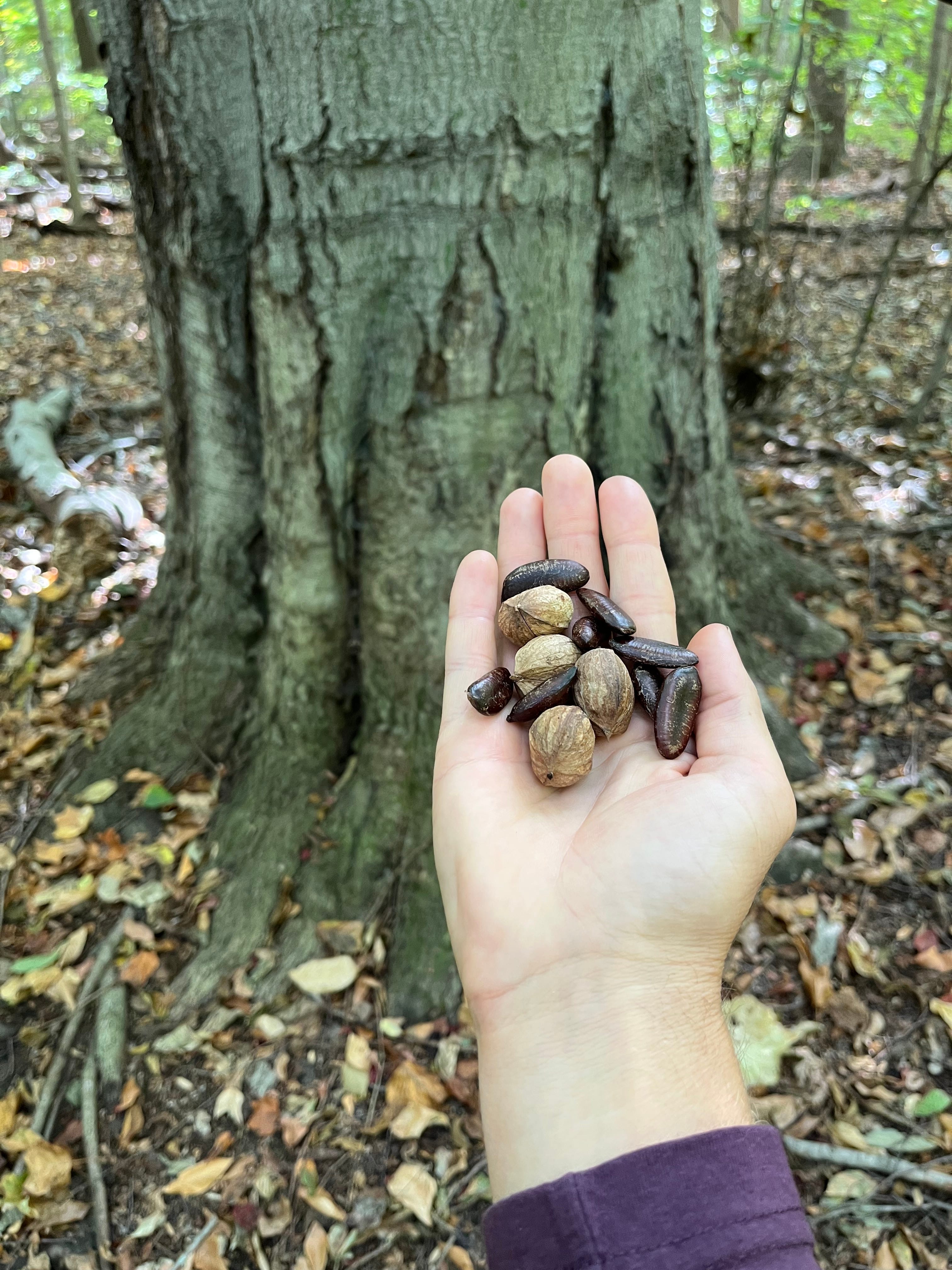
In a way taking pictures of autumn colors (and deep pockets of sheltered old growth forest) is my way of ‘preserving food for the soul’, but as with all forms of preservation, there is always something lost of the essence in the process. Thus nourishment (whether it be for the body or the soul) is (whenever possible) best enjoyed in the moment in its most potent state.
Take a walk into our garden and the autumn forests of southern Ontario with me. The following pictures explore the abundance offered to the body, mind and spirit through the month of October, as seen through my lens.
Here are a couple pages from a powerful book called “The Overstory” by Richard Powers that touches on the cultural disconnect (which I personally have observed occurring in a big way here in Southern Ontario) where many modern Canadians have become disconnected from knowing of, cultivating/foraging for and appreciating amazing native food species like Beech, Hickory and Pawpaws.

(Thank you for reminding me about the section of this book referring to Beech trees the other day
)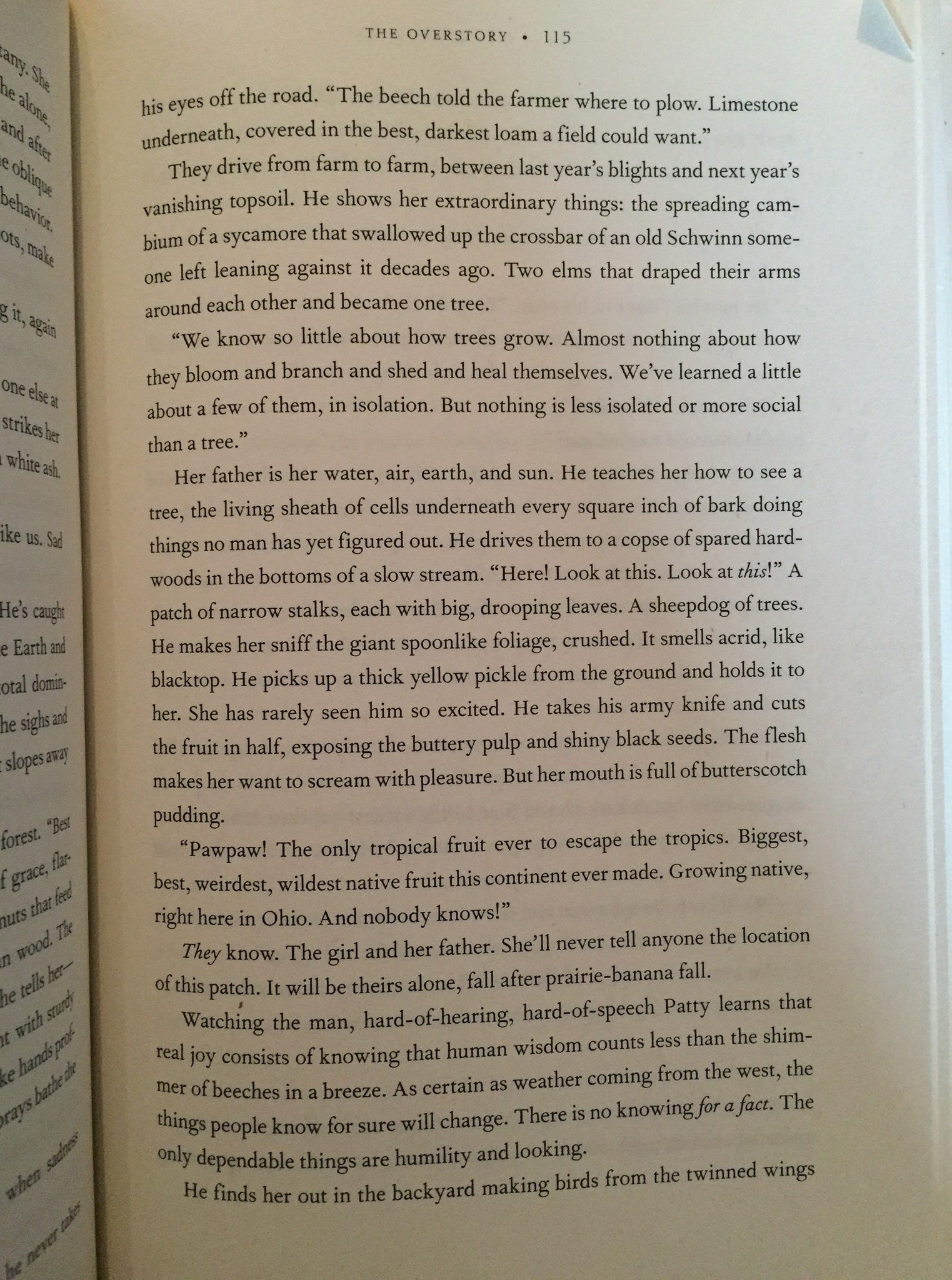
In the pages above the author tells the story of a young girl named Patricia Westerford (who as a girl liked to make imaginary friends out of acorns, leaves and twigs and who grows up to be a botanist) as she goes on outings with her father (the USDA extension office consultant that gets paid by the government to give farmers facing diminishing yields do to top soil destruction advice). The story is set in Ohio but the scene the characters describe and live in played out in a very similar way here in Southern Ontario.
During the last couple generations (due to large scale mechanized monoculture thinking/farming) the groves of wild pawpaw trees have all but disappeared here due to this once densely forested region being 98.98% deforested now. No canopy (and certainly no super-canopy) trees left to serve as paw paw nurseries and so the tree has a tough time here now. However, I, and many others aim to change that.
At my place of work I sometimes get older local people (usually about 70-80) telling me stories from their childhood about these “weird chubby wild bananas” or “fruit that smelled like something from Hawaii but looked like a strange fat yellow pickle” that they used to hunt for in the woods here and how they miss the fruit and wish they knew what it was. When that happens I am always super stoked to tell them that what they are talking about are Pawpaws (Asimina triloba)!
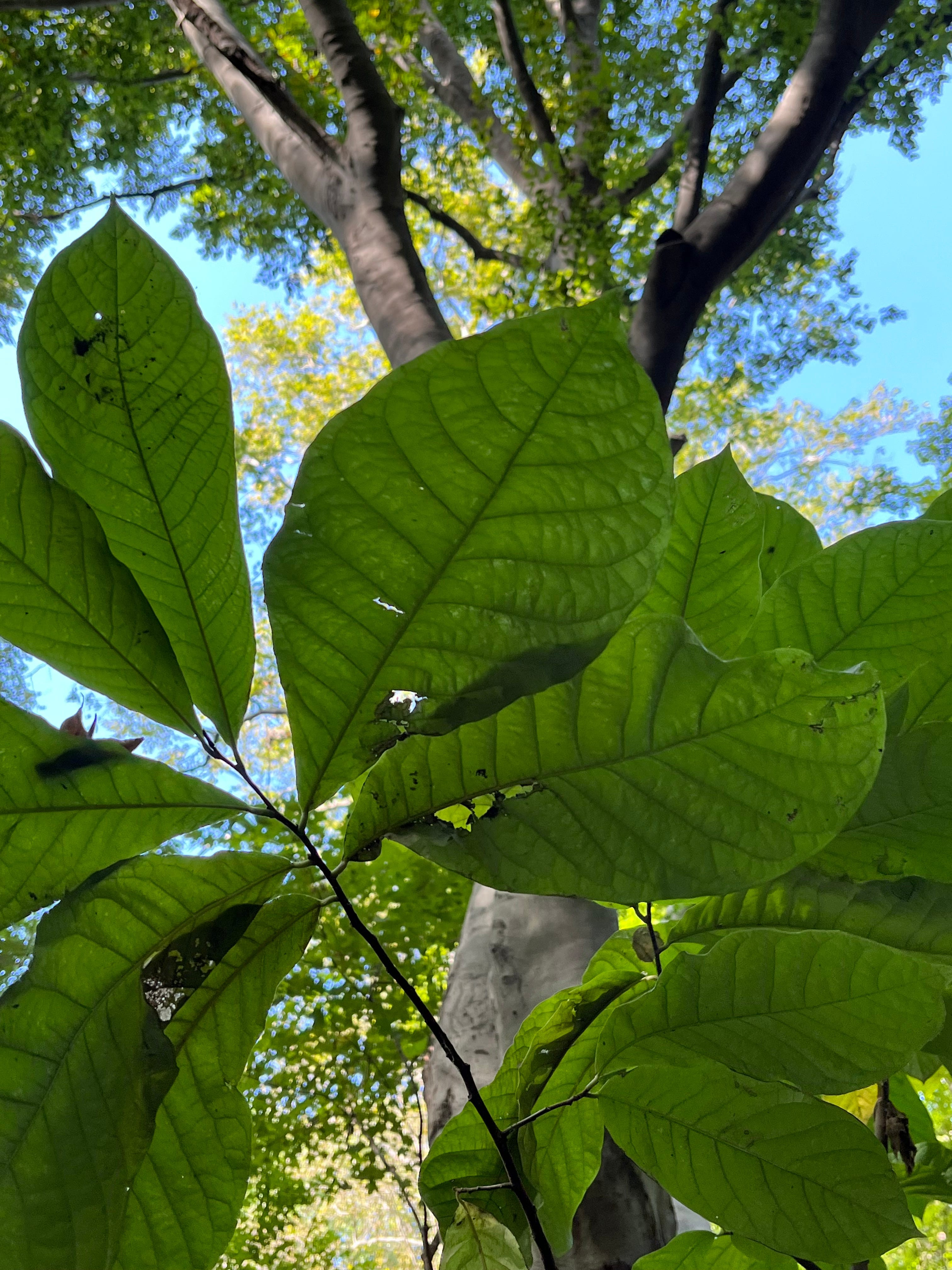
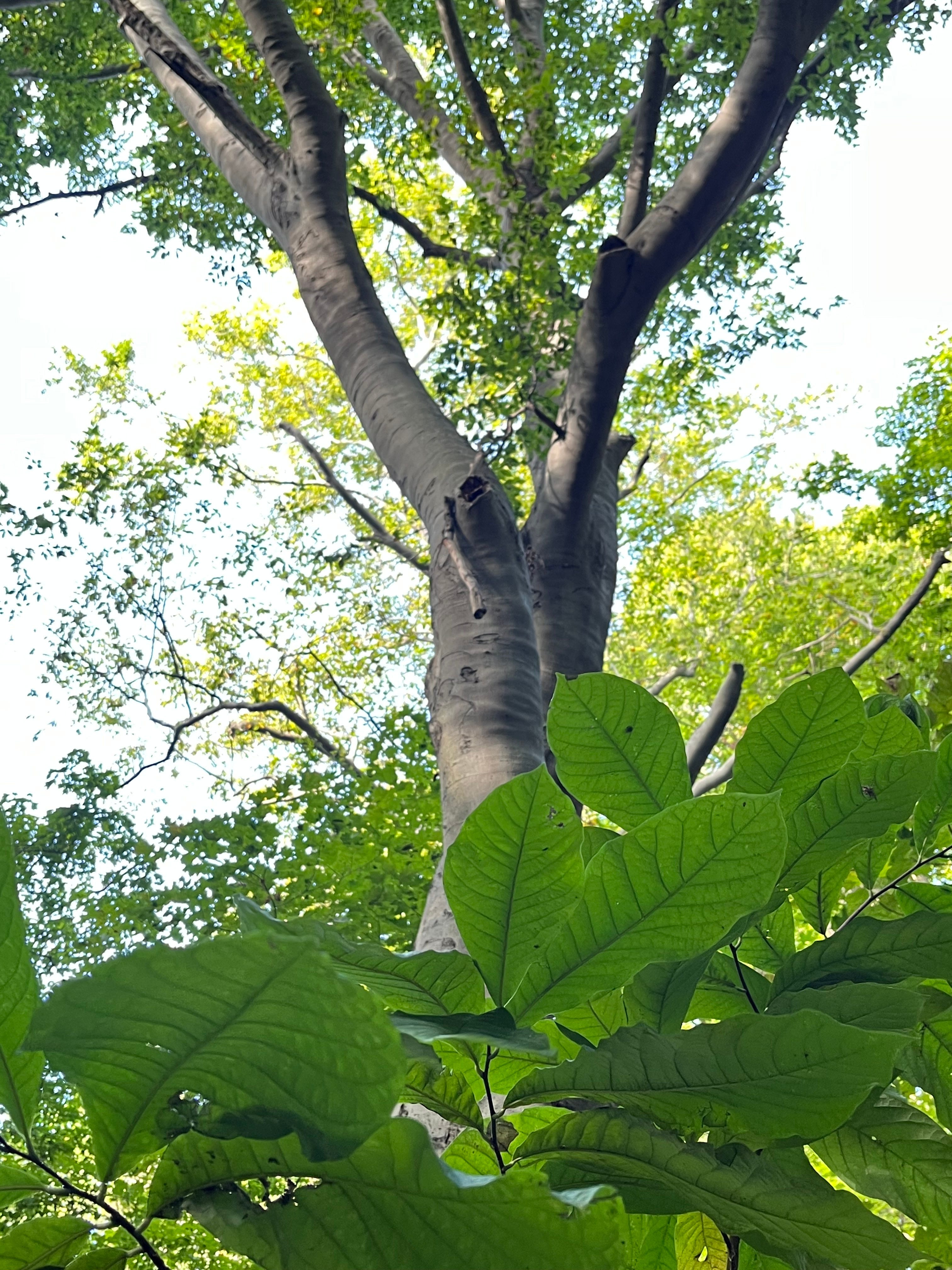
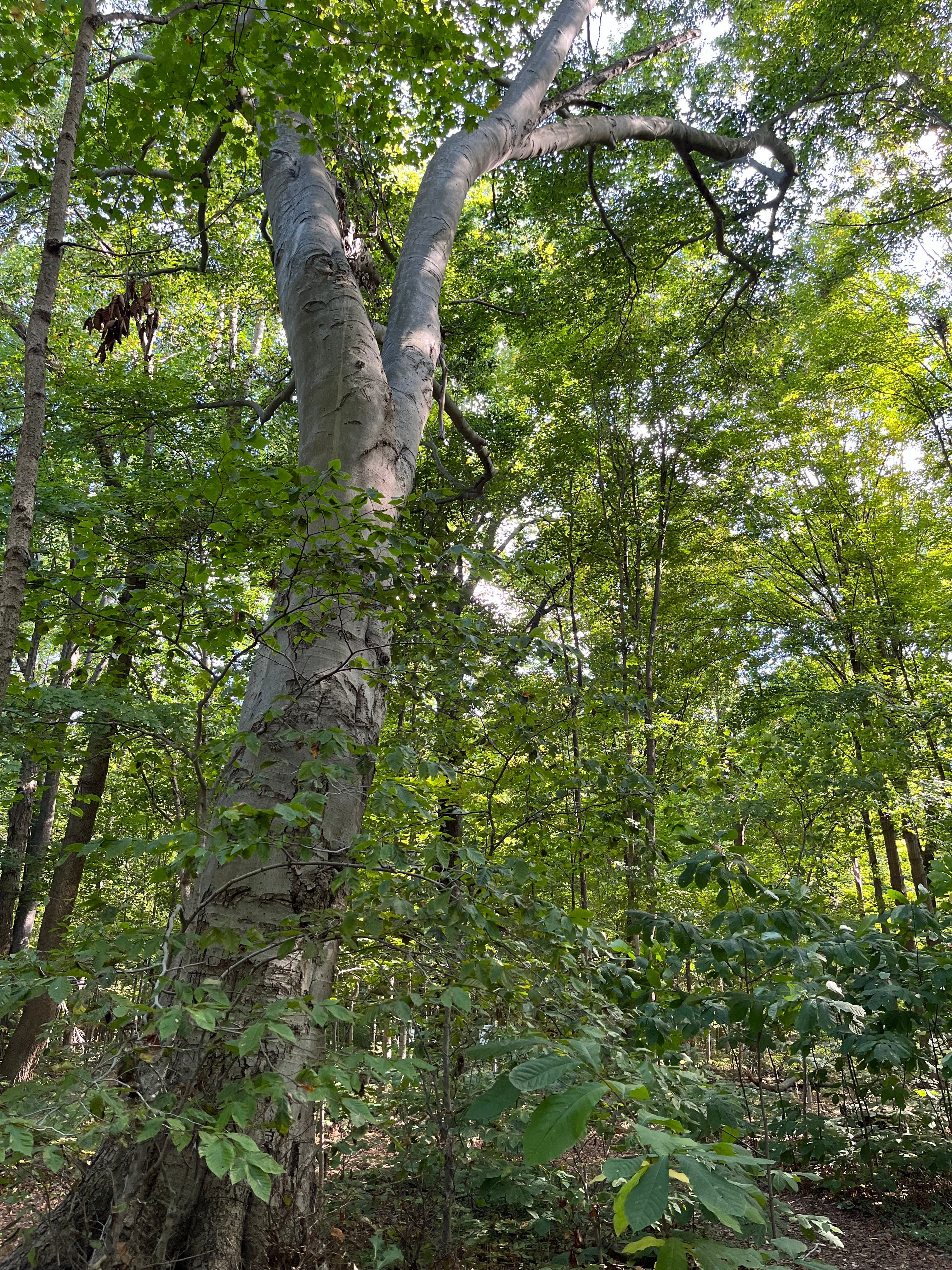
For a clip of our own pawpaw patch :
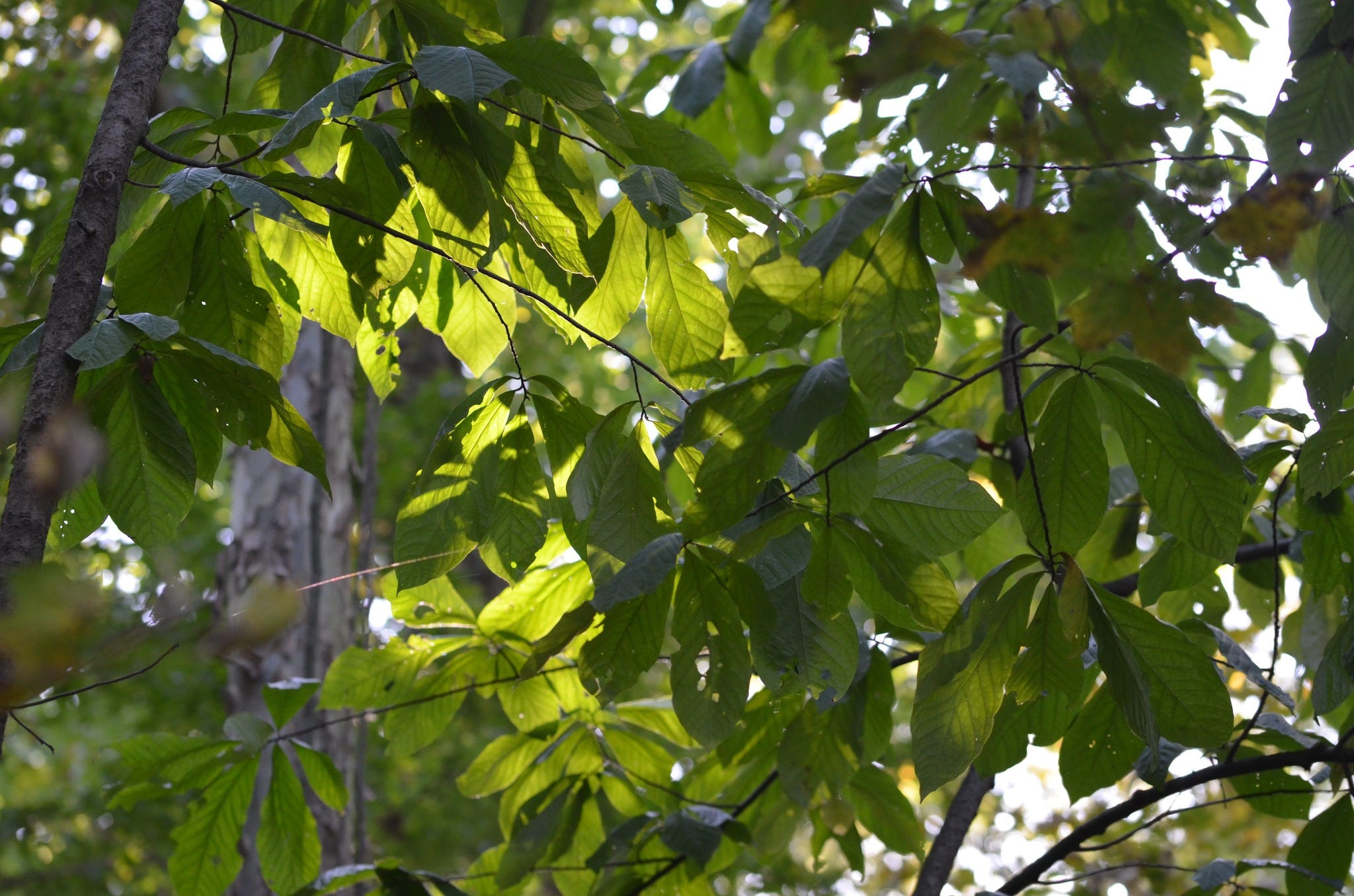
And though deforestation (in the name of “progress” aka turning biodiverse multi-layered food forest ecosystems into nutritionally depleted and gmo corn/soy fields) has decimated the wild populations of trees they once foraged for easily, I have seeds and can help them grow their own trees for themselves and their grandkids to enjoy.
Each handful of seeds can become a thousand more and when planted along other native trees like Shagbark Hickory, Tulip Trees, Oak Trees and Kentucky Coffee trees one can have access to multiple food sources while also providing habitat for endangered winged beings and giving something worth sharing to future generations.
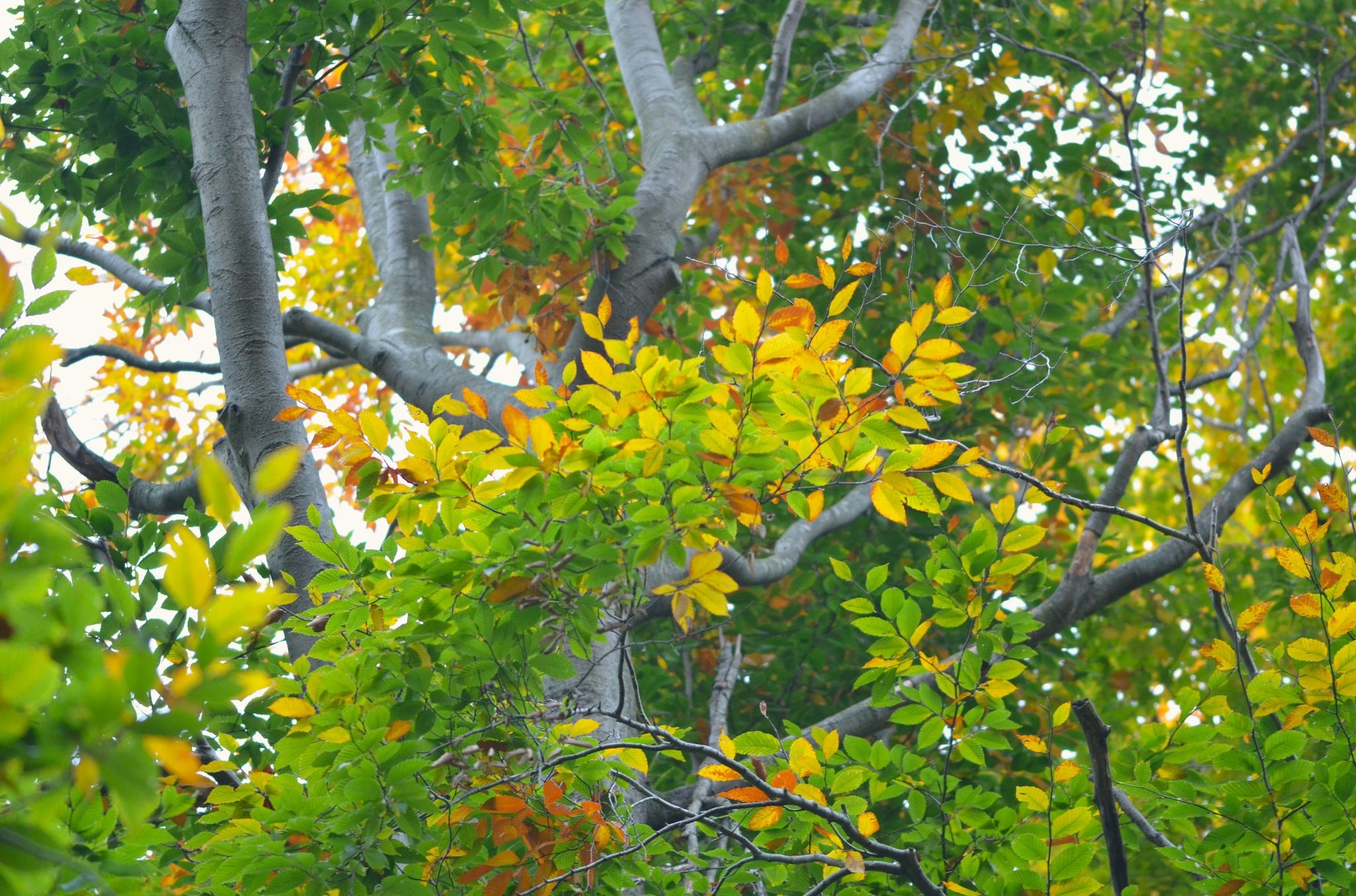
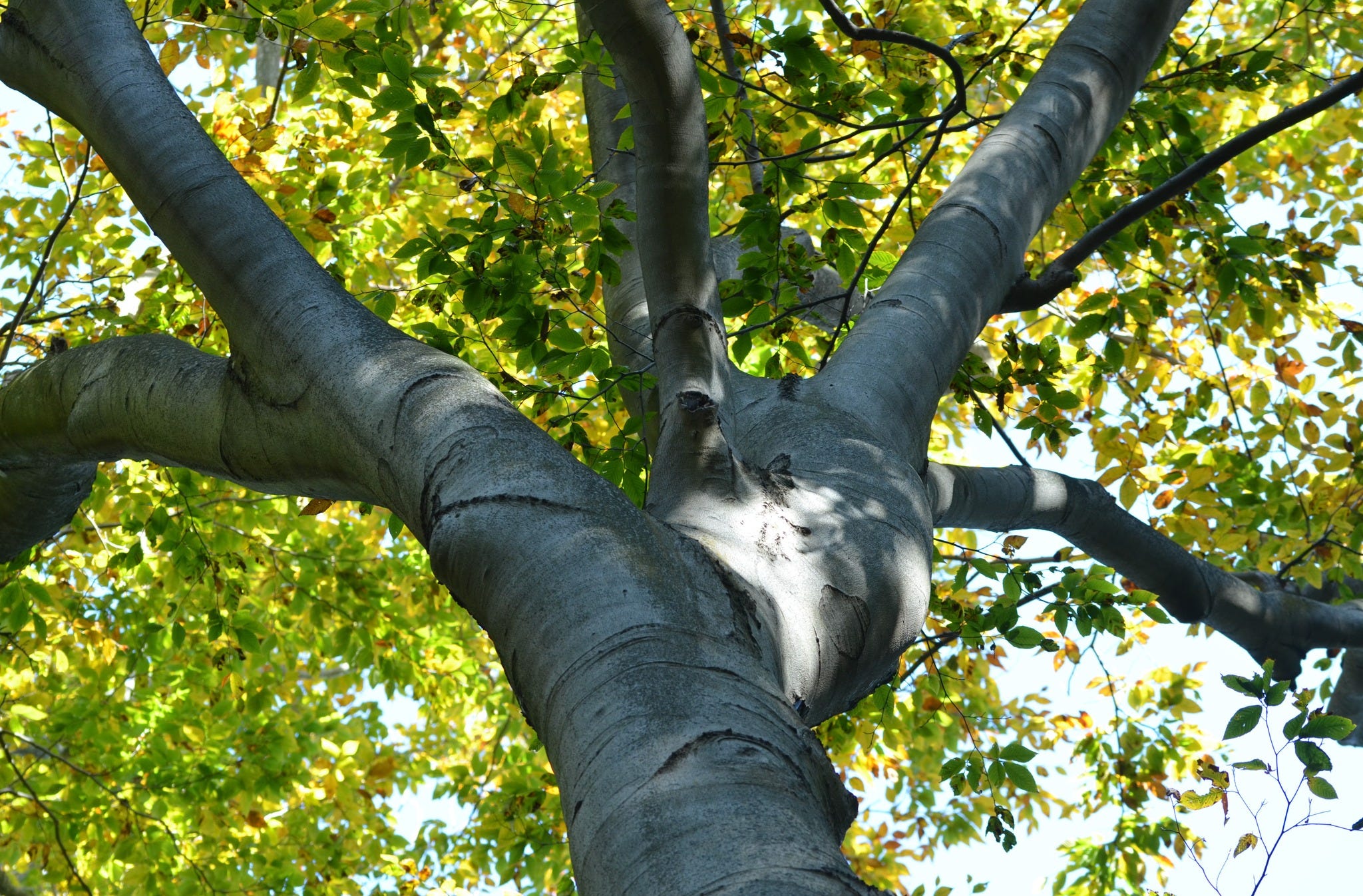
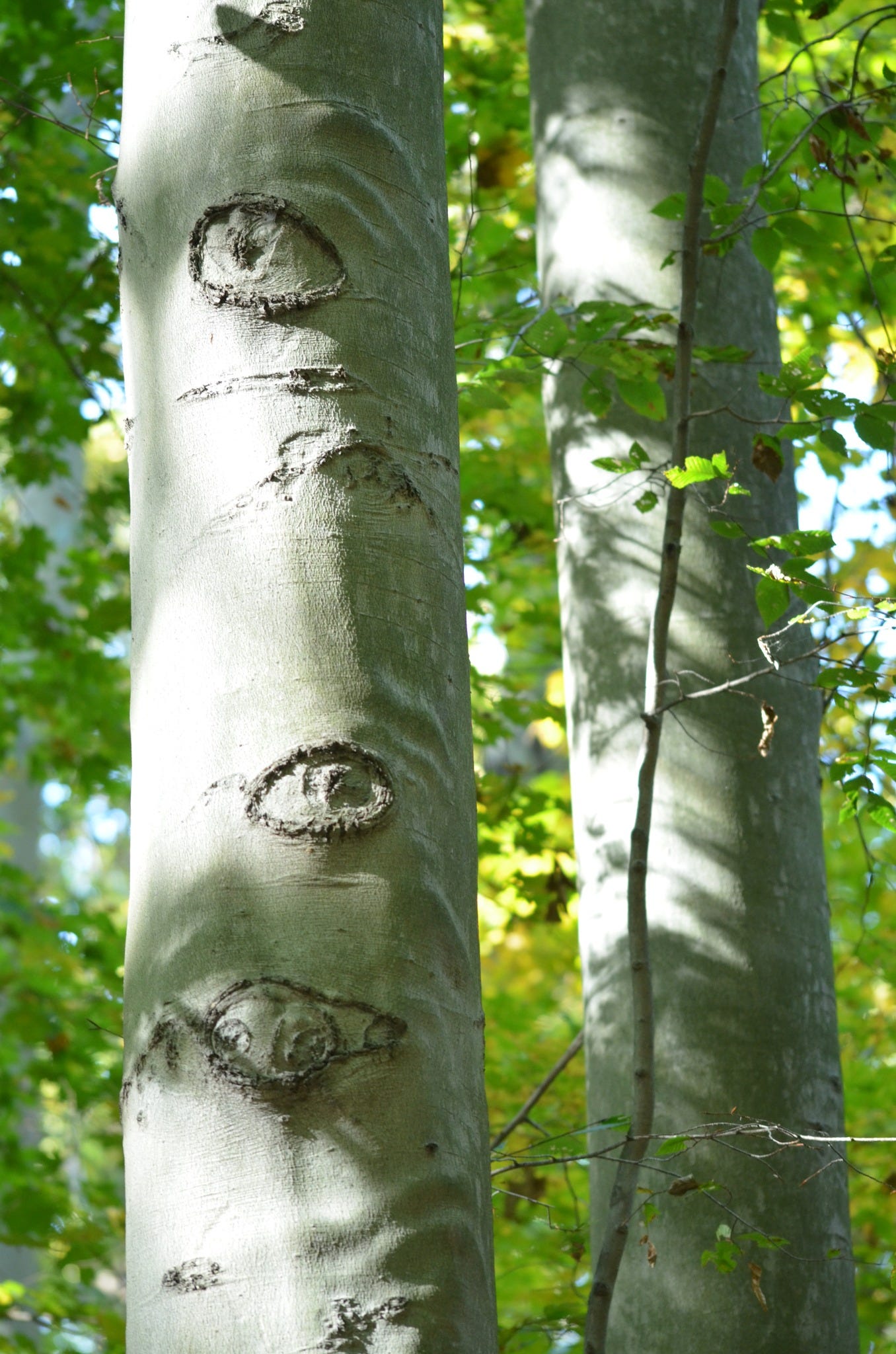
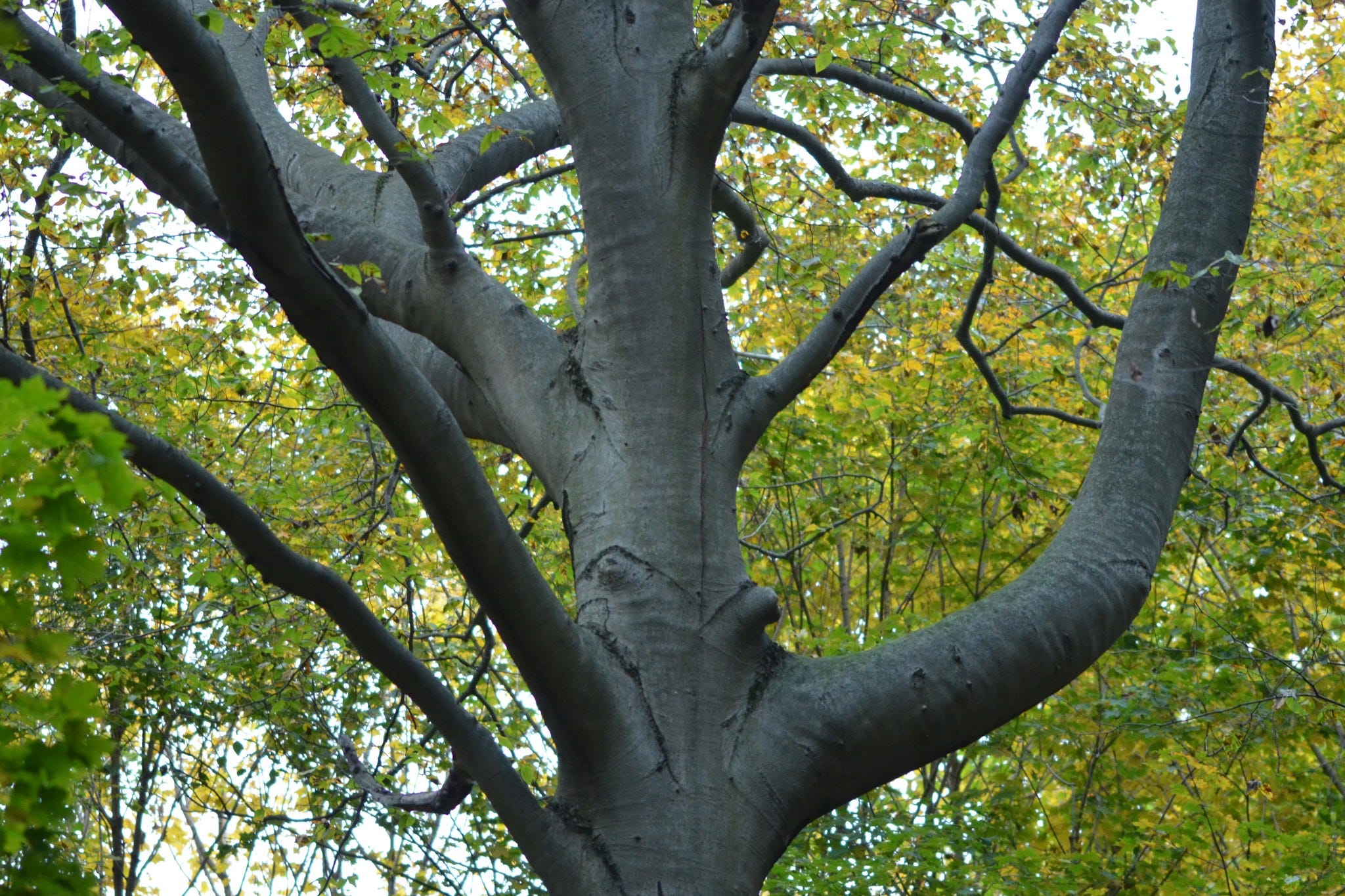
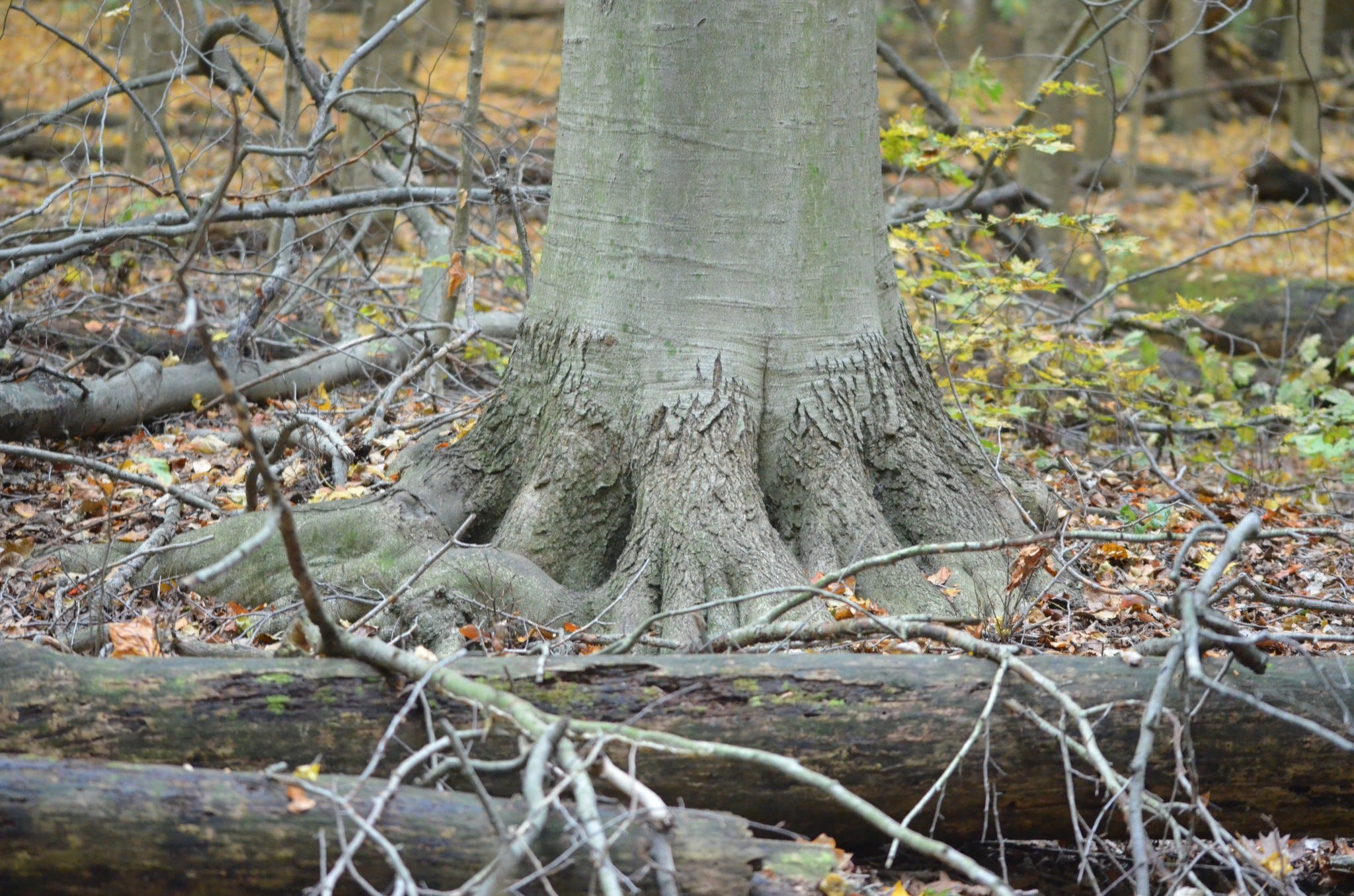
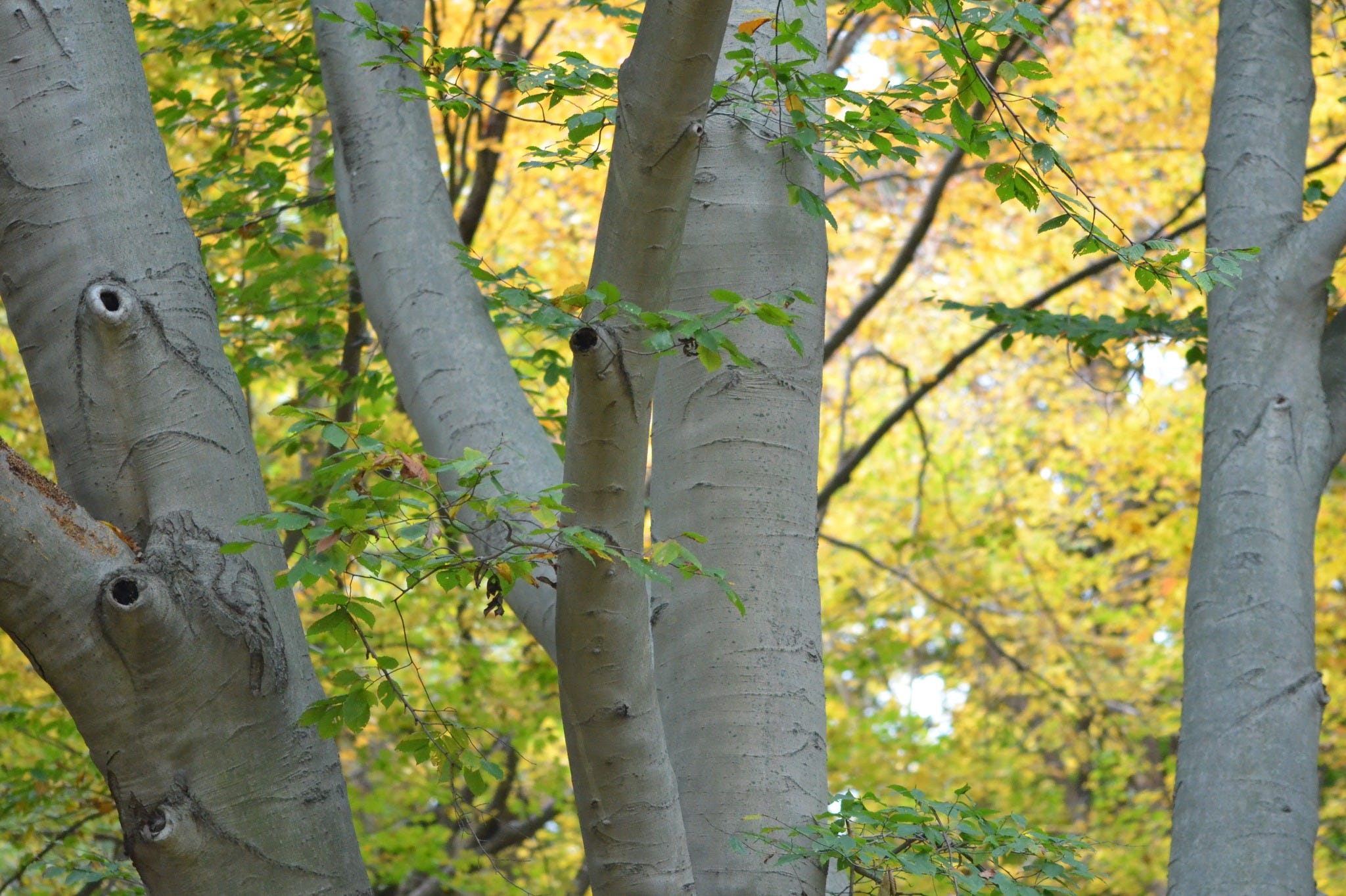
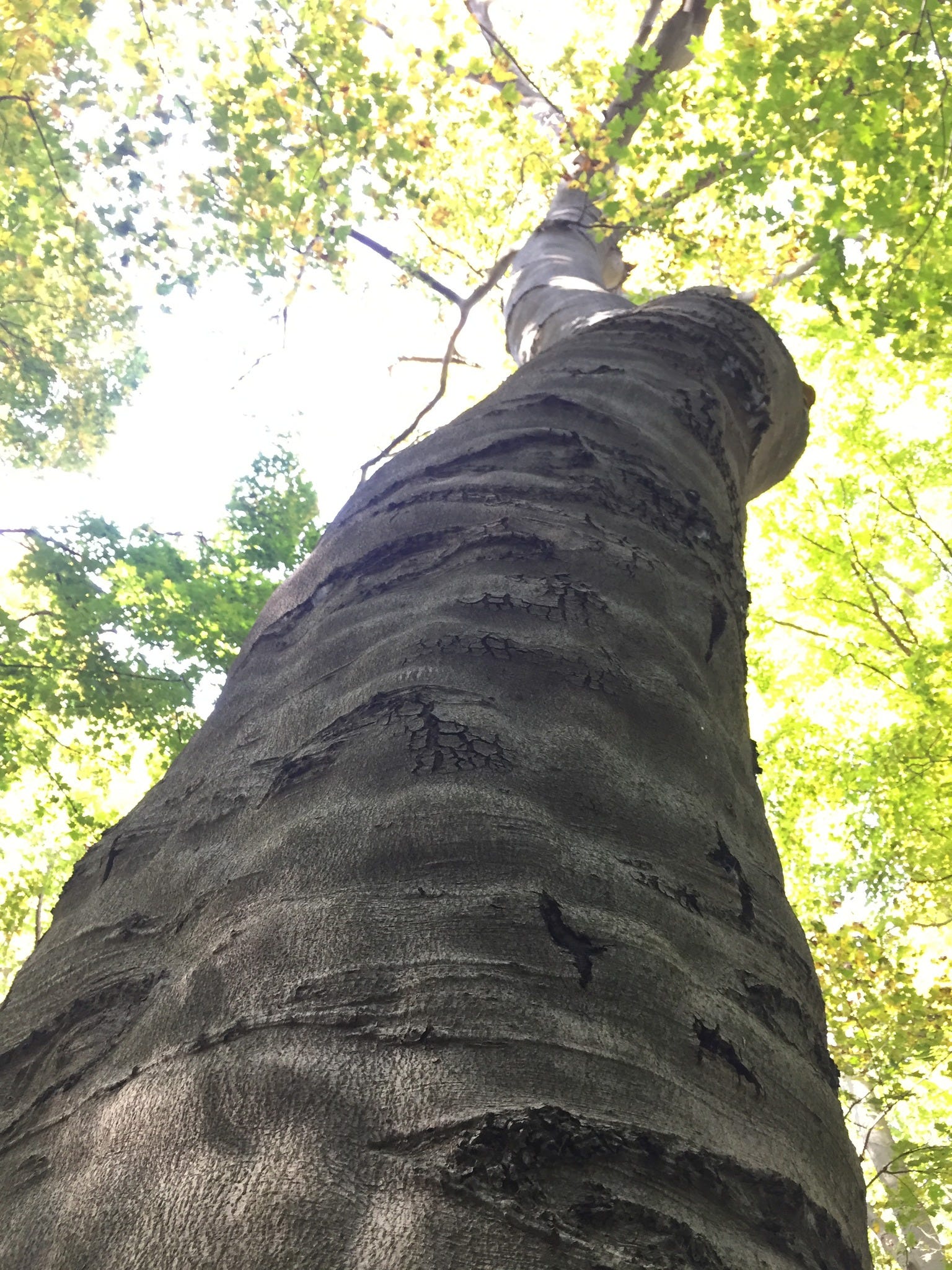

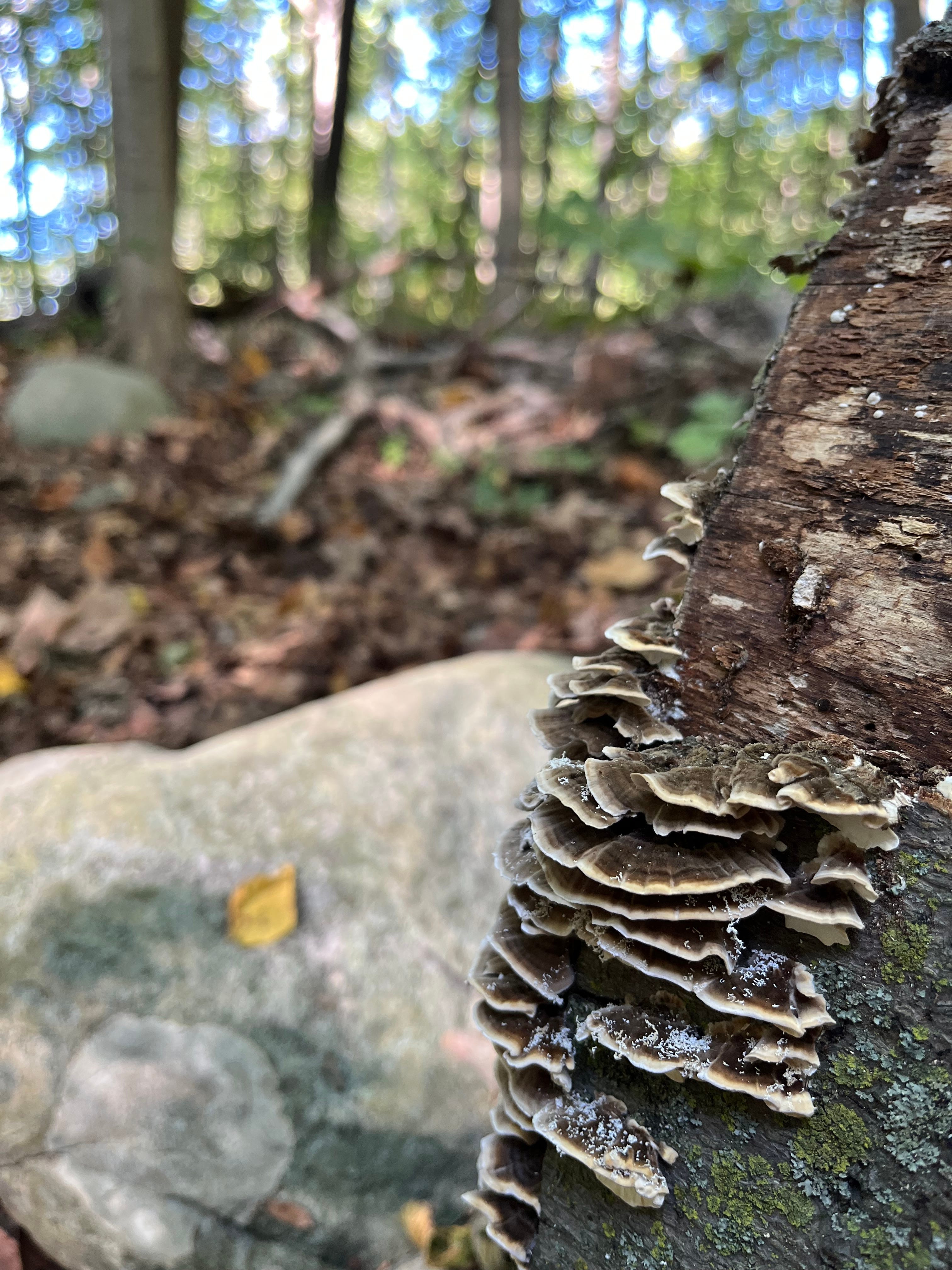
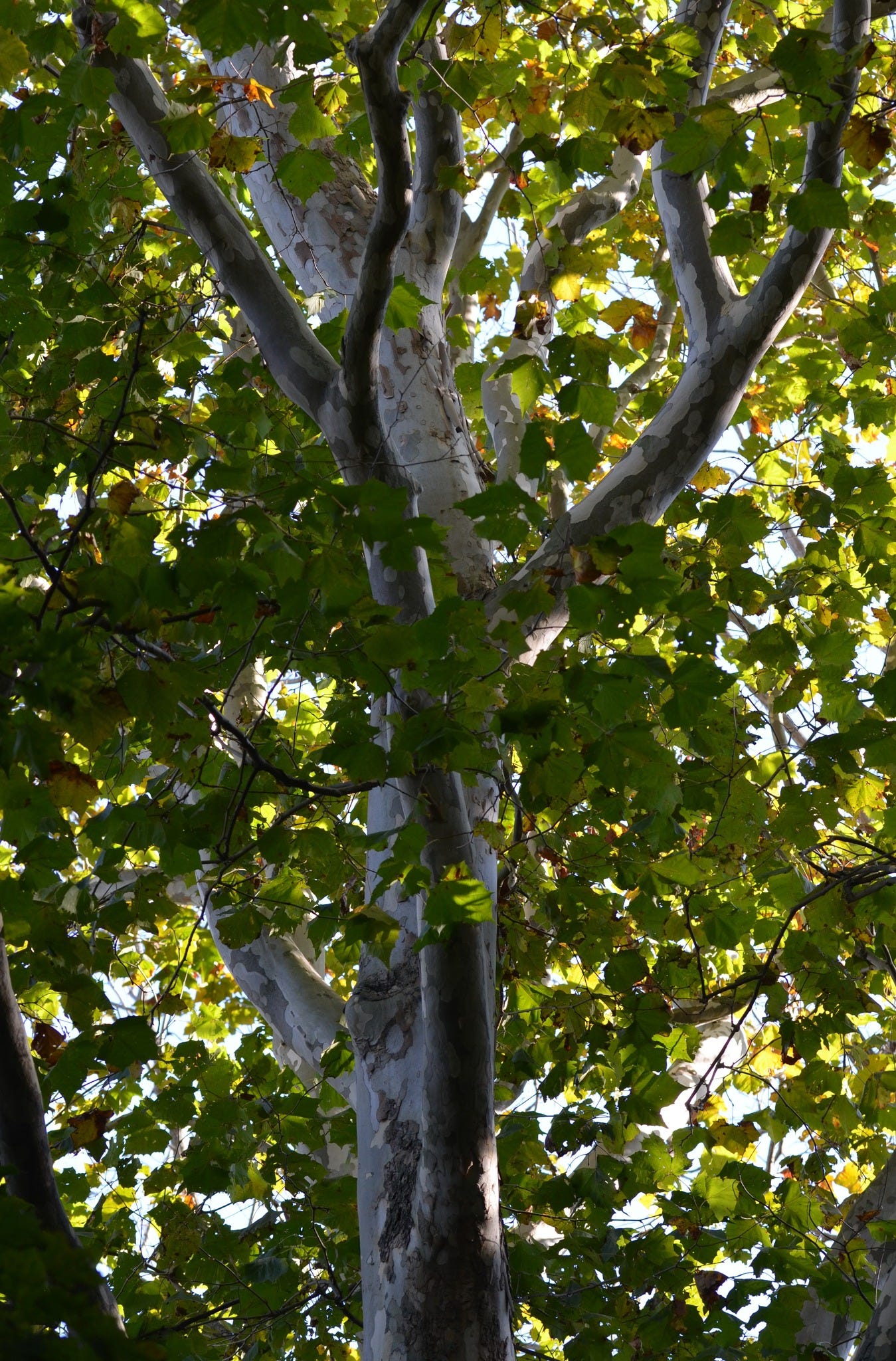
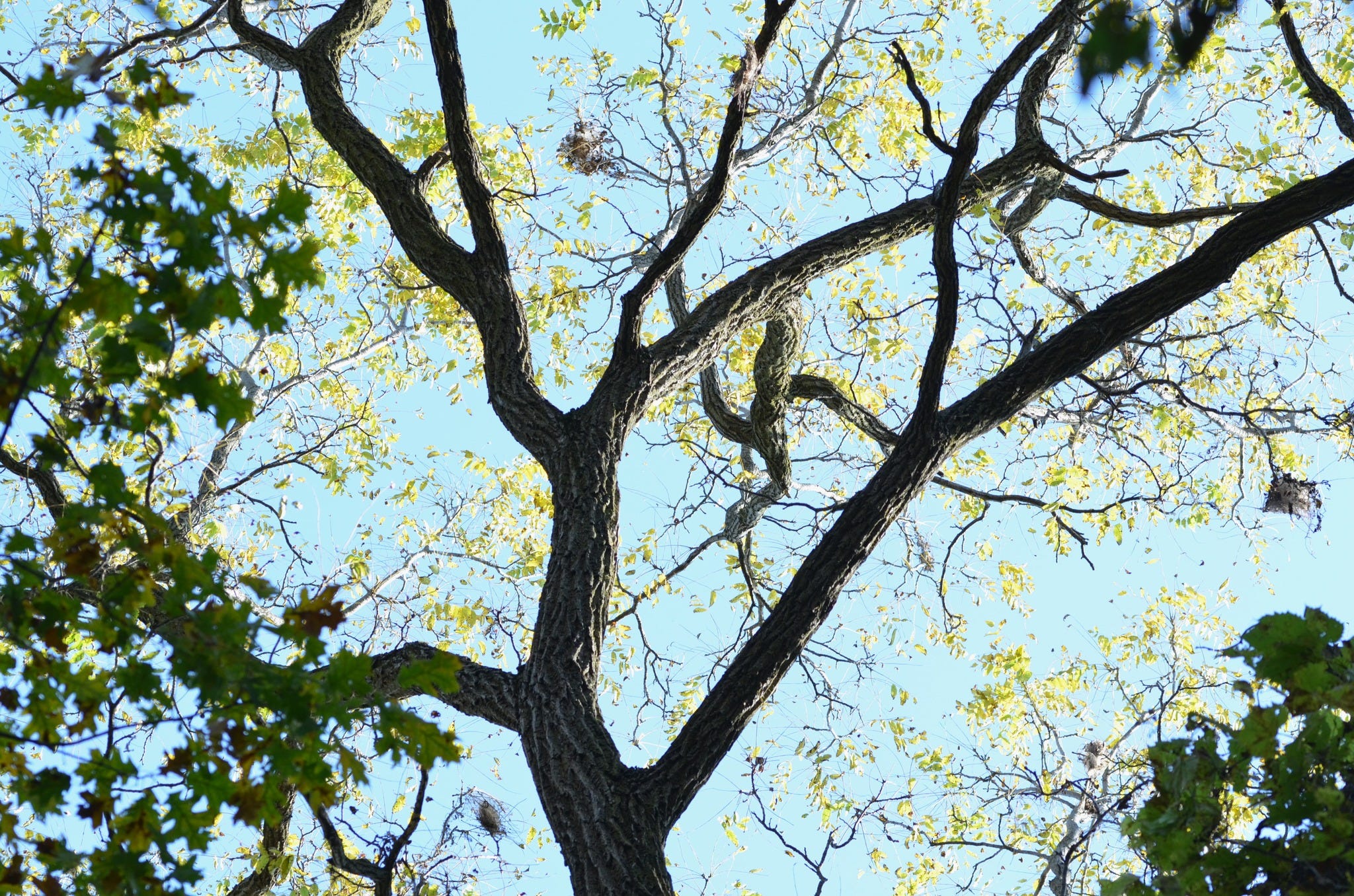
The above pic and two below show Juglans cinerea, commonly known as butternut.
Despite what most sources will tell you, these trees can become massive elders in the forest. the individual in this photo is well over 100 years old with two massive trunks and one medium sized trunk that reach over 120 feet into the sky raining down protein rich food each year for myriad beings.
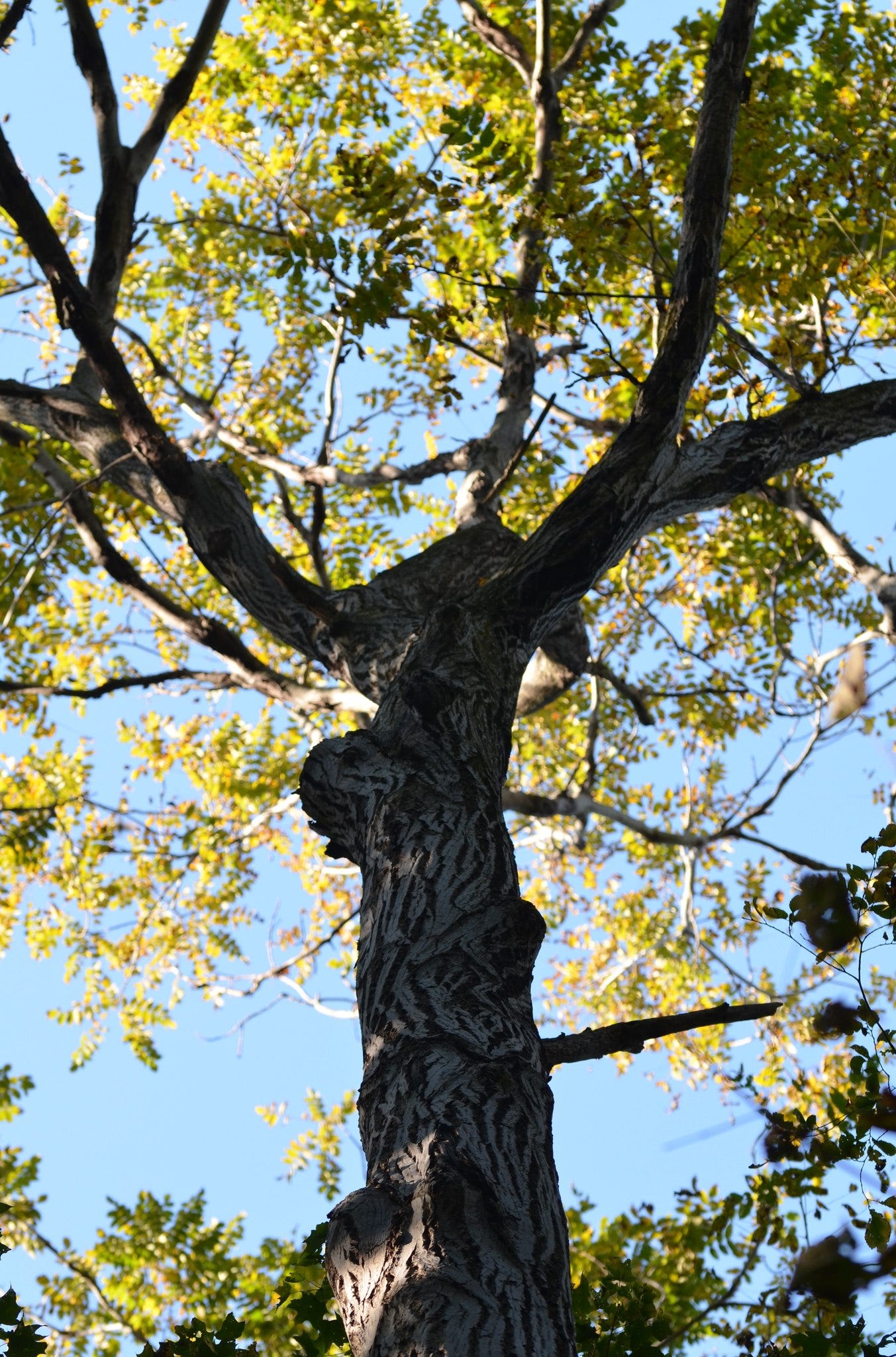
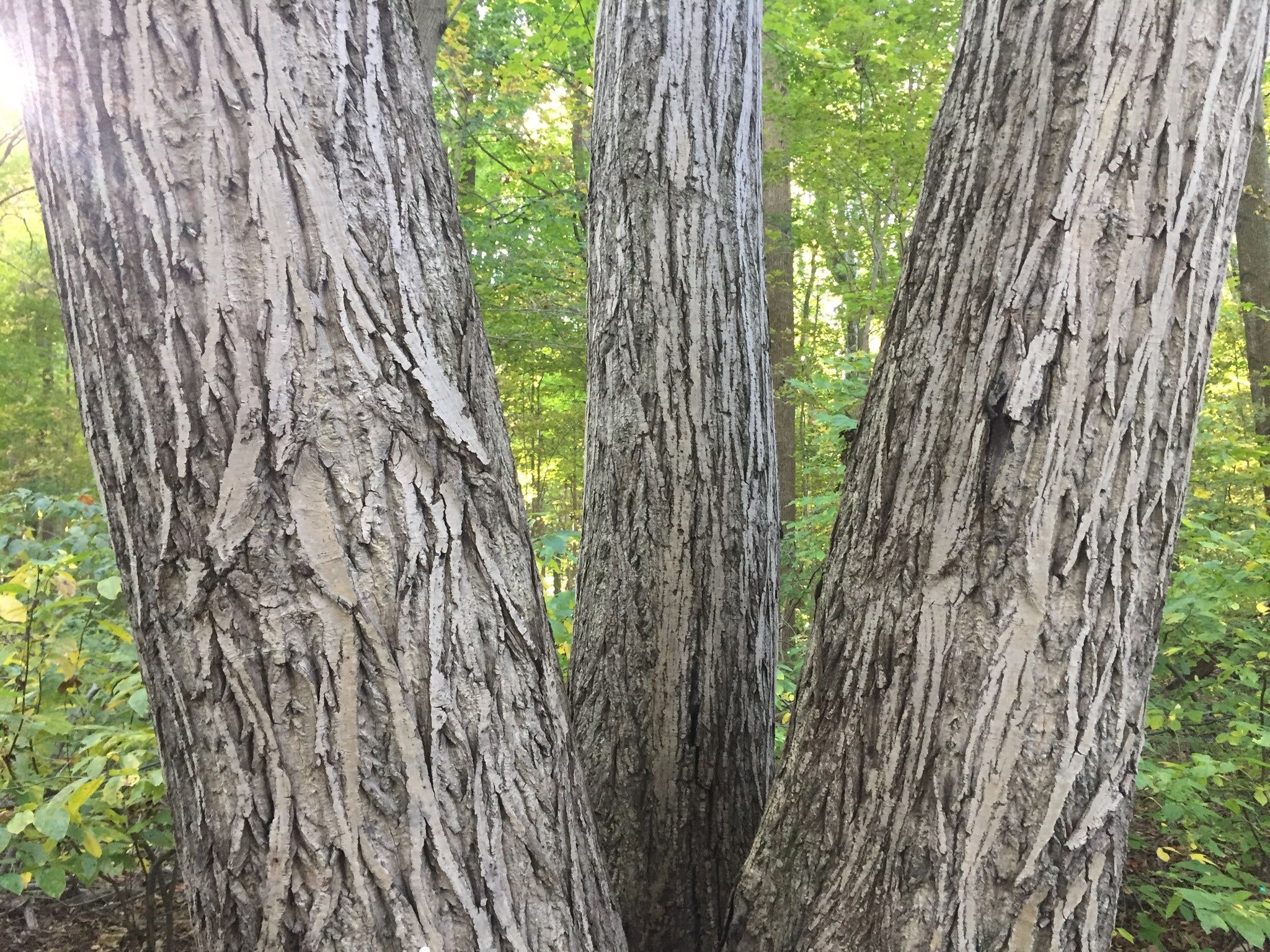
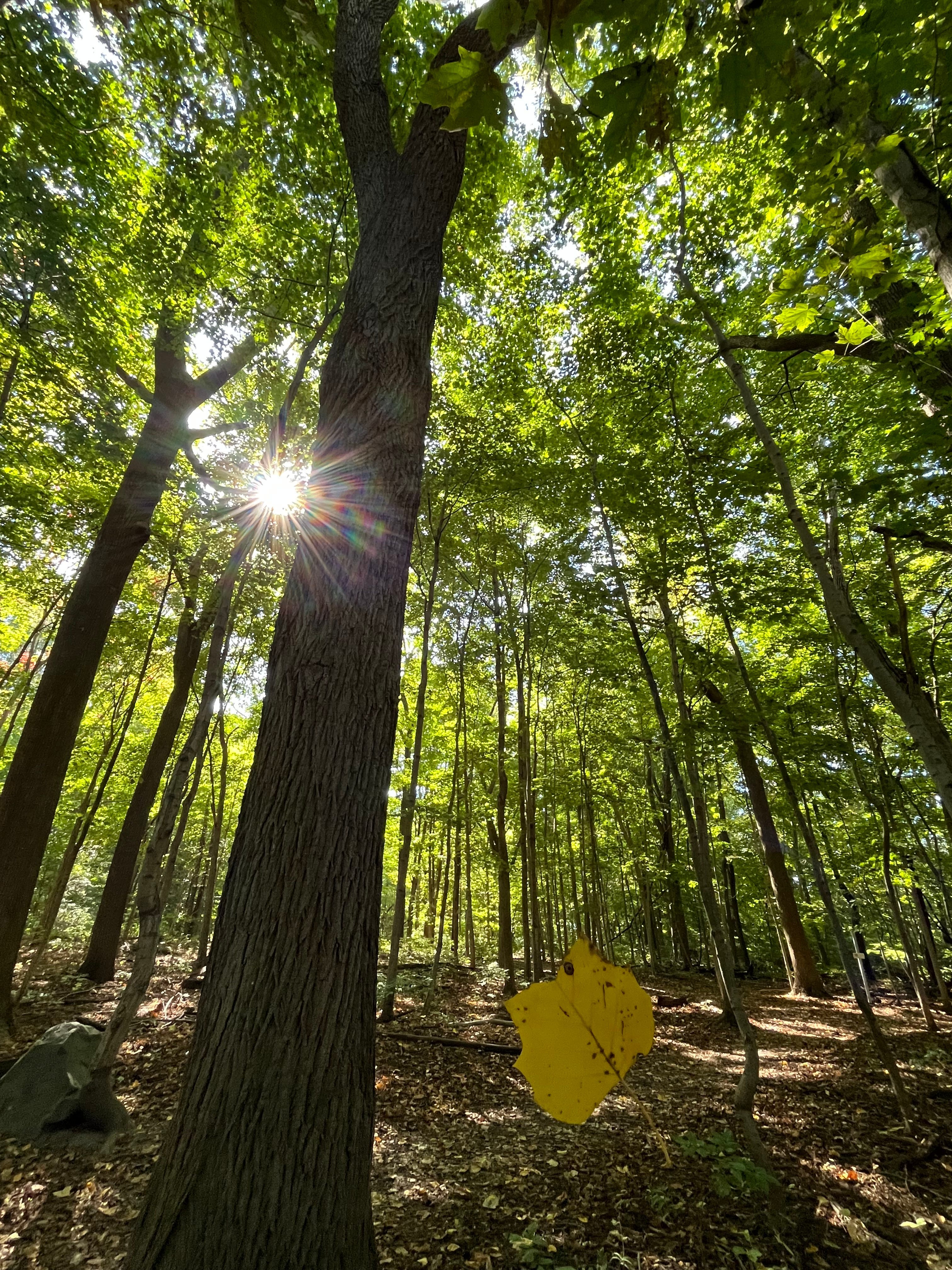
To walk, sit and be present in an old growth forest as the broad leaved rooted beings decide to begin gifting their leaves back to the earth (using your God given pattern recognition capacity to see the relationships between beings) is to take a masterclass in Gift Economics.
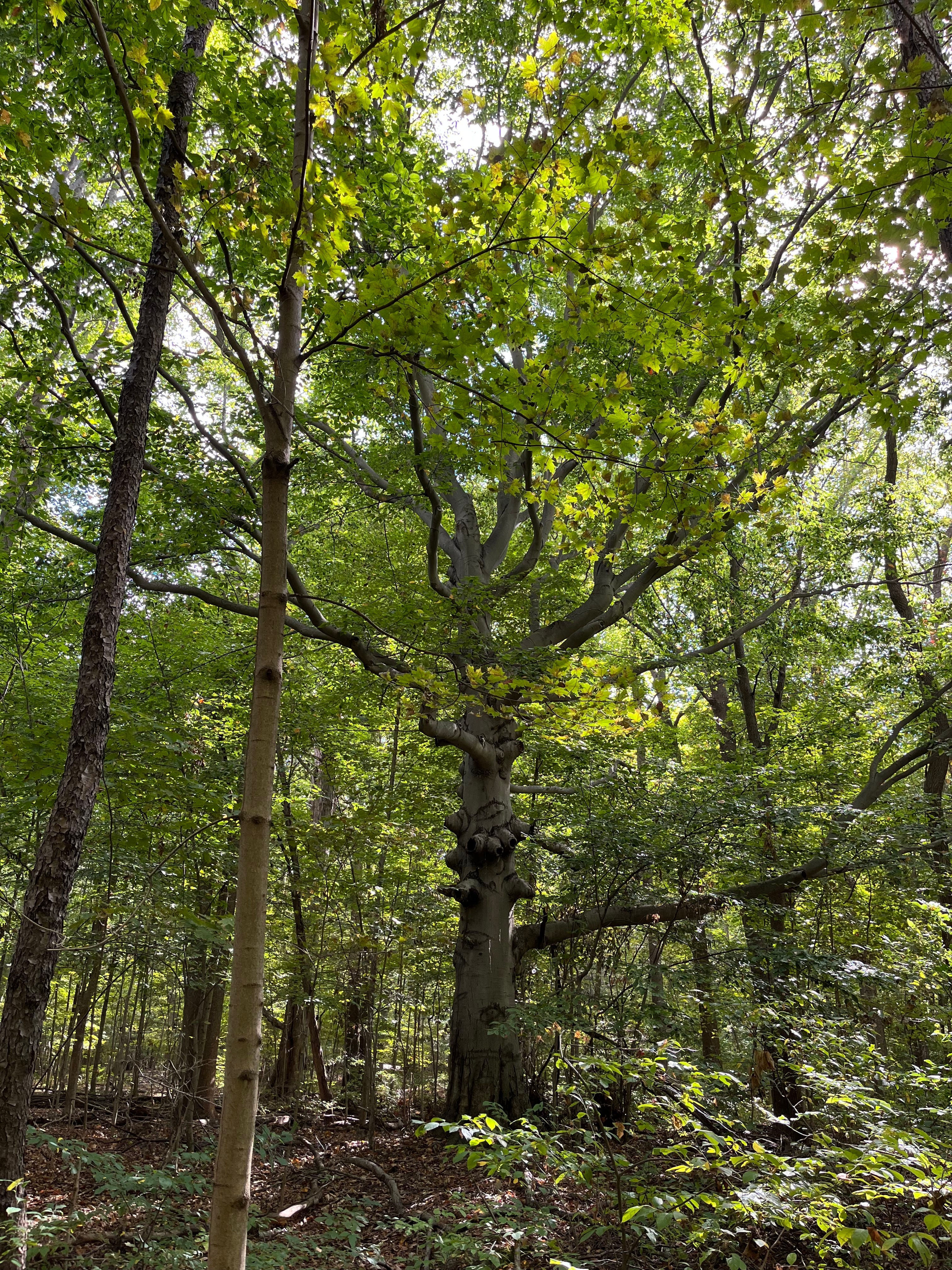
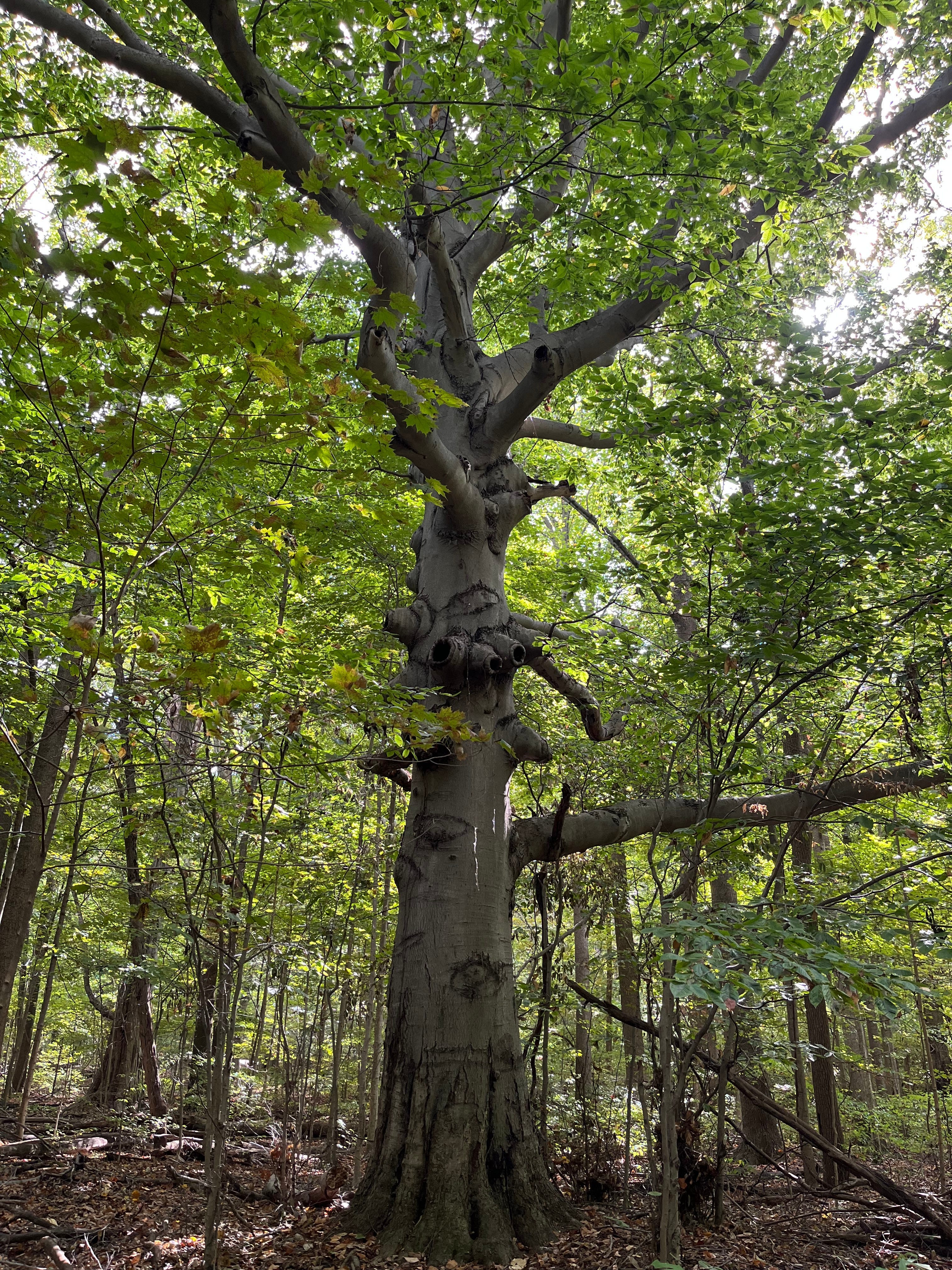
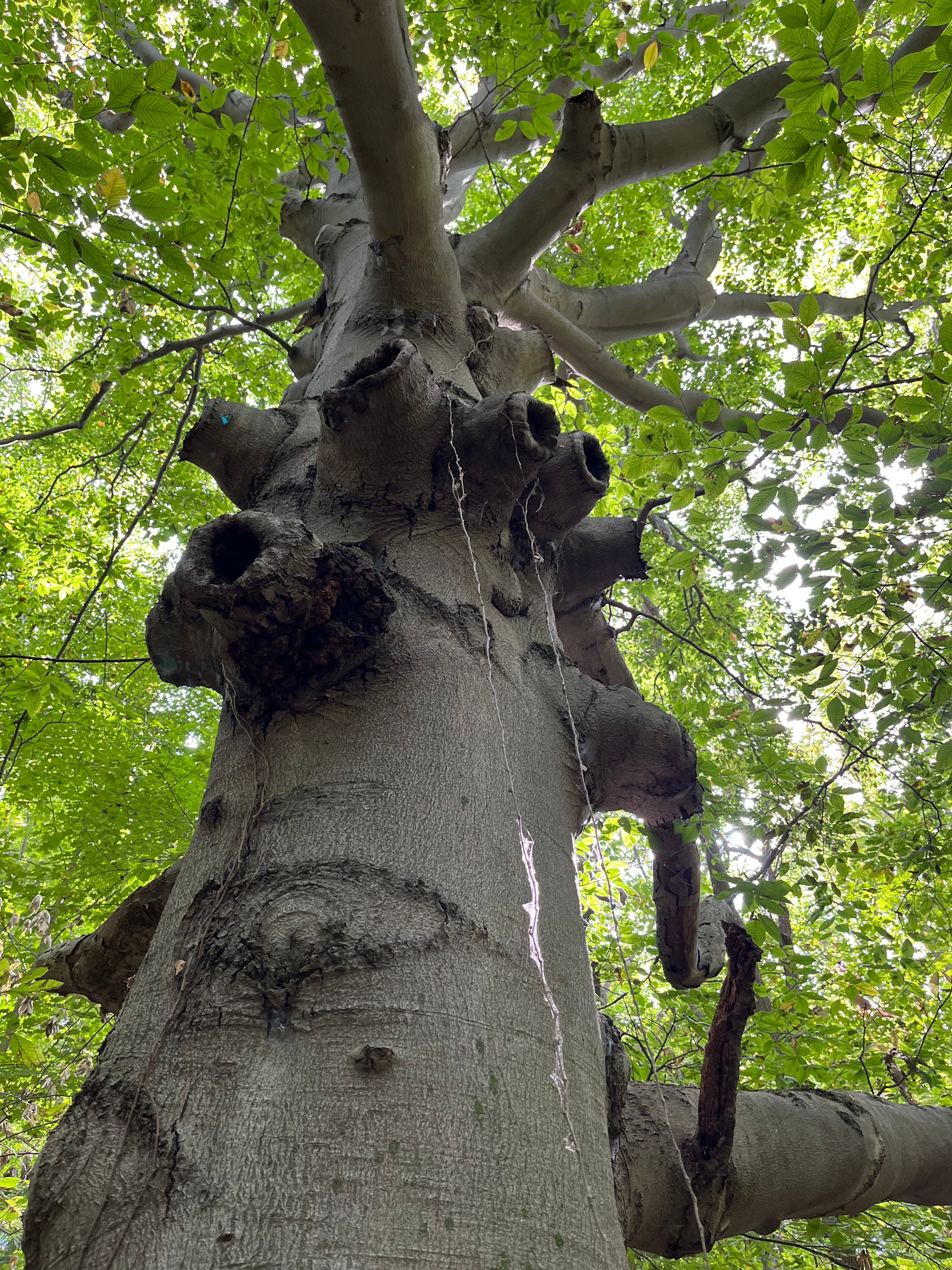
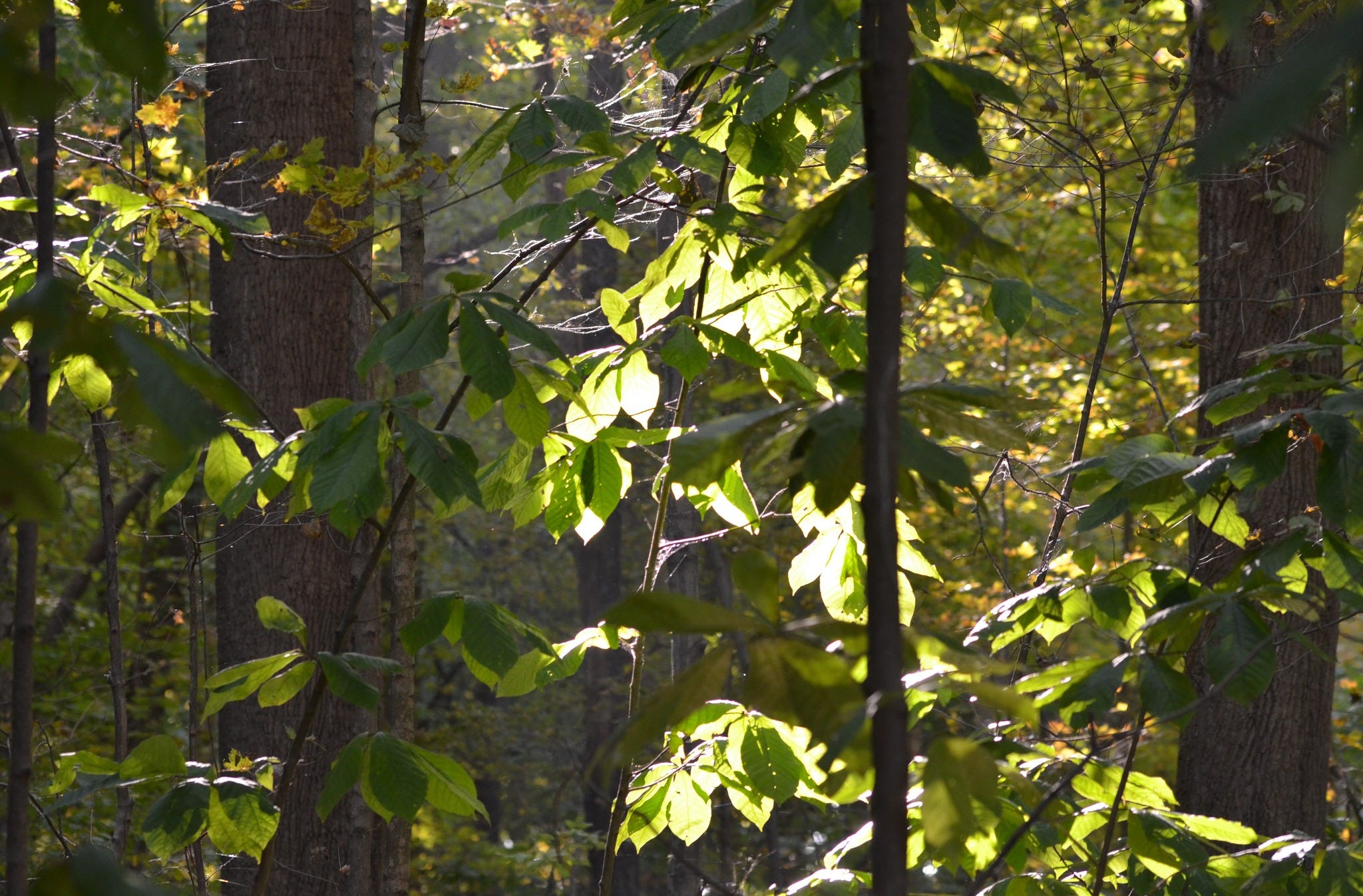
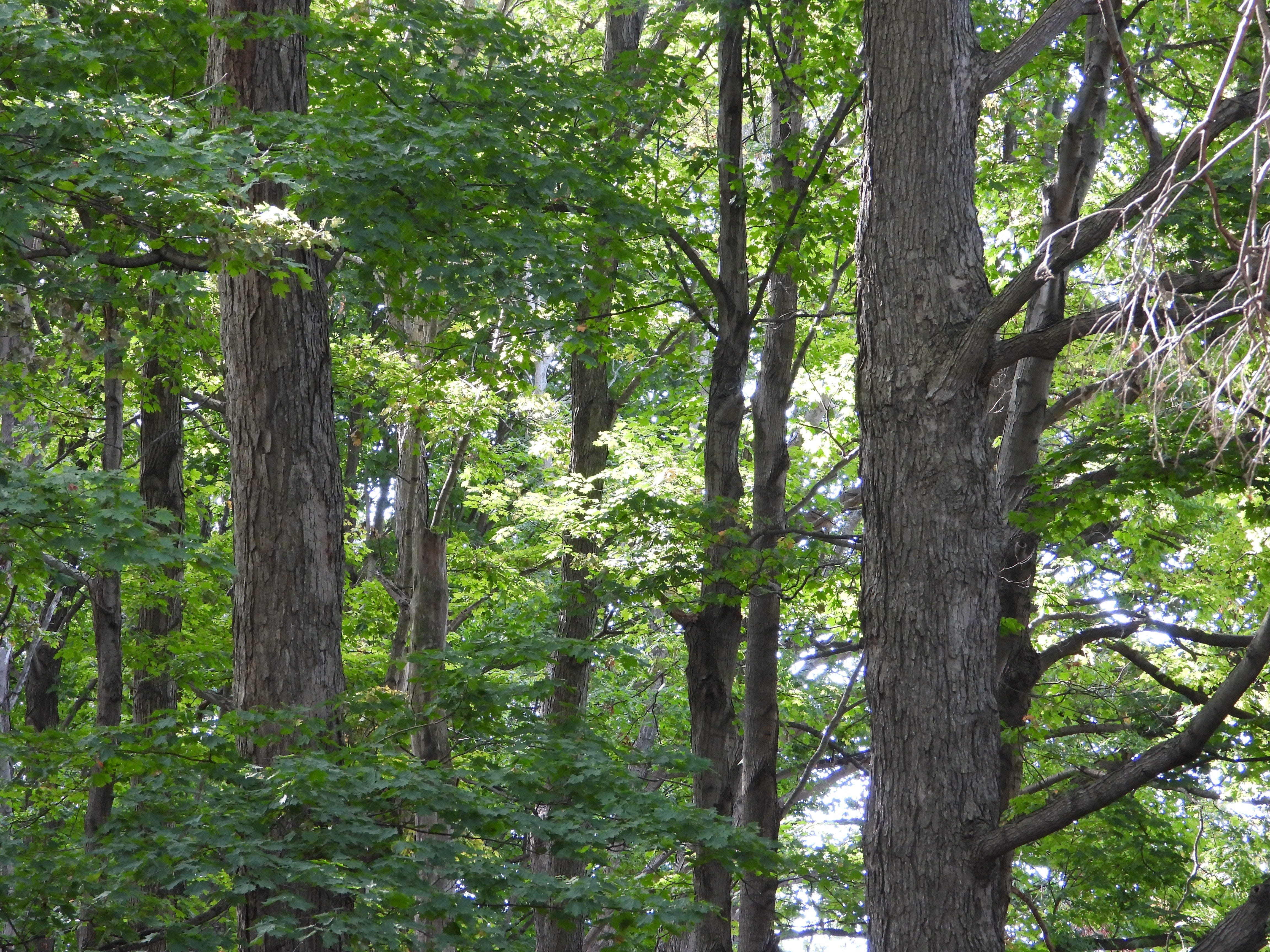
As I walked with my beloved in this small patch of intact Carolinian Forest in southern Ontario (shown above) in silence we watched the tulip, ash and beech leaves dancing through the air pirouetting from 100 feet up into the deep nourishing shade of the old growth forest below, intermittently passing through shafts of sunlight and being lit up in radiant gold, like they were being honored as the cherished gifts that they are in maintaining the soil health of that ecosystem.
These relationships between beings tall and beings small and beings that crawl invite us to remember what our ancestors understood, that life is a gift and our lives are only made possible by the myriad gifts we receive in every moment (from beings both alive and those in the death process, transforming back to life through fungal / soil alchemy) and this receiving of countless gifts comes with a responsibility to find some way to reciprocate.
This is one of the reasons why cultures that had animistic lenses of perception and tended these forests (rather than chopping them down out of ignorance and/or greed) were capable of developing advanced degrees of cultural maturity and emulating the wisdom present in these blue prints given to us by the Creator (for a community of life that provides abundance and health ) in how they structured their society and worldviews.
Seeing the cathedrals made of living trees that Creator put here as both a hallowed place for prayer as well as a class room, we can begin to walk a path with a heart again and move our societies and cultures out of the veracious maw of the monster of modernity and back towards a viable, place based, humble and healthful way of living that can leave this world more rich and beautiful than it was when we got here for the 7th generation after us.
This is one of the many reasons we (as stewards of the earth and recipients of countless gifts from the earth) must strive to learn about our local forest ecology, find any remaining primary old growth habitat that has survived being “civilized” and fight with irrepressible conviction, love and fierceness to protect it.
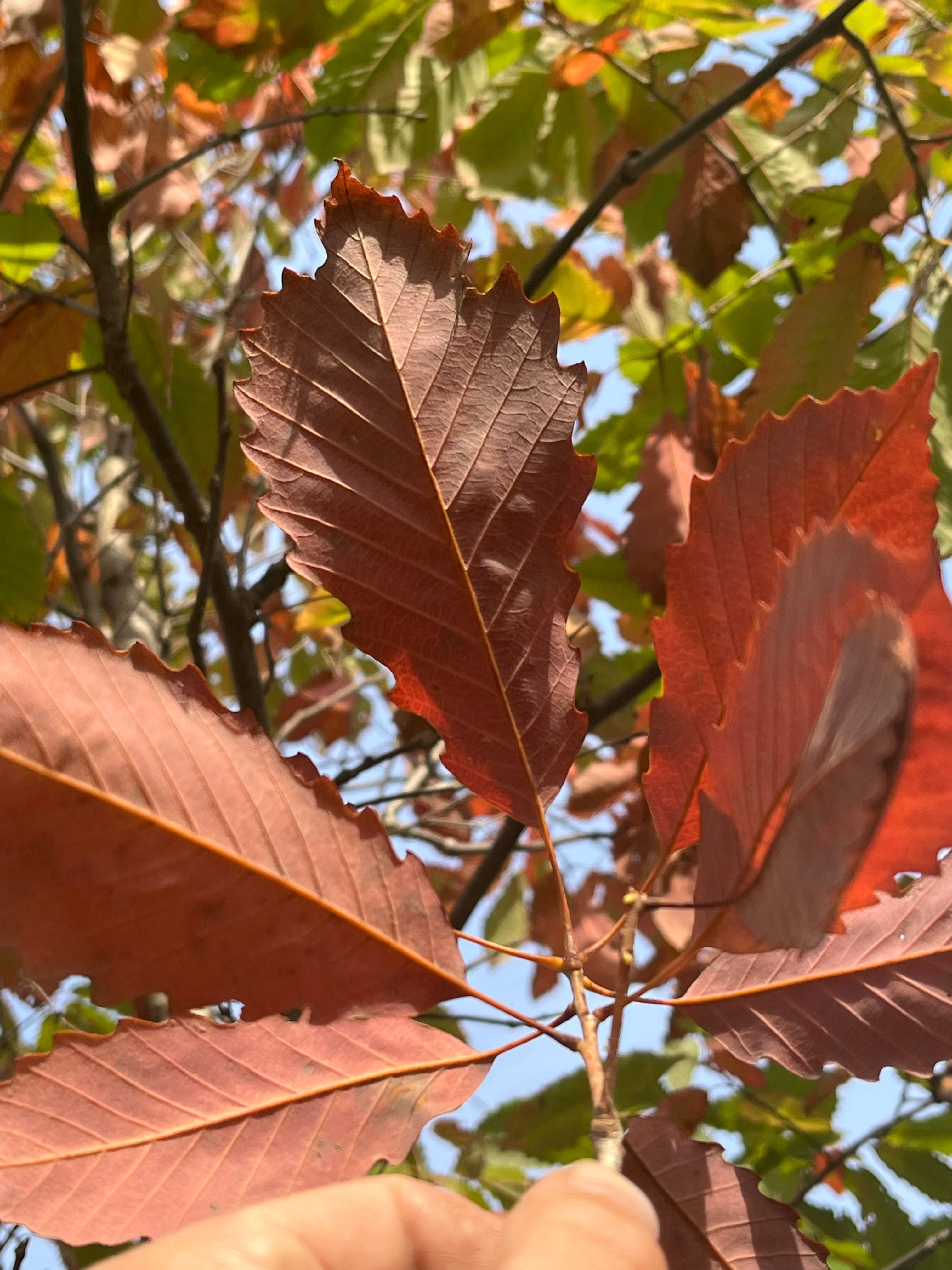
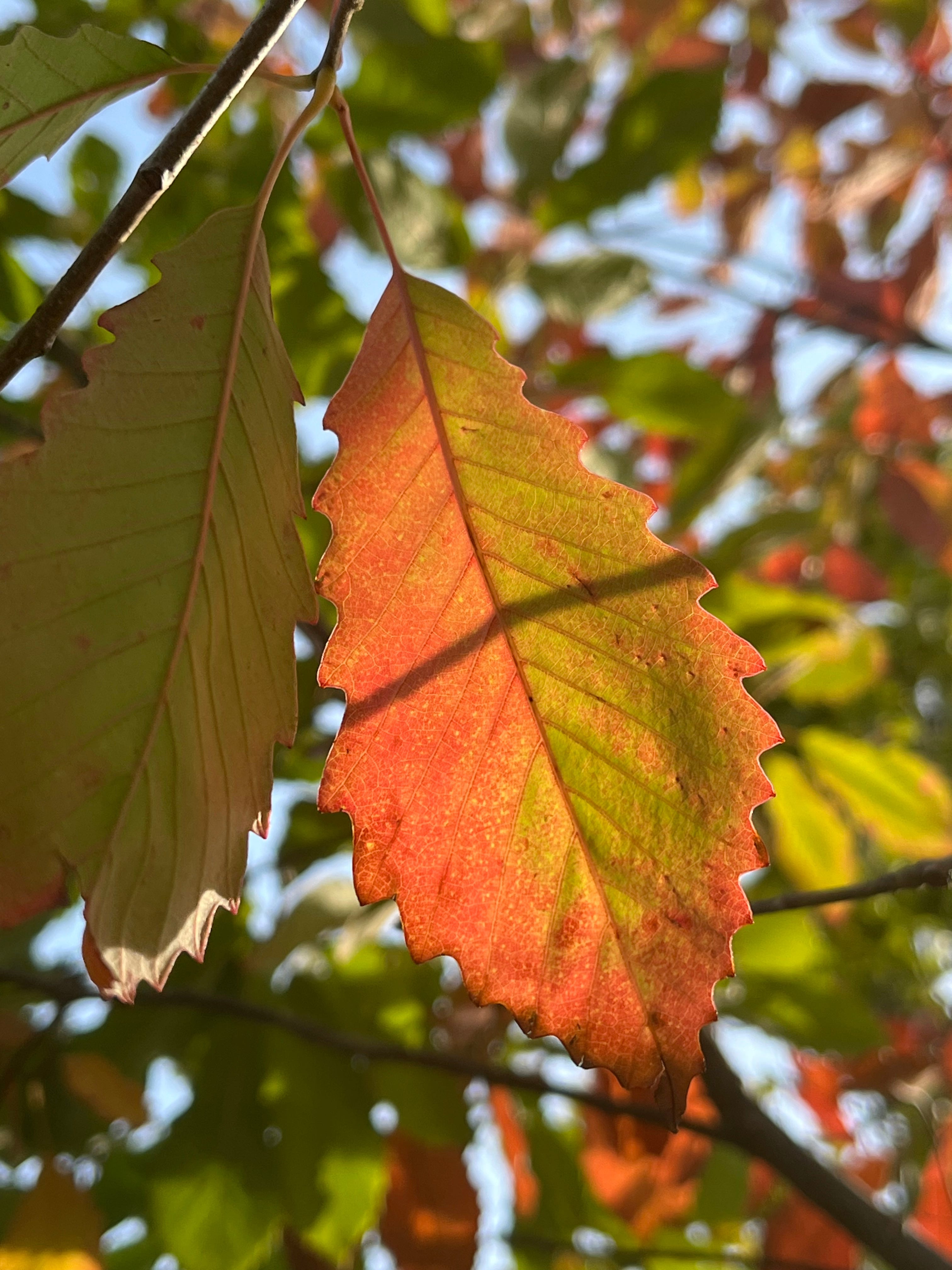
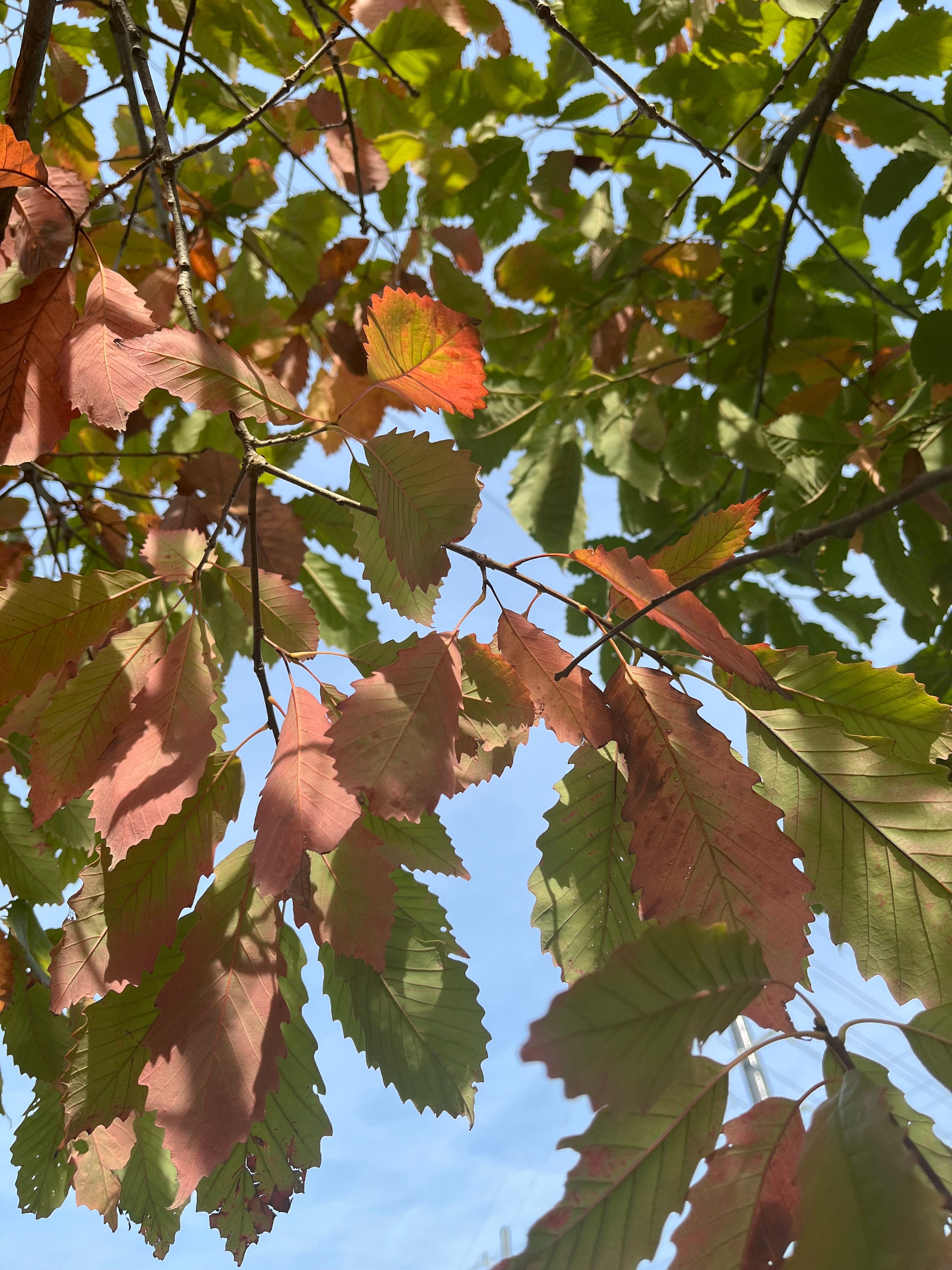
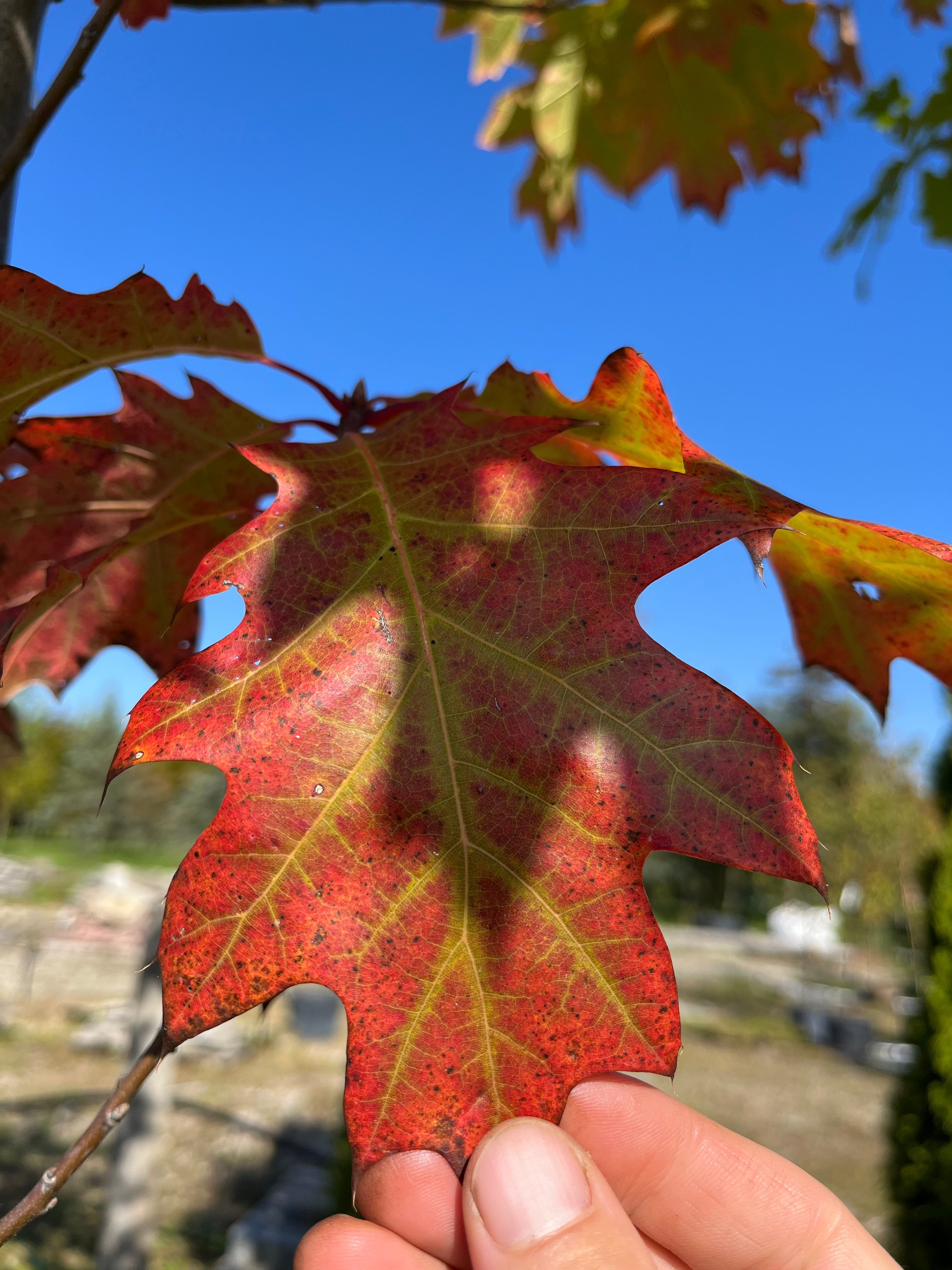
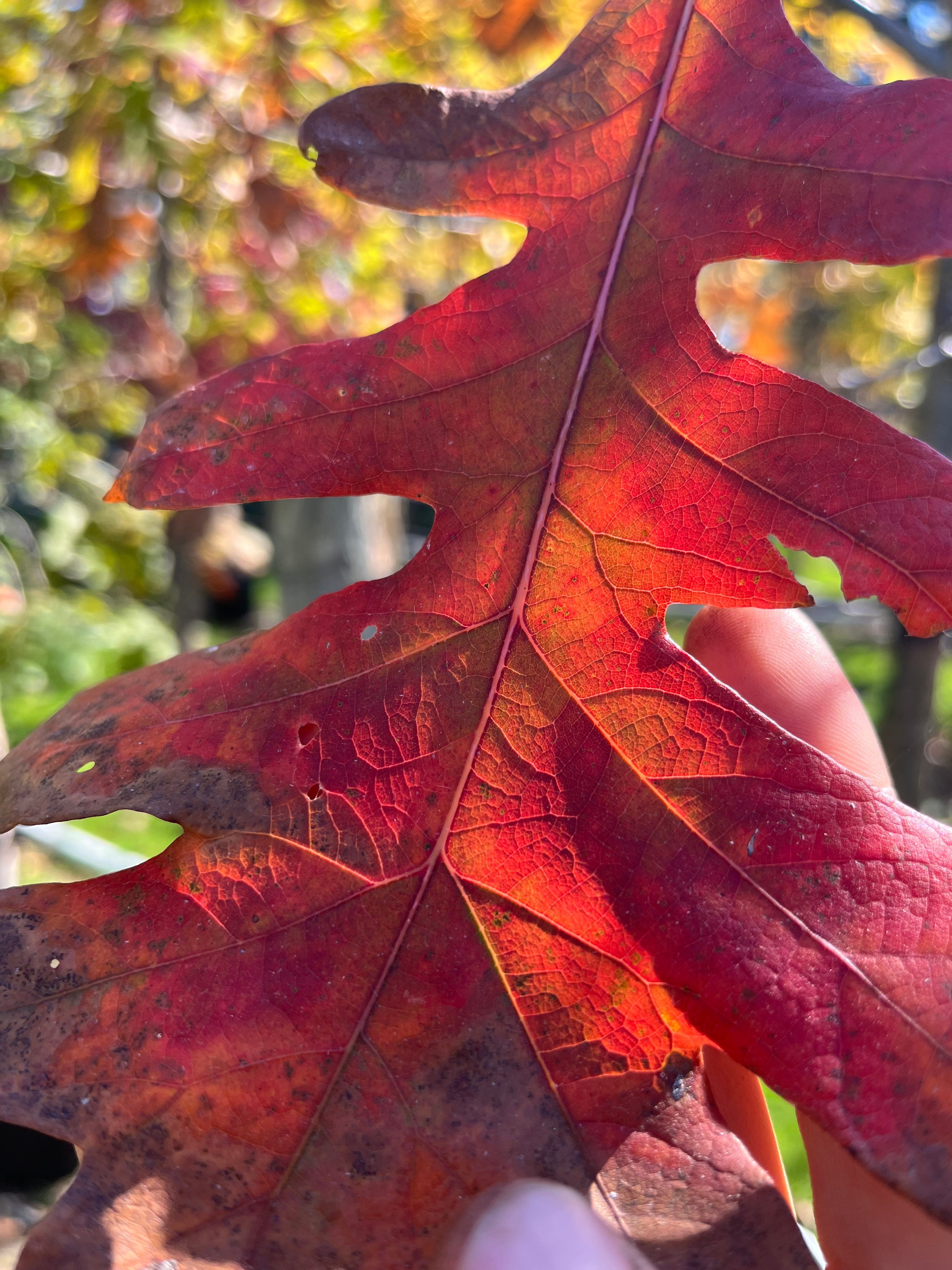
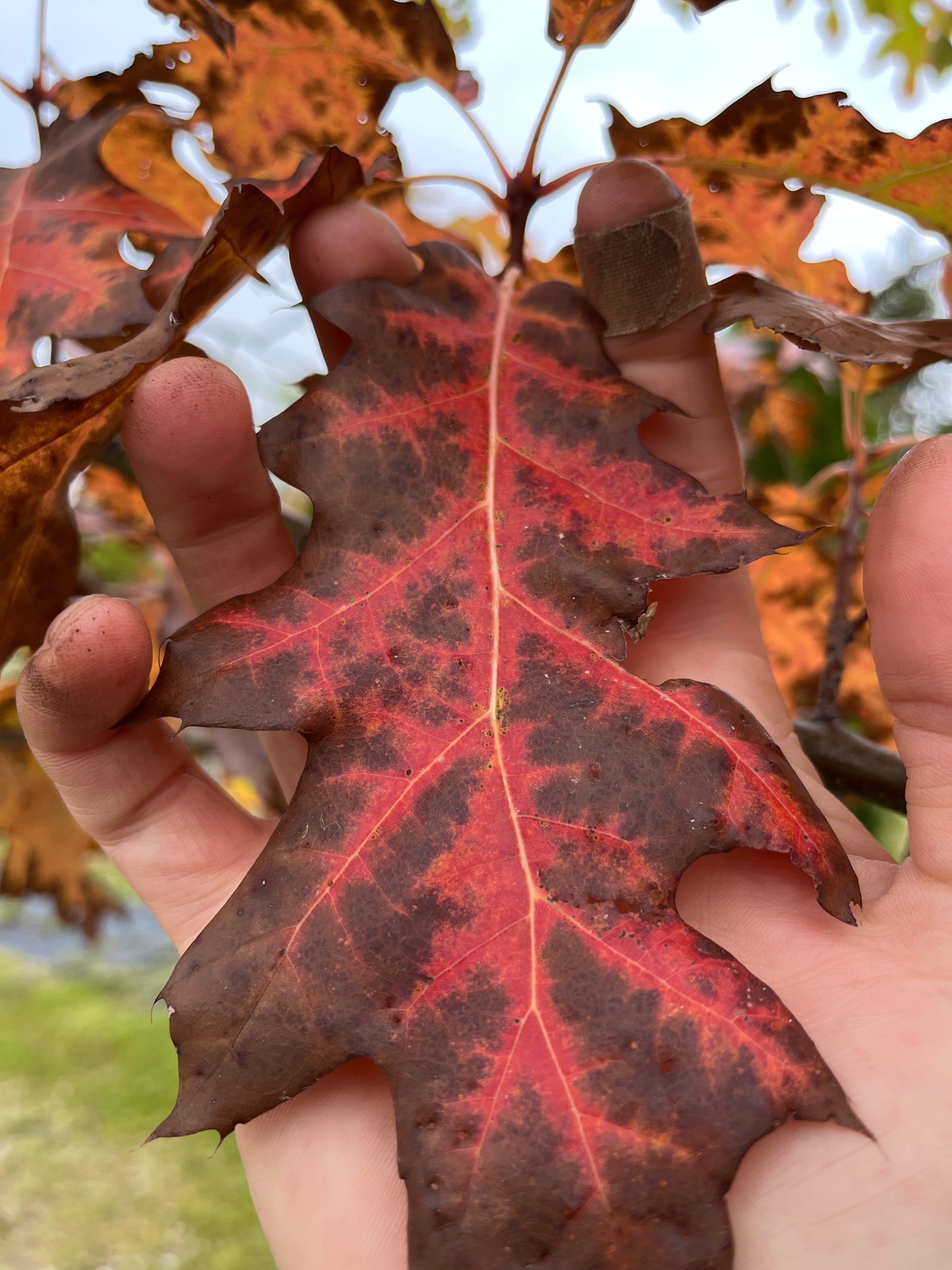
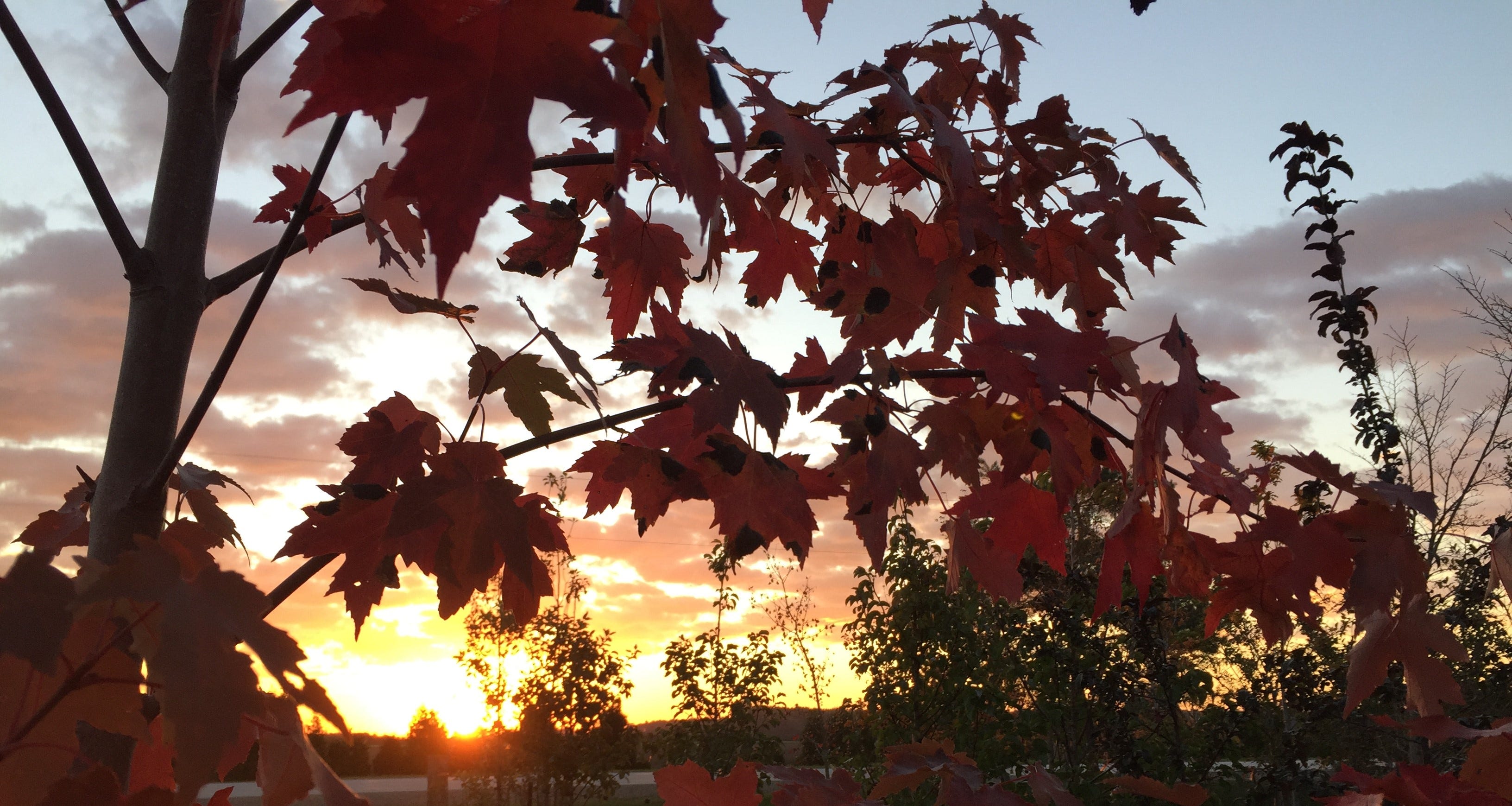
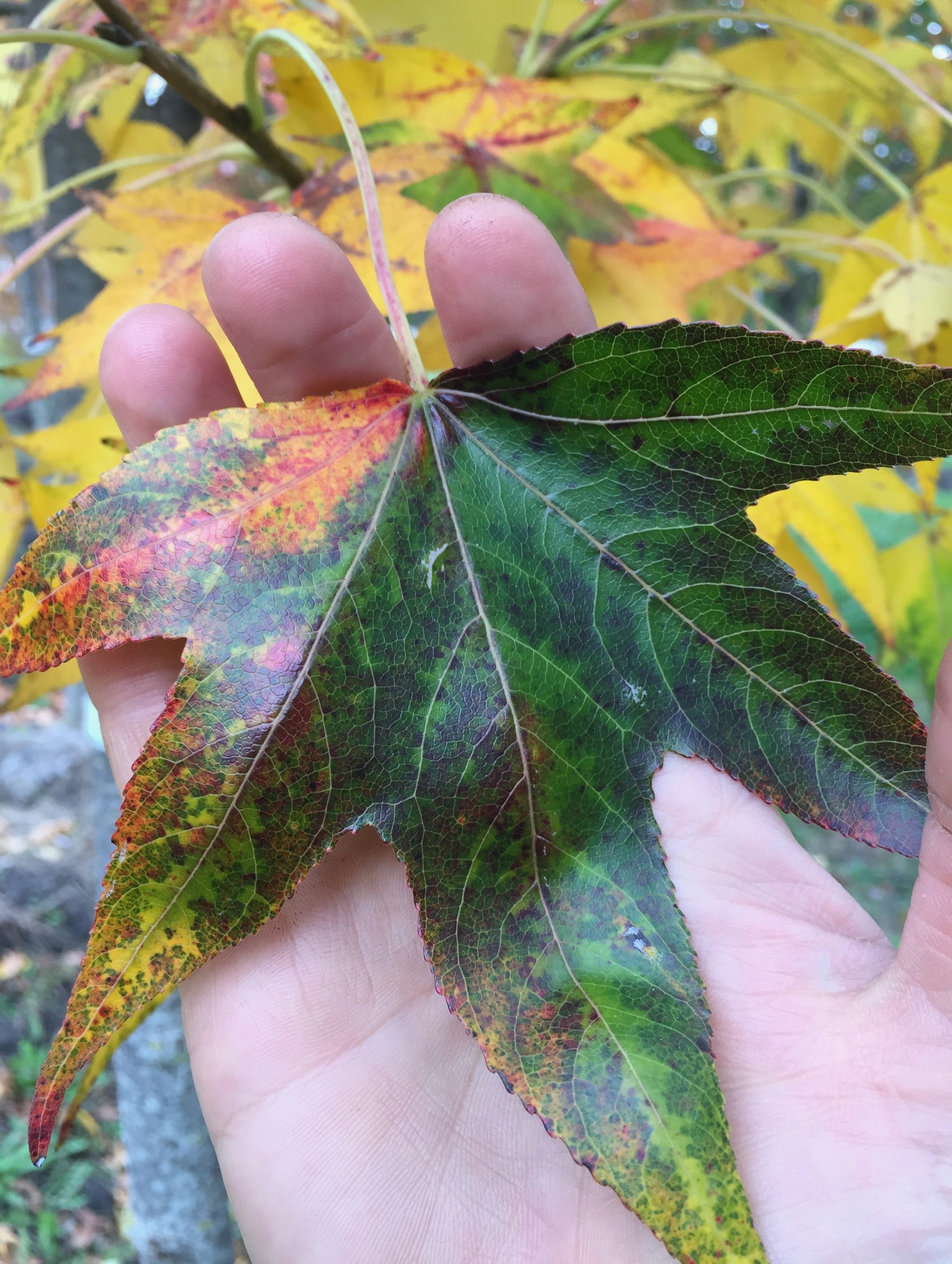
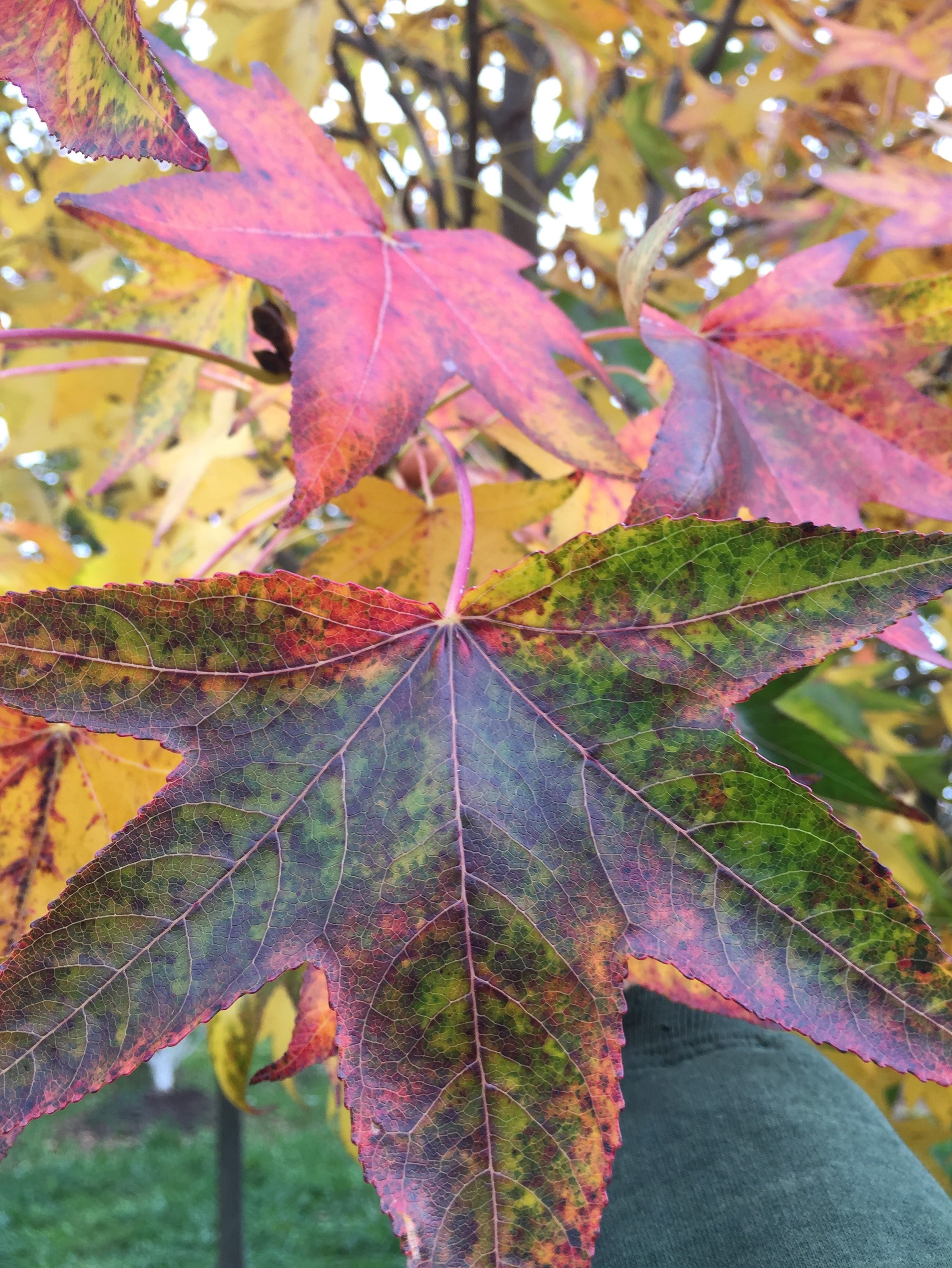
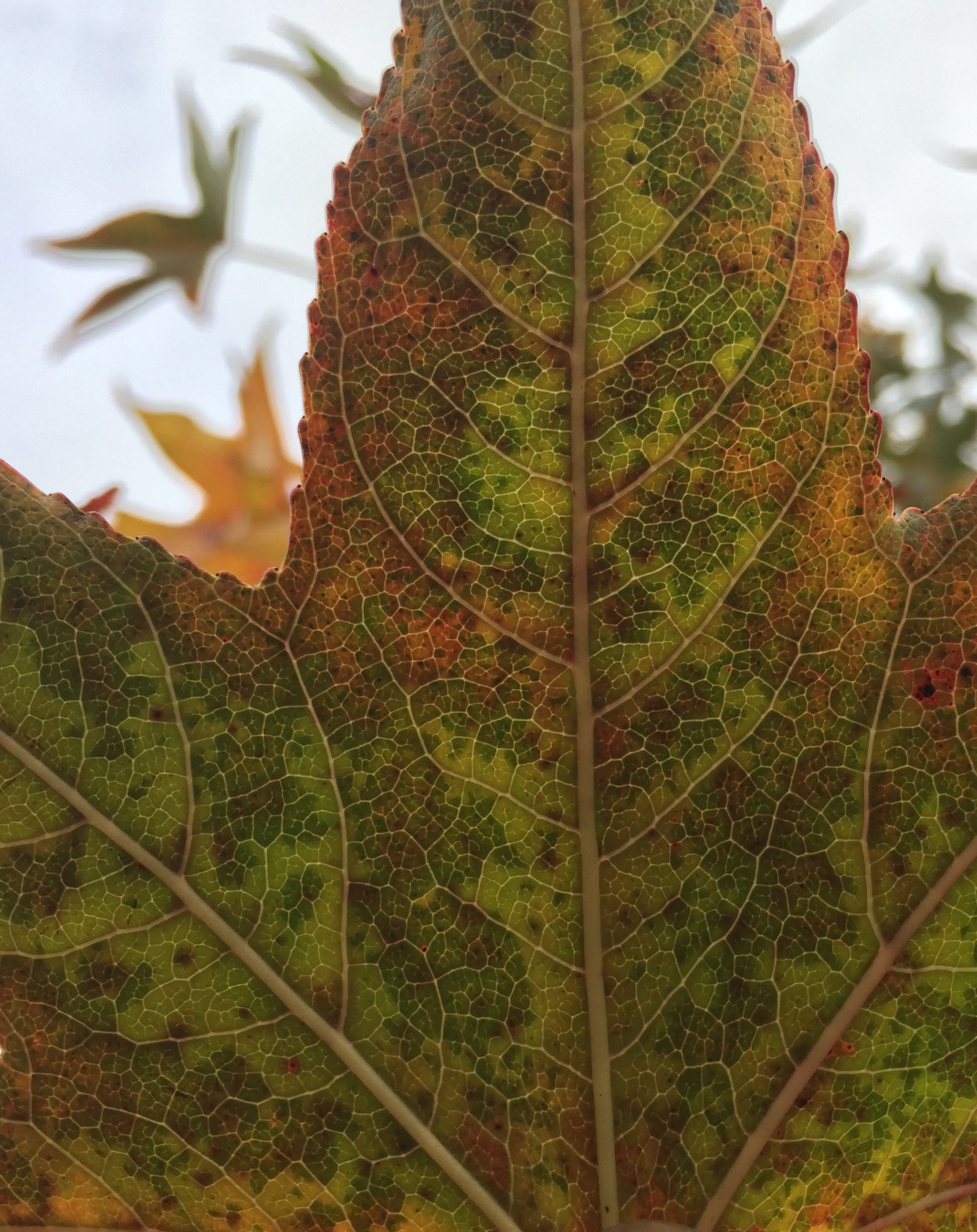
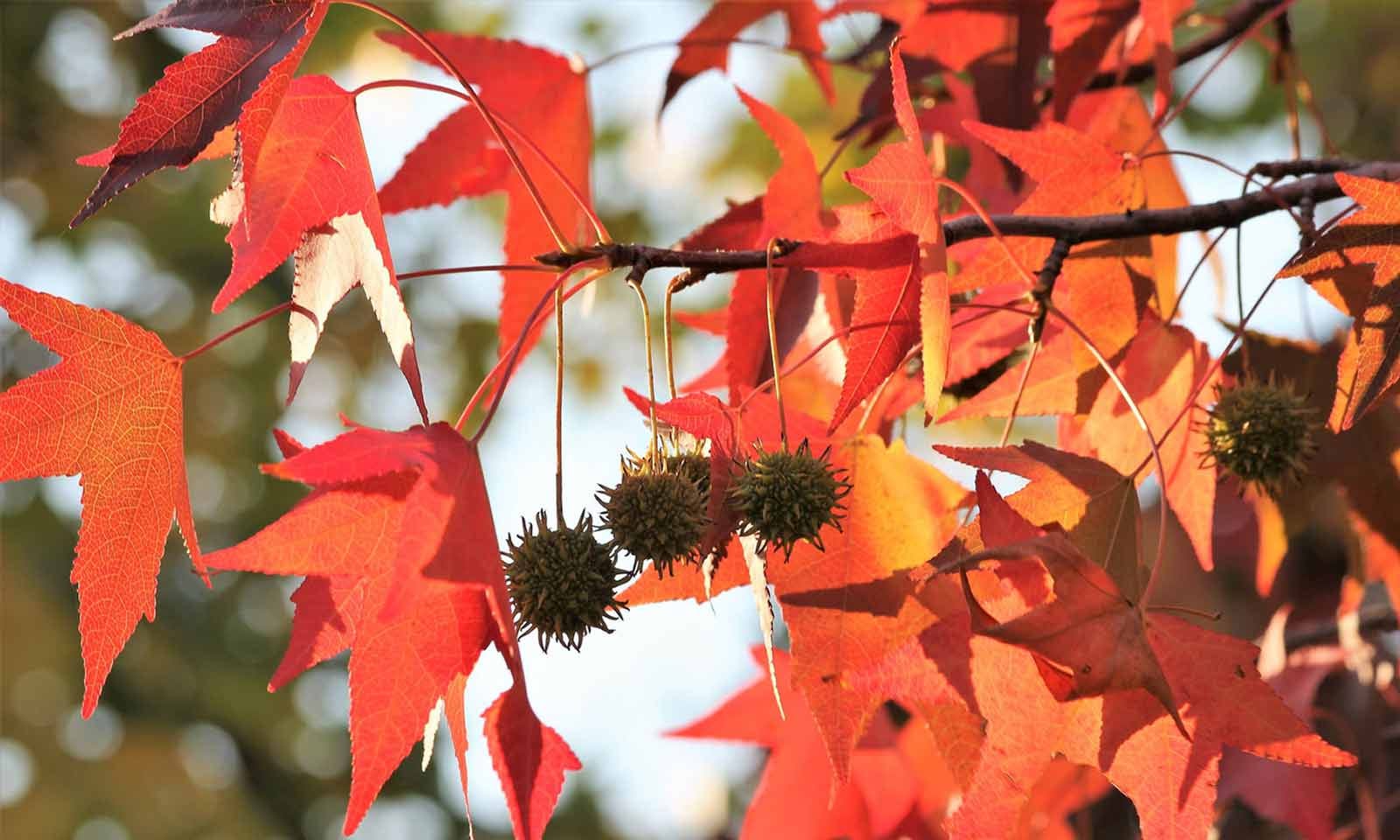
For information on the medicinal properties of the Sweetgum Tree check out:
- https://www.ncbi.nlm.nih.gov/pmc/articles/PMC4441155/
- https://mayimfarm.com/pages/sweet-gum-tree
- https://deeprootsathome.com/sweetgum-a-medicine-tree-w-shikimic-acid-to-halt-viral-replication/
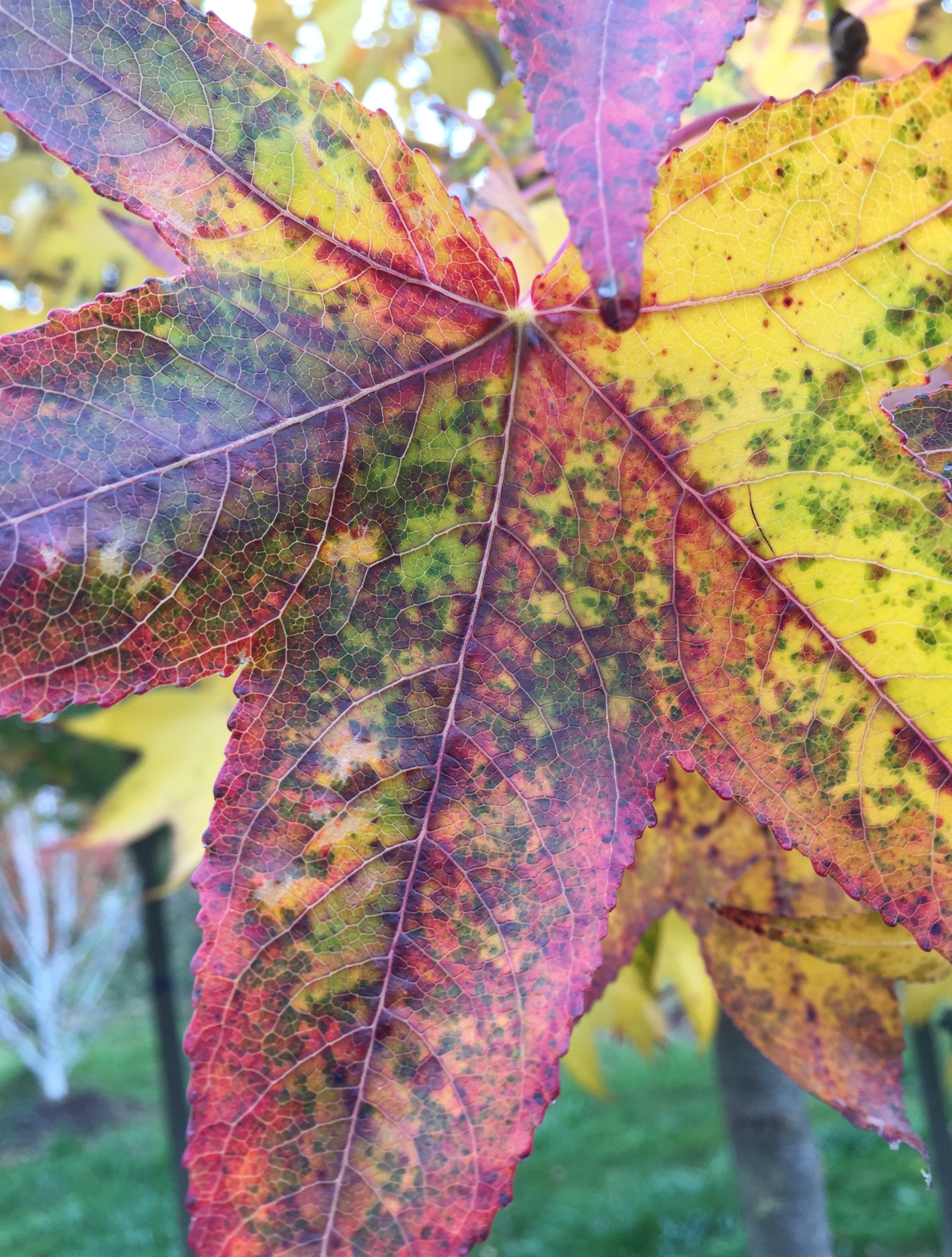
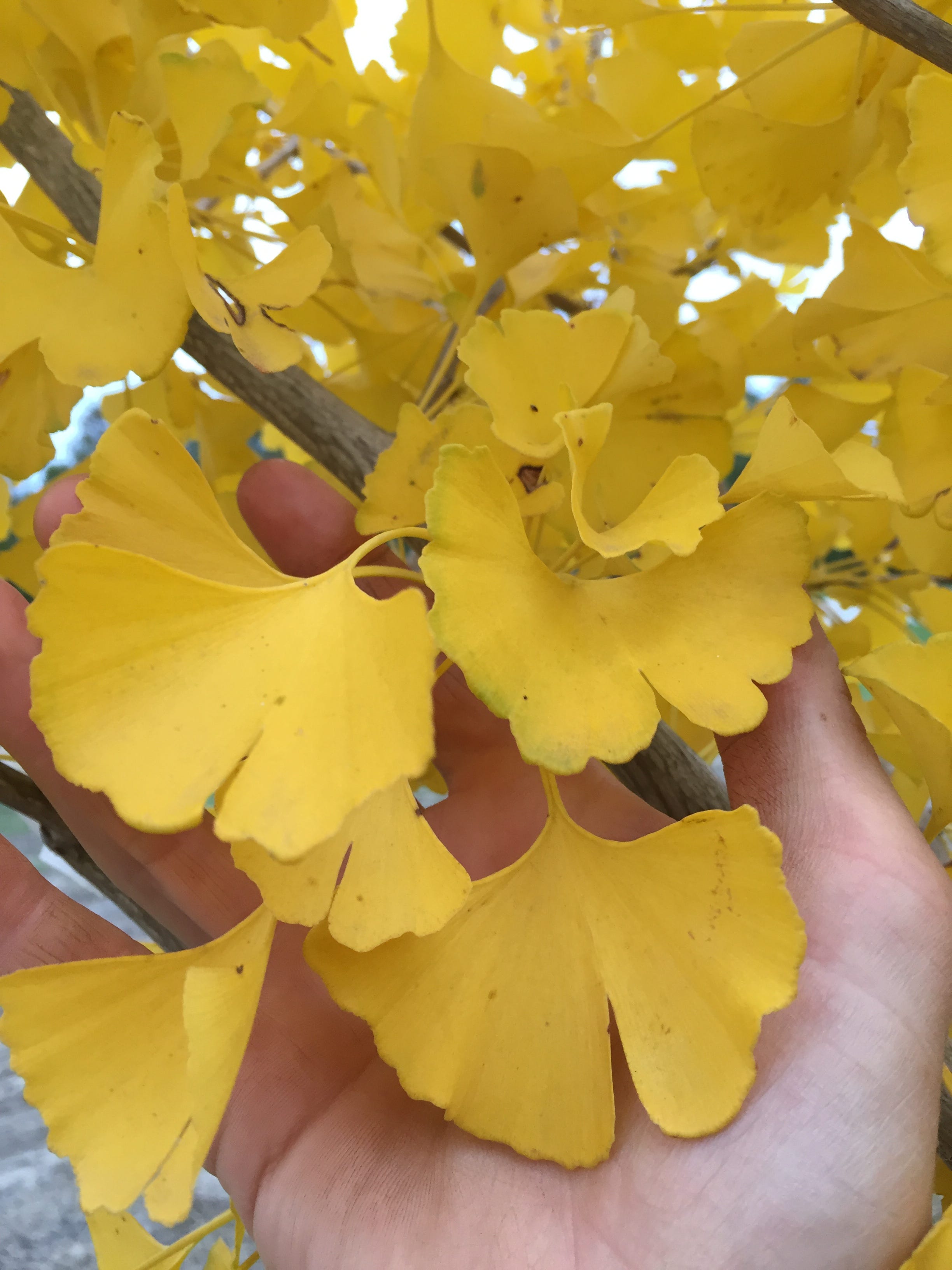
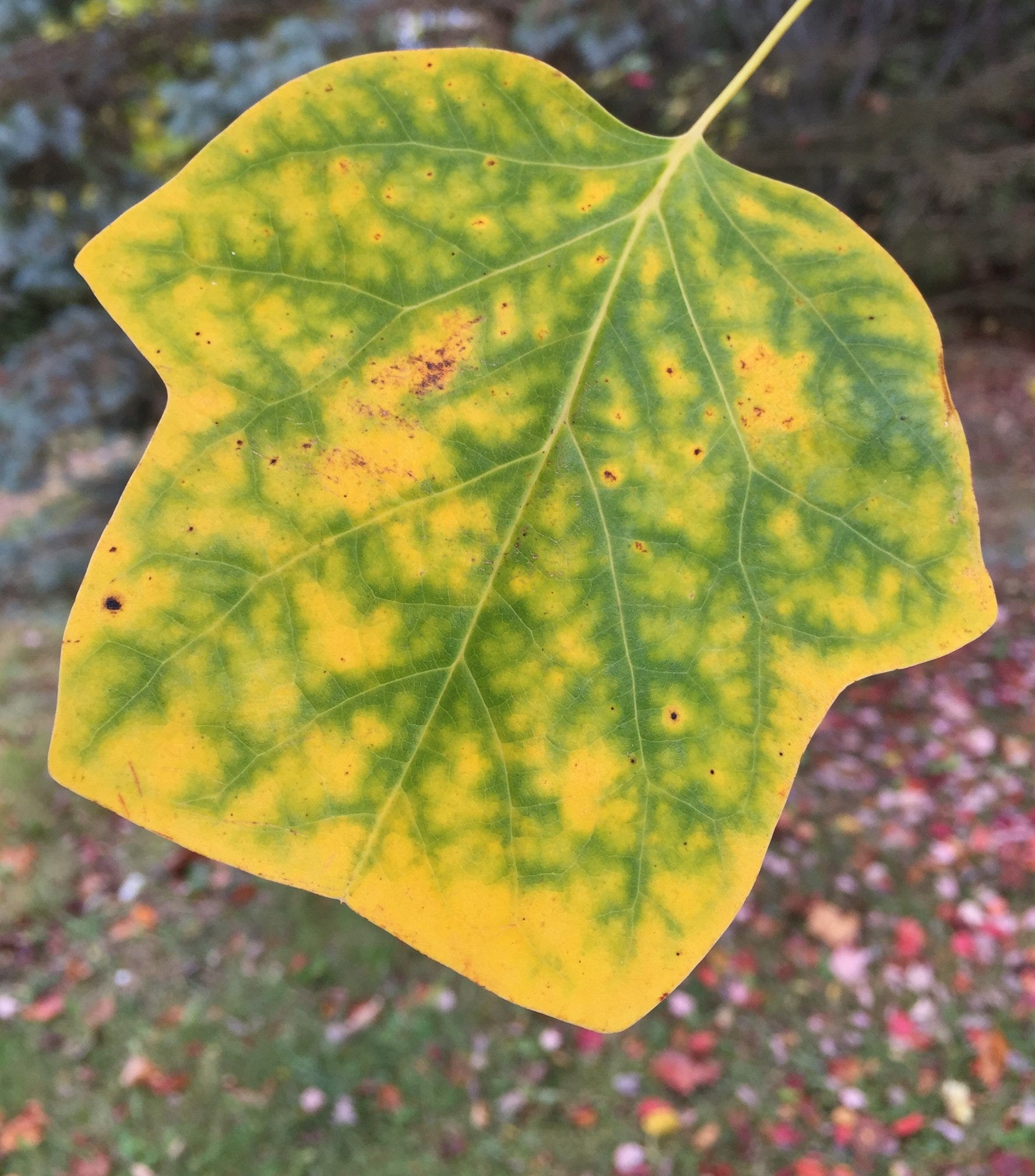
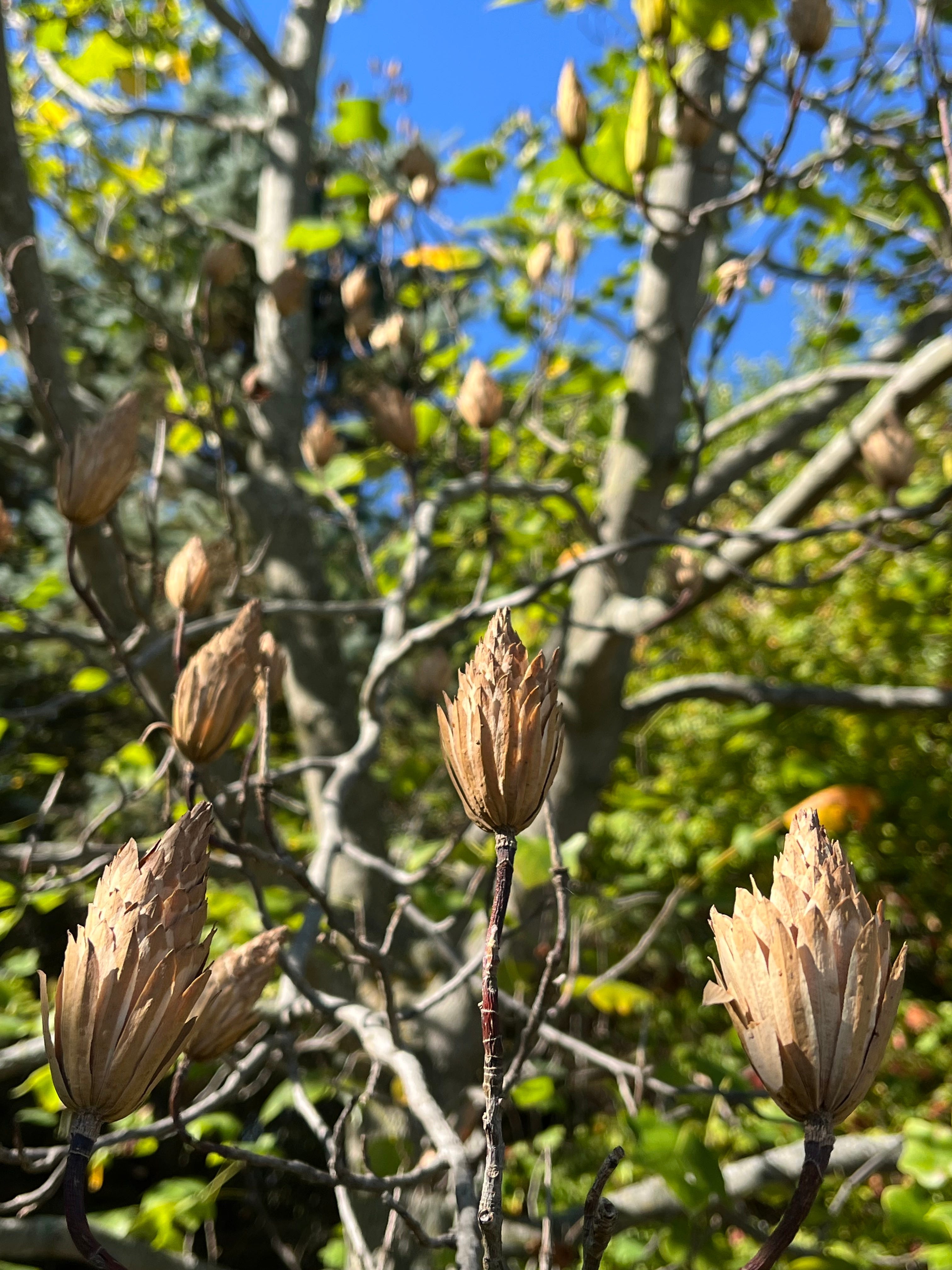
The Tulip Trees open up their beautiful geometrically crystalline seed clusters at the 42nd parallel in the eastern woodlands of Turtle Island at this time of year. The pointy seed clusters unfurl into a crown shape before sending the seeds zooming down towards the rich earth.
These trees used to be prevalent super canopy trees in southern Ontario about 200 years ago. Towering sometimes 60-100 feet above their oak, hickory, walnut and maple forest kin and living 4 or 5 times as long as a human being. The tallest known currently living Tulip tree is 190 feet tall.
Alas, the British navy had a war racket to perpetuate and the giant straight trunks of old growth tulip trees were coveted for navy ship masts (and thus 99.999%) of the old growth trees were targeted to be cut down for furthering their war profiteering.
These trees are exceptional nourishers of pollinators and elder trees make a home for birds of prey to build their nests. These rooted beings also provide medicine for humans.
I like to gather these seeds and plant them out on the edges of parks where they might once again become the kings of the forest they once were in centuries past for inspiring and nourishing those that call this place home after I am gone.
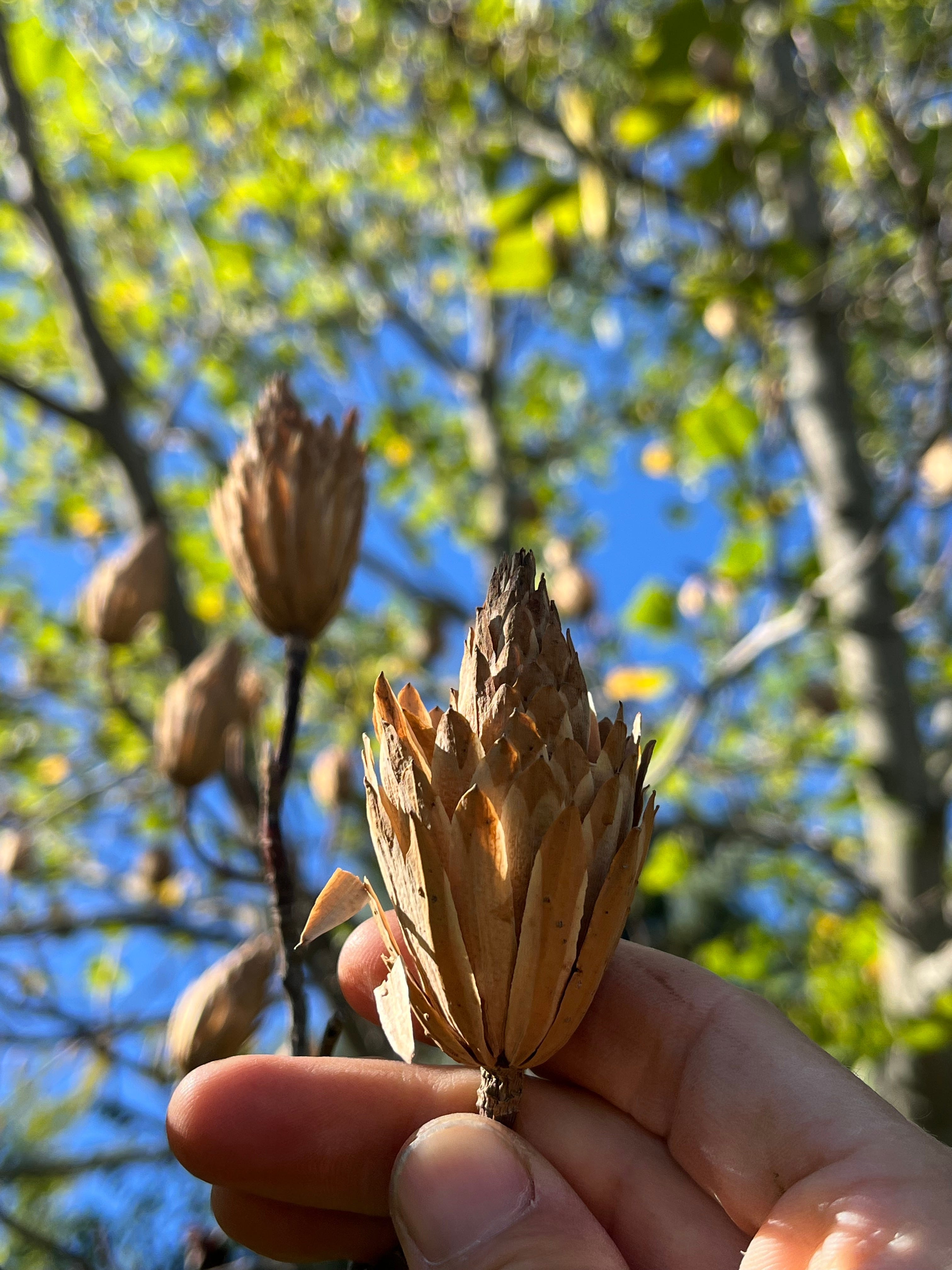
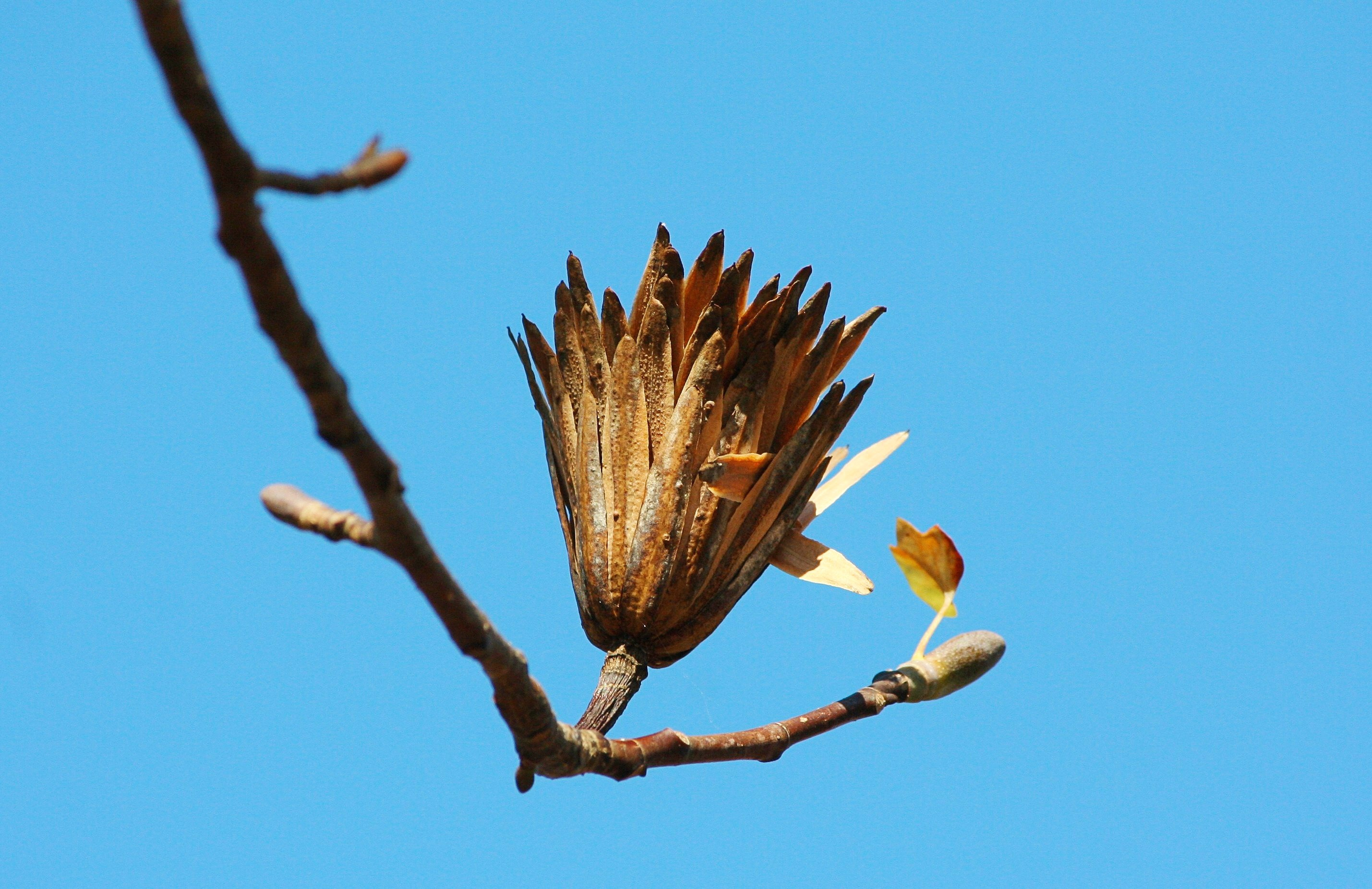
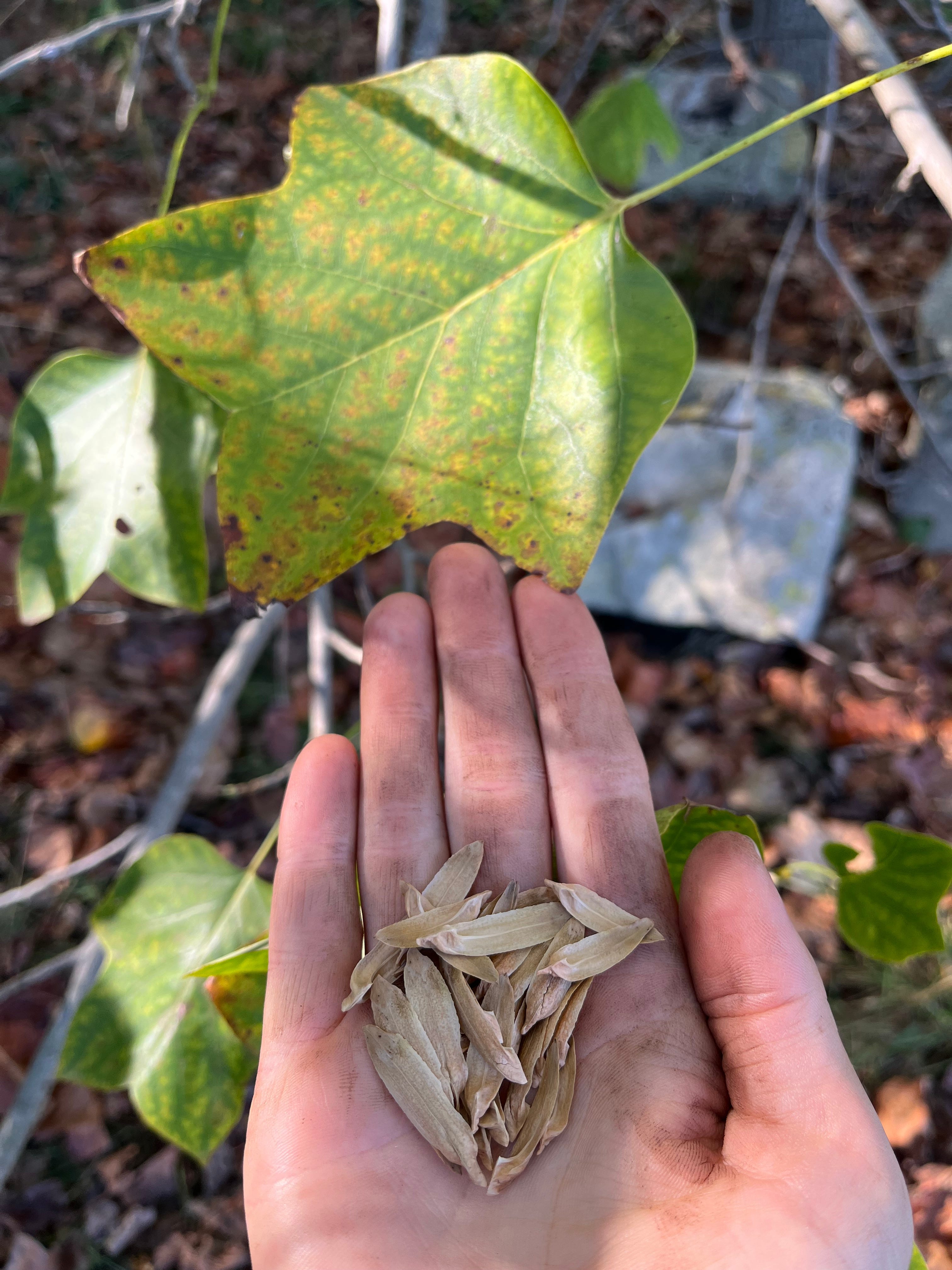
Each of these seeds in the pic above has the potential to become a rooted being that towers above the majority of the Carolinian forest trees, living to be over 300 years old and producing thousands of litres of nectar for pollinators.
Each one could offer a home for multiple bald eagles or hawks to build their nests and each one will shower the earth with golden gifts of nourishment (leaves) made out of a combination of starlight, air, subsoil minerals and perseverance for centuries.
Those ten million leaves will become a deep blanket of living soil providing a home and nexus for life for countless beings for millennia long after the elder tree has given her body back to the earth.
Such are a small sampling of the many blessings each of these seeds can gift the world if they are given the chance to grow and tended lovingly.
We humans are in the unique position to potentiate these latent gifts if we combine them with our own.
Check out my this post to learn more.
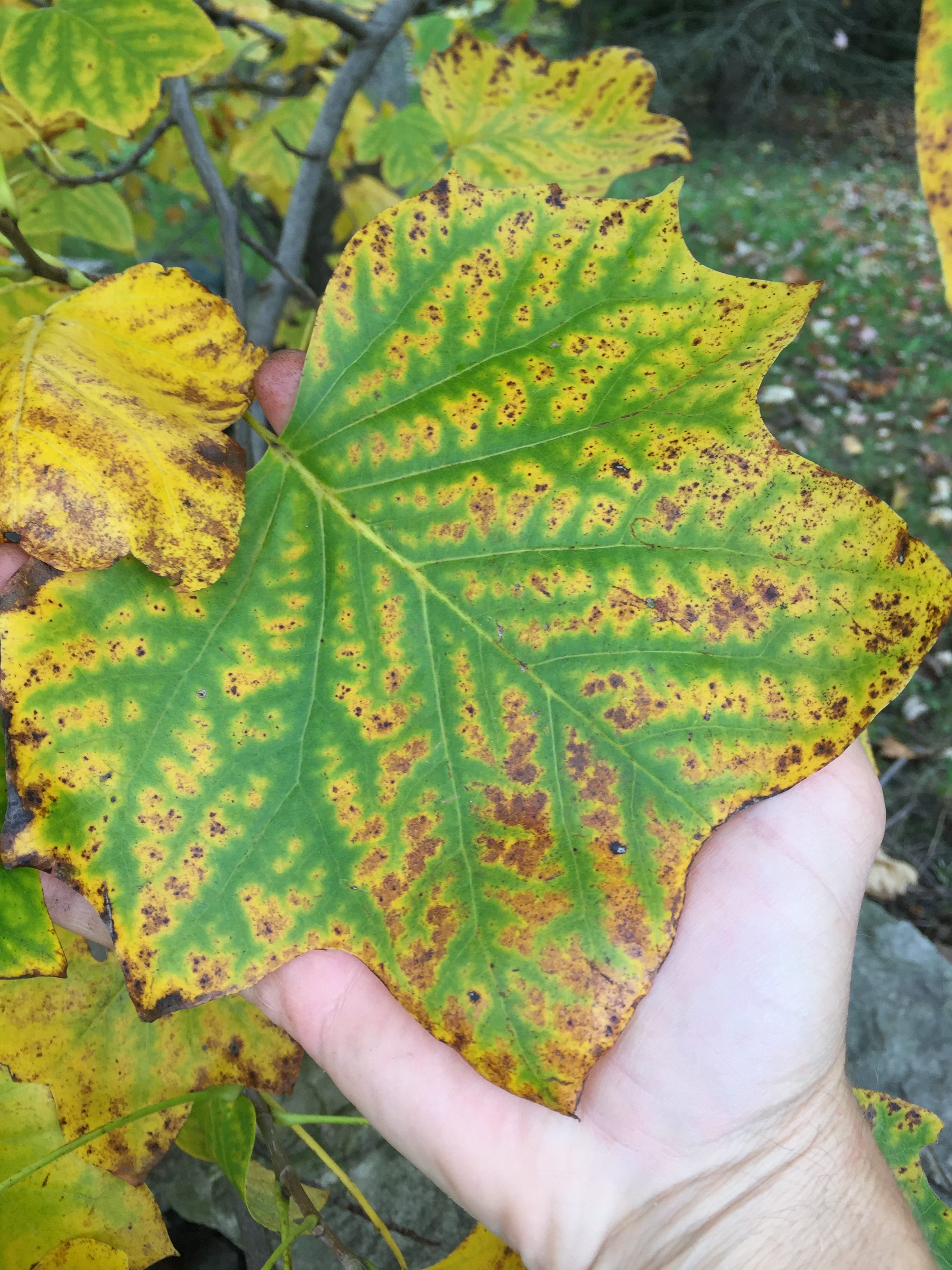
Sometimes we get some scary storms at this time of year


After the storm however, always come another beautiful autumn day!
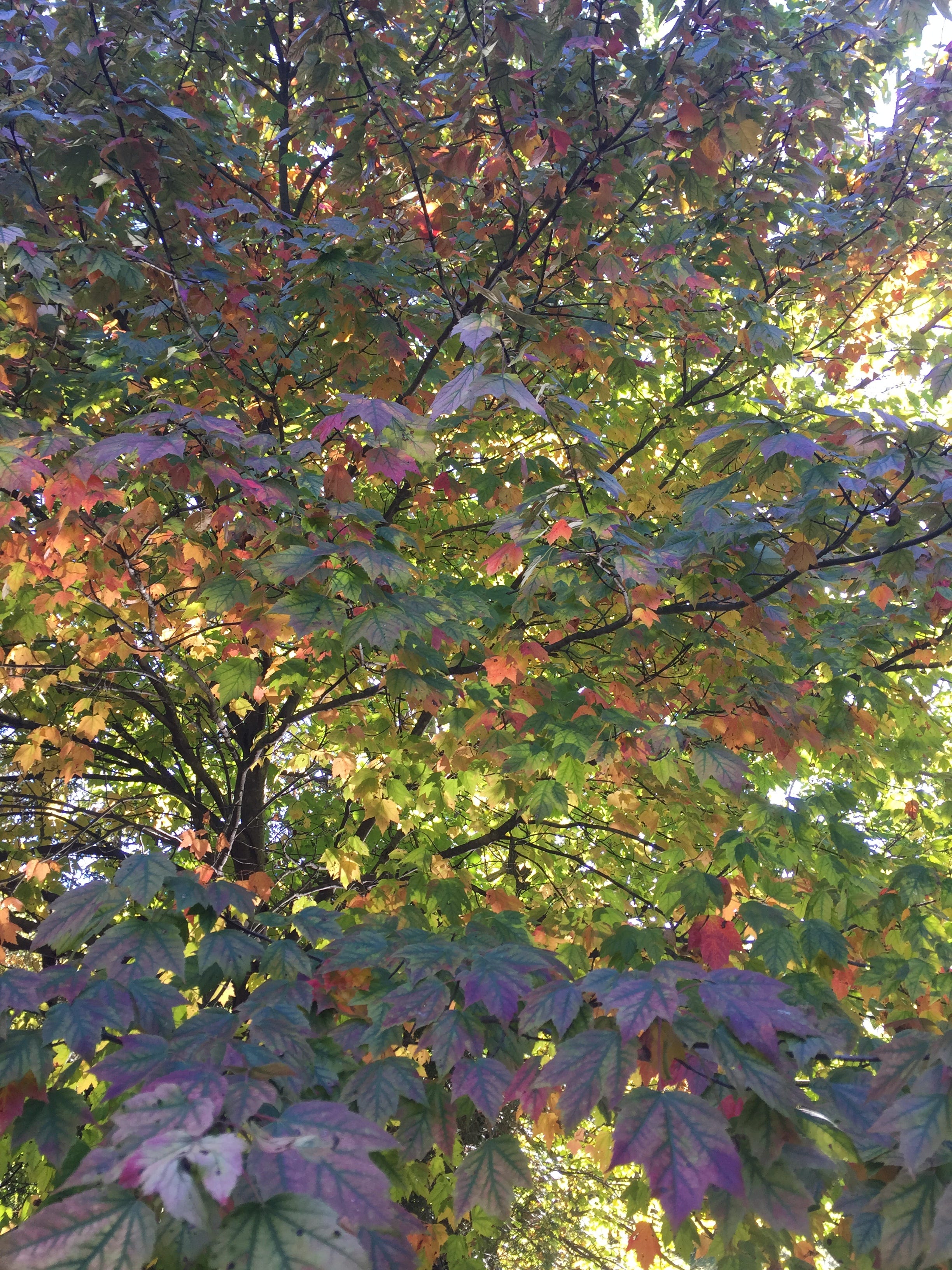
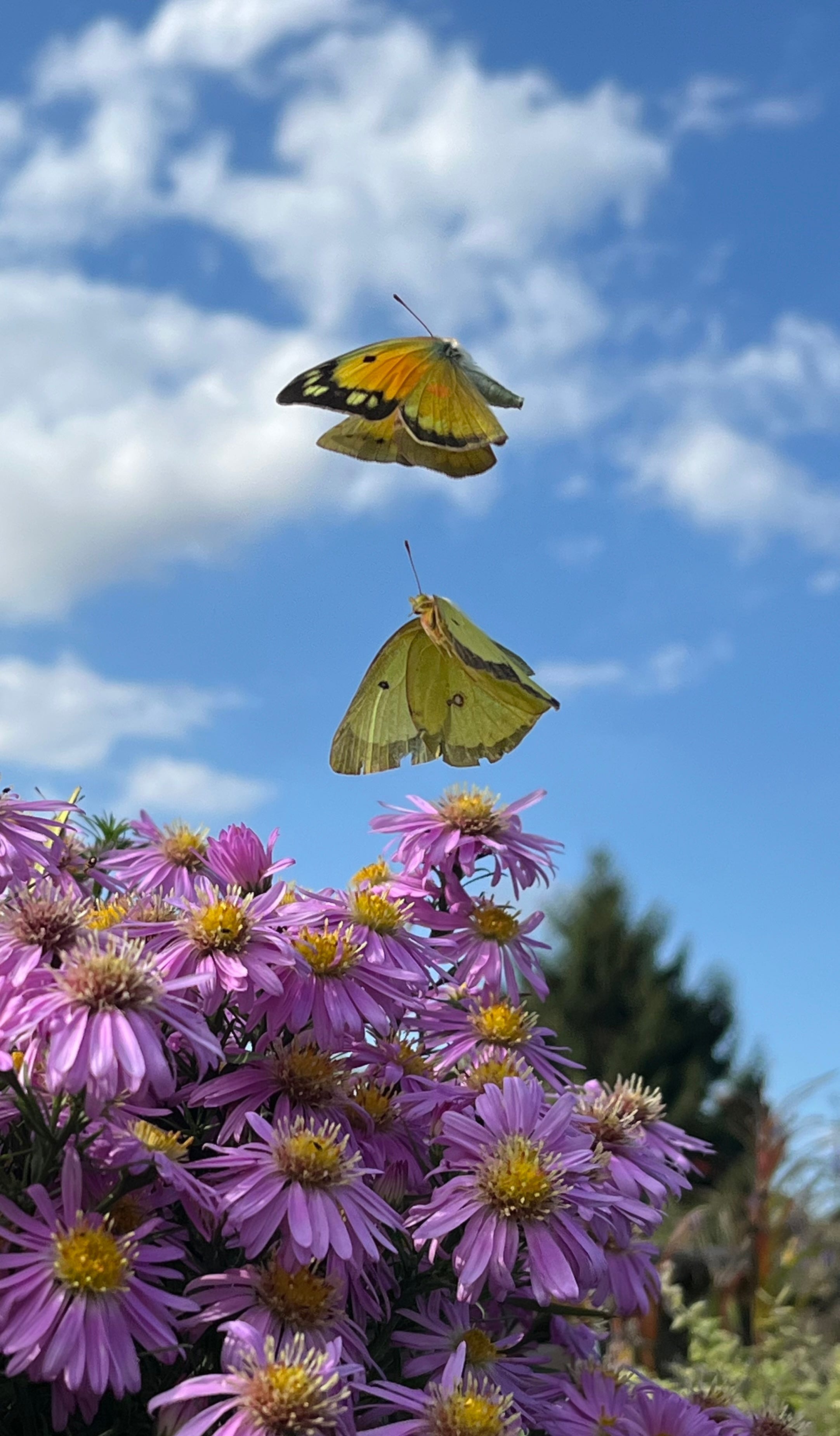
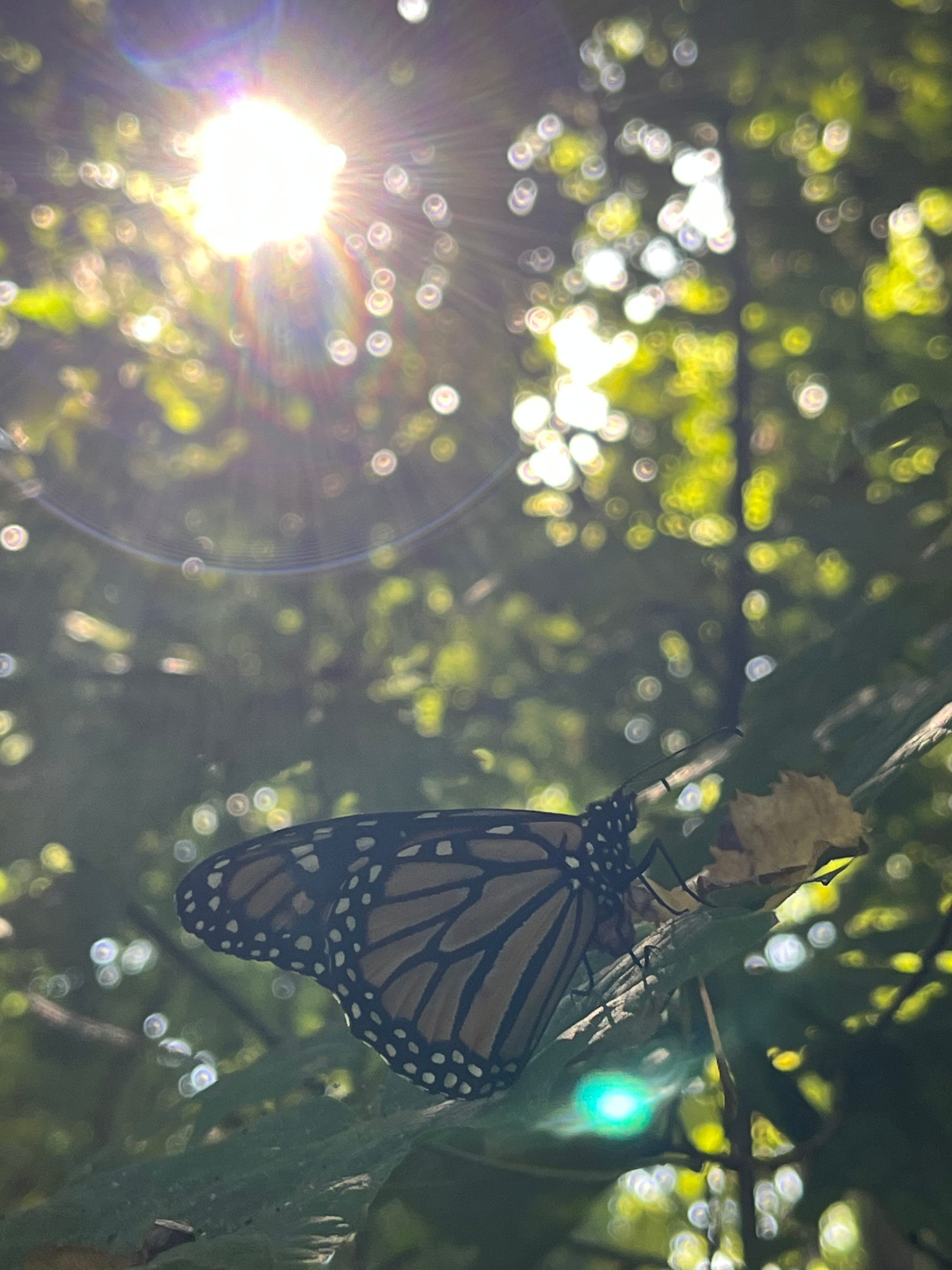
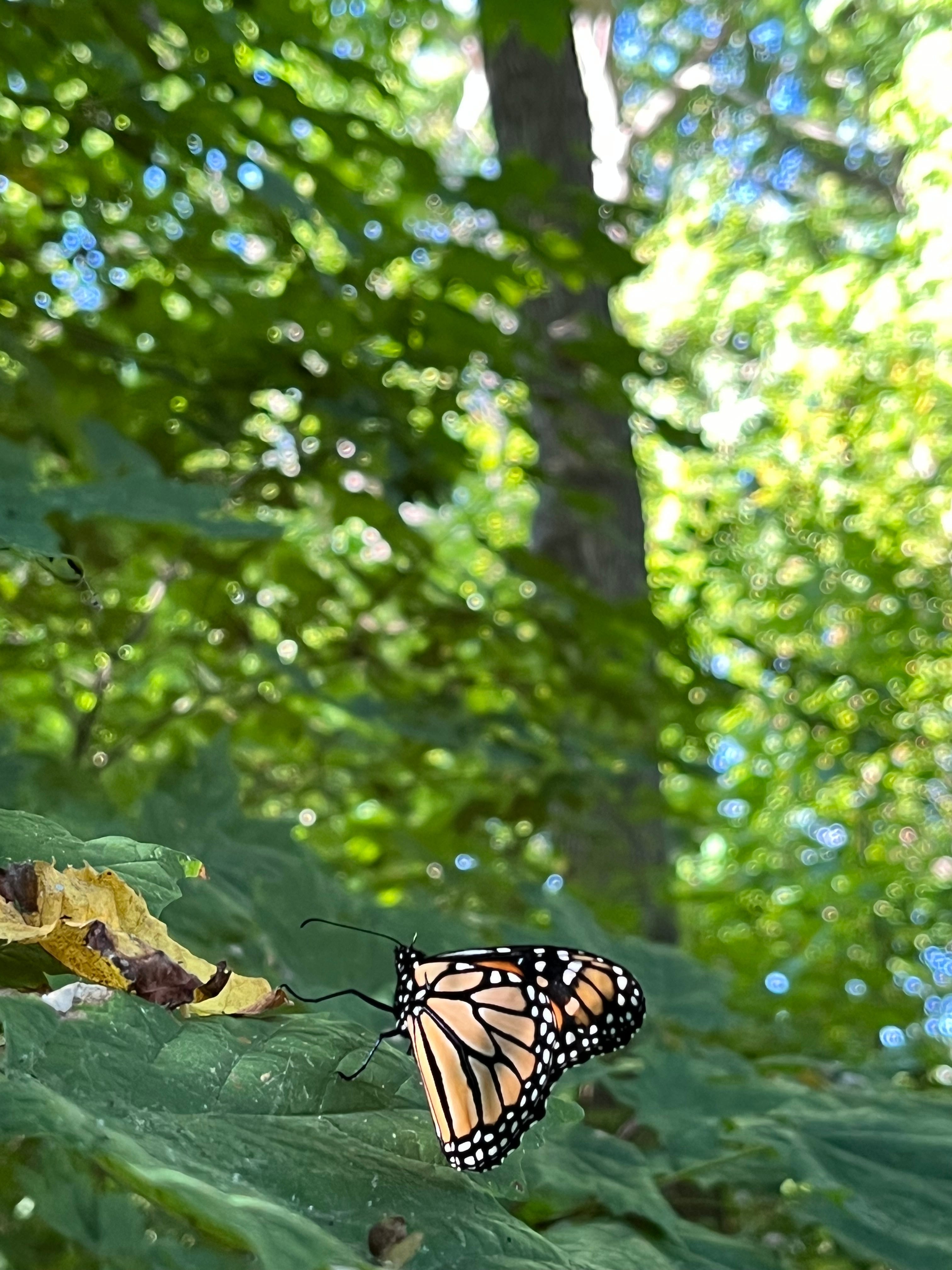
This time of year offers a harvest of more than just nourishment for the body, there is also a feast for the senses accessible to those that teach their eyes to read poetry spoken aloud in colours, verses expressed in fragrance, form and texture.
If you open your eyes and your heart to the more than human world around you, you are able to perceive and embrace a sort of wealth that cannot be bought, stolen or hoarded… only experienced and then carried with you for eternity in the medicine bag of your soul.
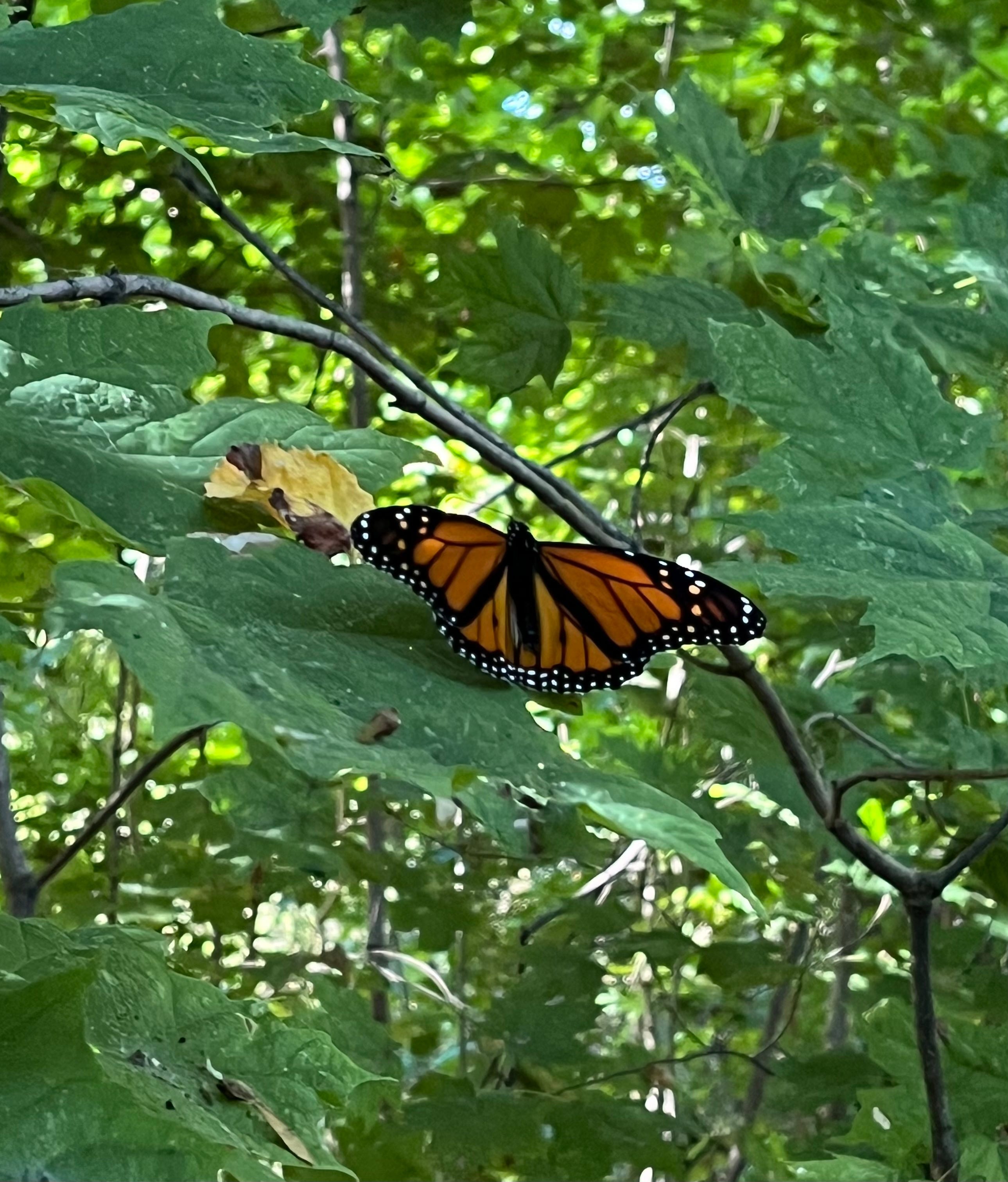
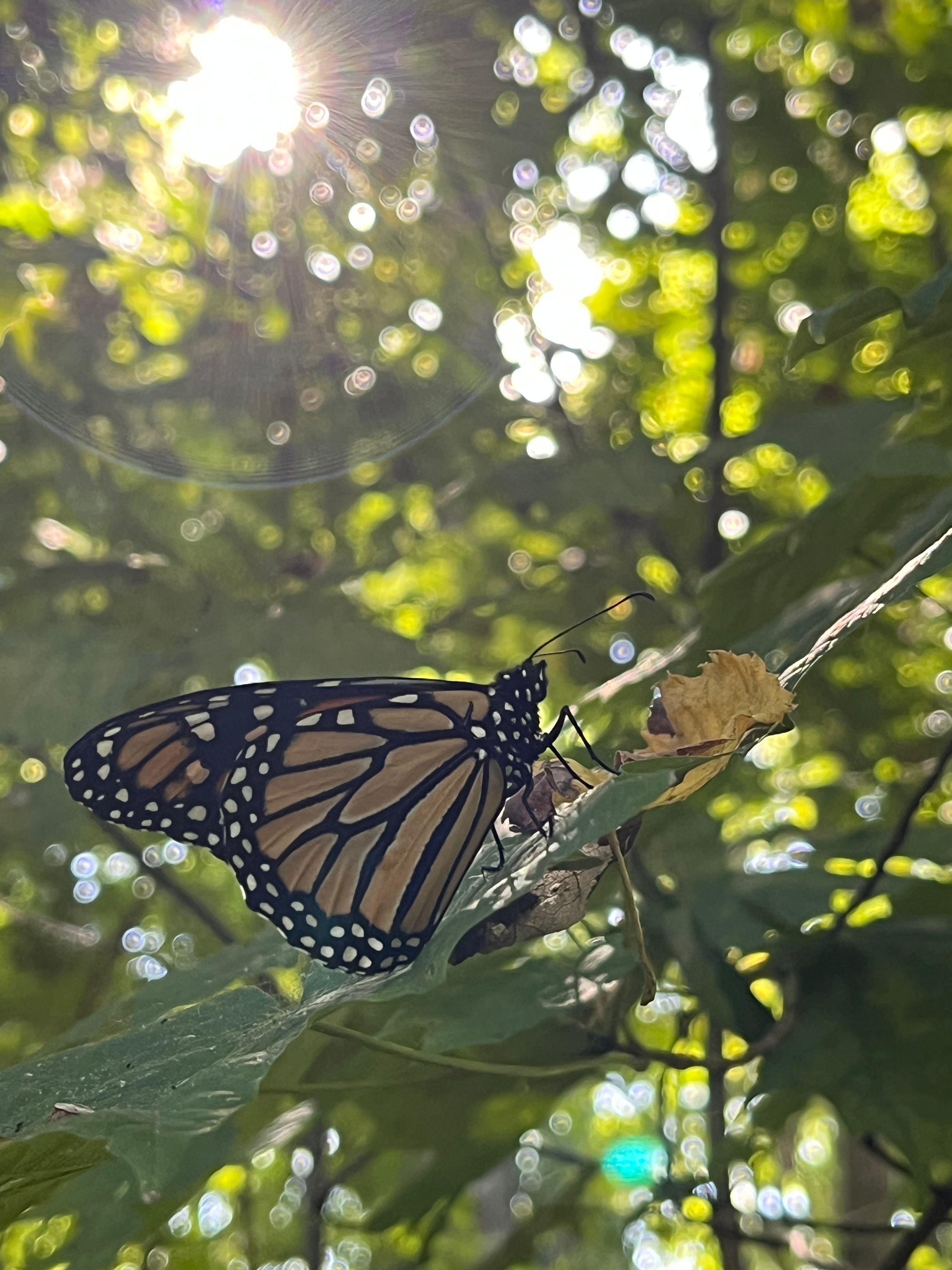
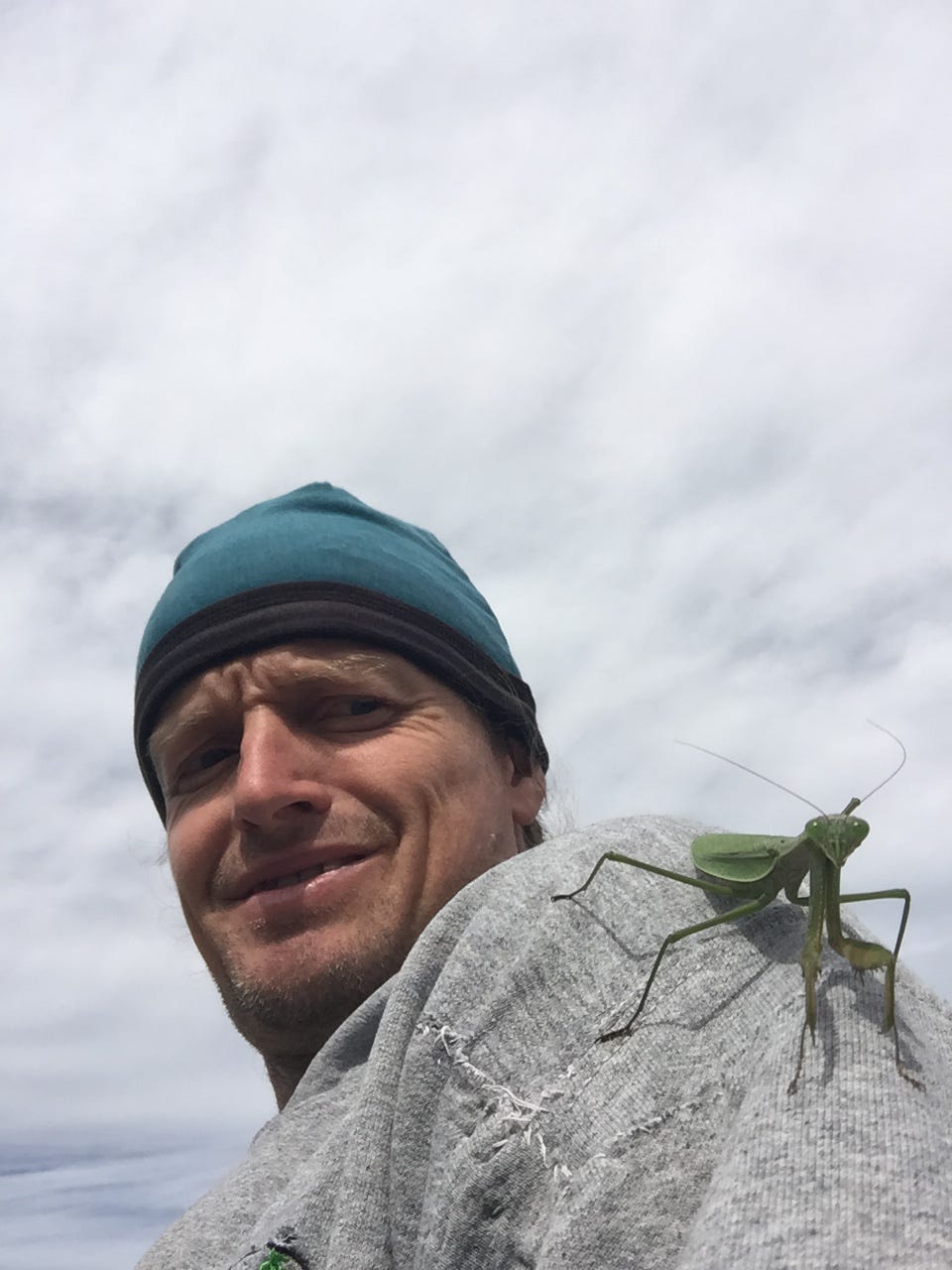
Some other friends I made recently :)

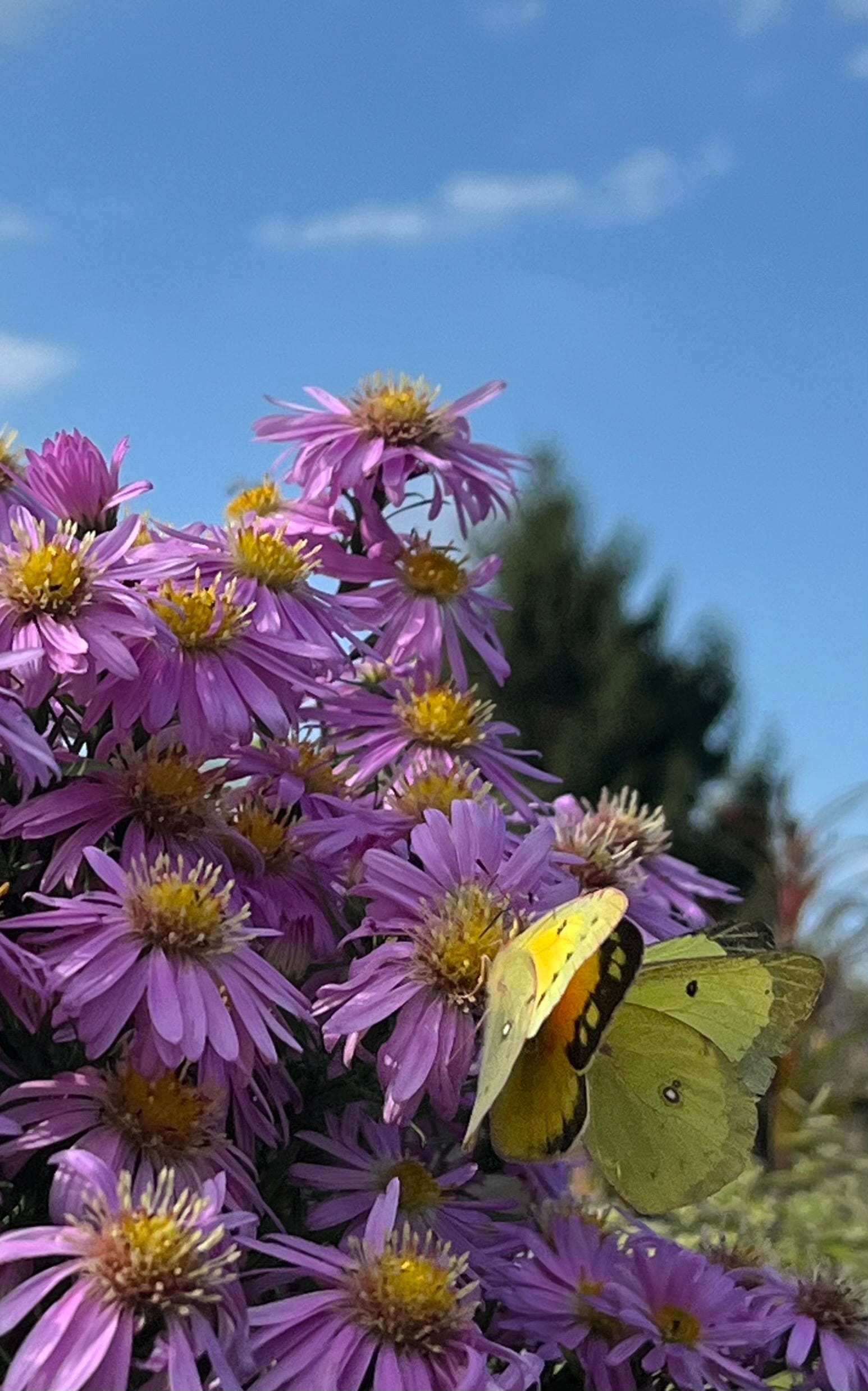
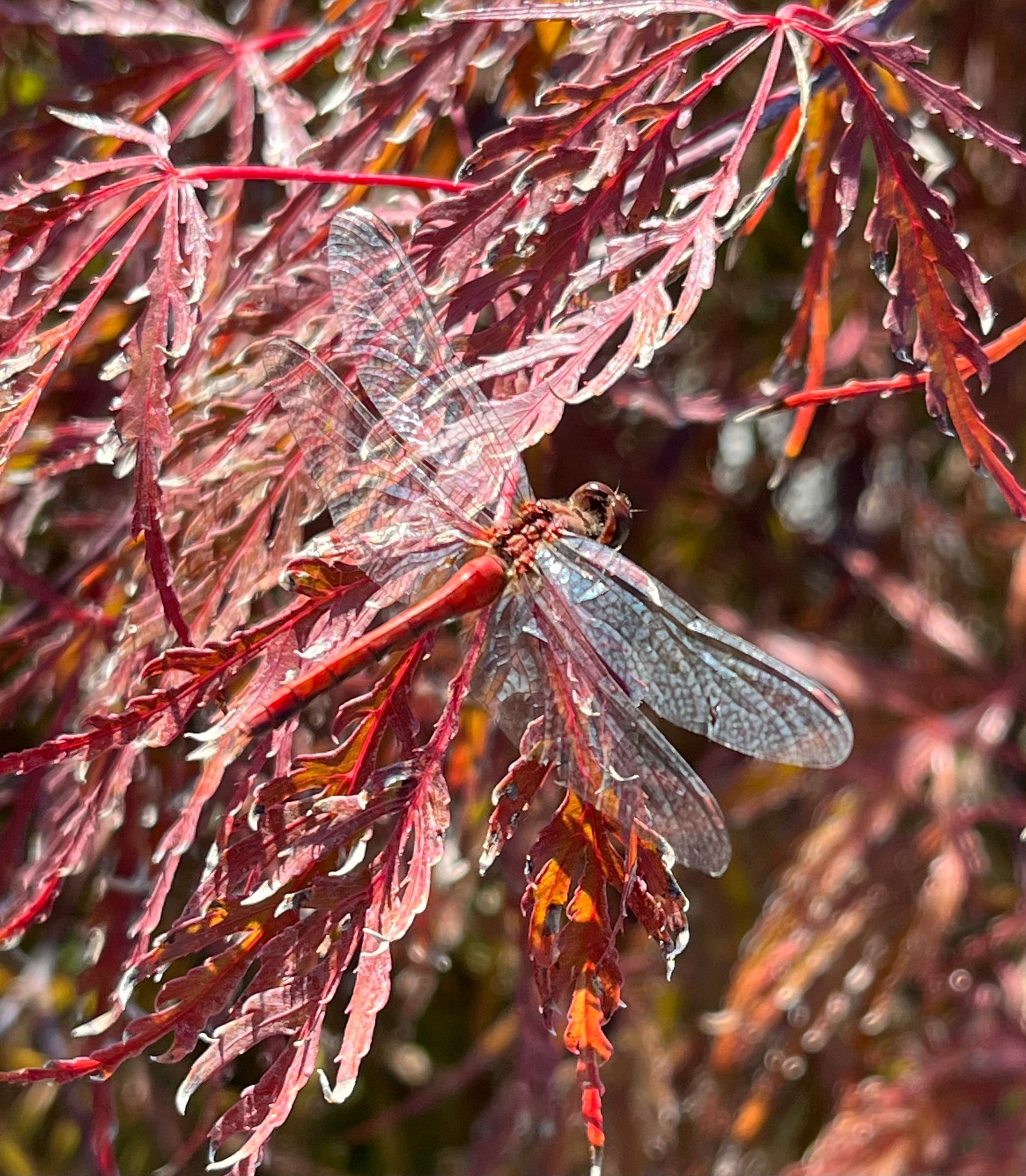
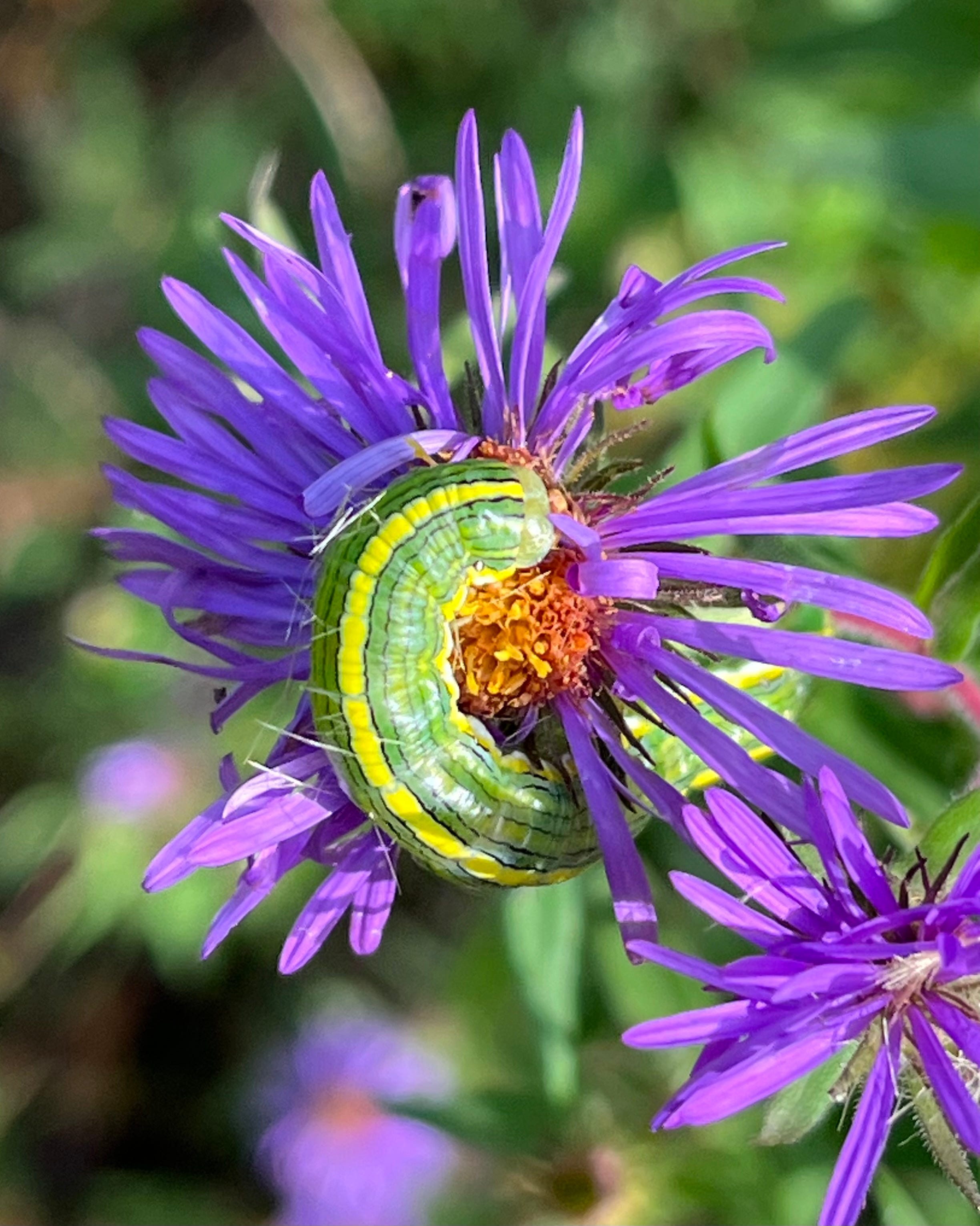
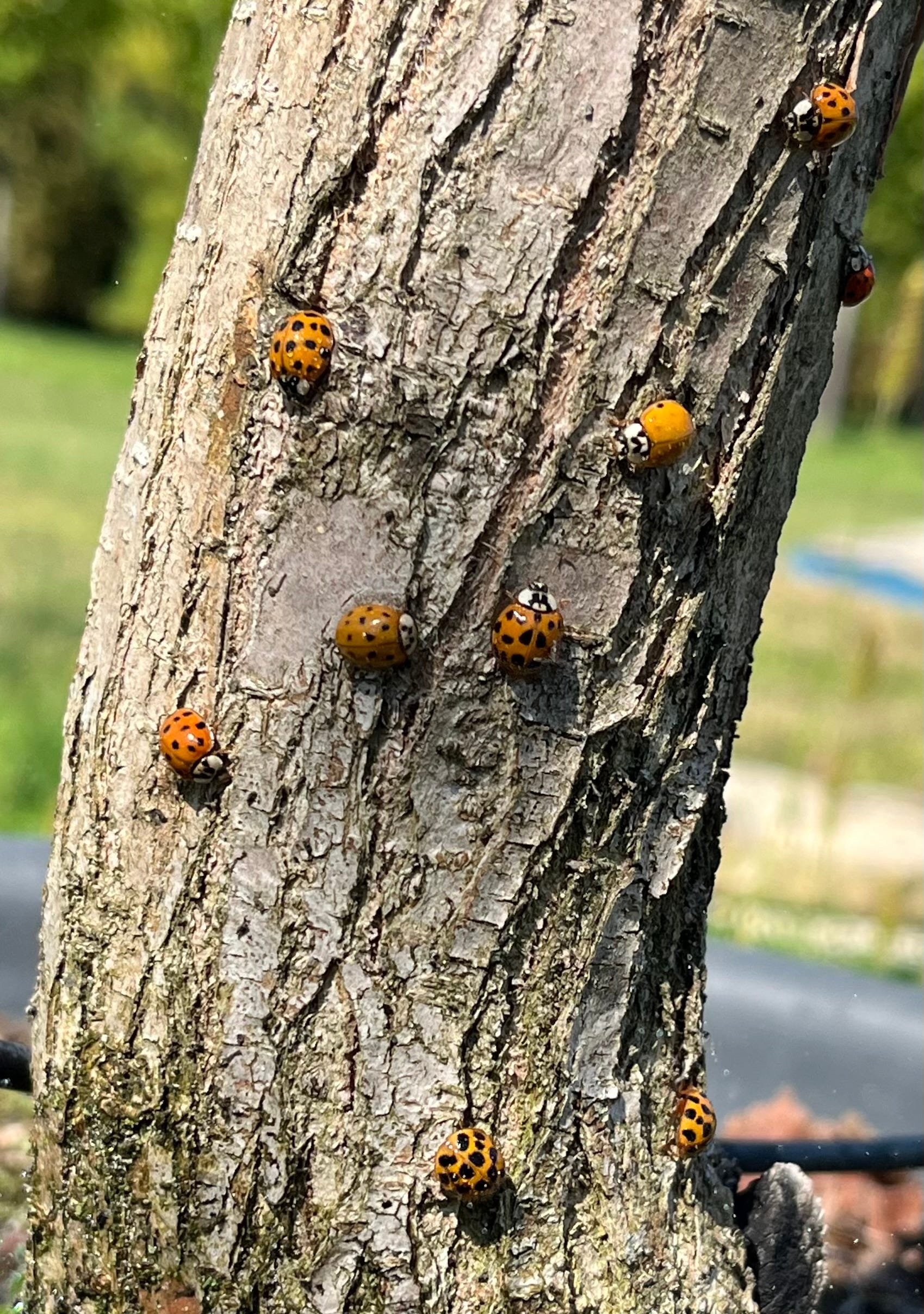
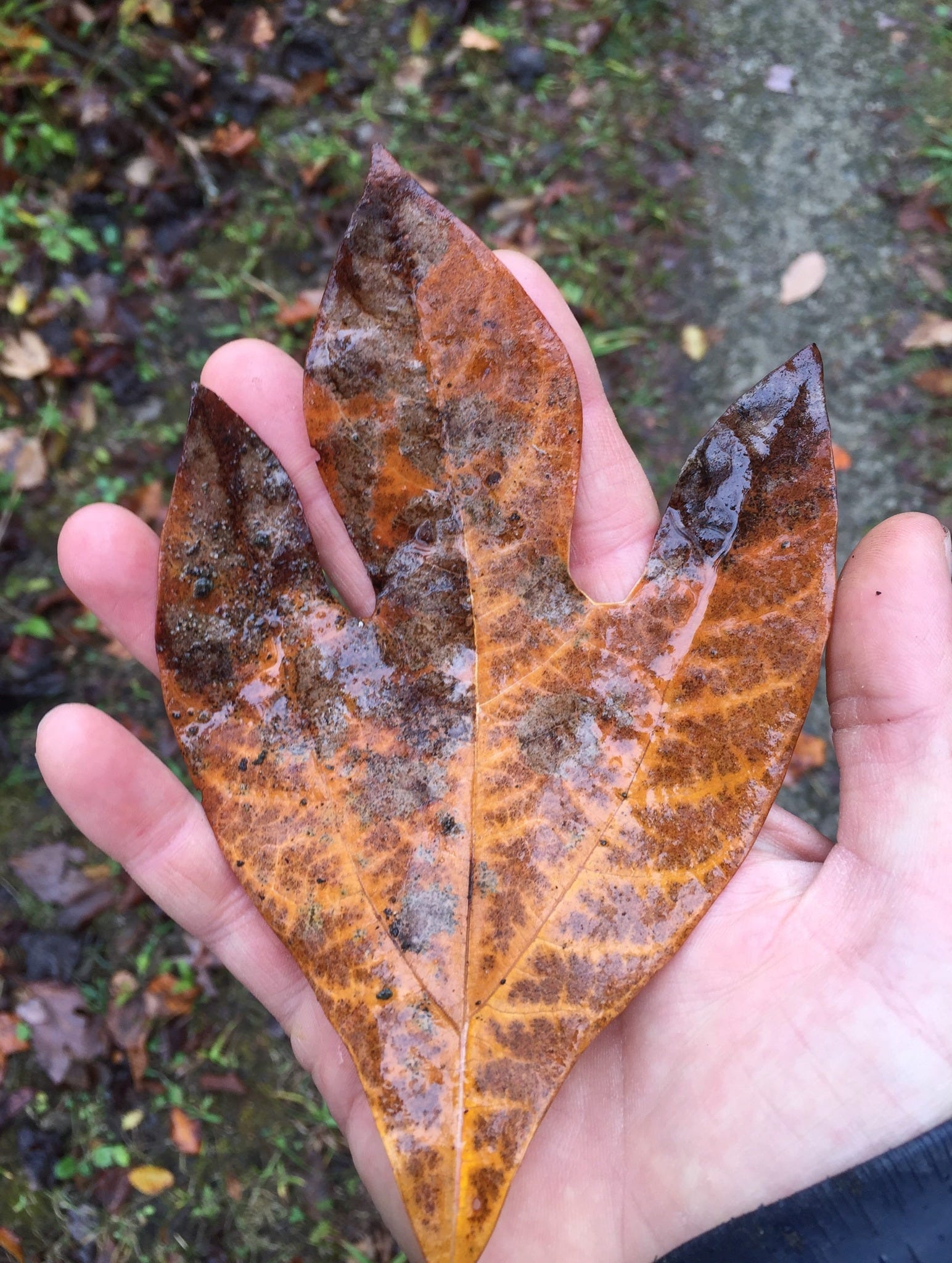
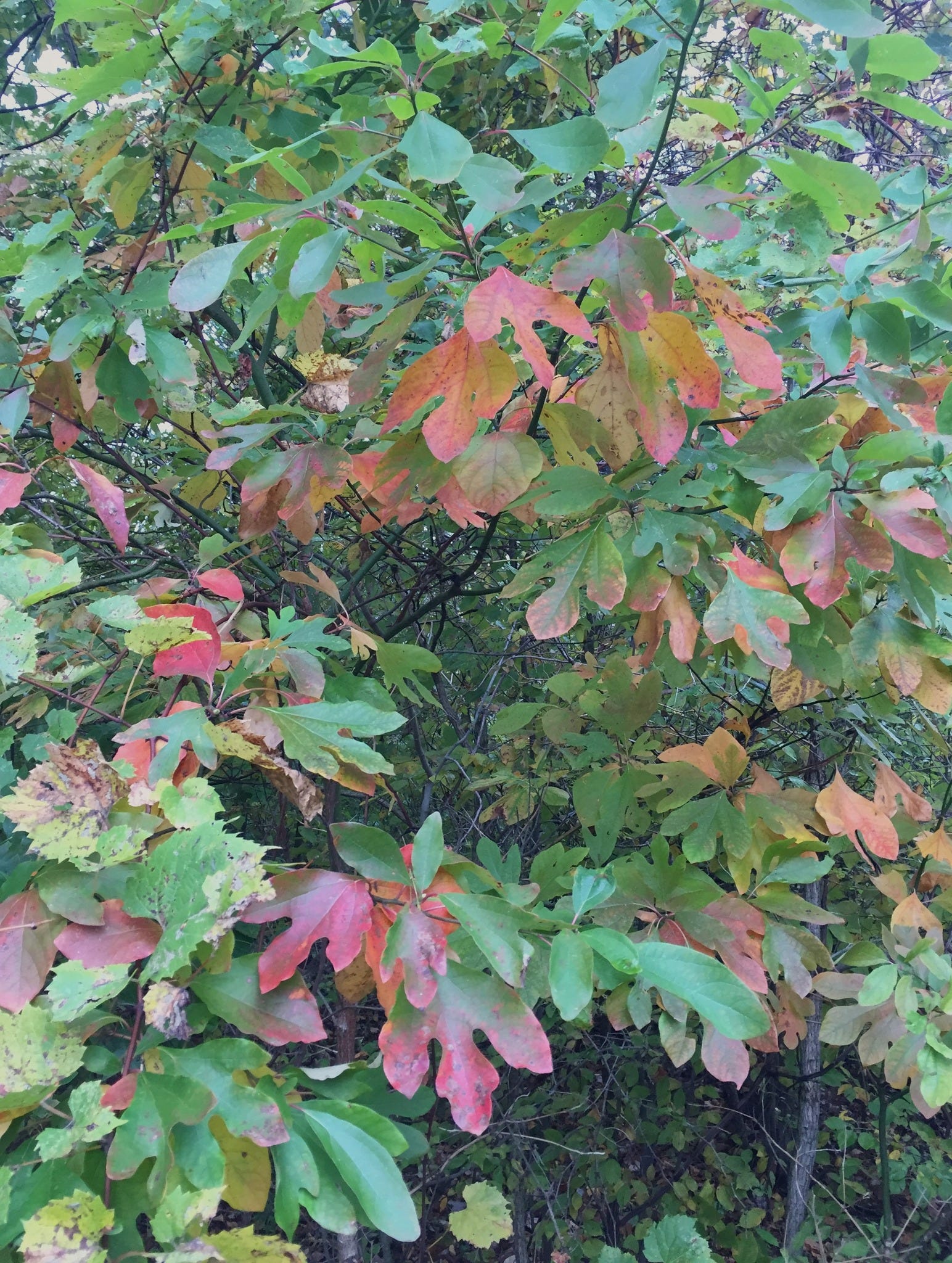
Picture above and below shows sassafras trees growing amongst the towering tulip and eastern white pine trees in Rondeau Provincial Park, Ontario, Canada.
The small tree known as sassafras (Sassafras albidum) was once one of the most prized plants of Turtle Island (more commonly referred to by it’s post colonial title of “North America”). In 1565, Francis Drake returned to England with a cargo hold full of sassafras roots, and set off something of a craze for sassafras tea, or saloop. By the next century it had become a major export item, almost equal in value to tobacco. Europeans accepted the claims of most eastern Native American tribes about its effectiveness as an all-purpose medicine and tonic, and that combined with its wonderful taste and aroma — Thoreau called it “the fragrance of lemons and a thousand spices” — eventually guaranteed its place as the root in root beer. John Lawson, an early explorer of the southern Appalachians, wrote in 1709, “Sassafras was a straight, neat little tree… treasured by the Indians for its aromatic roots, from which, when pounded, a potion can be brewed to refresh or cure, according to his needs.”
Early colonists consumed a lot of beer, and it probably didn’t take long before someone got the bright idea of adding sassafras roots to the mix of herbs and spices typically added for flavor and medicinal effect. It might seem strange to think of beer as a health drink, but for many centuries, it was far safer to drink than most available sources of fresh water, being first subjected to a prolonged boil and then made alcoholic. Weak beers were consumed in roughly the same quantities as Americans today drink Coke or Pepsi, but with less serious health risks, since the sugar was all turned into alcohol (and medicinal phytochemicals can be effectively preserved and delivered in a bioavailable format in naturally fermented alcohol based beverages).
The modern herbalist Stephen Harrod Buhner (Sacred and Herbal Healing Beers, Brewers Publications, 1998) has this to say about brewing with sassafras:
Sassafras was the original herb used in all “root” beers. They were all originally alcoholic, and along with a few other medicinal beers — primarily spruce beers — were considered “diet” drinks, that is, beers with medicinal actions intended for digestion, blood tonic action and antiscorbutic properties. The original “root” beers contained sassafras, wintergreen flavorings (usually from birch sap), and cloves or oil of cloves. Though Rafinesque notes [in 1829] the use of leaves and buds, the root bark is usually used, both traditionally and in contemporary herbal practice.
“Beer” was used loosely to refer to a variety of lightly alcoholic drinks made with whatever sugar was on hand; both the recipes Buhner offers, for example, use molasses instead of malted grain, as does this one I found in The National Farmer’s and Housekeepers Cyclopedia from 1888:
Root Beer.—To make Ottawa root beer, take one ounce each of sassafras, allspice, yellow dock, and wintergreen, half an ounce each of wild cherry bark and coriander, a quarter of an ounce of hops, and three quarts of molasses. Pour boiling water on the ingredients, and let them stand twenty-four hours. Filter the liquor, and add half a pint of yeast, and it will be ready for use in twenty-four hours.
I was excited to see the mention of wild cherry bark — something I had considered using in my own brewing, but hadn’t found any actual mention of until now. I have brewed with all the other substances mentioned, though not all at the same time. (I wasn’t terribly thrilled with the flavor of yellow dock in beer.) But I’m more of a purist than Buhner: I do insist upon using malted grain (or malt extract) as the primary source of sugar, though I will use molasses or honey as adjuncts, in small quantities.
And I feel the early colonists probably made their root beers, spruce beers, and other healthful brews with malt, too, whenever they could. From an early date, many larger farmhouses had their own brewing operations, and taverns brewed beer in every town and village, first with malts imported from Europe, but quite soon from locally grown grain. A 1685 report from William Penn suggests that malt was substituted for molasses as soon as real brewing became practical:
Our Drink has been Beer and Punch, made of Rum and Water: Our Beer was mostly made of Molosses, which well boyld, with Sassafras or Pine infused into it, makes very tollerable drink; but now they make Mault, and Mault Drink begins to be common, especially at the Ordinaries and the Houses of the more substantial People.
In 1750, the Swedish botanist Peter Kalm, interviewing a nonagenarian for his book Travels in North America, learned that the early Swedish colonists of what is now eastern Pennsylvania, Delaware and New Jersey had been “plentifully provided with wheat, rye, barley and oats. The Swedes, at that time, brewed all their beer of malt made of barley, and likewise made good strong beer.” And of sassafras specifically, he wrote, “Some people peel the root, and boil the peel with the beer which they may be brewing, because they believe it wholesome.” He adds: “The peel is put into brandy, either while it is distilling or after it is made.” Nor was ordinary tea neglected: “An old Swede remembered that his mother cured many people of the dropsy by a decoction of the root of sassafras in water drunk every morning.”
Kalm also mentions the preservative and antiseptic properties of sassafras, which must’ve played a role in its popularity as a brewing ingredient as well (hops were far from the only herb understood to help keep beer from going “off”):
Several of the Swedes wash and scour the vessels in which they intend to keep cider, beer or brandy with water in which sassafras root or its peel has been boiled, which they think renders all those liquors more wholesome. Some people have their bedposts made of sassafras wood to repel the bed bugs, for its strong scent, it is said, prevents vermin from settling in them. … In Pennsylvania some people put chips of sassafras into their chests where they keep woolen stuffs, in order to expel the moths which commonly settle in them in summer.
A slightly later (and much more famous) botanist-traveler, William Bartram, mentioned a very different root beer formula from the standard recipe, which makes me wonder how many other sassafras-based concoctions might have been made at one time. Writing about a southern Appalachian plant now known as Bignonia capreolata or crossvine, he wrote, “The country people of Carolina chop these vines to pieces, together with china brier [i.e. Smilax pseudochina] and sassafras roots, and boil them in their beer in the spring, for diet drink, in order to attenuate and purify the blood and juices.”
Lo how the mighty have fallen. Safrole, the active compound in sassafras, has been banned by the U.S. Food and Drug Administration since 1976 as a supposed carcinogen, and as a consequence sassafras may no longer be prescribed by herbalists, though commercial brewers and root beer manufacturers may still use a safrole-free extract. For the homebrewer willing to ignore the FDA’s finding — which even the very conservative Peterson Field Guide to Medicinal Plants and Herbs of Eastern and Central North America rejects as absurd — it’s a matter of locating a thick stand of sassafras on some dry ridgetop and getting permission from the landowner to dig a few roots. The tree grows like a weed, and with its distinctive leaves it’s impossible to mistake for anything else. How will you be able to tell if a given root is sassafras, and not from a neighboring tree? Just scratch and sniff. If it has “the fragrance of lemons and a thousand spices,” you’ve found the genuine article.
This species along with a handful of others will be introduced to several community food forest projects I have in the works intended to both provide habitat for displaced Ontario Carolinian forest non-human inhabitants while also providing food, medicine and materials for humans in a regenerative way.
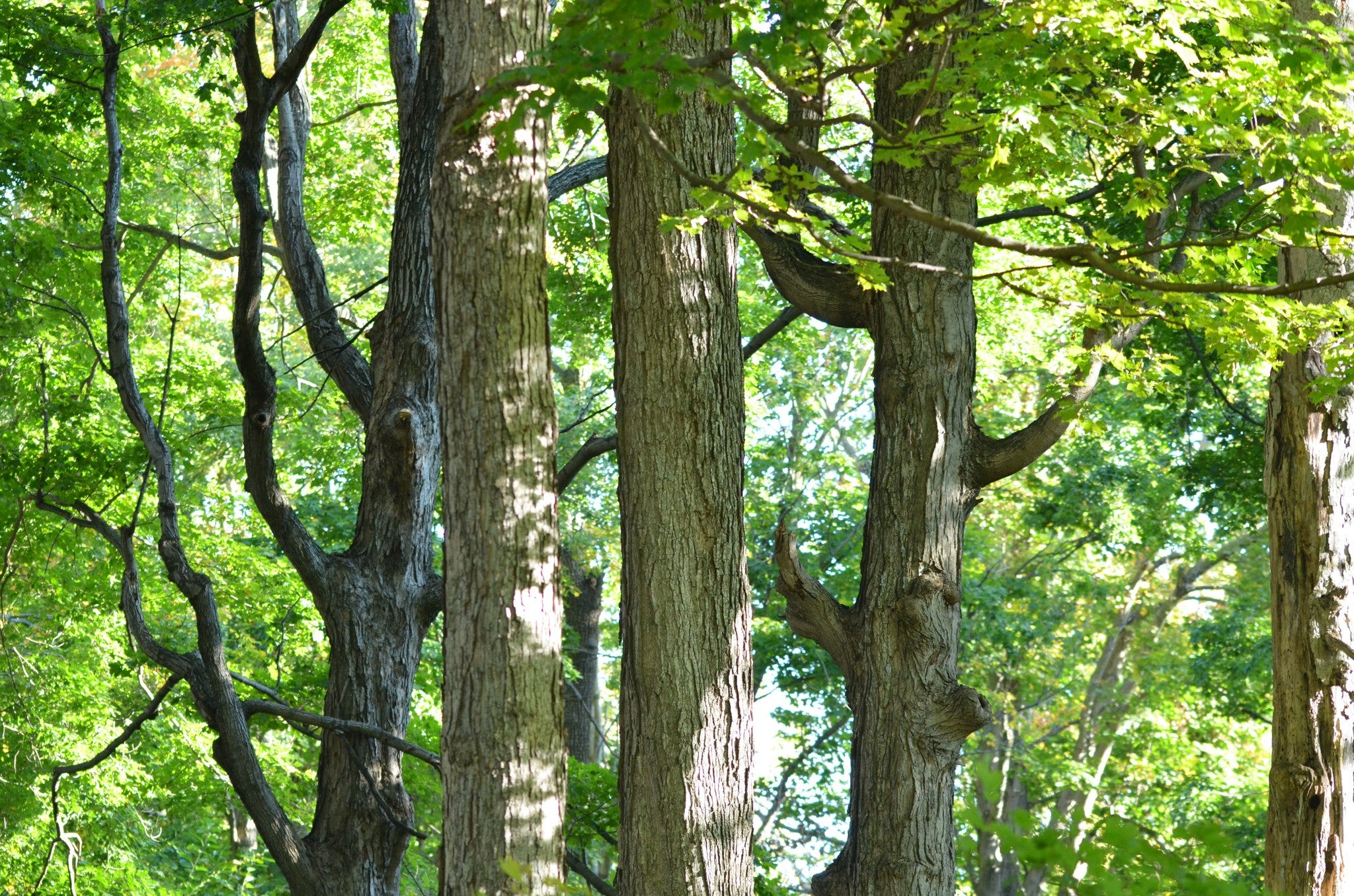
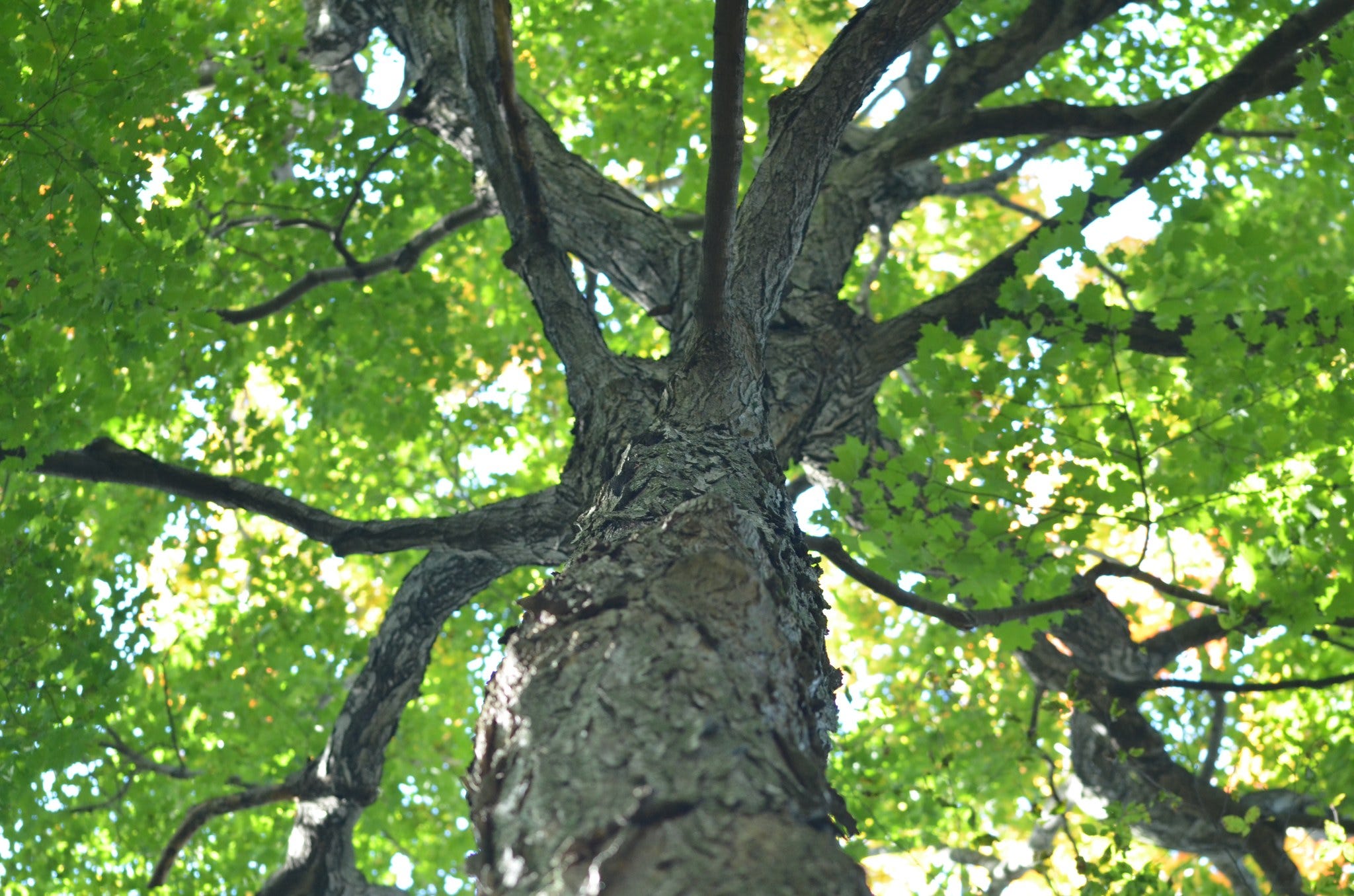
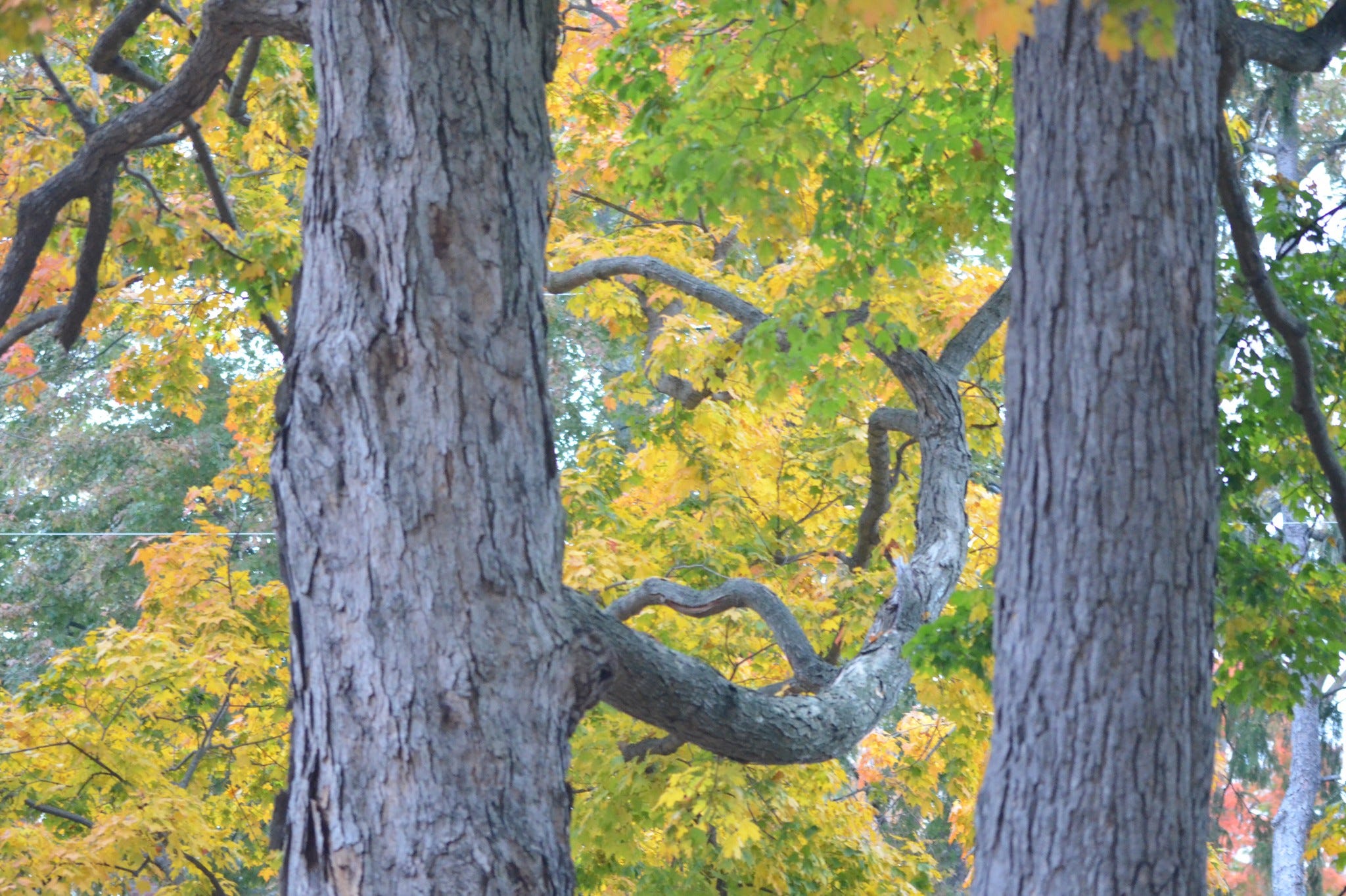
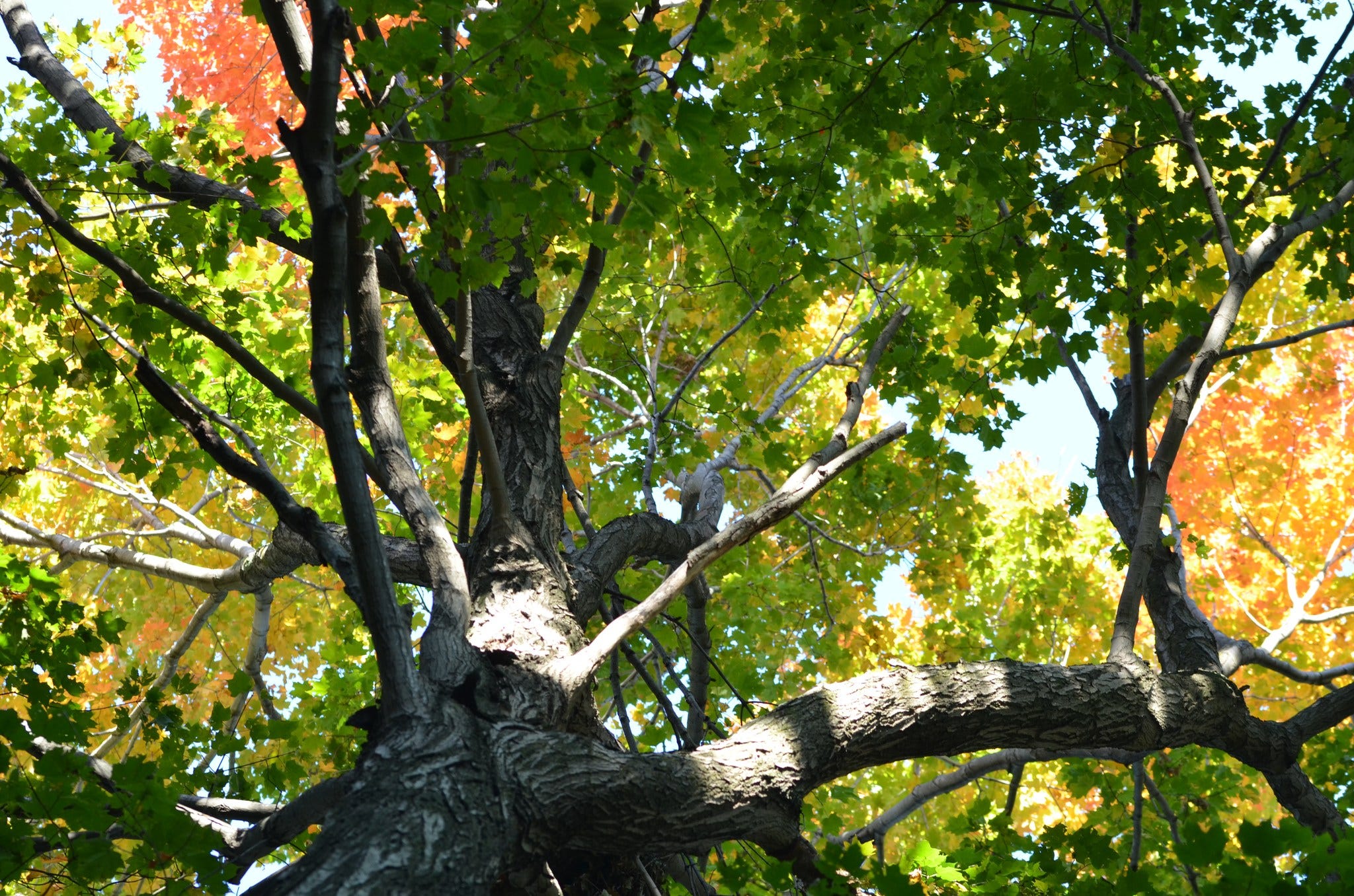
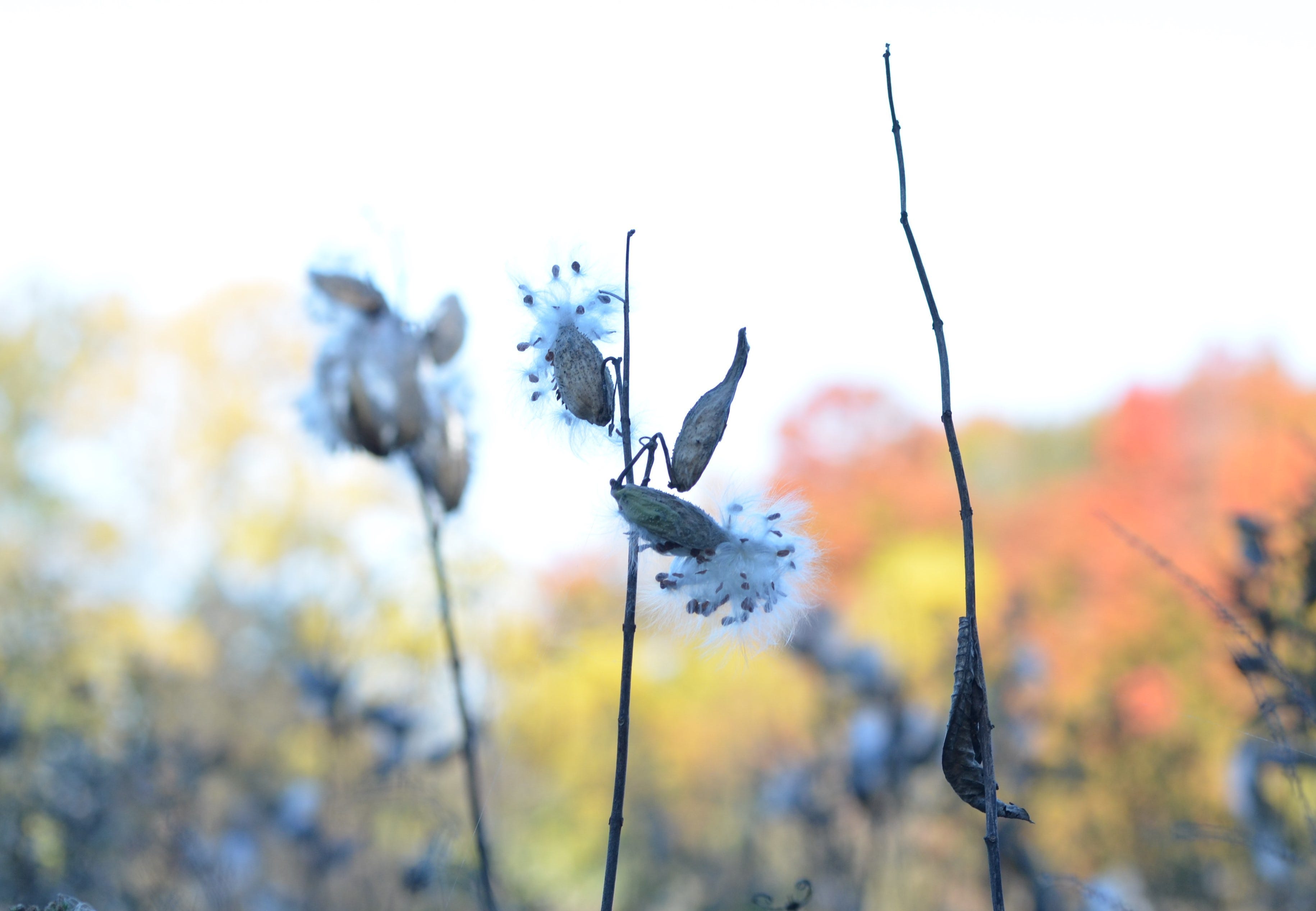
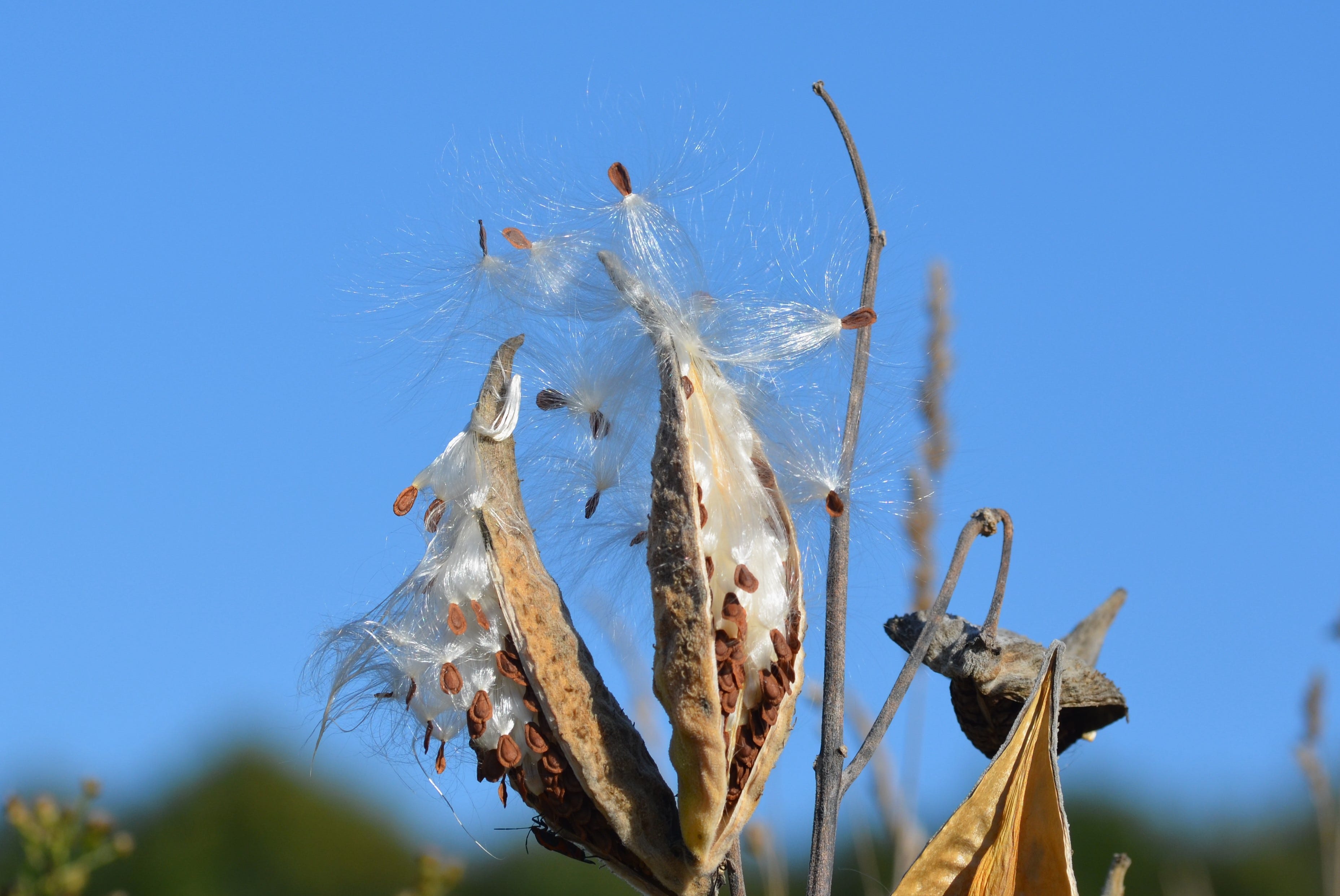
Milkweed (as a being) inspires my imagination, teaches me to move with more grace and patience, as well as invites my heart to open when I feel like all is lost.
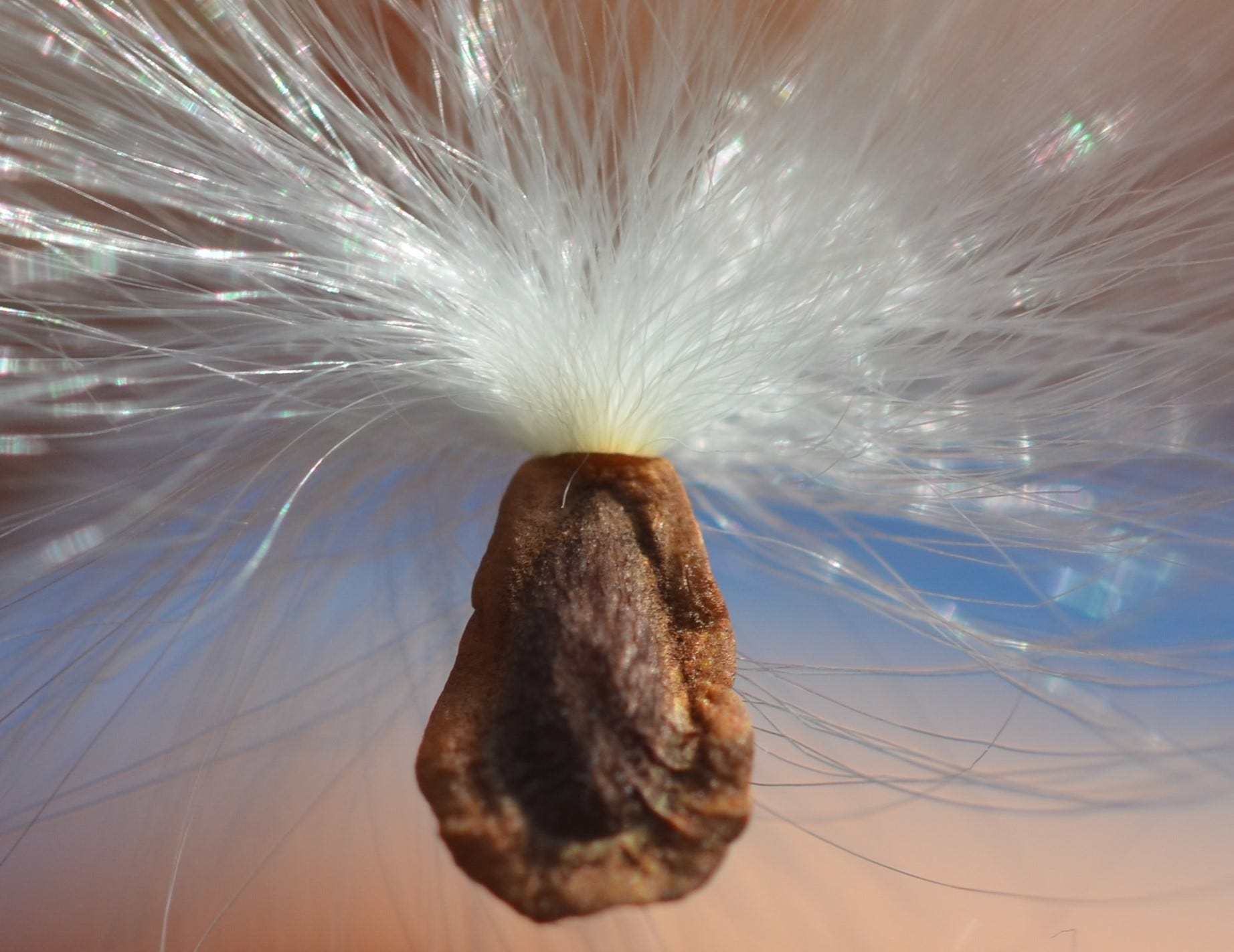
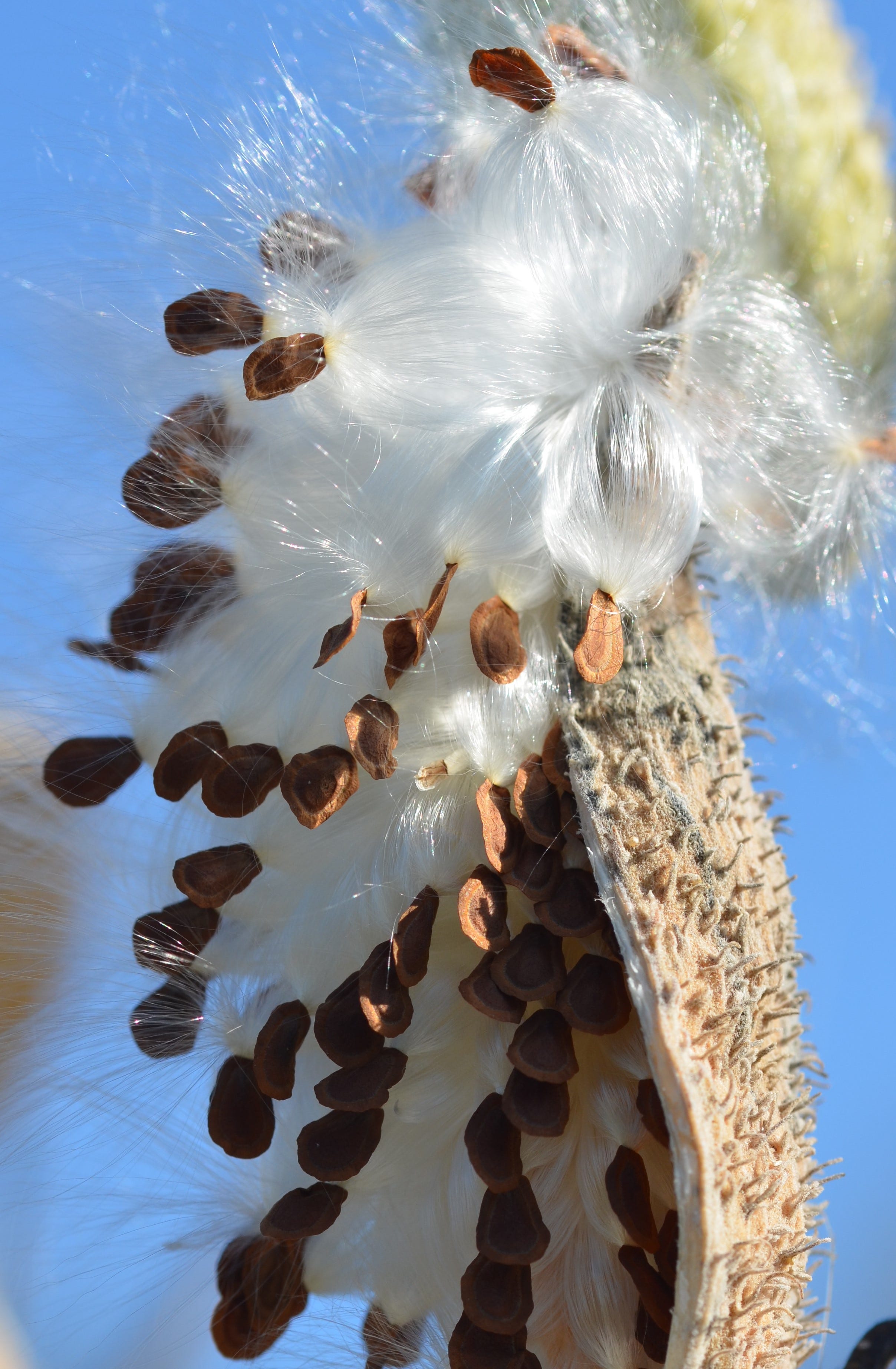
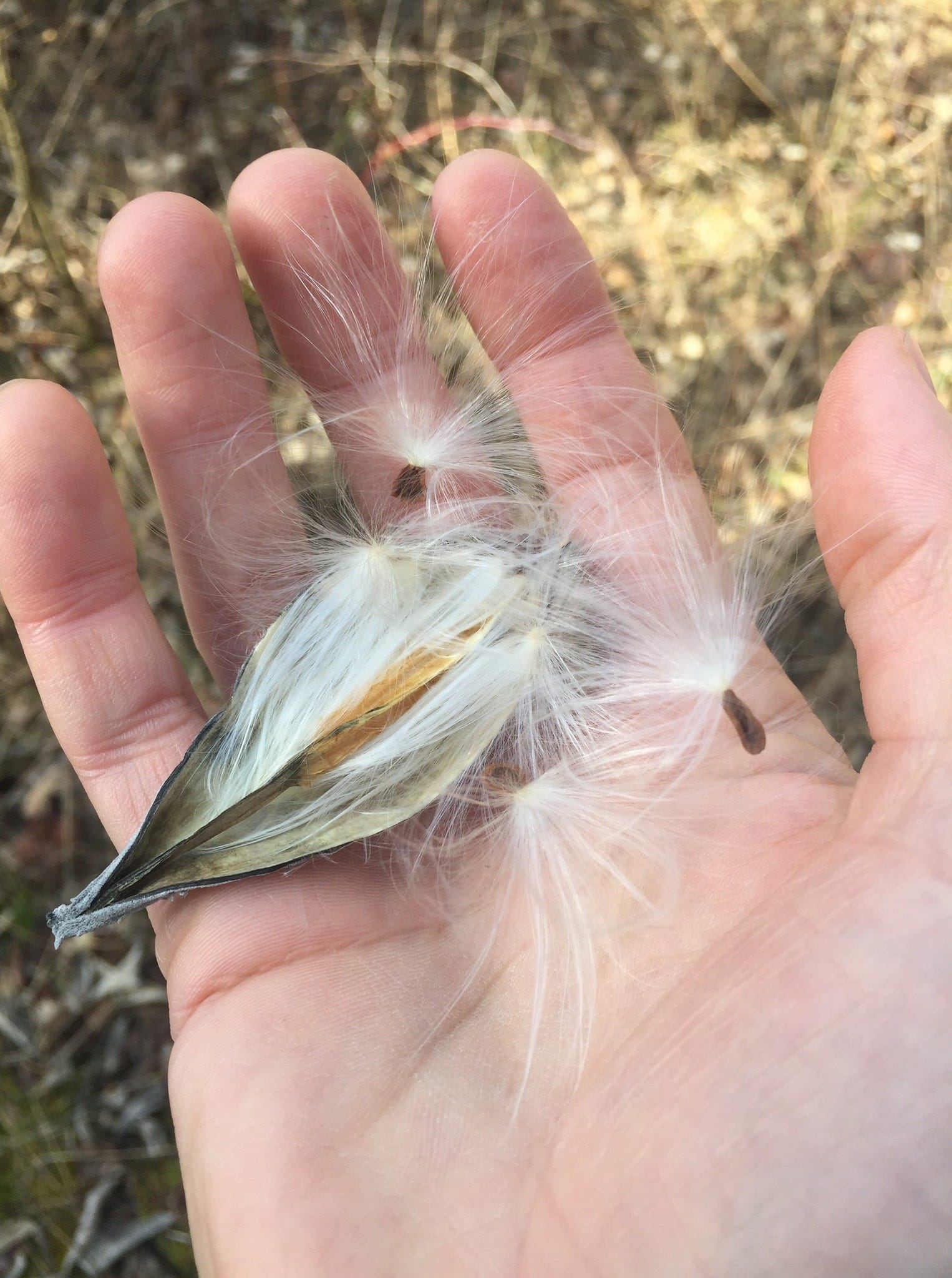
The fields of Milkweed pods have opened and are releasing their billions of gifts upon the autumn wind... given freely to the rich, receiving and grateful Earth below (and to those that would receive them with open arms, metaphorically speaking).
These gentle clouds of seeds move with purpose now in the late days of October (here at the 42nd parallel). Carried faithfully by their velvet soft starburst shaped sails of silken fibers, these armadas of life are dancing like ballerinas on gentle breezes, moving swiftly like shooting stars on cool gusts of autumn wind and floating effortlessly on updrafts of warmth they imbibe from the afternoon sunrays on still days.
For more info on Milkweed ecology, medicinal gifts, nutrition for humans and potential as a fiber plant, read this post:

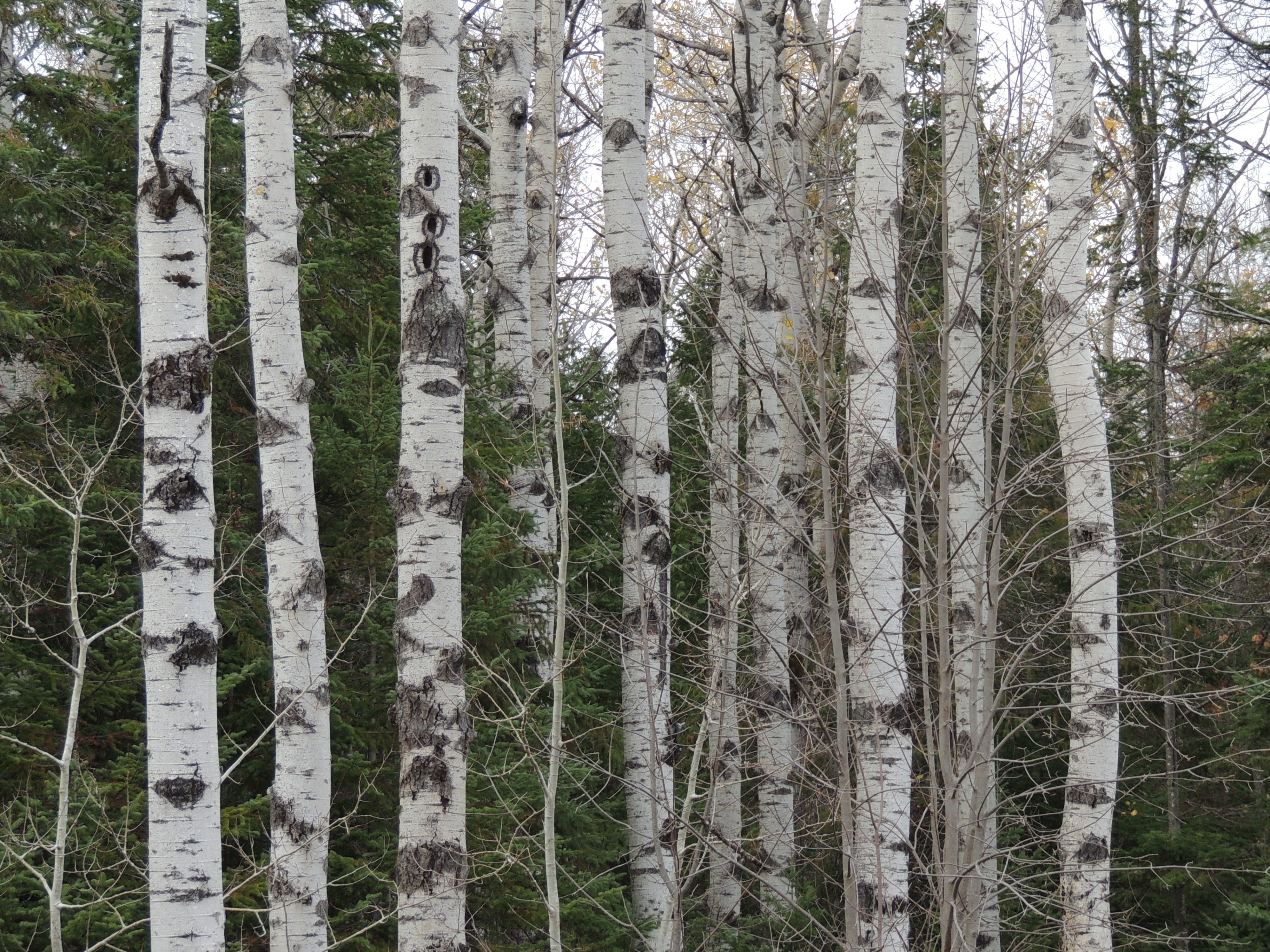
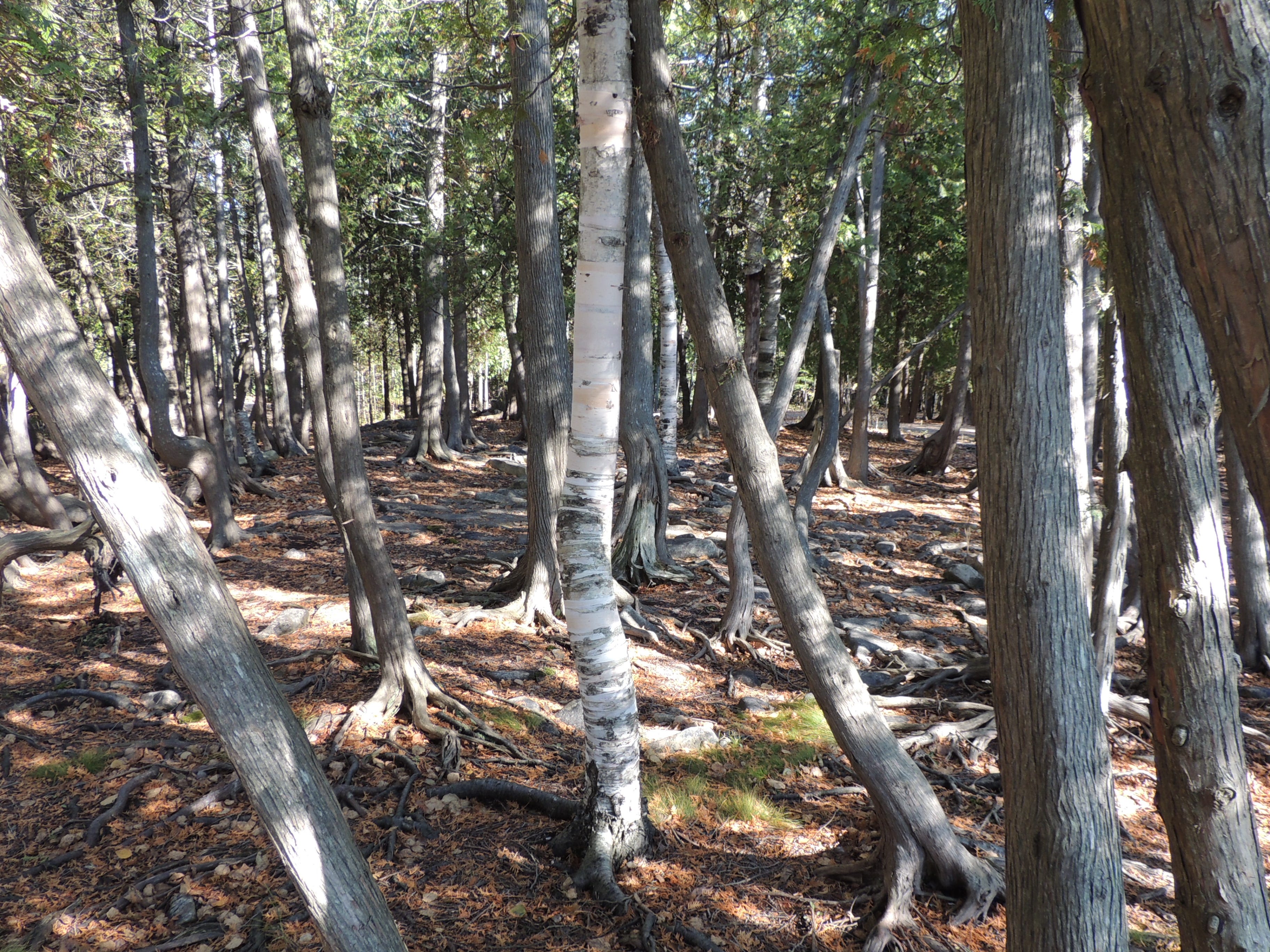
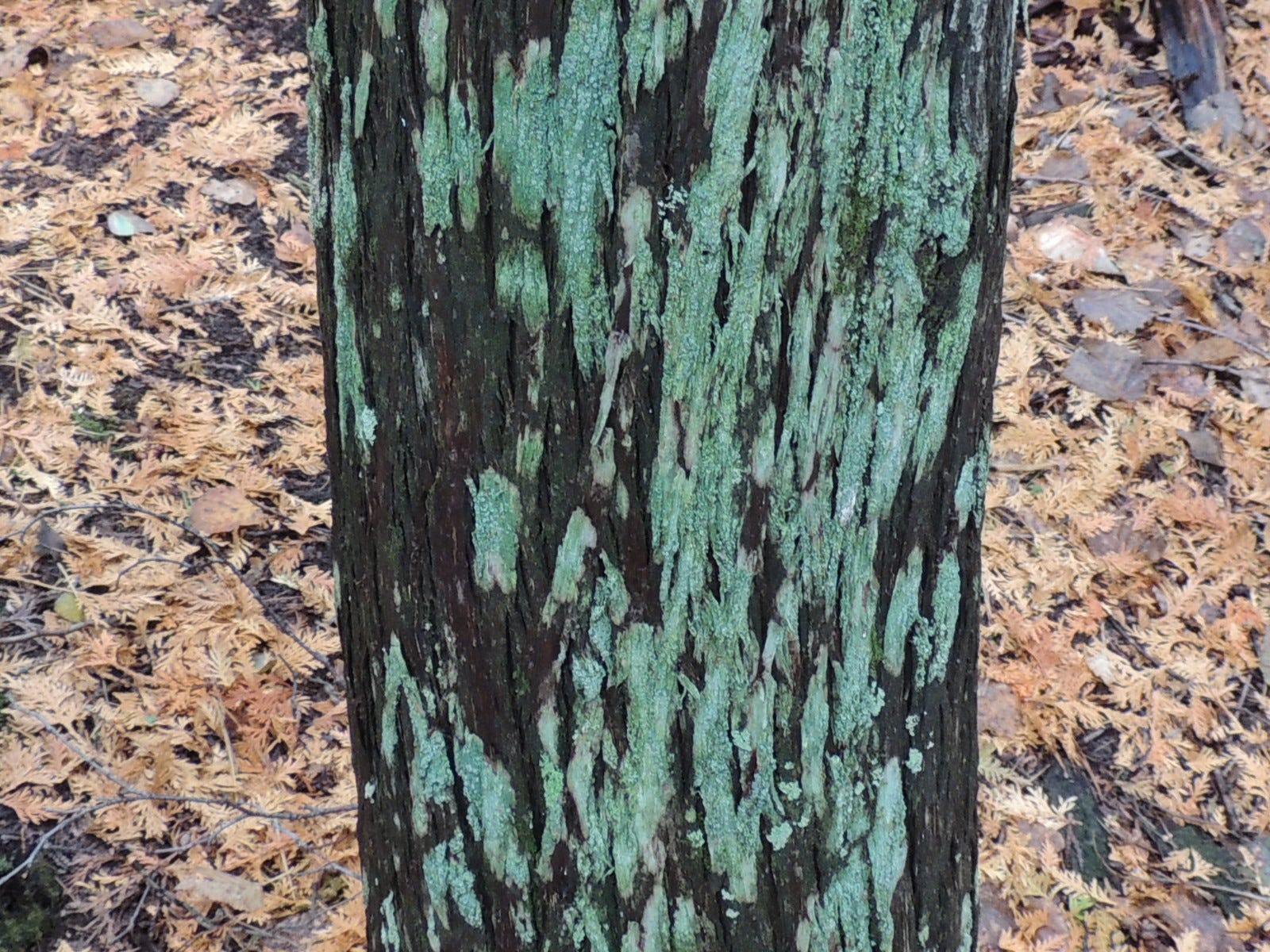
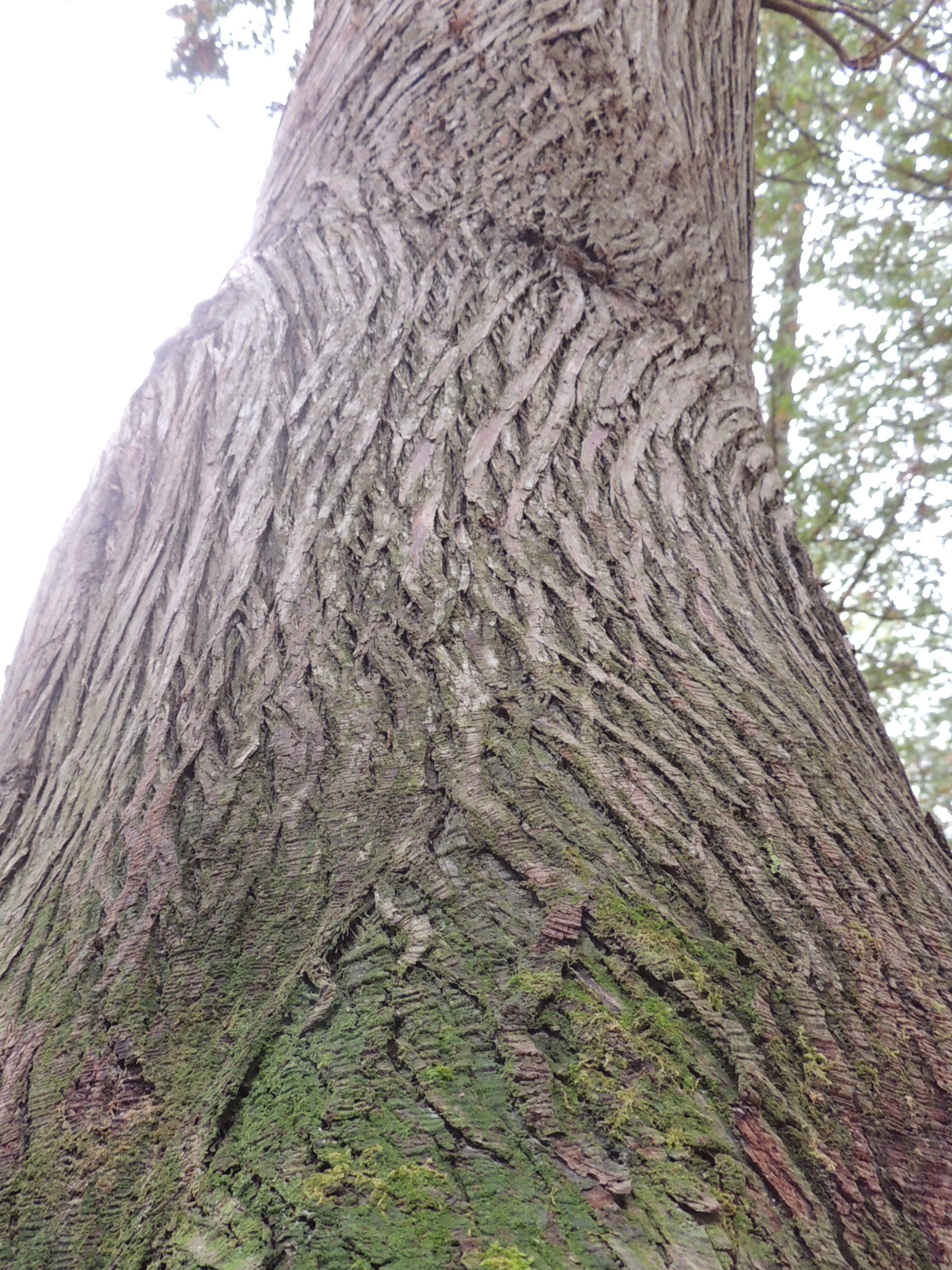







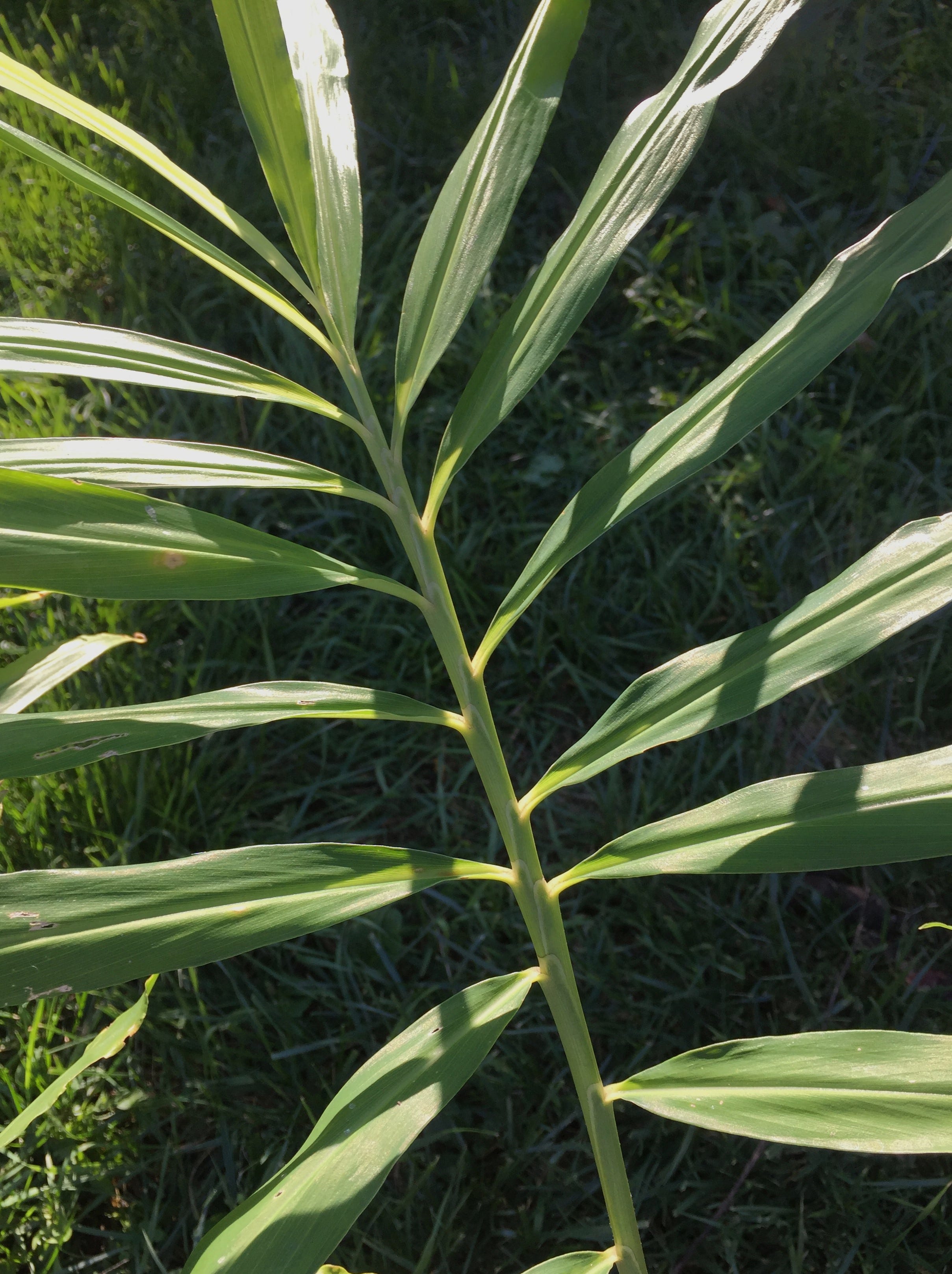
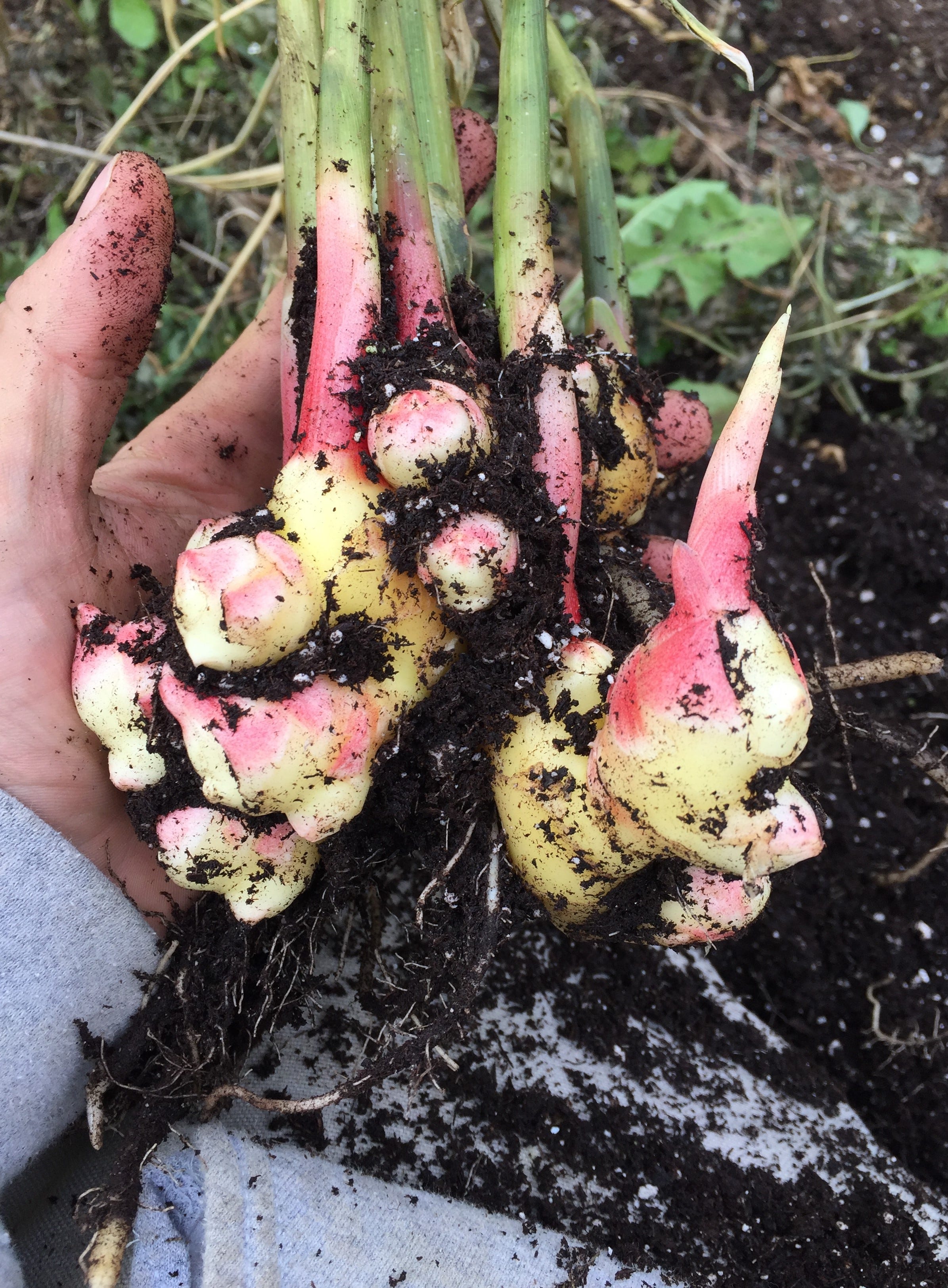
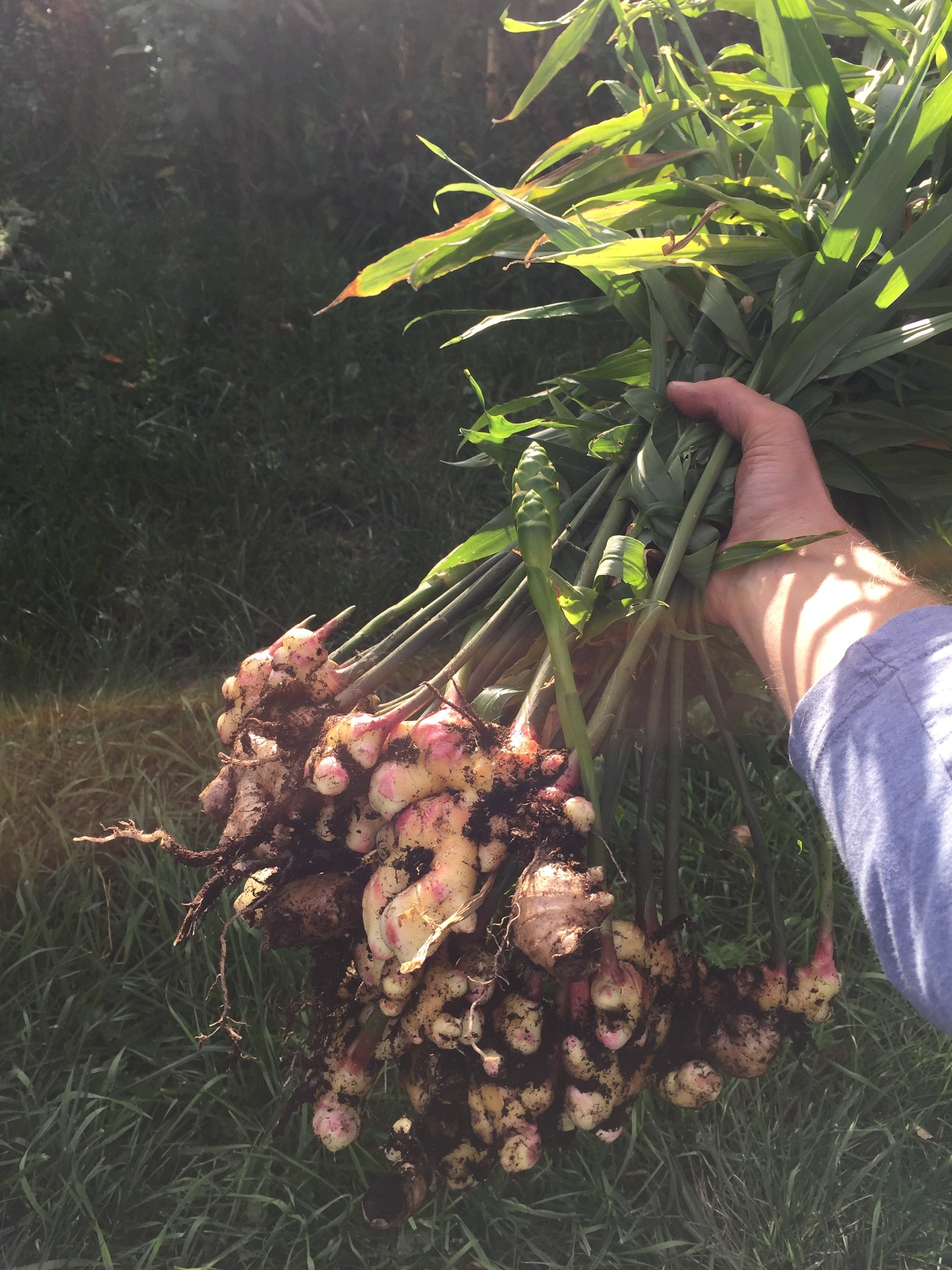
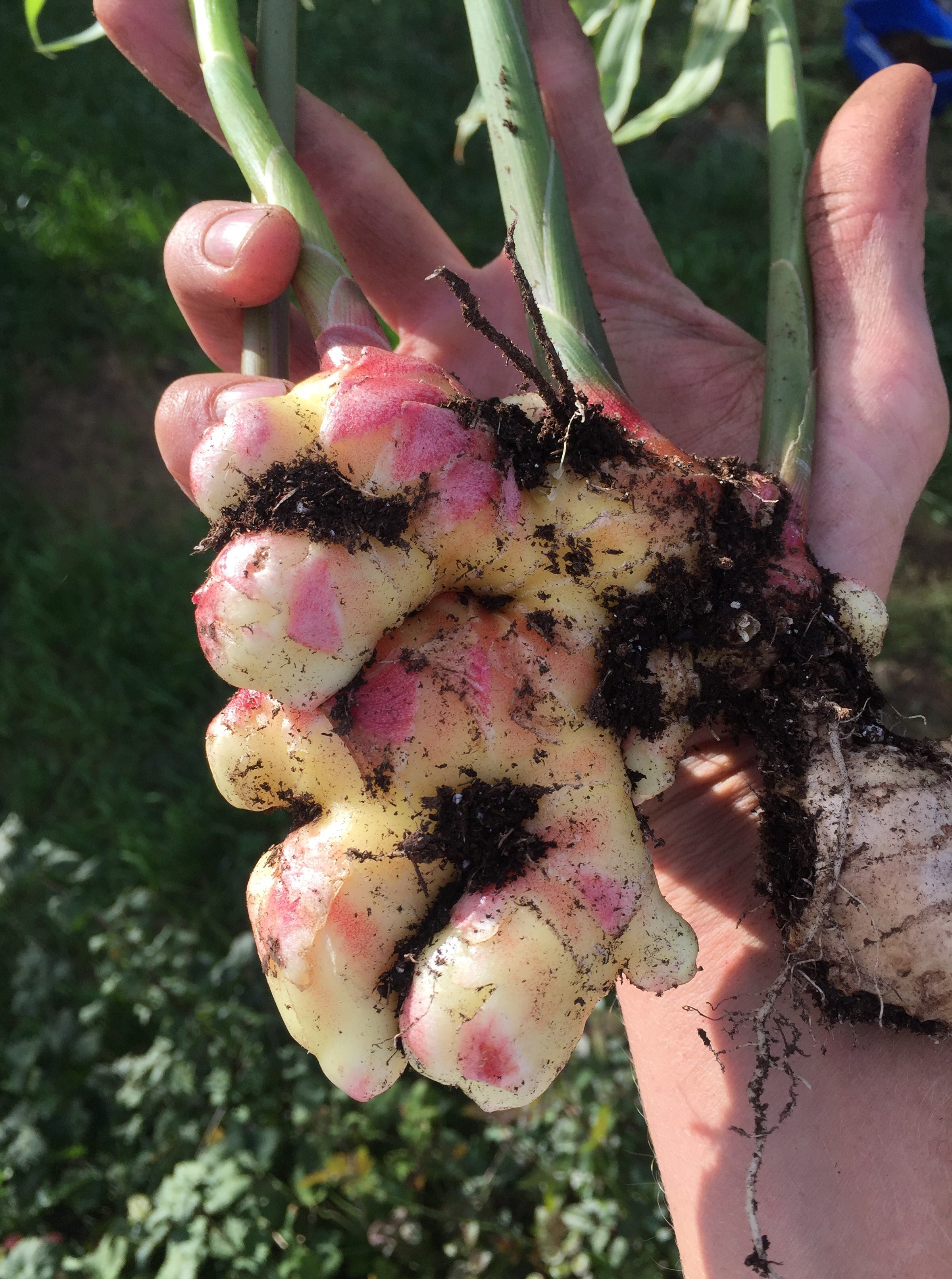
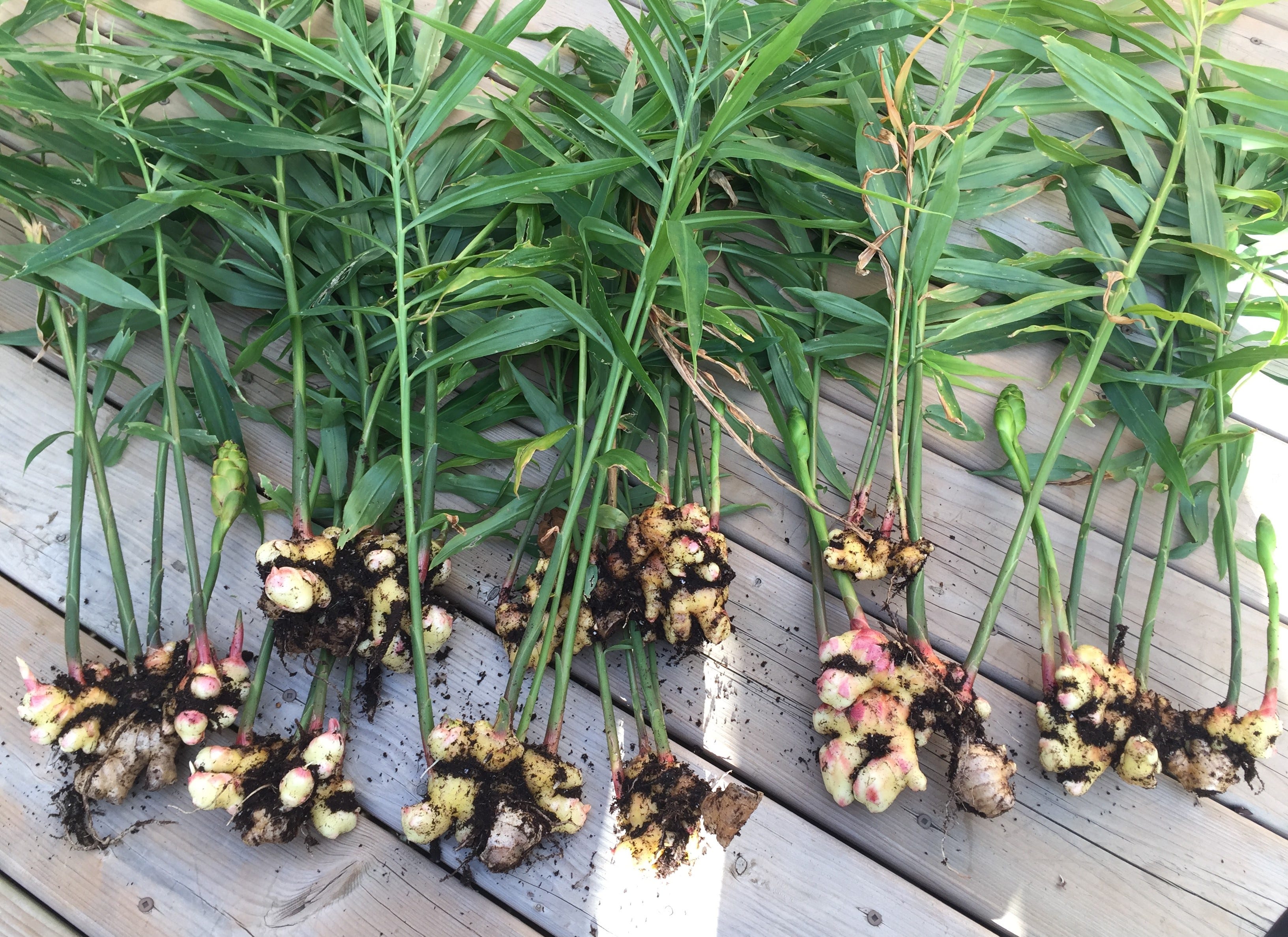
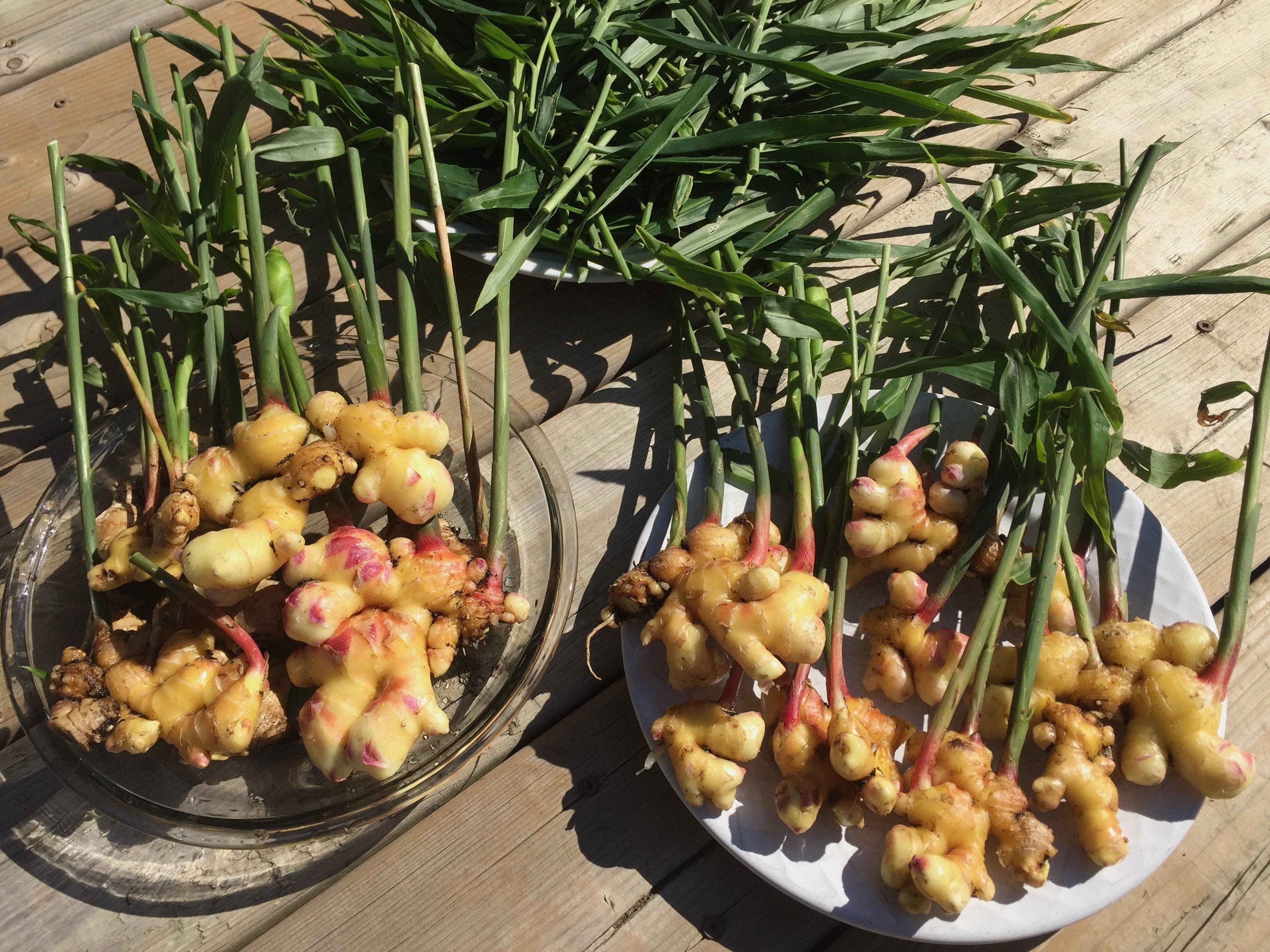
For more info on the health benefits of Ginger and how to grow your own at home, check out :
The Generosity Of Ginger

Ginger is a medicinal powerhouse and culinary extraordinaire that is a must have in your natural first aid kit and kitchen pantry. In the article that follows I will provide practical info on how to grow your own ginger at home (regardless of your living situation), also providing a list of the myriad medicinal…
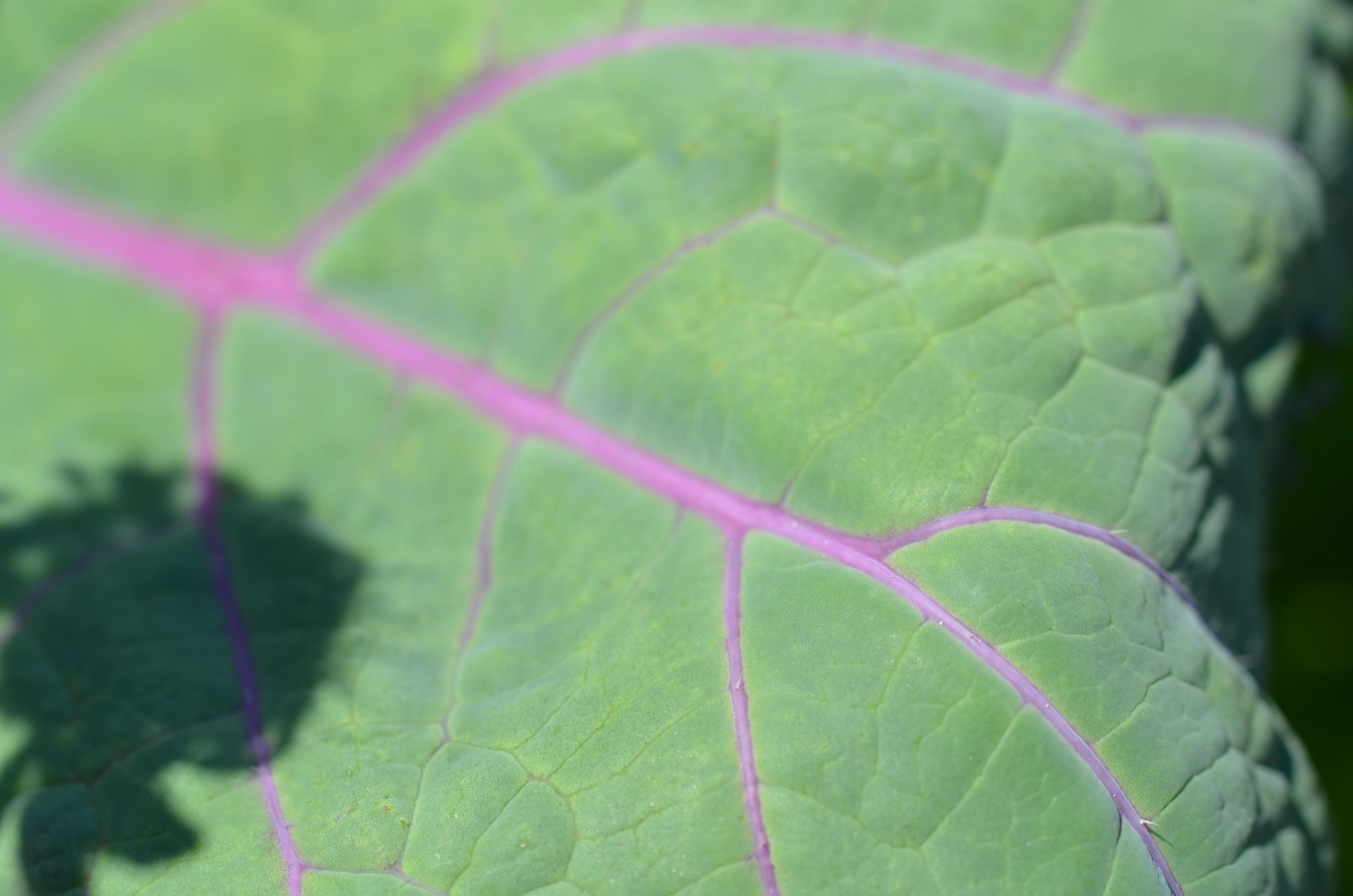
Here is one thing I love to do with our ginger harvest (and a range of other garden harvests).
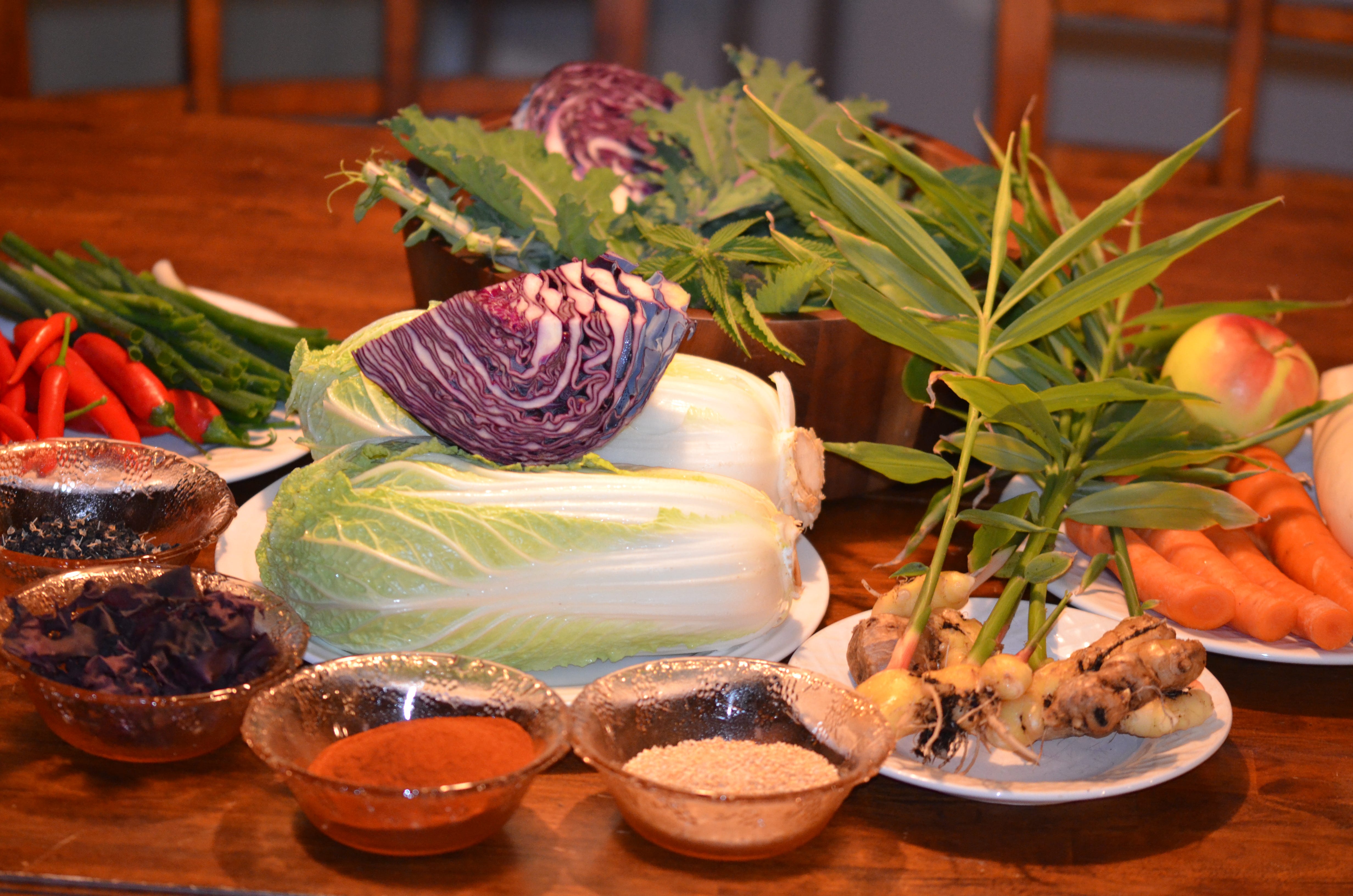
Full recipe here:

I also harvest Curcuma longa rhizomes (grown in pots) at this time of year and chopped up the rhizomes to start fermenting (along side black peppercorns for increased curcumin bioavailability) as the tree planting fall season is upon us and I that means sore muscles and overworked tendons that will need some natural anti-inflammatory relief!
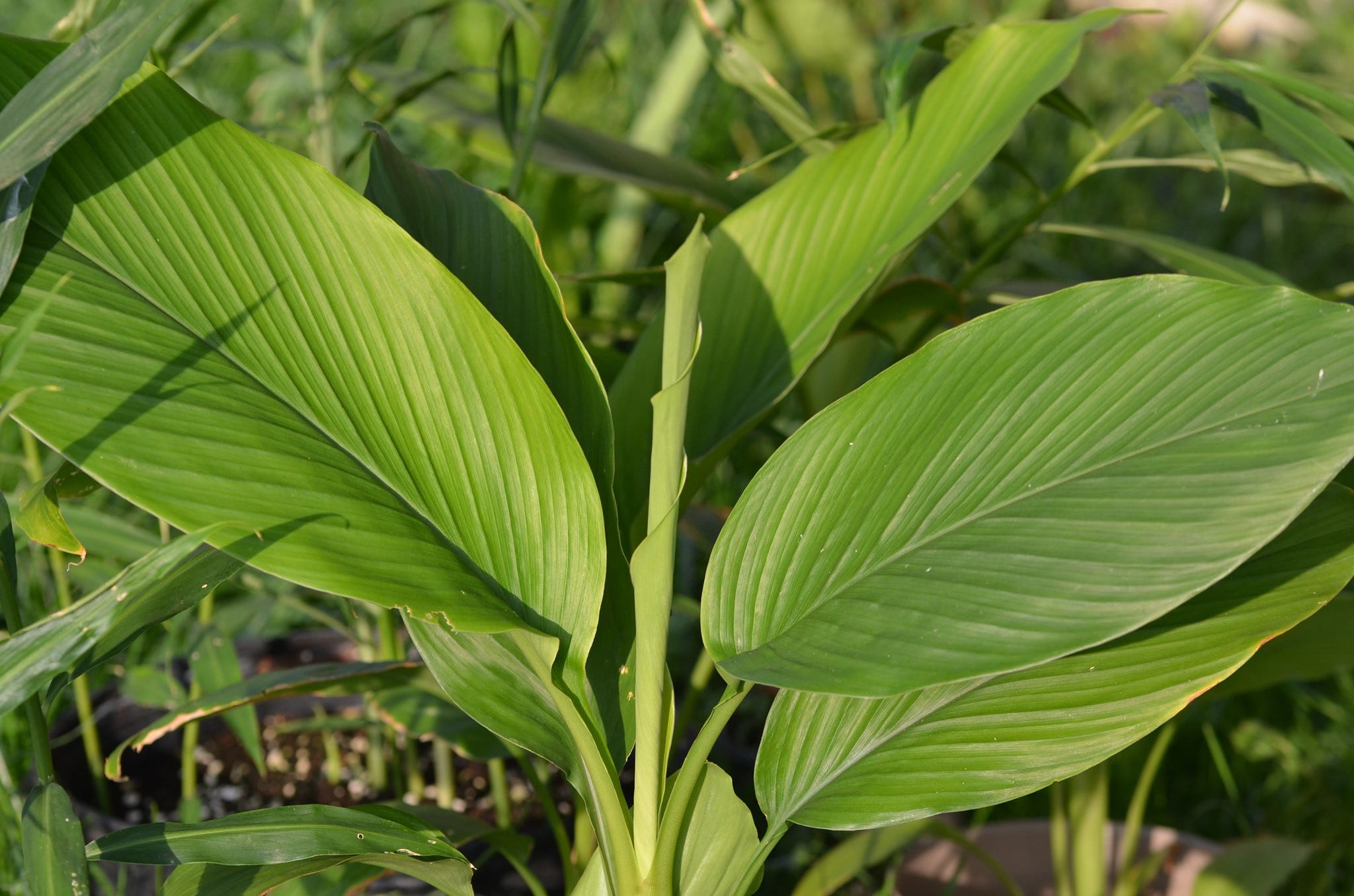
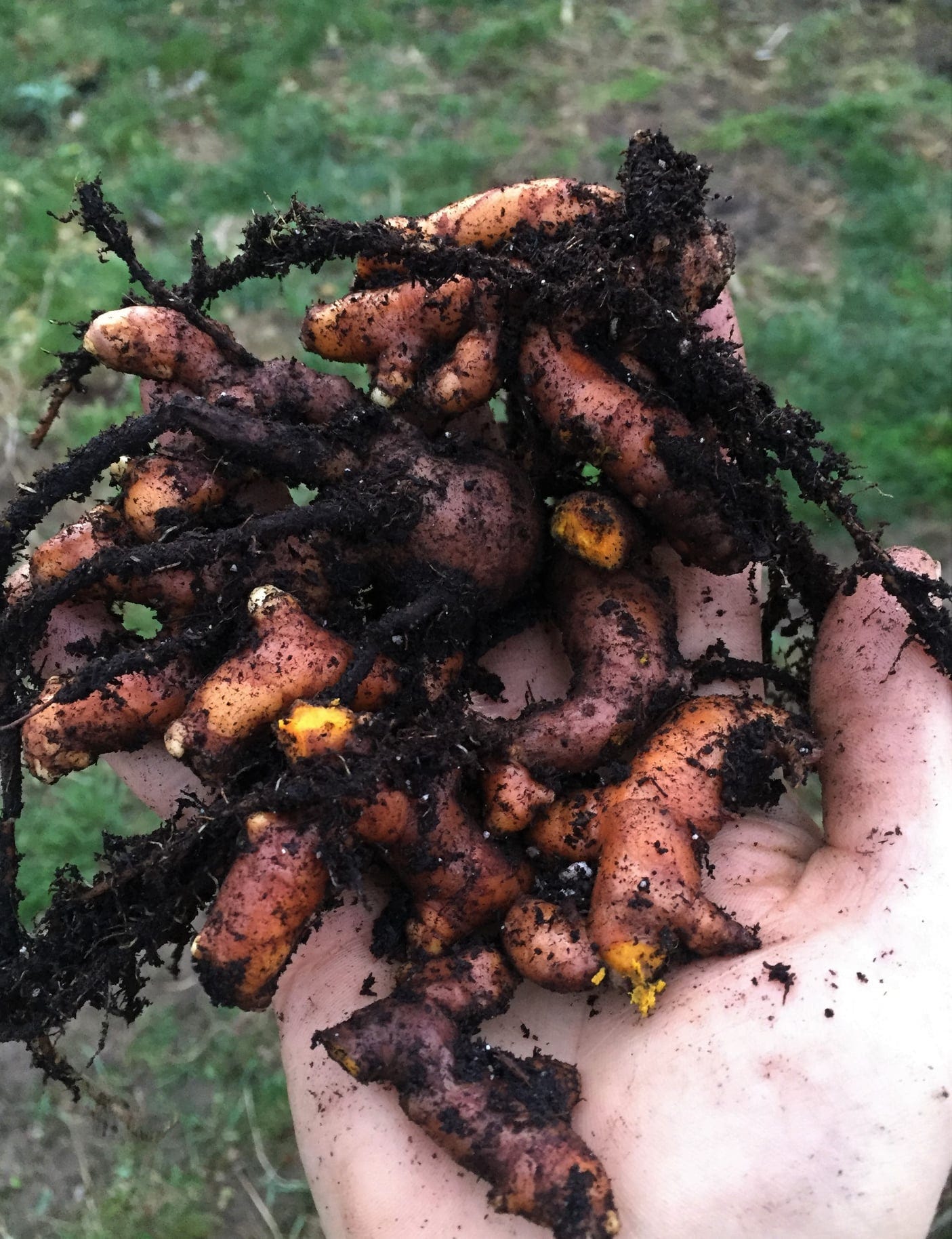
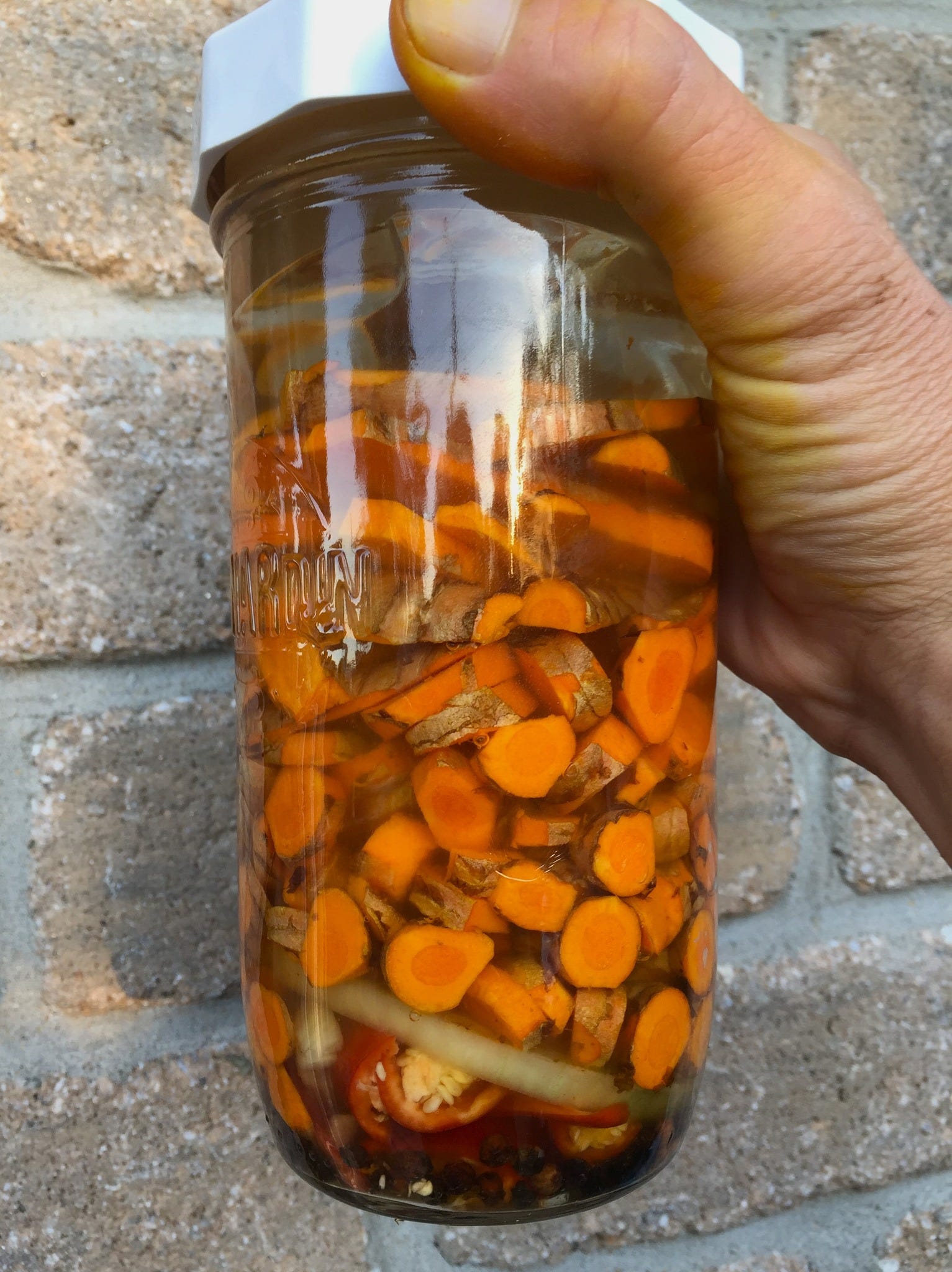
An equivalent quantity of capsules to that jar full of chopped turmeric rhizome would go for over 100$ CDN (and that is just for fermented turmeric rhizome in capsules, not even organic and not necessarily combined with black pepper which potentiates it’s medicinal effects).
That jar (shown in pic above) cost me almost nothing to grow and put together except patience and using my own two hands (which of course ended up stained bright orange with curcumin!). Even if you were to buy those rhizomes at the store and ferment them you are talking about a ten fold increase in value and access to a powerful multi-functional medicine and probiotic source.
For more info on the many benefits of fermented turmeric rhizome and how to grow your own at home in pots, even in Canada!, read this:
The Health Benefits of Fermented Turmeric

When I am working 7 days a week, as I am now (doing physically intense activities) I feel grateful that we have managed to learn to grow quite a bit of our own Turmeric rhizome in pots (and we know a local organic farmer that grows large amounts in her unheated greenhouse). Being able to crack open a jar of homemade fermented turmeric rhizome and eat a …
Amarnath is a big harvest this time of year, check out this note for tips on separating seeds from chaff
This time of year we also dig up our Sweet Potatoes :
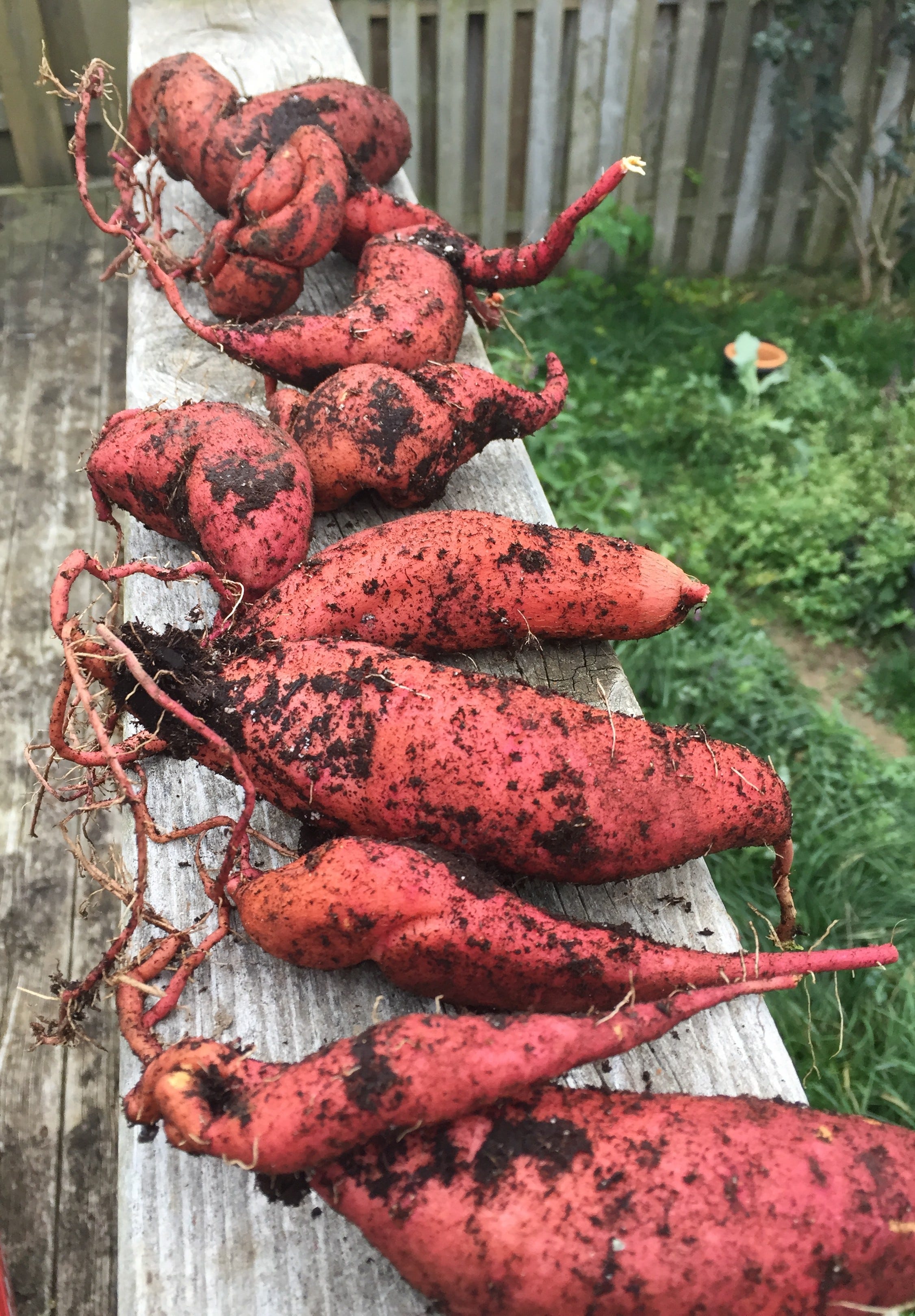
Here is a recipe for one of my favorite ways to enjoy and preserve our harvest:
Thai Roasted Sweet Potato, Carrot and Ginger Soup

One of our favorite ways to enjoy several of our best producing crops (ginger, carrots, cilantro, sweet potato and chili peppers) is Thai Sweet Potato Soup. Typically, around mid winter we use the last of our stored carrots, sweet potatoes, ginger (and many other ingredients) to make a huge batch of this super nutritious, warming, delicious and inviting…
I am also sometimes still harvesting chili peppers and tomatoes from the garden this time of year. So I like to make soups like this:

Full recipe below
Sopa de Lima (Yucatán-Style Lime Tortilla Soup)

This sopa de lima, or lime soup, is a Mayan dish originally from Yucatán, Mexico.
And here is a great way for preserving them using low tech methods:

For a fun flash back to last October when I talked about preserving seasonal abundances on Media Monarchy, check out this post:
The Mounsey Minute (episode 9) Preserving Our Food (from the root cellar to the ecosystem scale)

In case you missed it (and/or for those of you that find the visual/audio clips I throw together from my Media Monarchy segments more digestible/ for sharing with some of your family and friends) here is the video from last month’s segment.
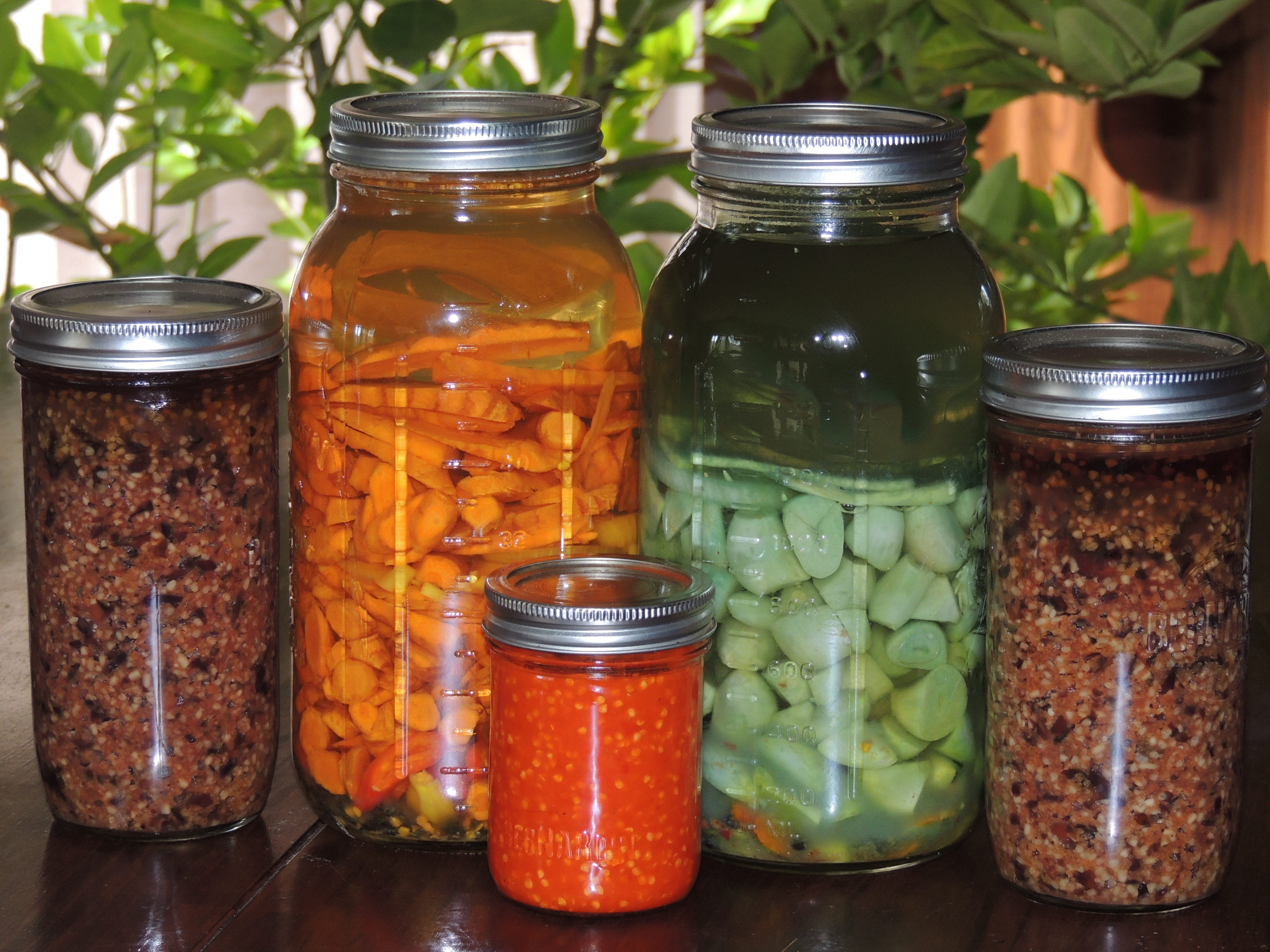
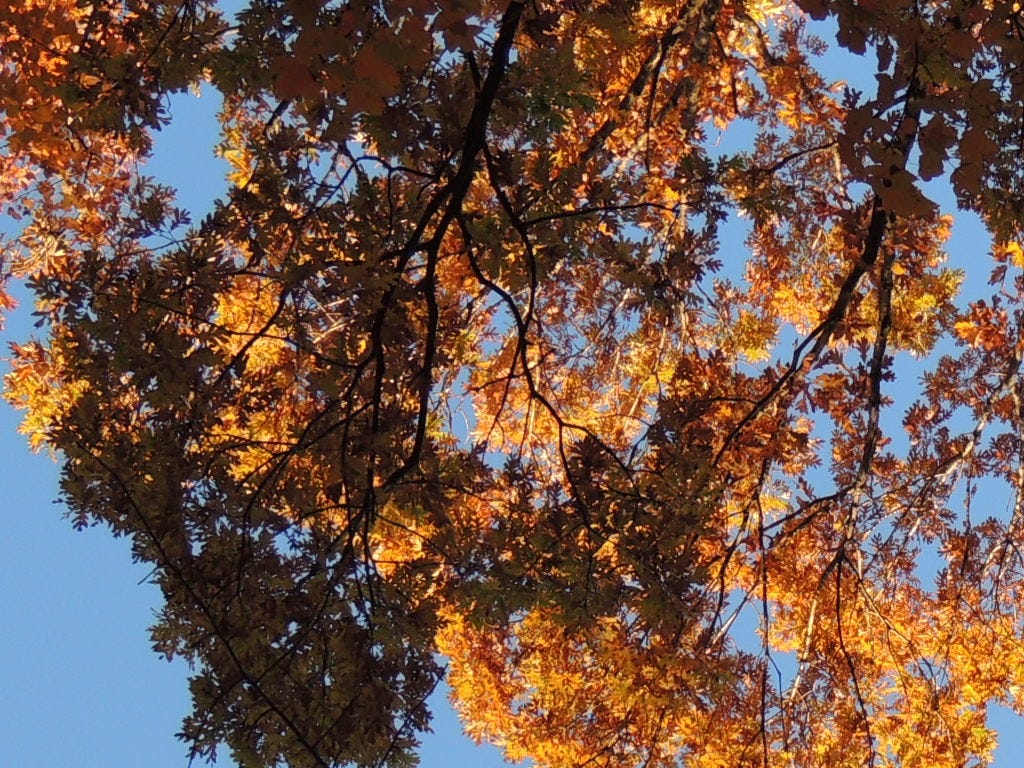
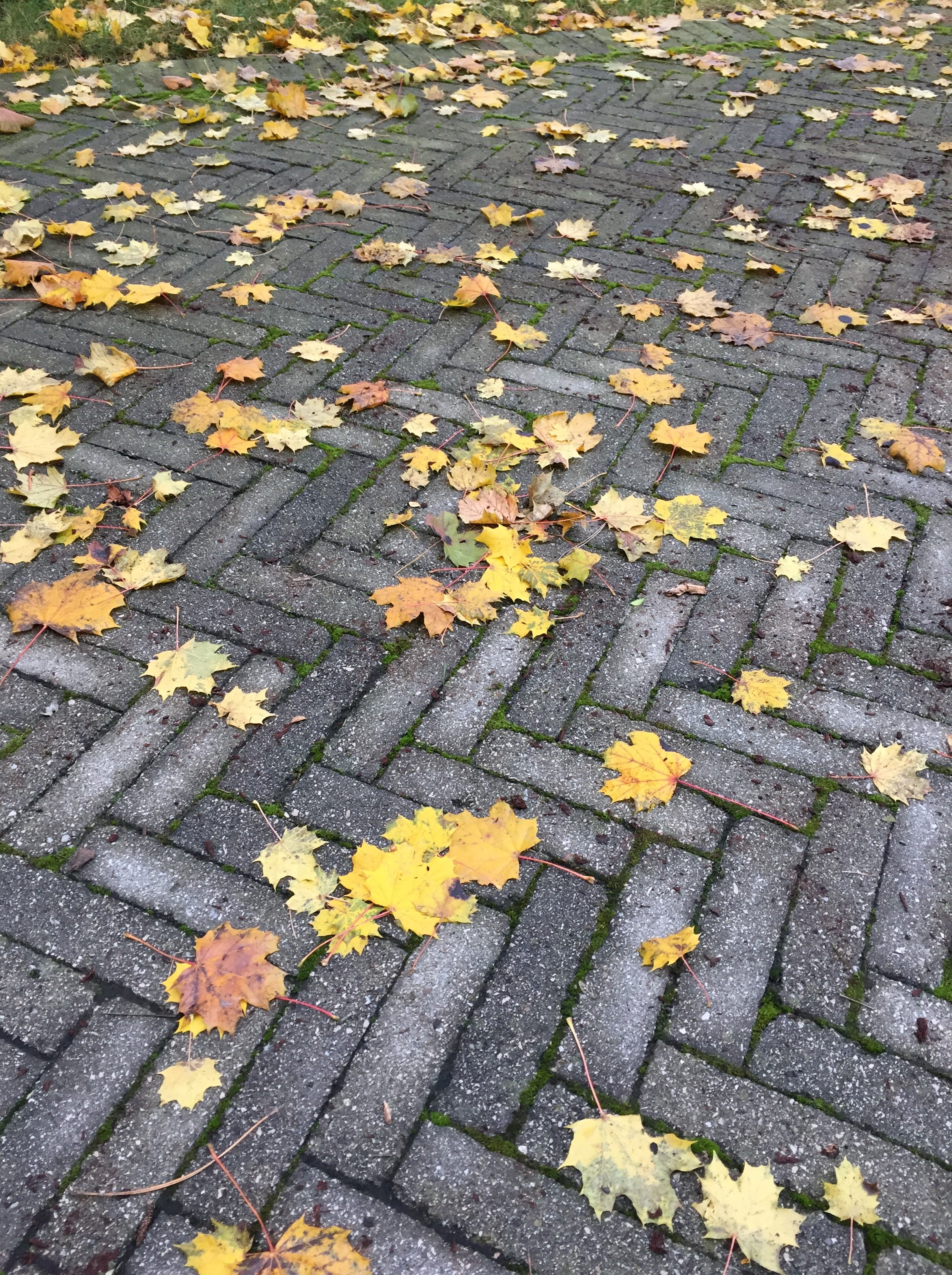
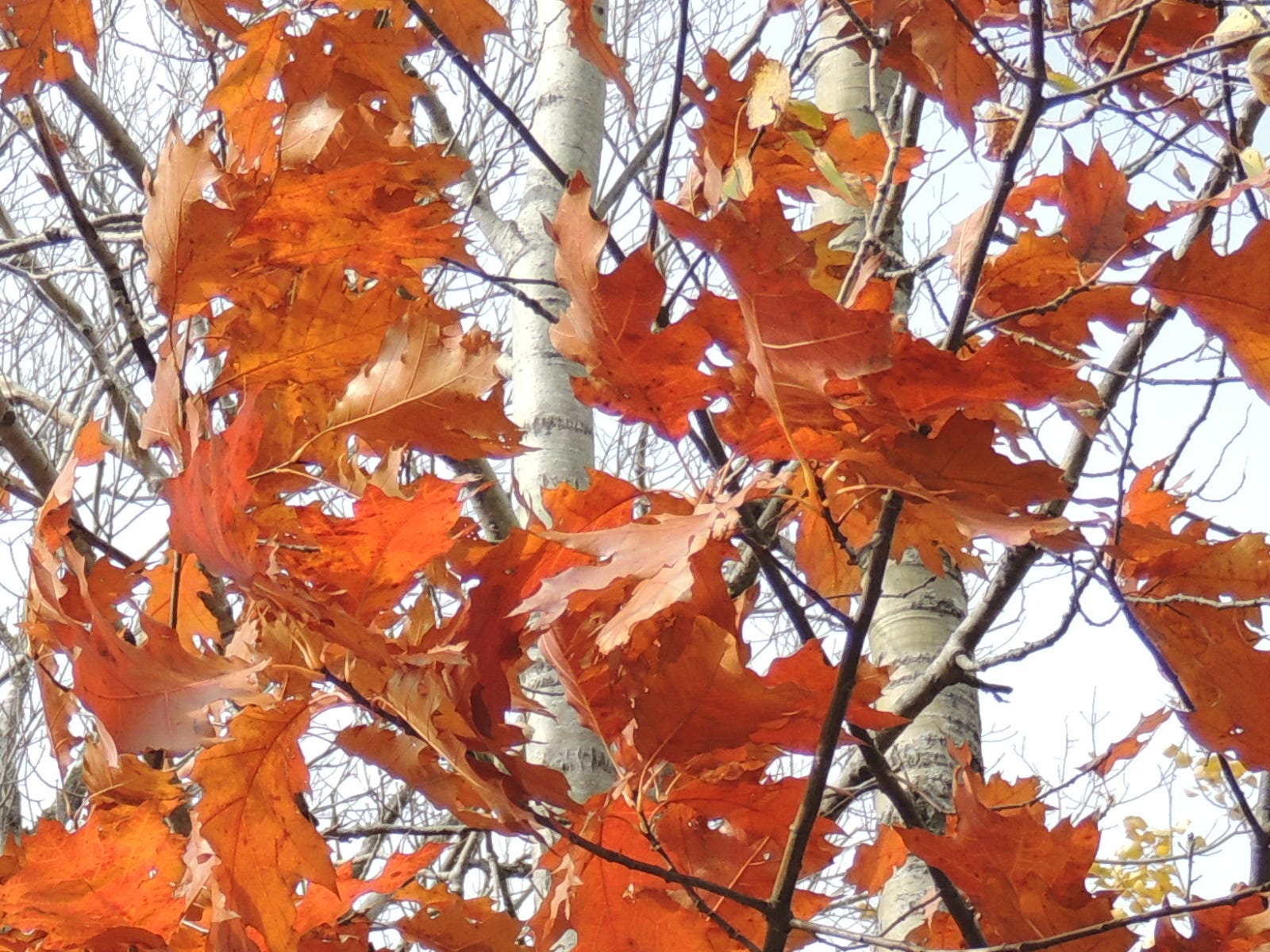
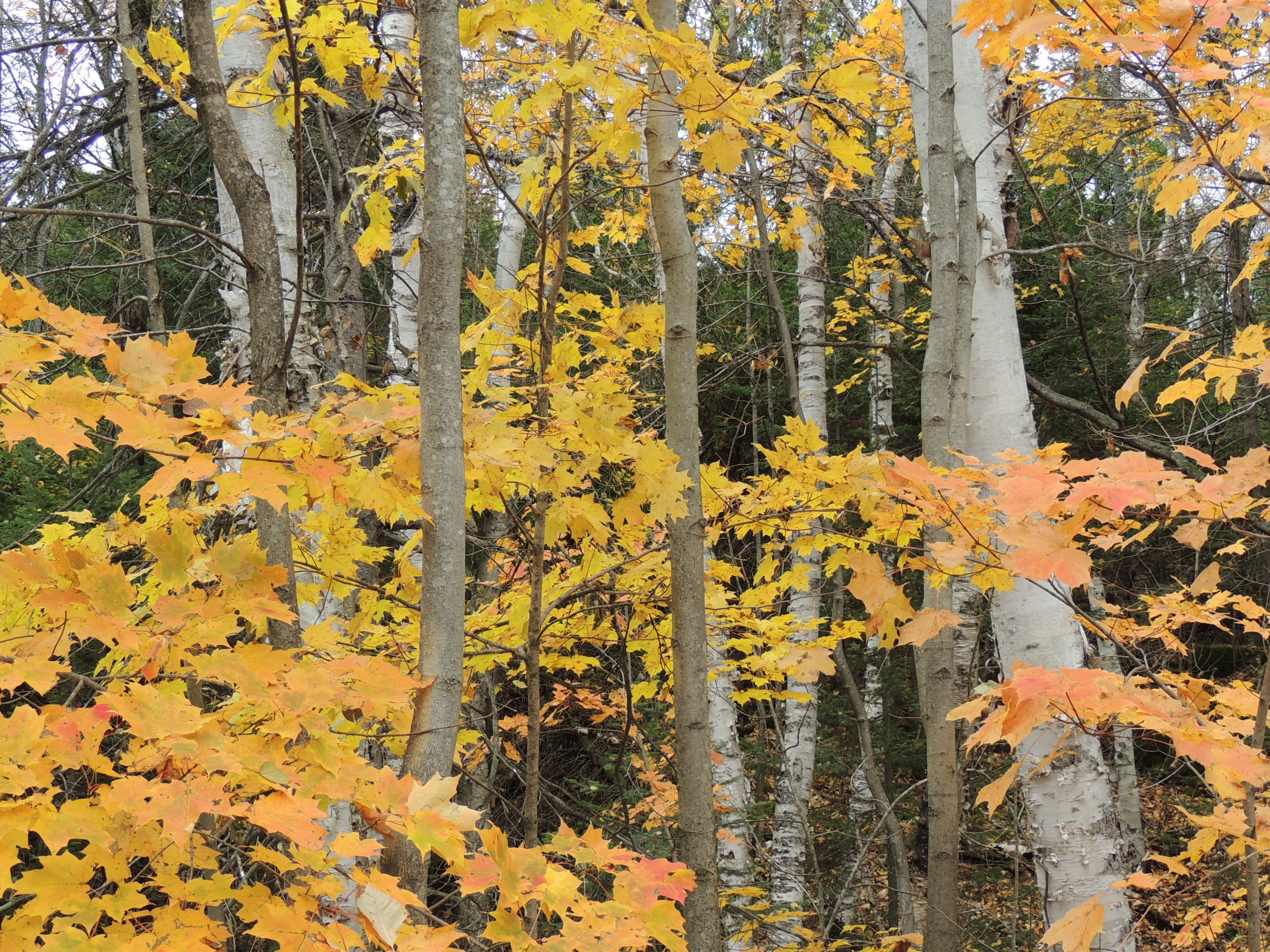
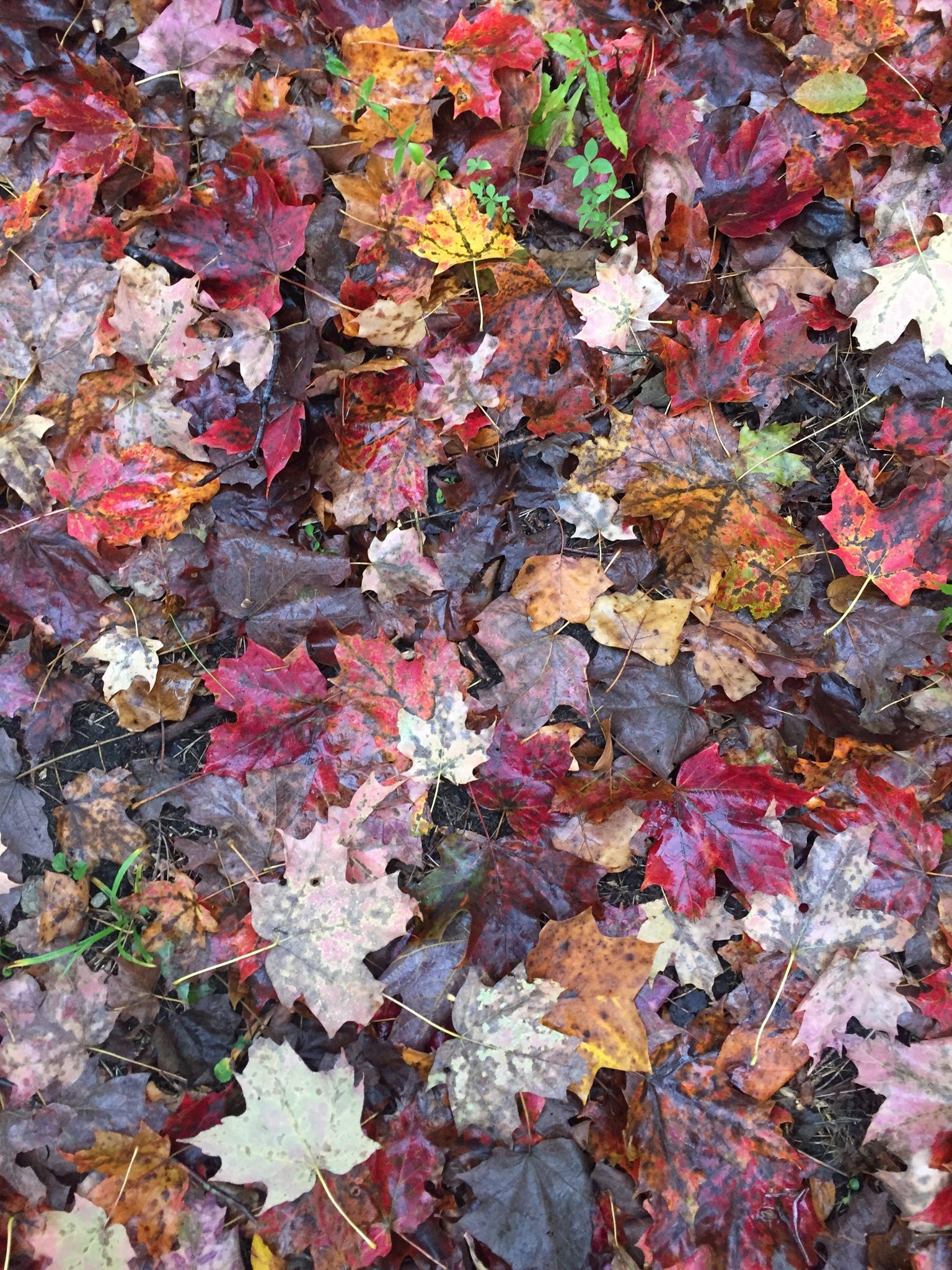
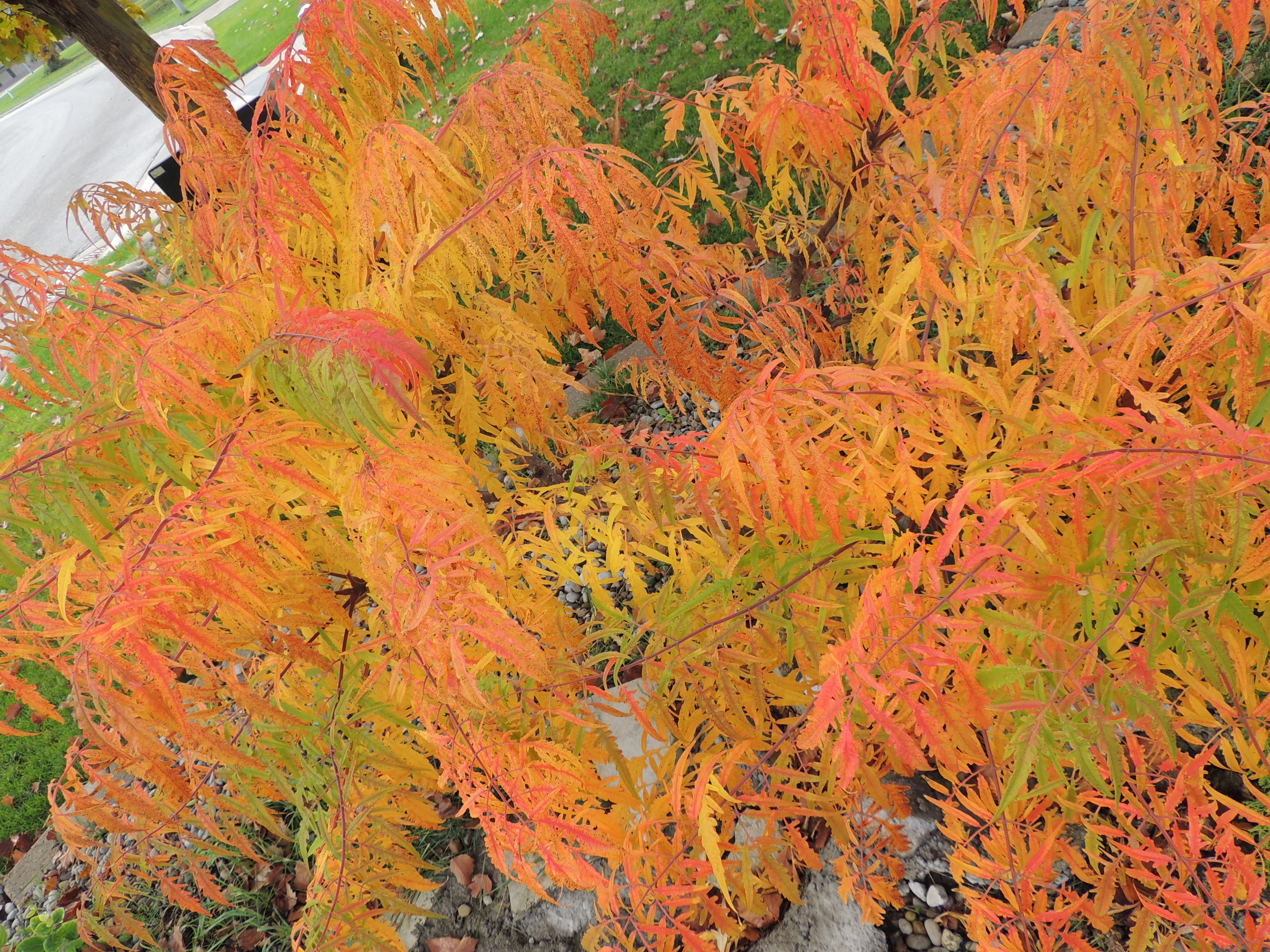
Poetry for the senses and food for the soul can be found all around us in the temperate zones of the north hemisphere in October!
Make sure you are taking time to breath in the beauty of the moment and appreciate the many gifts the living Earth is sharing with you.

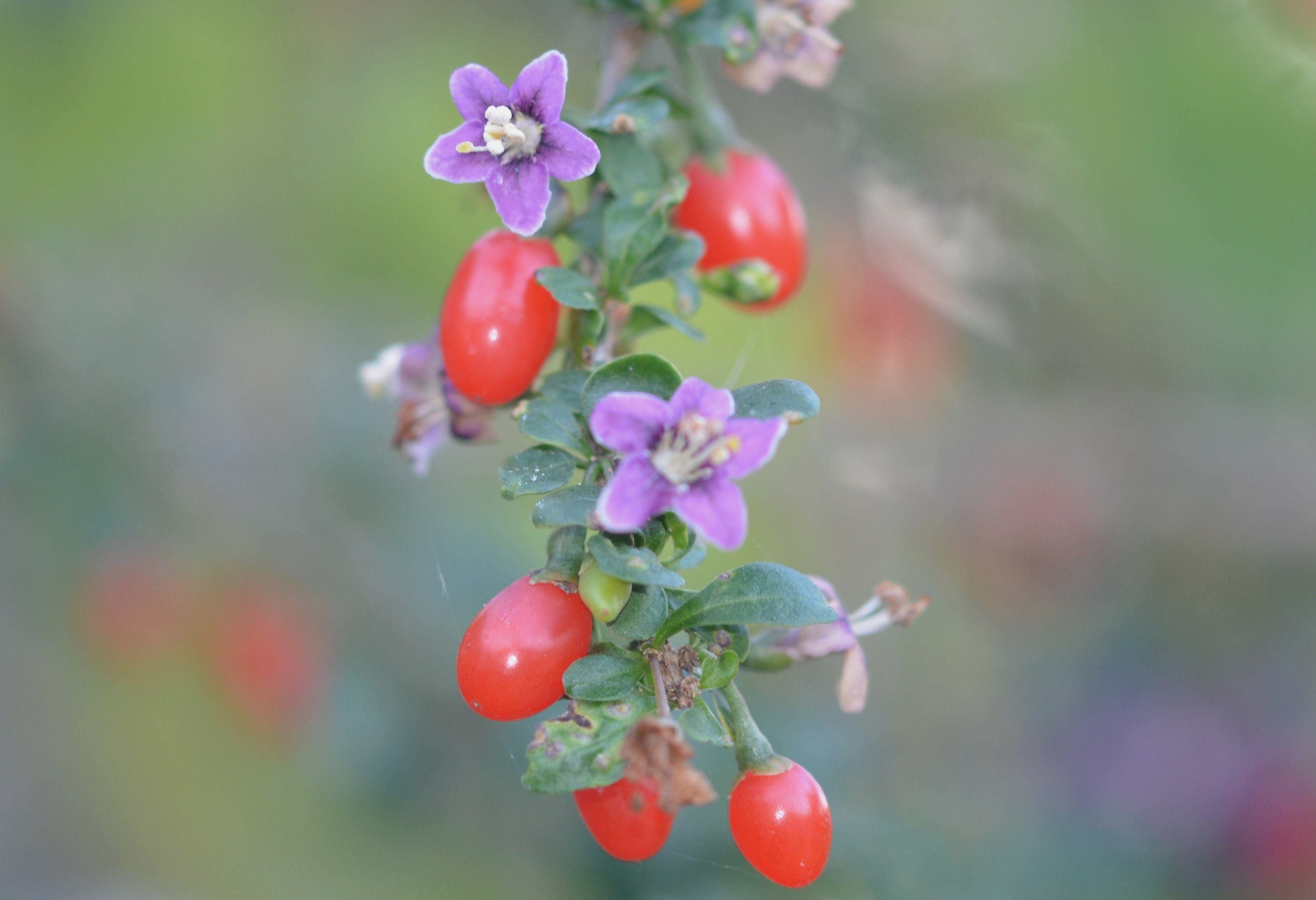
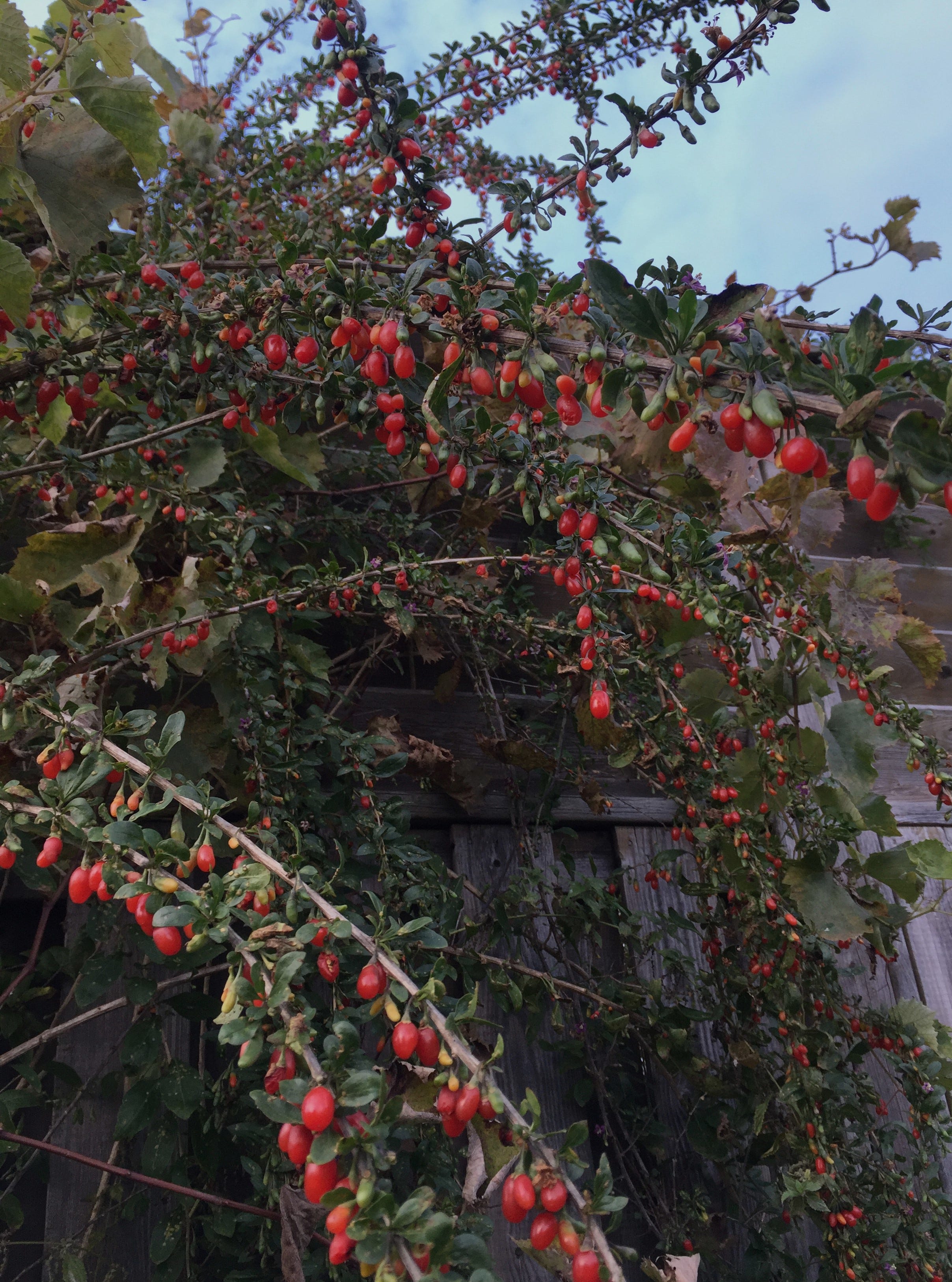
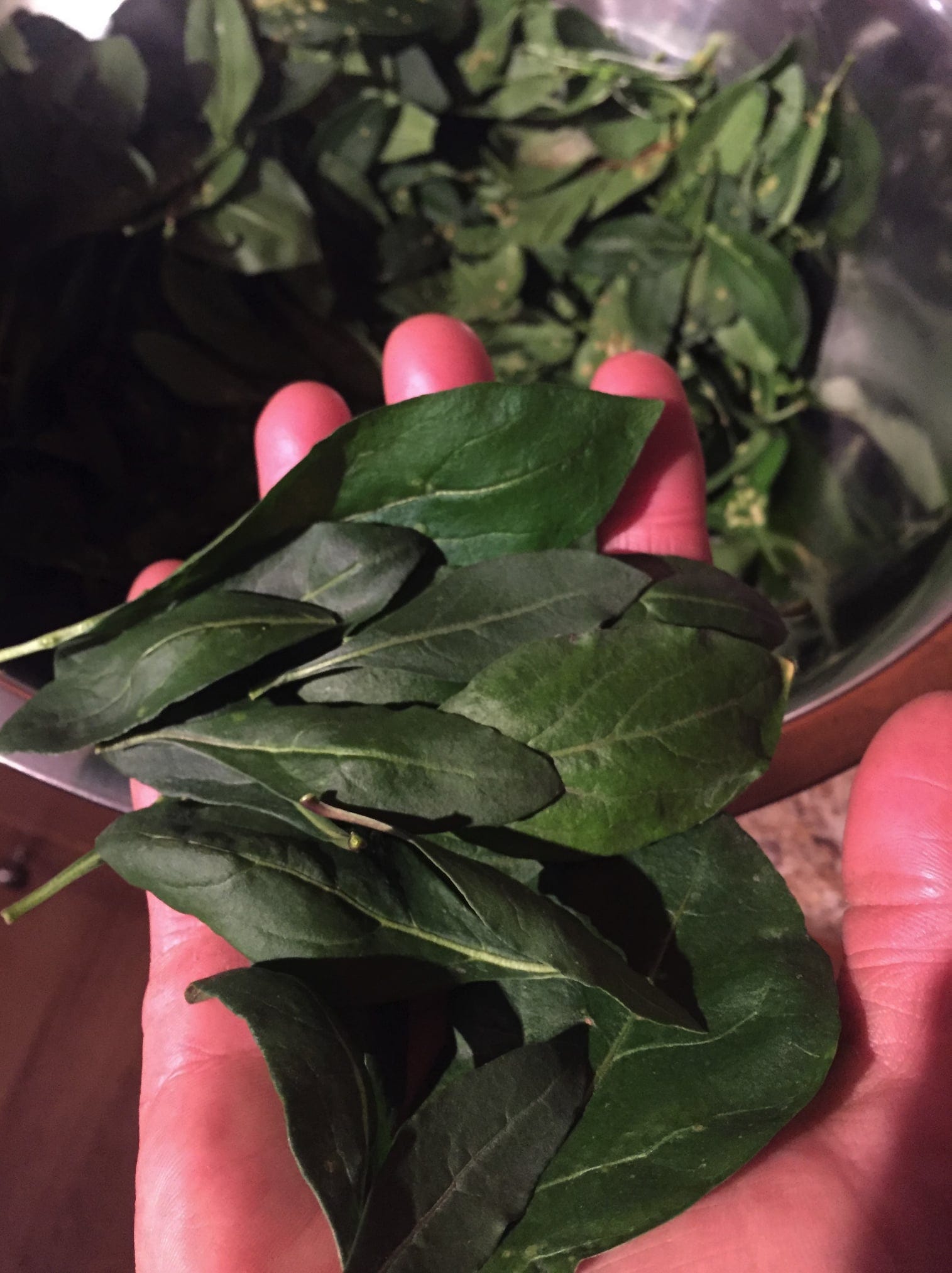
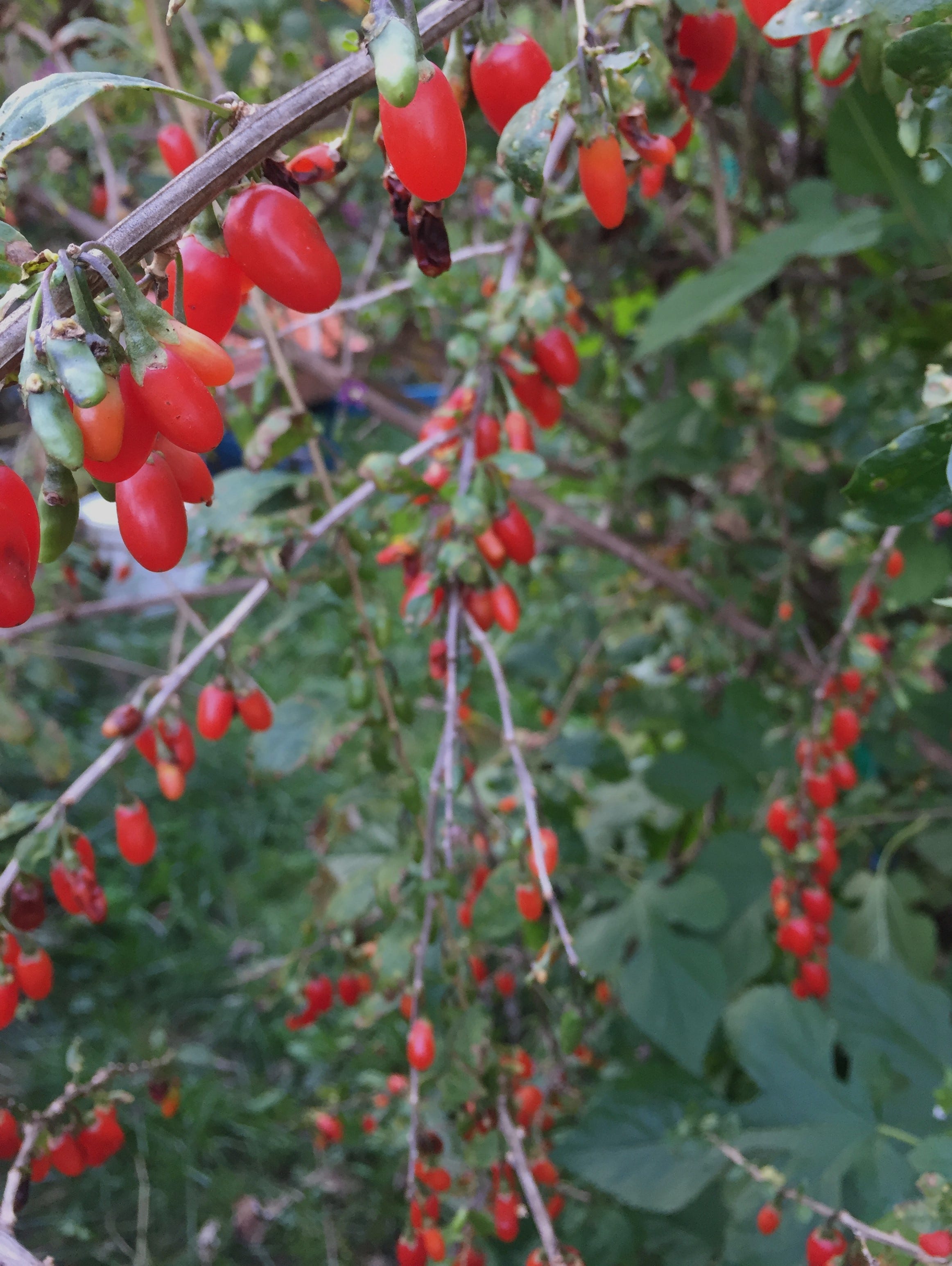
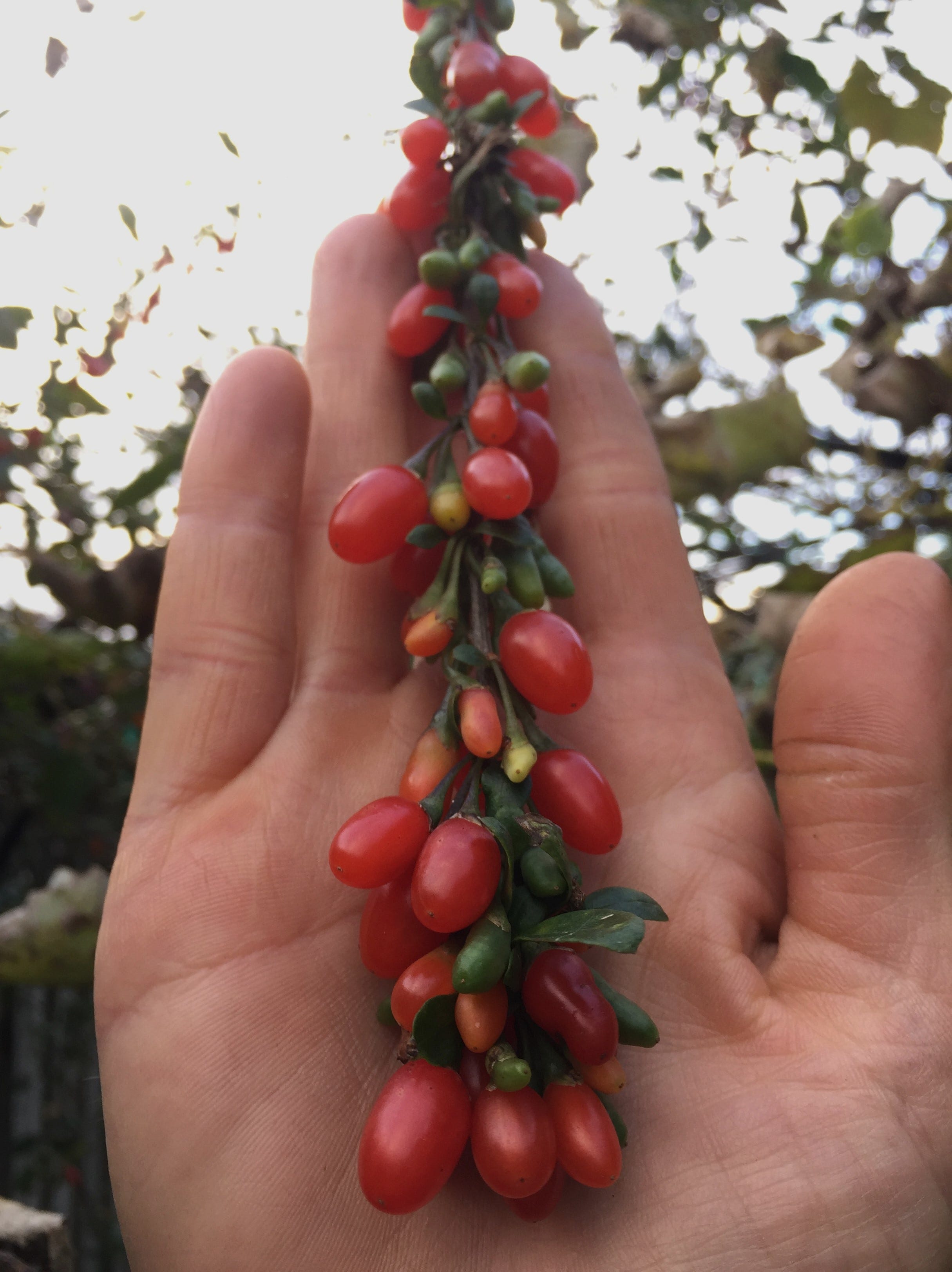
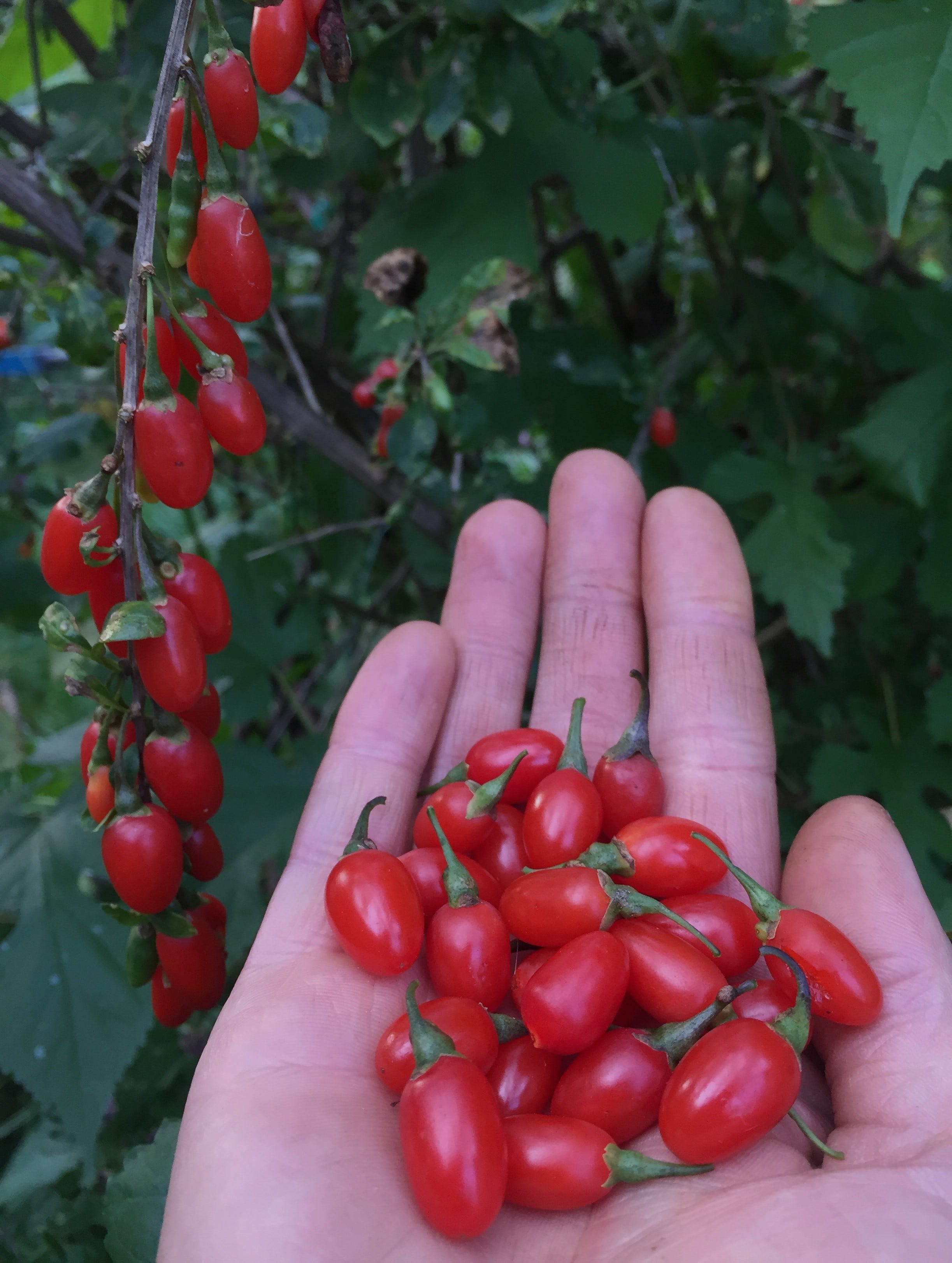
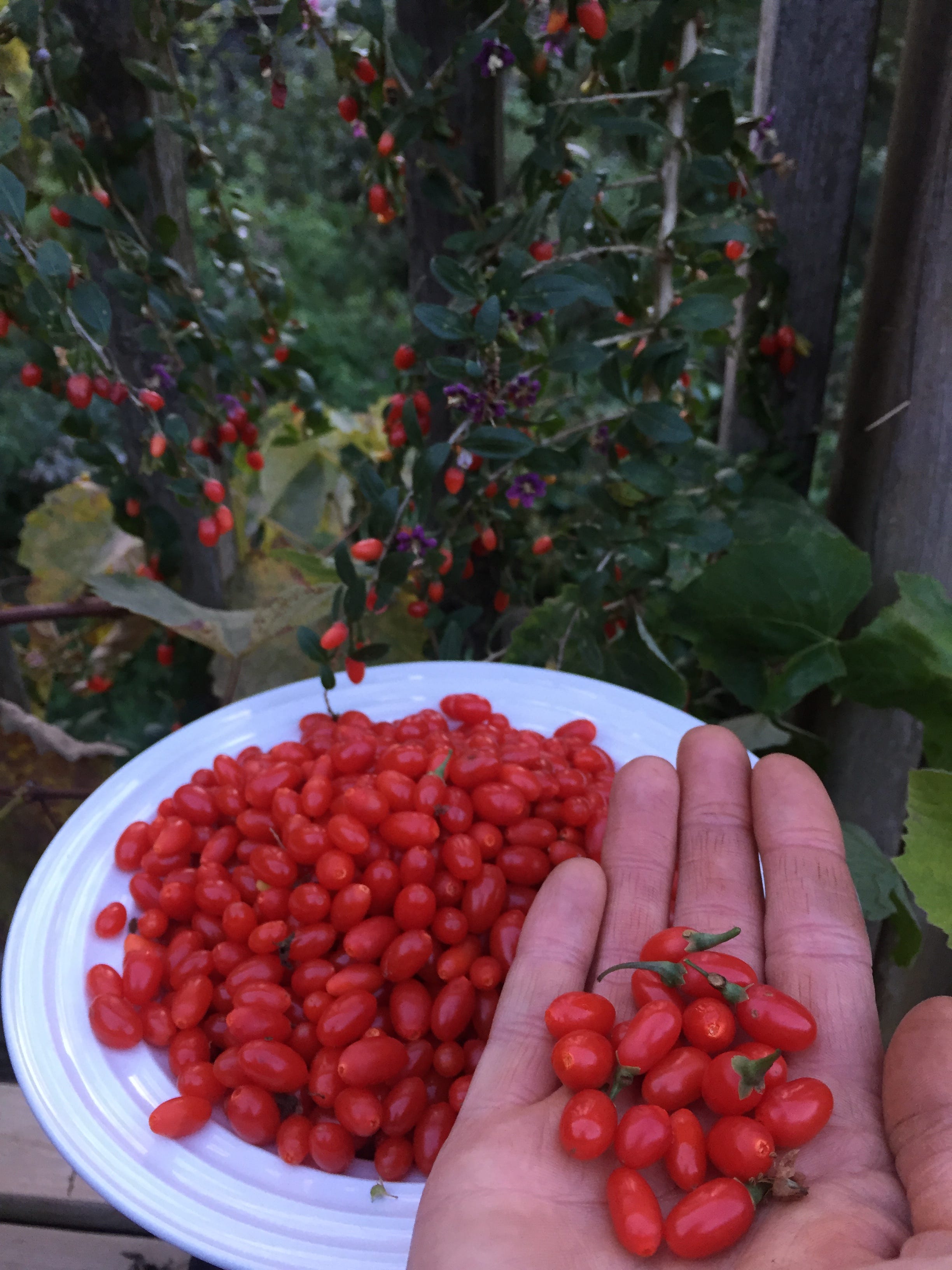
Here are a few pics of a Goji Berry infused taco mix we made about a week ago.
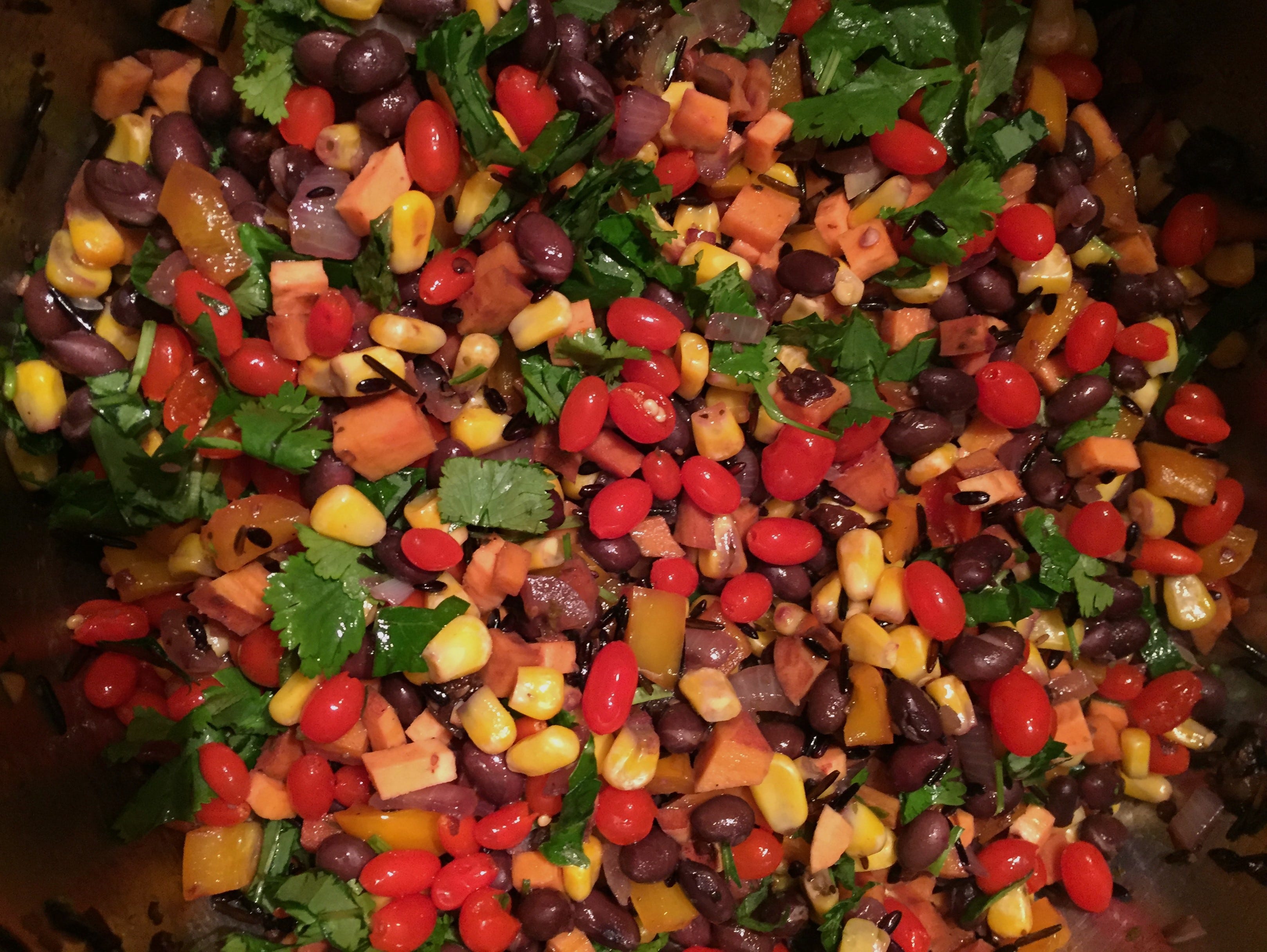
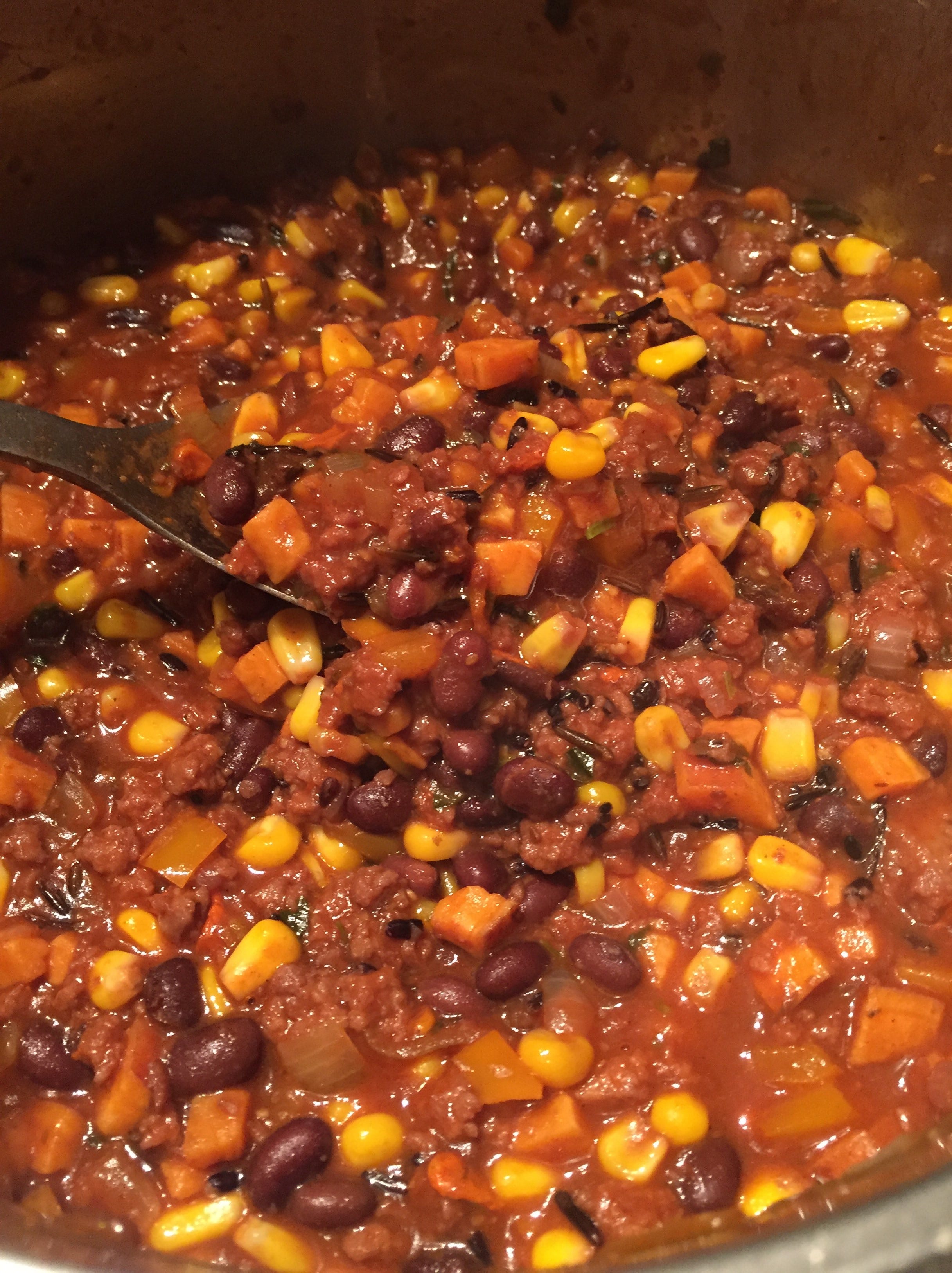


For more information on how to cultivate Goji berries at home and the many medicinal and nutritional benefits this amazing crop offers check out:
The Many Gifts Of The Goji

The goji berry plant (Lycium barbarum, Lycium chinense and the lesser known Lycium ruthenicum), also known as a wolfberry (gouqizi, 枸杞) in Chinese, is a scrambling deciduous shrub with long, sparsely spiny weeping branches. It’s a Lycium (boxthorn) species that is a member of the Solanacea…
Full recipe for goji infused tacos:
Adaptogenic Super Taco Mix

I love Mexican food (well I love a lot of food with cultural roots south of the US border going all the way down to traditional Incan territory really) so I have been experimenting with combining my passion for making tacos, burritos, enchiladas, fajitas and heuvos rancheros with my more recently acquired knowledge of
Ok now lets head back to the forest! :)
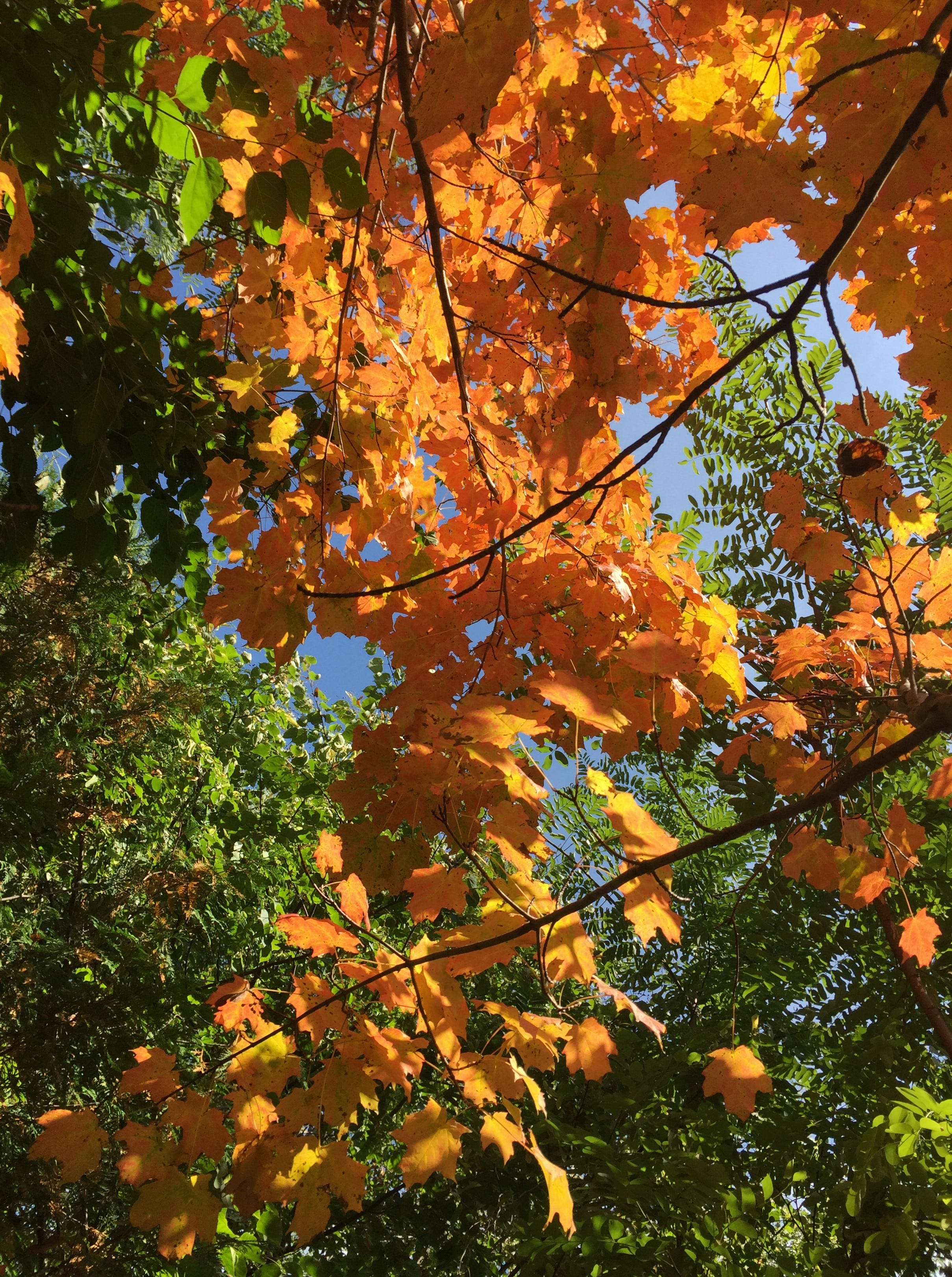
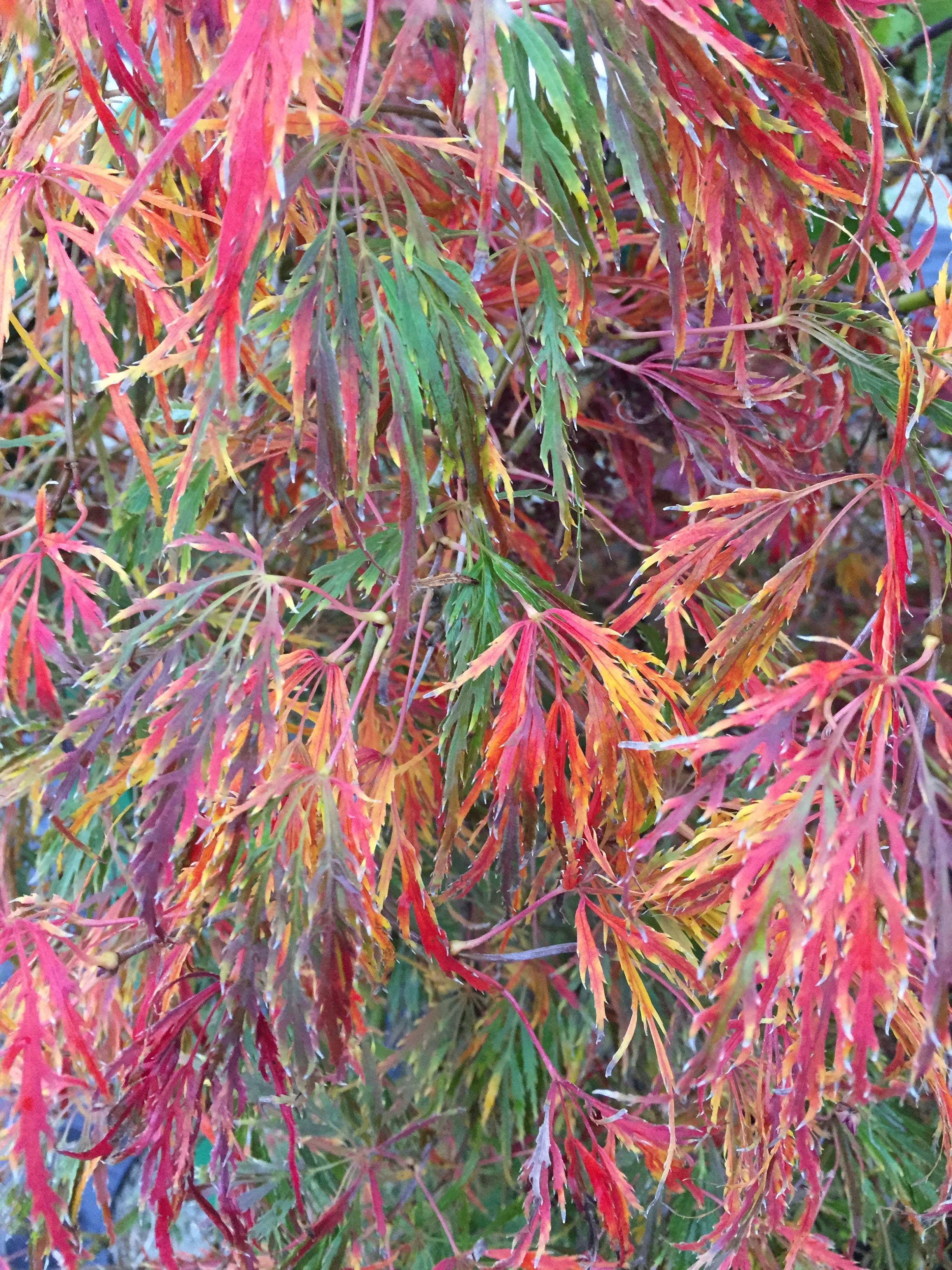
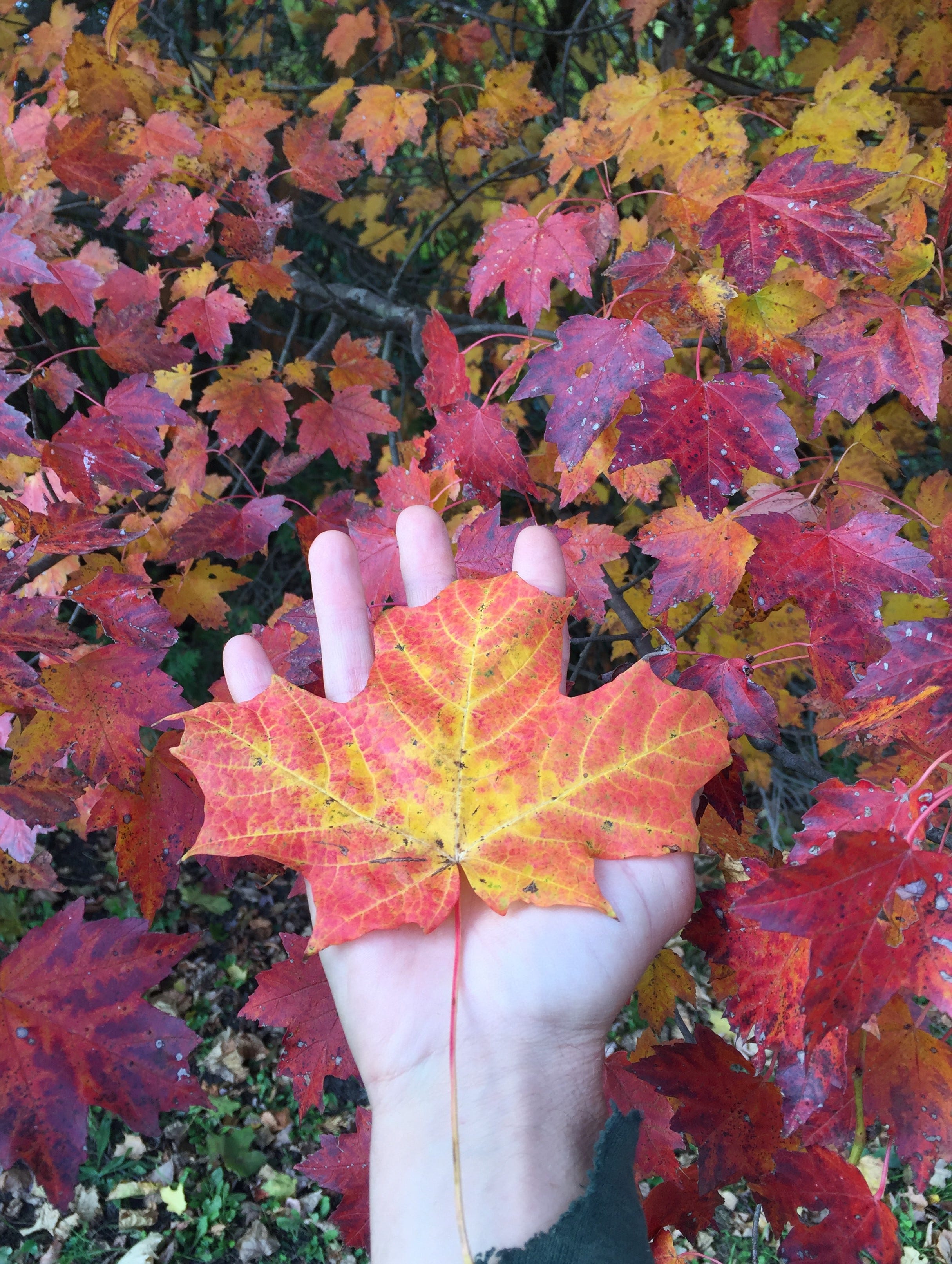
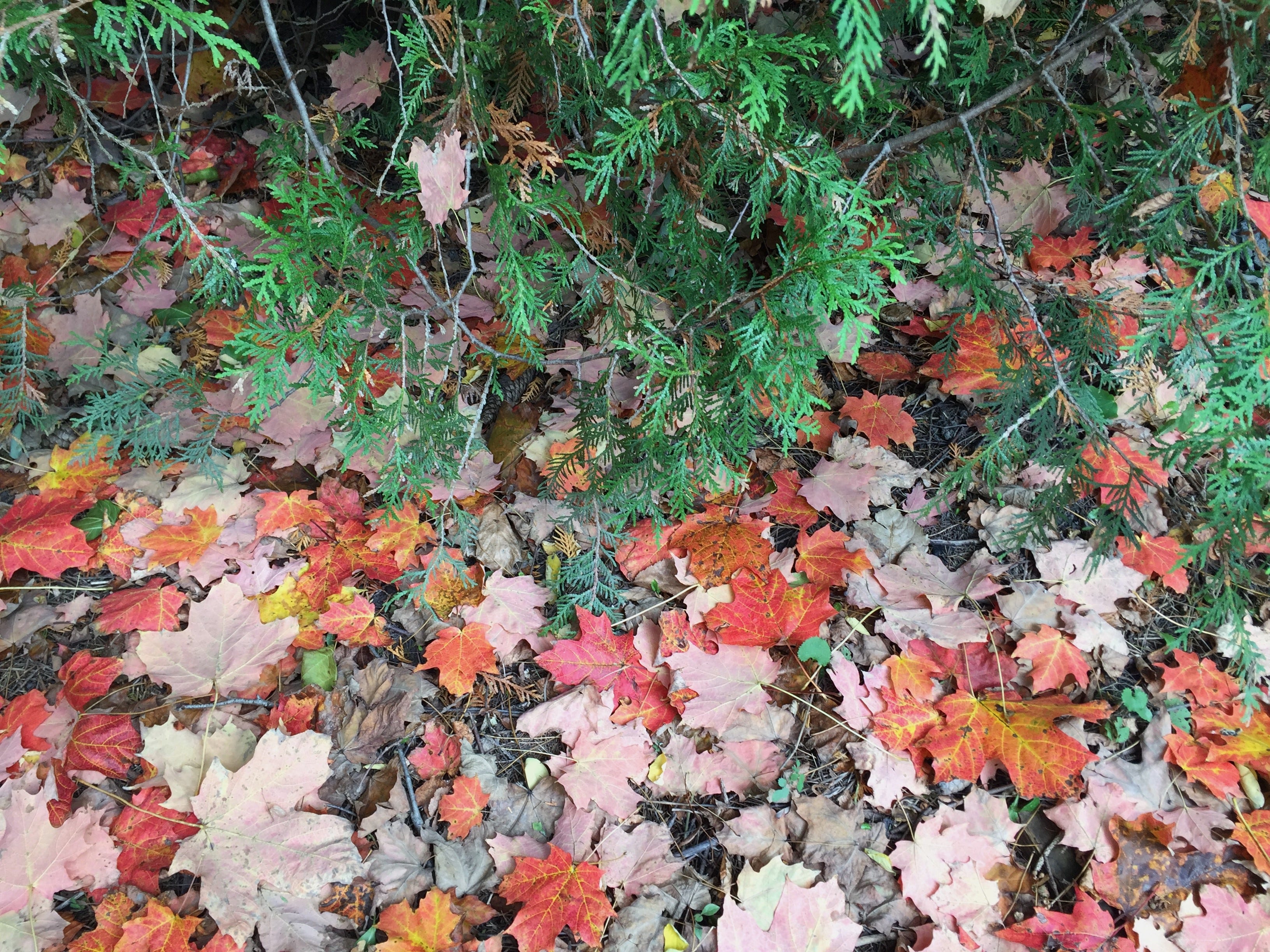
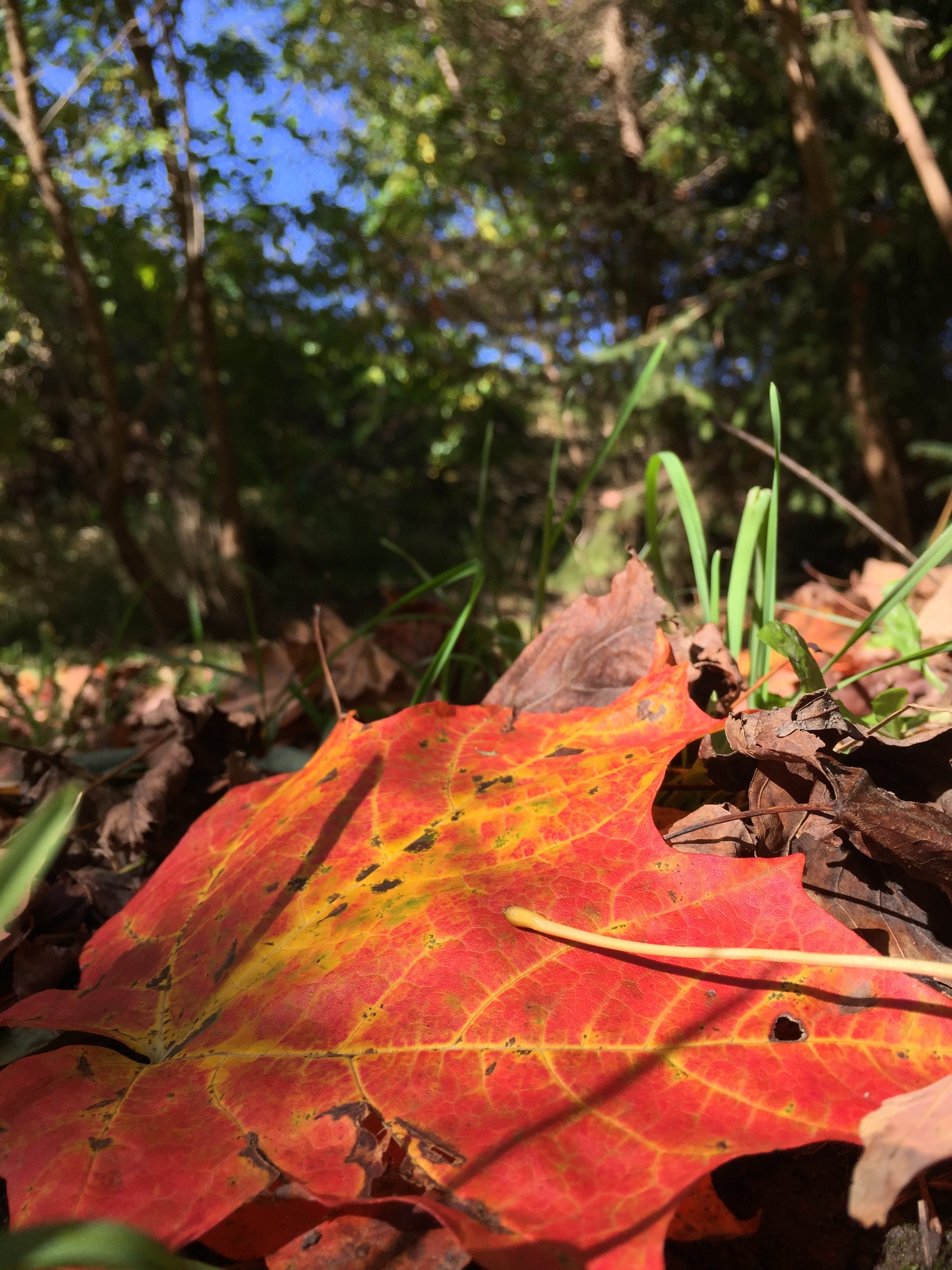
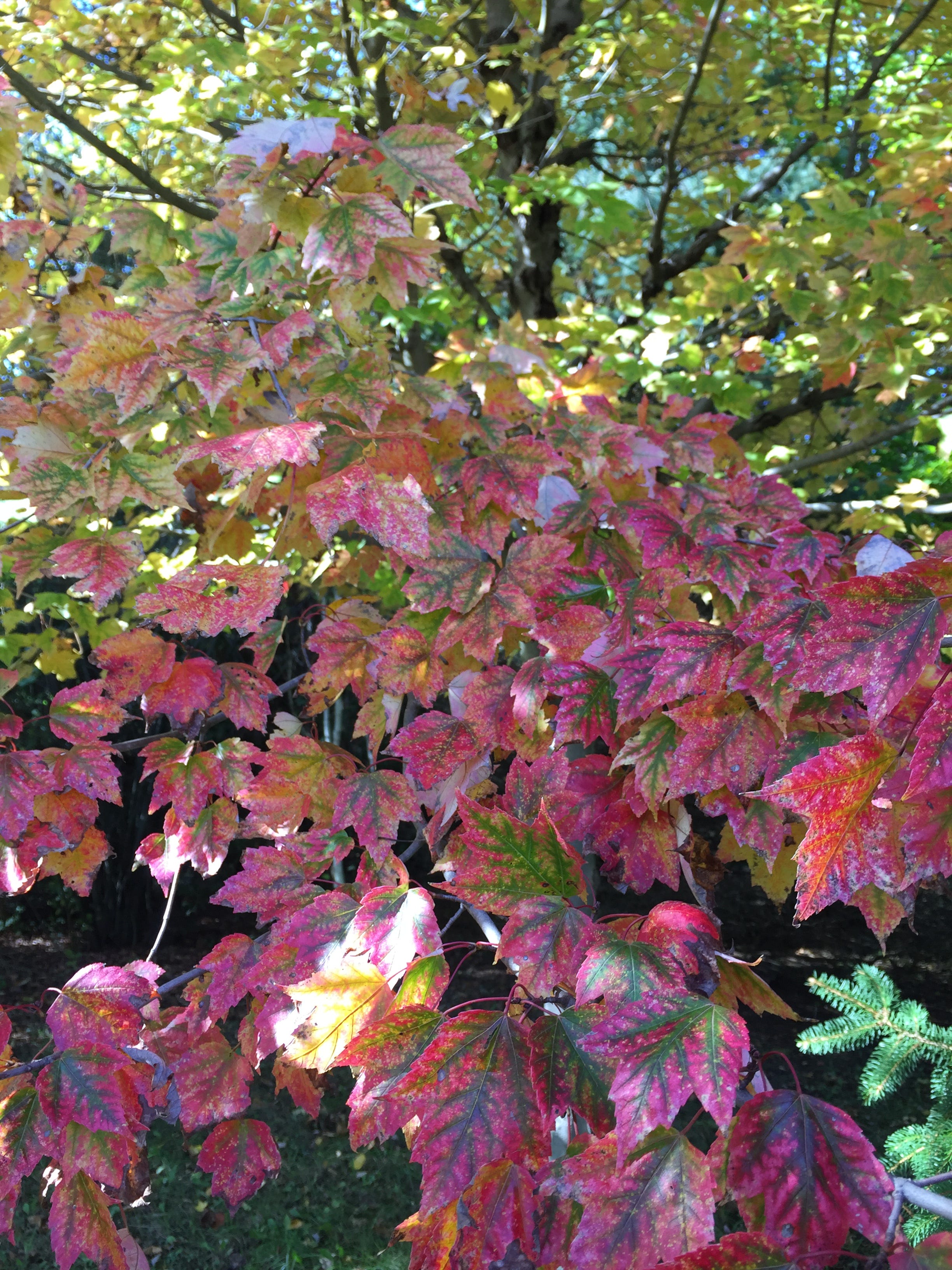
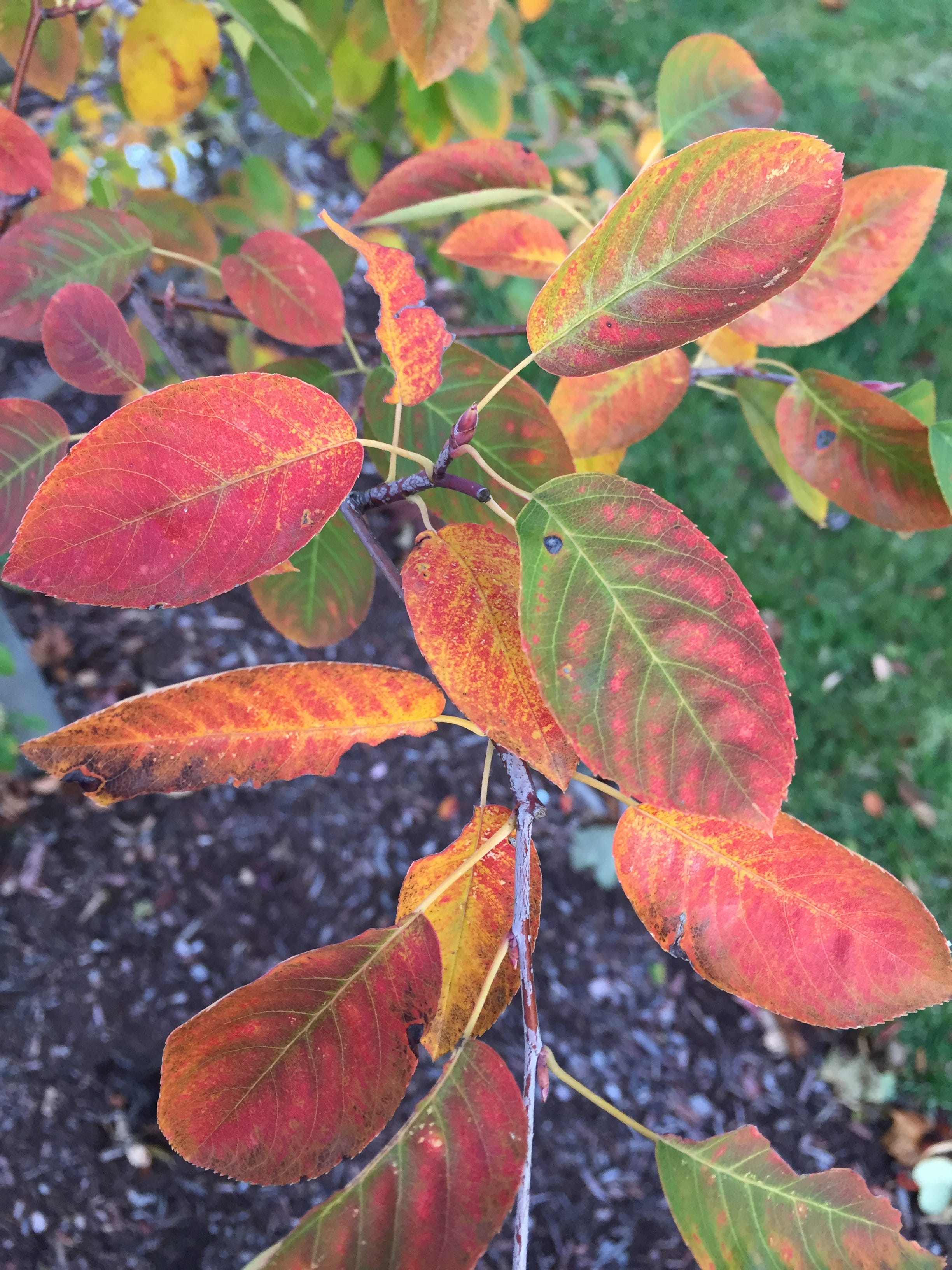
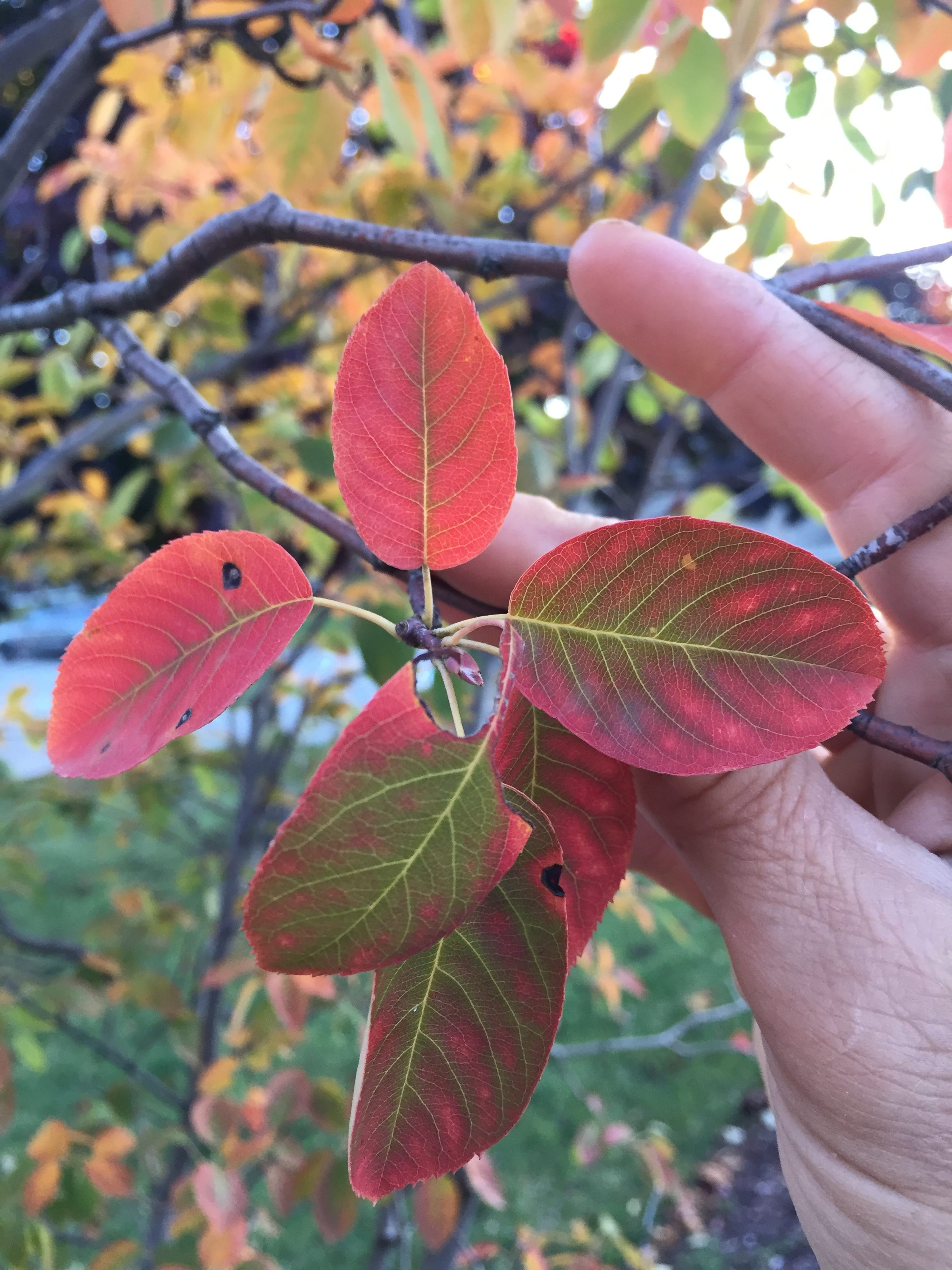
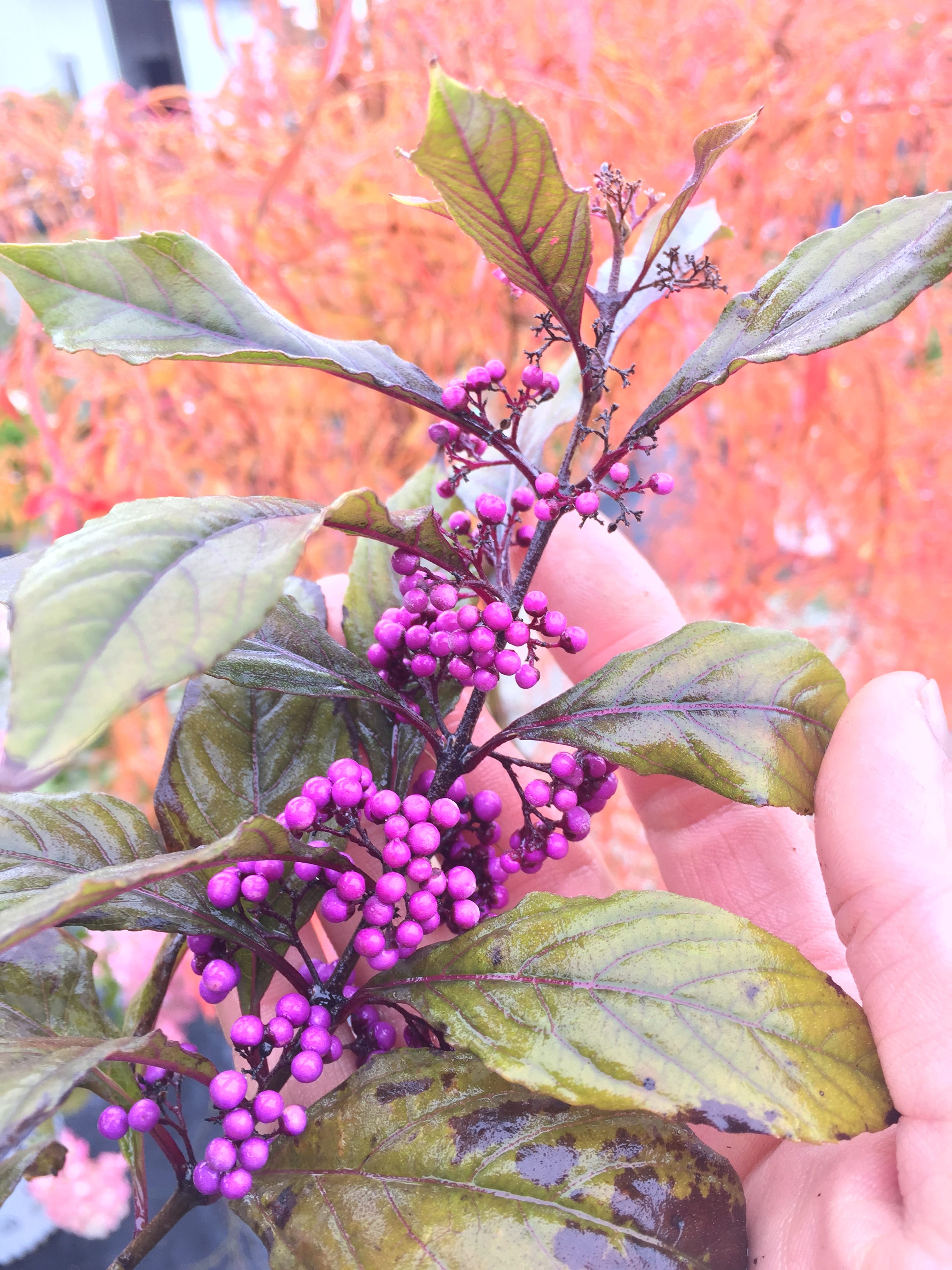
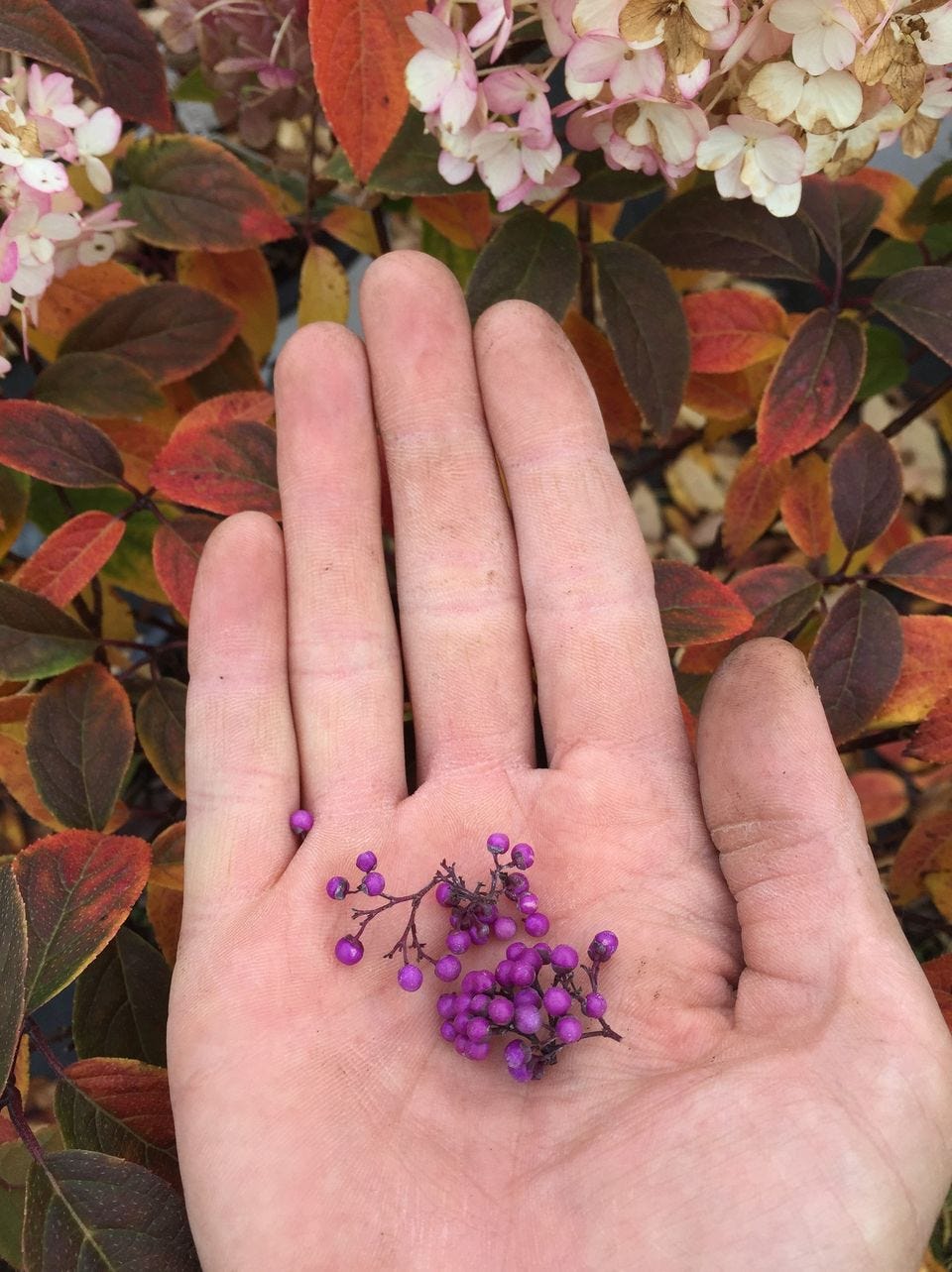

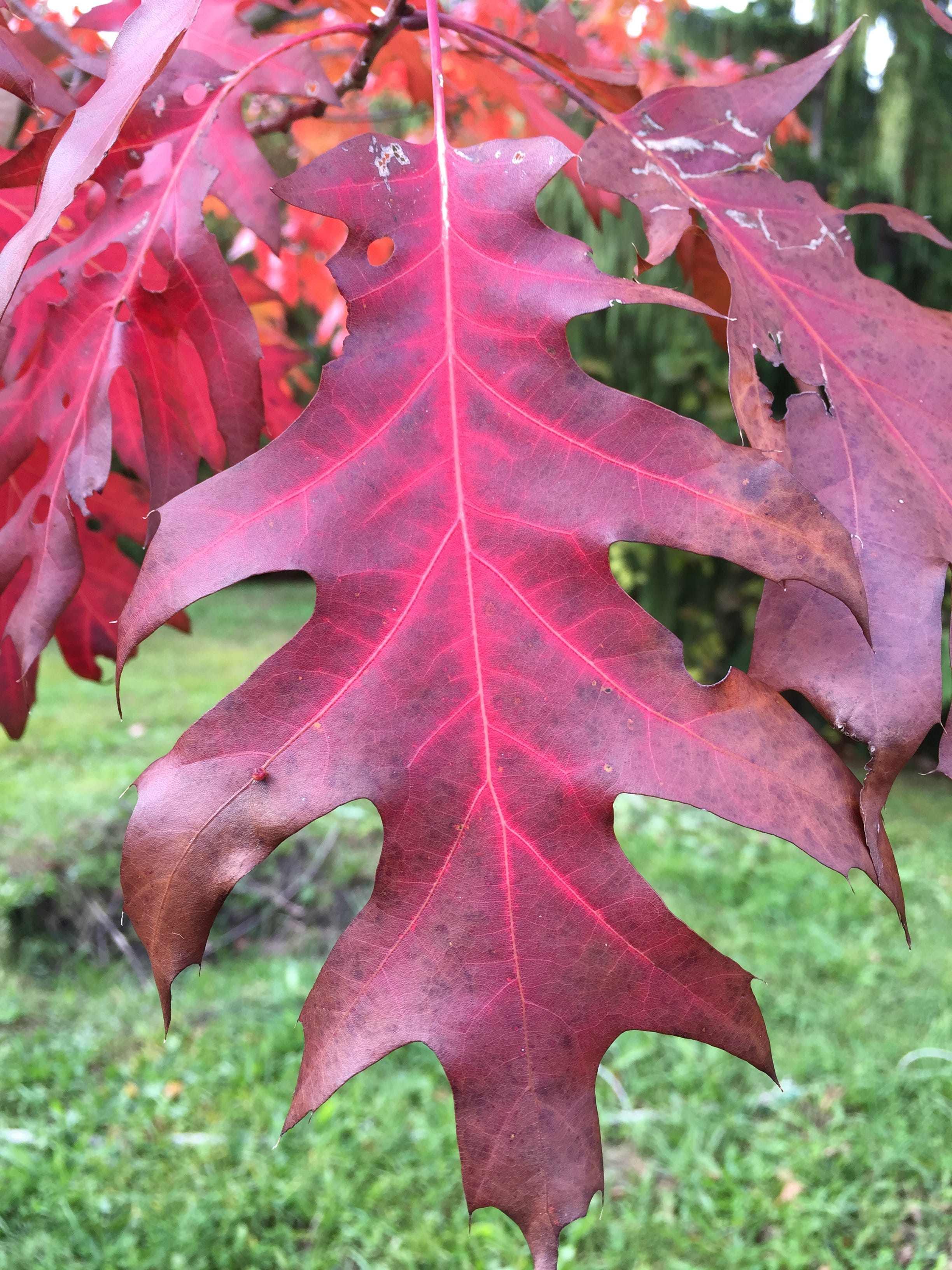
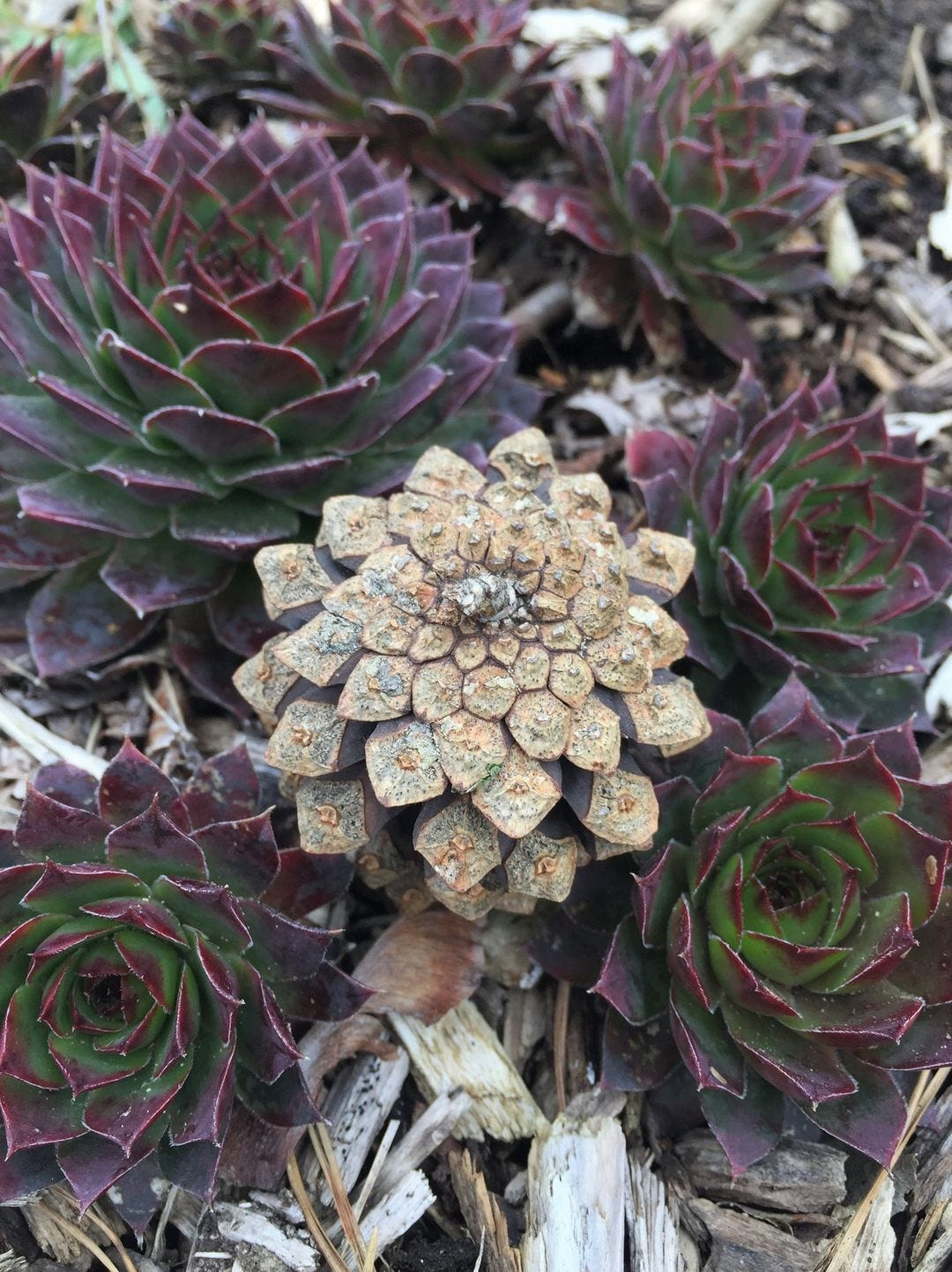
For a fun tangent and brief intermission video (related to the geometry present in the plants shown in the pic above and below I invite you to behold, the fractal geometry of our universe. Fractal beauty and equilibrium can be found on all levels of existence, sacred geometry evident in most minute building blocks of matter and life up to the structure and energy dynamics of entire galaxies. Here is The Torus & Toroidal Flow extract from Thrive 2011 documentary :
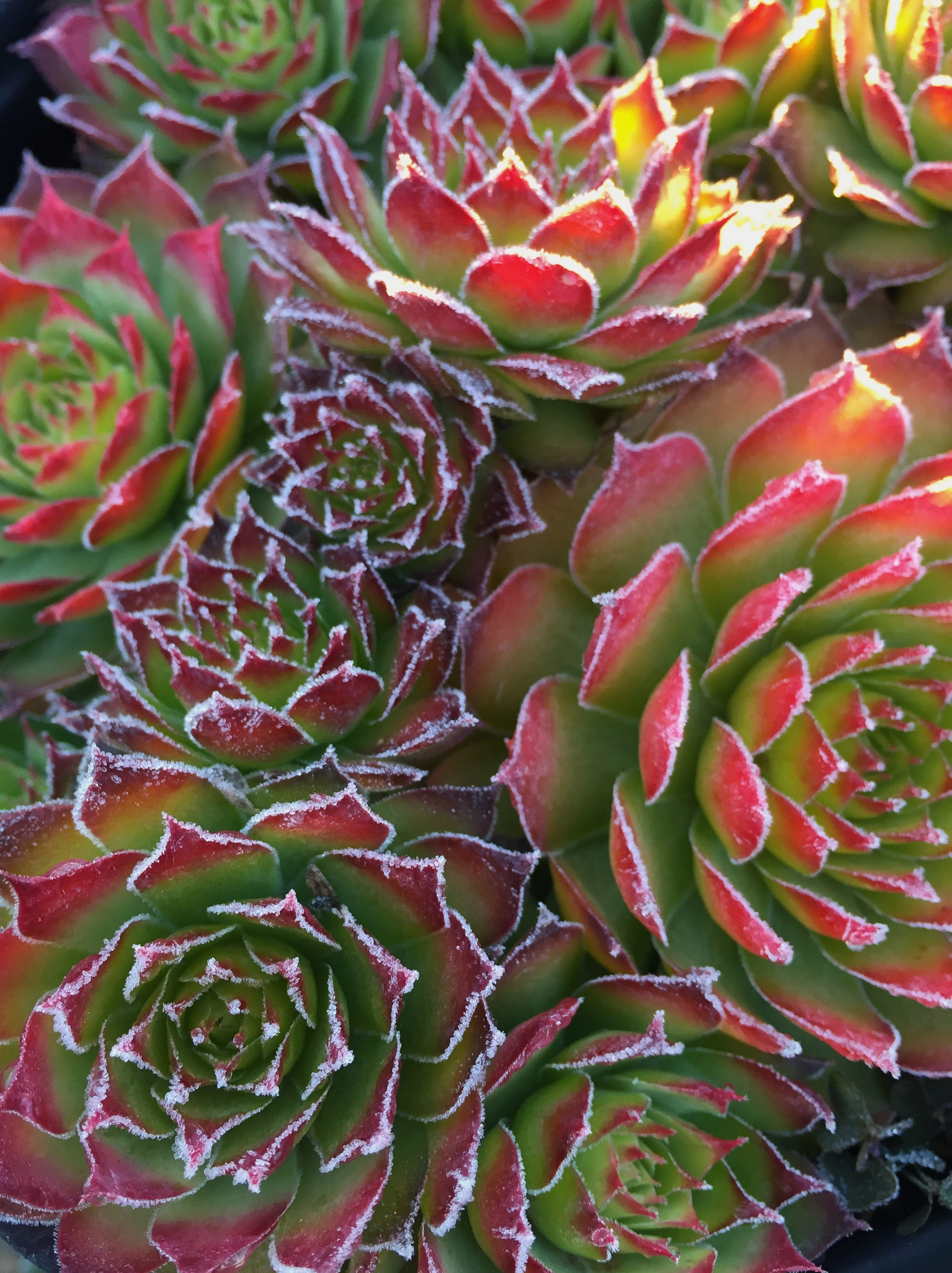
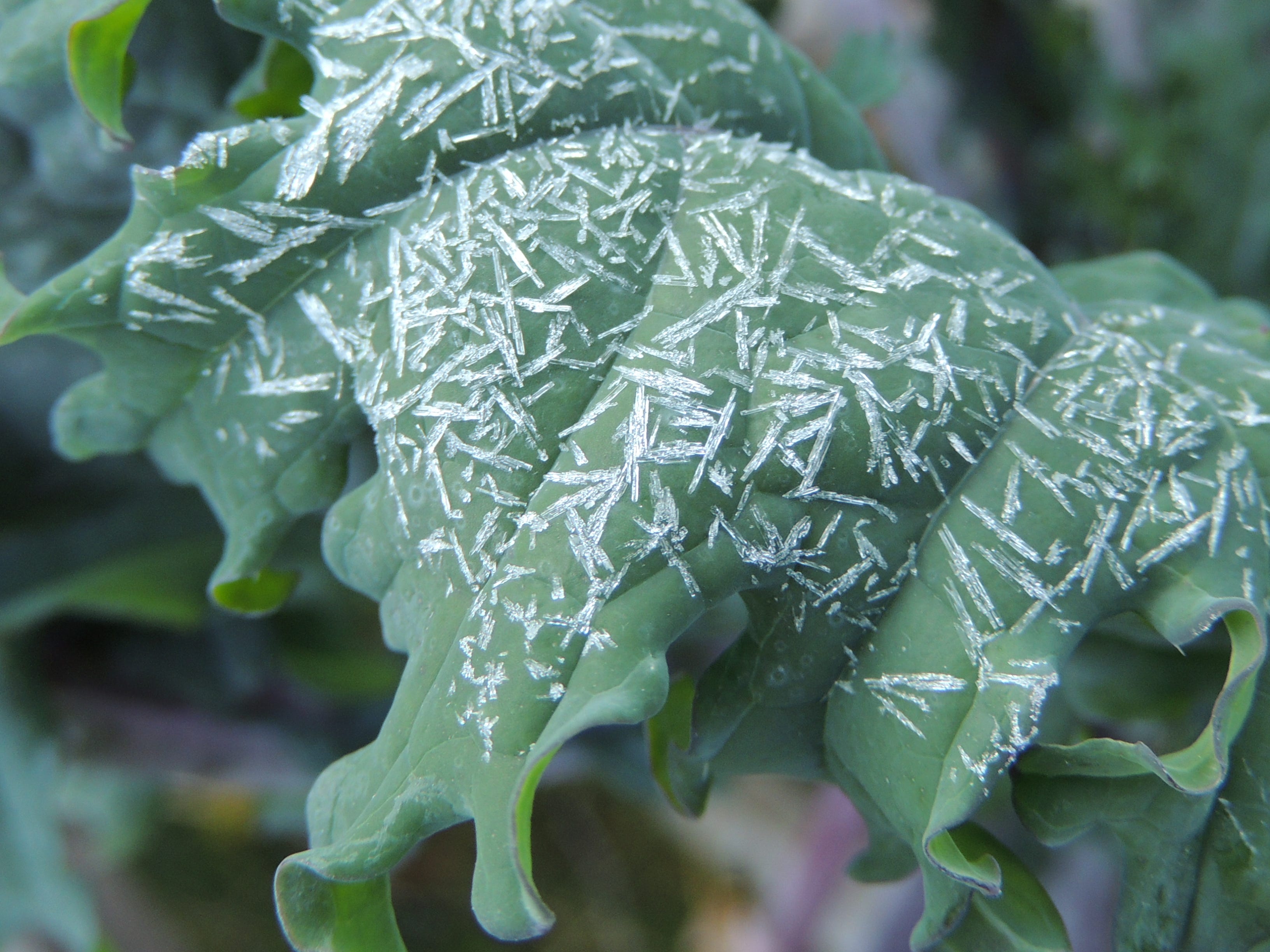
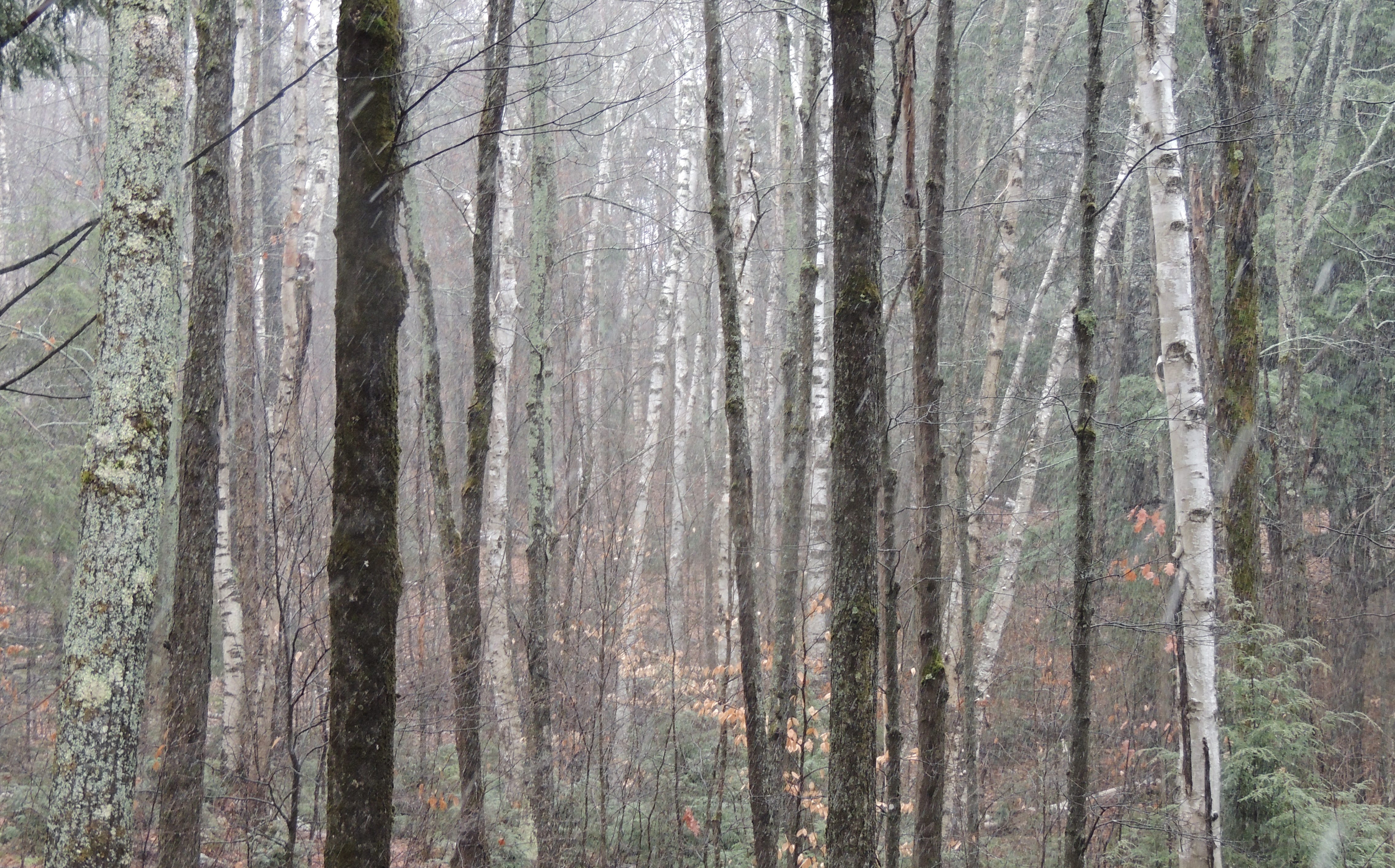
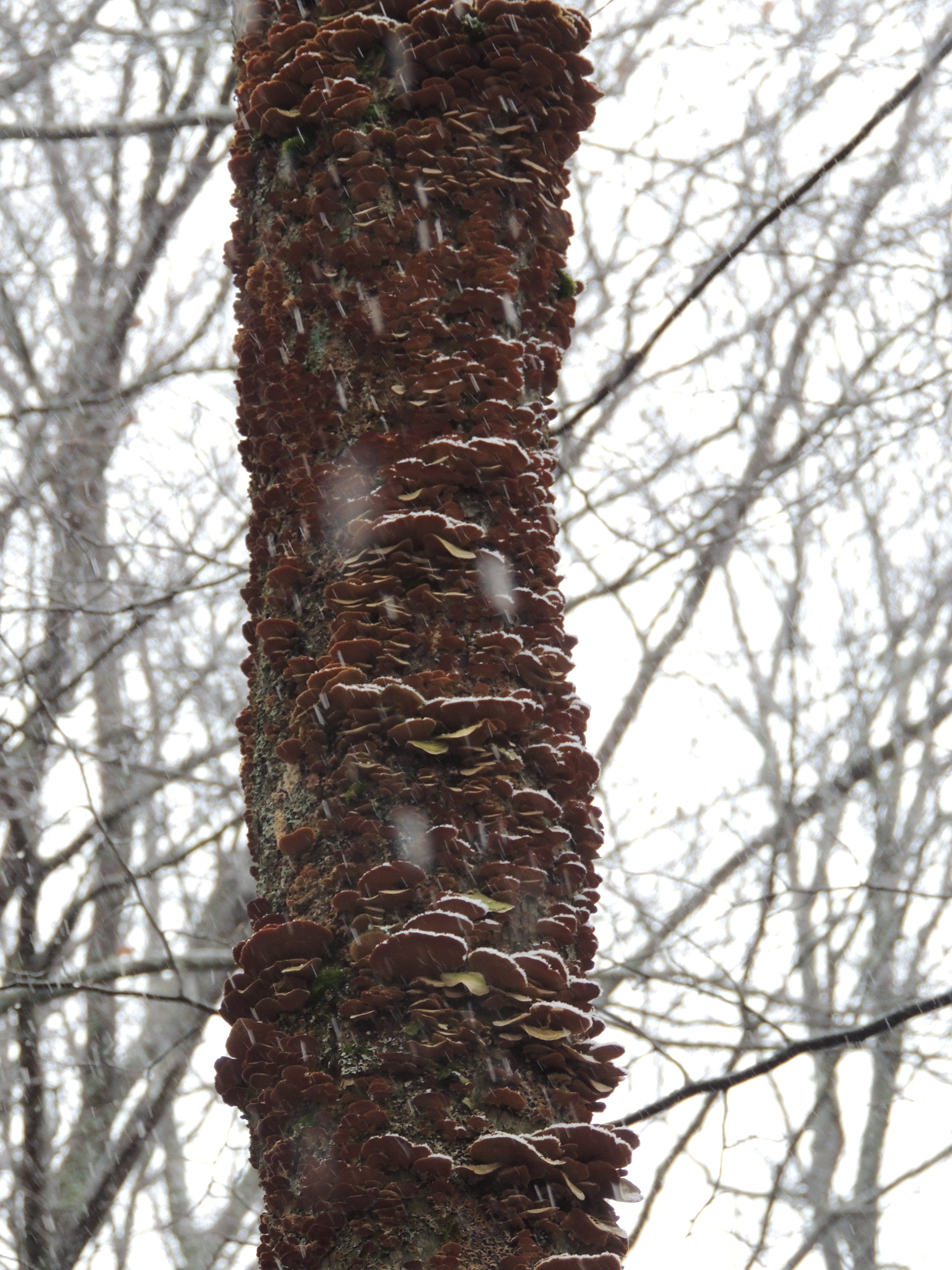
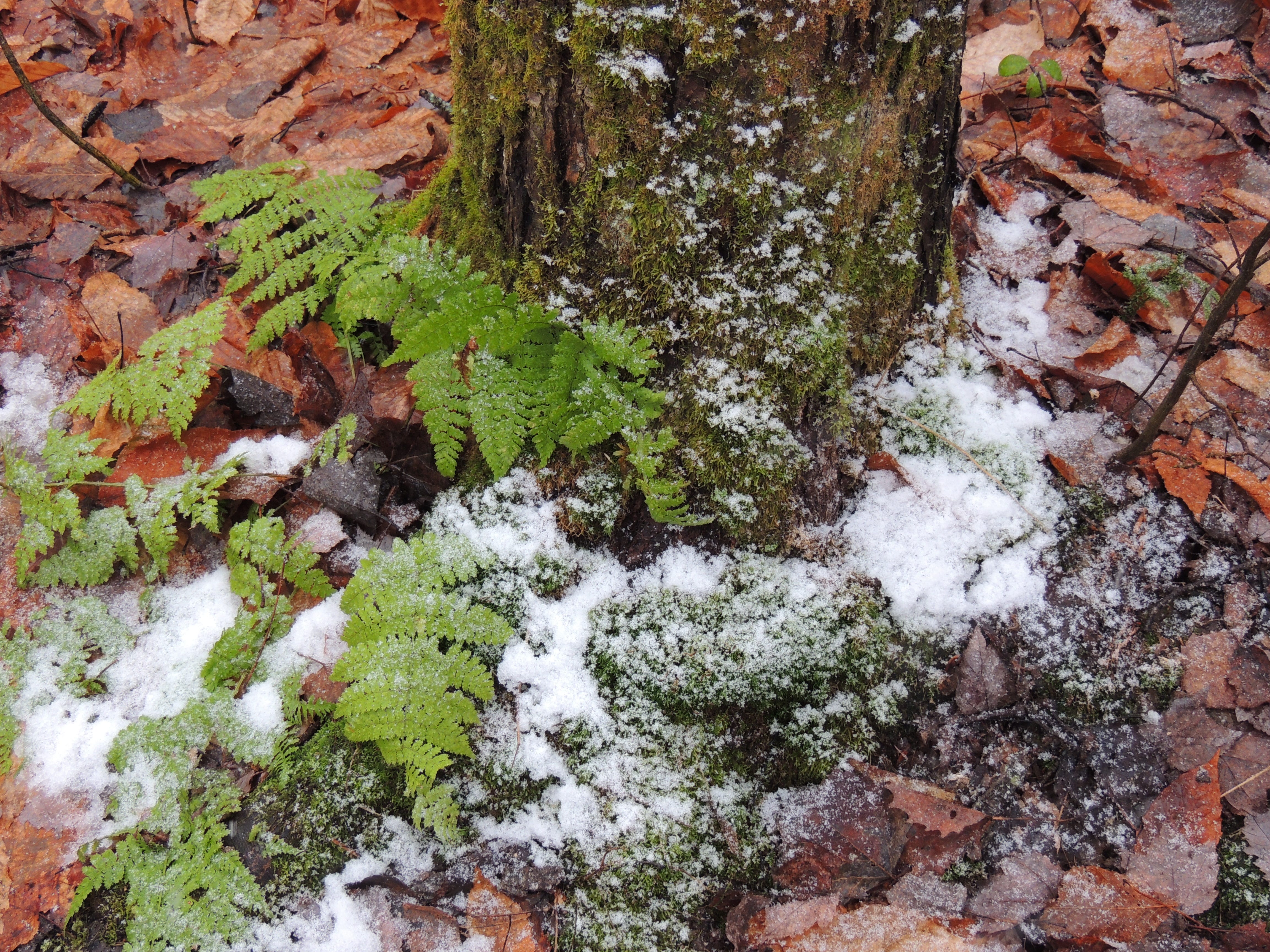
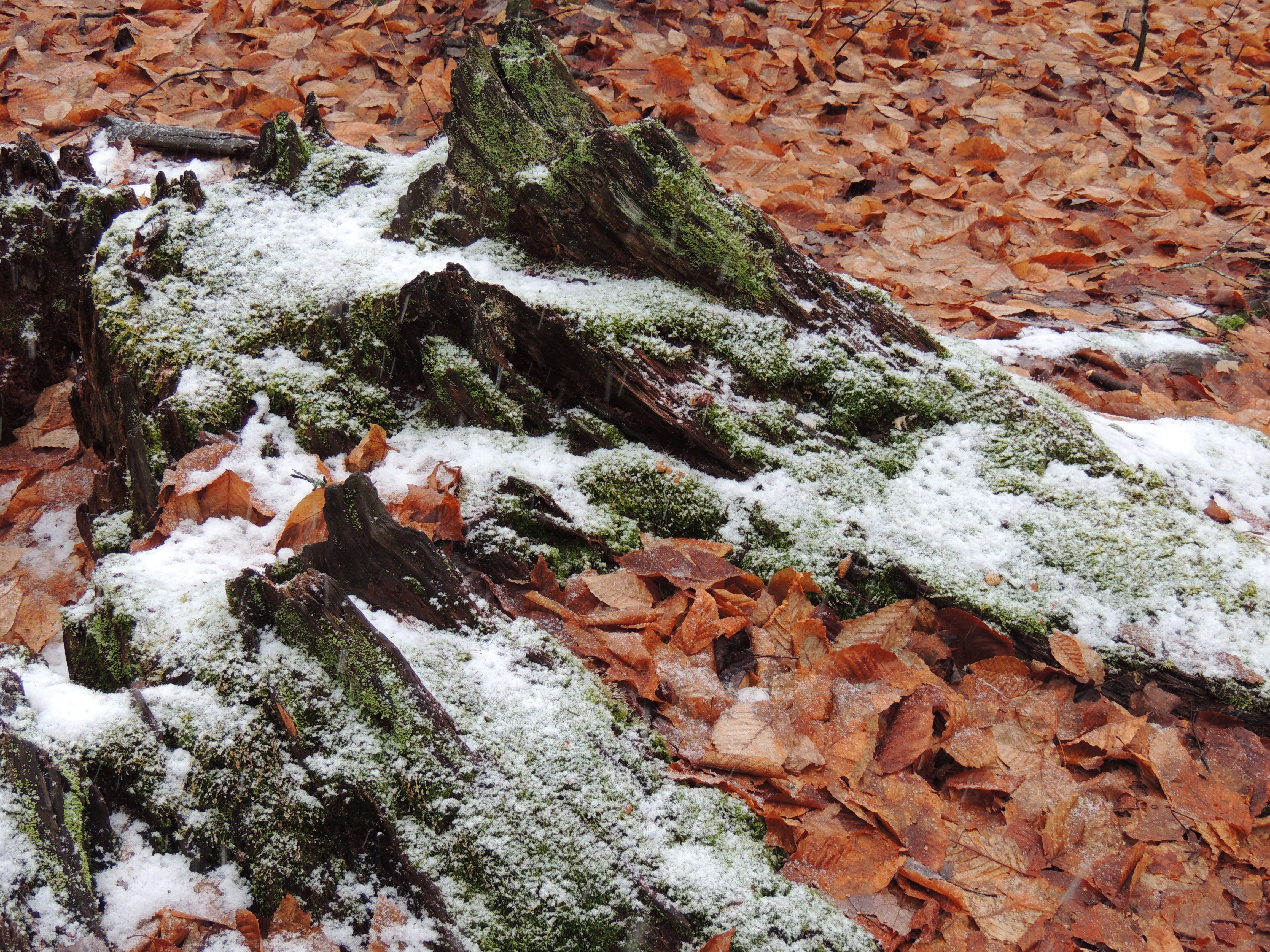
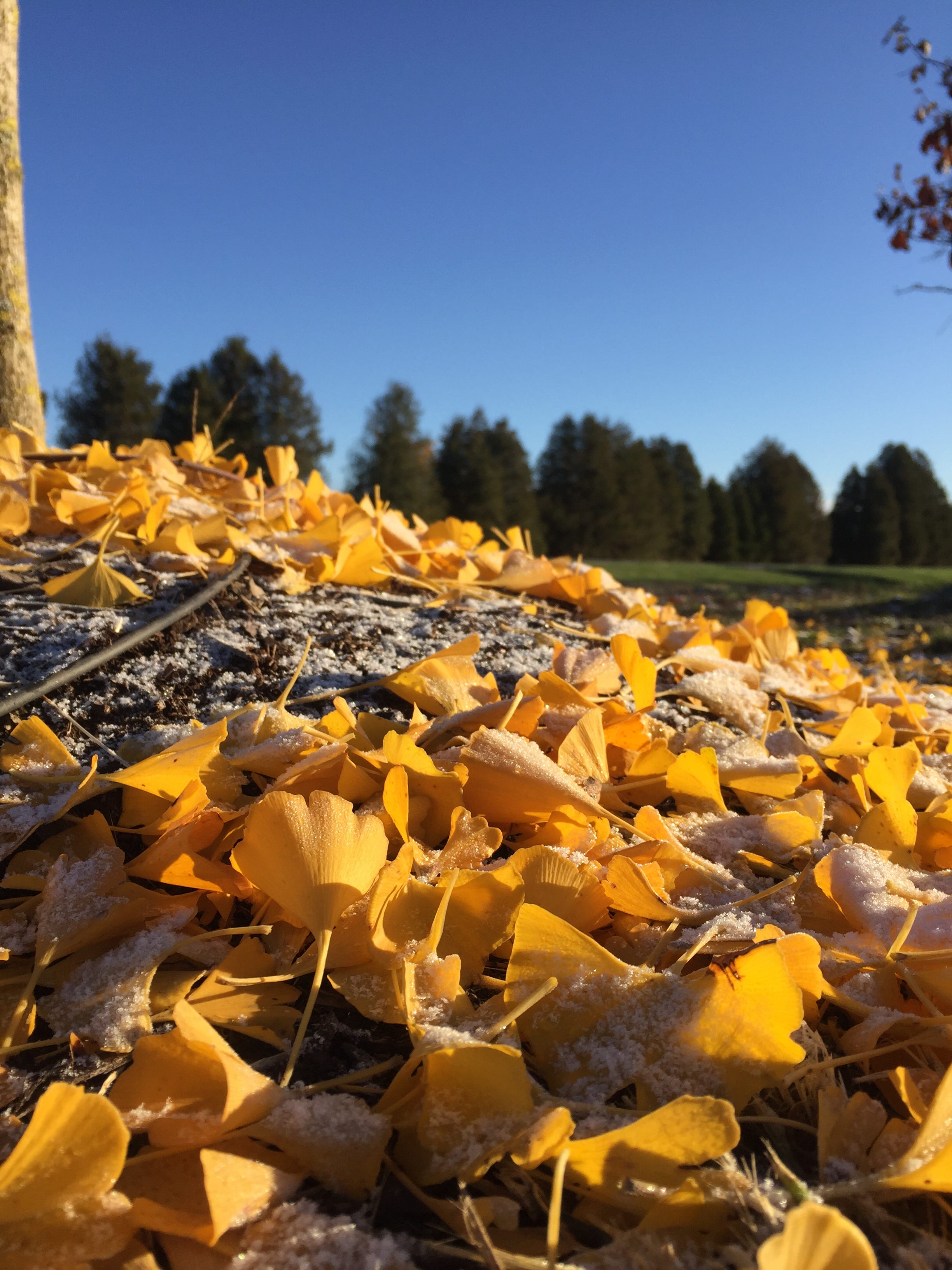
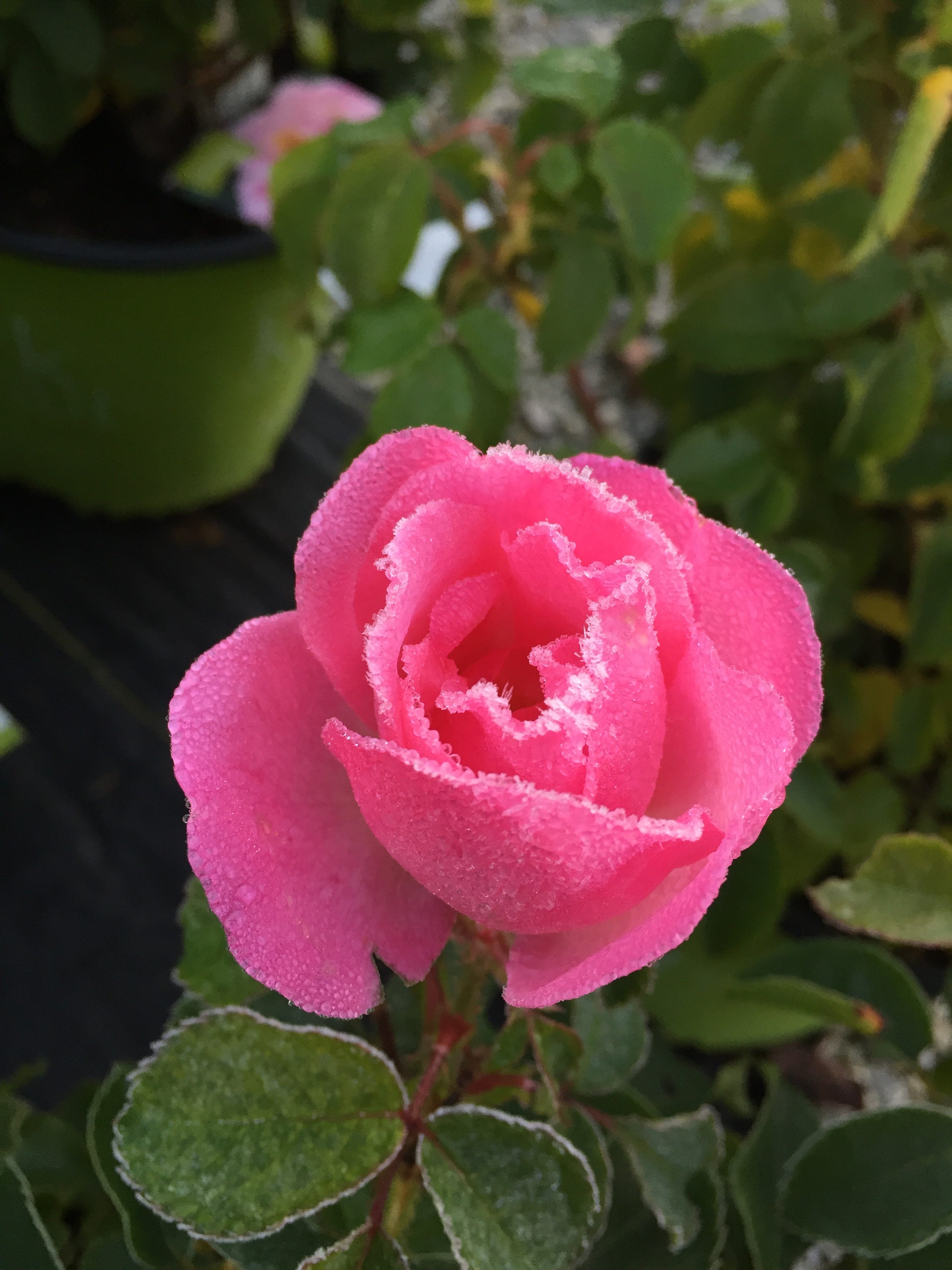
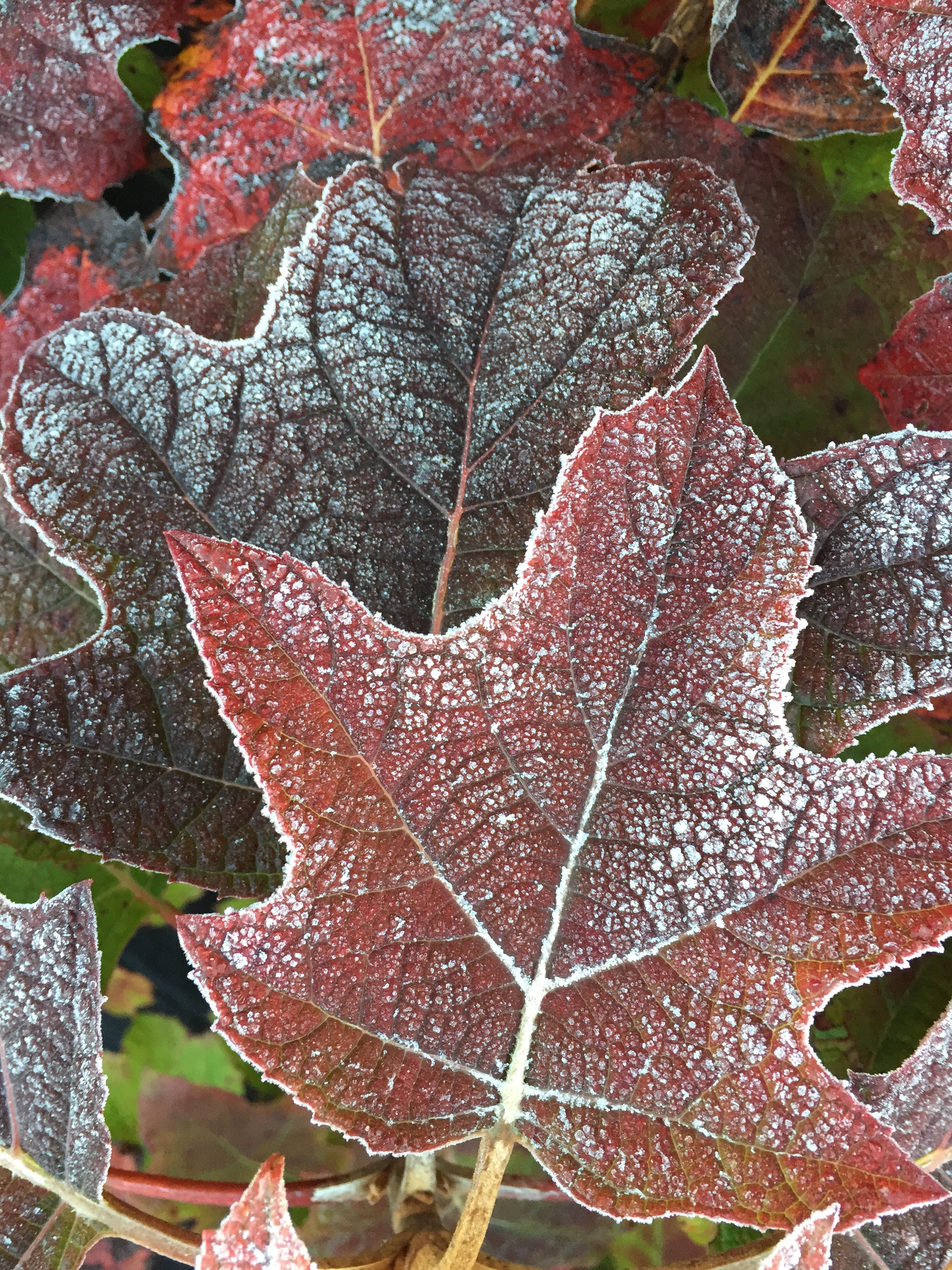

I have more pictures but that was already a pretty epic journey through the beauty of October in Ontario so i`ll stop myself from adding more now :) f
I hope you all take time to get out in nature and enjoy all the nourishment for the soul, mind and body that the remainder of autumn has to offer.
Each moment we choose to be truly present and give our attention to the wisdom that the Creator and Mother Earth are sharing with us (through the fractal geometry that is revealed in the living systems all around us and the symbiotic relationships between Earth’s inhabitants) we are offered a glimpse into a ‘scripture’ that is far older than all man made religious texts. In this ancient gospel as old as the mountains and as ancient as the seas wisdom is inscribed which teaches us to live in peace, abundance, symbiosis and harmony with our fellow beings.
Through opening our eyes to the symbiosis and fractal geometry embedded in all levels of nature we are invited to become one with a resilient and learned community of life. When we pay attention to these interwoven facets of nature which have coexisted in perfect balance on earth for countless millennia we are then able to emulate and embody those living systems and apply their tested and proven wisdom to our relationships in our lives and societies on earth. Through learning from those ancient living libraries of knowledge (that were created through eons of trial and error while nature experimented with what works and what does not) we can let go of our unsustainable path and choose a new direction as a species. With the ancient symbiotic relationships in nature as our teachers we can begin to release the arrogant and backwards path we have been on and embrace a new path that can lead humanity into a new paradigm and a new civilization on earth which is reverent, equitable, regenerative and prosperous.
Just .... perfect.
We're lucky to have you, Gavin.
Epic indeed!!!!!!!!!!!!! I journeyed too, wow.
LOVED this line: "We humans are among the youngest species on this beautiful planet on the outskirts of the Milky Way Galaxy and we have a lot to learn from our elder species on planet Earth."